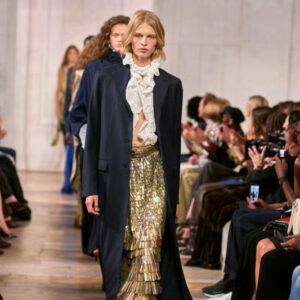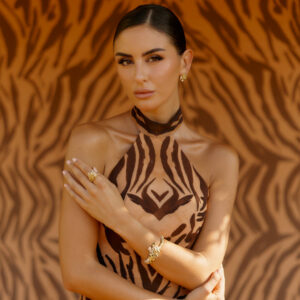
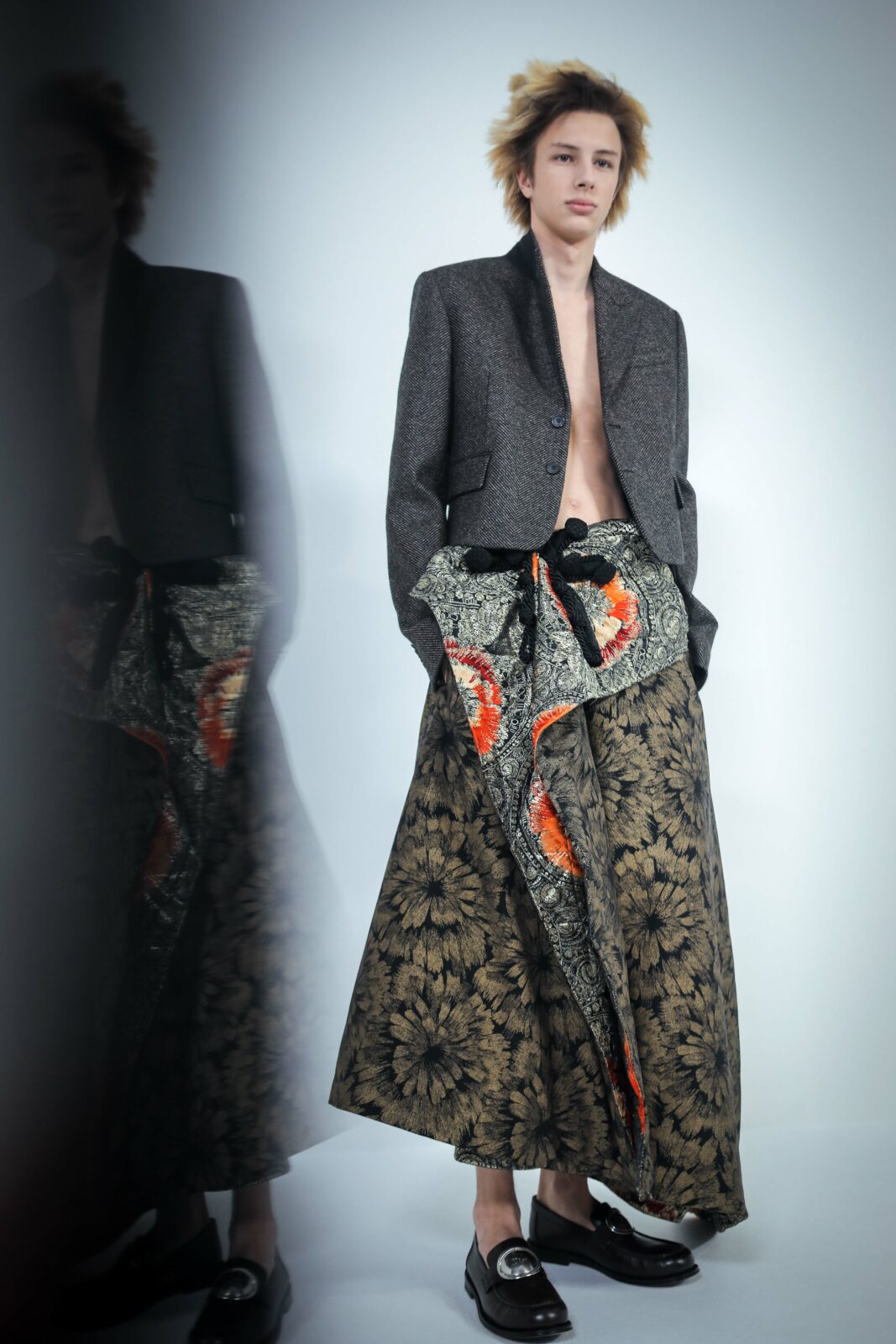
Paris Men’s Fashion Week FW26/27 moved with a very specific tension, heritage houses tightening their grip on spectacle while the designers with the strongest point of view focused on silhouette, construction, and mood. Outside the standalone headliners, the week’s real texture came from the brands that know how to build a world without begging for attention. You could feel a renewed appetite for clothes with intent, garments that carry an argument.
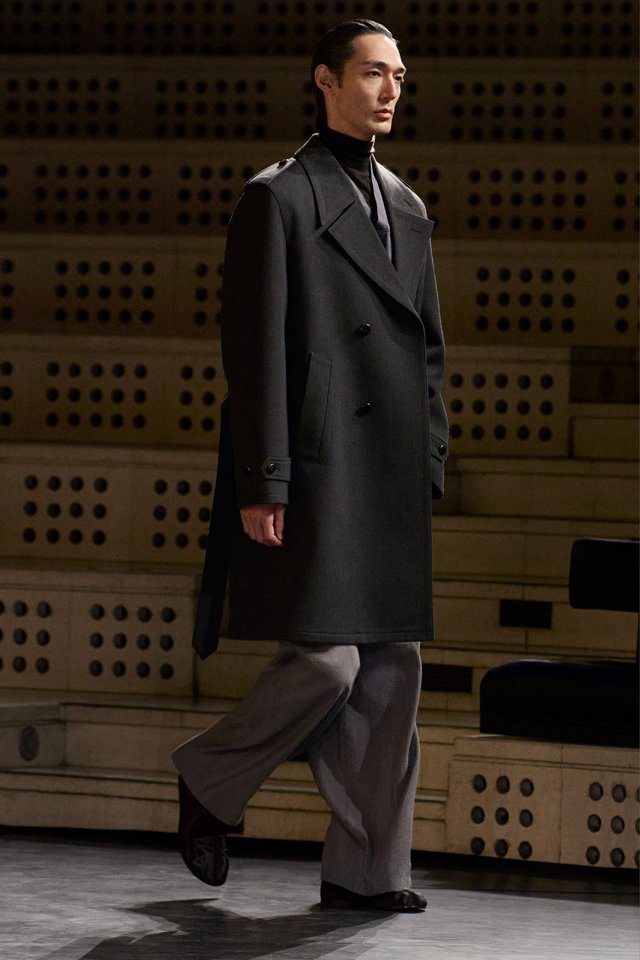
Lemaire
Lemaire arrived as the week’s reset, proving again that restraint can still feel like a statement in Paris. The focus was on clothes that read as lived-in but intentional, the kind of wardrobe you build over time. It’s the antidote to fashion’s louder instincts: proportion, fabric, movement, and a sense of calm authority.
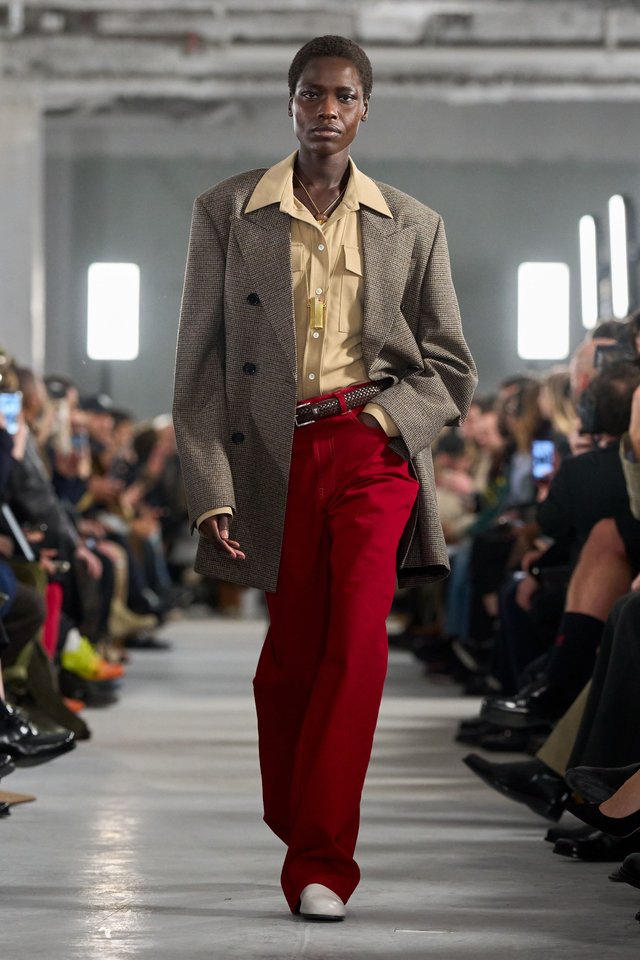
Ami Paris
Ami Paris delivered the kind of polished, likeable menswear that makes sense both on the runway and immediately on the street outside it. It’s Parisian charm with an easy confidence, built around clean silhouettes and a wardrobe that maps onto real life. The appeal is in the balance: dressed-up without stiffness, relaxed without looking careless. In the context of the week, Ami plays the role of crowd-pleaser but with enough taste to keep it from feeling basic.
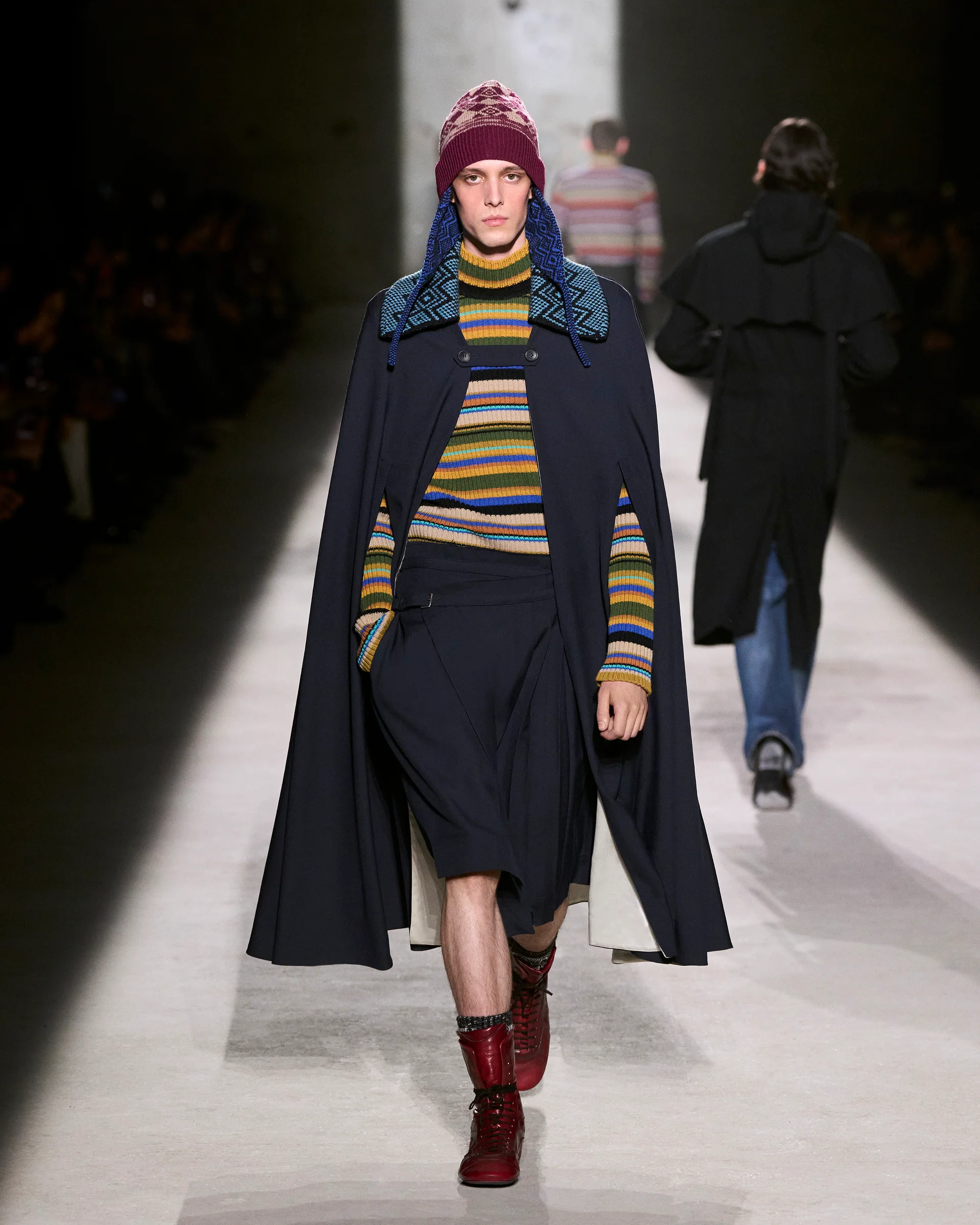
Dries Van Noten
Dries Van Noten sat at that sweet spot of craft and emotion, where the clothes feel considered but never clinical. There’s always a sense of story in the styling, as if each look is part of a wider collage of references rather than a single trend pitch. What stands out is the brand’s ability to make “beauty” feel modern, textures, colour, and detail. It’s the kind of collection people will cite later when they talk about the week’s real fashion.
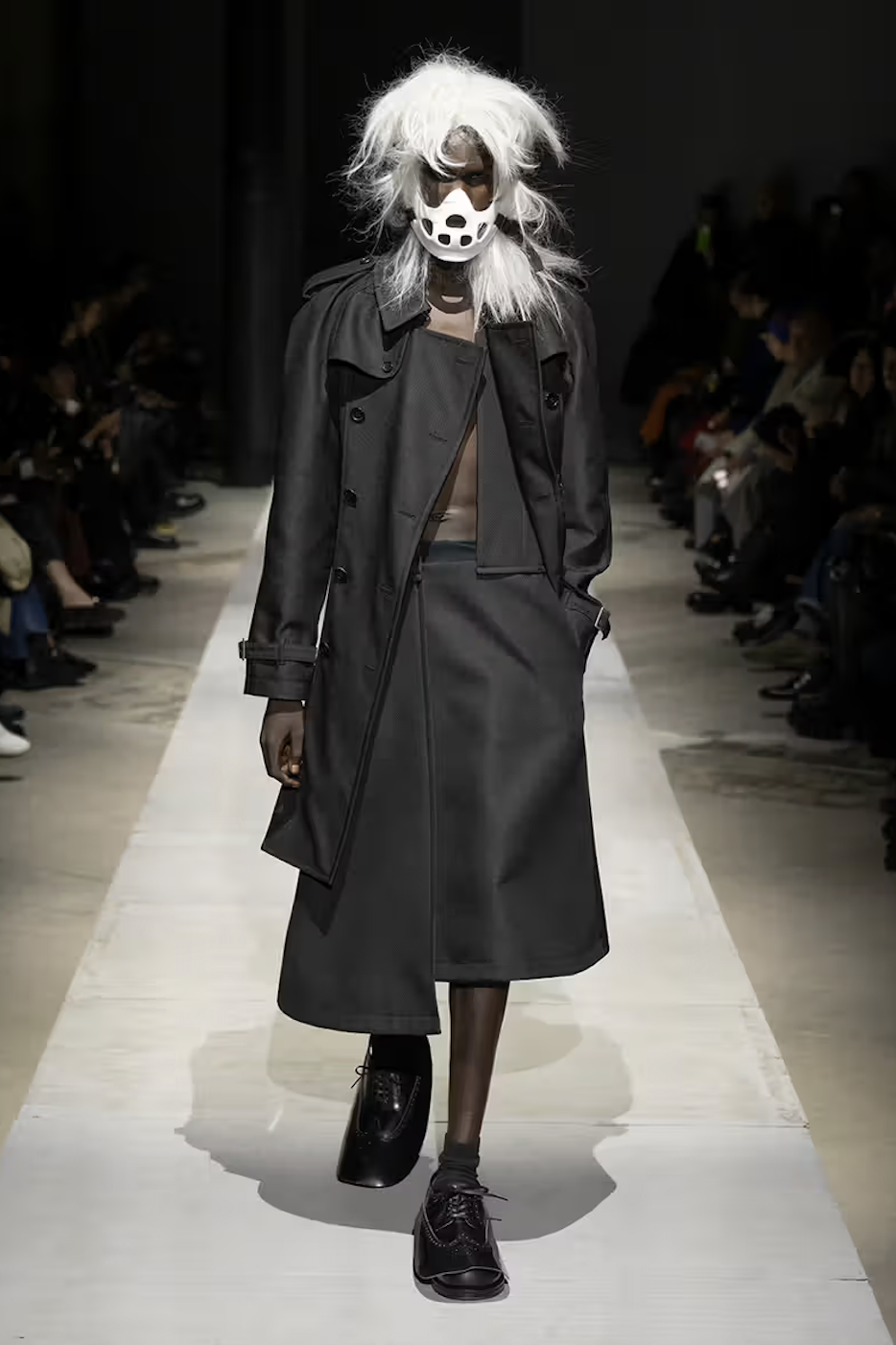
Comme des Garçons Homme Plus
Comme des Garçons Homme Plus came in as the intellectual jolt: sharp ideas first, clothes second, and then the realisation that the clothes are the idea. It’s the show that reminds everyone that menswear can still be a provocation, shapes push and pull at the body in a way that feels deliberate, even slightly confrontational. Whether you loved it or felt challenged by it, it’s the kind of moment that anchors a season’s conversation.
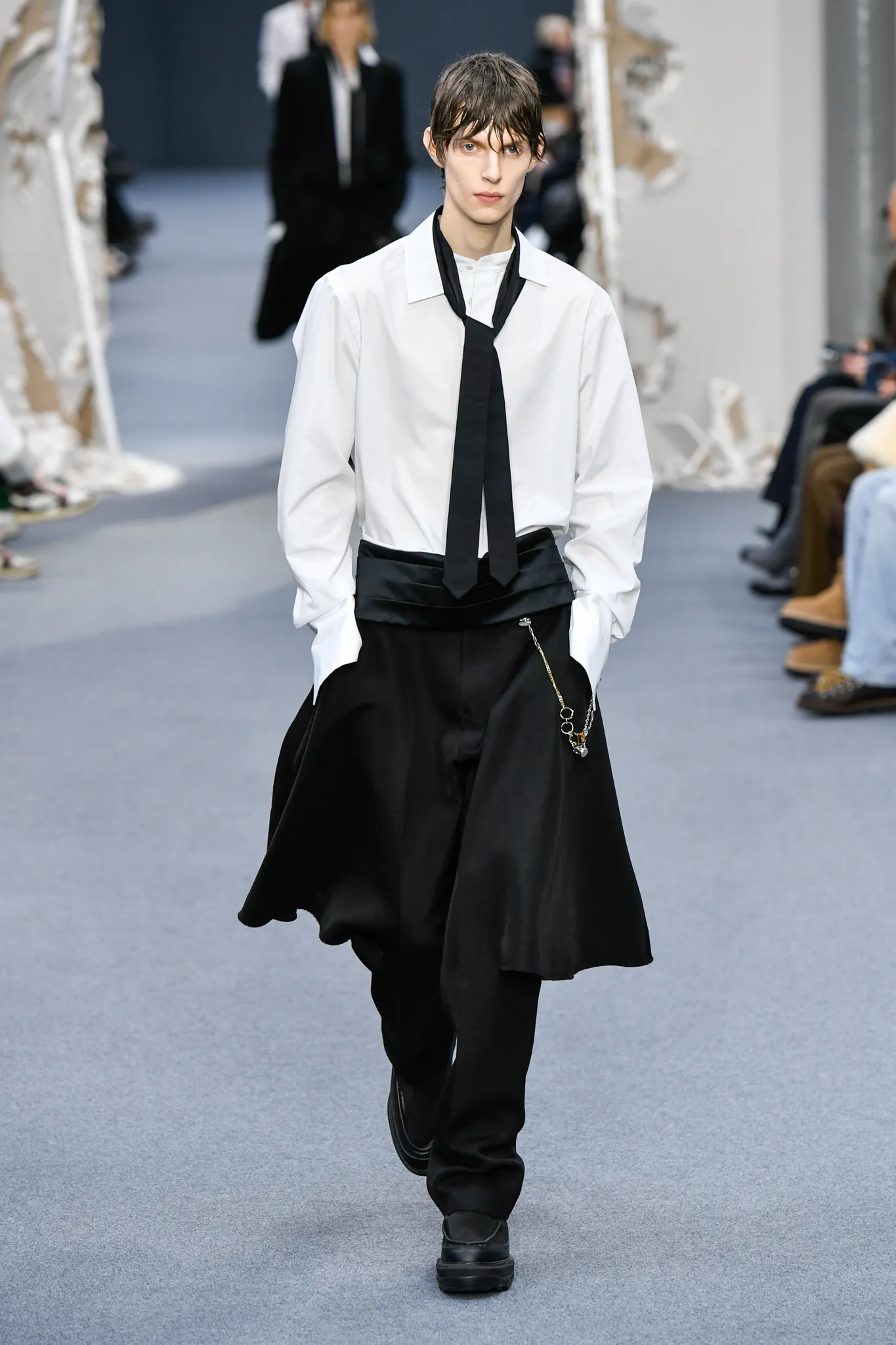
Sacai
Sacai did what Sacai does best: take familiar menswear codes and re-engineer them until they look inevitable. The silhouettes feel precise and hybrid, like the garments were spliced from multiple wardrobes and then refined into something cleaner than the sum of its parts. It’s functional, but with a designer’s obsession for construction and detail that keeps the clothes from ever reading as “basic”. Sacai belongs in the “modern uniform” category, it sets the tone for how people actually want to dress next.
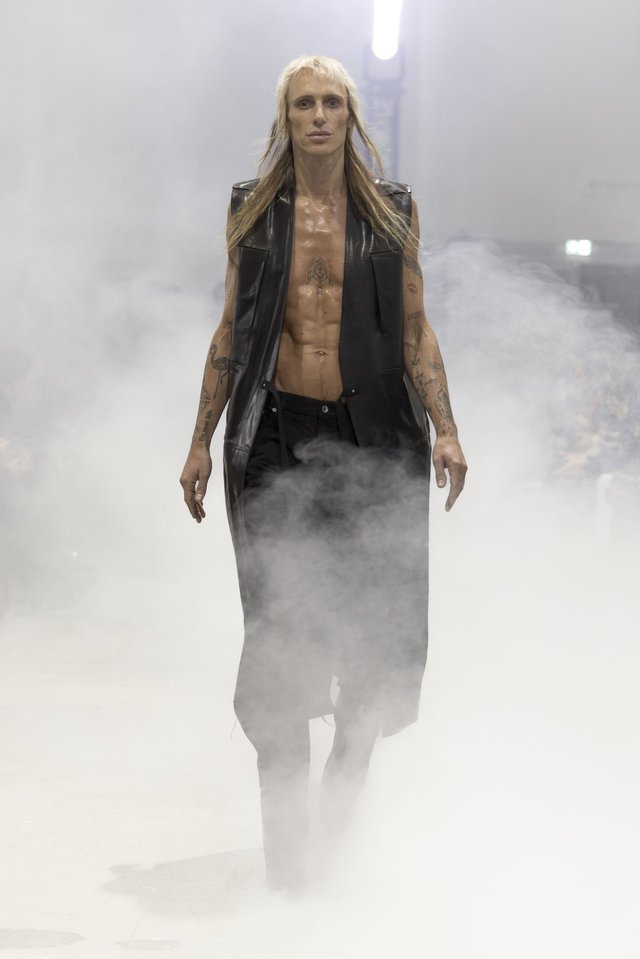
Rick Owens
Rick Owens arrived like a controlled storm, as it always does, theatrical, physical, and uncompromising. The energy is always bigger than the room: a world with its own rules, where silhouette becomes attitude and performance becomes part of the garment. Even when you can’t imagine wearing it to dinner, you understand why it matters, because it pushes fashion back into the realm of myth. In a week packed with polished luxury, Owens is the reminder that darkness, drama, and conviction are also forms of elegance.
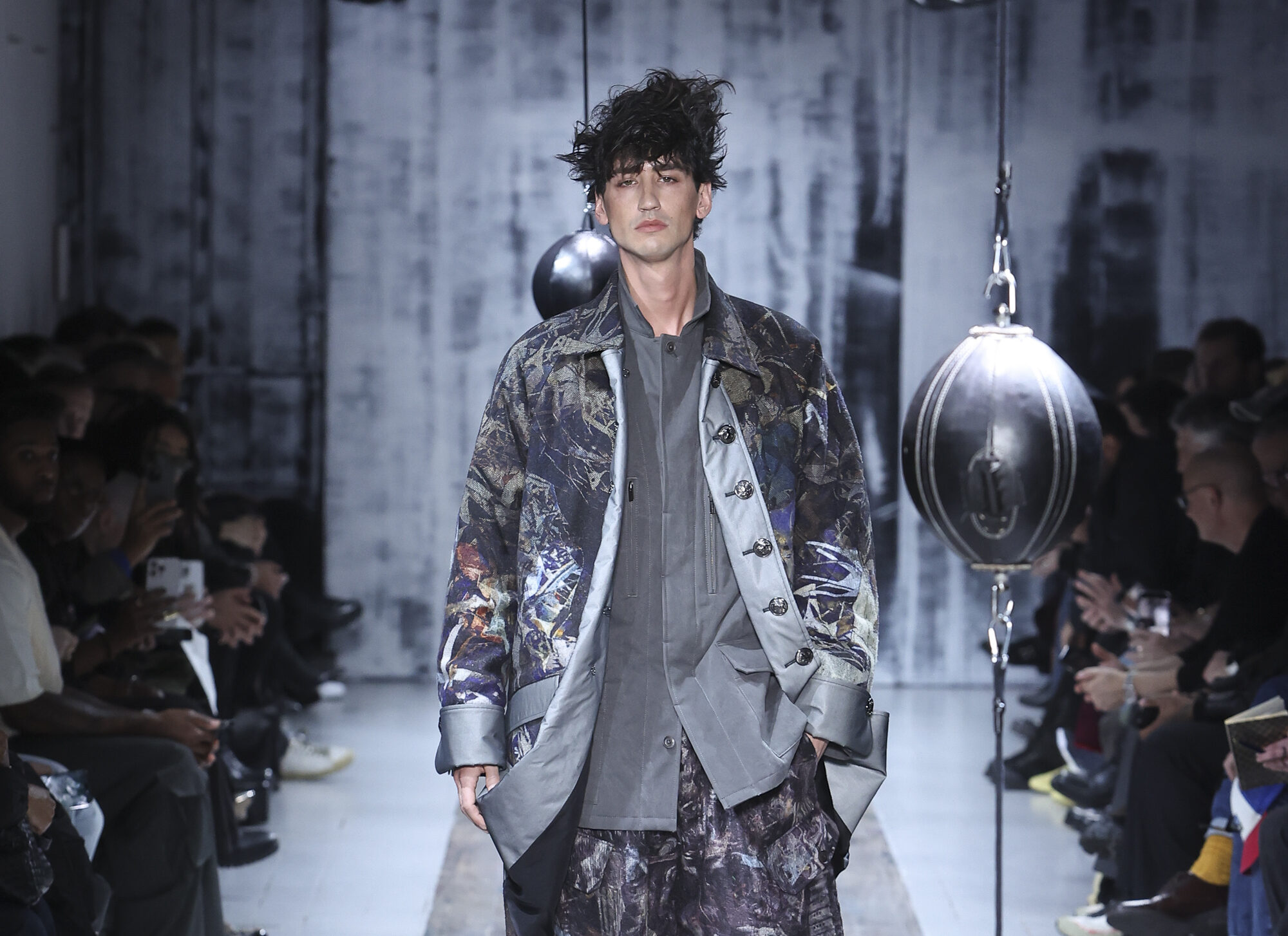
Yohji Yamamoto
Yohji Yamamoto offered a slower, more poetic cadence. The silhouettes carry that signature sense of volume and ease, moving with the body and makes you notice air and space again. It’s a show that doesn’t chase novelty; it deepens a language that’s been built over decades and still feels relevant. Yohji reads as the week’s emotional anchor, more philosophy.
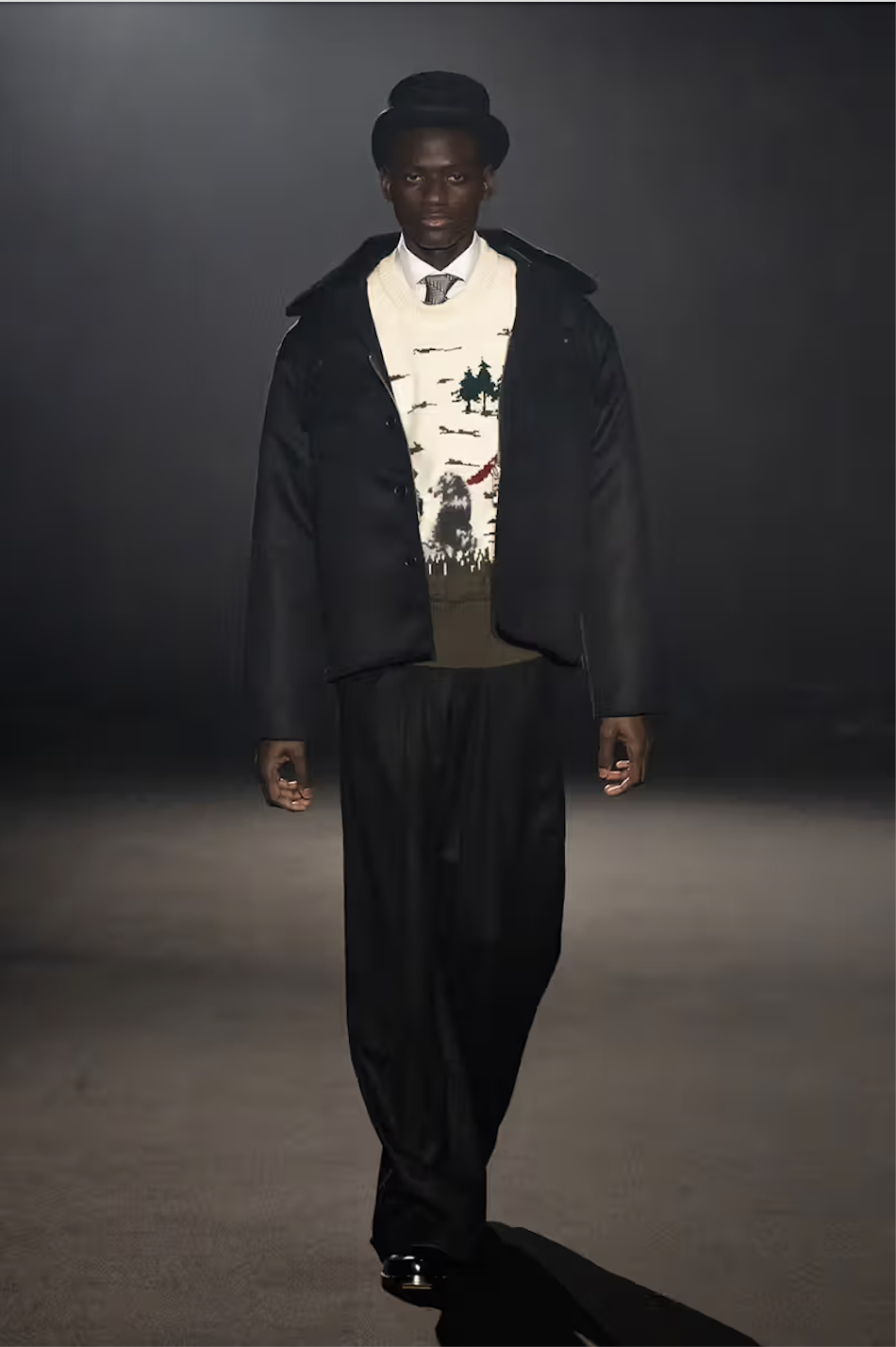
Junya Watanabe Man
Junya Watanabe Man delivered the conceptual rigour that feels instantly quotable in menswear circles. There’s a precision to the way references are handled, with construction doing as much talking as styling. It’s the show where you find yourself leaning forward, trying to clock what’s happening in seams, surfaces, and shape. In the wider week, Junya stands out as proof that “ideas” and “wearability” don’t have to be enemies.
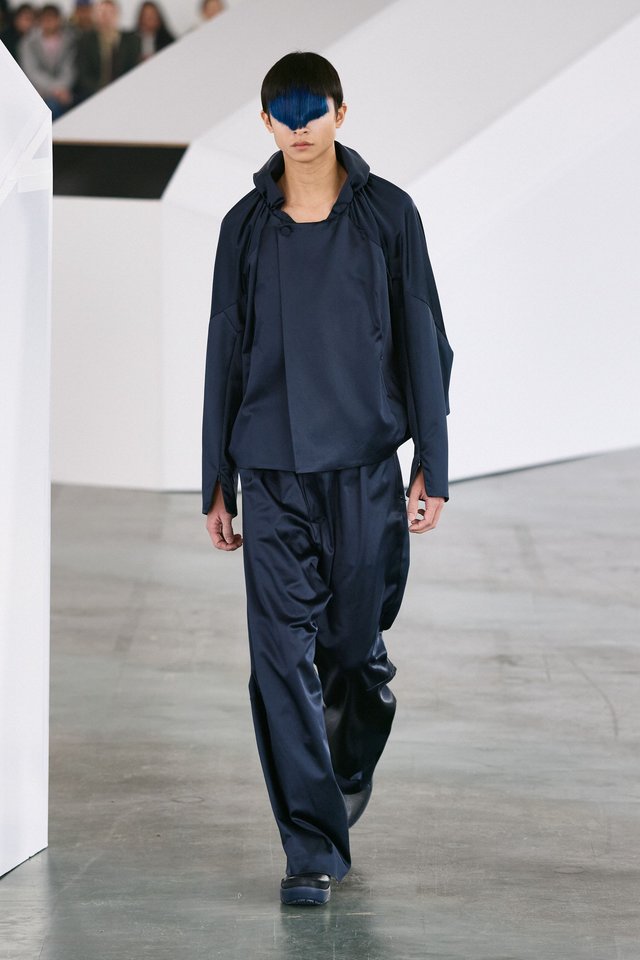
Kiko Kostadinov
Kiko Kostadinov felt like one of the week’s most directional moments: niche enough to be cult, clear enough to be influential. The clothes operate in that technical-romantic zone, sharp silhouettes, purposeful detailing, and a sense of forward motion rather than retro comfort. It’s menswear that assumes an intelligent wearer, someone who likes clothes with design logic. The show people reference when they’re talking about where menswear is going, not where it’s been.
Kenzo
Kenzo brought a brighter, more extroverted energy into the schedule, with a presentation format that still landed as a proper week moment. There’s a sense of play in how the brand handles youth, colour, and graphic impact, but it’s most interesting when that play is sharpened into silhouette and styling decisions that feel intentional. It’s the kind of collection that photographs well and travels fast online, which matters in a fashion week ecosystem built on instant images. Kenzo is a pop of energy, a lift in tempo among heavier, moodier statements.

Celine
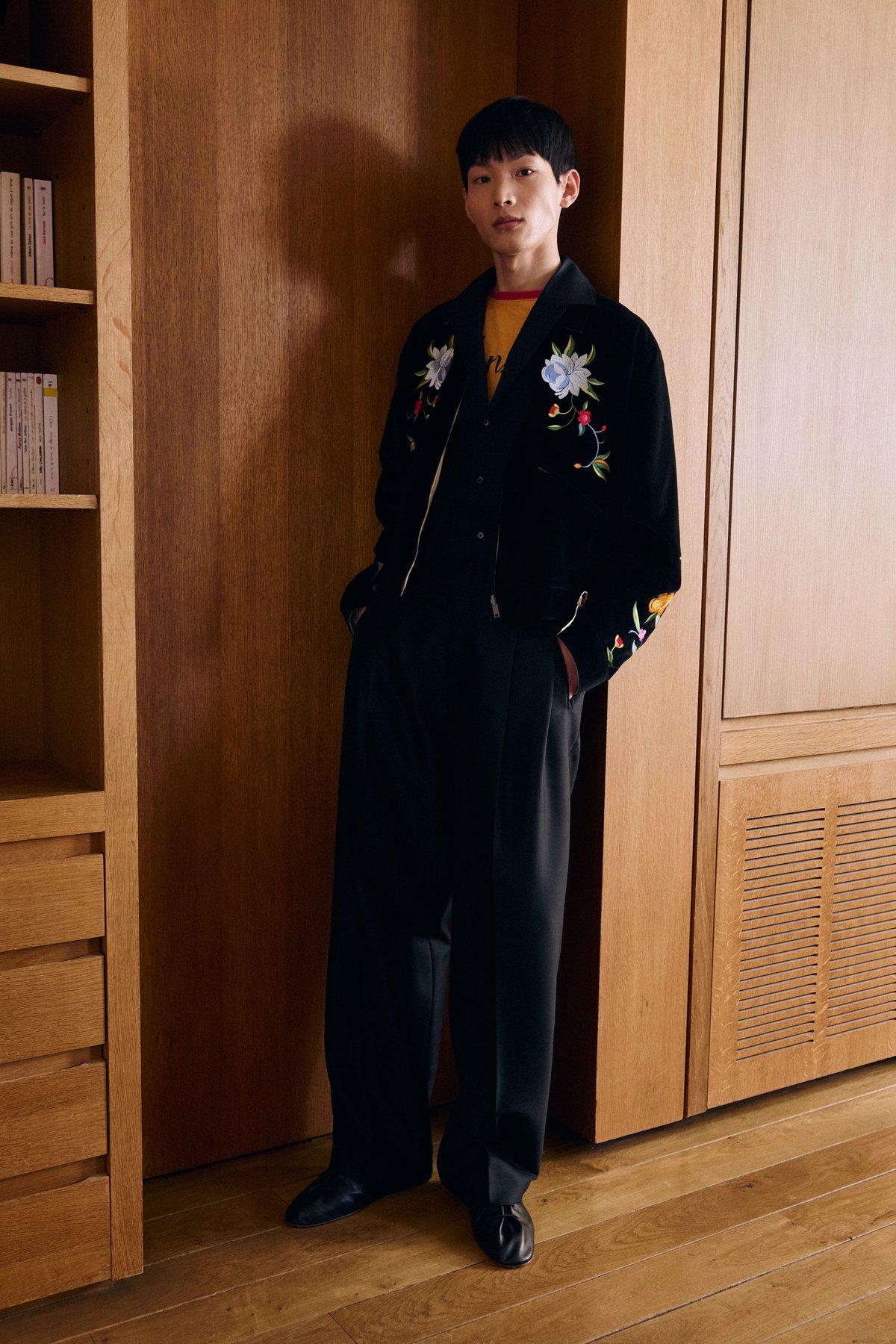
Celine skipped the runway this season and released the collection through images, alongside a note that framed menswear as something lived in. Michael Rider positions the brand in the “here and now,” focused on how people actually move through their days and nights, and how they want to feel in clothes. “Character over costume,” backed up by an insistence on pieces that feel necessary and personal, made in beautiful fabrics that last. It’s a clear stake in the ground: CELINE as a place to get dressed for real life, with “classics with bite,” where discretion and restraint make the right kind of noise.
Willy Chavarria
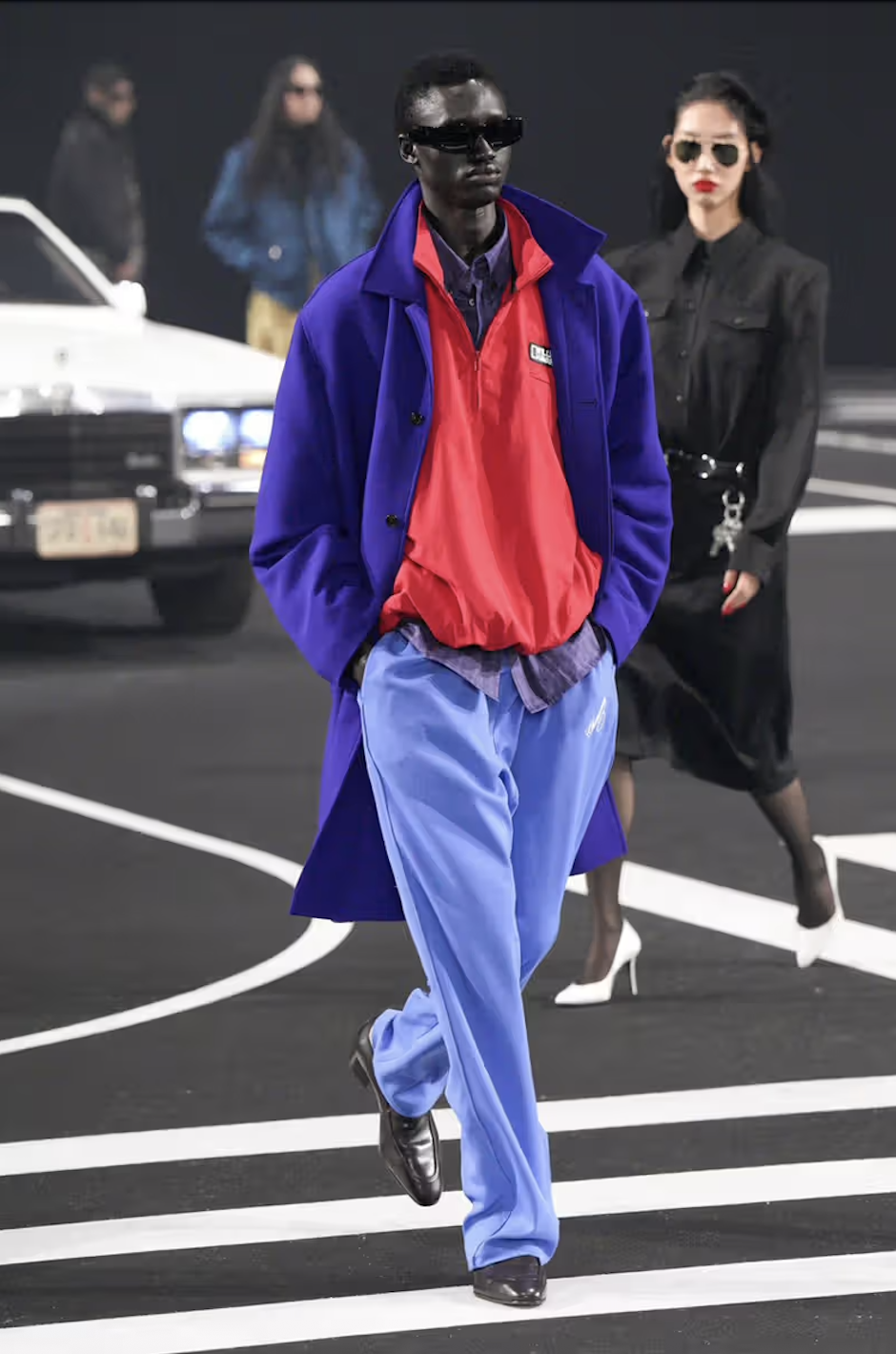
Willy Chavarria approached Paris with full-scale theatre, closer to a staged performance than a standard runway. The production was tight and cinematic, using music and choreography to turn the show into a statement about identity, community, and who gets to be seen in menswear. That sense of purpose carried into the clothes through strong silhouettes and a controlled intensity, masculinity presented as something constructed, not inherited. It was spectacle with a point, a reminder that menswear can hold emotion and politics without losing elegance.
Taken together, these collections sketched a menswear landscape that feels more decisive than trend-chasing. The strongest moments had conviction and they trusted craft, proportion, and atmosphere to do the work. Some offered wearability with taste, others demanded attention and pushed the conversation forward, and both approaches mattered.
For more stories of fashion from around the world, visit our dedicated archives and follow us on Instagram.