

Mond’s (YouTube) early career unfolded under another name: Muhab, a moniker attached to hits, visibility, and a certain fluency with the machinery of the Egyptian music industry. When that name was abandoned, it did not register to me as reinvention so much as interruption. Something paused mid-sentence. Since then, Mond’s work has felt like an excavation, a slow movement inward, not an expansion outward.
Each release has felt like a probe, testing what remains once expectation and surface confidence are stripped away.
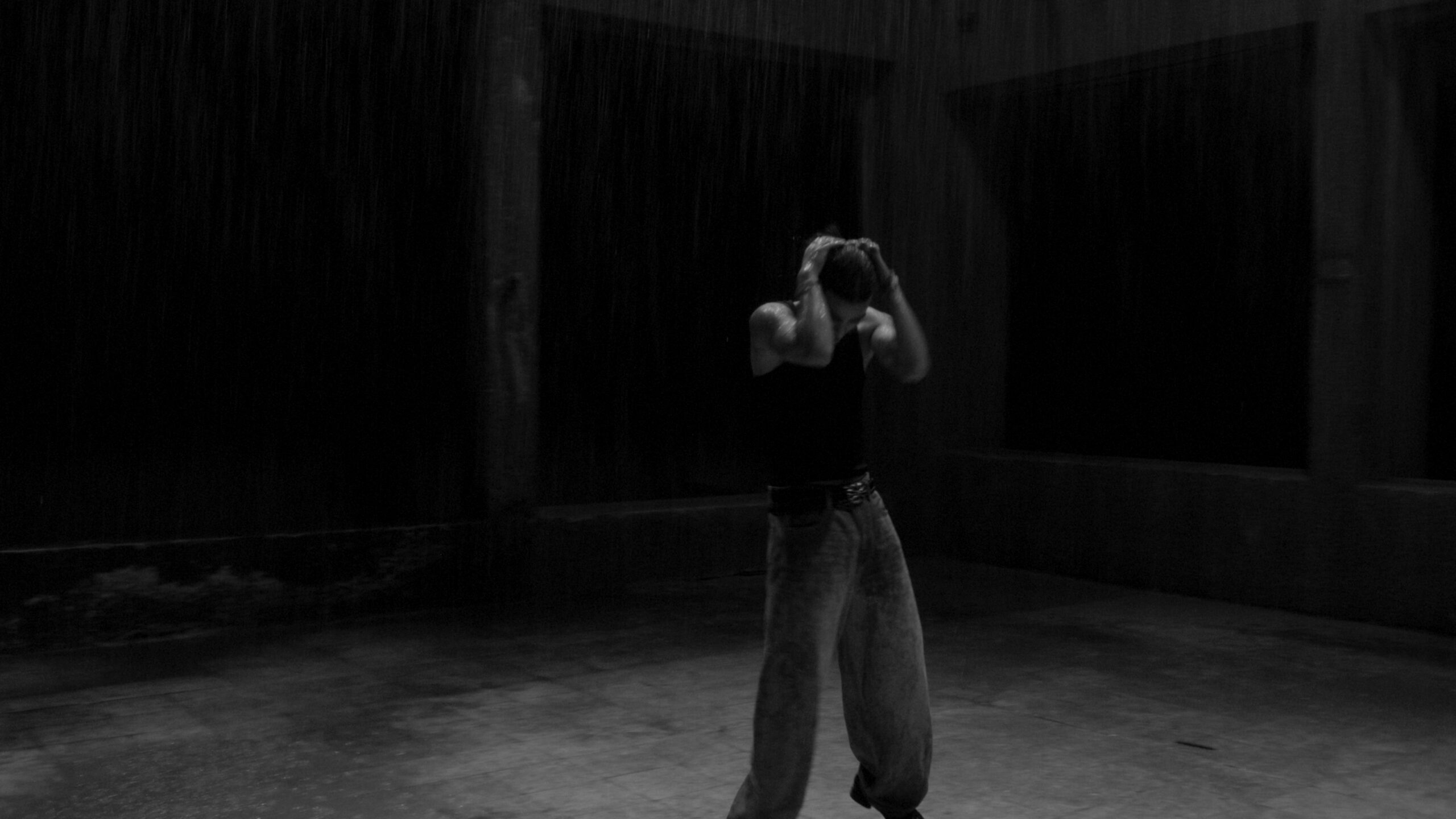
BZNS is the first time that inward turn fully coheres. Directed by Franco-Egyptian filmmaker Ahmed Razeek, the film totally abandons the rules of MENA music videos in favour of something more felt – pressure, proximity, and duration.
There are no performers in the conventional sense. The film is carried by bodies drawn from Cairo’s street-fighting and parkour communities – fighters and traceurs, young men whose knowledge of movement comes from impact, flight, and mutual reliance rather than rehearsal.
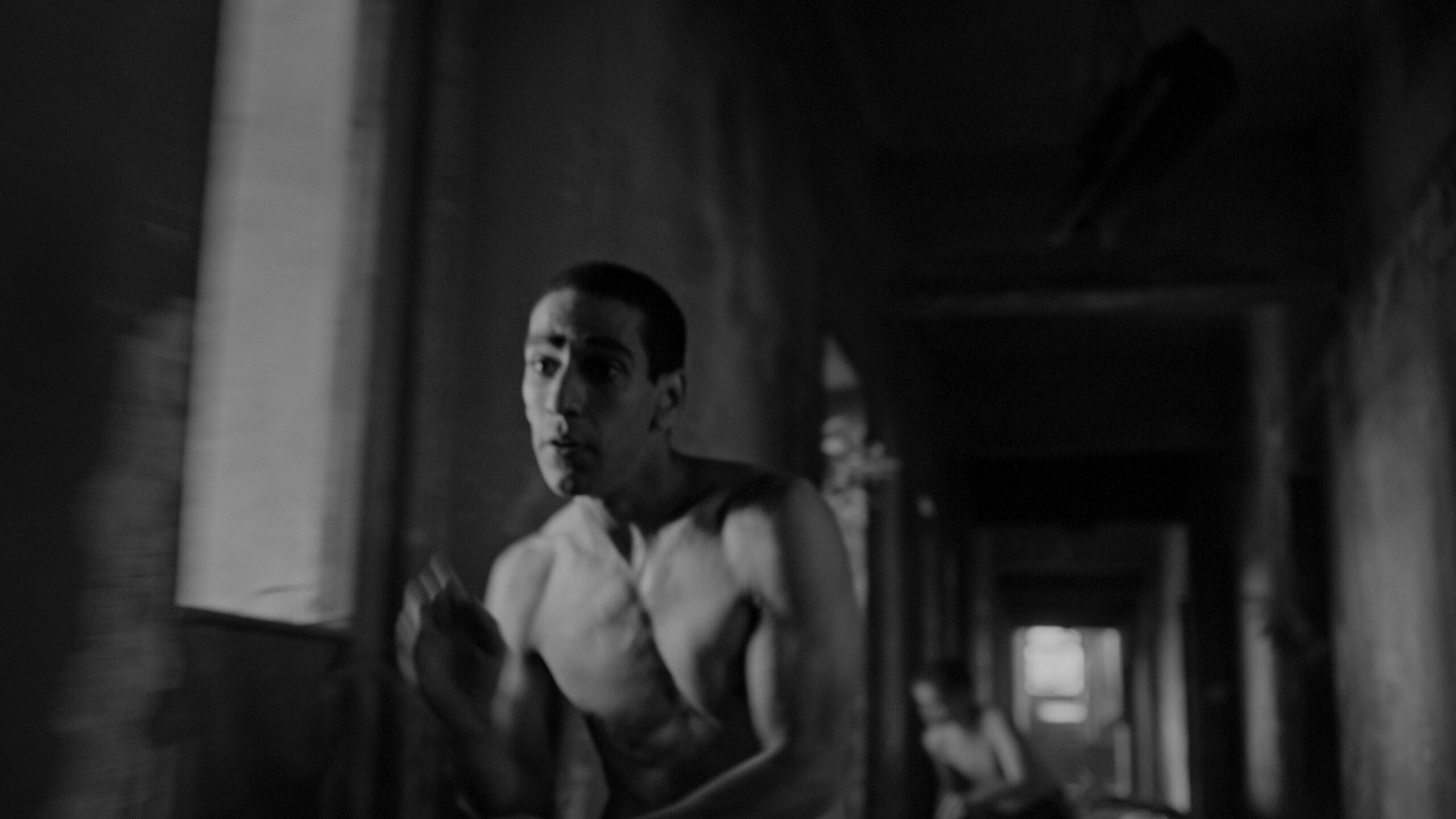
The camera fully submits to this world and its laws. It stays low, embedded, frequently obstructed. Breath clouds the lens. Shoulders, backs, and forearms interrupt the frame. Watching the video elicits a physical response: a tightening in the chest and a brief loss of spatial orientation. The film refuses the distance that usually protects the viewer. What replaces it is a kind of collective intelligence – a system of motion that only reveals itself through sustained closeness.
Mond moves through this environment without privilege, navigating the frame like someone testing the limits of his own presence, less a figure to be watched than a body among others, absorbing and emitting tension. The effect is unsettling and precise. Vulnerability here is structural. It is built into the way the film breathes.
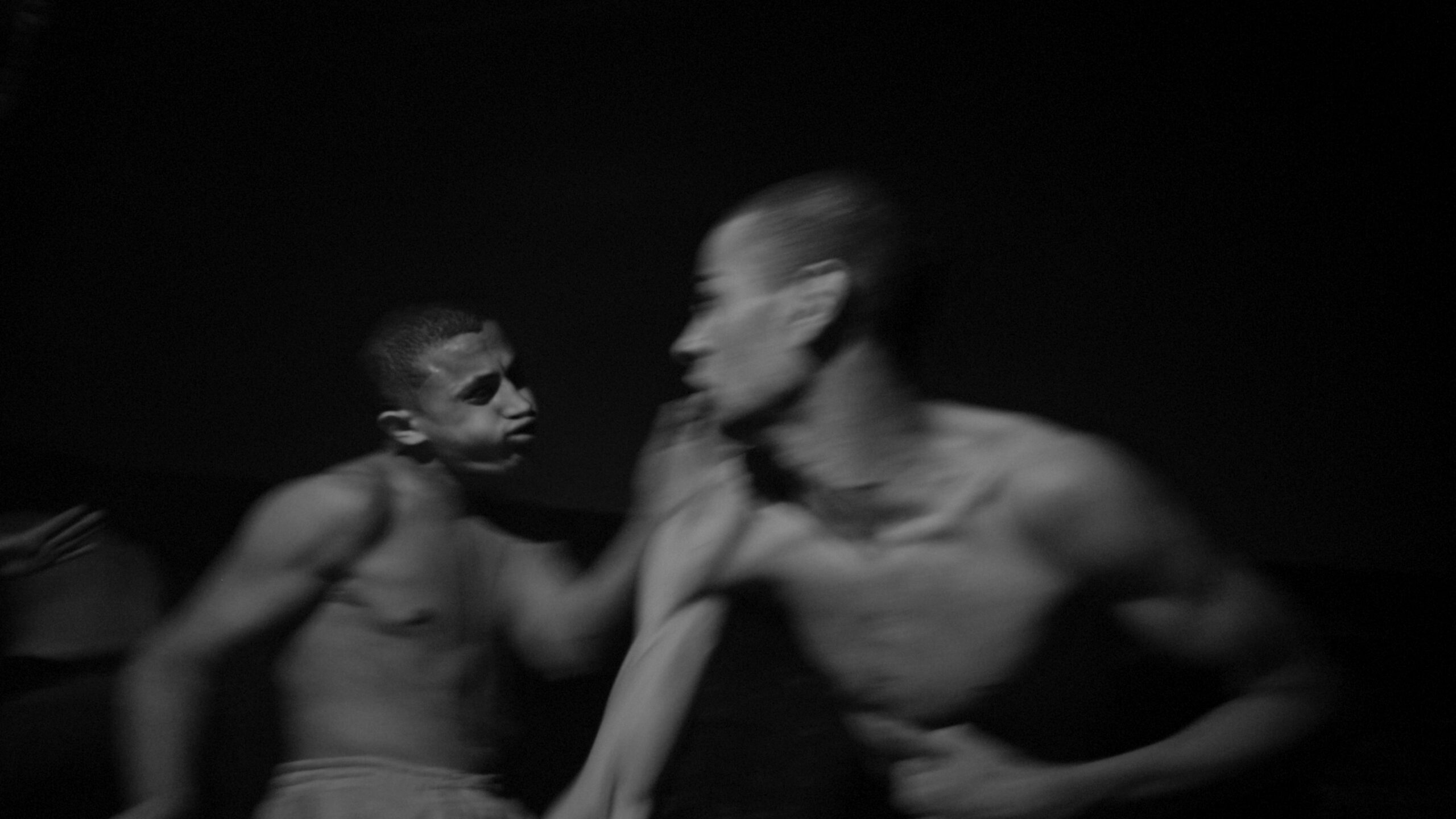
The choice to shoot in black and white reinforces this refusal of embellishment. Monochrome here is a methodological decision. Without colour, surfaces flatten and textures emerge. Dust, sweat, shadow, and skin all assume equal weight.
In this decontextualized space, the Muhab persona, with all its bells, whistles, and early-trap underpinnings, is cleaned away. What remains is a young man standing in the dust, vulnerable and unadorned, his emotions enacted through movement.
Razeek has spoken about BZNS as an exploration of cycles, of consciousness, struggle, and collective realization, and the film’s symbolic structure bears this out quietly.
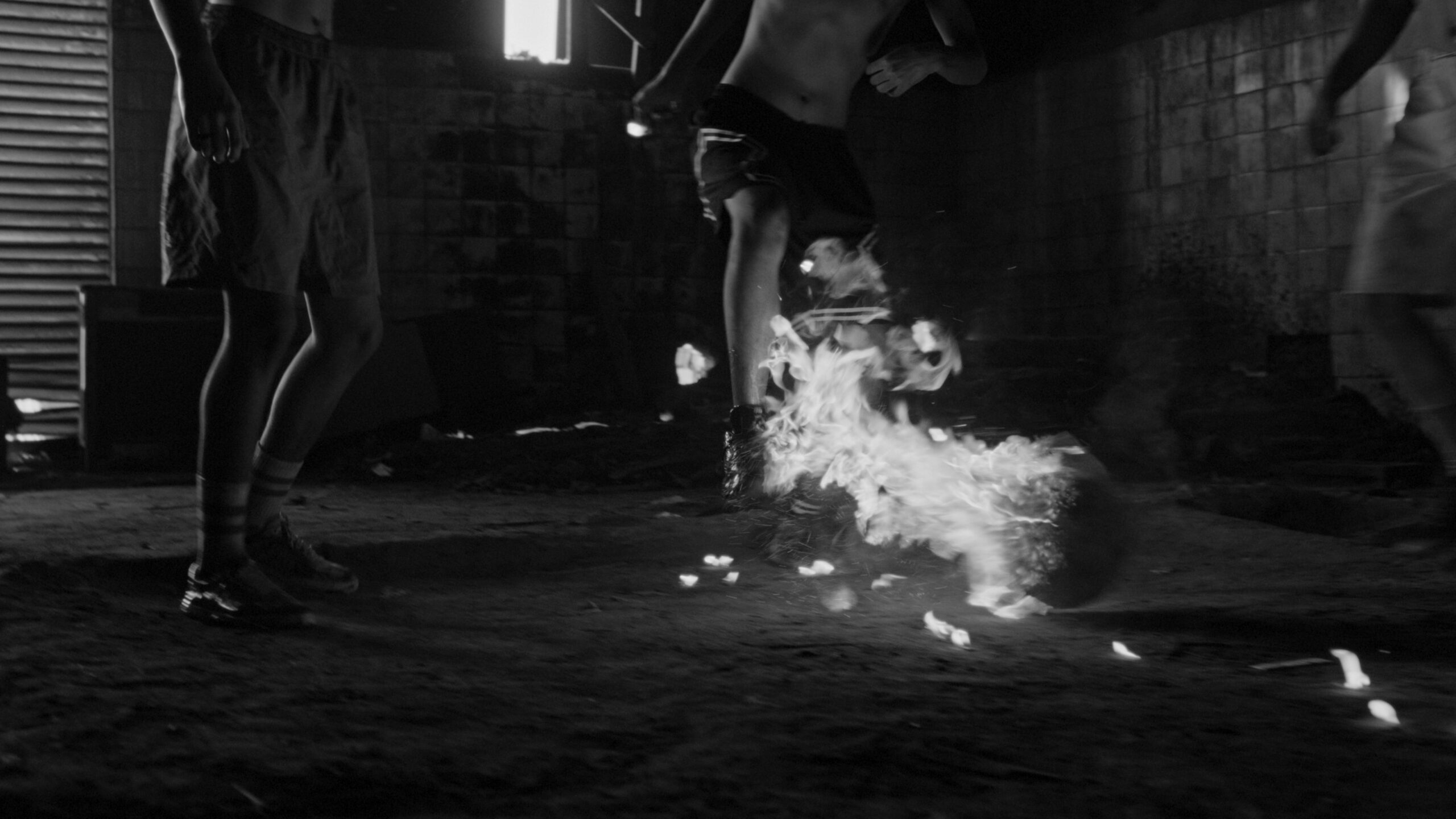
A tyre rolls across the ground. A boy is struck and pulled into a football pitch where a burning ball transforms play into a contest.
Later, that same tyre motif returns atop a stack. Boys scramble up as others tug them down. At first glance, this pyramid suggests a cruel social ladder where one’s progress is built on the discomfiture of others. Yet Razeek implies a second reading: the tyres represent all the lives and sacrifices that support any single climb. To rise, these boys literally stand on the shoulders (and tyres) of those who struggled before them. It’s a scene that could be read pessimistically as a zero-sum game of peers pulling each other under but under another lens it becomes almost Hegelian: thesis, antithesis, and the possibility of synthesis. First comes the push into conflict, then the friction of climbing against one another, and finally, perhaps, the quiet recognition that cooperation is the only way forward.
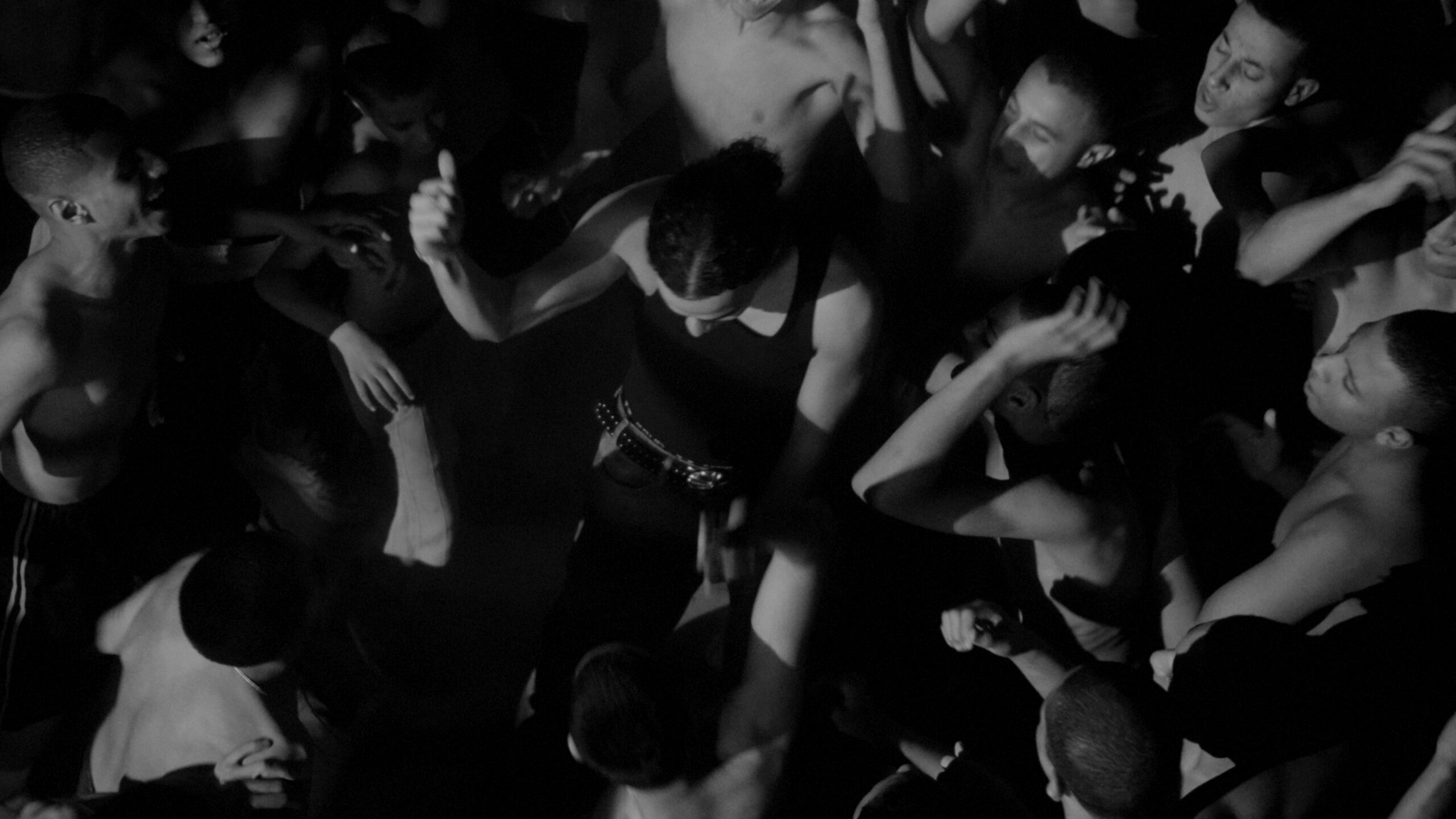
The film’s final movement, where the bodies gather together under the rain, feels neither triumphant nor conciliatory. It registers instead as recognition. Competition pauses. Isolation becomes untenable. Cooperation emerges as necessity.
I find BZNS difficult to watch casually. It asks for attention in a way most music videos do not. I kept catching myself leaning forward, sucked into the movement and emotions riding high. The music does not guide emotion so much as pace it. Mond’s vocal presence is like an internal pulse. It is measured, contained, resisting resolution even as it is building toward it.
Mond and his comrades grapple and catch each other in a language of elbows and embraces. In one silent frame, a circle opens above them and you can almost sense a force lifting – anger and fragility rising together from the pit. A release. It feels like peering into something tender inside the composer’s own chest, just as Razeek describes.
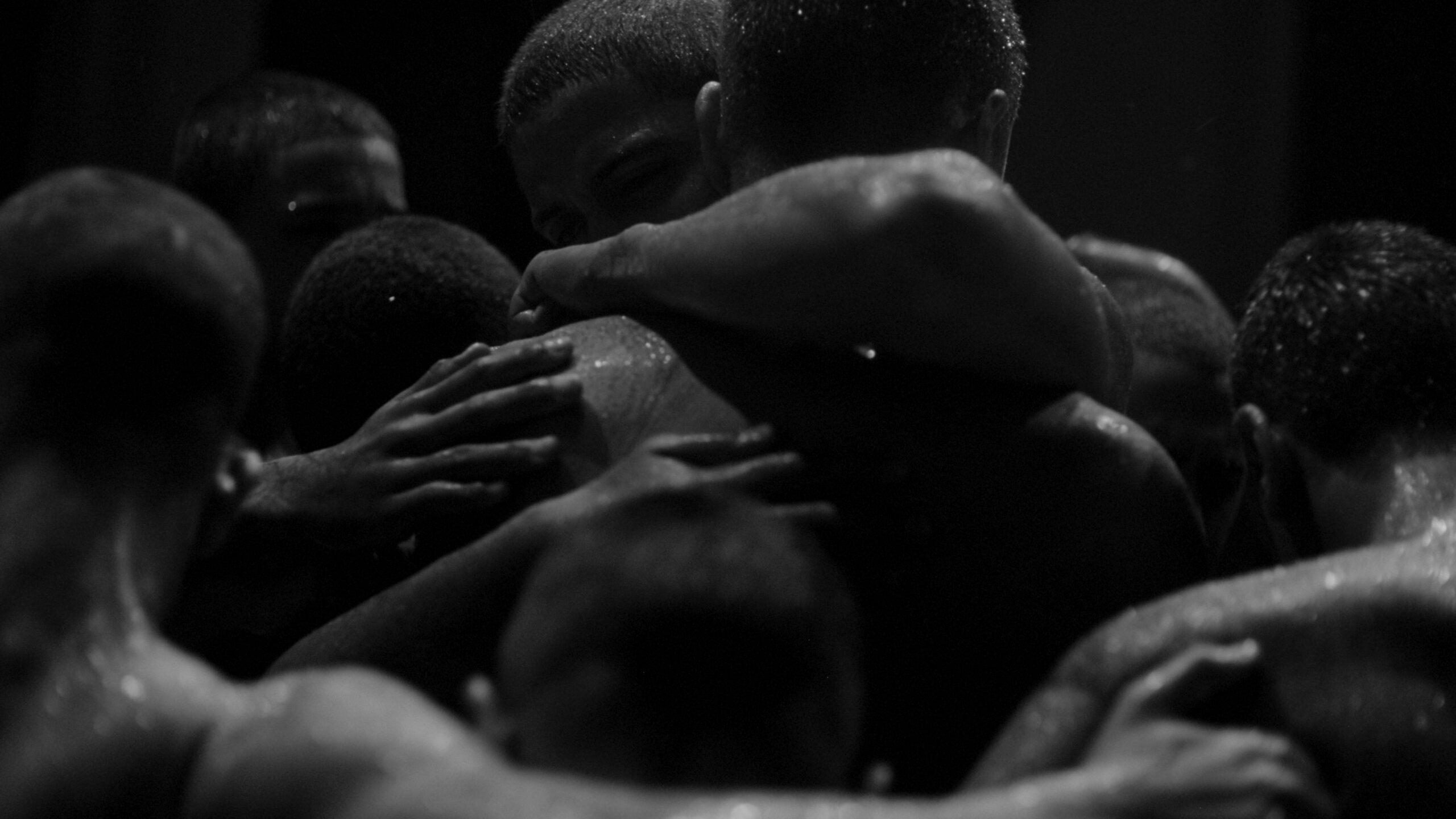
I don’t interpret this moment so much as register it physically.
What stays with me after the video ends is not an image, but a sensation of having been briefly embedded in a system larger than any individual body. It’s a brotherhood felt in weight and momentum. And BZNS understands that the only way to represent it honestly is to enter the pressure and remain there.
BZNS is a reset. Mond’s name change was never cosmetic; it marked a turn inward, testing what truly holds. In Ahmed Razeek, he finds a collaborator willing to remove scaffolding rather than add it – to dig rather than decorate.
For more on the most groundbreaking releases in MENA music head to our dedicated archives here.