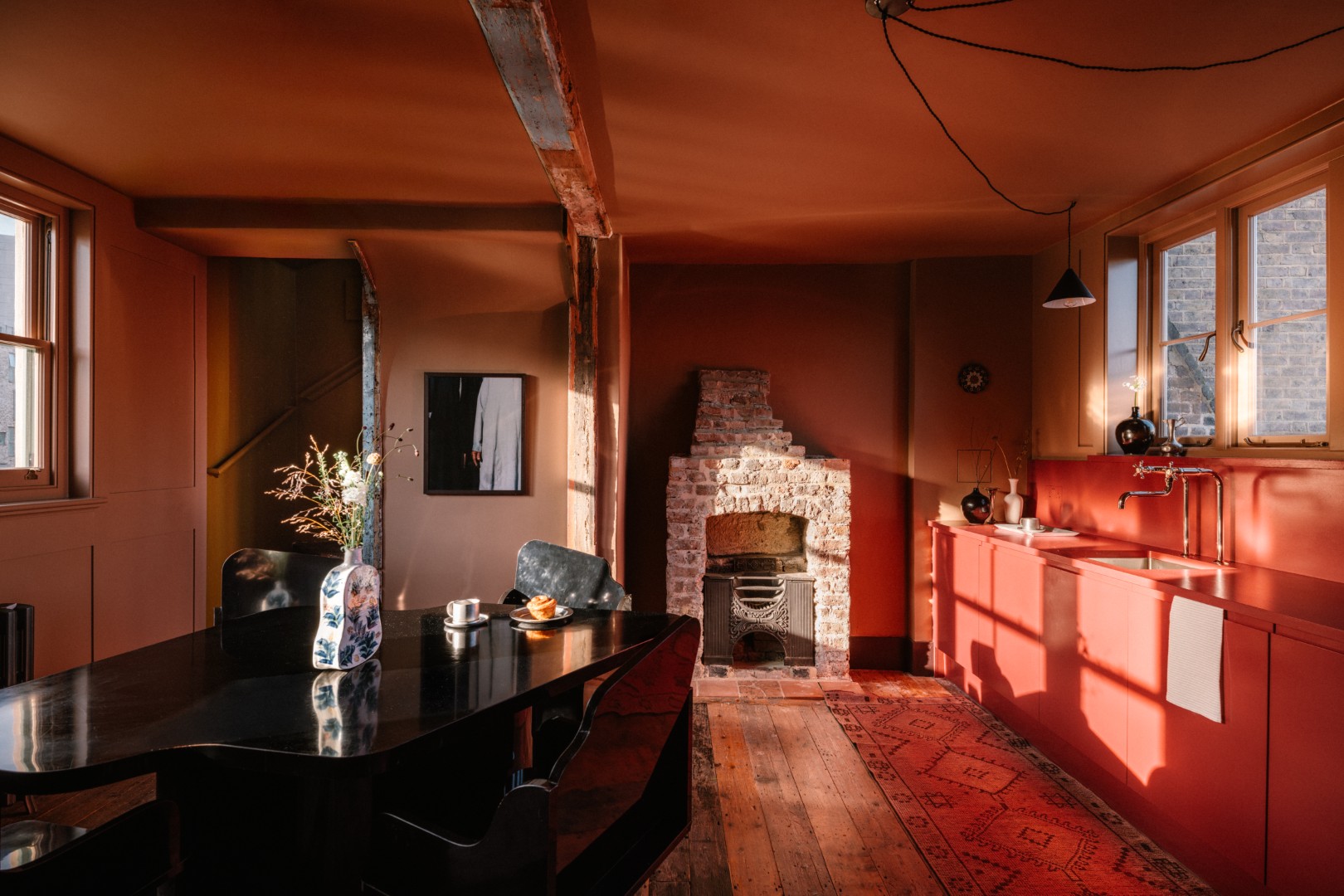
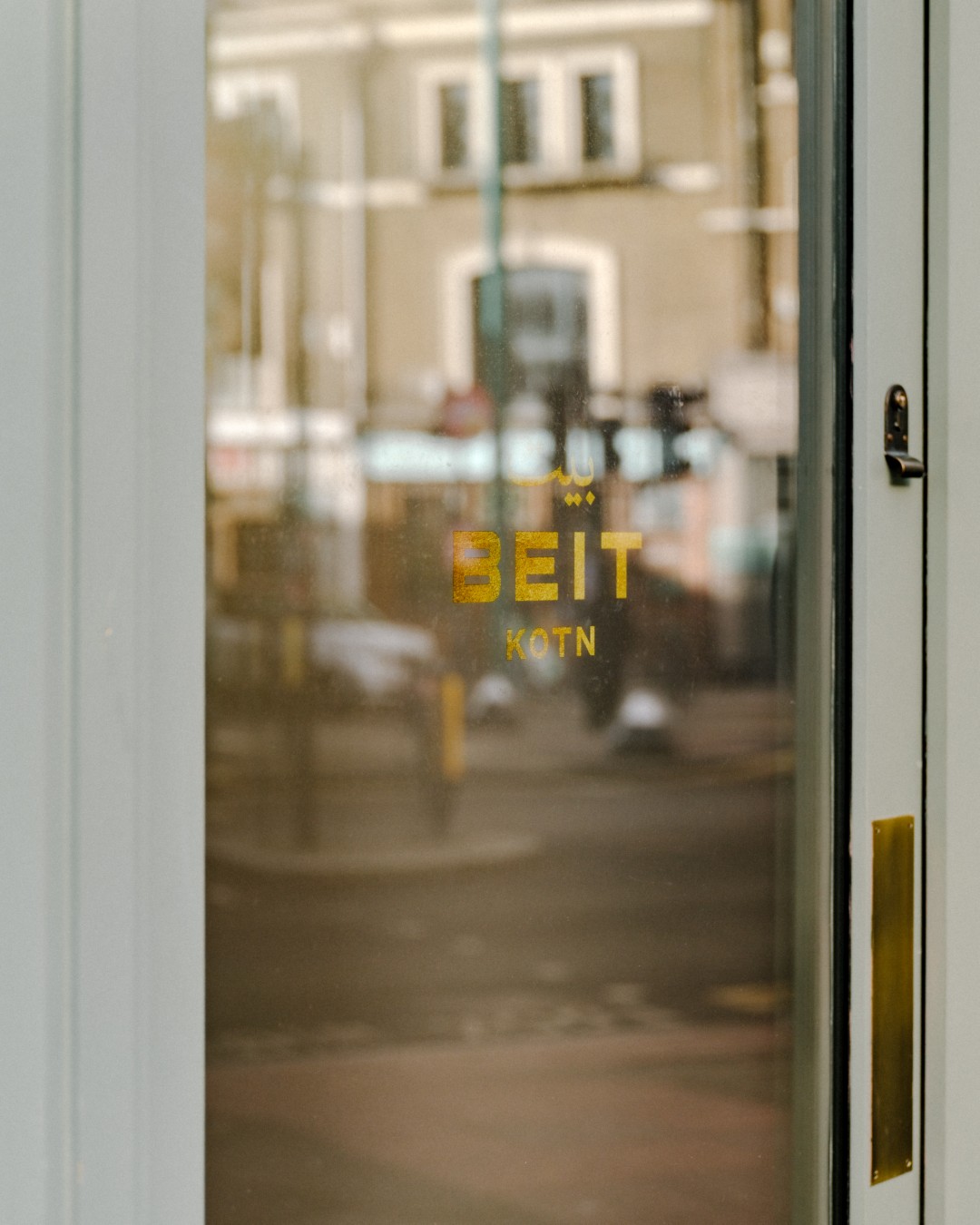
Beit Kotn is not a hotel in the traditional sense. It’s a home, one built around the idea that hospitality is not a service to be performed, but a way of living together. Opening today, Beit Kotn marks Kotn’s first step into hospitality and a deliberate rethinking of how brands can create space without commodifying it.
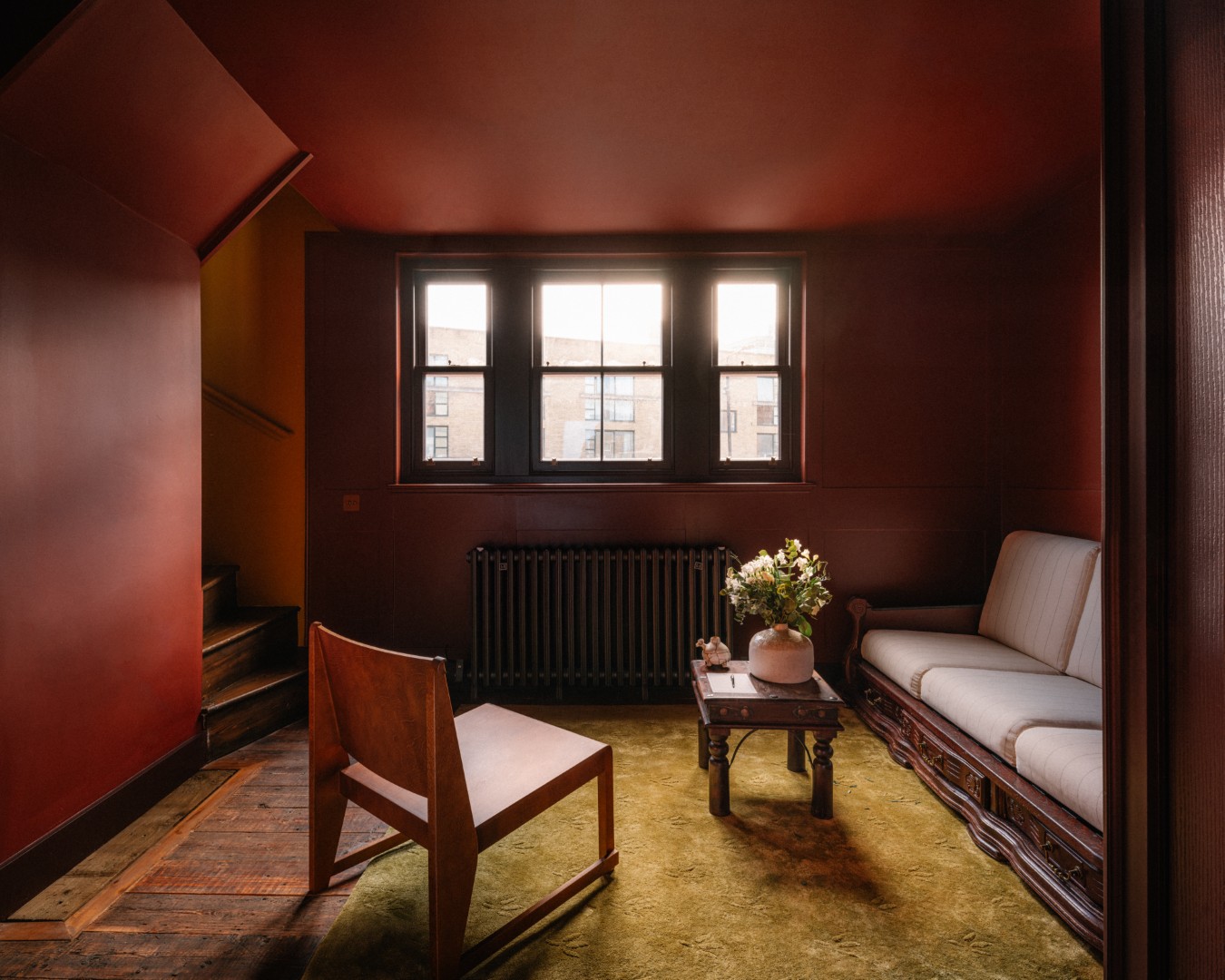
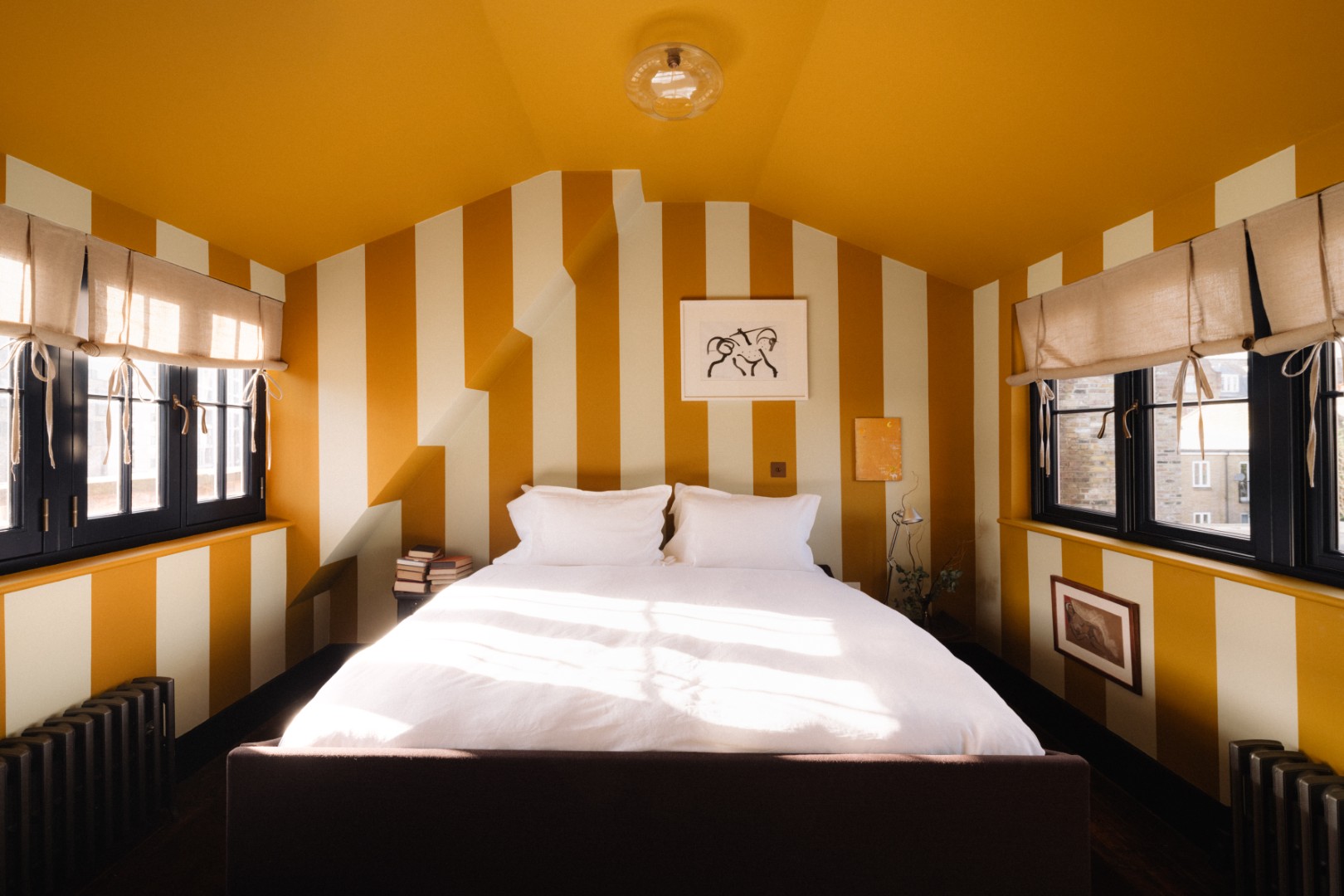
Located above Kotn’s London flagship in Shoreditch, Beit Kotn operates as a creative residence and private hotel, designed to be lived in rather than passed through. Private rooms sit alongside shared spaces intended for gathering, conversation, and exchange. The emphasis is not on curated experiences or programmed moments, but on time, time to stay, create, and connect. Here, the boundaries between home, studio, and sanctuary are intentionally blurred.

At the heart of Beit Kotn is the spirit of Arab hospitality. The guiding principle is simple and enduring: my house is your house. Open doors. Shared meals. Long conversations that stretch late into the evening. Hospitality, in this context, is not transactional or hierarchical, it is relational. It is rooted in generosity, presence, and care, values that feel increasingly rare in a world shaped by speed, access, and exclusivity.
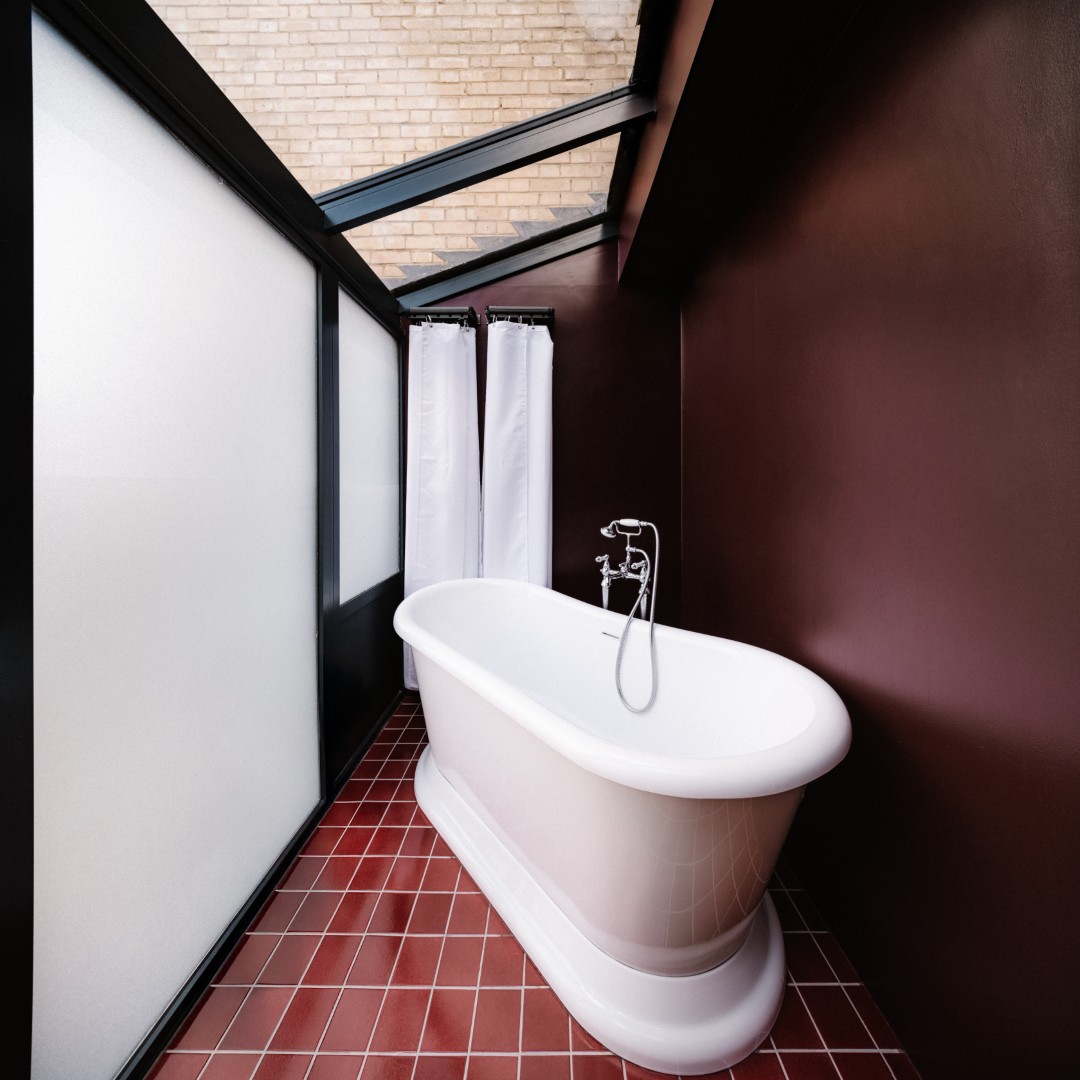
Rather than following the familiar fashion-to-hospitality model of ultra-exclusive spaces and monetized access, Beit Kotn removes the transactional layer entirely. It reframes hospitality as cultural infrastructure, a place where connection is the primary offering and community becomes the luxury. There is no spectacle here, no performative branding. Culture isn’t programmed or staged; it unfolds organically through shared living.

Beit Kotn is designed for a global creative community in motion. Artists, designers, writers, and cultural thinkers from the Middle East and its diaspora are central to its vision, alongside a wider international network of creatives. It is a space shaped by those who pass through it, evolving with each conversation, collaboration, and shared meal. In this sense, Beit Kotn is not a static destination, but a living, breathing home.

London serves as the first chapter in this story. A city defined by migration, cultural intersections, and third-culture communities, it mirrors many of the values Beit Kotn seeks to hold. The decision to open in Shoreditch, rather than in a more polished or predictable district, reflects a desire to embed the space within an existing cultural ecosystem rather than stand apart from it.
Beit Kotn’s opening coincides with another milestone for the brand: the opening of Kotn’s 12th store globally and its first European location. But while the retail space introduces Kotn to London, Beit Kotn deepens that relationship. It signals a shift from presence to participation, from selling into a city to becoming part of its cultural fabric.
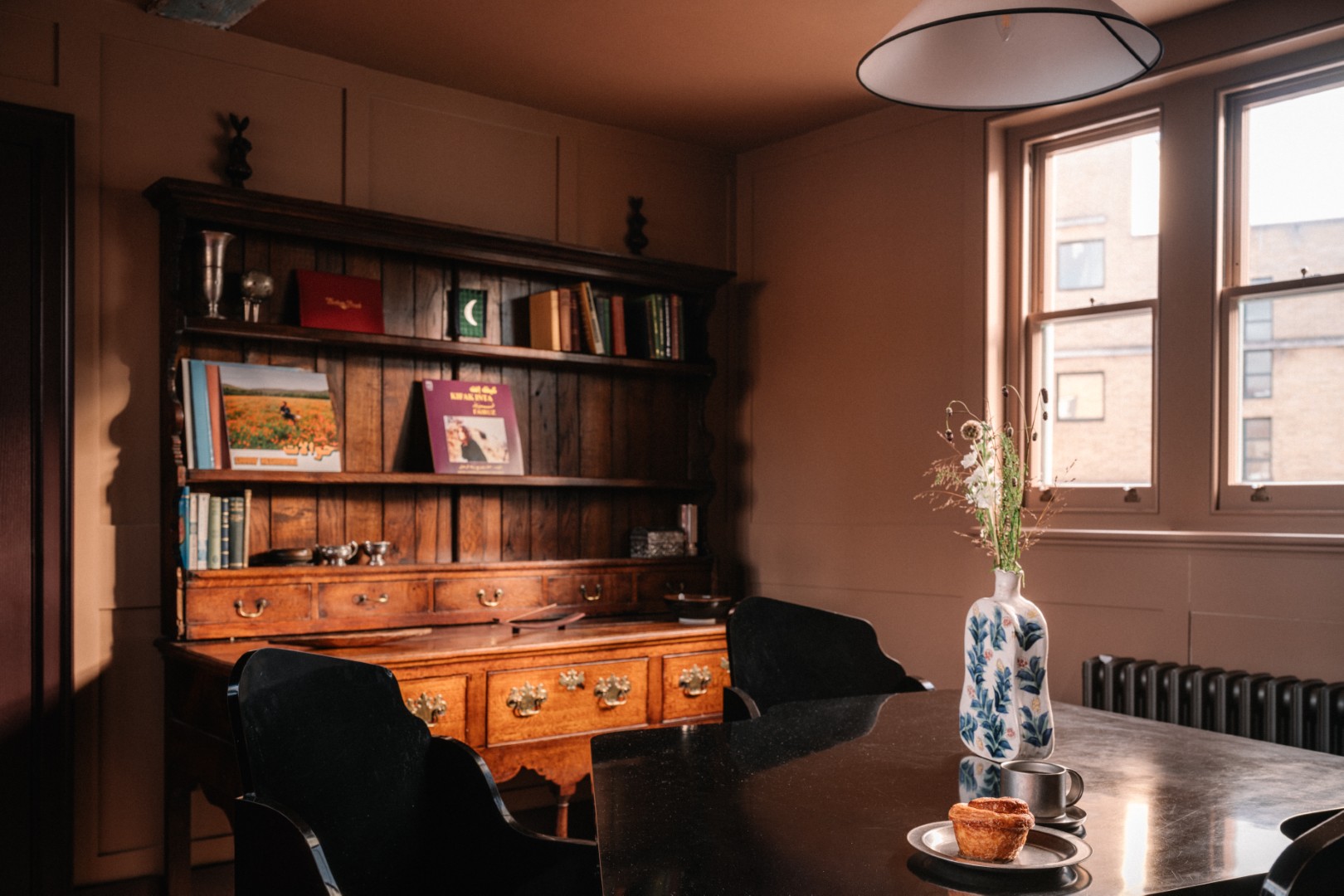
This approach reflects Kotn’s broader philosophy. From its beginnings, the brand has sought to operate differently, prioritizing long-term thinking over rapid growth, and relationships over transactions. By working directly with more than 5,000 smallholder cotton farmers and building a fully traceable supply chain, Kotn has established a model grounded in trust and mutual investment. That same thinking now extends beyond clothing and into space.
Kotn’s commitment to impact remains foundational. As a certified B Corporation with one of the highest impact scores in North American apparel, the brand continues to invest directly in education through the ABCs Project, having built 25 schools in the communities that farm its cotton. Each garment is part of a larger system of care and responsibility.

Beit Kotn carries this intention into the physical world. It asks what it means for a brand to host, rather than sell. To open doors rather than create barriers. To build spaces that foster exchange instead of extraction. In doing so, it challenges conventional notions of luxury, shifting the focus from exclusivity to access, from polish to presence.
Importantly, Beit Kotn is not conceived as a one-off moment. London is only the beginning. With a larger flagship hospitality project underway in Cairo for 2027, Beit Kotn is envisioned as part of an evolving network of cultural homes, spaces rooted in place yet connected by shared values. Together, they form a long-term vision that privileges depth over scale.
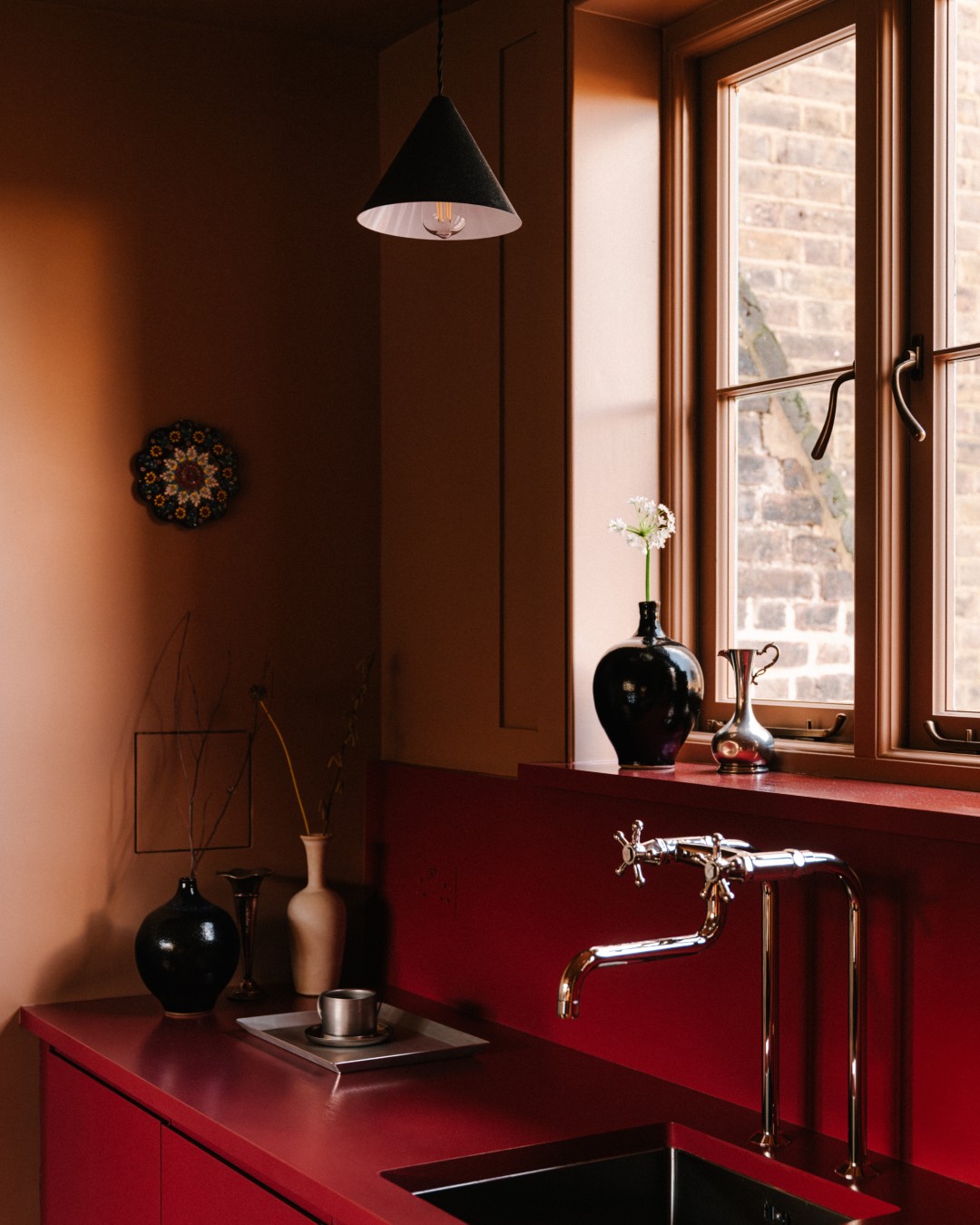
In a time when expansion often feels synonymous with excess, Beit Kotn offers an alternative model. One where growth is measured in relationships rather than reach, and where hospitality is reclaimed as heritage.
Community, here, is not an accessory.
It is the point.
For more of the best hotels and experiences, visit our Check-In pages and follow us on Instagram.