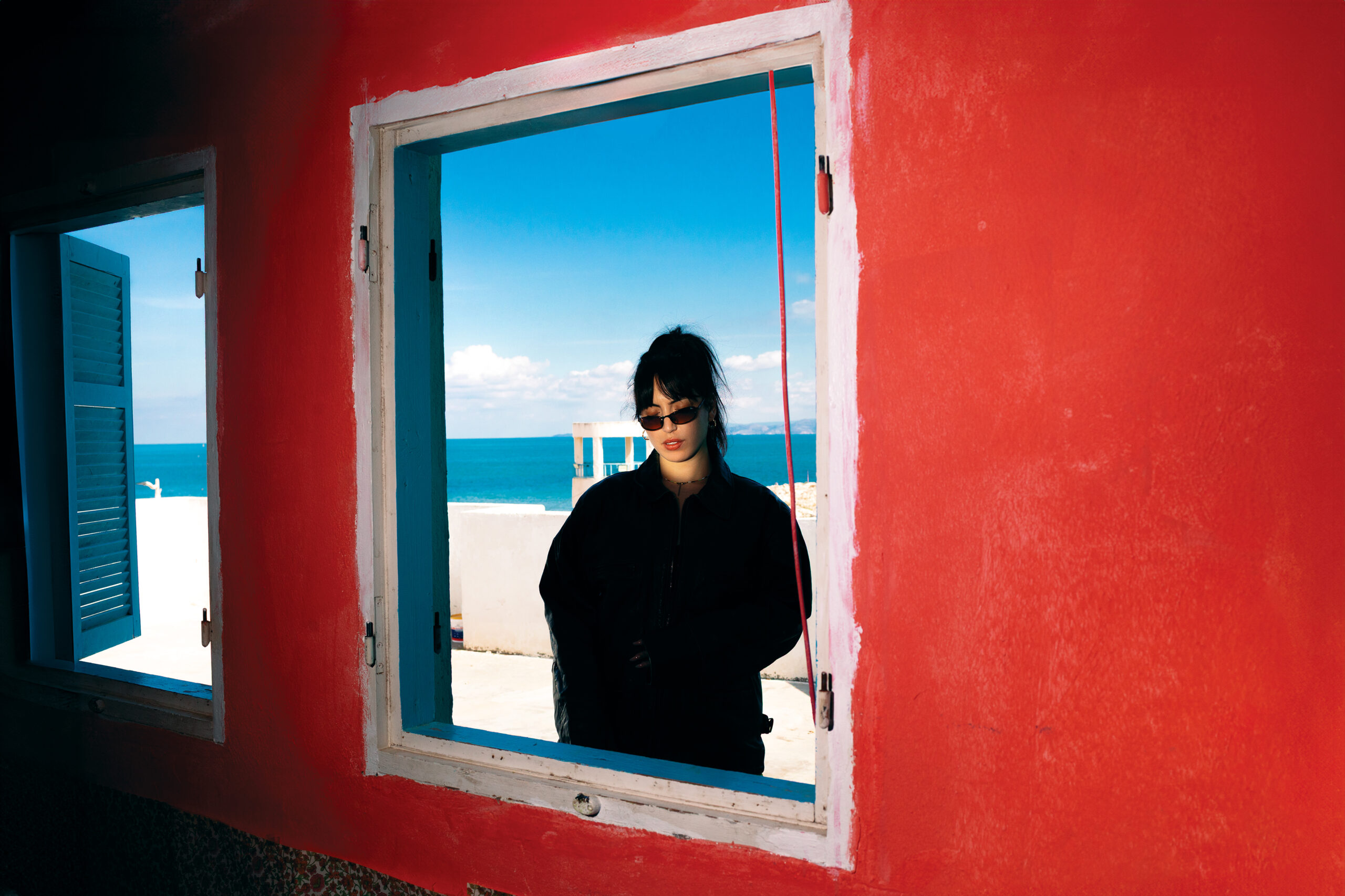
I first stumbled upon Koast in 2021. The track was “Belek.” It unsettled me because my ear could not immediately map what it was hearing. There were parts where she was singing in English, but the melodic architecture leaned heavily on Arabic maqamat. The tonal centre of the track bent in ways that Anglo-R&B rarely allows. Microtonal inflections, neo-soul phrasing, a restrained groove and a melodic line that felt like it could not be contained – I kept replaying it, trying to decode the grammar of it and I was hooked. Two years passed like that and she became one of my favorite artists.
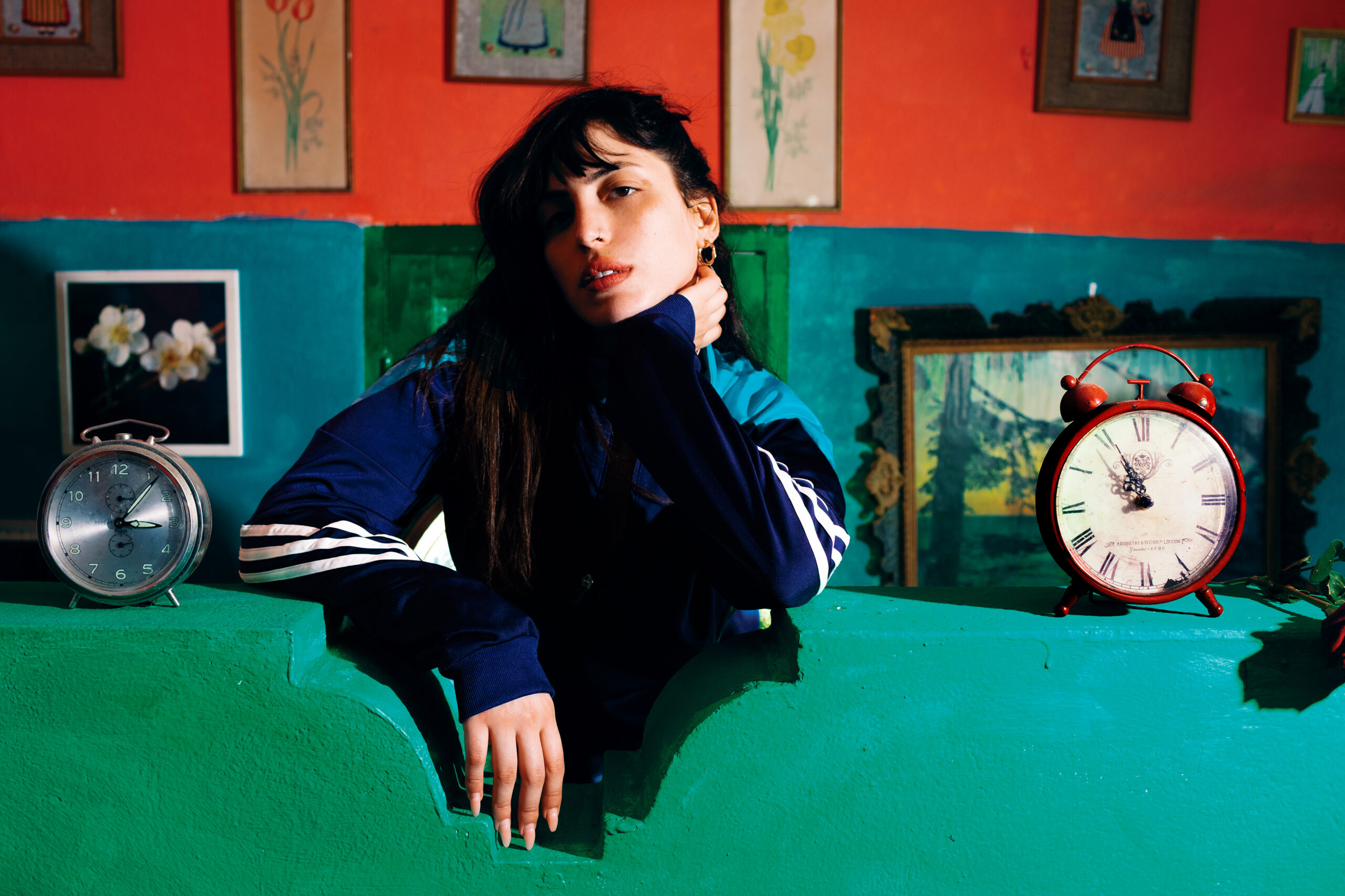
Then came Prayers, and “How Long” took over my rotation. The production carried a devotional minimalism, using negative space as pressure. Her vocal delivery slid between sung line, spoken incantation and clipped rhythmic phrasing. The cadence felt maqam-informed but temporally elastic, sitting just behind the beat in a way that created friction against the drum grid. It did not feel like “fusion” to me. It was not an East-meets-West type of thing. It felt like a restructured syntax – something entirely new and super addictive.
I feel we have been stuck in “fusion,” limbo as if adjacency were innovation. Koast’s work doesn’t “stitch” together influences but almost metabolizes them. The maqam here is a structural principle, not a decoration layered onto R&B. Her songs feel less like hybrids and more like new organisms with their own internal logic.
I was drawn not only to the music but to the way she occupied space online. Her livestreams were just long stretches of her talking, sitting, existing, vibing. It was clear that the spectacle of social media and marketing was not the priority. The labour was elsewhere, inside the sound.
There is a category of music that earns from us technical admiration but resists a replay. You study it. You respect it. But you rarely return to it for pleasure. For me, Koast has always managed to avoid that trap. Her tracks reward analysis, but they also hold emotional charge. The hooks are not obvious, but they lodge. Some of her harmonic decisions are truly unusual, yet somehow, they feel intuitive and work.
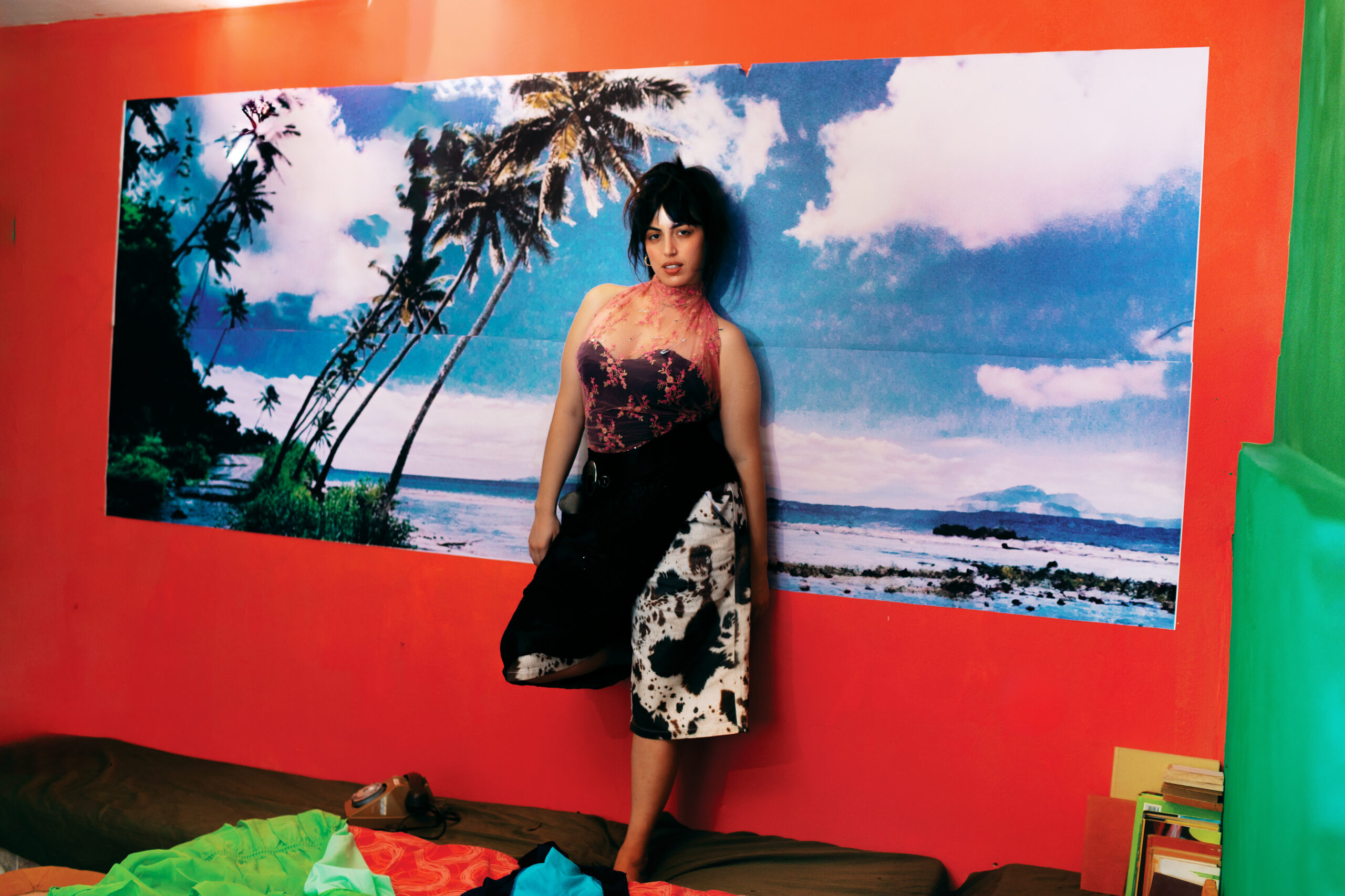
In 2024, she released consistently, building a quiet momentum through a string of singles and regional collaborations. Then, after “Shades,” she disappeared. The feed stalled. For 275 days, there was nothing. When she resurfaced with “unbothered” in early 2025, it felt provisional, maybe even diagnostic. The full return came later, at the beginning of 2026, with an eight-track EP titled 1609, her birthdate. A reset.
The rollout was fragmented and deliberately eccentric. We’re talking a TMZ-style cover splashing her image everywhere, missing posters scattered around NYC and Tunisia, a crossword puzzle embedding EP track titles, a tongue-in-cheek teleshopping parody promoted the record, and even a staged phone leak.
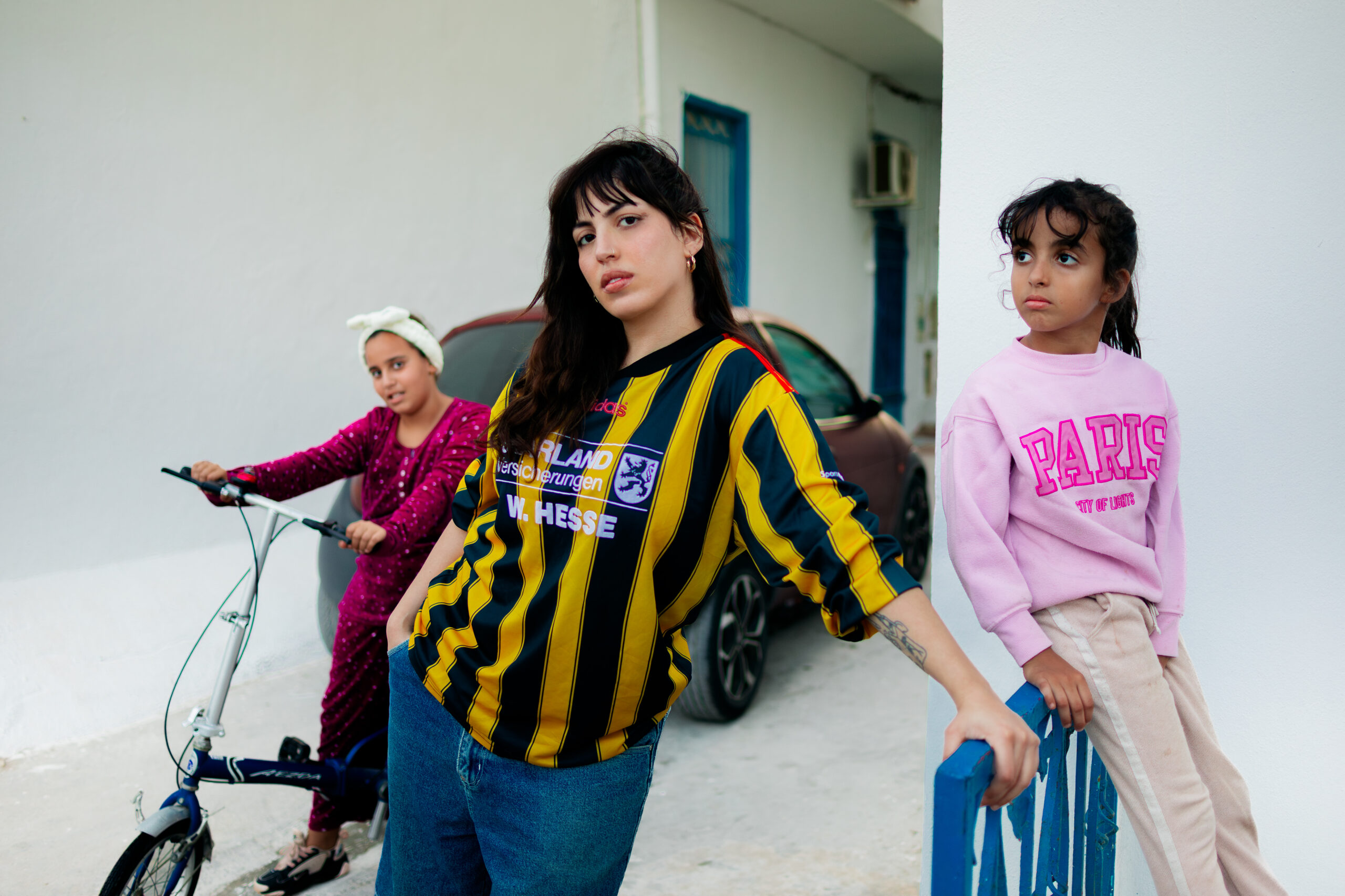
It read like an exercise in controlled absurdity. In the industry, maybe we take ourselves a bit too seriously sometimes, dropping releases with a kind of institutional solemnity. So, this felt unserious in a productive way. Not careless, but strategically unserious.
What moved me most, however, was the open letter she posted reflecting on her hiatus. It had that unmistakable feeling of someone who stepped away from everything – social media, making music, people – to take a deep breath. In it, Koast reflects on confusion and clarity, on honesty and self-examination. She asks, “When did my vision get so foggy?” and wonders “How did everything become so tasteless…and pointless…even making music I stopped enjoying it?” Those lines perfectly capture the anxiety, doubt, and burnout she experienced – the moment when the magic of creating stops feeling, well, magical. It’s a story many artists know: the industry can burn you out when you feel pressured to constantly release music just for its own sake. Koast spent 275 days in that limbo. Finally coming back with this EP.
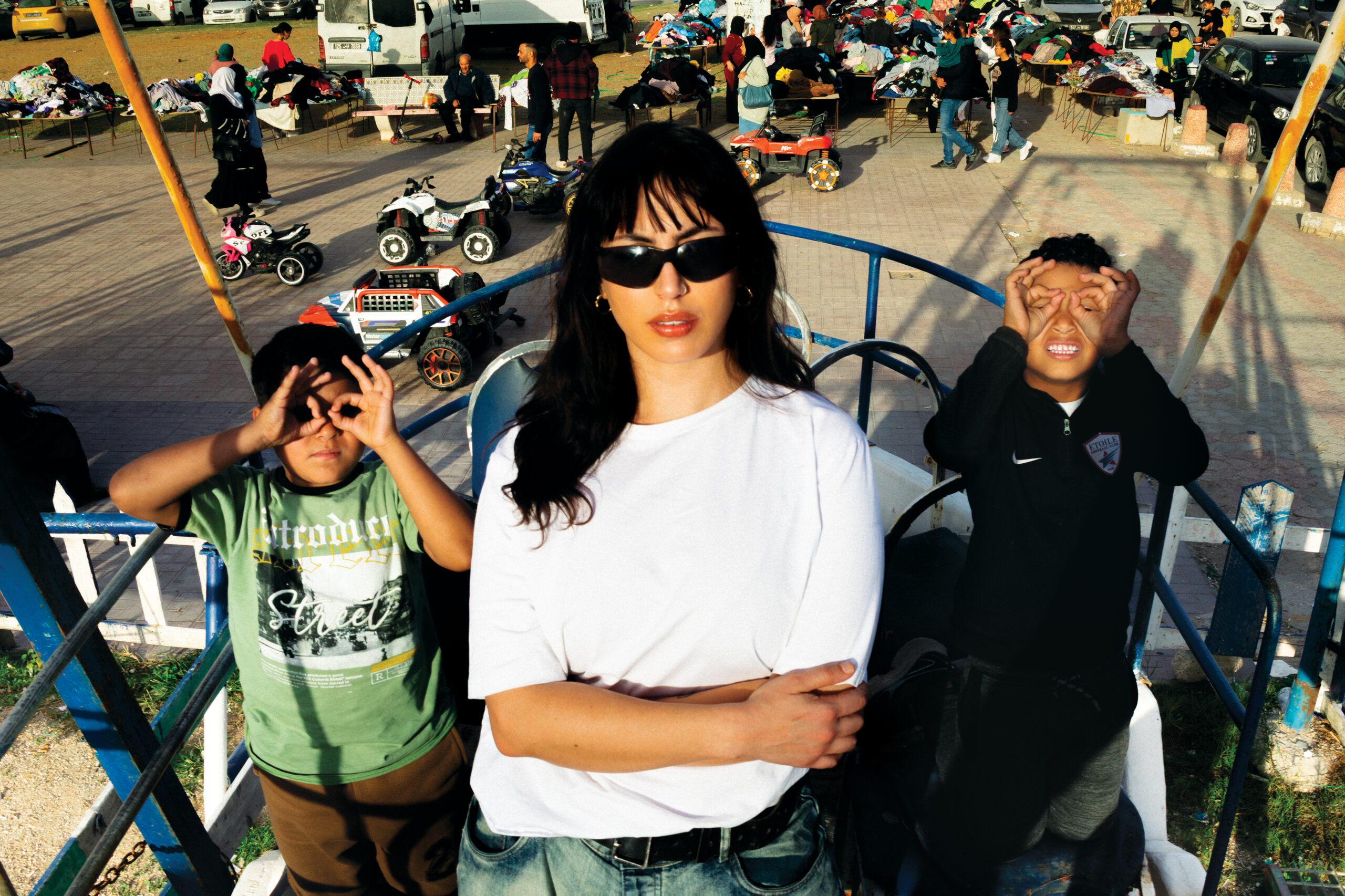
In fact, she writes in her letter, “I needed to start enjoying small things again.” The whole rollout felt like a playful, silly project, perhaps exactly what she needed to revive her creative spark after the long break.
1609 was created during that imposed quiet. She described it as an “anti-vlog” with no edits and no narrative smoothing. The eight-track EP plays accordingly. It moves through R&B, house, hip-hop, and synth-pop, but without genre tourism. On tracks like “Enterlude” and “Sadi9,” the harmonic language leans toward minor-key introspection, her voice layered in close intervals that create a hushed, almost choral density. The production leaves space for breath with the low end humming rather than striking.
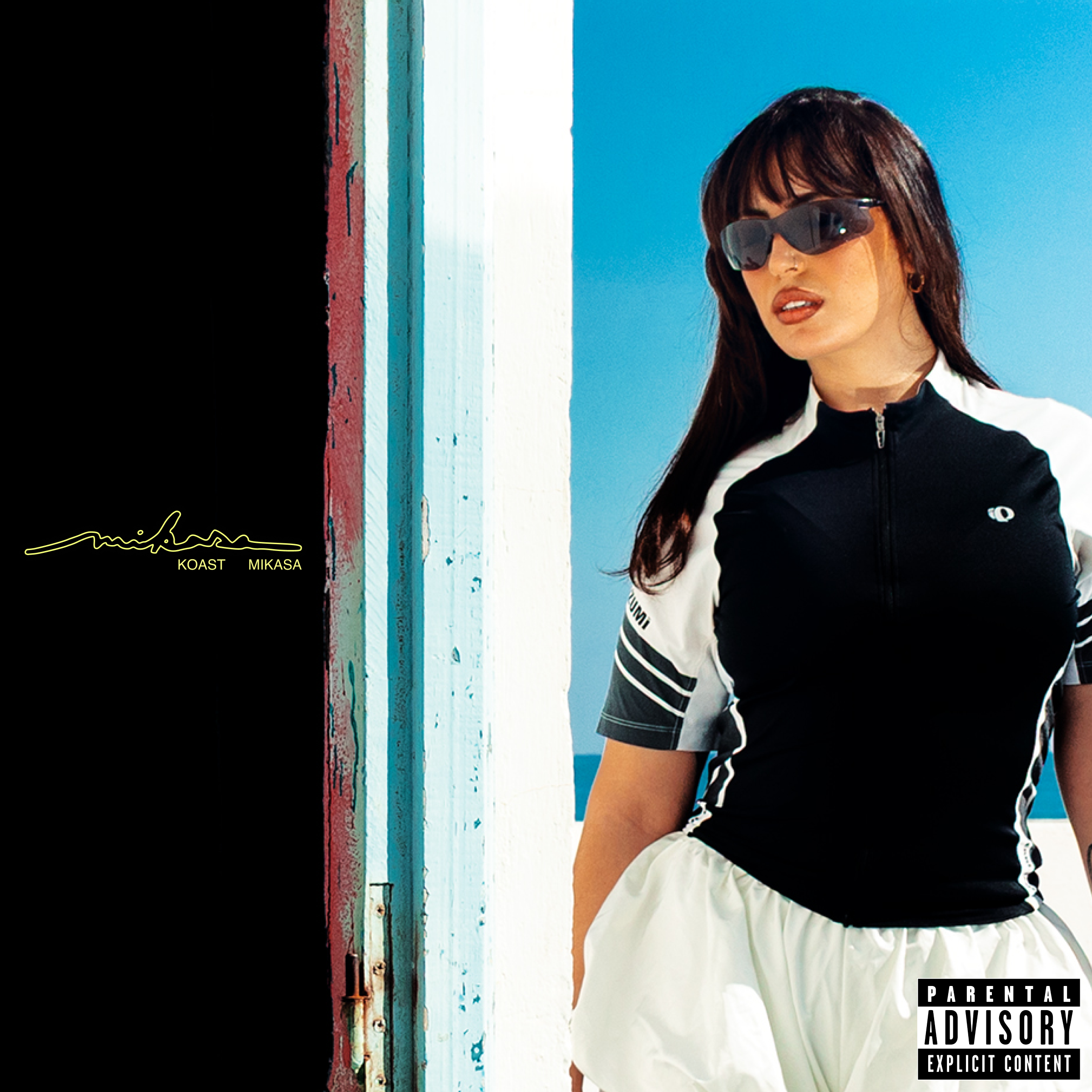
Elsewhere, “Dhab Khaless,” “Mikasa,” the energy shifts with ballroom-coded rhythms refracted through hip-hop cadences. The confidence is embodied. Even the more retro-leaning “10 Times,” with its 80s synth scaffolding, avoids nostalgia. The textures are crisp, but the vocal remains unvarnished.
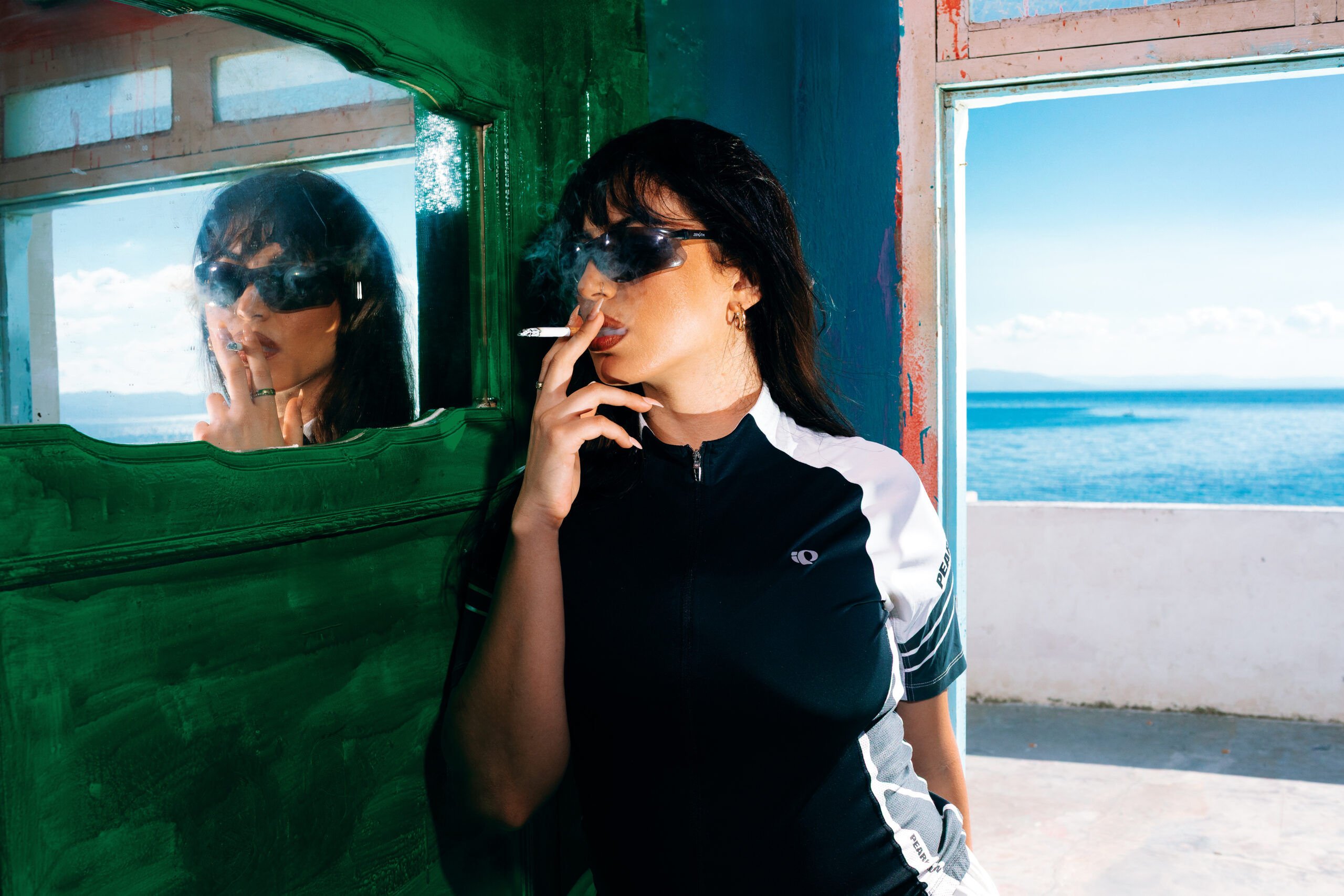
Throughout, the maqam sensibility persists, not always overtly, but in the contour of her lines, in the way she resolves (or refuses to resolve) melodic tension. Her phrasing continues to operate in what I think of as rhythmic drag, a slight temporal lag that creates a soft destabilization against the instrumental grid. It is a subtle technique, but it gives the music its tensile quality.
When I asked her about the rollout, she framed it as a commitment. In the past, she would release music and let it fend for itself. After the hiatus, she felt compelled to present it, properly and intentionally. A creative manager helped generate the more theatrical ideas, but she handled the scripting and the tonal calibration. “It had to be coherent with who I am,” she told me. The rollout, for her, signaled investment. Presence.
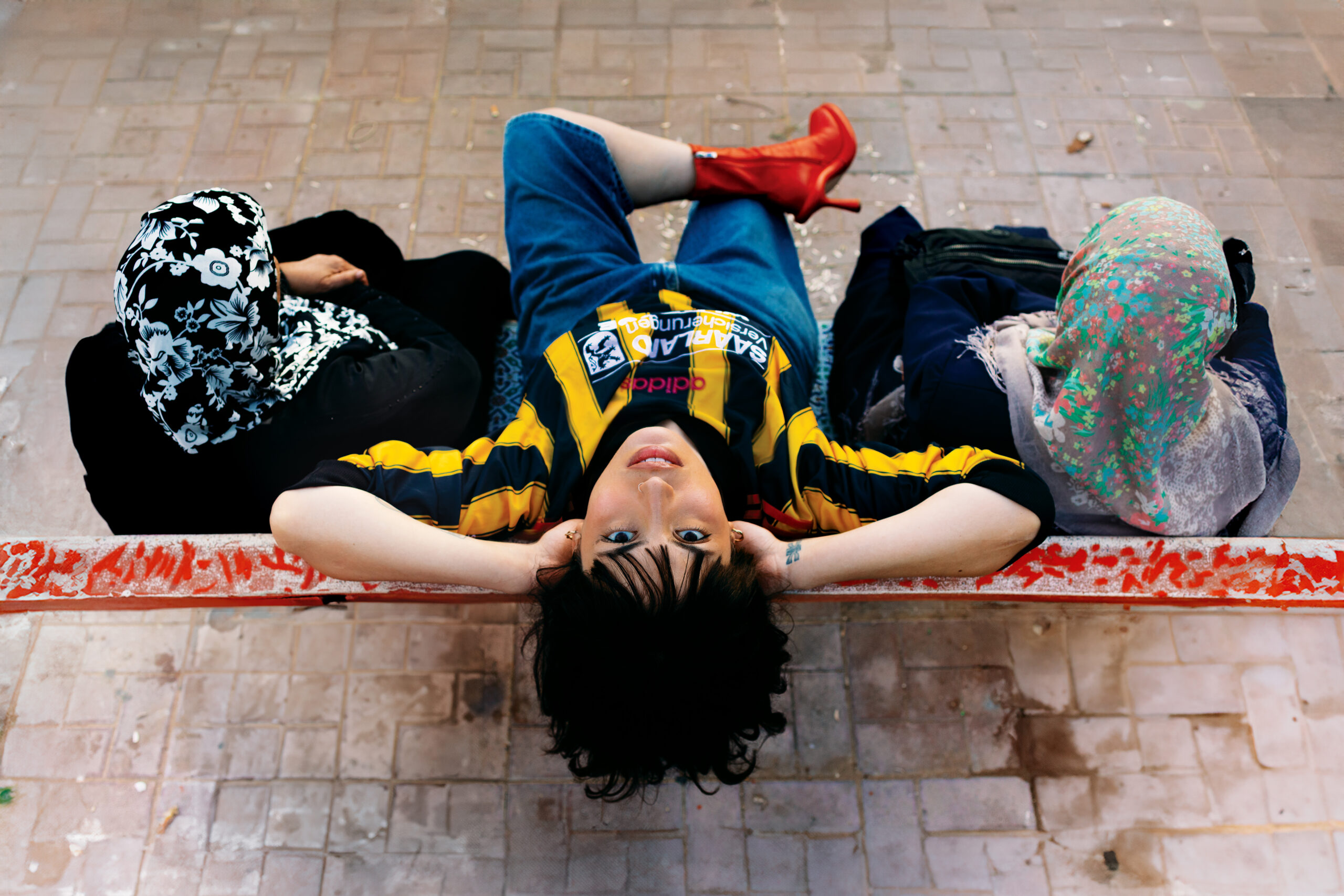
The hiatus, she said, was not strategic. It imposed itself. She lost her sense of trajectory, then her desire for one. Self-doubt thickened. “I knew I was in trouble,” she said, “I just didn’t know how to fix it.” The EP became an exit route, out of a deal, out of doubt, out of creative paralysis. She described 1609 as herself “after two electric cardio versions to the heart.” Alive again. The metaphor is dramatic, but the record supports it. There is circulation in these songs.
I asked about her sound, about the maqamat, the R&B, the way the elements cohere without announcing their difference. She shrugged off intentionality. “I don’t think I do it purposefully,” she said. “It’s sincere.” She listens widely. When she writes, those materials are simply available. That answer might sound evasive, but I read it differently. For some artists, hybridity is a strategy. For her, I think it appears to be a default setting.
On what she accomplished with 1609, she was restrained. “I accomplished coming back.” No grand claims of reinvention. Just return. There is growth, she said. She stepped outside her comfort zone. But the primary achievement was re-entry.
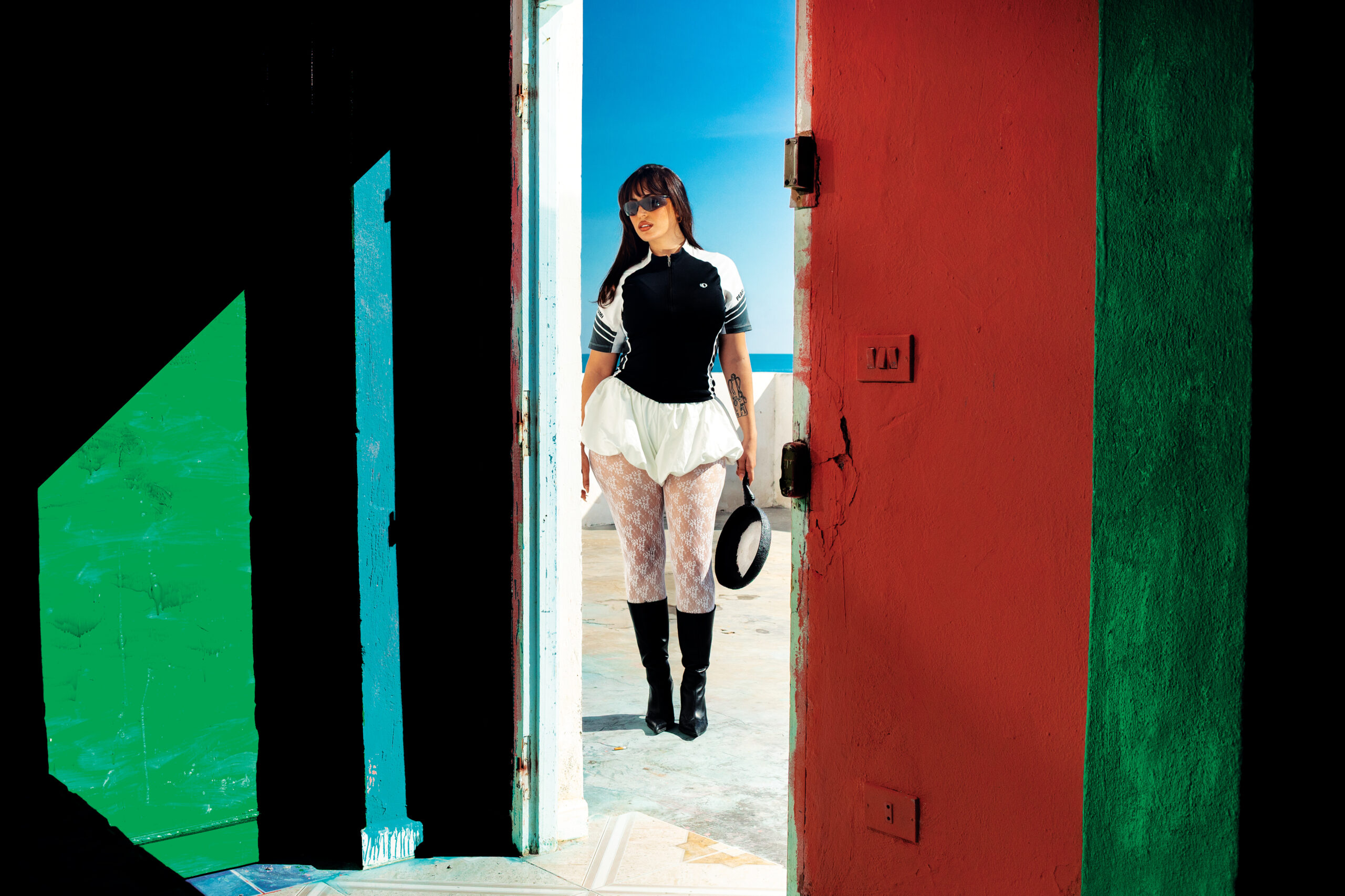
When I asked why she makes music at all, she resisted romantic framing. “It’s just what I do.” Music, for her is a daily condition, not just a career. At the same time, she is clear-eyed. She wants to tour. She wants resources. She wants sustainability. Yet her stated ambition is legacy: a signature sound, work that remains. Duration.
The press material suggested she had many feelings to express across genres. Did she get them all out? “Not all of it,” she admitted. “But a lot.” She avoided self-censorship. The record is raw because the process was raw. That word – raw – can and is overused. Here it feels accurate, not as an aesthetic but as a documentation of state.
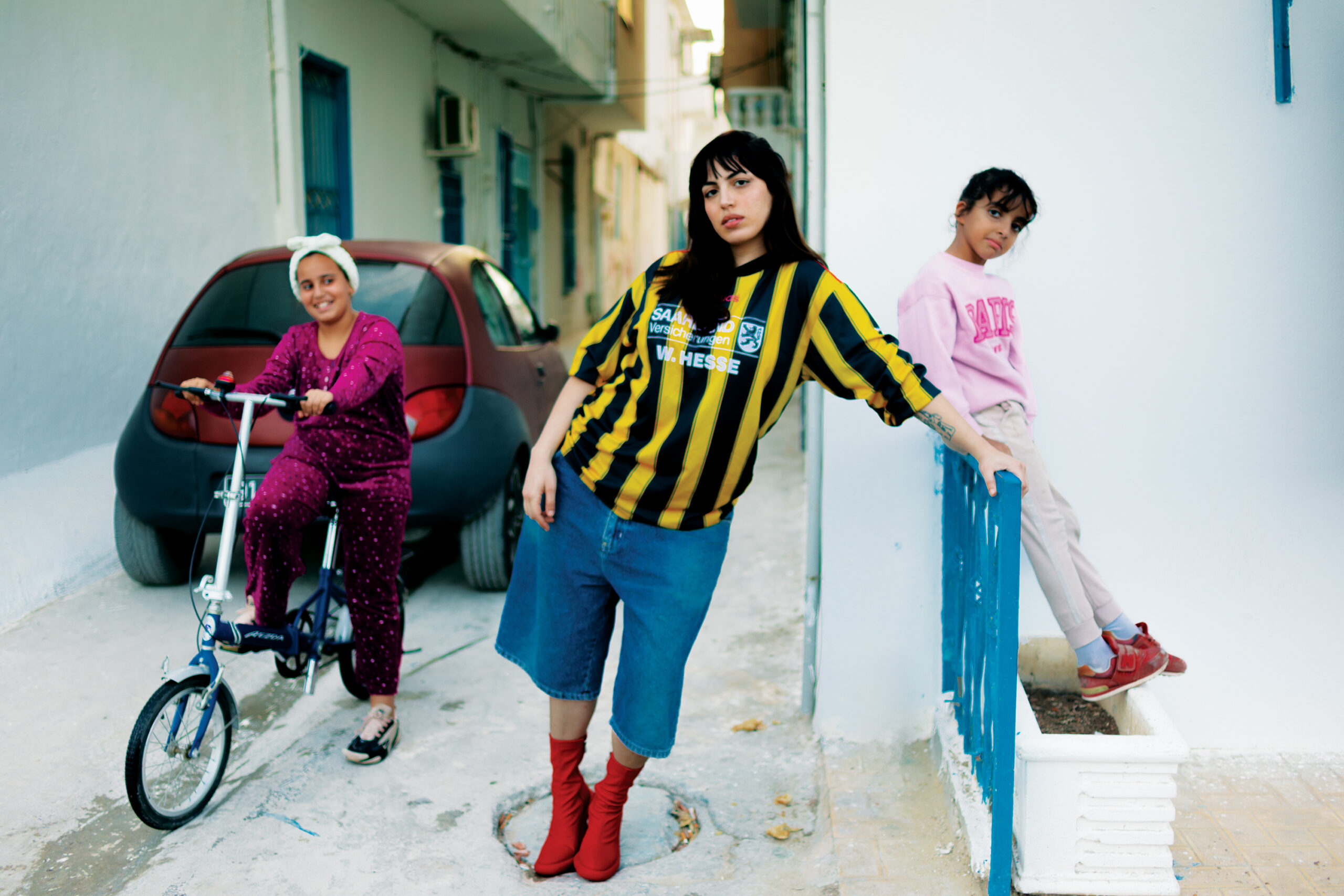
As for what comes next, she deflected the premise that it would be “big.” She is still inside 1609, still releasing visuals. But she is already working on something new. “It’s getting deeper,” she said. “Super different.” She offered no further detail.
What I know is this: Koast’s work is not trying to satisfy a category. It operates within a translocal vocabulary – Tunis, Paris, New York, the internet – without flattening any of those references.
For more interviews like this, check out our dedicated music archives.