At a moment when the region is navigating a more uncertain and difficult climate, Art Dubai has confirmed that its 2026 edition will go ahead in an adapted format, now scheduled for 14–17 May at Madinat Jumeirah.
In their statement, the organisers emphasised the importance of maintaining the platform the fair represents within the wider cultural ecosystem, opting for a more focused and flexible edition built around presentations, collaborations and public programming.
With that in mind, we revisit this piece from our last issue of 2025, which examined how the Gulf has evolved into a self-sufficient cultural system. What was framed then as a moment of consolidation now reads differently: a structure being tested in real time.
2025: Building the System
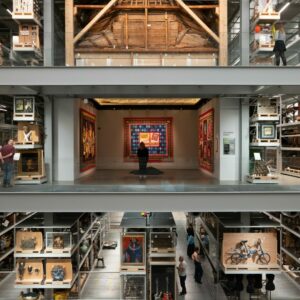
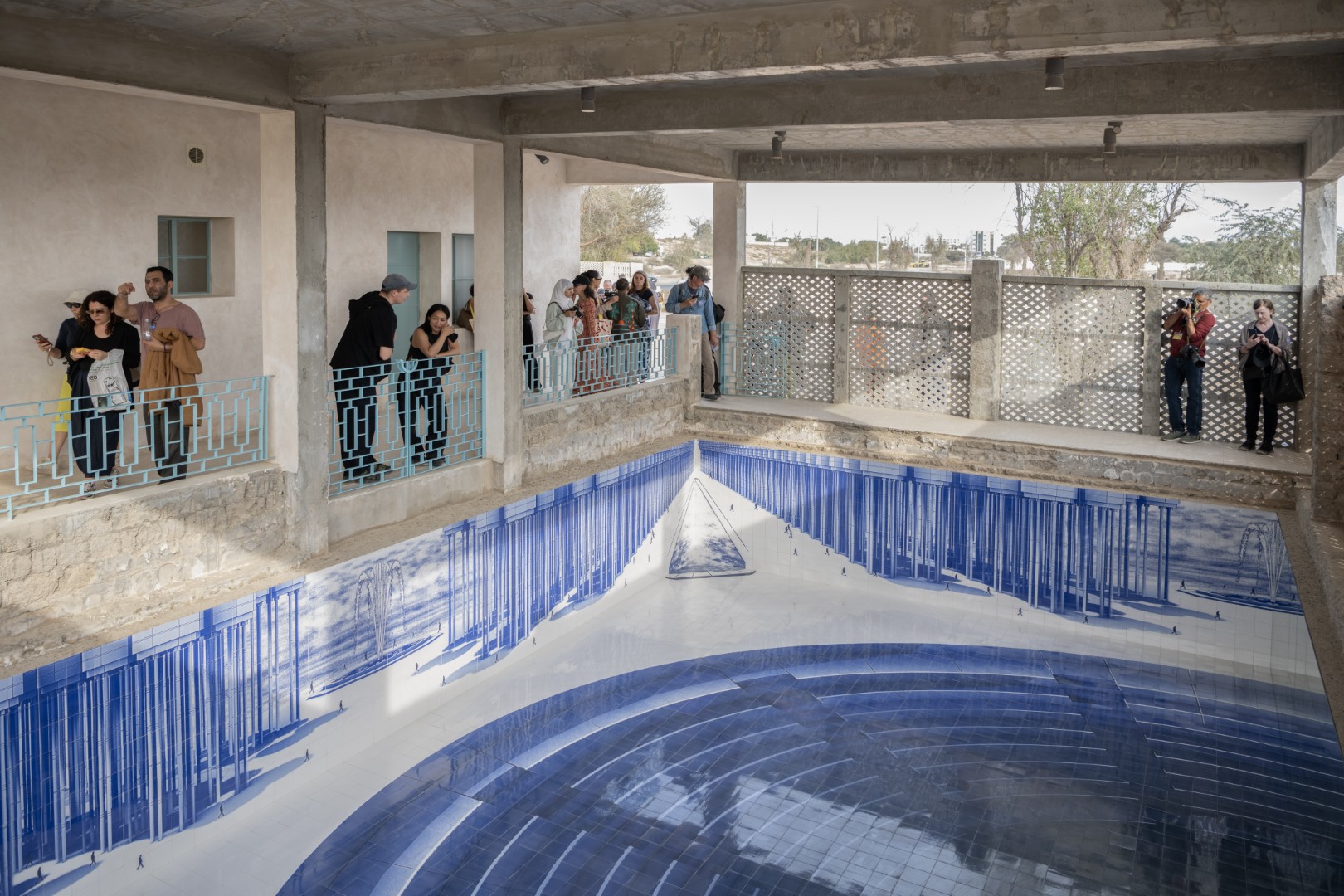
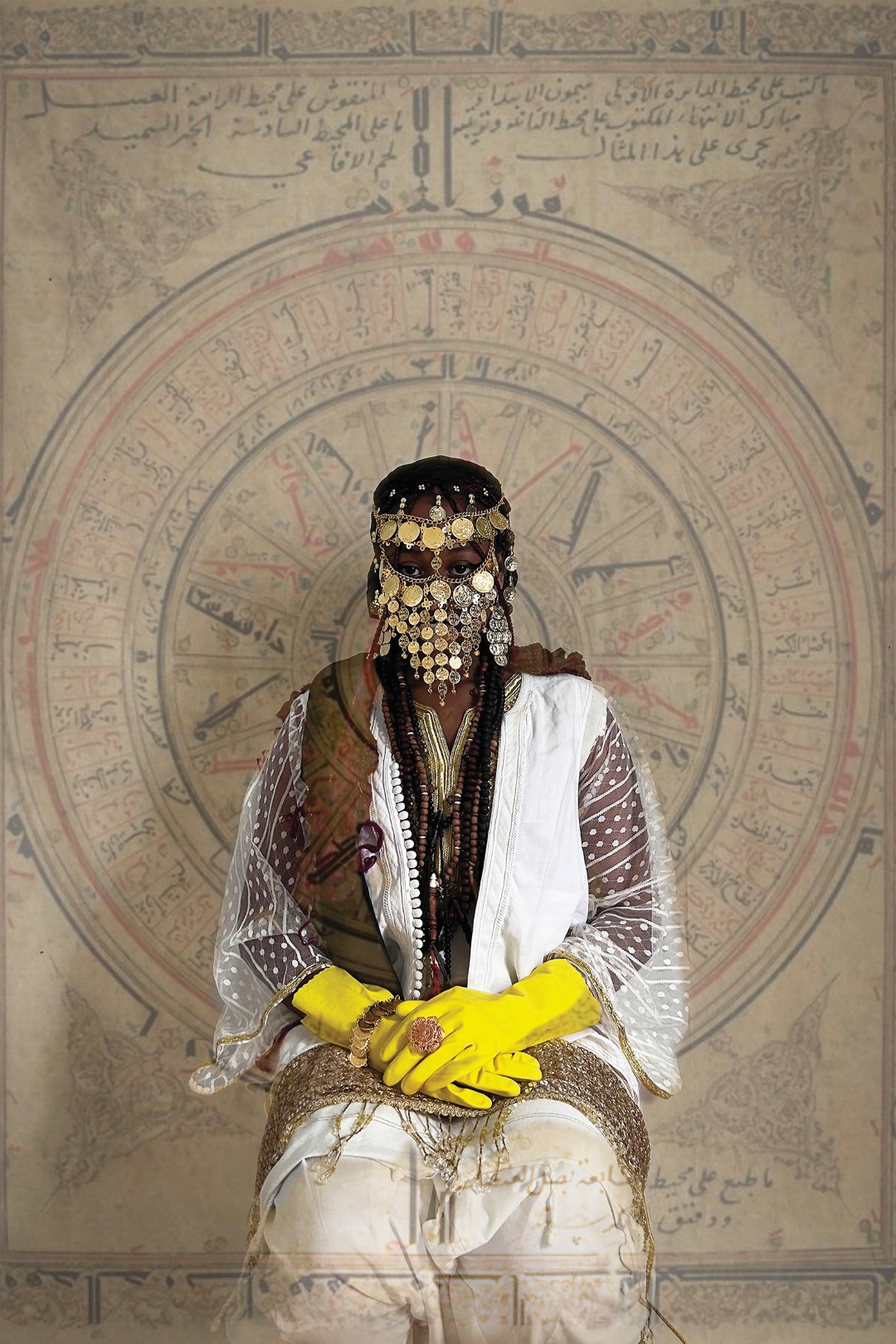
The 2025 Islamic Arts Biennale opened in Jeddah’s Western Hajj Terminal, a space built for millions of pilgrims each year, now reimagined as a passage to a different kind of devotion. Designed by OMA, the vast structure unfolded across indoor galleries and open courtyards, divided into seven poetic chapters. More than 500 historical artefacts were shown alongside 29 new commissions, doubling the scale of the Biennale’s first edition. Loans from the Louvre, the Vatican, and the Victoria & Albert Museum anchored the exhibition in a confident globalism of Islamic heritage.
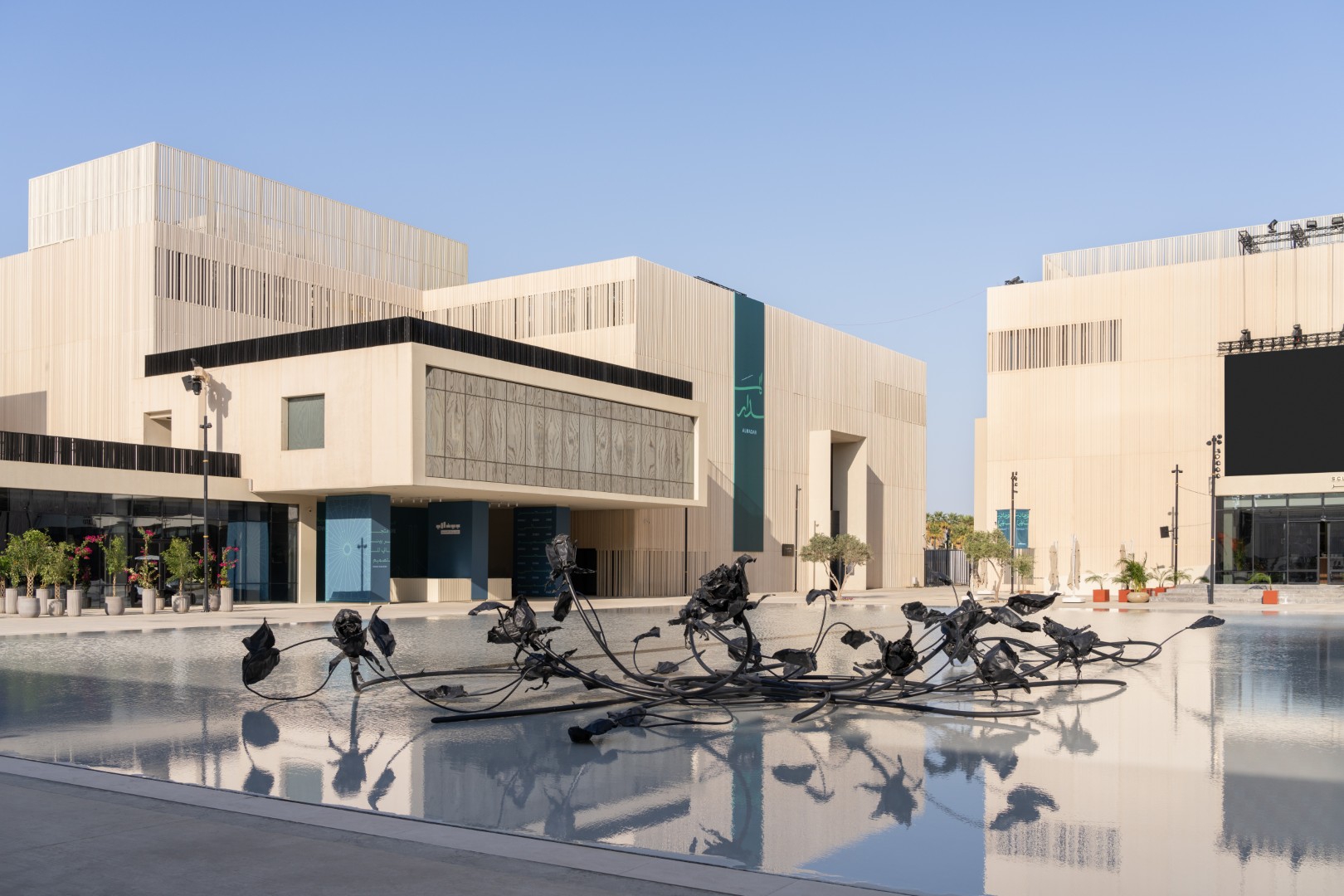
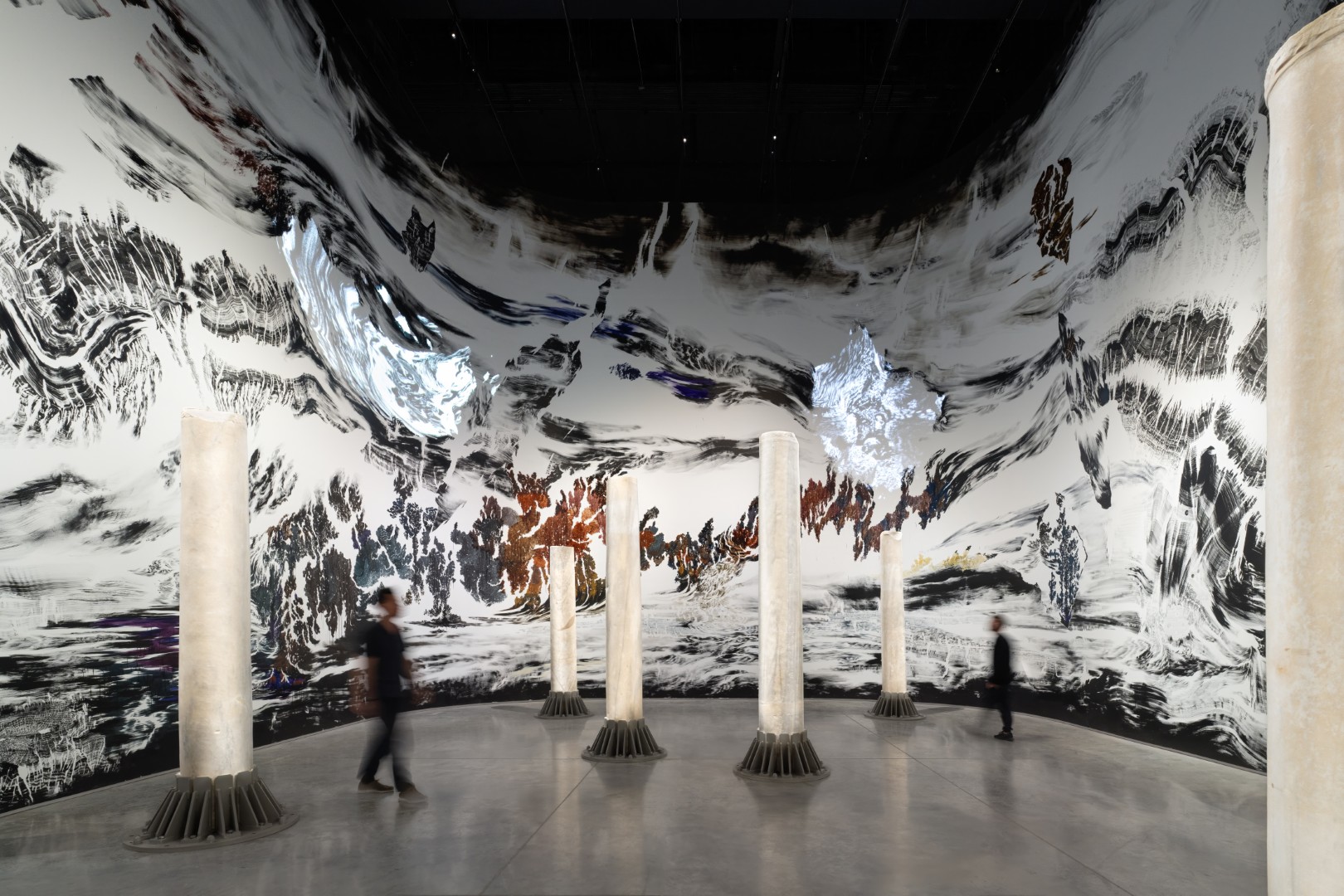
In Abu Dhabi, the year closed with a twin statement of intent. Abu Dhabi Art 2025, its largest edition yet, brought together 140 galleries from 35 countries, expanding the fair’s role from regional showcase to global hub. Alongside major international names, new commissions by emerging Emirati artists underscored the fair’s dual focus on scale and substance. Soon after, Manar Abu Dhabi unfolded across the city and Al Ain, illuminating coastlines, islands, and oases with large-scale light installations. From KAWS to DRIFT, artists reimagined the landscape as a constellation of reflection. Together, the two projects framed a city no longer staging art events but inhabiting them.
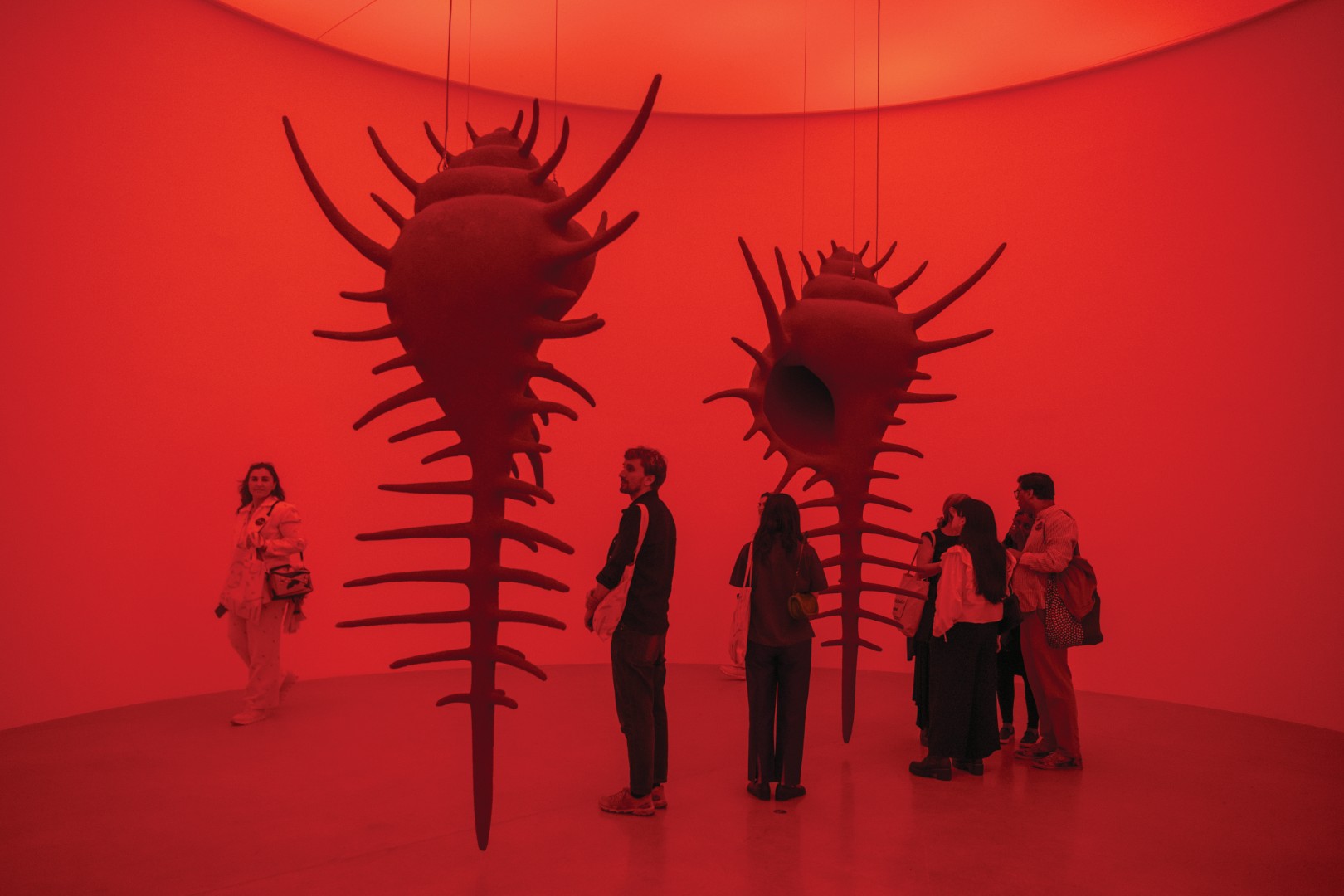
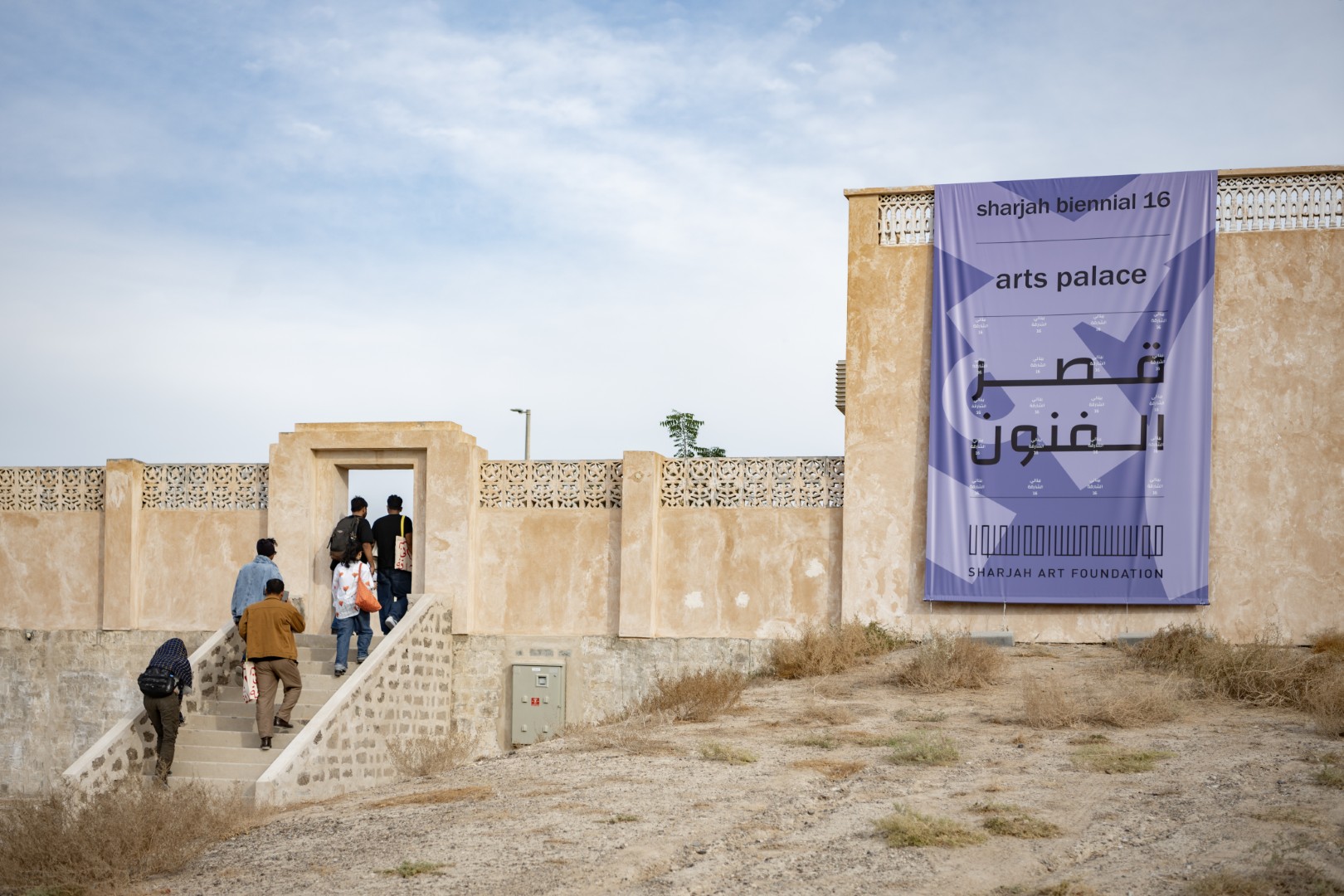
A few hundred kilometres away, Sharjah Biennial 16, titled to carry, held the region’s cultural centre of gravity. Spread across 17 venues, the Biennial gathered nearly 200 artists and more than 650 works, including over 200 new commissions. Its curatorial framework turned toward migration, memory, and inheritance, what art can hold, and what it must pass on.
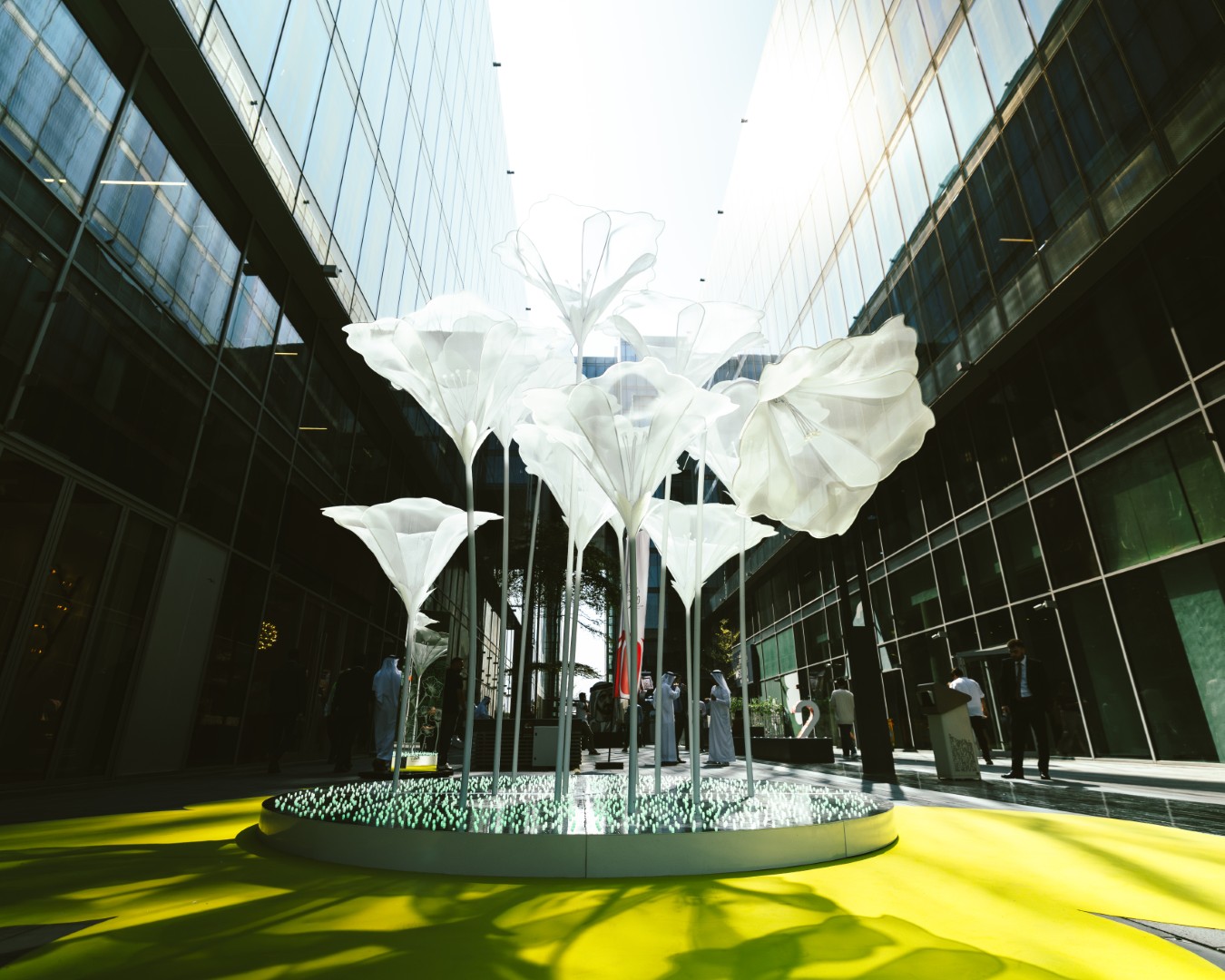
In Dubai, design became the language of belonging. The 11th Dubai Design Week, held under the patronage of Her Highness Sheikha Latifa bint Mohammed bin Rashid Al Maktoum, turned its gaze inward with the theme Community. Exhibitions and installations treated design as civic infrastructure, an argument for how form can hold people together. And through it all, Art Dubai remained the Gulf’s magnetic field, less a marketplace than a mechanism, interlocking conversations from South Asia, North Africa, and the Middle East into one orbit.
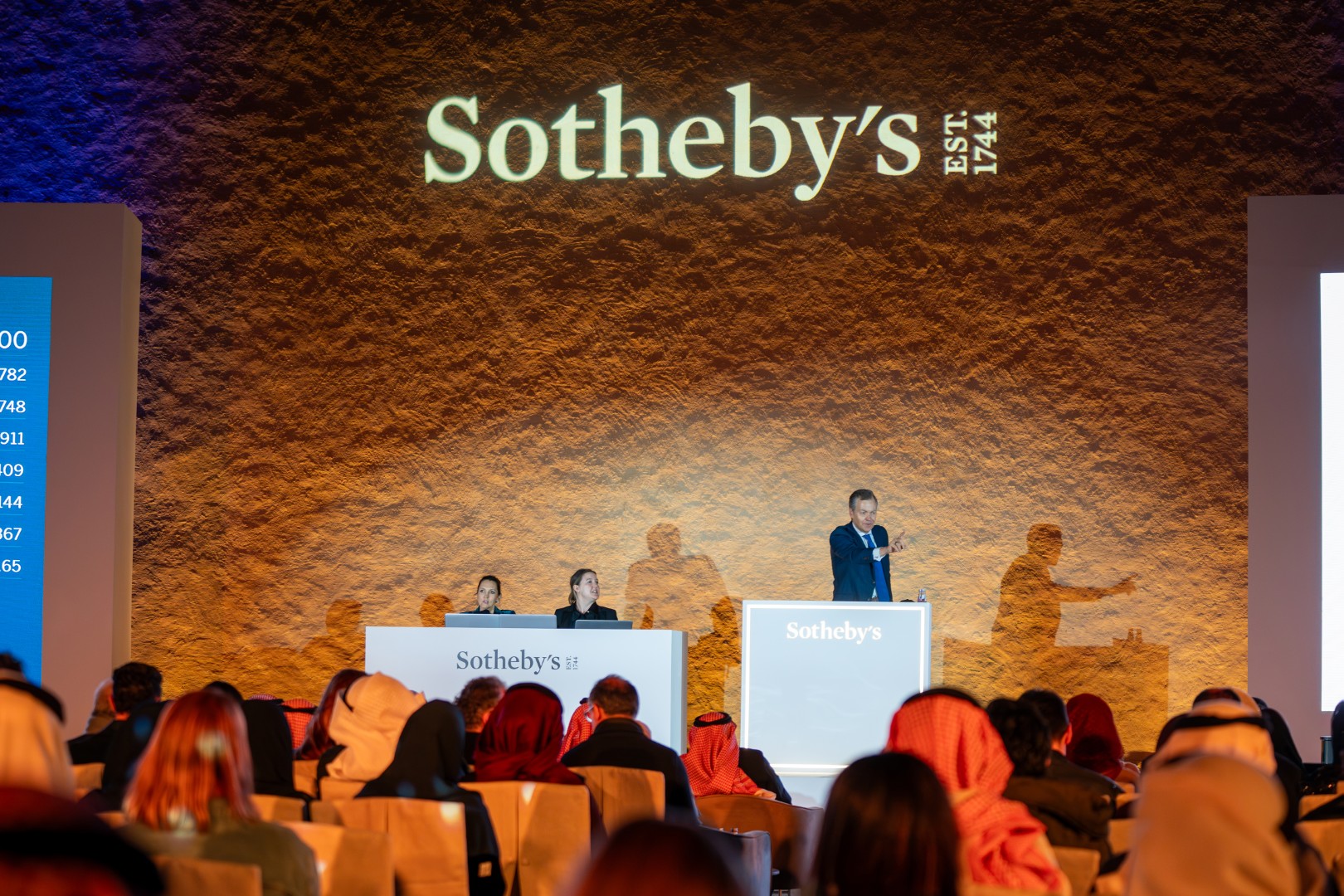
Meanwhile, the Gulf’s art market took a decisive step toward maturity. Sotheby’s held its first major sale on Saudi soil in February, totalling $17.3 million with three lots surpassing $1 million. Around the same time, Abu Dhabi’s sovereign wealth fund, ADQ, invested $1 billion in Sotheby’s itself, tightening the link between cultural capital and financial power. Participation from Gulf collectors has surged over the past five years, a telling indicator of structural change.
These shifts are not parallel tracks, they are convergent. In 2025, the infrastructure of art in the Gulf ceased being experimental in isolated pockets and became systemic. The operations of museum-level exhibitions, collector activity, design ambitions, and market mechanisms now speak to one another across cities. Artists and curators no longer operate at the margins; they work within a shared space that is increasingly not imported, but native.
2026: From Scale to Definition
By early 2026, the question is no longer whether the Gulf can build scale – it already has – but how that scale begins to define itself in practice.
The opening months of the year have already activated that system. In Riyadh, the Diriyah Contemporary Art Biennale returned for its third edition, expanding its institutional footprint within the JAX District and reinforcing Saudi Arabia’s commitment to sustained, museum-level programming. Almost in parallel, Desert X AlUla and the wider AlUla Arts Festival unfolded across the country’s north-west, extending cultural production beyond the exhibition format into a seasonal rhythm of commissions, performances and public programmes.
Days later, Doha hosted the inaugural edition of Art Basel Qatar, bringing together 87 galleries and over 17,000 visitors in a deliberately more curated format. Rather than replicating the high-speed transactional model of its Western counterparts, the fair leaned into solo presentations and slower modes of engagement, a shift that suggested not just expansion, but adaptation.
What emerges is not a sequence of events but a continuous circuit. Artists, collectors and institutions moved between Riyadh, AlUla and Doha within the same temporal frame, collapsing distance across the region and reinforcing a shared cultural infrastructure that now operates across cities rather than within them.
Alongside this, the market continues to stabilise into continuity rather than momentum alone. The aftereffects of major auction activity in Saudi Arabia and institutional investment across the region are no longer felt as singular moments, but as part of an ongoing financial and cultural alignment.
Further ahead, major institutional and fair developments continue to test the system’s capacity for definition. The reconfiguration of Abu Dhabi’s fair ecosystem signals a closer alignment with global fair structures, while still negotiating a distinct regional identity. On Saadiyat Island, the long-anticipated Guggenheim Abu Dhabi remains the most visible institutional benchmark, not only for its scale, but for what its programming will ultimately sustain over time.
The challenge now is one of consolidation. The Gulf has proven it can attract attention, capital and global players. What remains is the slower, less visible work: building institutions that retain audiences beyond opening weeks, markets that support long-term collections rather than circulation, and programmes that are legible and meaningful to local publics.
If 2025 marked the moment the system came online, 2026 is where it begins to define its own terms.
For more stories of art and culture, visit our dedicated archives and follow us on Instagram.