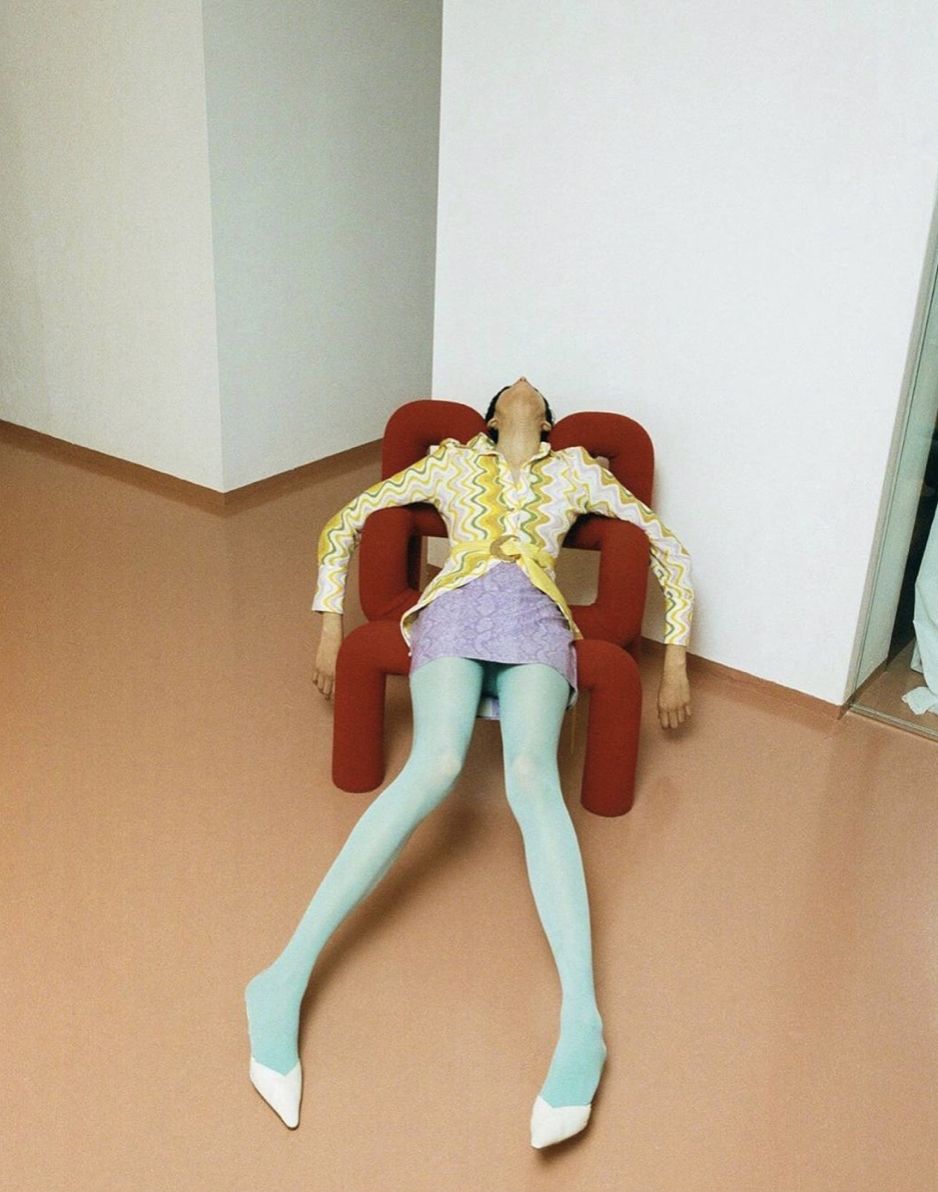
I’m tired in a way that sleep doesn’t touch anymore.
Not the romantic kind of tired. Not the “I worked hard today” tired. This is a stranger thing. I wake up already fatigued, scroll anyway, drink coffee anyway, answer messages anyway. By mid-afternoon my body wants a nap, my brain wants noise, and my nervous system wants everyone to leave me alone, including myself.
I didn’t come up with the word exhausterwhelmulated. I saw it on Instagram, on one of those posts you stop on because it names something you’ve been feeling but haven’t quite articulated yet. Exhausted. Overwhelmed. Overstimulated. All at once. And instantly I thought: yes, that’s it. That’s the feeling.
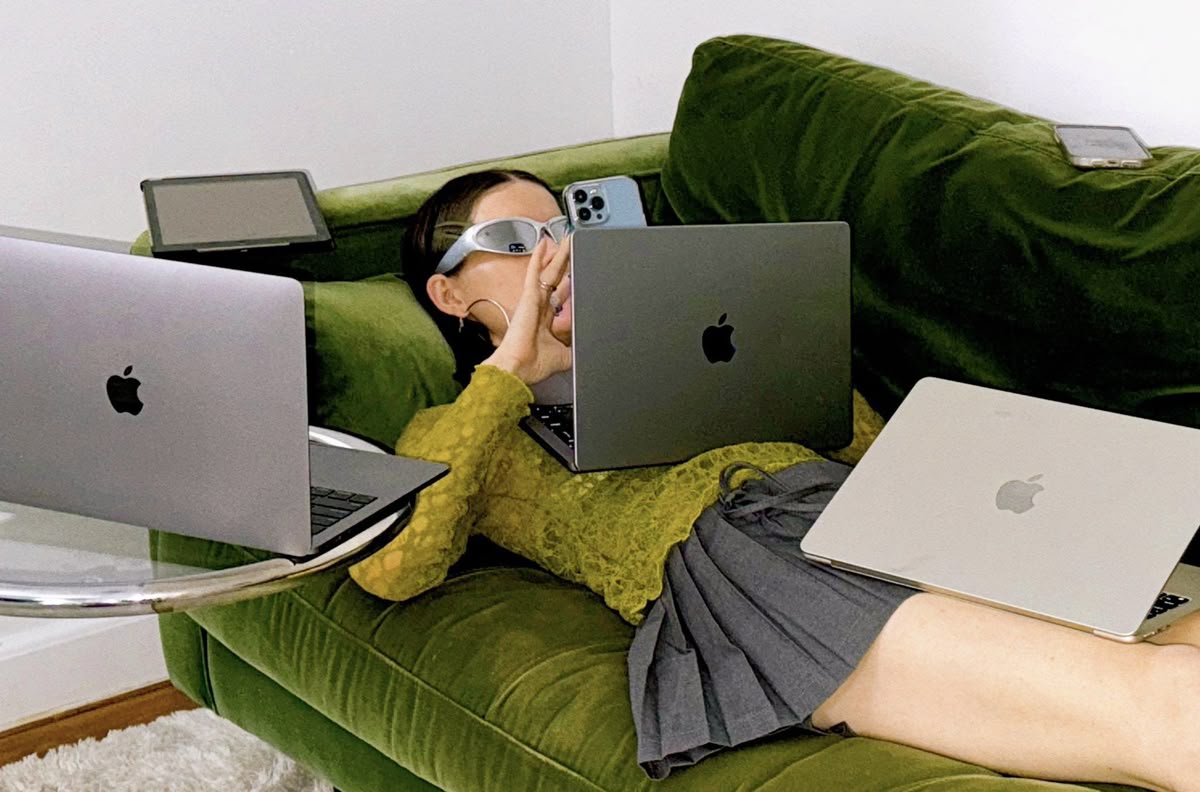
What struck me most wasn’t just the word, but how familiar it felt. How quickly it clicked. As if we’re all walking around in this state, quietly relieved when someone finally puts language to it.
The problem is that rest, as we’ve been taught to understand it, doesn’t work anymore.
We’ve been told that burnout is solved by stopping. Take a break. Take a day off. Go on holiday. Sleep more. Do yoga. Log off. And sometimes, yes, that helps, but increasingly, it doesn’t. Because the thing making us tired isn’t just work. It’s the constant condition of being reachable, aware, available, informed, observed.
Rest used to mean the absence of activity. Now it still contains all the same signals, just in softer lighting.
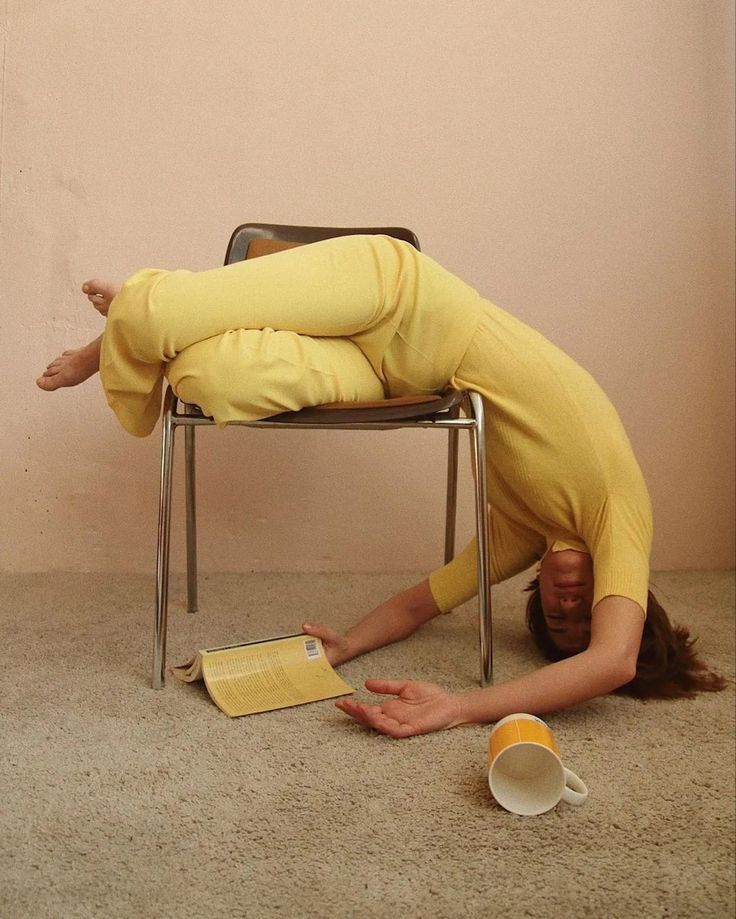
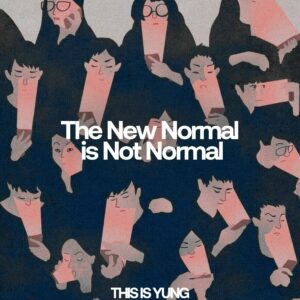
I’ve noticed this most clearly on days off. I’ll lie on the sofa, phone in hand, not doing anything productive, yet somehow more drained than after a busy day. I haven’t moved, but my mind has: from news headline to voice note to group chat to half-watched video to thought spiral to mild guilt about not replying sooner.
We are not overworked in the traditional sense. We are over-stimulated without recovery.
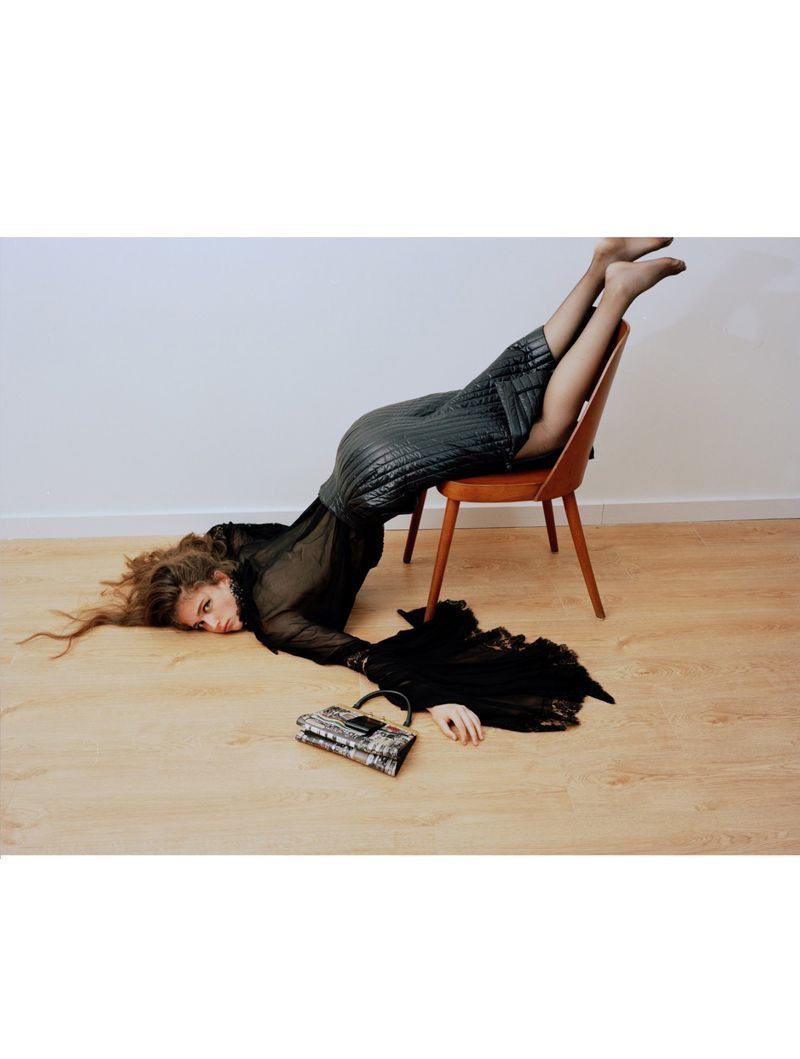
The body doesn’t know how to rest when the brain never fully powers down. And the brain doesn’t power down because it’s trained not to. There’s always something else to know, check, respond to, absorb. Even pleasure has become loud. Even leisure comes with options, choices, recommendations, pressure to optimise the experience.
You don’t just watch a film anymore – you choose it from an infinite catalogue, read reviews, half-remember someone saying it was overrated, wonder if you should be watching something “better,” check your phone halfway through. The rest is porous. It leaks.
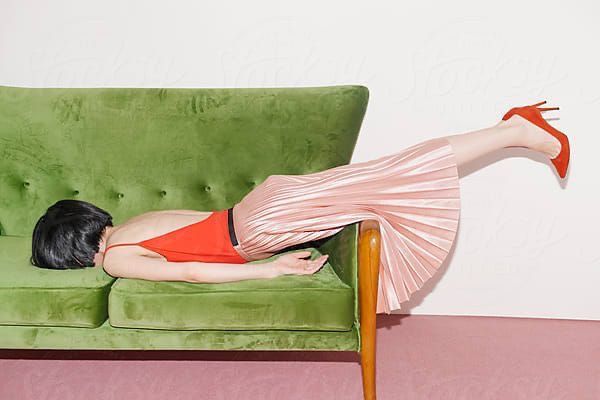
The thing about being exhausterwhelmulated is that there’s no single thing to stop it. You can’t take a break from being a person with a phone, a job, friendships, opinions, access to the internet, and a vague sense that you’re behind on something you can’t quite name. I mean you can but, I’m not sure any of us truly wants to…
So we rest harder. We book wellness. We turn rest into a task, another thing to succeed at. And when it doesn’t work, we assume the failure is personal.
But maybe the issue isn’t that we’re bad at resting. Maybe rest itself has changed.
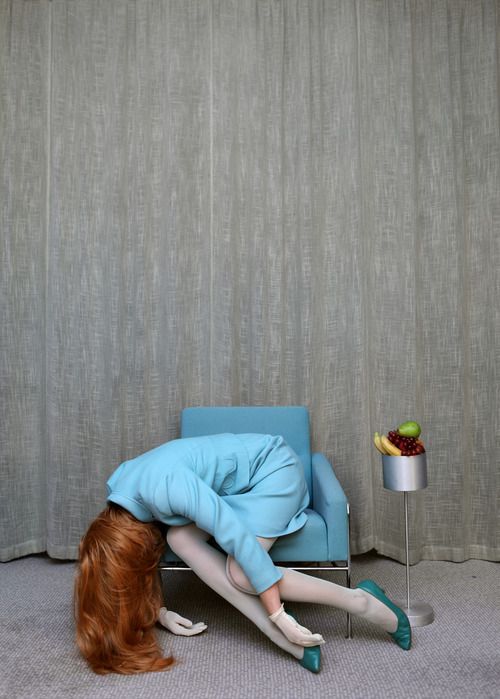
True rest requires a sense of safety. Not just physical safety, but cognitive safety – the feeling that nothing is required of you, that nothing urgent is happening, that you’re not missing something crucial. That feeling is increasingly rare. Even when nothing is happening, something could be happening. And that possibility alone keeps us half-alert.
We’re living in a low-grade emergency state, all the time. Not enough to panic, but enough to never fully relax.
I don’t think the solution is more discipline or better routines. I’m suspicious of anything that frames this as an individual productivity problem. You can’t habit-track your way out of a nervous system that’s been trained for constant input.
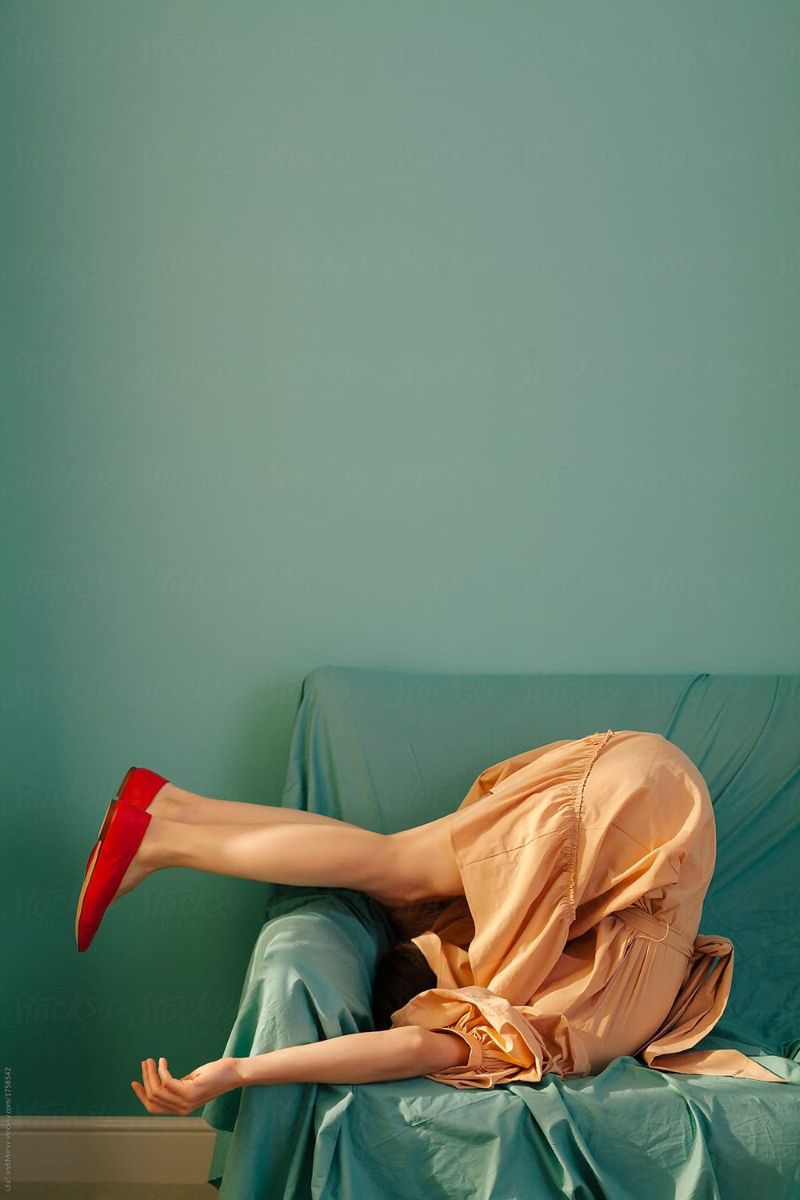
I don’t have a clean ending for this. No five steps. No morning routine. I’m still exhausterwhelmulated more days than not.
But I’m learning to be suspicious of rest that looks impressive, shareable, optimised. And to take seriously the kinds of quiet that don’t photograph well.
The kind where nothing happens.
The kind where you’re a bit restless.
The kind that doesn’t fix everything, but at least doesn’t ask anything of you.
That might be the closest thing to rest we have left.
For more stories around contemporary culture, visit our dedicated archives and follow us on Instagram.