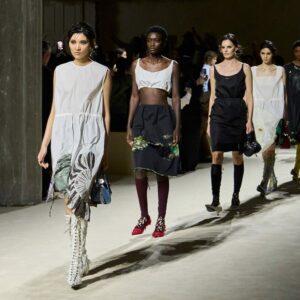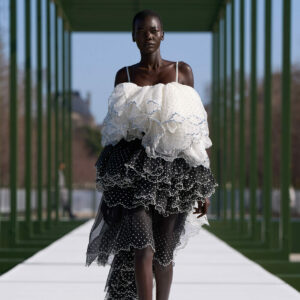
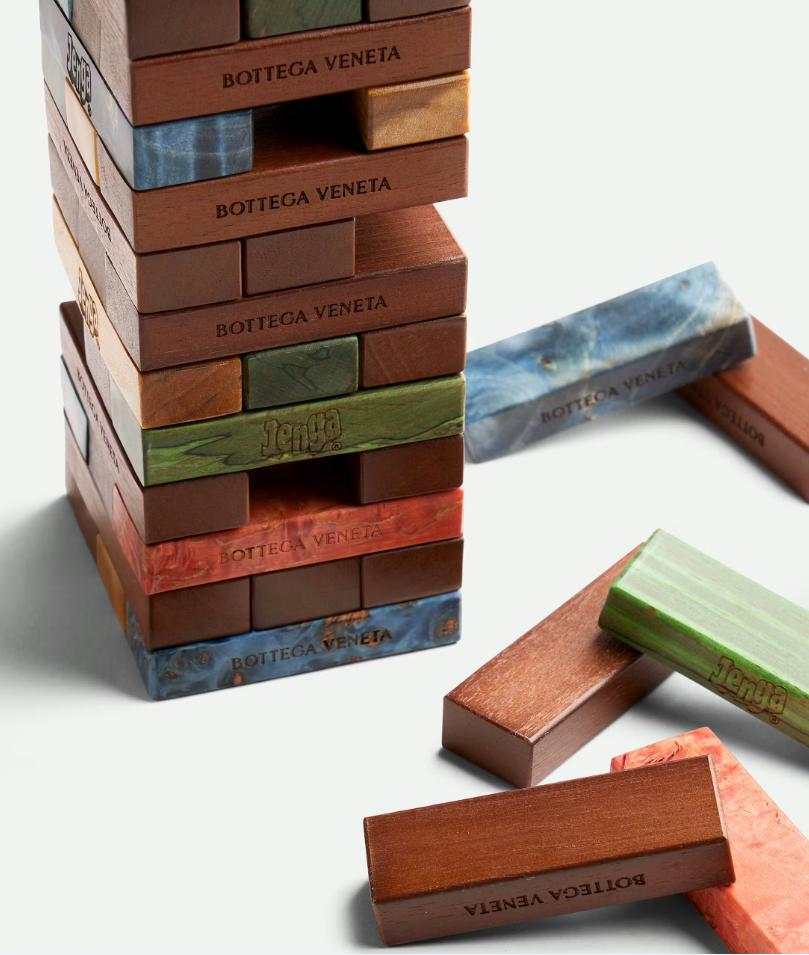
Luxury brands didn’t wake up one morning and decide to make board games for fun. What we’re seeing right now, from Miu Miu’s re-imagined card decks to Bottega Veneta turning Jenga into a sculptural object feels less like novelty and more like a signal. Fashion has entered a new arena, and it’s not beauty, wellness, or another hyper-limited drop. It’s play.
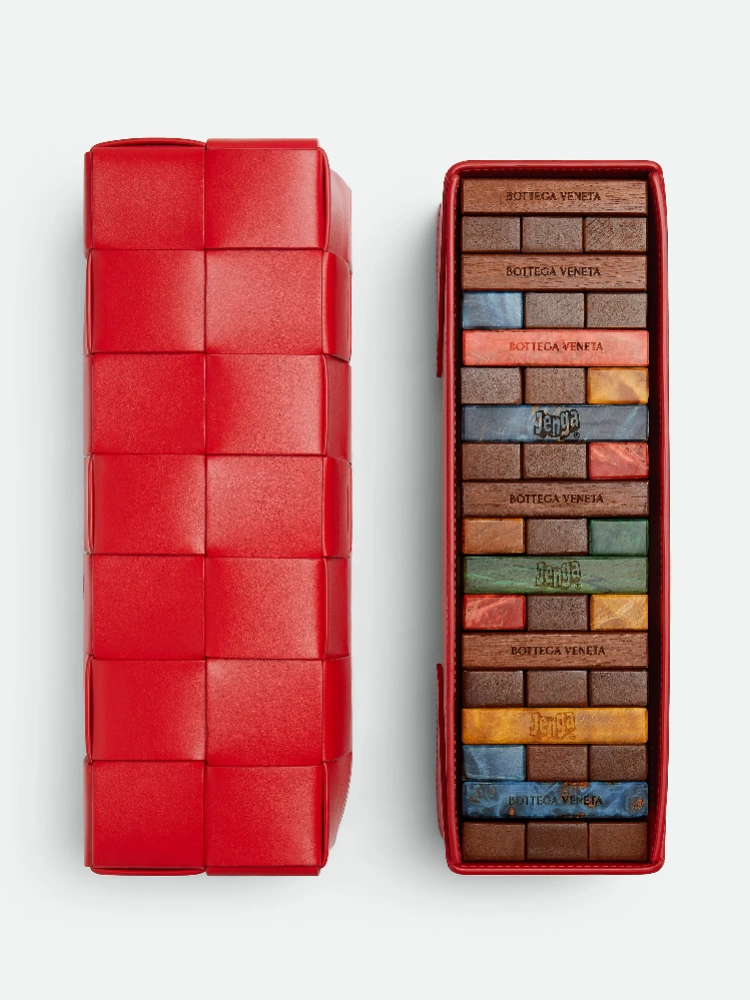
At first glance, these projects read as absurd. A luxury-priced game? A childhood object elevated to design status? But that reaction is part of the point. When makeup collaborations are oversaturated and “community” has become a marketing buzzword, brands are looking for spaces that feel emotionally charged, culturally loaded, and still relatively untouched. Games tick all three boxes.
Games are intimate. They live in homes, on coffee tables, inside family rituals. They aren’t worn for the outside world, they’re experienced in private, with friends, partners, siblings. By stepping into this space, luxury brands are shifting from dressing identity to shaping the atmosphere. That intimacy is the commodity: the chance to place a brand inside a domestic ritual rather than on a street-facing billboard. It’s a way to extend influence into off-screen life.
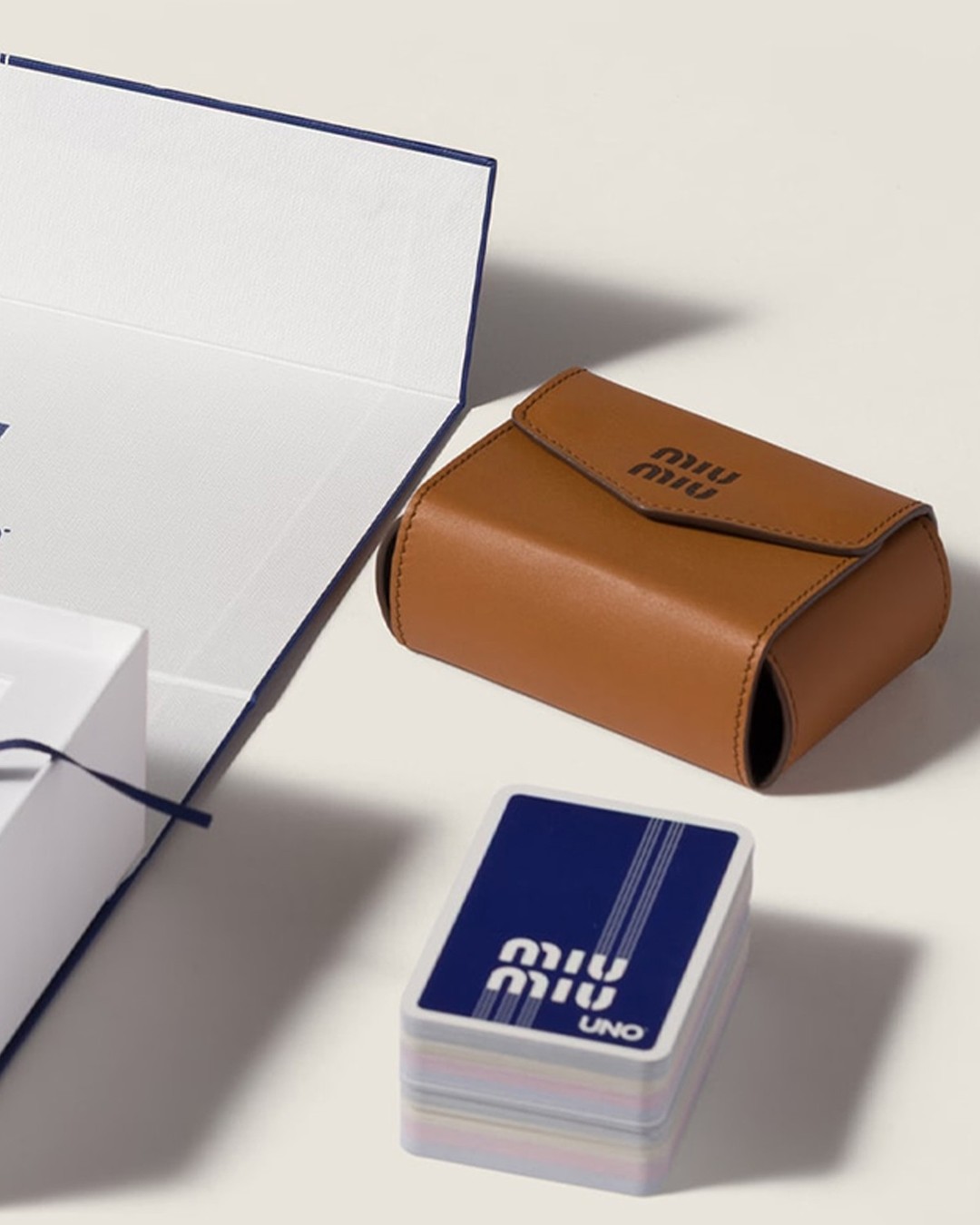
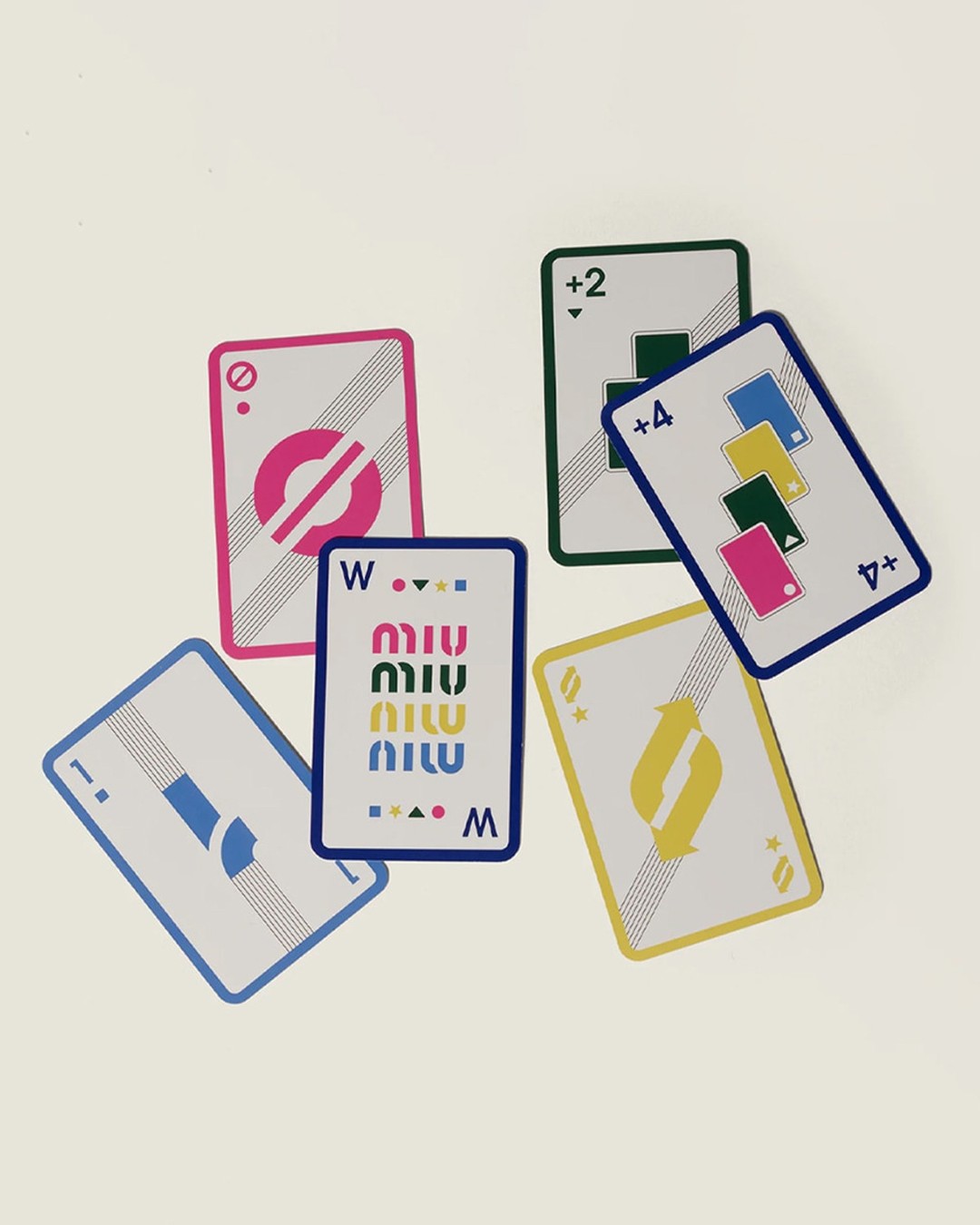
There’s also a generational logic at play. Younger consumers aren’t necessarily chasing ownership in the traditional sense and with Gen Z’s purchase path being non-linear, awareness no longer guarantees desire. People value moments, humour, and cultural fluency. A branded game isn’t about practicality; it’s about signalling taste through irony, nostalgia, and restraint. You’re not buying it to play every night. You’re buying into a shared joke, one that only certain people will get.
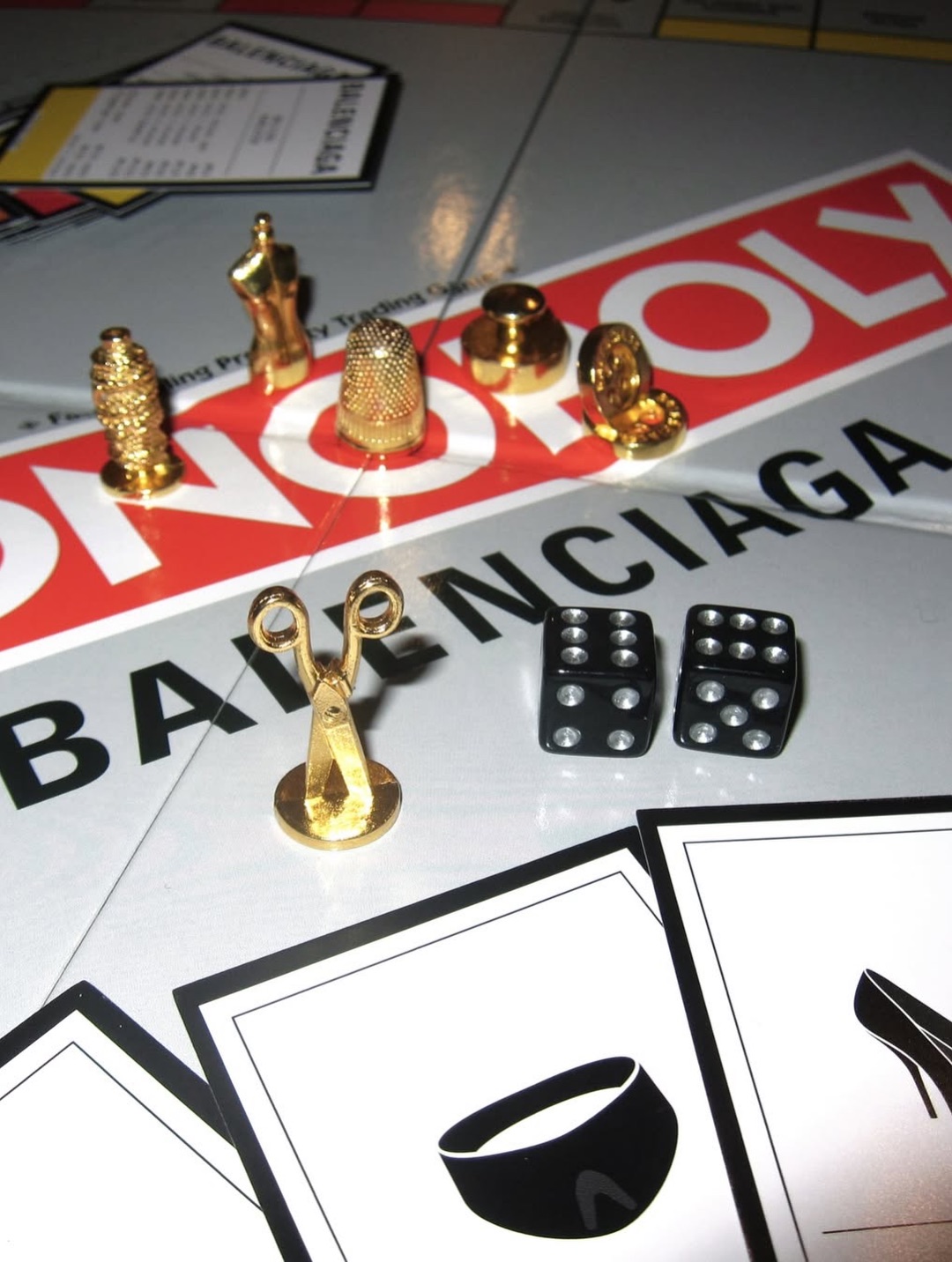
Then there’s exclusivity. Balenciaga’s Monopoly collaboration, quietly distributed to VIPs, wasn’t designed to go viral. It was designed to circulate offline, through whisper networks and inner circles. In a world where everything is screenshot and shared, that kind of controlled invisibility is powerful.
This isn’t fashion becoming playful. It’s fashion becoming strategic about culture. When brands start turning games into objects of desire, they’re not abandoning luxury’s marketing codes, they’re rewriting them. The message is clear: relevance now lives in how we gather, unwind, and play. And luxury wants a seat at that table.
For more stories of fashion, art and culture, visit our dedicated archives and follow us on Instagram.