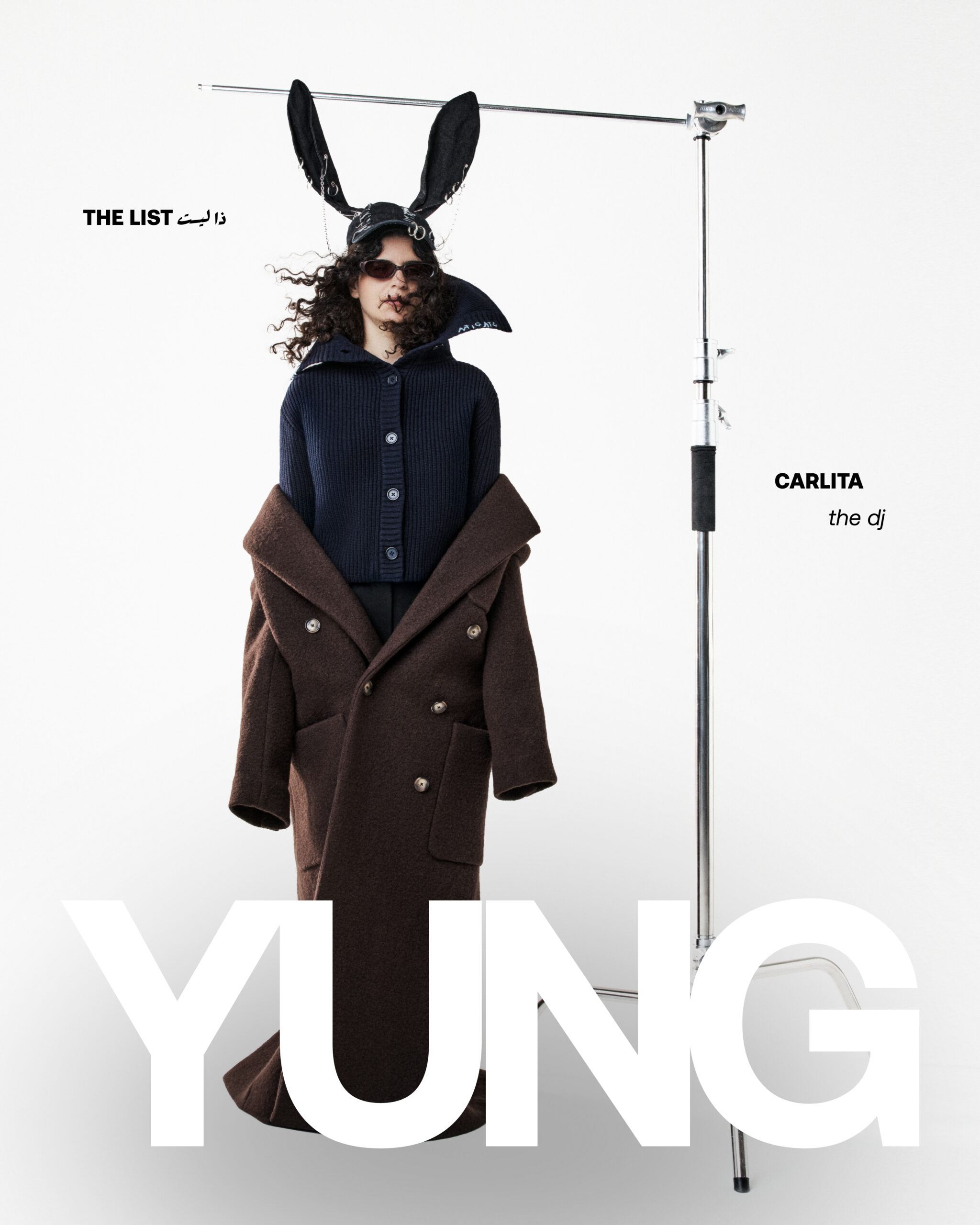
“The cello is the instrument that is closest to the human voice,” Carlita tells me over Zoom. She says it simply, almost in passing, but the line stays with me for a bit. I replay it in my mind as she continues speaking, the warmth, the breath-like lift, the spiritual dimension she hears in each note. In a way, it sums up her whole approach. Even when she’s working with electronic textures, she’s always reaching for something that feels lived-in.
It’s a revealing entry point into who she is as an artist. Beyond a nostalgic detail from childhood, the cello, the first instrument she ever learned, is the single most important tool that has shaped her instincts. The discipline, the emotional temperature, the way she listens for movement. When she speaks about DJing, set-building, or the “story” inside a mix, she speaks with the same tonal clarity she attributes to that instrument. Beneath her cool, reserved cadence, you can hear it – that slow, deliberate musicality has little to do with spectacle and everything to do with listening.
Classical training is often cited in passing when talking about electronic music. With Carlita it’s foundational. She calls it a “really intense education” in theory and dynamics, as she puts it, and you can hear the practicality of it when she explains how sets come together. “When you’re classically trained,” she explains, “you automatically think in scale, know what key a track is in.” This discipline, she says, means her ear is always tuned to the underlying structure of sound, even in the chaos of a live set. In practical terms, it means her mixes never feel haphazard. Transitions are key changes and chord shifts, arranged almost unconsciously before she ever presses play.
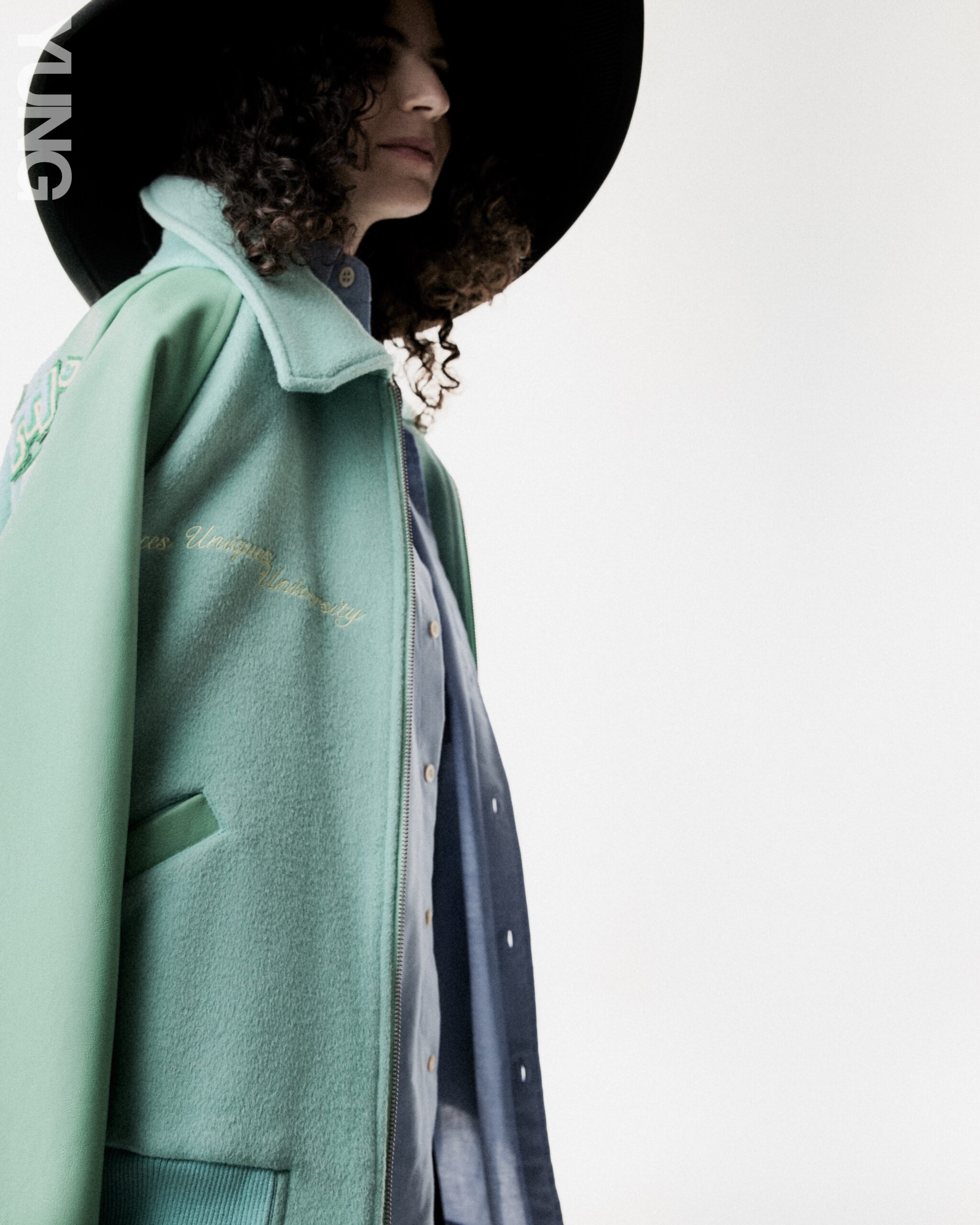
The impact of that schooling shows up everywhere. She talks about a DJ set like it’s a composed piece. “Before everything, it’s about the tracks and their scale,” she says, “and then you think of storytelling.” She doesn’t throw songs together for impact; she thinks in arcs, like a narrative that needs space to breathe. She really thinks of her sets like concertos, long-form pieces that grow and resolve. Back-to-back “bangers for ten songs in a row” don’t cut it for her. Instead she wants her sets to breathe, to have softer passages and heavier ones, the way a well-structured piece of music rises and resolves. The underlying lesson of her classical training is that a complete performance should surprise and move you, not just make you dance.
But becoming a DJ wasn’t the plan. “I never wanted it as my job. It was supposed to be just a hobby,” she says. But her path from conservatory graduate to travelling DJ was paved by that mastery of an instrument. She’s the first to admit her story sounds unlikely: a classically trained cellist with a master’s diploma at 16, suddenly drawn to clubs. Yet it turned out to fit. The study of music theory, she notes, was universal. It made learning piano or guitar or even the electronic tools of production almost second nature. “Because of the cello, I can play most instruments,” she says. That confidence in her technical skill freed her to explore new creative territory once she did step into the booth.
She talks about “storytelling” repeatedly, not as a buzzword, but as the core of her performance philosophy. “You feel when a DJ wants to tell a story, going from beginning to end,” she says. She contrasts that with a forgettable sequence of hits. The difference, in her mind, is heart.
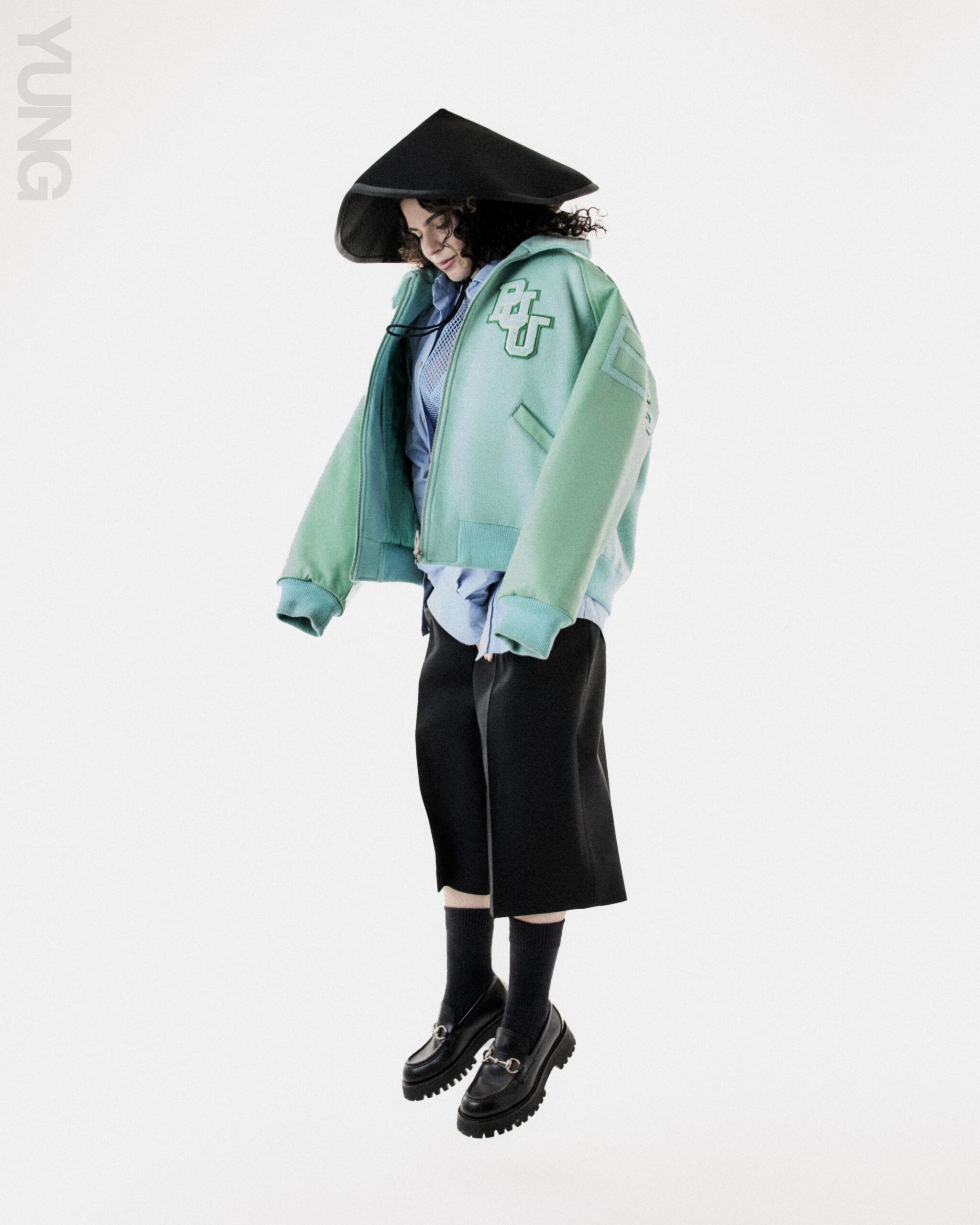
Operating from this narrative mindset means planning, yes, but more often listening. Carlita downplays rigid setlists. Early on, she mapped out a storyline for important shows, but nowadays she trusts the crowd and the moment. She’ll have a roadmap, but rarely a GPS. “You can plan the sunrise set,” she says, “but 99% of the time it doesn’t go how you think.” Instead, intuition guides her through fluctuating energy in the room or under the dawn sky. She describes how reading the crowd is the “most important thing” – the litmus test of any musical arc. A tale might be composed, but it must fit the ears of those listening.
That flexibility is part of what makes her sets feel personal rather than formulaic. She remains unfazed when things don’t go to plan. The mood of a set can shift a thousand ways. Even a carefully chosen opening track can be usurped by a surprise request from the floor, or a sudden electric moment of connection with the lights and dancers. “The story I want to tell has to fit the crowd,” she muses. If a certain tune resonates at 2 a.m., she’ll follow it, even if her original outline pointed elsewhere. The effect is a kind of co-creation: she lays down themes and moods, the crowd adds dance floor texture, and together it becomes something neither could have done alone.
Yet the ambition is to guide a journey. She likes to hold back big moments for real impact. It’s a bit like a novelist withholding the climax until the right scene. “I always think every song has a home,” she explains. By that she means each track she selects is destined for a particular time and place in her set. In a way, her DNA as a musician demands it: she’s as much concerned with ‘where’ in the arc a song lands as ‘which’ song it is. That’s why a track that initially seems out of left field might become obvious in context.
If narrative is the bones of her performance, surprise is the heartbeat. She grins recalling moments that shocked herself as much as her audiences. One infamous example happened in Brazil. The sky opened and rain fell at just the right time. On impulse, she dropped a psychedelic Brazilian groove, and everything clicked. The song felt like a predestined meeting of moment and mood. “It was the completely right song,” she says. Suddenly everyone was singing along under umbrellas.
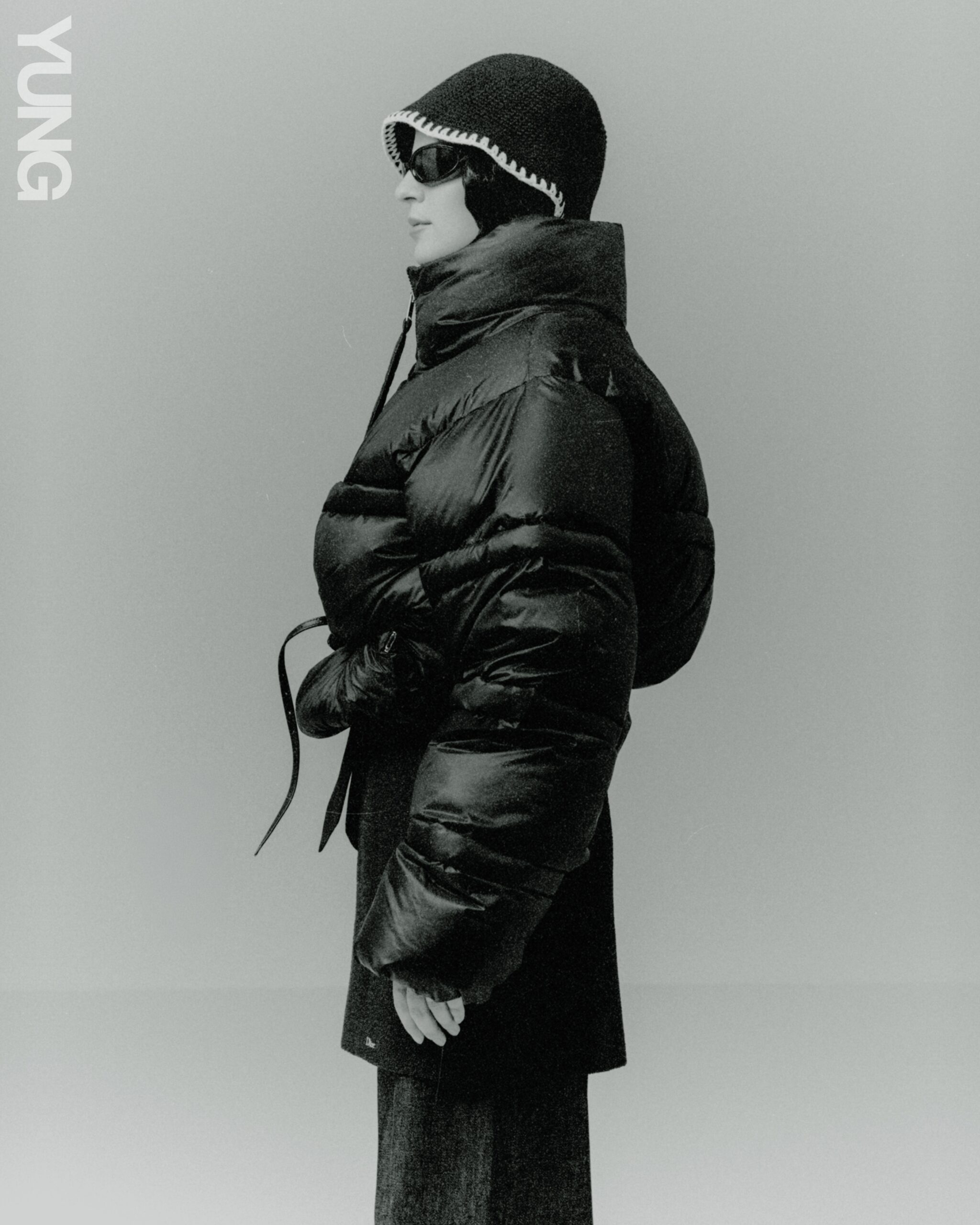
That’s the kind of unplanned magic she’s after. It’s why, when I ask about “wow” moments, she doesn’t describe elaborate effects or guest features (though she’s had those, too). Instead, she highlights the quiet intersections of timing, atmosphere, and instinct. Real artistry, to her, is the ability to lean into those swings. It’s telling that when discussing her performances, she uses almost reverent language: home, story, fit. A DJ set, in her view, is like a ritual. It demands respect for pacing and the unknown.
She admits that planning these moments is impossible. “You can have ideas, but you need to let intuition take over,” she says. This is where her duet with classical training turns improvisational. Even after ten years of professional touring, she relies on an almost academic ear to sense the slightest change in pitch or crowd reaction. It’s disciplined spontaneity: a paradox she embodies. In practice, if she feels the audience needs a lift, she’ll inject that exact energy, rather than stick to a script of EDM peaks. The result is less predictable, but more alive.
Sometimes these surprises even happen in the booth itself. “Have you ever felt a moment you didn’t expect?” I ask. She pauses. “No, it’s more about unexpected moments for others,” she corrects. Exactly: it’s about what she can give them, not what she gets. She’d rather someone in the crowd suddenly leap out of their shoes than have her own set chart go exactly to plan.
Come sunrise or dusk, her playlist pivot tells you where to look. Peak-time sets, she says, should hit like a flashbulb – intense, radiant, heart-pounding. But dawn sets are entirely different. “When you first see the sun, or transition from night, those are more dreamy, emotional moments,” she explains. Those hours invite hope and reflection, whereas midnight is for release and thrill.
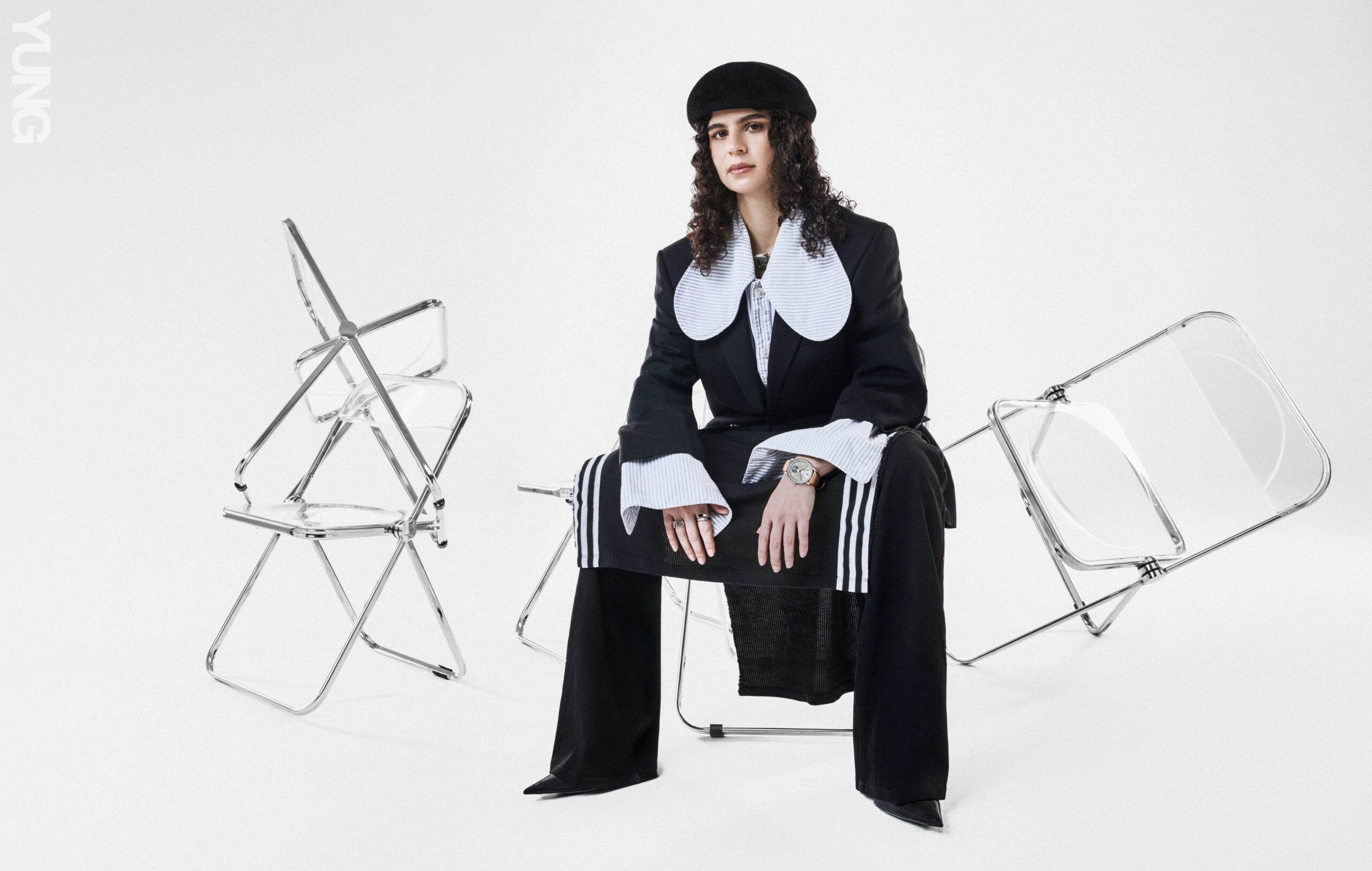
For Carlita, every hour has its soundtrack. Her own compositions follow suit. When she stepped out of the DJ booth into the studio, the same sensibility guided her. In 2024 she released her debut album Sentimental on Ninja Tune. It is a world away from a club-only single, yet deeply connected to everything she learned through her instruments. The piano, synth and, yes, the occasional cello threading through it, giving it an intimate, chamber-like dimension. Among its standouts are “Time,” featuring vocals by Tom Havelock, and “Forever Baby,” with Janet Planet of Confidence Man, collaborations that reveal her ear for pairing texture with voice. The album was, as she says, an attempt to “show a different side of me.”
Aside from the album, her discography spans club-forward releases and wide-ranging collaborations. In 2022 she released the Bon Trip EP on Life and Death Records, a project that sharpened her psychedelic, slow-burn aesthetic. Her Fabric Presents LP, out on Fabric Records in 2025, showcased her curatorial precision and included two original tracks: “Raf,” made with long-time collaborator Andre Zimmer, and the propulsive “Stop Now.” In 2024 she delivered a high-profile remix of Disclosure’s mega tune “She’s Gone, Dance On,” reworking it with her signature cinematic tension. It’s all catalogued in her massive digital crates, which go from classic house records to obscure Turkish pop and West African grooves.
Outside the club, Carlita’s vision extends to art and fashion. A few years ago she co-founded Senza Fine (Italian for “Without End”), with the veteran DJ Tennis. It’s a multimedia performance concept – parties wrapped in scented air and staged like art installations. I ask about the most daring event they’ve produced. She brightens, recalling a story almost too crazy to be real. In New York Fashion Week, she and a friend behind a fashion brand decided to throw their own show. They had no idea what they were doing but they went for it.
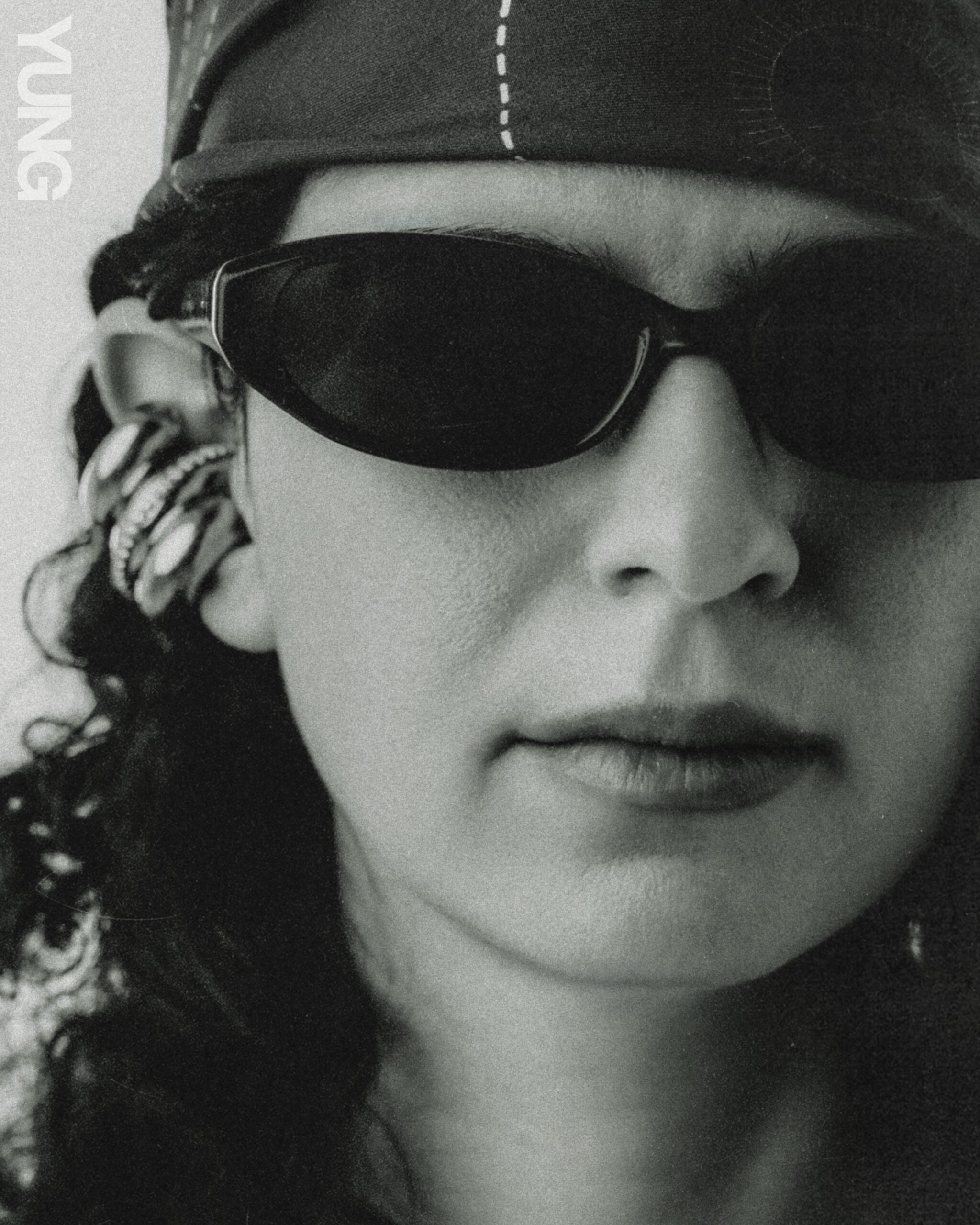
“We had zero idea how to do a fashion show,” she says, chuckling. They booked models (one was her own roommate), created a guest list, even choreographed the walk. After the catwalk, it became a club. The result was chaotic but euphoric. “It was the best party ever,” Carlita recalls. “It almost killed us,” she adds, smiling widely. But it worked.
This story captures her restless creativity. If she’s as comfortable performing in a desert at Burning Man as she is serenely studying a stringed instrument in her home, it’s because she sees no boundary between art forms. Music, fashion, visual design: they all feed into the narrative. Senza Fine is an attempt to channel all your senses into one experience. Every event has a custom scent (so memory ties stronger), bespoke lighting and diverse musical genres, from ambient textures to disco highs. To Carlita, a perfume bottle on stage or a vintage dress on a model is just another instrument contributing to the mood.
While the title “international DJ” might sound prosaic, it’s accurate. She splits time between New York and Paris, and her travel calendar is relentless. She shrugs off the question about touring exhaustion with gratitude. Indeed, it has become her dream reality: waking up in one city, building a set with inspiration from another, always on the move. Sometimes it means 24 hours of airport Wi-Fi and cheap coffee. “I love it,” she insists. “I’m really grateful that my job allows me to see the world.”
It’s a strange luxury: few get paid to mix music and wander continents. She jokes she has no complaints. Still, it’s not all roses – no sleep between sets, missing friends and family. Yet she’s philosophical, the old spirit in her accepting it. The constant jetlag and changing beds are footnotes to the bigger story. The ink of that story is in the music she collects on the road. In India next weekend, she’s curious to see how a new culture’s vibe will seep into her sound. “I don’t have expectations,” she says. “It kills the passion.”

Some things do stick, though. Her favourites come from places and times: the 1970s Turkish psych-rock on a dusty vinyl found in Istanbul, or an Egyptian pop riff that reminds her of Cairo nights. She rarely plays modern Egyptian pop on her set, she laughs, but legendary voices like Amr Diab do occupy her digital library. We chuckle when she mentions Samira Saeed and Hamid Al-Shairi – a collection that sidesteps the current charts for classics our parents love. It’s not identity politics; it’s just what moves her. As a DJ, she’s less a DJ of “one scene” and more a curator of fragments from the global archive.
Yet she refuses to be defined by origin. “If you asked 16-year-old me where I’d be, I’d never say “DJ”,” she says again. What matters is that her craft continues growing. Even now, as established as she is, she’s still practicing, collecting, mixing. She jokes that she’s a perfectionist: always wanting to discover a better record, refine a transition, or add one more instrument into the arrangement. The music never stops teaching her. There are infinite paths up those mountain scales she once studied.
For more stories of music from around the MENA region, visit our dedicated archives and follow us on Instagram.