
Everyone seems to have a side project now. Or several.
A newsletter that hasn’t been sent in months. A brand “in the works.” A Substack, a podcast, a ceramics practice, a clothing idea, a creative studio that exists mostly as a bio line. There’s always something brewing, even if nothing is quite happening. At the same time, no one seems particularly interested in having a job…
Not in the traditional sense, anyway. Long-term roles, institutional loyalty, climbing a ladder that belongs to someone else, these feel oddly unappealing. Suspicious, even. Ambition hasn’t disappeared, but it has fractured.
Instead of one trajectory, there are many small ones. Instead of a career, there’s a constellation of projects. Each low-commitment, semi-maintained, easily abandoned if it stops feeling right. It’s not laziness. It’s risk management.
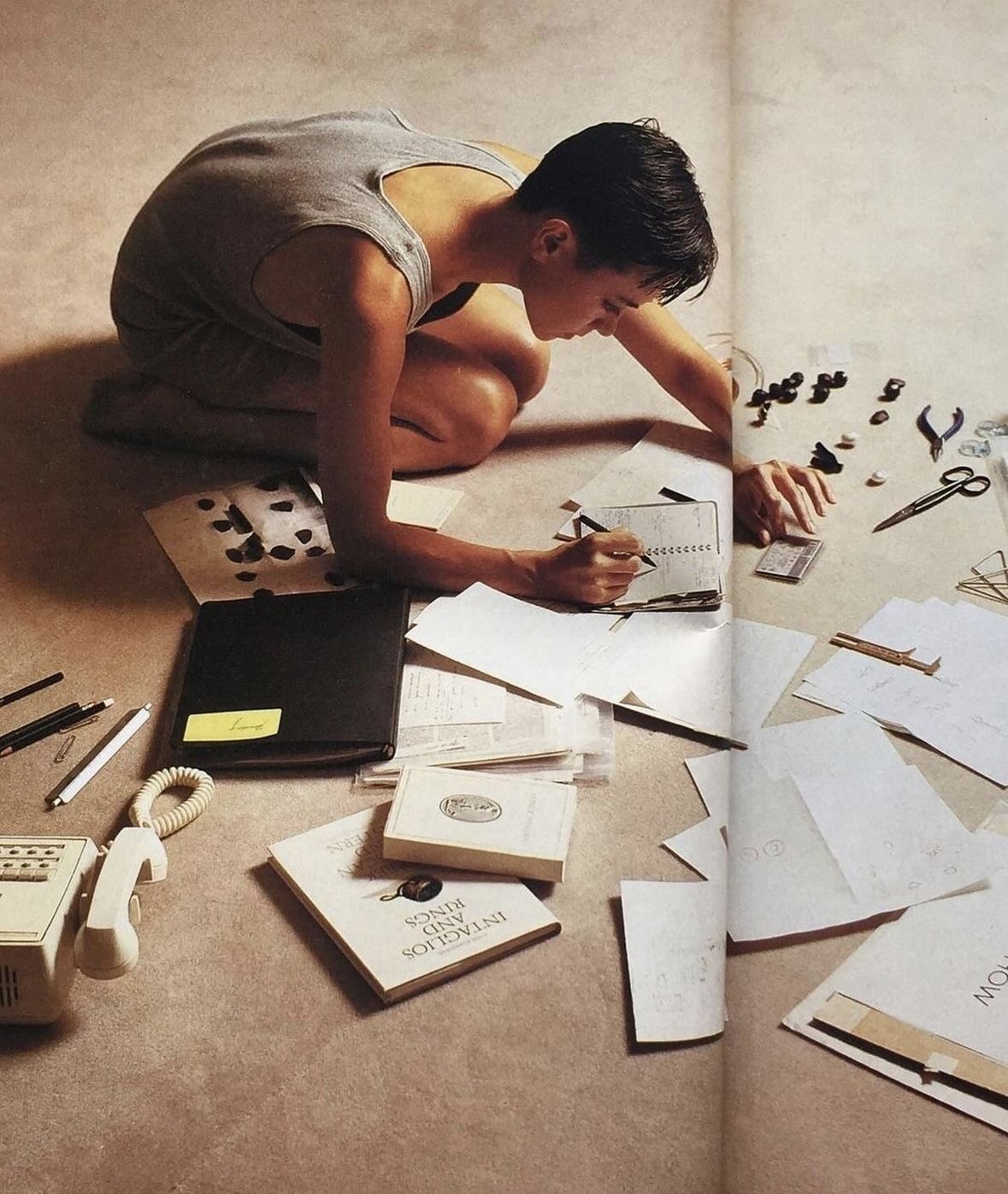
Jobs promise stability, but they also ask for submission, to schedules, hierarchies, politics, values that may not align. For a generation that watched institutions fail loudly and repeatedly, belonging feels like a liability rather than a goal. So ambition is kept portable. Side projects offer autonomy without total exposure. They let people try on identities without fully becoming them. You can be a writer without being employed as one, an artist without committing to the market, a founder without building anything that might actually collapse. If it doesn’t work, it simply fades. No resignation letter required.
This is how ambition survives in pieces. But fragmentation comes at a cost. When everything is a side project, nothing is held for long enough to deepen. Skills plateau. Confidence wobbles. Progress feels busy but oddly flat. There’s movement, but no momentum. Institutions, for all their flaws, once provided something that’s now rare: continuity. A place to stay long enough to be shaped by it, and to shape it back. A framework where ambition could be tested, not just expressed.
Now, the dominant fantasy is independence, but not the old kind. Not ownership or mastery. A lighter version. Flexible, reversible, non-binding. The freedom to leave at any time.

Belonging has become something to avoid, not seek.
Even language reflects this shift. People don’t say what they do anymore. They say what they’re working on. Always provisional. Always in progress. Identity is kept deliberately unfinished, as if completion would close off options.
The irony is that this endless optionality often produces the opposite of freedom. Without commitment, everything stays equally important – and equally fragile. There’s no structure to push against, no container strong enough to hold real ambition.
So we keep adding projects. Another idea. Another identity. Another soft launch.
Ambition didn’t disappear. It just stopped trusting the structures that once held it.
And until something replaces that – something worth belonging to – we’ll keep calling everything a side project, even when it’s the only thing we have.
For more pieces on contemporary culture, visit our dedicated archives and follow us on Instagram.