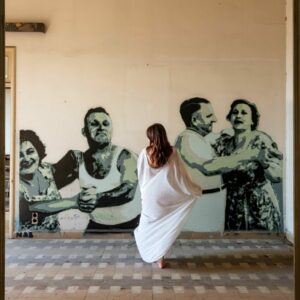
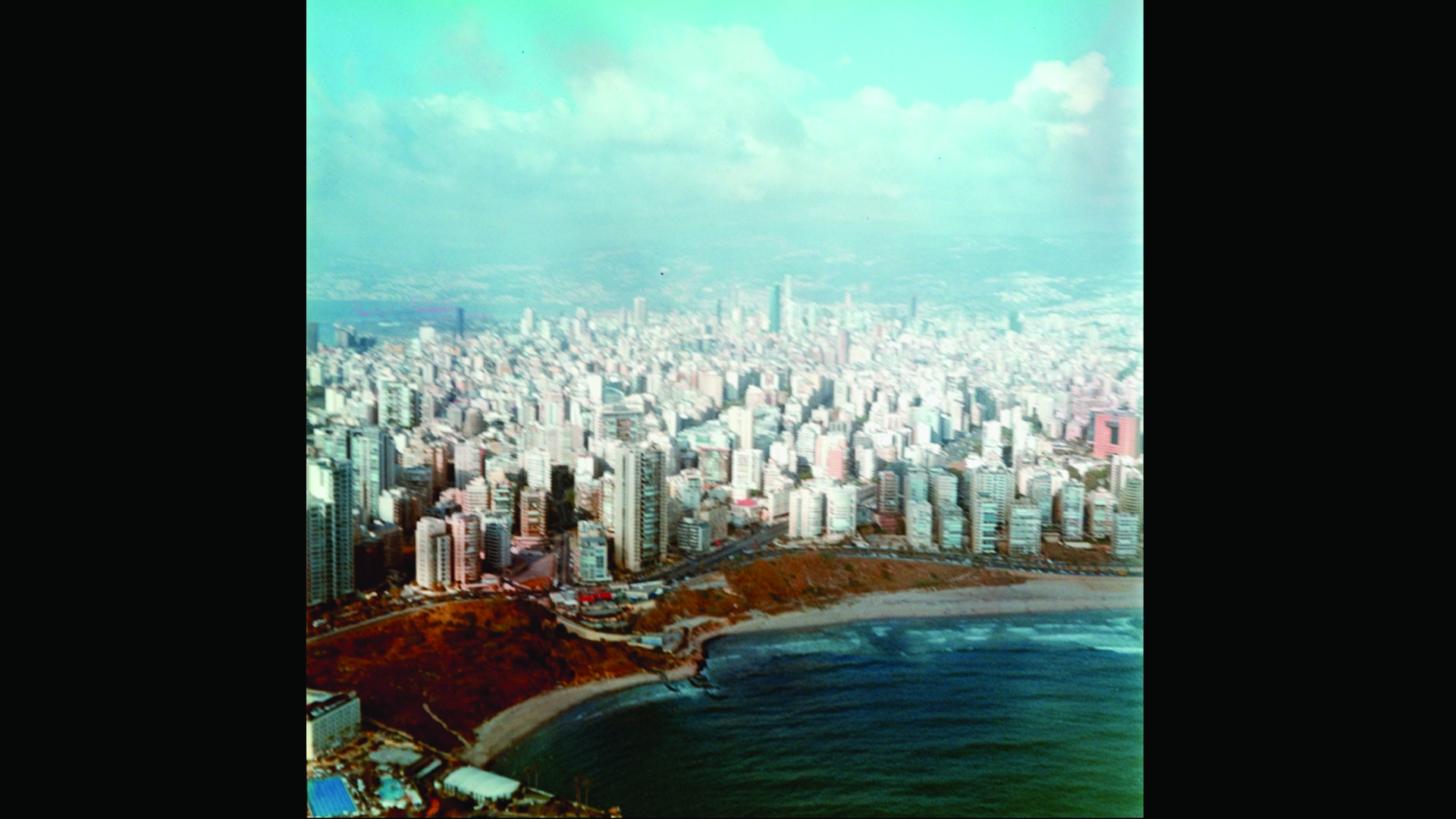
When Do You Love Me premiered last September at the 82nd Venice Film Festival, within the Giornate degli Autori section, it arrived not as a conventional documentary but as an immersive archival essay. Over 75 minutes, director and writer Lana Daher reconstructs Beirut through fragments drawn entirely from Lebanese cinema, television broadcasts, home videos, and private family collections. The result is neither nostalgic nor chronological. It is emotional, intimate, and searching.


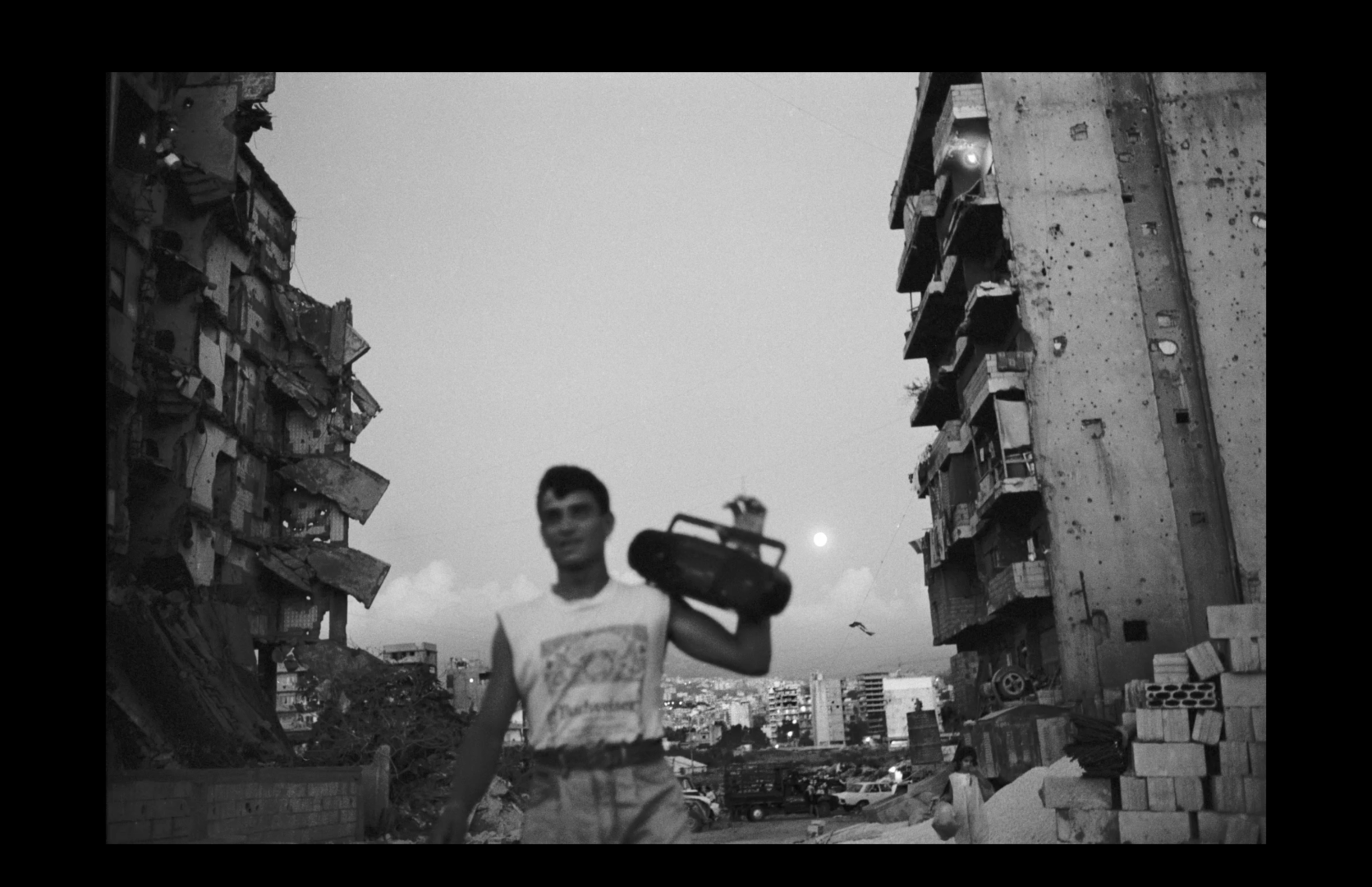
Described as a love letter to Lebanon, the film spans 70 years of audiovisual memory, tracing a collective psyche shaped by intimacy and joy as much as destruction and loss. Rather than following a linear narrative arc, Daher assembles a mosaic of black-and-white and colour images that move between dance floors and bomb sites, private glances and public devastation, music and silence. The rhythm feels lived-in. It mirrors the city itself, suspended between vitality and vulnerability.

Born in 1983 during the Lebanese Civil War, Daher approaches the archive from lived experience. The same cycles of aggression and uneasy calm that shaped her childhood continue to echo today. Yet she resists allowing war to define the story. Beirut, in her telling, is not reduced to conflict. It is also tenderness, glamour, creativity, flirtation, and stubborn vitality. This tension between rupture and renewal defines the film’s pulse, asking how memory survives in a place where history is repeatedly fractured.
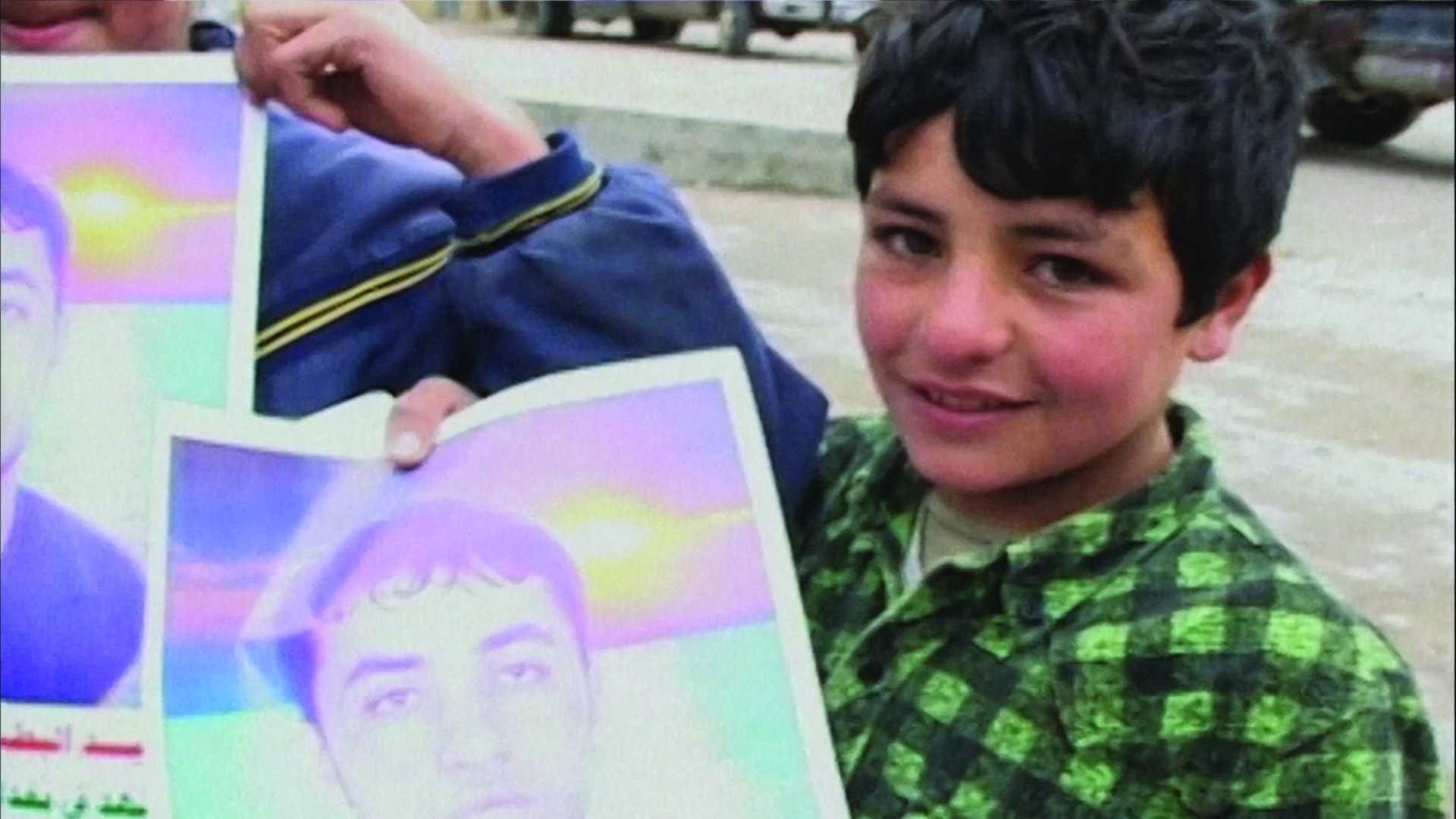
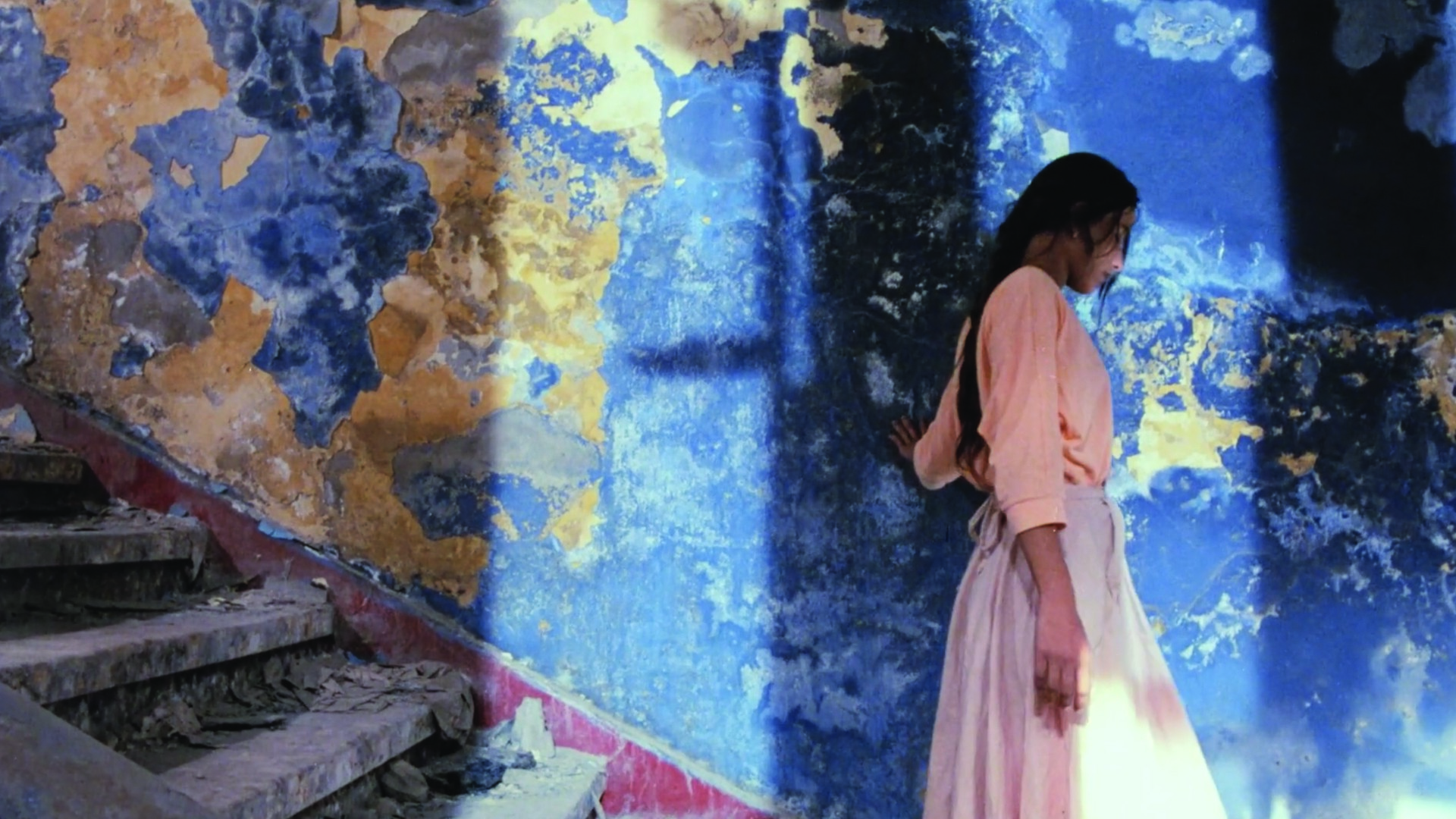
The absence of a unified national archive in Lebanon adds urgency to the project. In a country where shared history books are lacking and much of the past remains unspoken in public life, the act of collecting becomes both research and reclamation. Edited by Qutaiba Barhamji, with sound design by Pierre Armand, the archival material is reshaped into an emotional landscape marked by repetition, interruption, and resilience. Fragments that once existed separately are given new life in dialogue with one another.
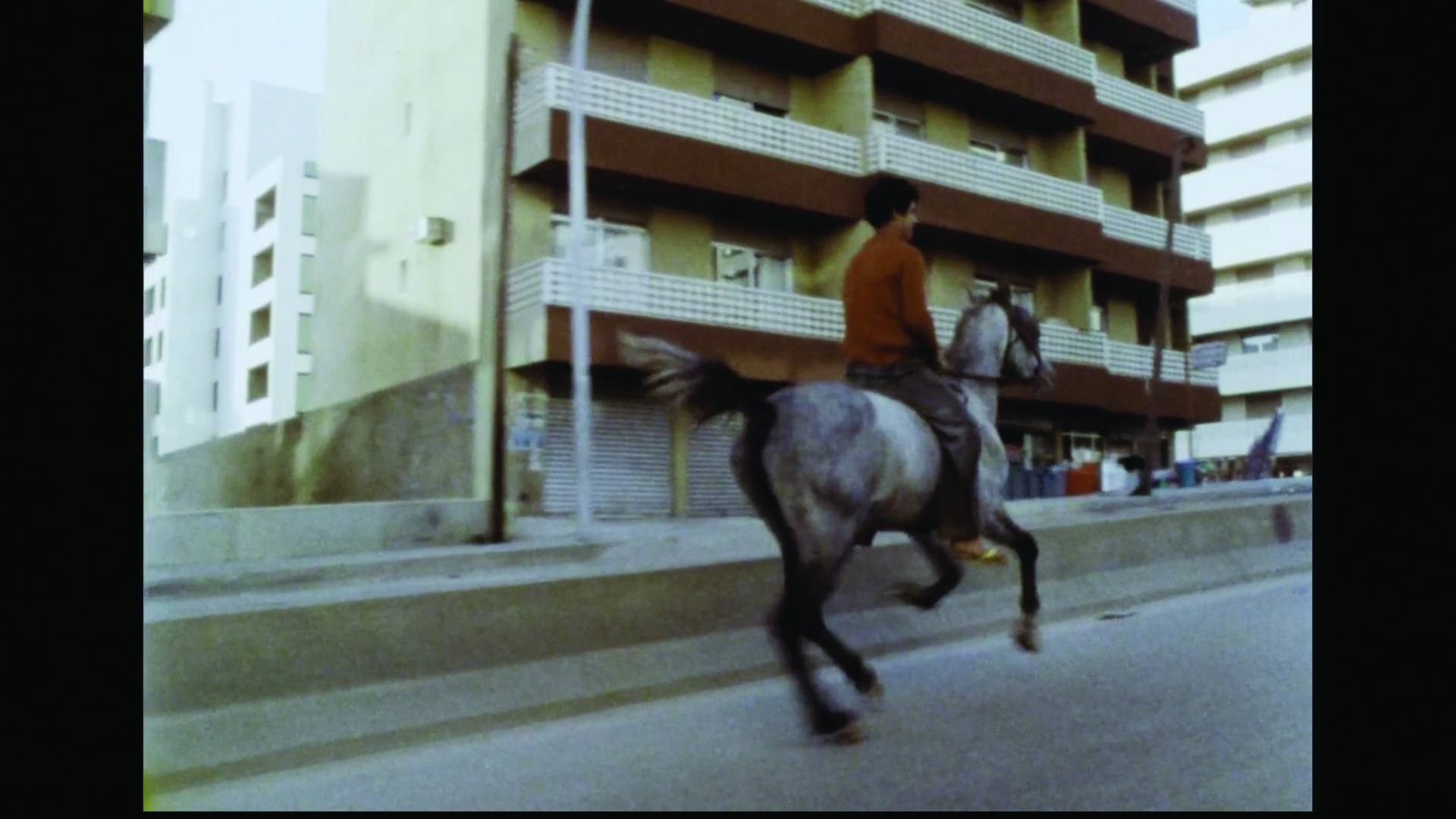

Since its Venice premiere, Do You Love Me has continued an impressive festival journey, earning critical acclaim and several awards along the way. The film recently premiered at the ICA in London in February, accompanied by a small theatrical release. Following multiple sold-out screenings, the venue extended the film’s run through the end of February, a testament to its resonance with international audiences.
The journey continues with upcoming screenings at CPH:DOX, as well as its premiere at SXSW and New Directors/New Films in New York this April, among other venues. Each screening expands the film’s reach, carrying Beirut’s layered memory into new cultural contexts.
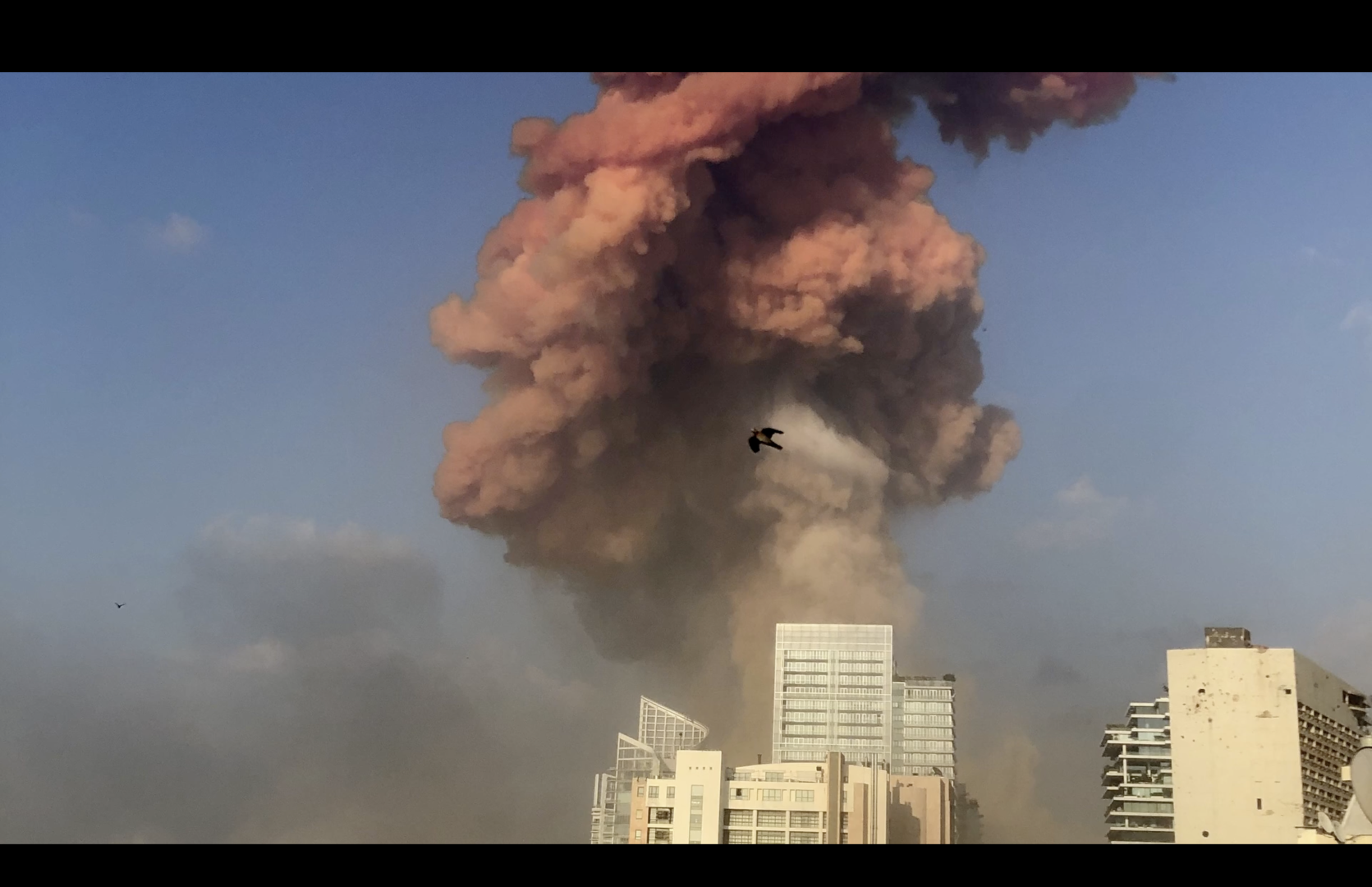
More than a documentary about the past, Do You Love Me becomes a cinematic act of remembrance. It asks a deceptively simple question: can you love a place that repeatedly breaks your heart and still demands your devotion? In gathering fragments of films, songs, and private archives, Lana Daher offers not closure but presence. A reminder that memory, however scattered, still belongs to those who choose to hold it—and to love it anyway.
For more stories of art and culture, visit our dedicated archives and follow us on Instagram.