Jacquemus has always understood that a runway show is not just a presentation, it’s a world with its own logic. With “Le Palmier,” staged at the Musée National Picasso-Paris, the maison leant into that idea with the confidence of someone who knows that clothes land differently when they’re framed like culture. The setting does half the storytelling. Models move through corridors and up staircases, and the camera catches paintings hovering behind them, as if the collection is being “hung” in a museum at the same time it’s being worn. Jacquemus himself positions “Le Palmier” within a wider narrative that includes a series of teaser videos conceived as a short choral comedy, written and directed by Valérie Donzelli, with a subtly burlesque tone and French TV and cinema references from the 1980s and 1990s.
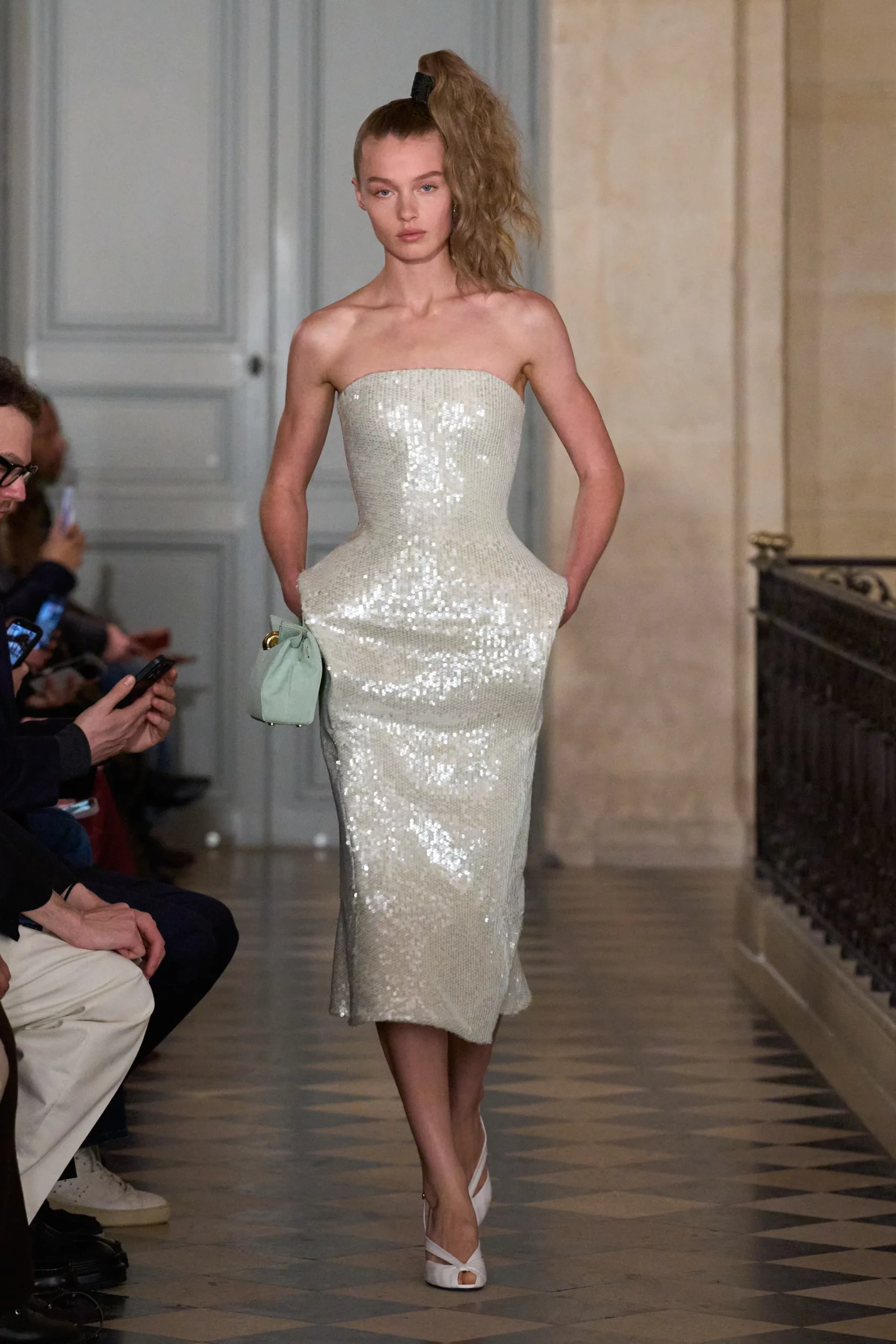
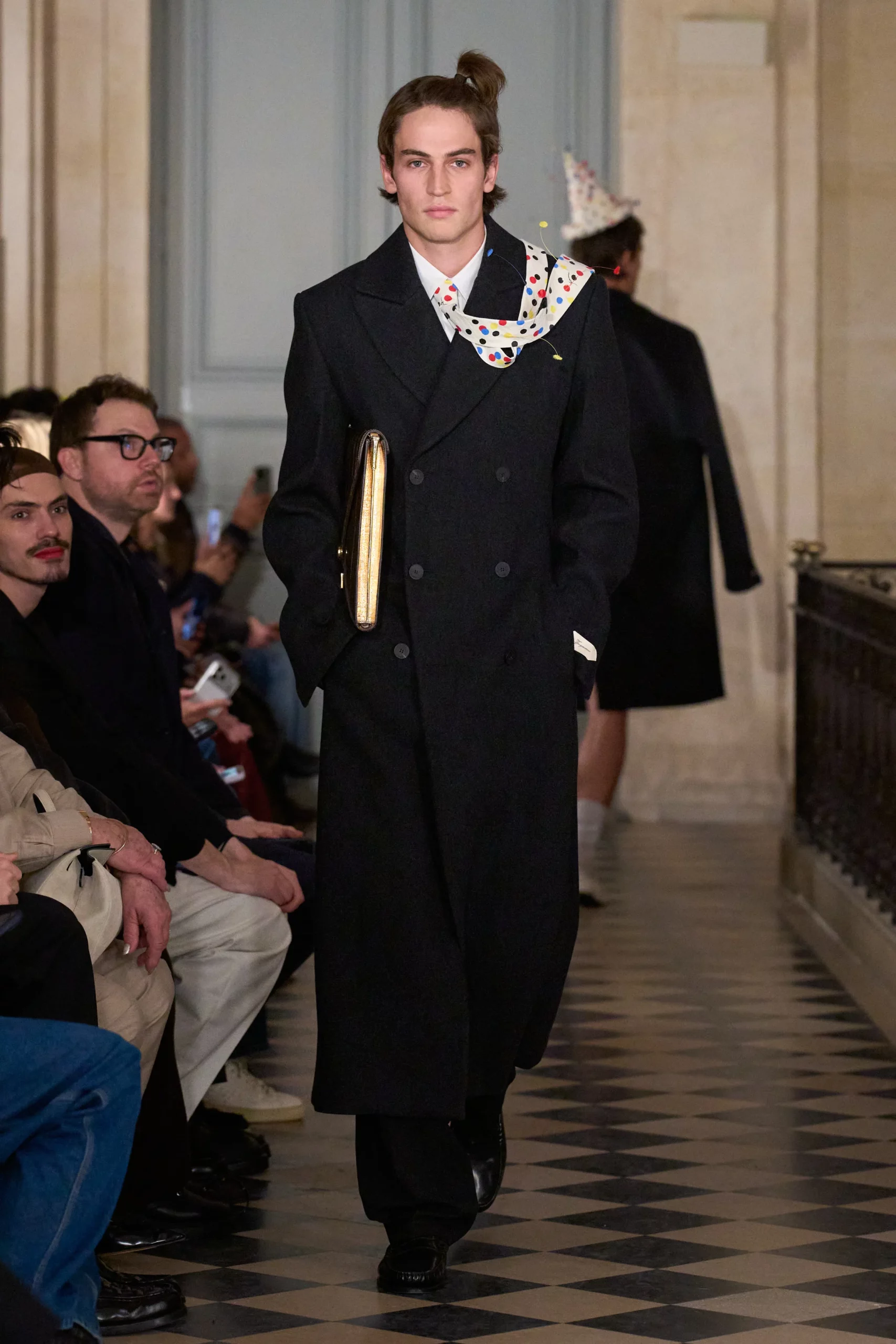
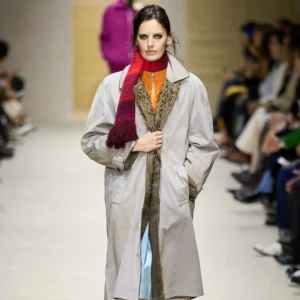
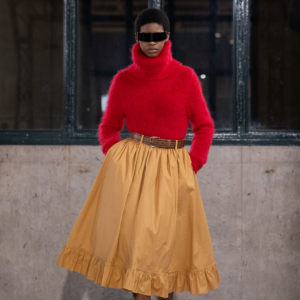
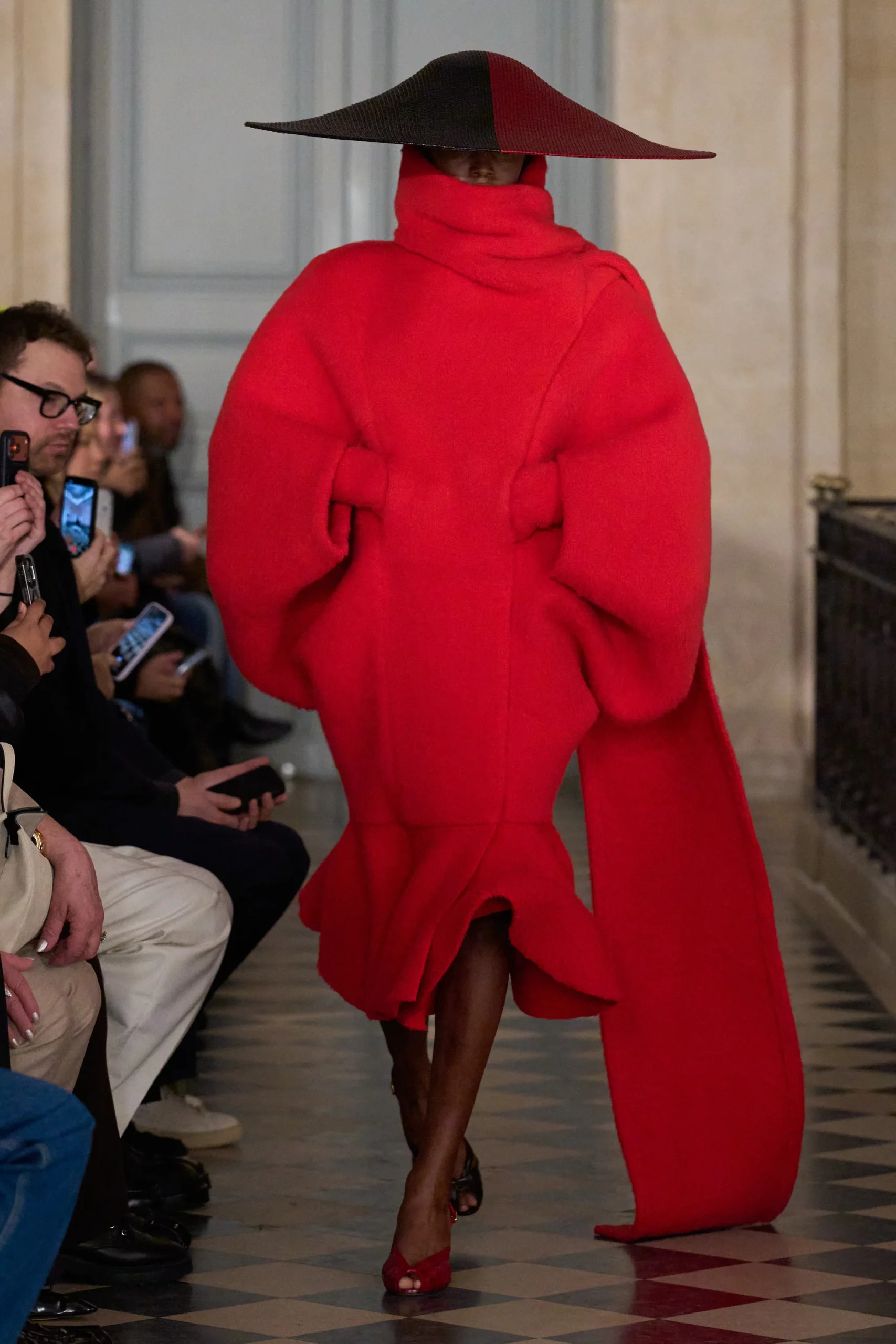
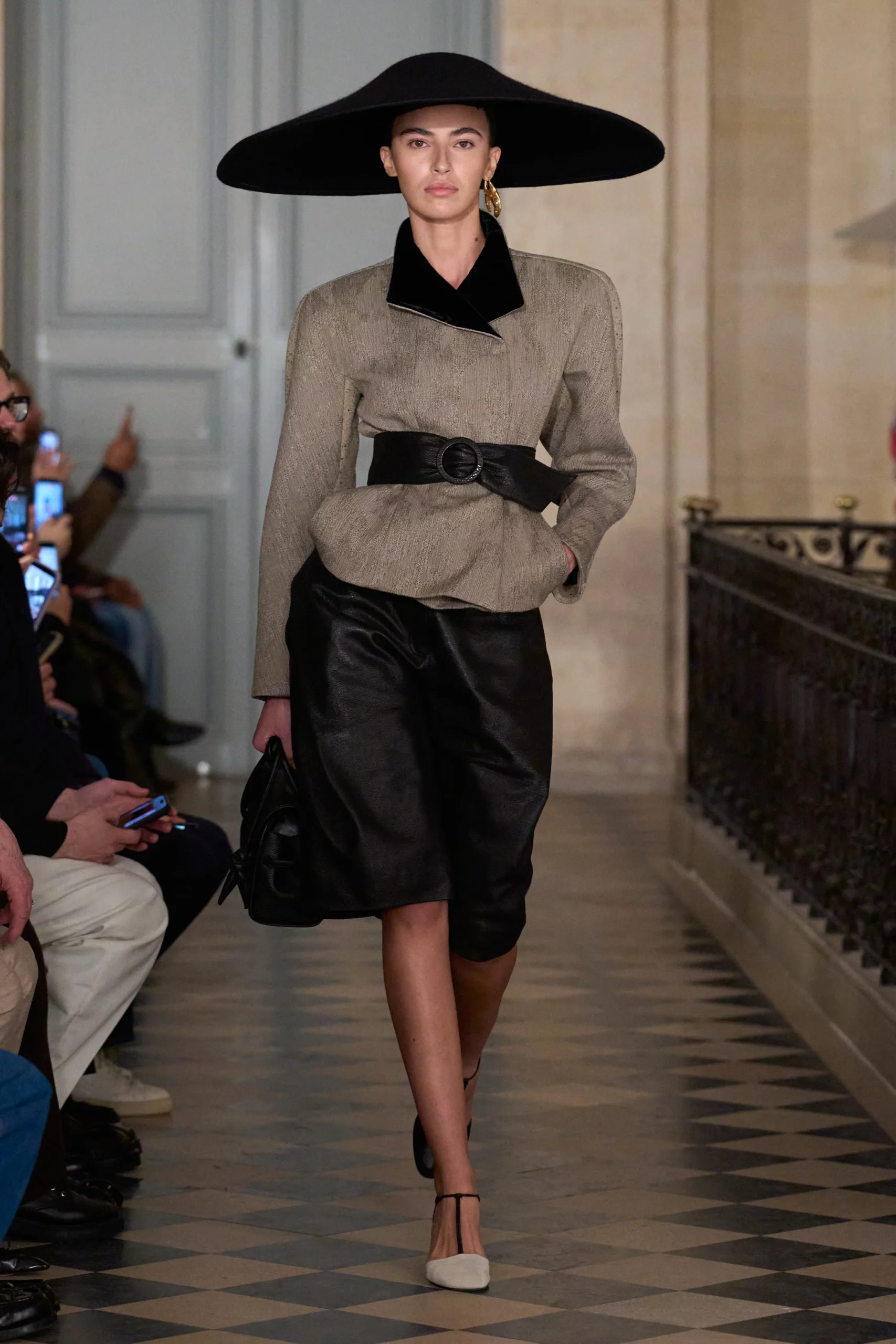
That sense of comedy matters, because the clothes flirt with the seriousness of French fashion history. The collection is built on structure, on silhouette, on the kind of control associated with early couture codes, the beginnings of Dior and Chanel, the disciplined idea of a “proper” Parisian line. Shoulders are wide and decisive, jackets sit with authority, and skirts keep returning in a recurring proportion that feels almost programmatic, tight through the knee, then releasing at the hem. You keep seeing balloon sleeves that build volume in the upper half, while the lower half stays strict, like a visual argument between restraint and drama. Hats arrive like objects rather than accessories, lampshade shapes in the best way, sculptural and a little absurd, pushing the bourgeois outline into something closer to wearable set design.
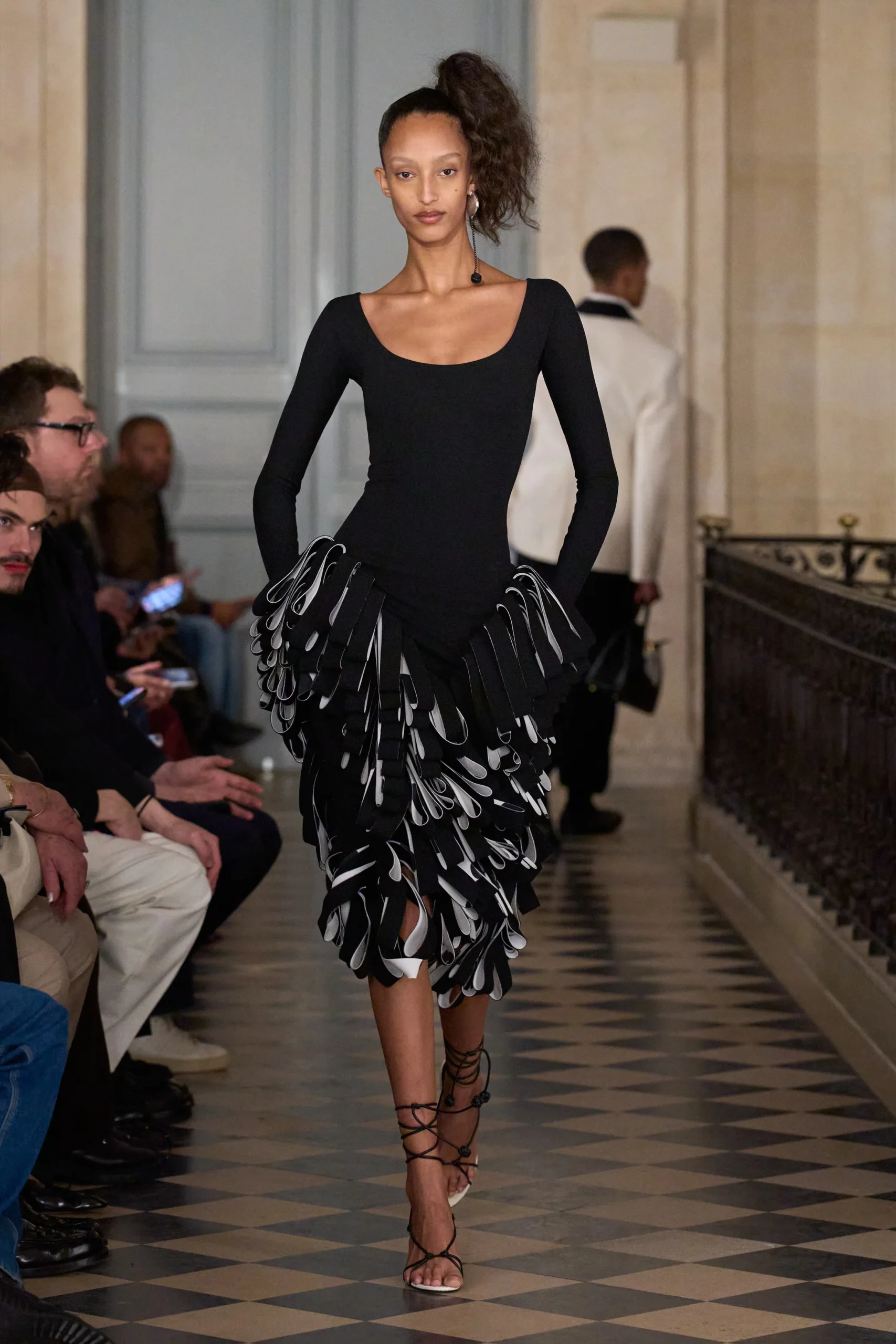
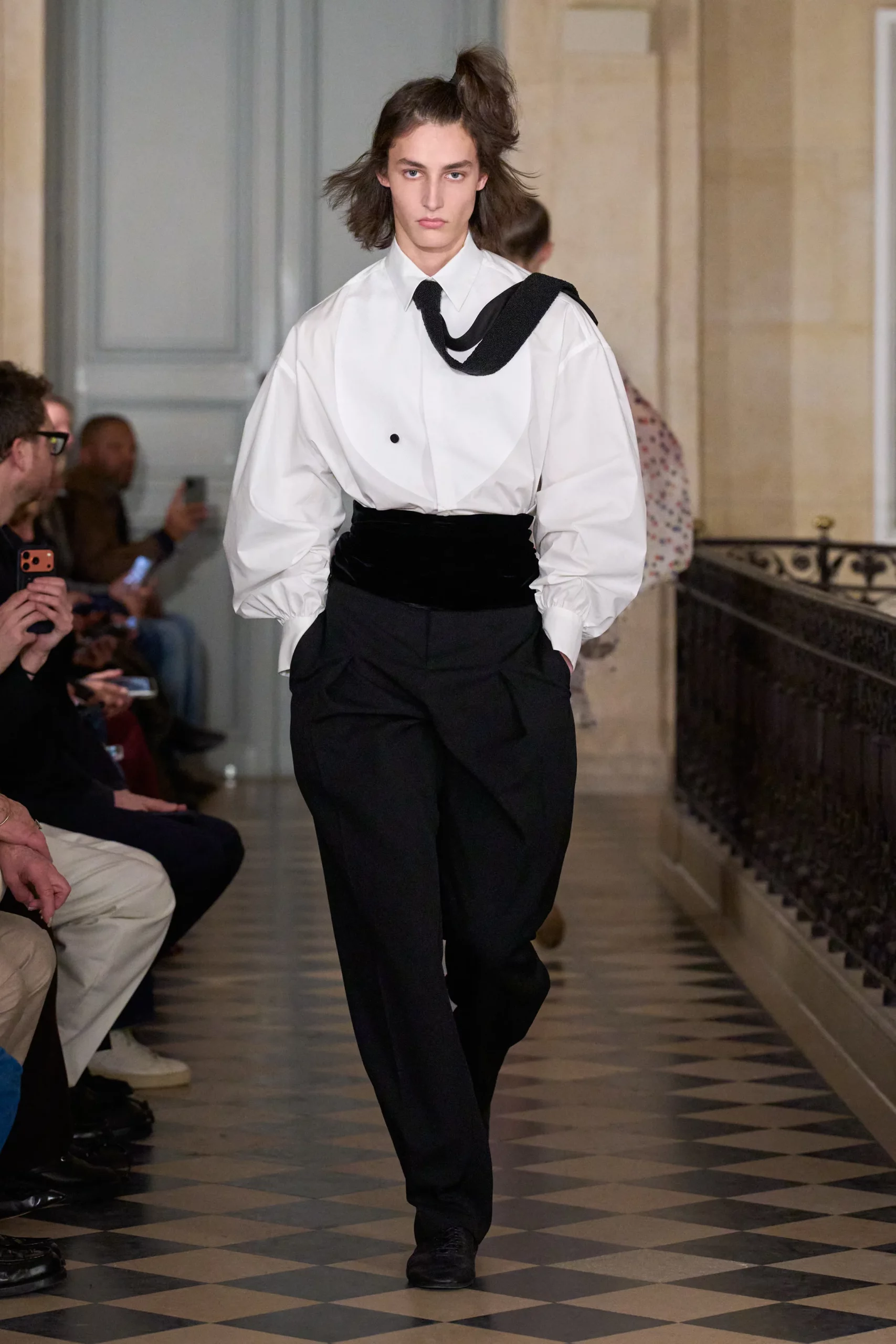
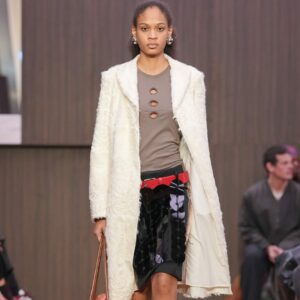
The opening look makes the thesis immediate. A white suit appears crisp and modern, its shoulders reading slightly futuristic, as if the collection is announcing itself as present tense before it even starts quoting the past. The pattern cutting is genuinely beautiful, the silhouettes feel engineered and nothing looks accidental. Even when the clothes are clearly in conversation with old-French codes, there are details that time-stamp them, small decisions that would make you recognise the garments as contemporary even without context.
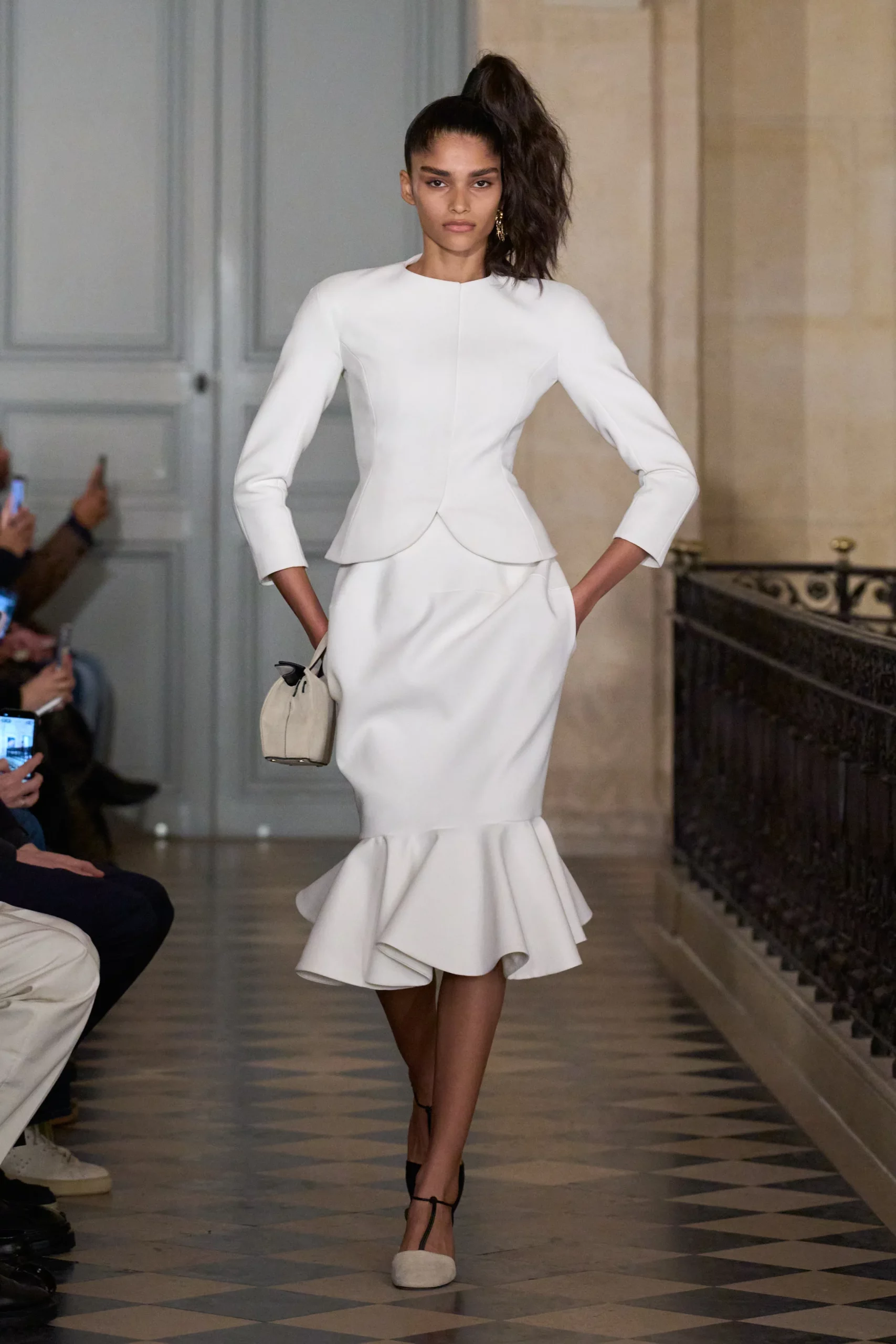
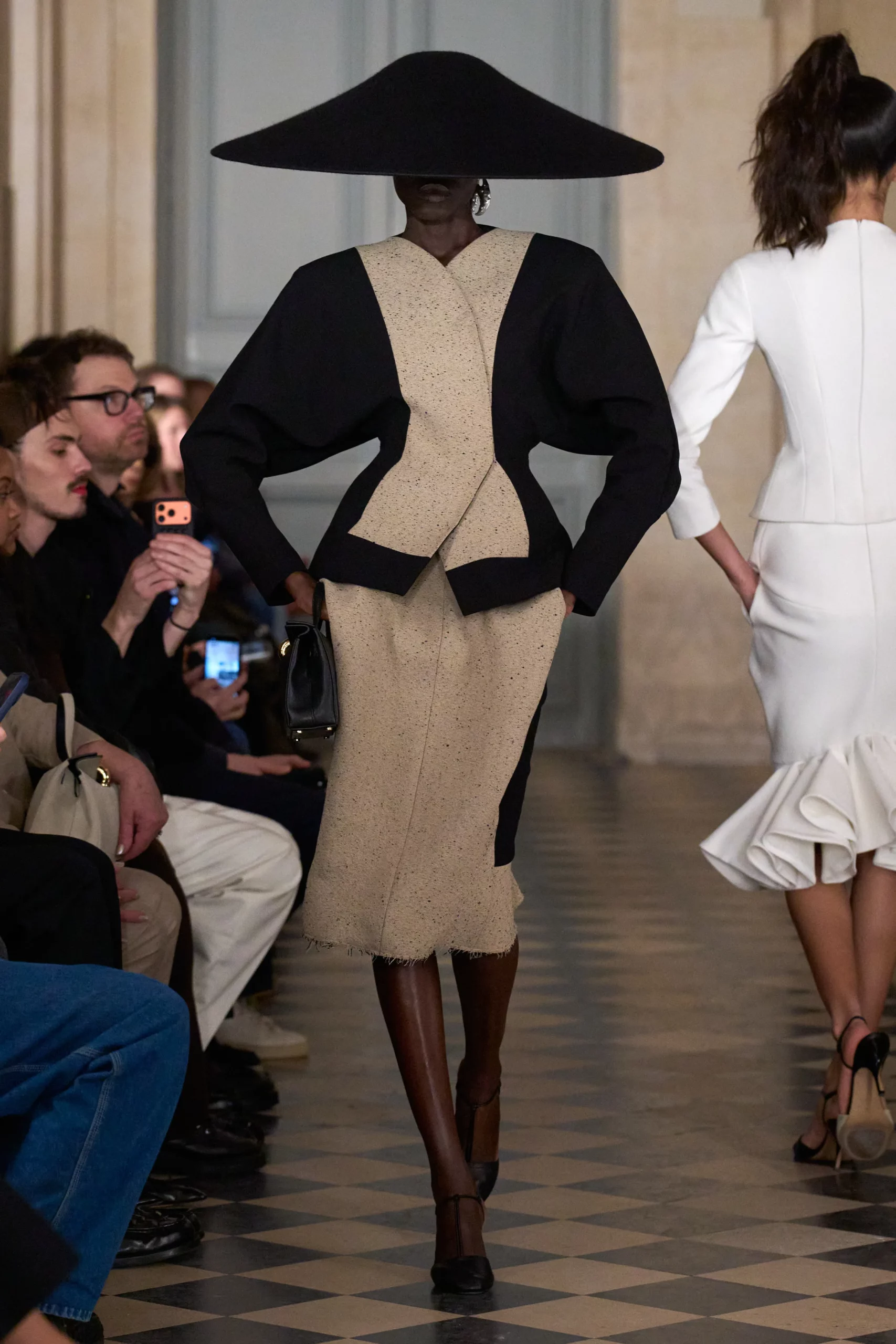
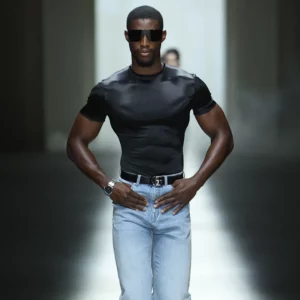
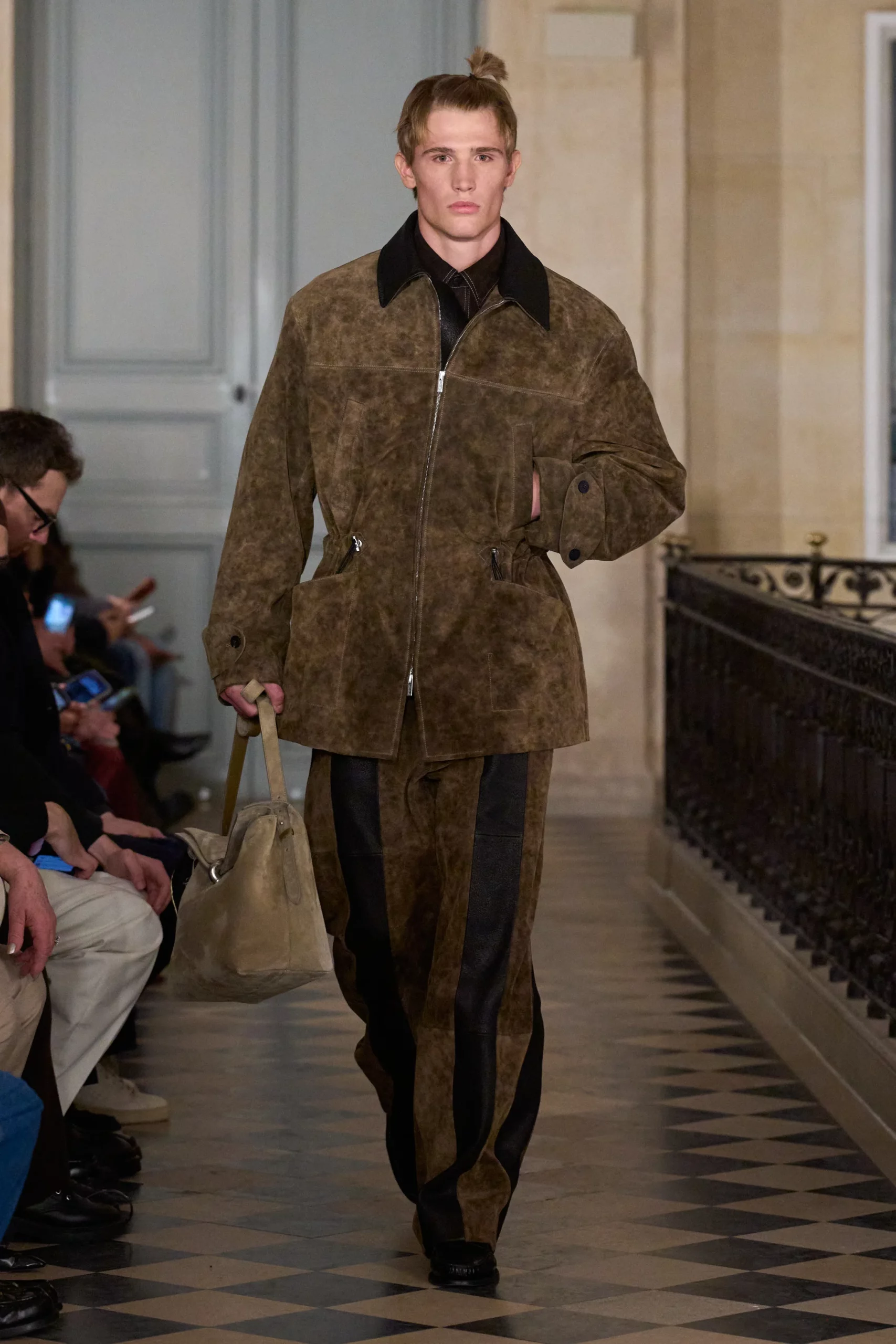
Jacquemus’s trick is that he doesn’t let the show become reverent. The styling keeps sabotaging the perfection, on purpose. Men wear ties at the back, as if a formal code has been flipped for the camera. Hair is intentionally wrong, tiny off-centre micro-ponytails on otherwise short cuts, and women’s ponytails that look oddly unassembled, like the clothes are doing all the discipline so the hair can refuse to behave. There’s a model with a single oversized earring, a tiny punctuation mark that changes the entire posture of the look. These choices don’t undermine the couture language, they modernise it, the classic silhouette remains intact, but the attitude is unmistakably now.
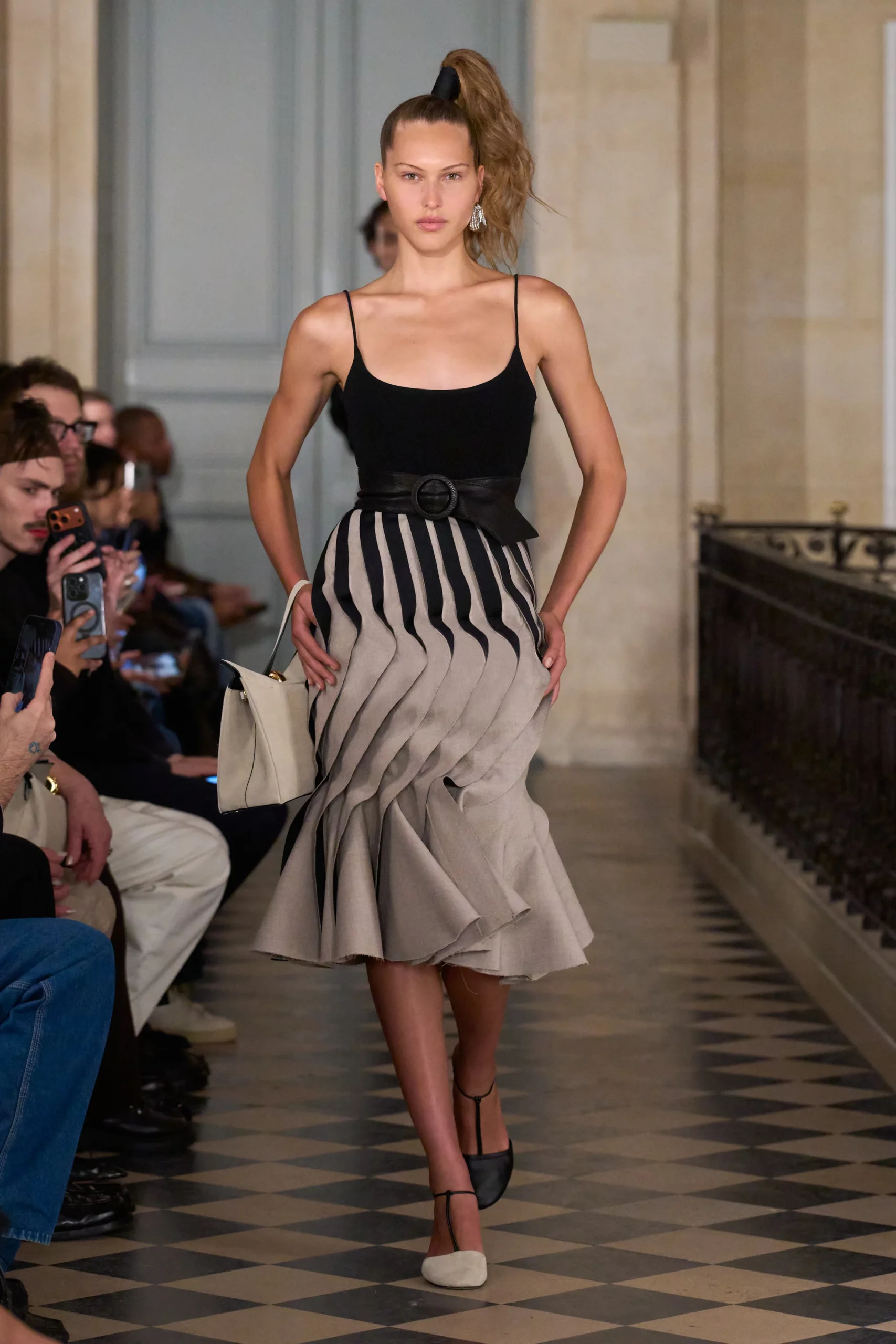
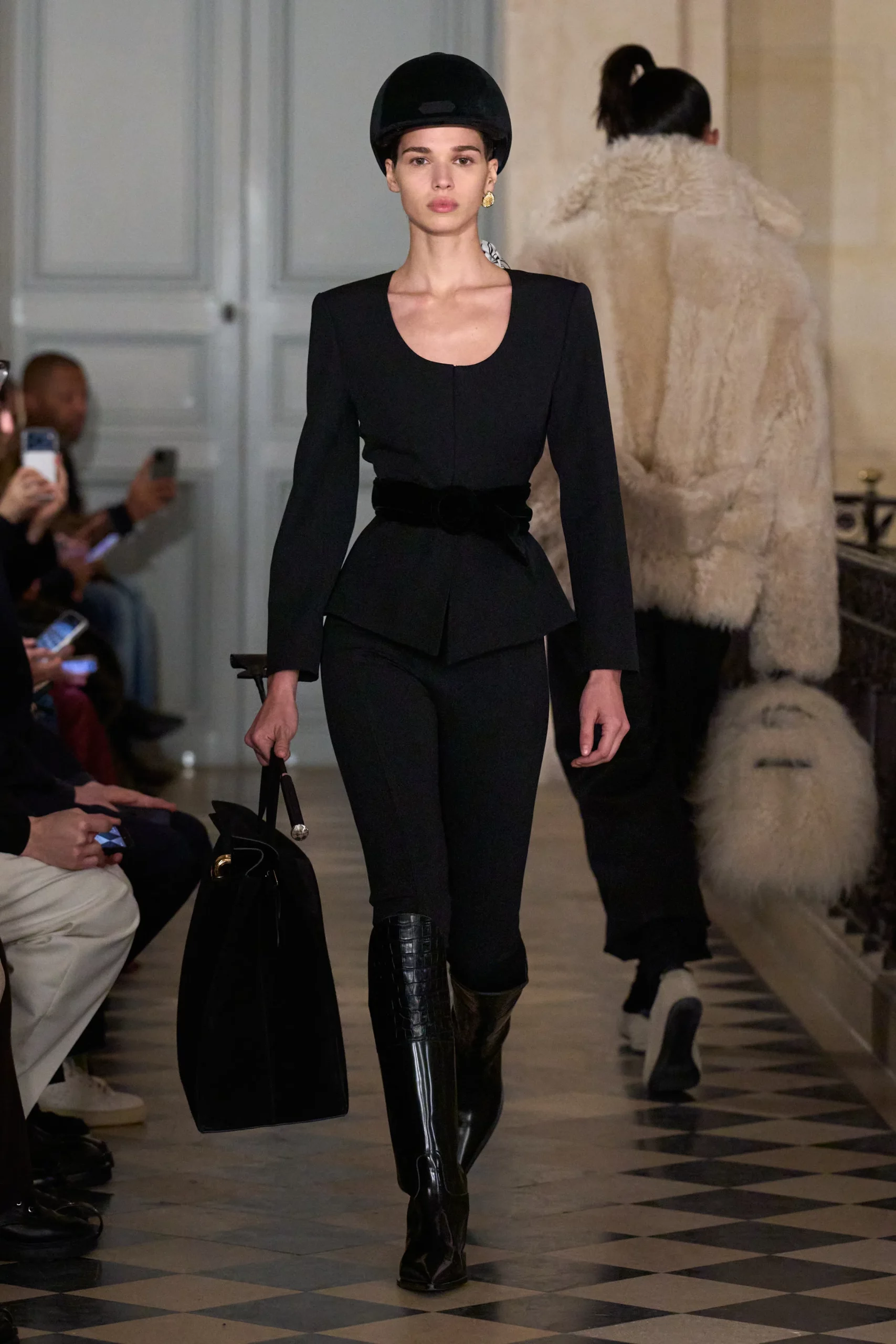
The show also slips into character at times, and this is where the humour becomes a real throughline. Equestrian imagery arrives in a way that feels both aristocratic and oddly practical, men in riding boots and helmets, carrying a crop, but also wearing backpacks. Heritage sport codes, offset with contemporary utility, as if the rider has somewhere to be after the fantasy. Then there are the moments that feel deliberately funny, one model wearing a full tuxedo top paired with what look like boxer shorts, finished with a tiny polka-dot bag, a punchline delivered deadpan in the middle of all that couture structure.
Polka dots themselves turn into one of the show’s most playful ideas. They recur here and there, then sharpen into a standout moment, multi-coloured dots in primary tones. Some of them appear to jump off the garment, becoming little spheres suspended on short wires, as if the print has escaped into three dimensions.
And then, right at the end, Jacquemus lands the final joke with couture-level precision. A one-strap dress cut so that one side sits just under the breast, and the model carries an empty glass positioned perfectly to cover herself. It reads like choreographed cheekiness rather than scandal, nudity transformed into prop comedy, a reminder that the brand’s relationship with glamour has always included a wink – and an even bigger reminder when at the end of the show the model breaks character and smiles at the camera. Somewhere earlier, you even catch Anna Wintour peeking through at the beginning of the catwalk, a blink-and-you-miss-it moment that locates the fantasy inside the real machinery of fashion week.
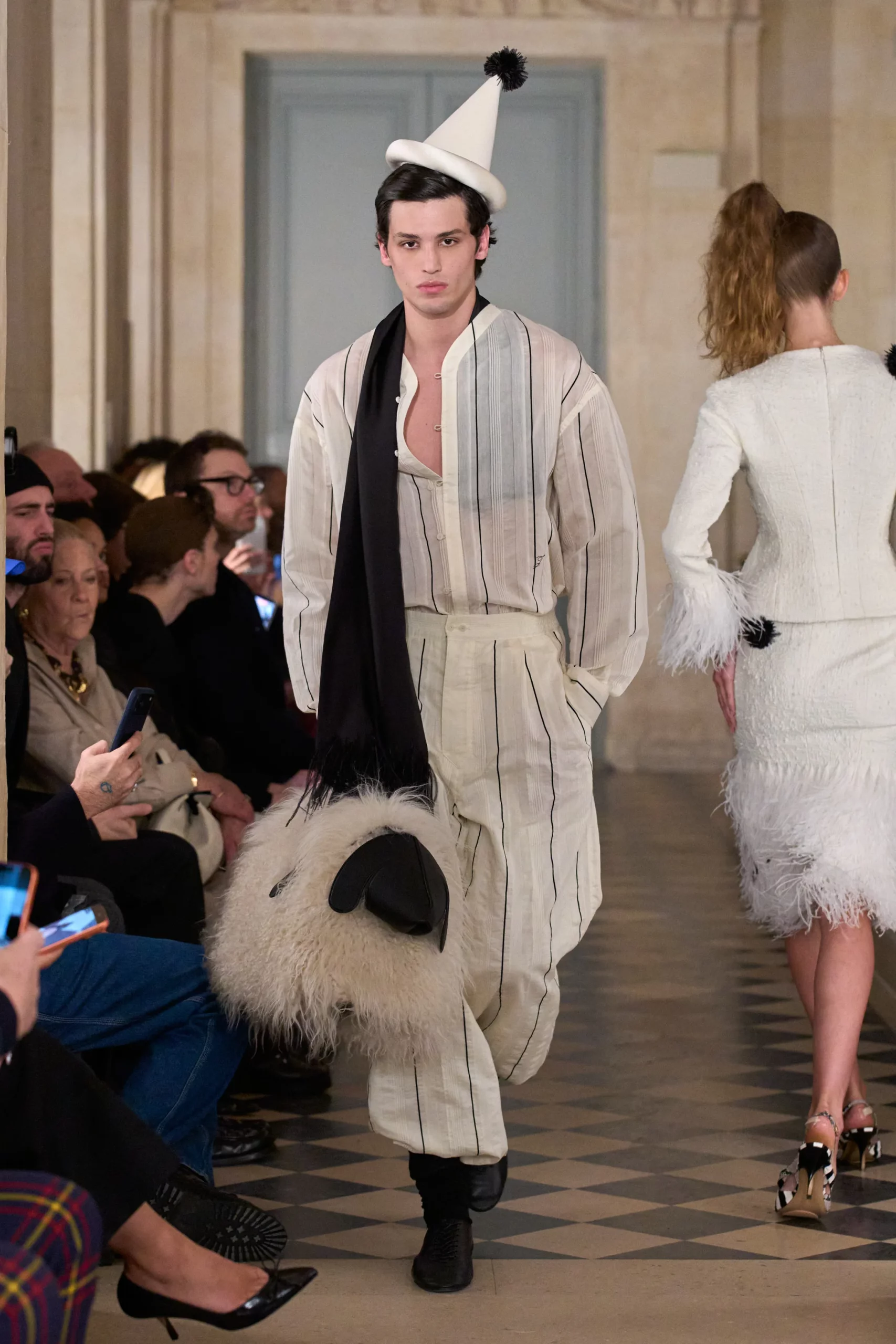
What “Le Palmier” ultimately delivers is a collection that treats French fashion history as material rather than as a shrine. The silhouettes borrow from couture’s origin myths, but the styling keeps them slightly off, the details keep time-stamping them, and the humour keeps the whole thing buoyant. Jacquemus says the project around the show is a choral comedy with subtly burlesque humour, and that spirit is visible in the clothes themselves.
For more stories of fashion from around the world, visit our dedicated archives and follow us on Instagram.