London Fashion Week ended on Monday. For years, it has carried anxiety during fashion month. Paris owns luxury. Milan owns industry. New York owns scale. London has often tried to justify its existence somewhere between experimentation and survival.
What emerged, this season, was a fashion week centred on authorship. Designers were less interested in producing viral moments and more focused on building worlds that felt internally coherent. The result was slower, more specific, and surprisingly confident.
Narrative Over Trend
One of the strongest shifts this season was the rejection of trend-led collections. Rather than responding to a shared aesthetic direction, many designers approached the runway as a continuation of long-term personal research.
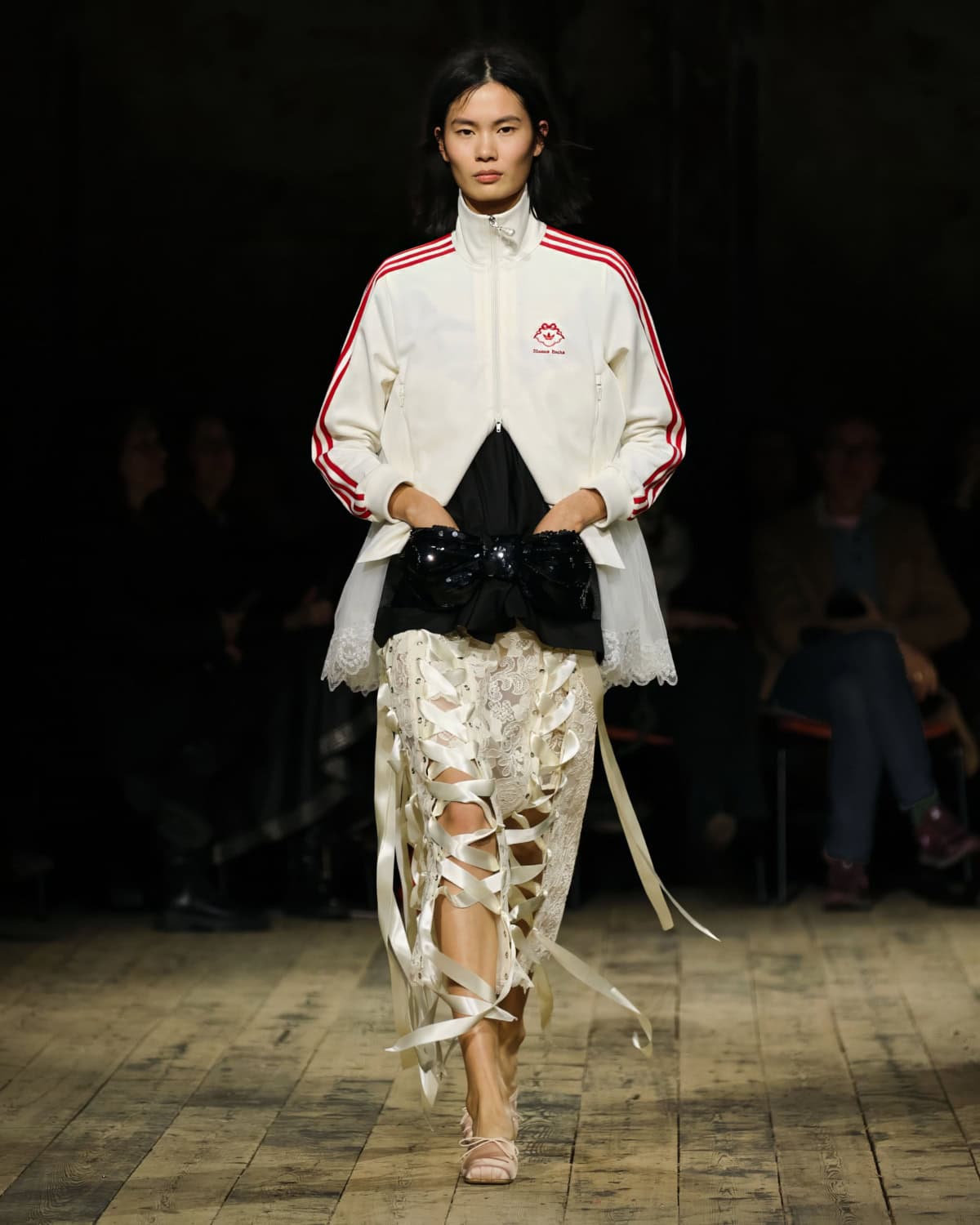
Simone Rocha’s show at Alexandra Palace Theatre captured this particularly clearly. Drawing from Irish folklore alongside documentary imagery of Dublin youth culture, the collection moved between fragility and protection. Lace and embellishment appeared next to heavy outerwear and grounded silhouettes, creating a sense of emotional realism rather than escapism. The clothes felt less like fantasy dressing and more like psychological armour.
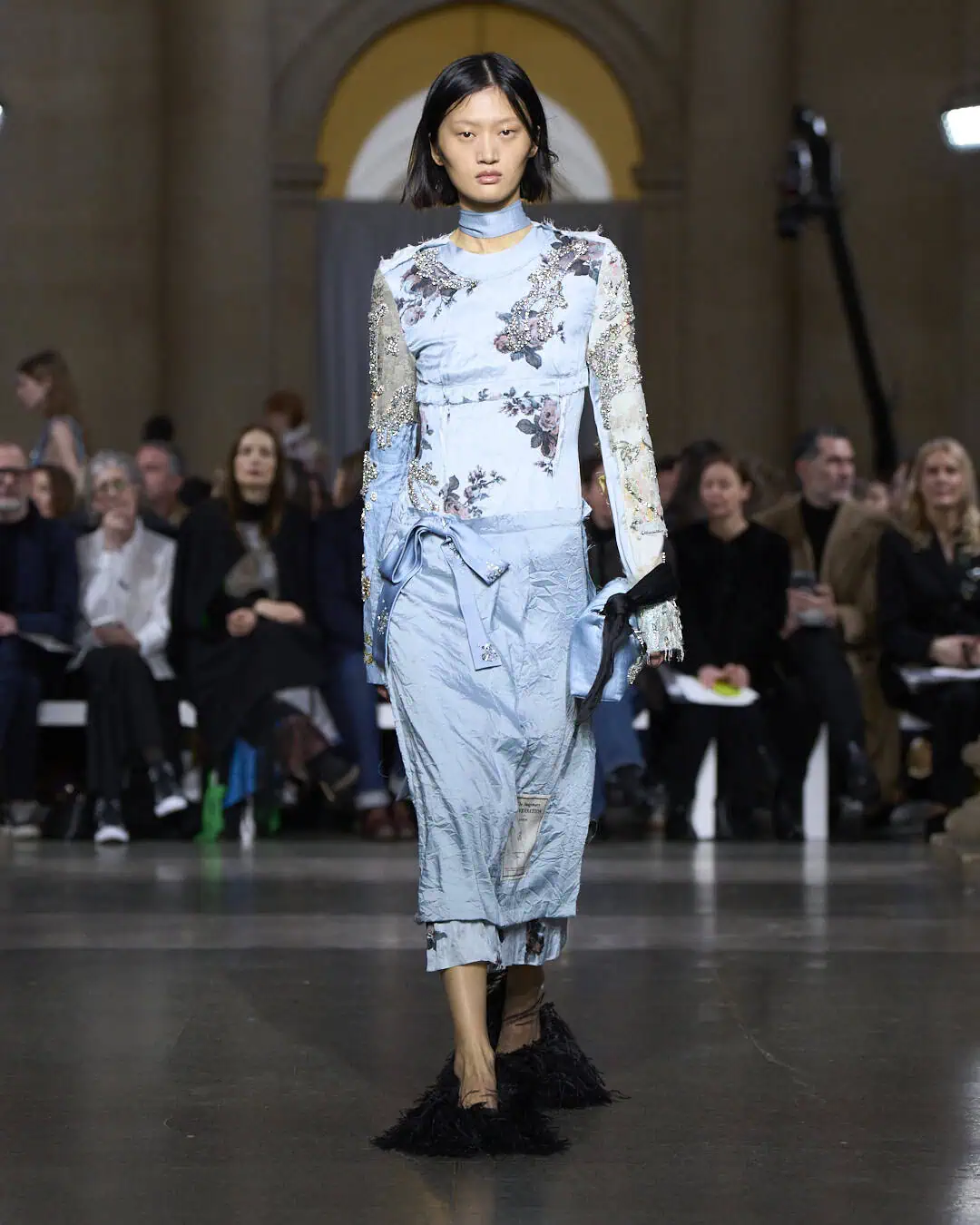
This emphasis on narrative extended across the week. Erdem continued their historically informed storytelling, while Roksanda, despite not having a show, explored sculptural volume through colour and material tension. What linked these collections was not visual similarity, but intention. Designers seemed less concerned with predicting what people will wear next season and more invested in explaining why their work exists at all.
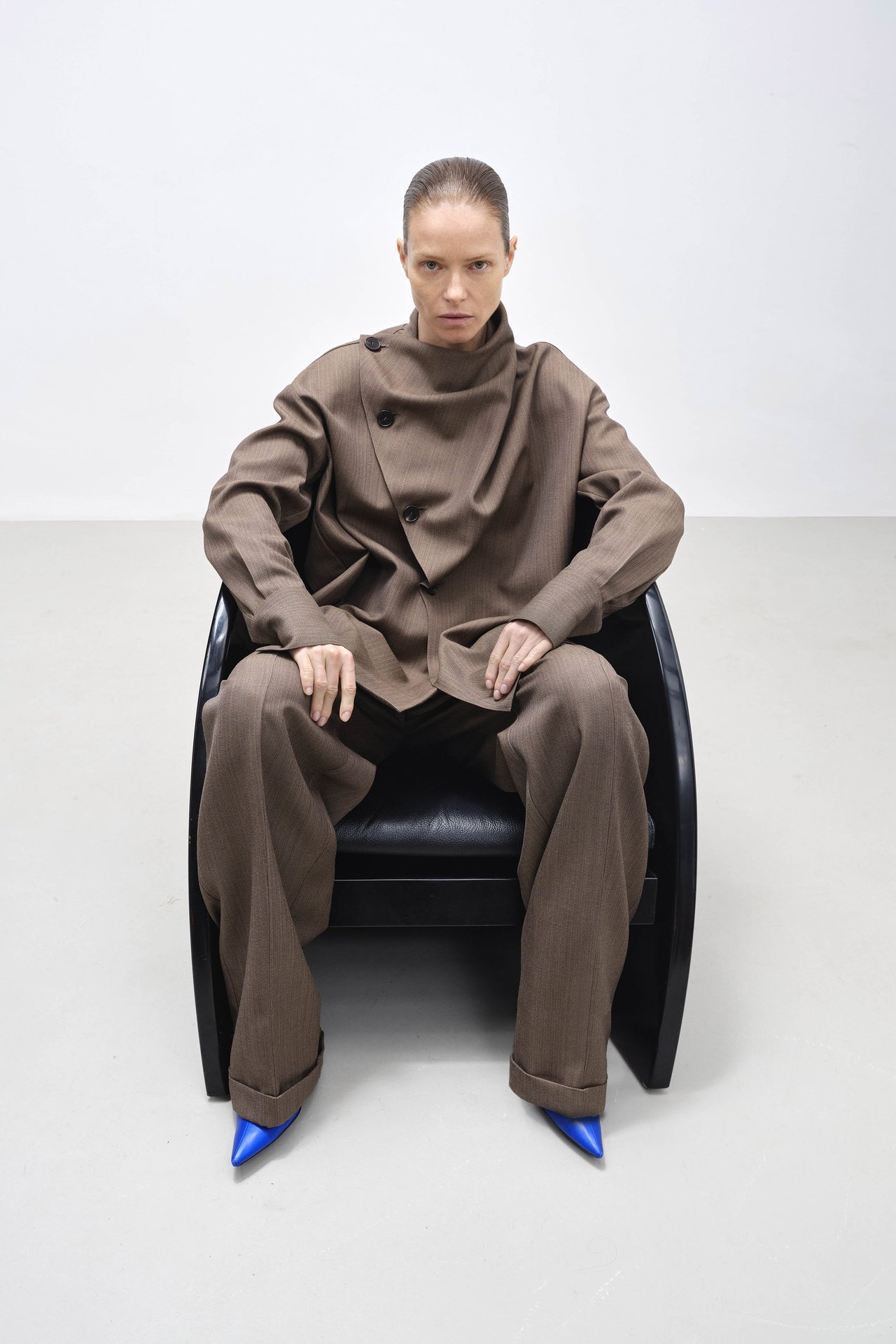
London has always excelled when fashion behaves closer to cultural practice than product development. AW26 felt like a return to that instinct.
Emerging Designers Reclaim the Centre
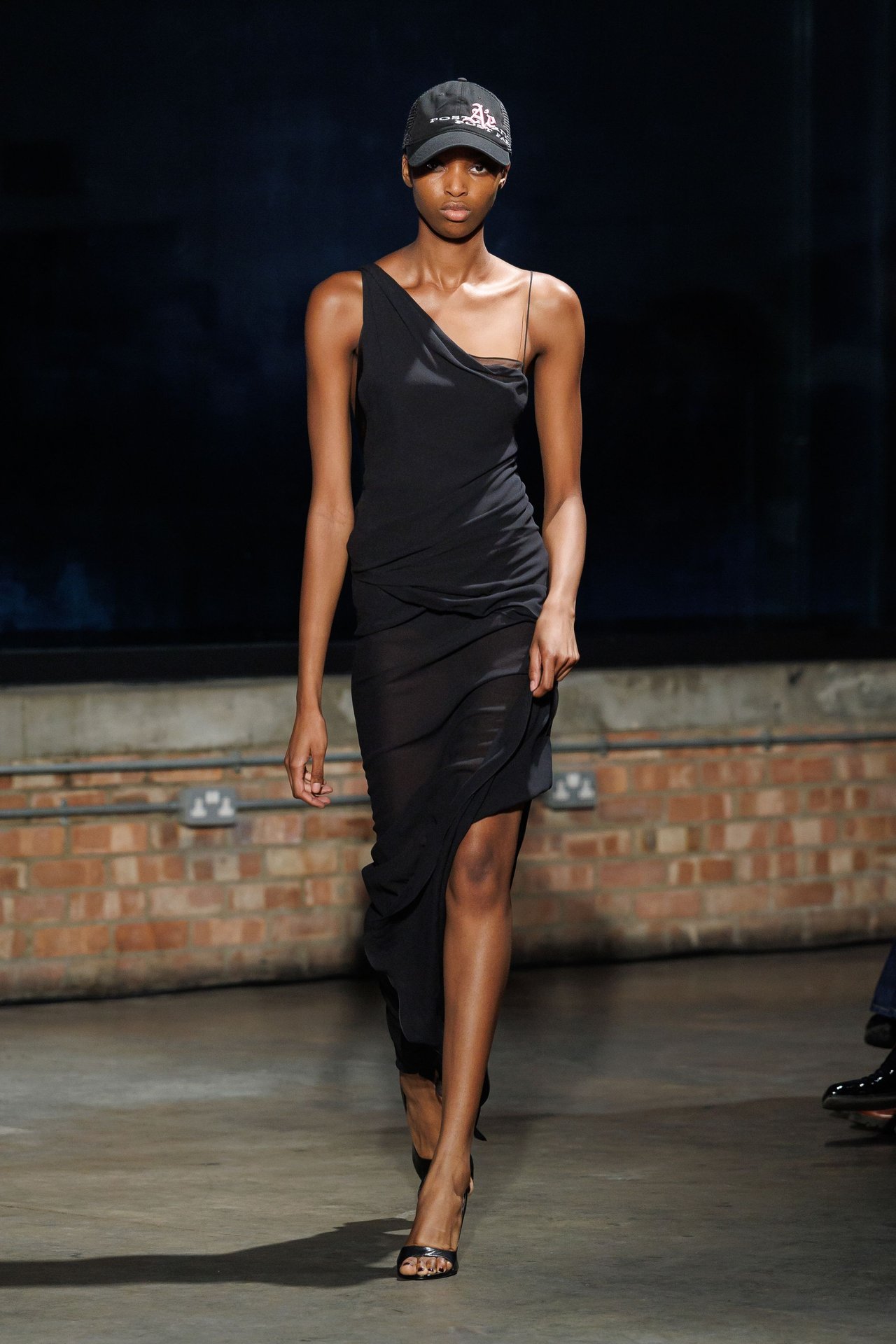
Another noticeable change was how central younger designers felt to the conversation. London’s reputation has long relied on its emerging talent pipeline, yet in recent years financial pressure and shrinking production budgets have made experimentation harder to sustain.
This season suggested renewed energy.
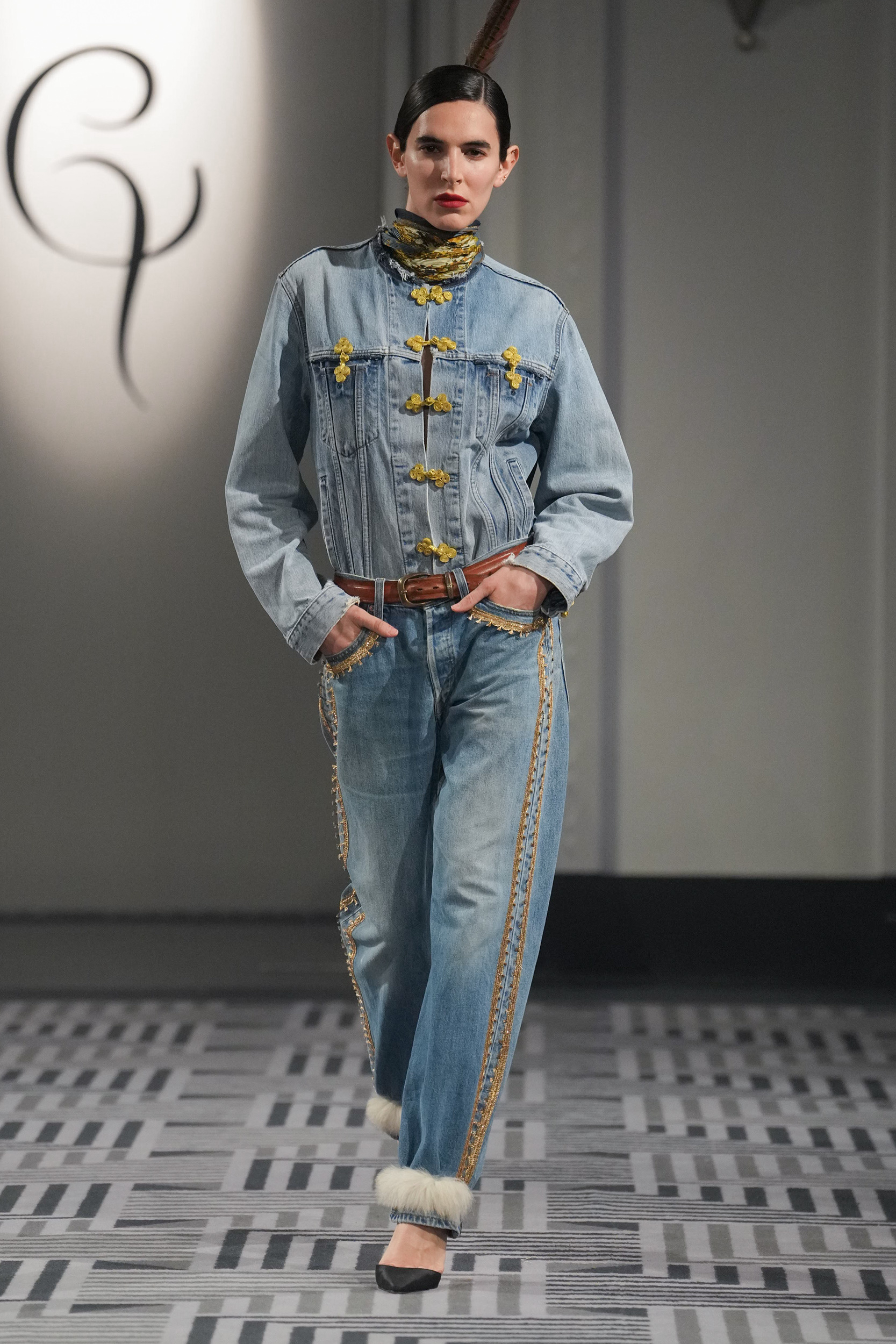
Designers associated with the British Fashion Council’s NewGen programme presented some of the week’s most convincing shows, Aaron Esh explored restraint through sharp tailoring, and Conner Ives leaned further into fashion as commentary, merging Americana references with questions of authorship and identity.
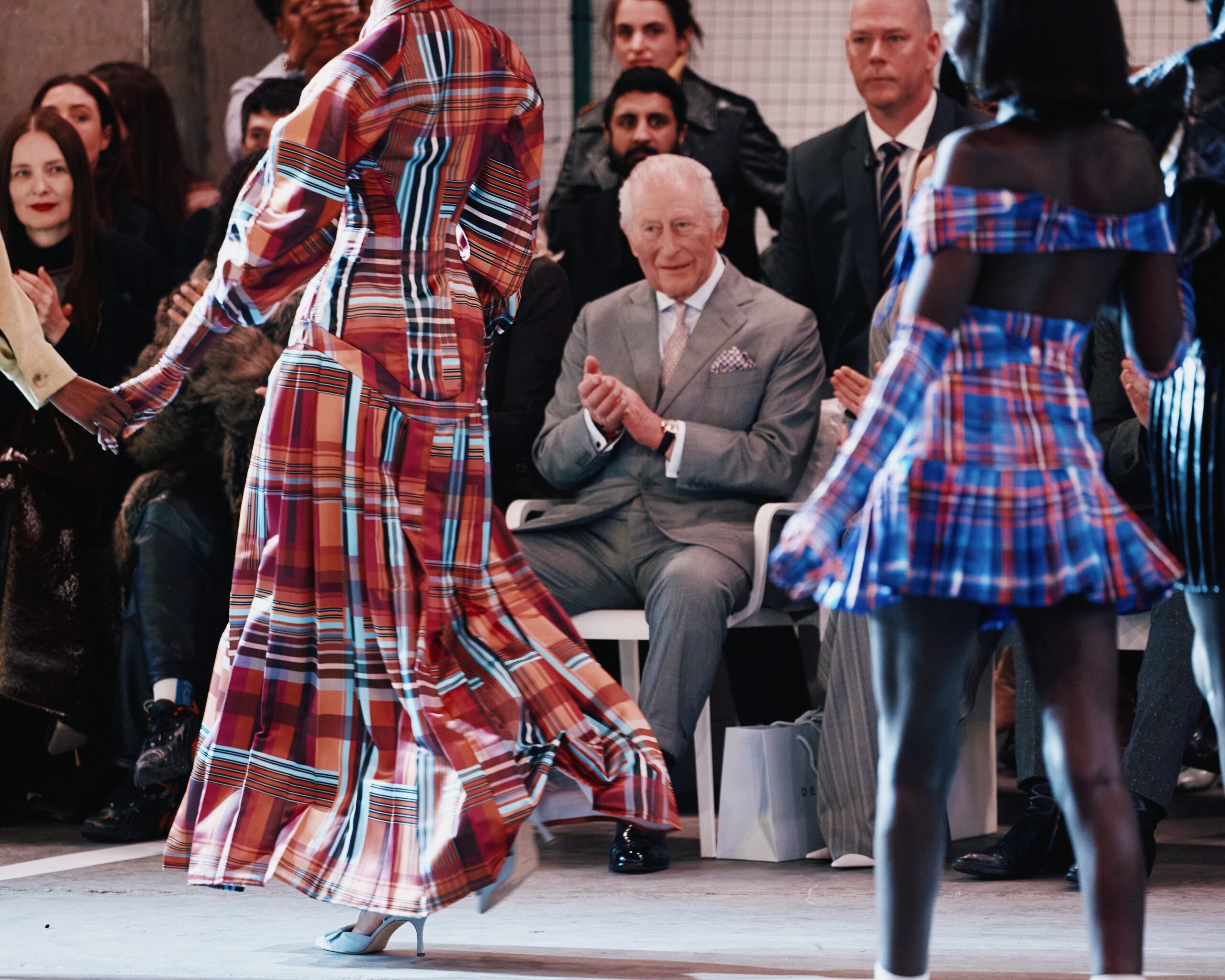
A symbolic moment came early in the week when King Charles III appeared front row at Tolu Coker’s show, an unusual royal presence that signalled fashion’s growing recognition as part of Britain’s cultural infrastructure rather than simply its creative industry.
Fashion as Cultural Infrastructure
Beyond individual shows, the week reinforced how deeply fashion sits within Britain’s wider cultural ecosystem. Interdisciplinary collaborations, live performances, and crossovers with music and art were structural elements of presentations.
London operates differently from other fashion capitals because its creative industries overlap constantly. Stylists move between galleries and runways. Artists collaborate with designers. Musicians shape casting and sound design. The boundaries are porous, and this season embraced that reality rather than trying to emulate traditional luxury formats.
The Return of Specificity
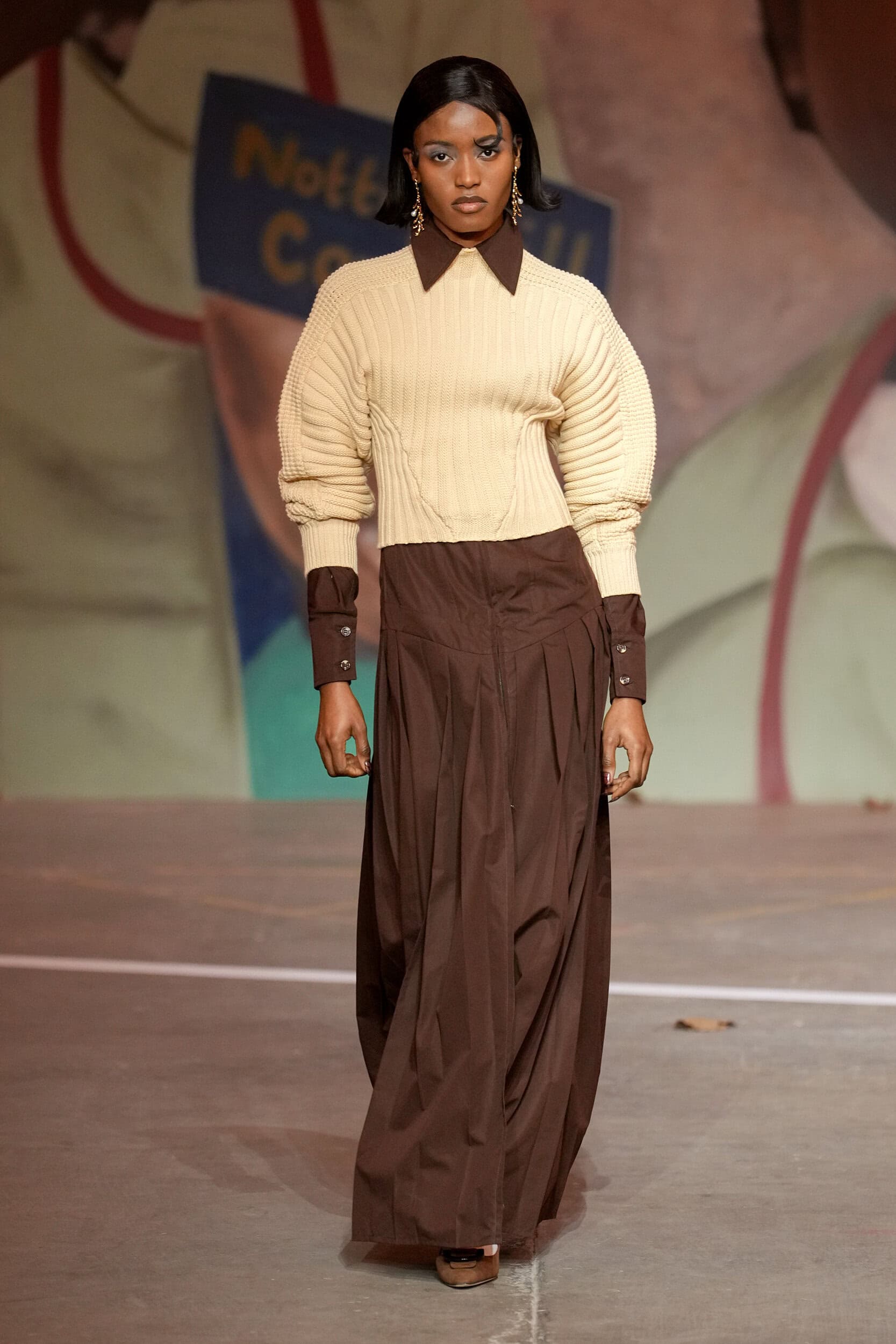
If one idea defined the week, it was specificity. Collections referenced local histories, personal archives, and cultural memory rather than globalised aesthetics. Britishness appeared repeatedly, though rarely in nostalgic form. Instead it emerged through texture, humour, awkwardness, and practicality.
London’s strength has never been polish. It lies in contradiction. Romantic but abrasive. Intellectual but DIY. Serious but self-aware.
AW26 embraced those contradictions fully.
London Fashion Week no longer seems interested in proving its commercial dominance or competing with the theatrical scale of Paris. Its role is different. It acts as an early stage where ideas are tested before entering the wider fashion system. This season suggested that designers understand that position more clearly than before. Rather than chasing relevance, they leaned into independence.
This fashion week was defined by a collective sense that London knows exactly what it contributes: experimentation grounded in culture, fashion shaped by thought, and designers willing to build long conversations.
For more stories of fashion from around the world, visit our dedicated archives and follow us on Instagram.