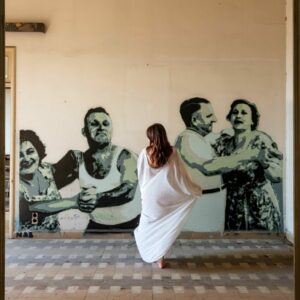
It starts, appropriately, with paperwork.
Not the stiff kind—no letterheads, no polished statements—but the messy, living matter of a working studio: folders named and renamed, timelines that stretch and collapse, images dropped in mid-thought, documents marked final_final_3. Maison Margiela has taken this internal clutter and turned it inside out. Not as spectacle, but as invitation.
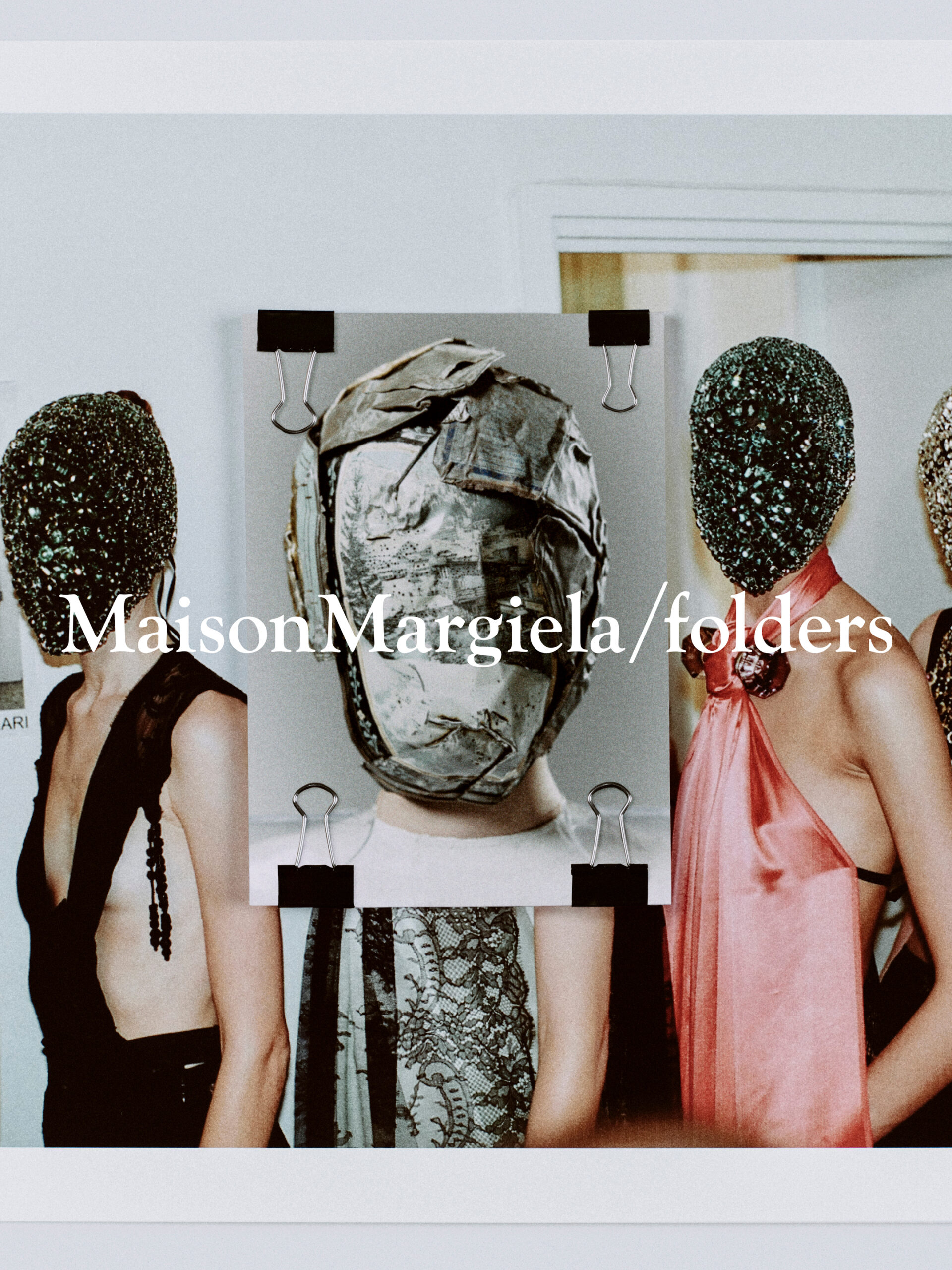
MaisonMargiela/folders is not an announcement so much as an exposure. The Maison has opened its internal Dropbox—yes, that Dropbox—to the public, allowing anyone to scroll through the same digital drawers used by its teams. Images, working documents, fragments of process. Not a retrospective, not a campaign. A system laid bare.
For a house that has long resisted legibility, this is a strange and quietly radical move.
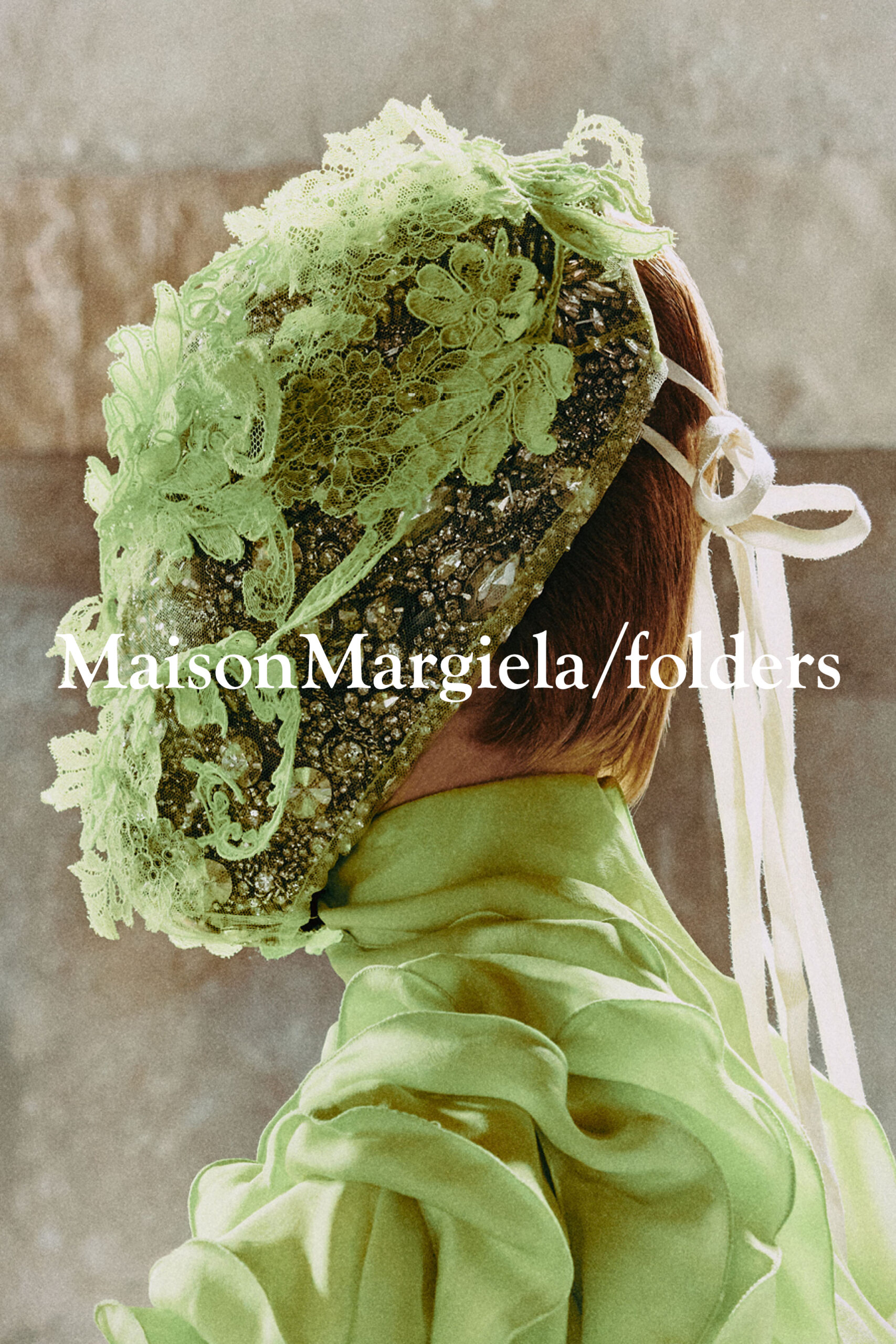
Margiela has always been more interested in how things are made than how they are sold. The stitches left visible. The lining turned outward. The model’s face erased so the garment could speak. Folders feels like a continuation of that logic, translated into the present tense. The archive is no longer a sealed room or a reverent vitrine. It’s a shared drive—constantly updated, incomplete by design.
This digital unspooling sets the stage for what unfolds physically across China in April, beginning with the Fall–Winter 2026 show in Shanghai. From there, the project fractures into four cities, four codes, four ways of understanding the Maison’s identity—not as branding, but as methodology.
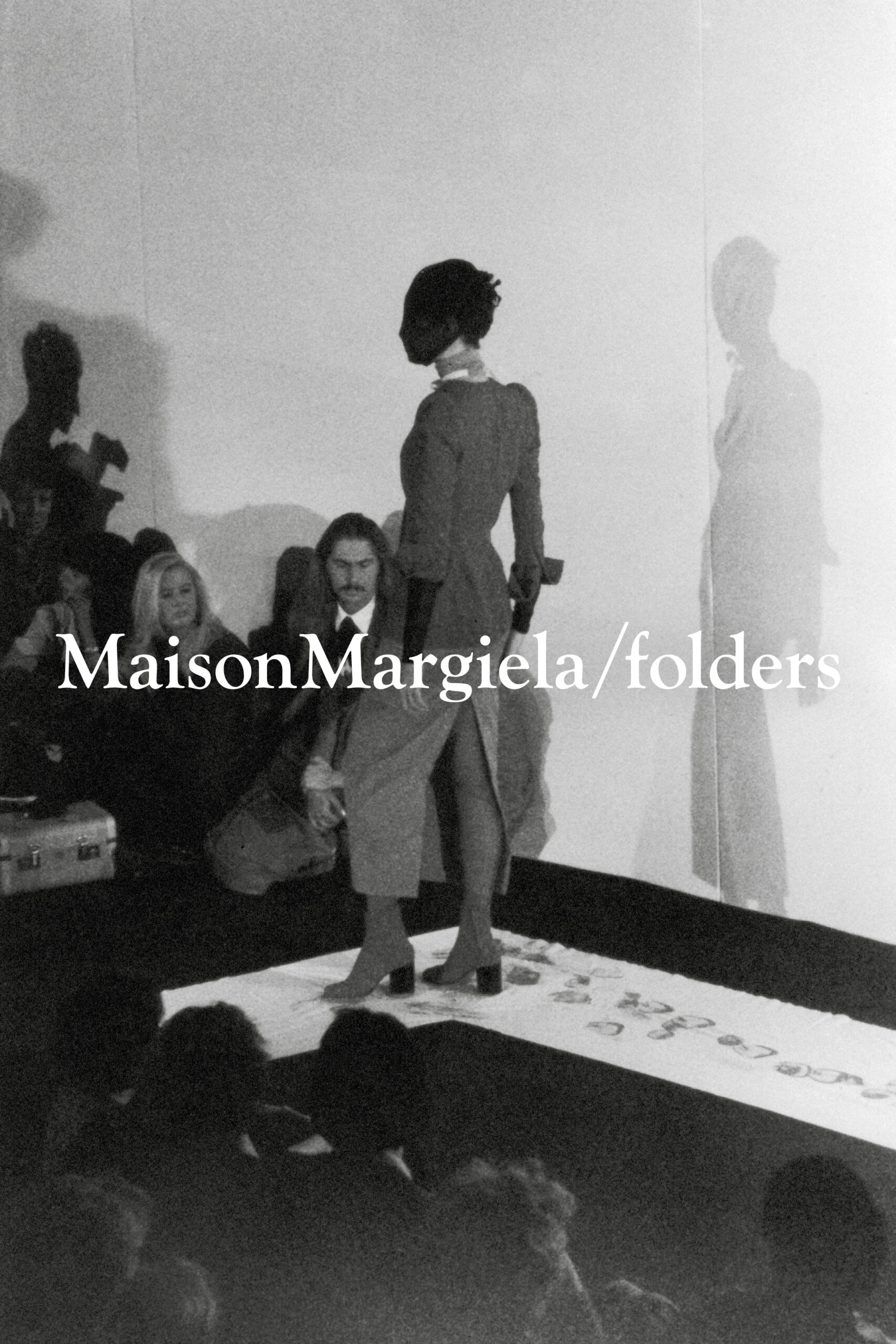
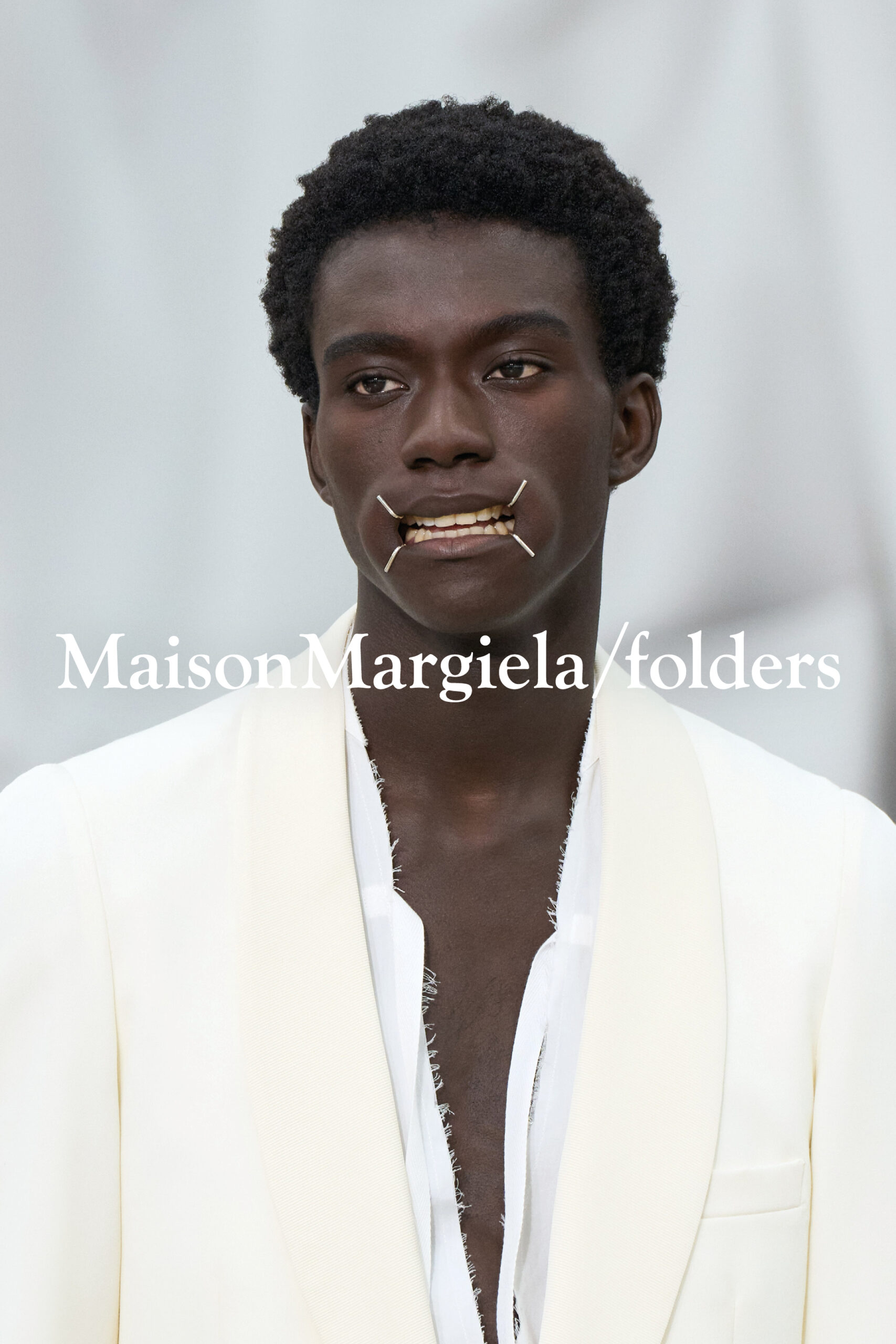
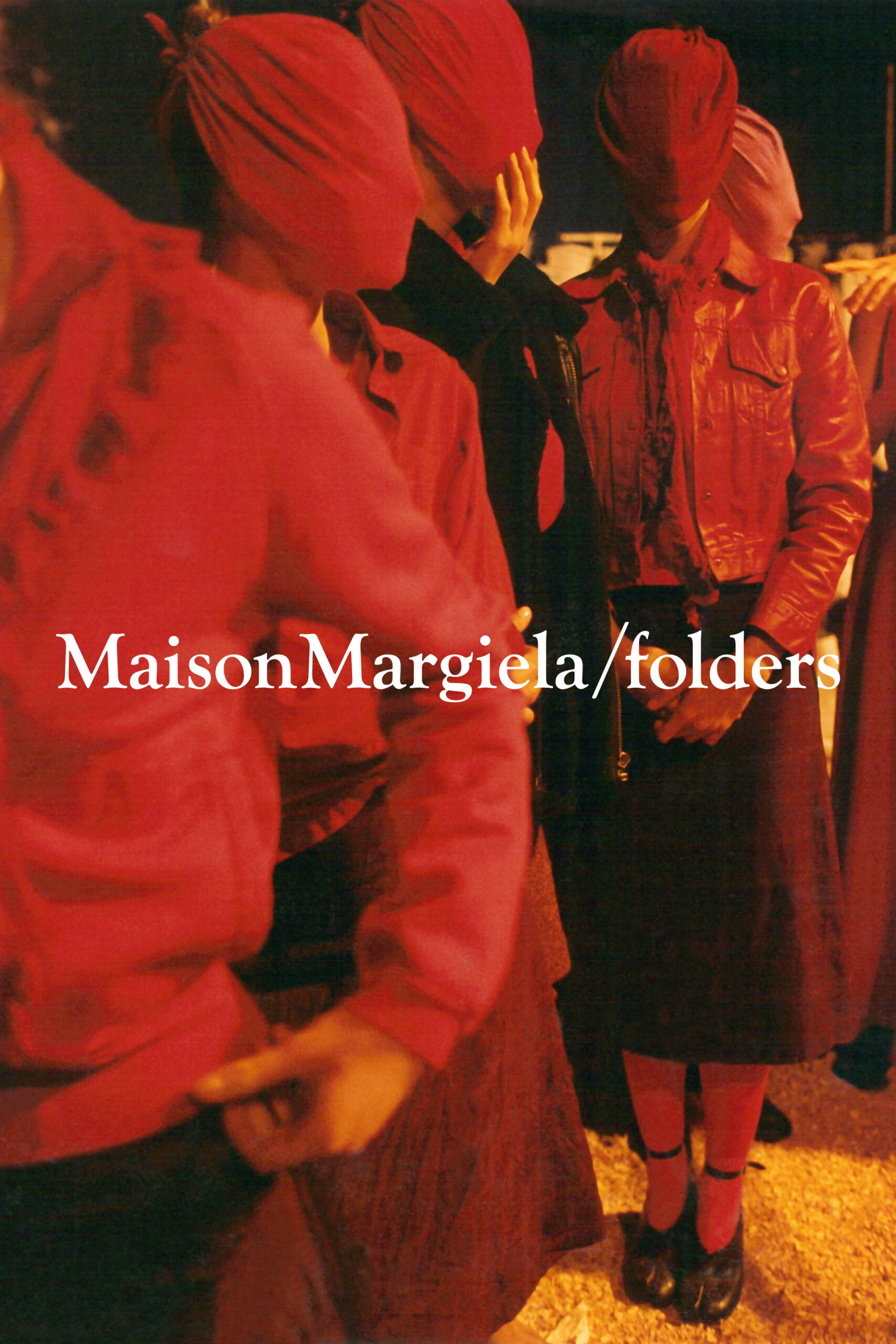
In Shanghai, Artisanal is framed as a creative laboratory. Not craftsmanship as luxury shorthand, but as experimentation: garments as test sites, hands as thinking tools. In Beijing, Anonymity traces Margiela’s long history with masks—not as gimmick, but as refusal. The refusal of celebrity, of authorial ego, of the idea that a face must anchor meaning.
Chengdu’s focus on Tabi shifts attention to an object that has become shorthand for the house, often stripped of its original strangeness. Here, it is treated as a collector’s item, yes—but also as an idea that keeps mutating, resisting closure. In Shenzhen, Bianchetto—the Maison’s painted white finish—becomes an atelier experience, foregrounding wear, erosion, and time. White not as purity, but as something meant to crack, stain, and reveal what’s underneath.
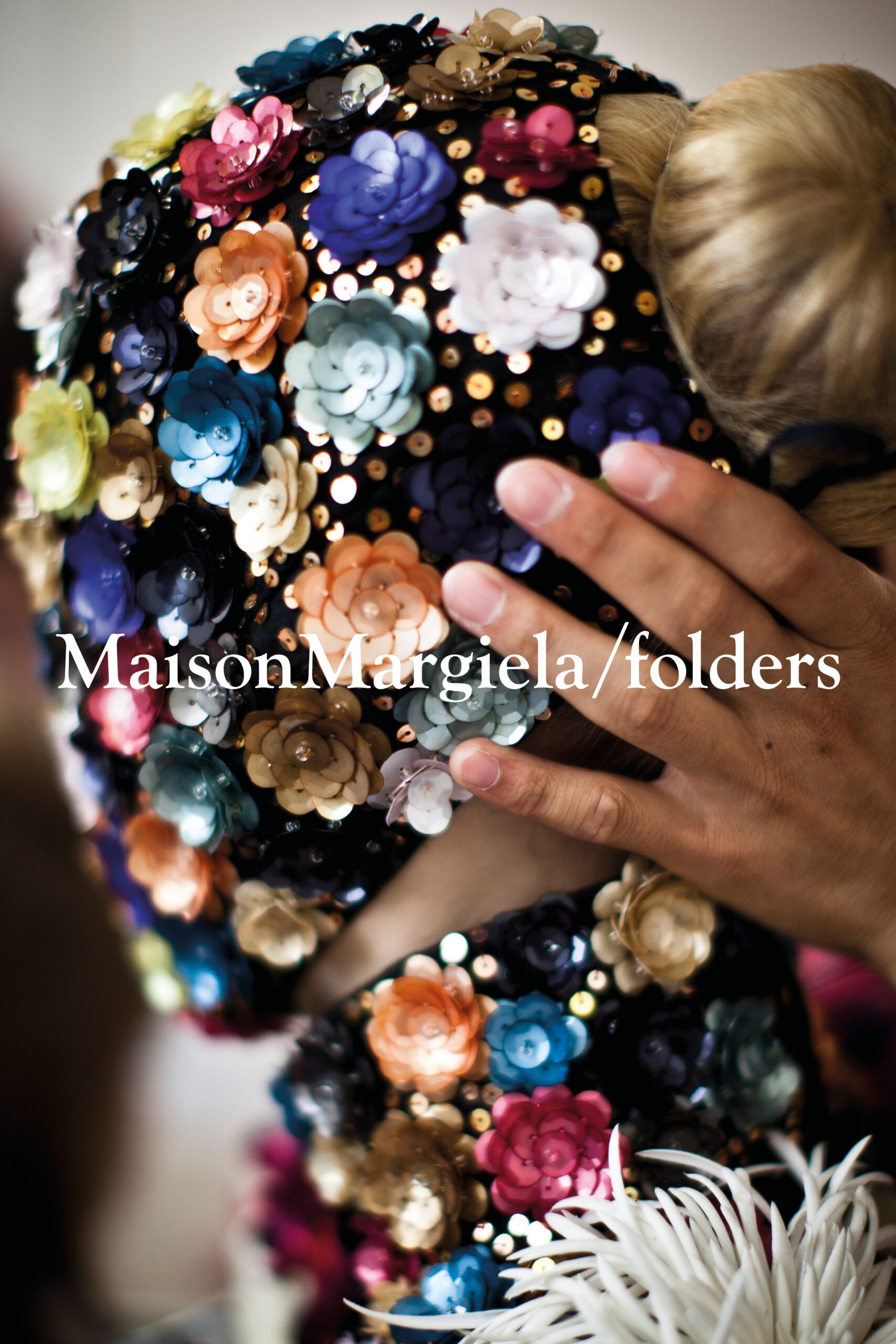
What connects these experiences is not scale or spectacle, but access. All are free. All are open. Registration replaces invitation lists. The hierarchy between insider and observer is quietly flattened.
The digital folders evolve alongside the physical exhibitions. New files appear as plans change, as concepts sharpen or dissolve. There is no promise of completion—only documentation. You’re not handed a finished narrative; you’re asked to sit inside a process.
That might be the most Margiela gesture of all.
In an industry obsessed with control, MaisonMargiela/folders embraces exposure without explanation. It trusts that meaning can emerge from fragments, that curiosity is enough. You don’t need to understand everything. You’re not supposed to.
You just have to open the folder and look around.