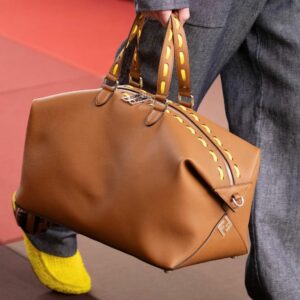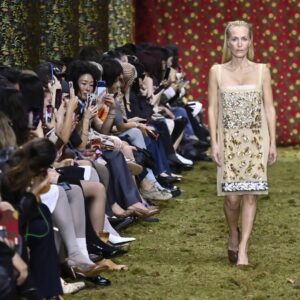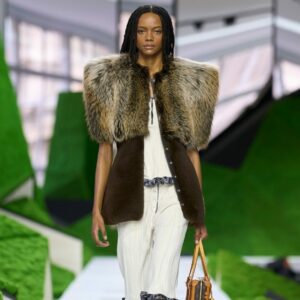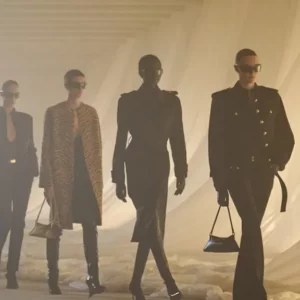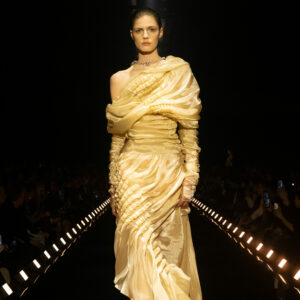
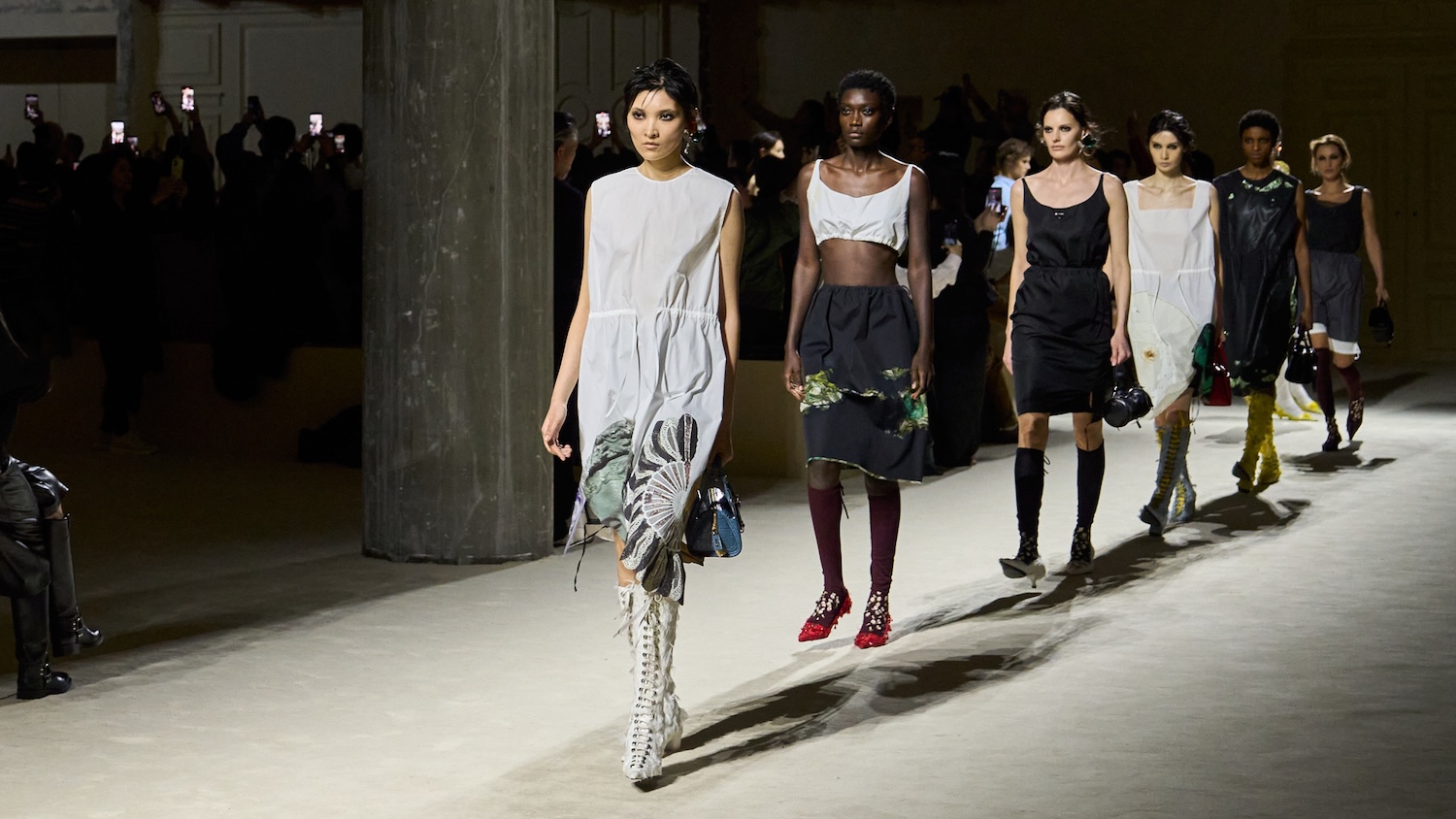
Milan Fashion Week Fall/Winter 2026 unfolded during a moment of visible transition for the Italian fashion system. Several major houses presented new creative leadership, including Gucci, where Demna staged his first runway for the house, Fendi, where Maria Grazia Chiuri presented her debut vision, and Marni, where Meryll Rogge took the reins. Together, those debuts shaped much of the week’s conversation.
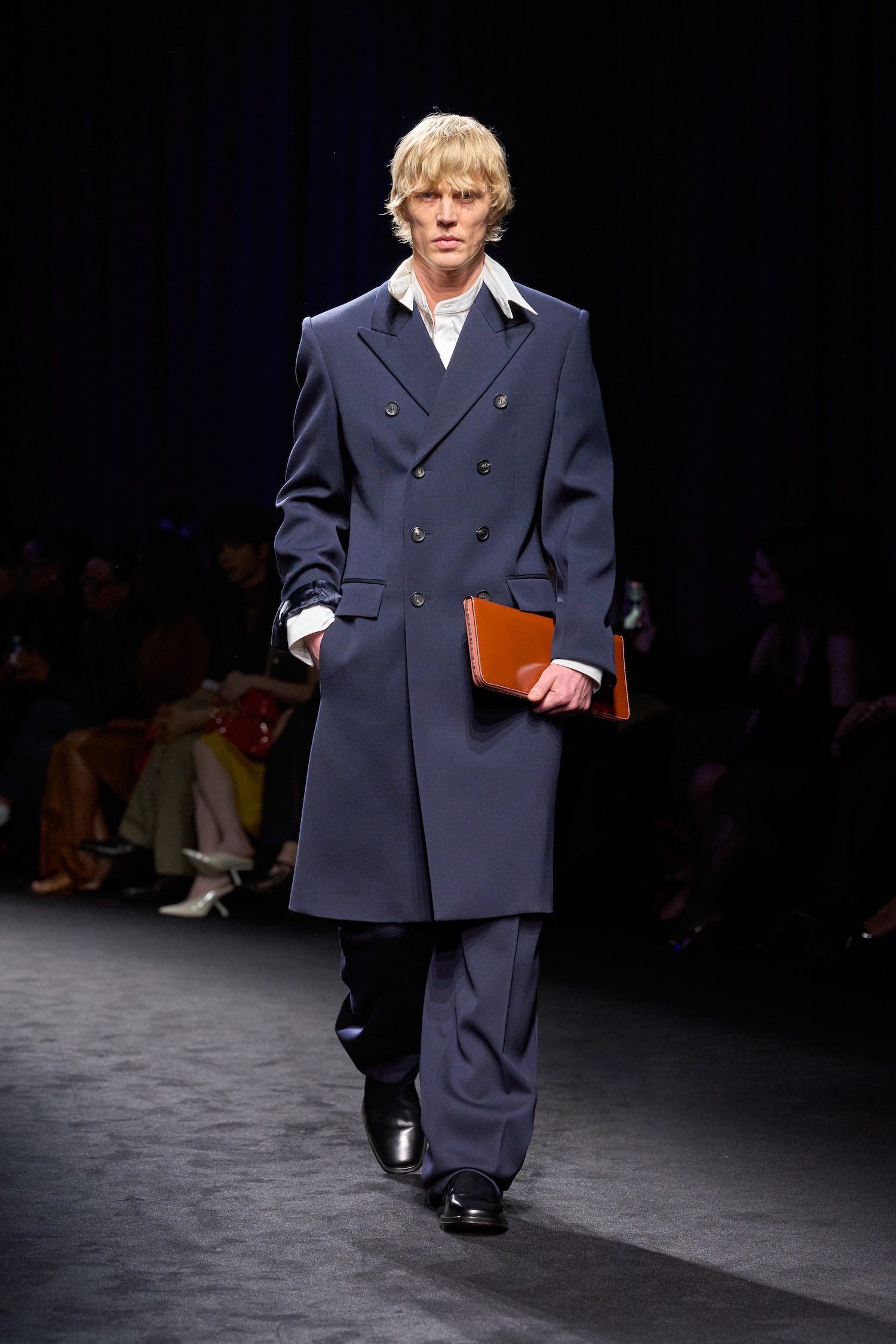
Ferragamo, under Maximilian Davis, looked to the 1920s for reference points, drawing on speakeasy culture and early Hollywood glamour. The collection combined structured tailoring with eveningwear inspired by flapper silhouettes, while accessories included new versions of the Hug bag and sharply cut footwear.
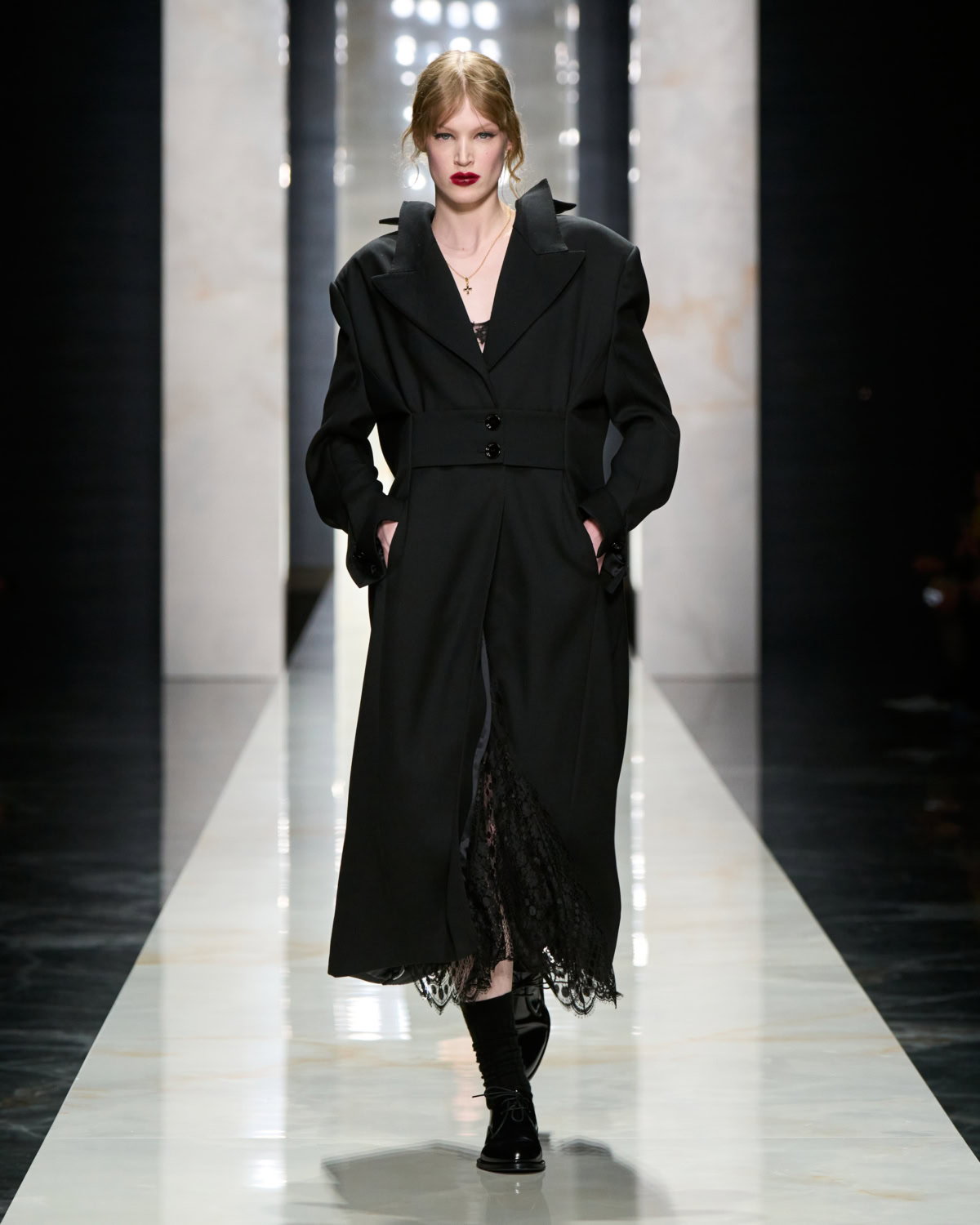
At Dolce & Gabbana, Domenico Dolce and Stefano Gabbana returned to themes central to the house’s identity: Sicilian heritage, lace, corsetry, and sharply tailored suits. Black dominated much of the palette, and the show attracted widespread attention thanks to Madonna, long associated with the brand since the 1990s, who attended the runway presentation.
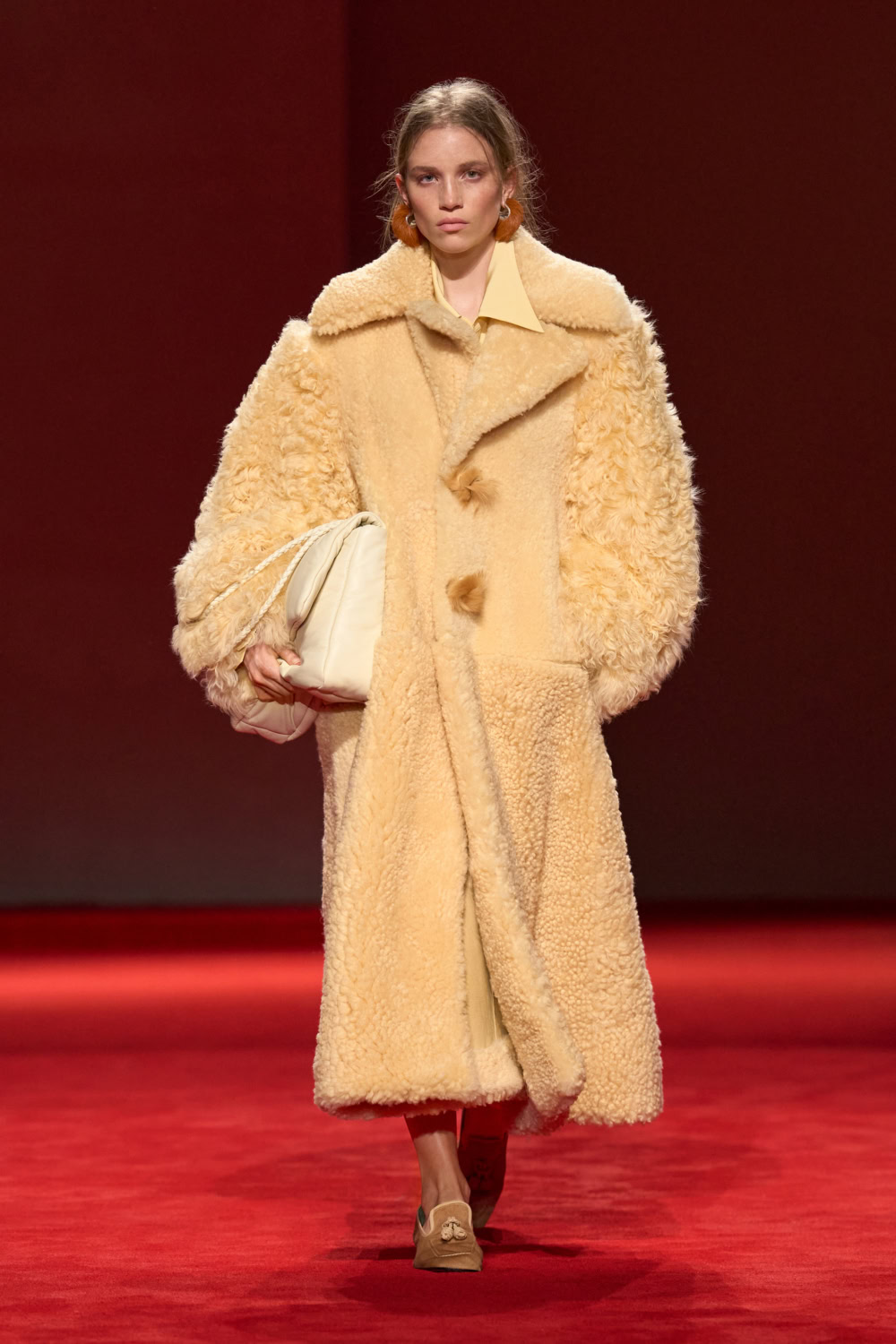
Meanwhile Bottega Veneta, under Louise Trotter, emphasised material experimentation and craftsmanship, with particular attention placed on outerwear and surface treatments.
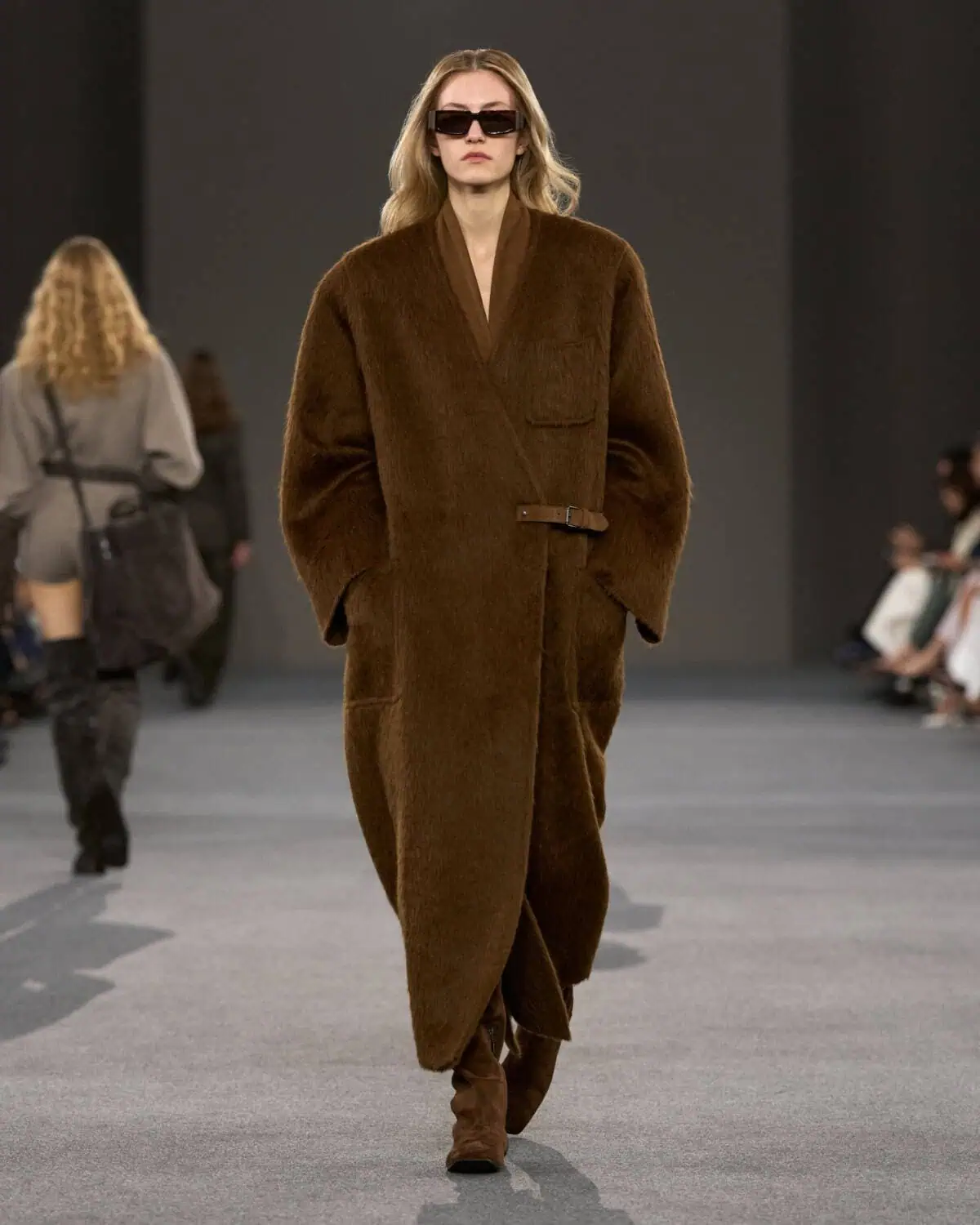
The Max Mara show focused strongly on coats and layered winter dressing, while Jil Sander continued its emphasis on precise tailoring and restrained silhouettes.
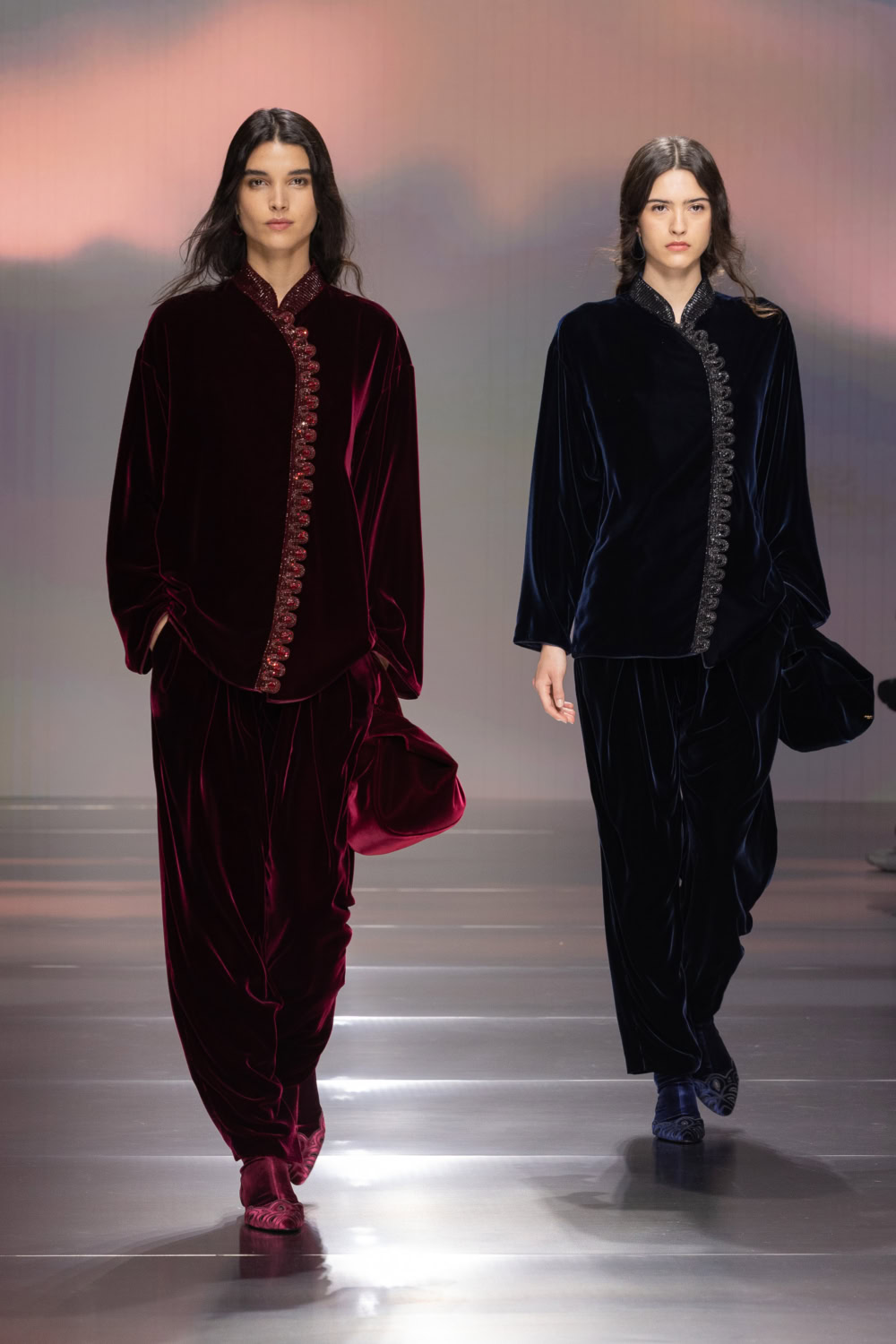
At Giorgio Armani, the house presented collections following the death of its founder in 2025. Silvana Armani, who had worked alongside him for decades, delivered a show rooted in the brand’s established codes of fluid tailoring and elegant materials, marking the beginning of a new chapter for the label.
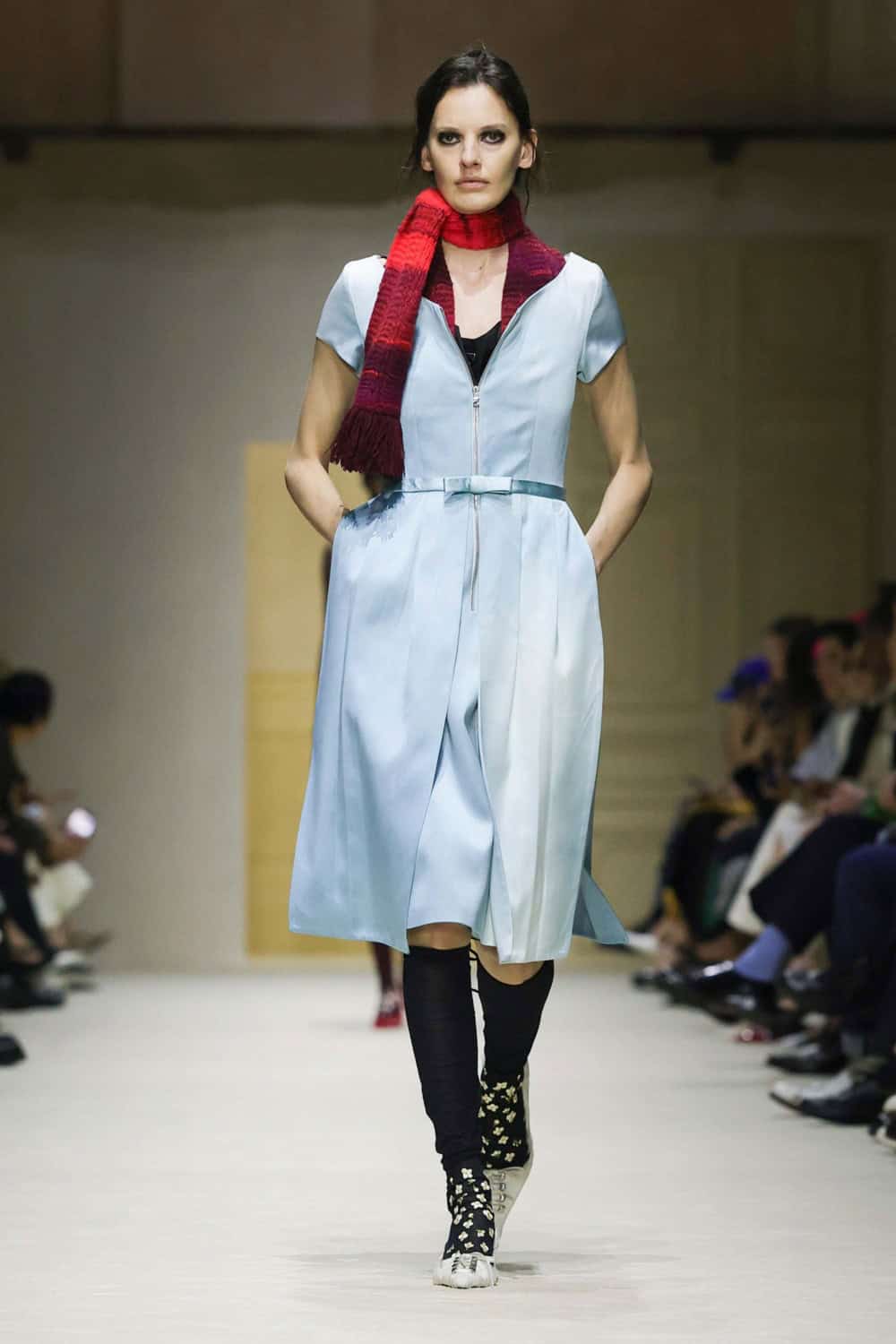
Across the week, several patterns became visible. Layering appeared repeatedly across collections including Prada, Simone Bellotti, and Act No.1, while many houses favoured monochrome looks dominated by black. Armour-like silhouettes and protective outerwear appeared at labels such as Max Mara, Sa Su Phi, and Bottega Veneta.
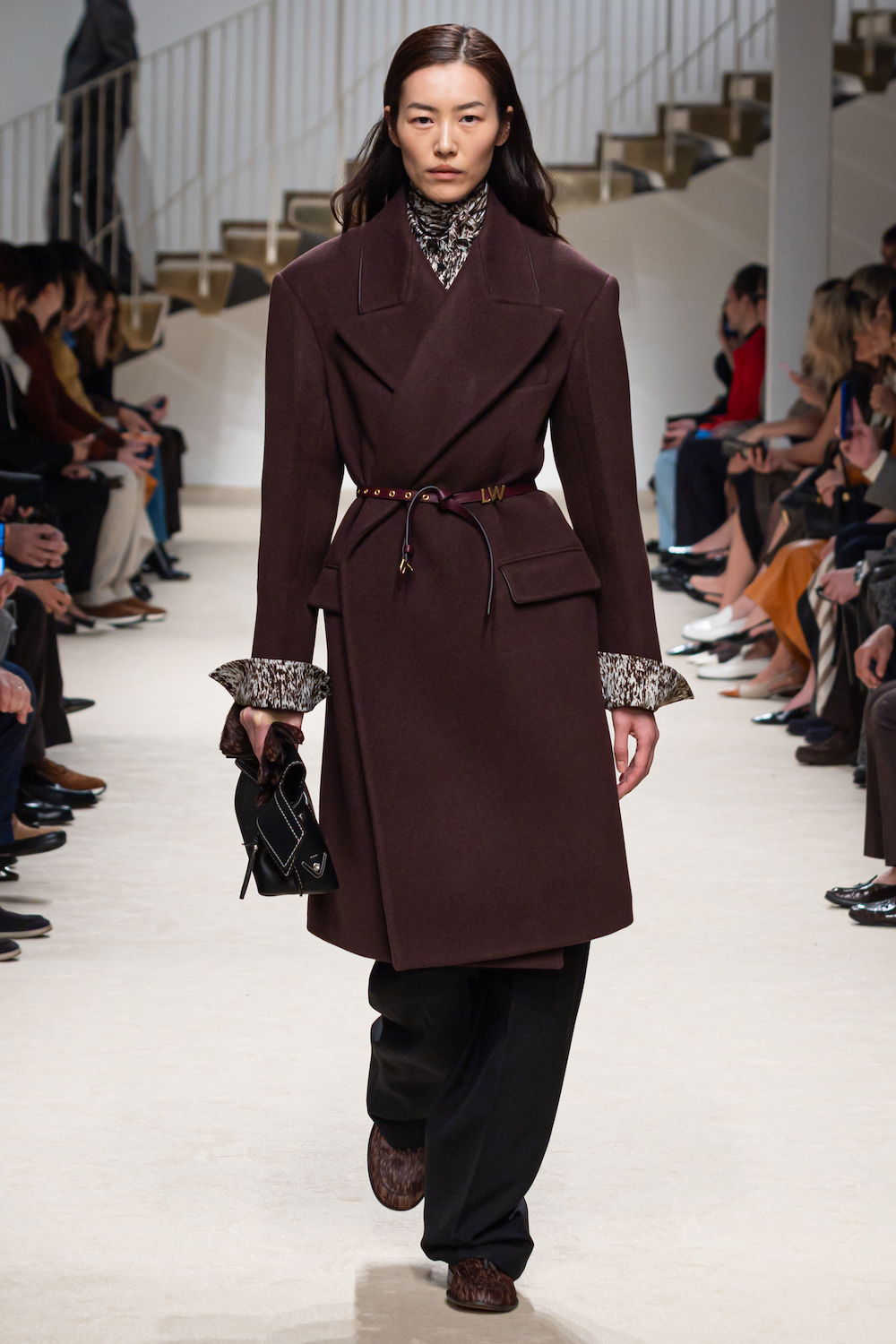
Other Milan staples remained firmly in place. Tod’s continued to emphasise leather craftsmanship, Missoni revisited its signature zig-zag knitwear with metallic variations, and Moschino delivered its characteristically playful runway energy.
By the end of the week, Milan had delivered a season defined less by a single dominant trend and more by a series of recalibrations across the industry. New creative directors, strong outerwear, and layered styling created a coherent mood across the schedule while reaffirming Milan’s long-standing focus on tailoring, materials, and craftsmanship.
For more stories of fashion from around the world, visit our dedicated archives and follow us on Instagram.