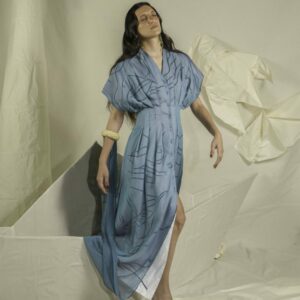

There is a particular kind of exhaustion that arrives around 8:43am, standing half-dressed in front of a wardrobe full of clothes and somehow feeling as if you own none of them. The skirt is wrong, the trousers feel earnest, the shirt suddenly suggests you might work in HR. Ten minutes later you are still negotiating with a blazer.
TikTok, with its usual blend of humour and accidental sociology, has found a solution. Let your mum decide.
Across the platform, videos have been circulating in which people hand over the daily question of “what should I wear?” to the most trusted stylist they know. Sometimes the process is remote. A student recently went viral for filming his outfit options every morning and sending them to his mother for approval, describing it as having “my own personal stylist.” Others go further and invite their mothers into the room, surrendering the wardrobe entirely.
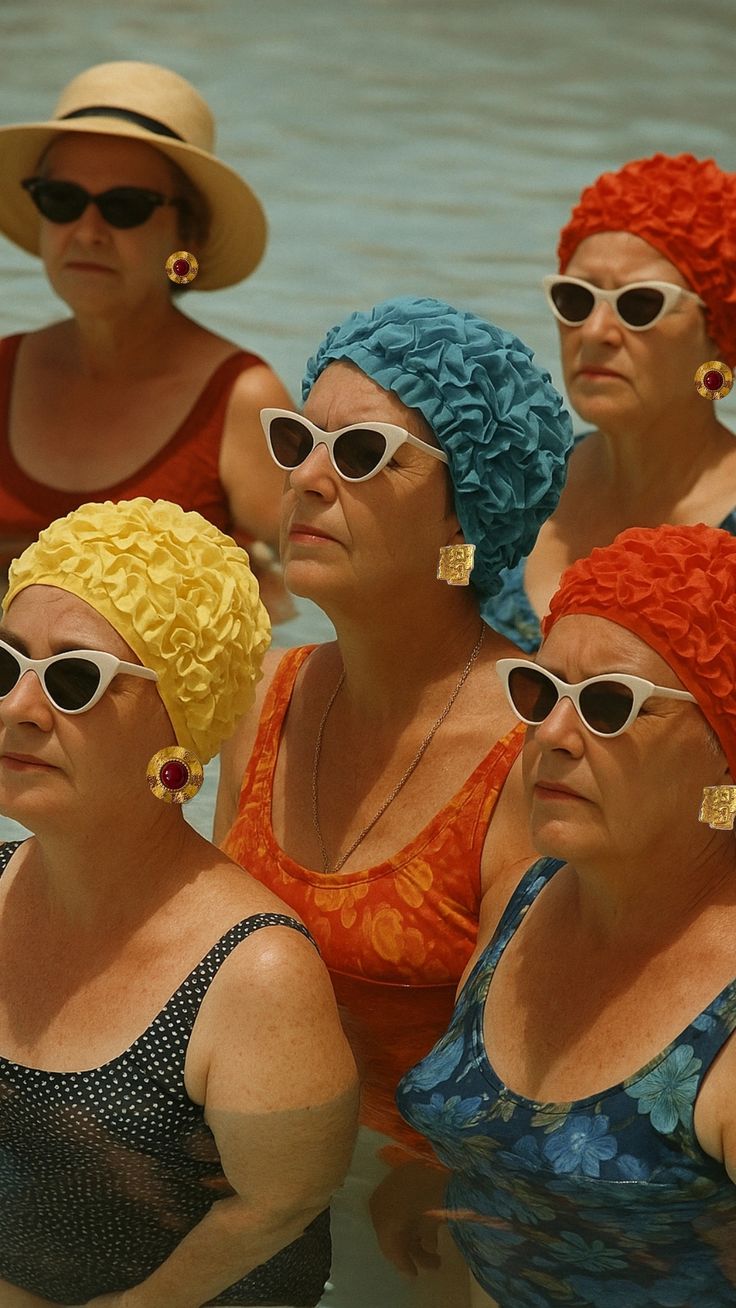
The results are often charmingly unpredictable. A Gen Z wardrobe suddenly acquires a cardigan. A pair of suspiciously sensible trousers makes an appearance. Someone who normally dresses like a Copenhagen fashion week extra leaves the house looking faintly like a university lecturer in 1997.
The tone is affectionate and slightly mischievous, but the popularity of the trend hints at something more serious: nobody wants to make decisions anymore.
Psychologists call it decision fatigue, the gradual decline in the quality of choices after making too many of them. It sounds abstract until you realise how many micro-decisions modern life demands before breakfast. What to wear. Which shoes. Which jacket. Which version of yourself you are presenting to the world today.

Clothes carry a surprising amount of psychological weight. They act as social signals, quietly broadcasting identity, mood and aspiration. Choosing an outfit is rarely just about fabric. It is about deciding which version of you will step outside.
Small wonder people are outsourcing.
Some mornings the brain simply refuses to play stylist. Studies suggest the average person spends around 16 minutes a day deciding what to wear, adding up to almost one hundred hours a year dedicated to wardrobe deliberation. That is a startling amount of life lost to trousers.
Fashion has always flirted with systems designed to eliminate choice. Think of the cult of the daily uniform. Steve Jobs and Mark Zuckerberg both famously reduced their wardrobes to near-identical outfits to conserve mental energy. Minimalism framed as productivity.

The TikTok mum solution is less austere and far more entertaining.
It replaces algorithmic dressing with maternal authority. The woman who spent years insisting you wore a coat now gets to curate the coat. The relationship is nostalgic and slightly absurd. Adult independence dissolves the moment someone’s mother says, with confidence, that the brown boots look better.
There is also the quiet appeal of trust. Mothers belong to a generation that approached clothes with a kind of pragmatic certainty. You wore the nice sweater. You did not overthink the sweater.
The internet, by contrast, has turned getting dressed into a minor philosophical exercise. Every outfit must communicate taste, irony, personality, cultural awareness and an appropriate level of effortlessness. It is exhausting.
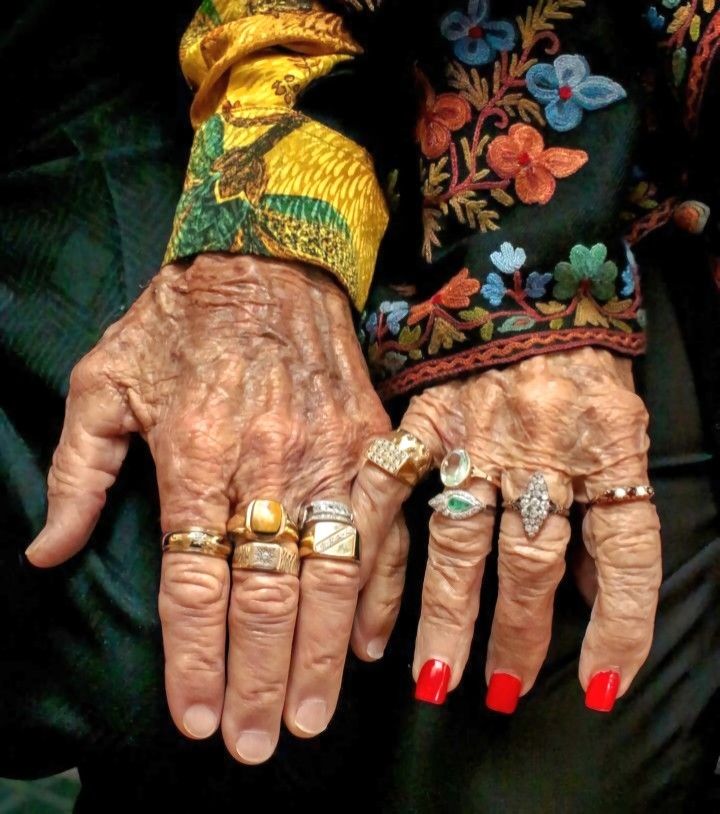
Letting your mum choose short-circuits the whole performance.
The outfit might be safe. It might be mildly humiliating. It might involve a cardigan you would never have picked yourself. The point is that you did not have to think about it.
There is something deeply comforting about that.
Fashion likes to frame itself as an expression of individuality. Sometimes, however, individuality would quite like the morning off.
For more stories of culture from around the world and the region, visit our dedicated archives and follow us on Instagram.