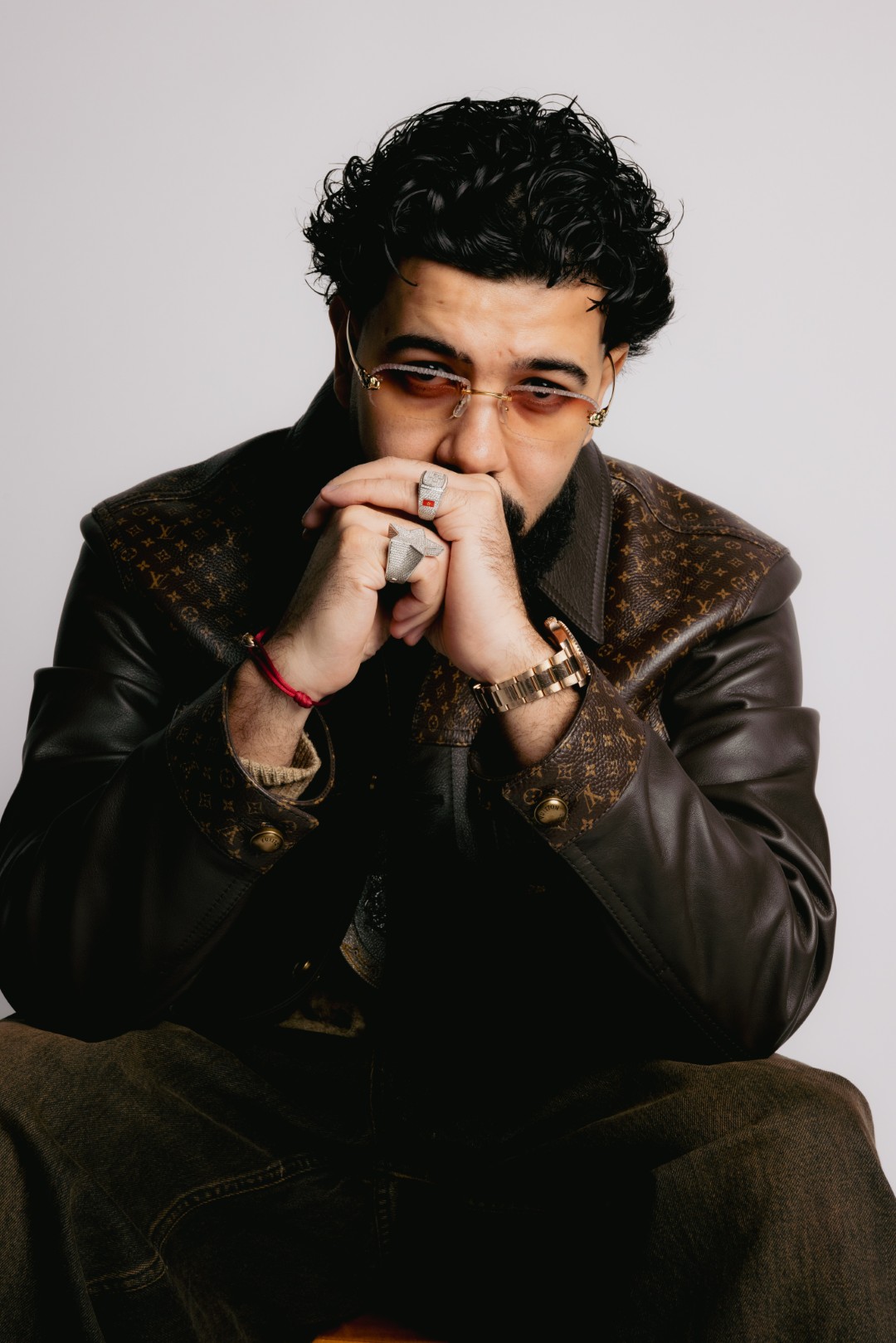
“I guess making Arabic music globally while people thought it was only good enough for weddings and shisha bars,” Dystinct says when asked about what he believes to be his most boundary-pushing achievement. The line lands flatly, half-defiant and half matter-of-fact, as if he’s recalling a sceptic’s doubt rather than issuing a boast. The line is also loaded with a history of lowered expectations, a genre flattened into mood-board exotica, a language rotated through the global market as texture rather than expression. He doesn’t sound like he’s quoting an insult so much as naming the coordinates he refused to inherit.
Born Iliass Mansouri in Antwerp to Moroccan parents, Dystinct has spent years quietly undoing those assumptions. He insists he “never gave up on things” and always “stuck to [his] plan…to make Arabic music globally.” That persistence has paid off. His album BABABA WORLD racked up hundreds of millions of streams and debuted at #2 globally, proof that a track in Darija (Moroccan Arabic) can move through mainstream charts without translation or dilution. More than a breakthrough moment, it reframed what an Arabic-language hit could look like: layered, hybrid, and unconcerned with novelty.
He grew up in Belgium but carries a distinctly Moroccan musical inheritance, folding it into everything from Latin dembow to Euro-club synths. In practice, that means colloquial Maghrebi vocals paired with cross-continental beats. His 2025 single “YAMA” is a clean example: a bright reggaeton groove under a chant indebted less to Berlin clubland than to Iraqi shaabi dance traditions.
The song barely waited to be finished before it began circulating. Dystinct previewed fragments of “YAMA” on tour- thirty seconds here, a hook there – and crowds reacted as if the track already belonged to them. By the time it officially landed, the dance was everywhere. The hook was everywhere. Influencers in cities with no linguistic proximity to Arabic were already locked into a rhythm recorded months earlier in Barcelona.

If older models of pop depend on a linear pipeline, write, record, market, release, YAMA behaved like an atmosphere: released in pieces, absorbed in parts, assembled by thousands before the final mix left the studio.
Dystinct’s music operates on phonetic logic. Off-axis vocal takes. Shifts in proximity and register. Consonants that strike like percussion, vowels elongated into melodic anchors. Languages blur into a space where comprehension is optional. The listener doesn’t need to understand to participate.
That approach has carried Moroccan pop far beyond its usual confines. BABABA WORLD, a 19-track project, stands as one of his most streamed releases to date – less a victory lap than the payoff for cultural risk.
Despite the studio sheen, Dystinct’s process is remarkably improvisational. He describes YAMA’s birth in almost offhand terms: a shared sample, a quick session, and spontaneity. “Within 30 minutes we created YAMA… We were just vibing and creating music,” he recalls of the Barcelona studio session. A simple melody and a few added percussion hits, courtesy of his collaborators YAM & Unleaded, became the track’s foundation. In that short window, the signature hook appeared: a single vocal line (his own) that he then multiplied in the mix to sound like a crowd’s chant. “I made a choir with one vocal,” Dystinct explains. By recording the chant from twenty different angles and pitches, he simulates a throng of singers. “It sounds like there is 30 people singing it, but it’s just me,” he says. This DIY chorale effect gives “YAMA” its immediacy and hooky frenzy.

His instinct – to expand rather than embellish- carries into his newer work. In early 2026, Dystinct began teasing a new single, “TA3AL” (Arabic for Come), and the response followed a now-familiar pattern. Within days of posting a snippet, the sound spread across social platforms, spawning thousands of user-created videos before a release date was even announced. Fans didn’t wait for context, choosing instead to fill it themselves.
Like “YAMA,” “TA3AL” builds from regional specificity outward. This time, Dystinct draws again from Iraqi Chobi rhythms, blending them with dancehall patterns to create something difficult to categorise. It’s not revivalism and it’s not fusion for its own sake. It feels like curiosity, stretched forward. Produced once again with YAM & Unleaded, the track extends his ongoing interest in how Arab musical forms travel when freed from expectation.
Crucially, Dystinct insists he sacrificed nothing essential to get here. Asked whether his Moroccan roots felt like a “sound” or a costume, he is adamant: “I actually never gave up on things…I always stuck to my plan and goal…and that is to make Arabic music globally.”
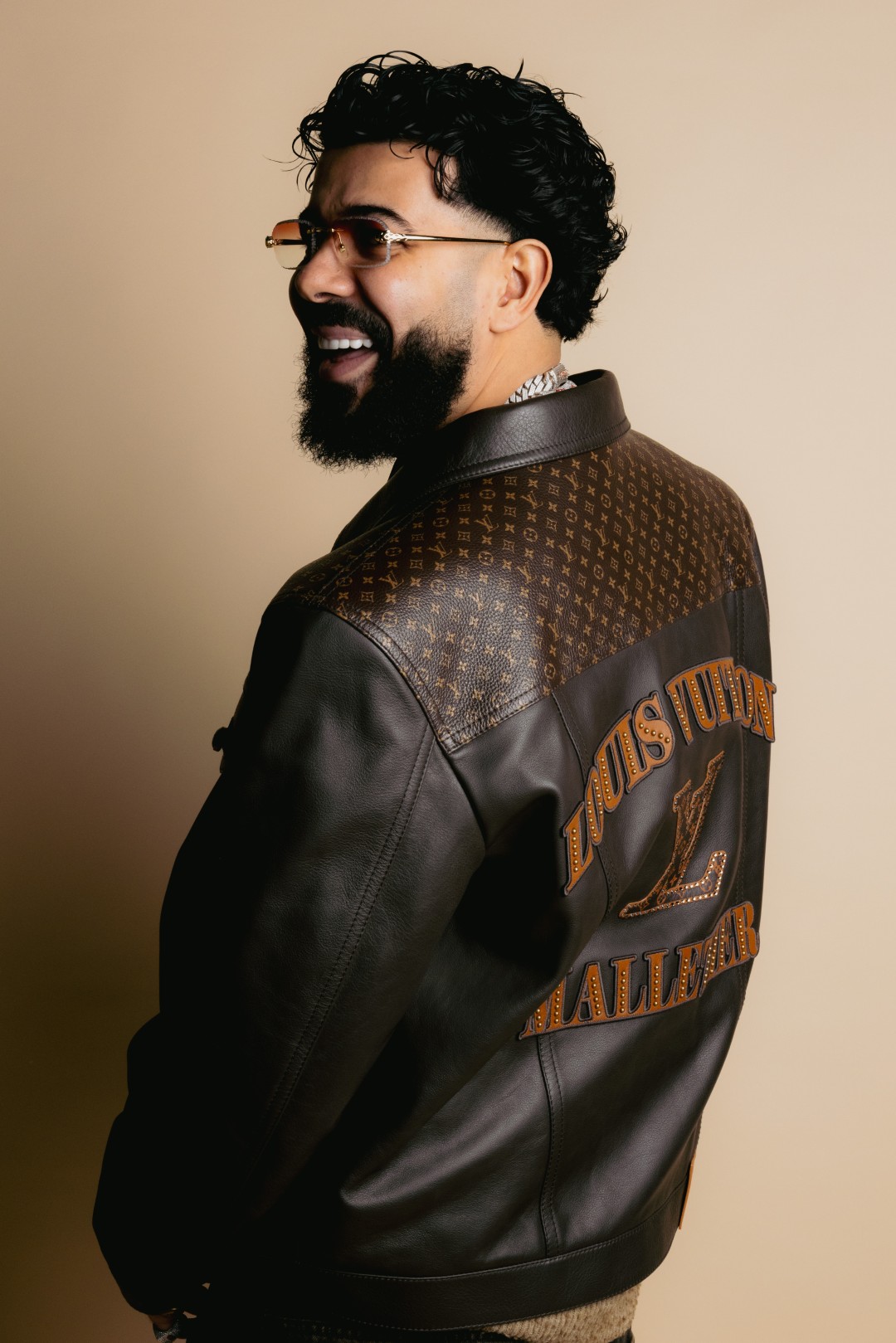
The music’s core, though, remains his. He still writes in Moroccan Arabic. He still guards the language. What’s changed is the scale of where it travels. Rather than treating authenticity as purity, Dystinct frames it as conviction. “Eventually you will create your own sound,” he says. Songs like “YAMA” and now “TA3AL” feel unmistakably Maghrebi without needing to announce it.
His catalogue spans several languages: Dutch and English verses pepper his early releases, later joined by French rap thanks to Bryan Mg on the World Cup anthem “Ghazali”, and Arabic hooks. Rather than presenting identity as fixed, he seems to treat it as a composite score, Belgian upbringing, Moroccan home, Western influences, yielding a voice that can slide from Eurorap swag to North African melancholy whenever he wants.
Dystinct seems to measure success by how far his lyrics travel. He jokes that no single country floored him as a market, rather, the collective willingness of disparate audiences did. “If I see people who are not Moroccan, not Arab and they sing my lyrics…that makes me more motivated,” he says. He calls that the most beautiful thing: hearing total strangers intone Darija verses. That aspiration is literal: “I want to make the whole world sing Arabic.”
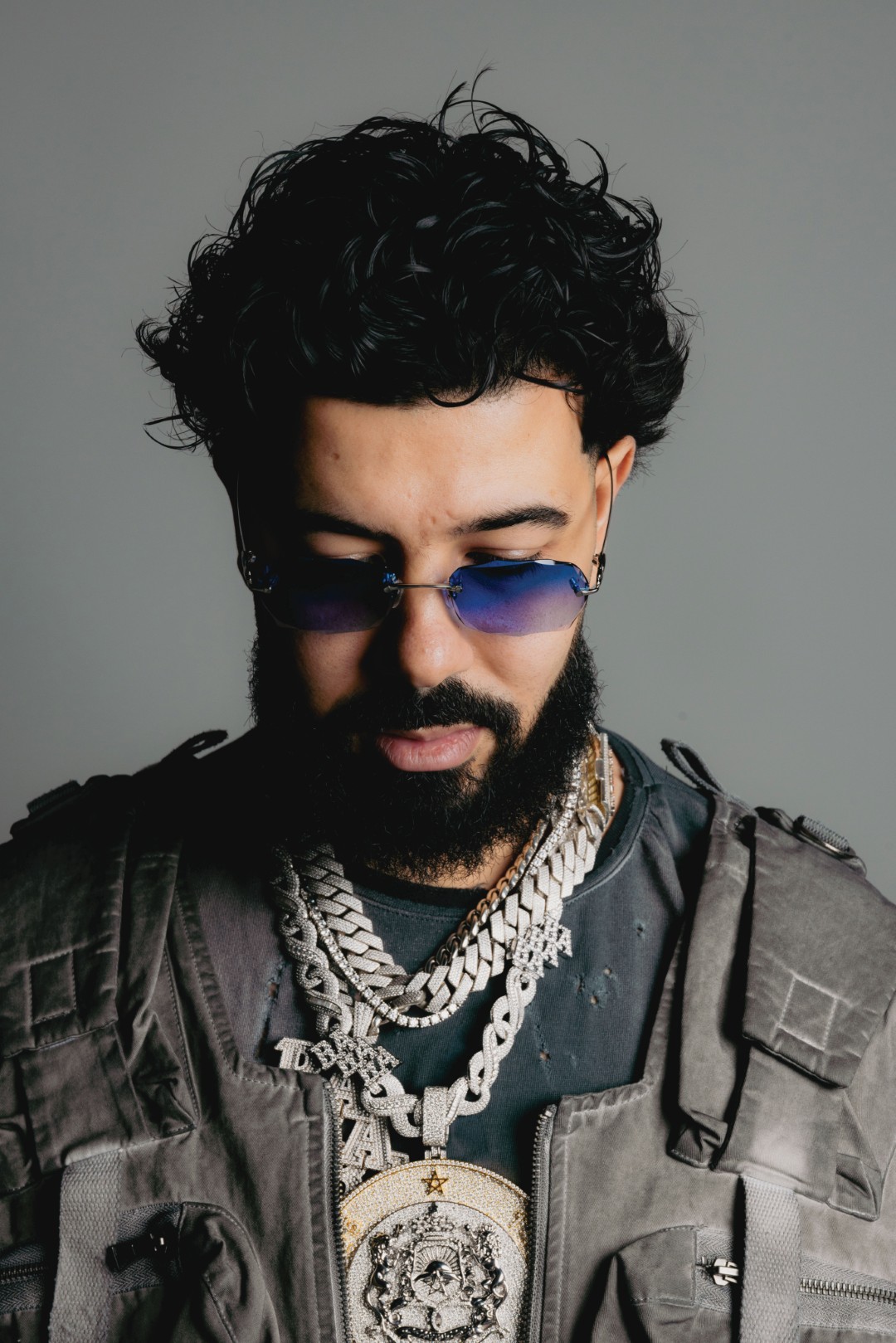
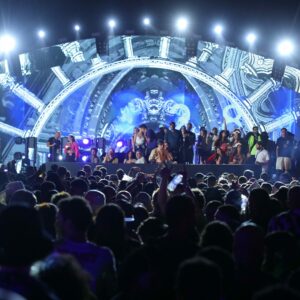
His current tour offers a data point. In Cologne, at a 4,000-seat show, every fan already knew the preview of “YAMA” and jumped into the choreography from the first beat. On TikTok and Instagram, users in London and Toronto are learning Dystinct’s words too, recreating the dance. Dystinct sees it as cultural osmosis. He attributes it to genuine connection rather than a gimmick.
The songs themselves blur truth and fiction. Some lines are autobiographical – “YAMA,” he says, reflects how his life has changed – others are borrowed, refracted, or imagined. “It’s not 100% a lie,” he shrugs. For him, emotional charge matters more than origin.
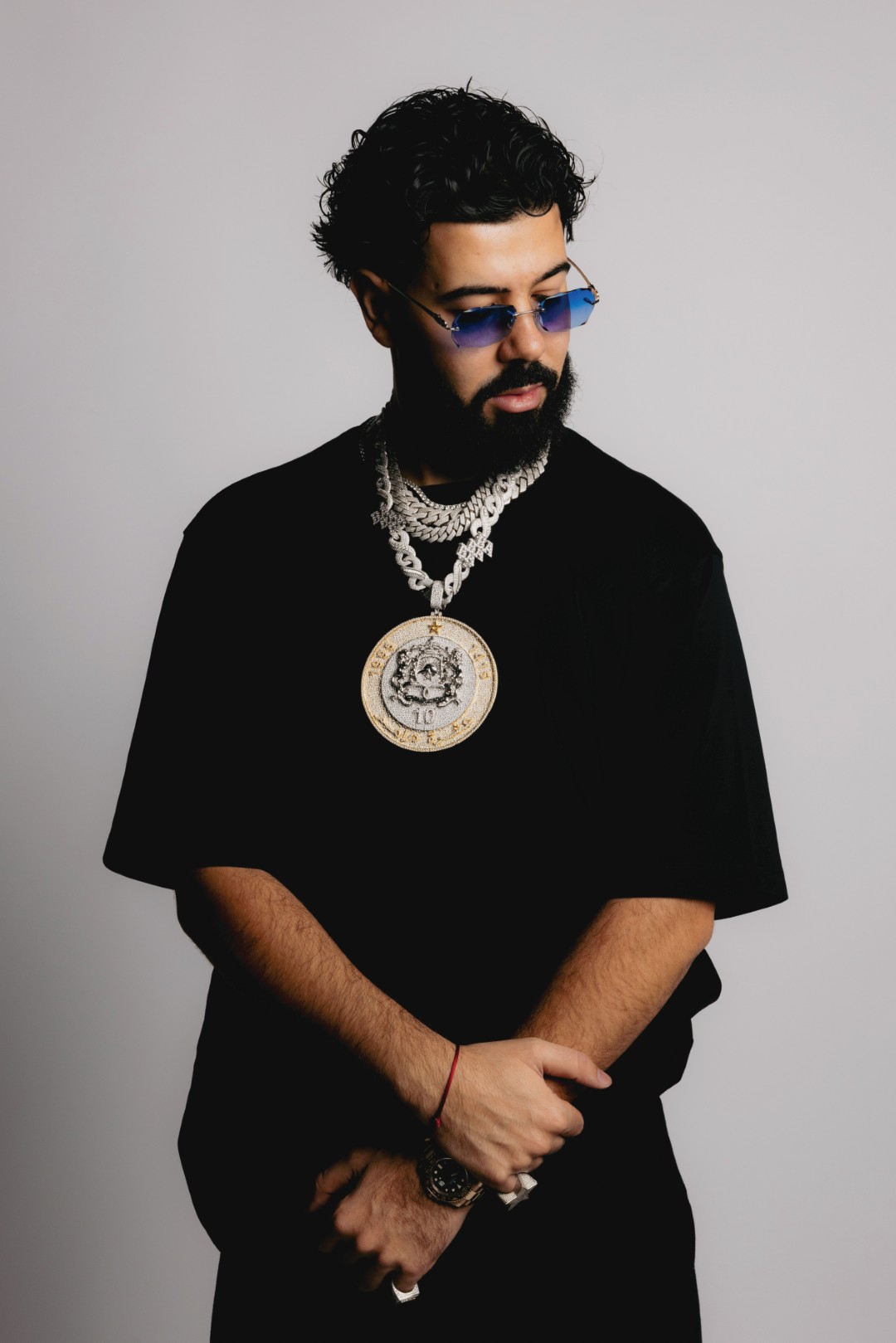
For Dystinct, then, boundary-pushing is a matter of perspective. He crossed one key boundary long ago, the unspoken rule that Arabic pop belonged at weddings or local TV, and now feels no regret in pushing further. “I don’t regret anything,” he notes. From the start, his project has been equal parts ambitious and innocuous: fusing what he loves into music without asking permission. The result is neither a cultural theory nor a simplistic flash-in-the-pan hit.
What he’s building is a sound that feels lived-in: polished but loose, repetitive yet textured, rooted without being confined. The venues fill. The streams climb.
And the music keeps moving.
For more stories of music from across the region and the diaspora, visit our dedicated archives.