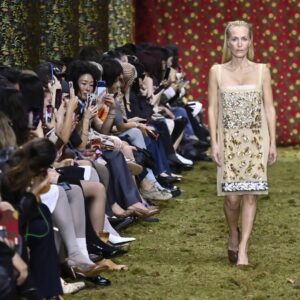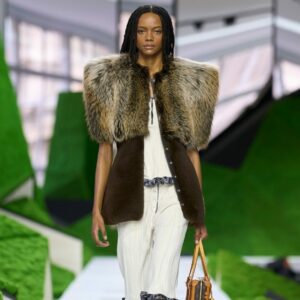
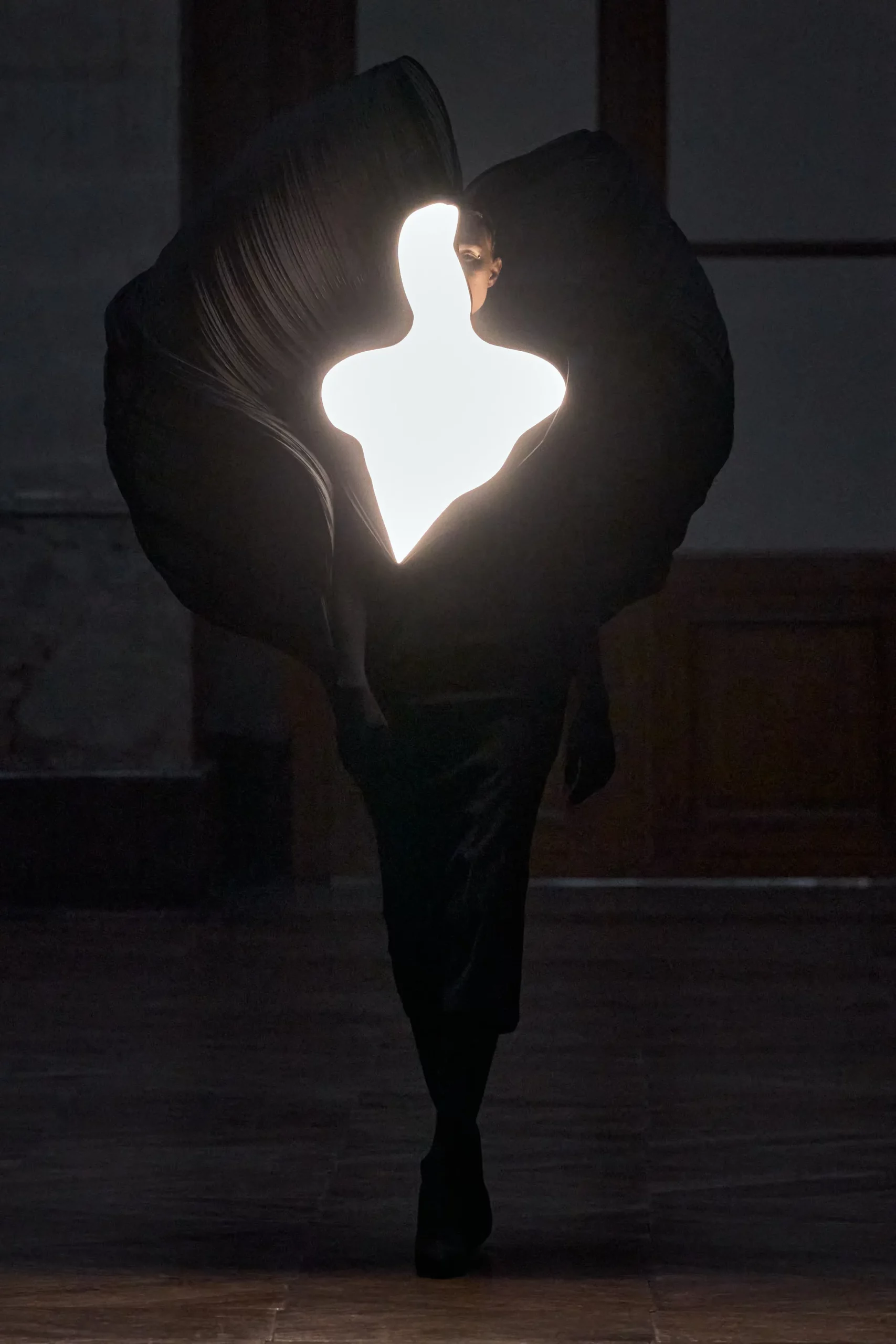
Couture Week (Instagram) doesn’t really operate on themes, but this season in Paris still felt unusually cohesive. Not because designers were chasing the same idea, but because many of them seemed to be adjusting their relationship to the category itself. Across the calendar, there was a noticeable pull towards lighter construction, clearer silhouettes, and clothes that didn’t rely on sheer excess to justify their existence. Even when collections leaned theatrical or symbolic, the work felt grounded in making rather than messaging. It was a week that rewarded attention to detail over instant impact.
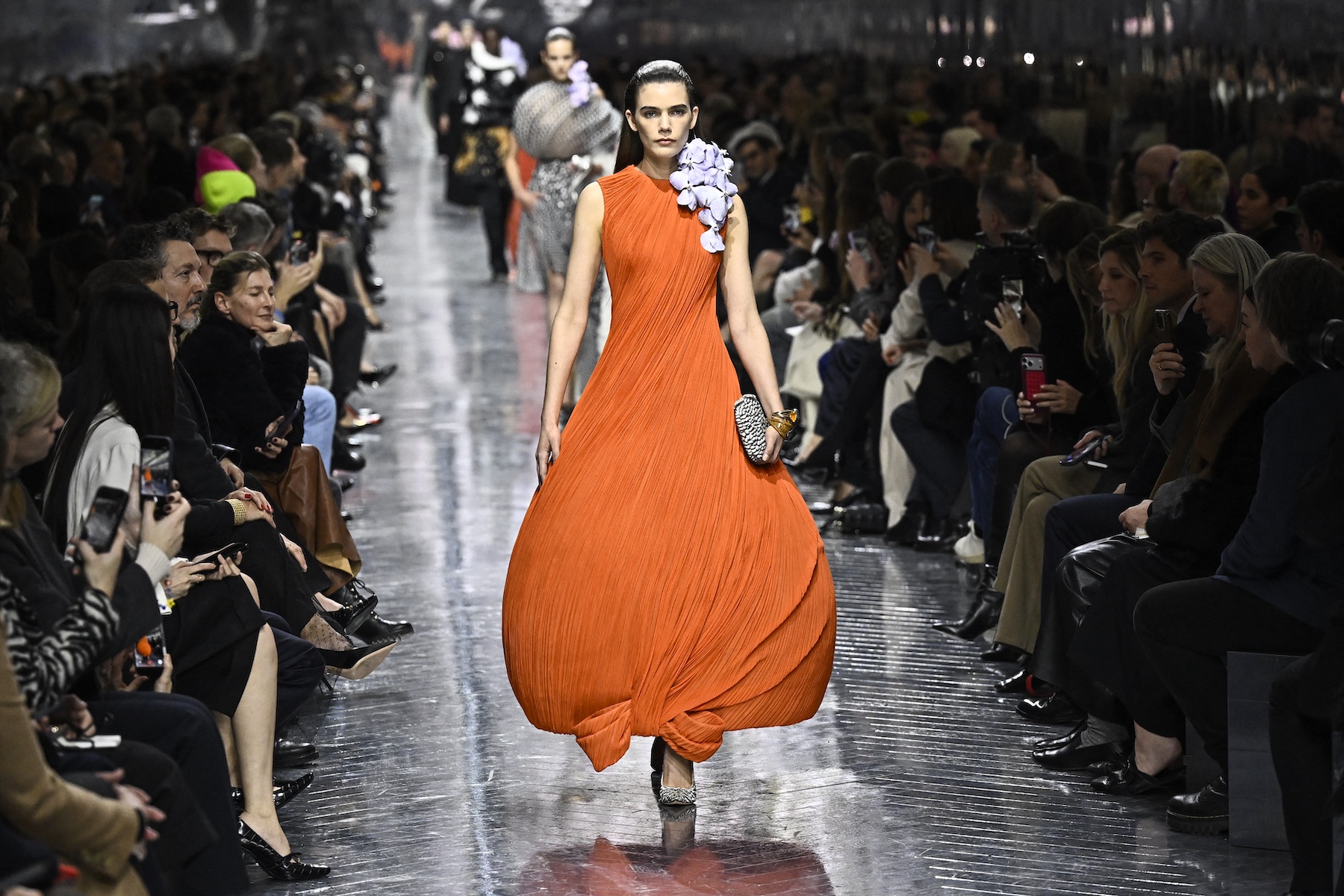
Christian Dior
Jonathan Anderson’s first haute couture collection for Dior was one of the most talked-about moments of the Week, marking a new chapter for the historic house. The collection balanced signature Dior drama – voluminous silhouettes, inspired by potter Magdalene Odundo and dramatic floral motifs – with surprisingly wearable elements like embroidered knits and coats. His vision drew from archives and personal memory, reinterpreting classic couture codes for a contemporary audience. Accessories, including sculptural pieces like a meteorite-inspired handbag, became focal points that blurred the lines between fashion and art. The afterparty buzz, heightened by Rihanna wearing a floral headpiece from the runway, reinforced the cultural resonance of the collection beyond the show itself.
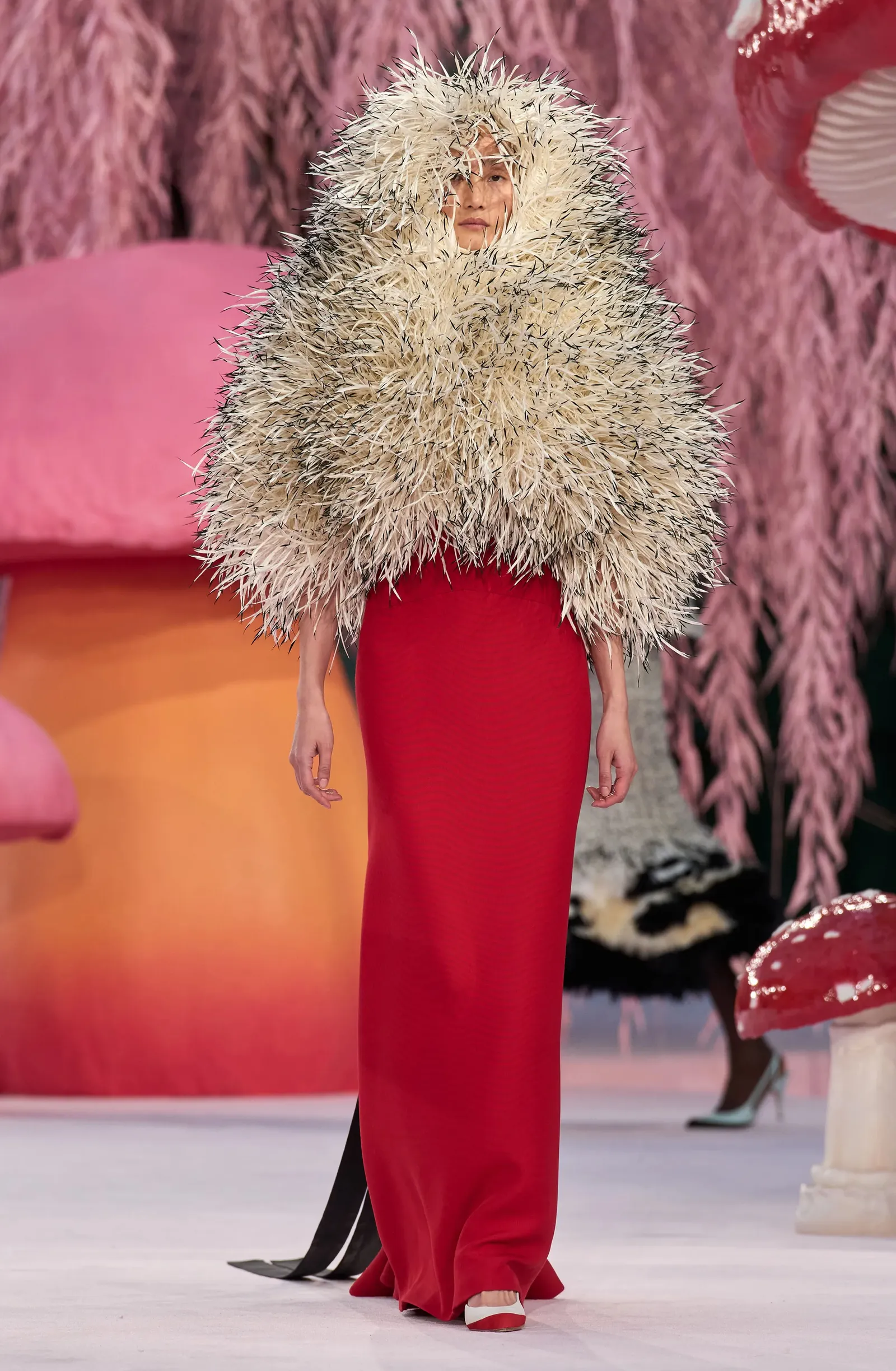
Chanel
Chanel’s show was highly anticipated as Matthieu Blazy’s couture debut, offering a softer, more intimate take on the house’s iconic codes. The collection leaned into feather-light organza, delicate tailoring, and transparency, showcasing a restraint that contrasted with historical maximalism but felt deeply emotive and human. The balance between heritage tweeds and diaphanous modernity suggested that Chanel can evolve without losing its soul. Throughout the week, critics highlighted how the house used subtle details – lace, layered chiffon – to emphasize craftsmanship over spectacle. Overall, the show was interpreted as a gentle yet profound redefinition of Chanel couture’s emotional core.
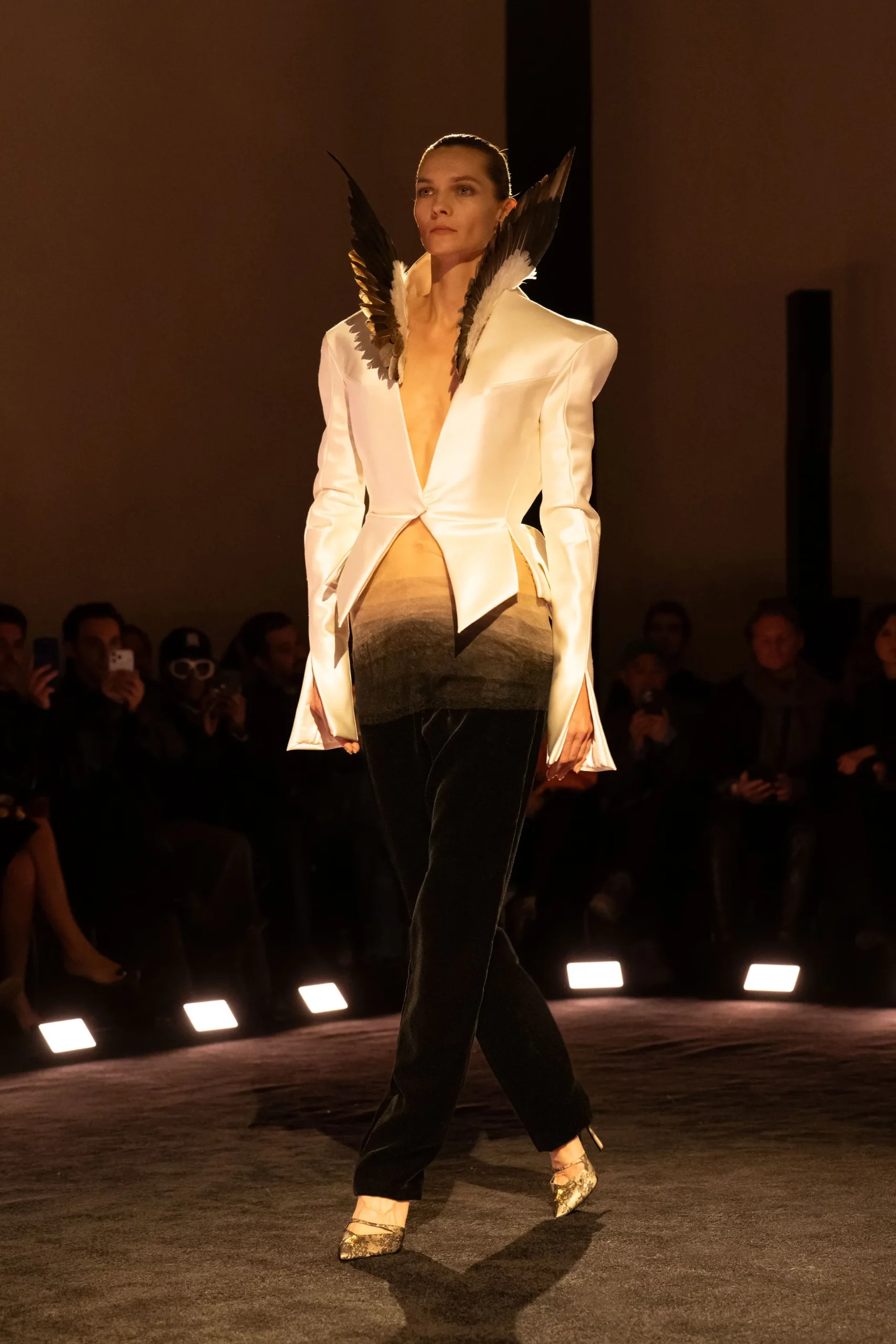
Schiaparelli
Schiaparelli, under Daniel Roseberry, delivered one of the week’s most theatrical and talked-about collections by reimagining the stolen Louvre crown jewels as oversized couture accessories. The show leaned hard into surrealism and storytelling, a throughline for the house since its founding, merging fashion with sculpture and performance. Pieces featured exaggerated jewels, dramatic headpieces, and dresses that functioned as wearable art, blurring the boundary between costume and couture. Schiaparelli’s presentation felt like a response to the wider cultural moment, using bold, symbolic references to make couture feel both mythic and urgent. The spectacle reaffirmed the house’s role as couture’s most imaginative provocateur.
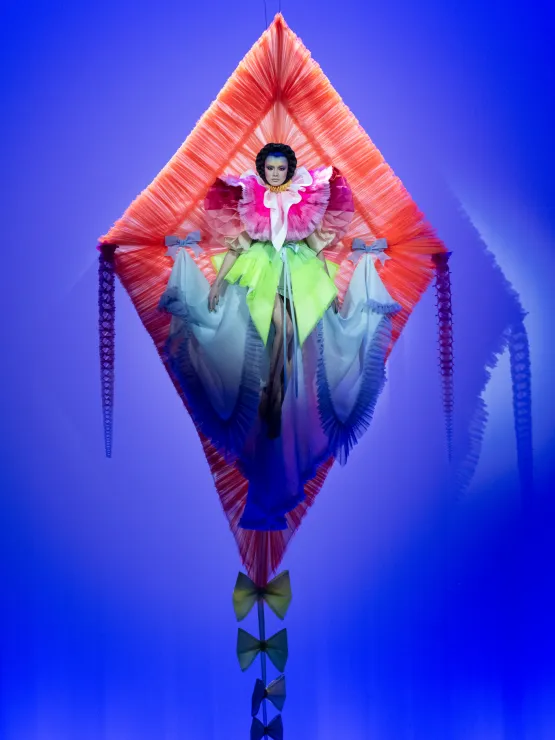
Viktor & Rolf
Viktor & Rolf continued their reputation for avant-garde, concept-driven couture, presenting pieces that felt as much like art installations as they did garments. Known for questioning what fashion can be, the Dutch duo often uses deliberate theatricality and surreal elements to challenge norms, a thread that remained visible at this Couture Week. Their work occupies a space between fashion and performance, sometimes trading immediate wearability for visual and intellectual impact. Whether through unexpected textures, playful proportions, or disruptive silhouettes, Viktor & Rolf’s collection presented designs that demand active interpretation. It’s the kind of show that keeps couture at the edge of its own possibility.
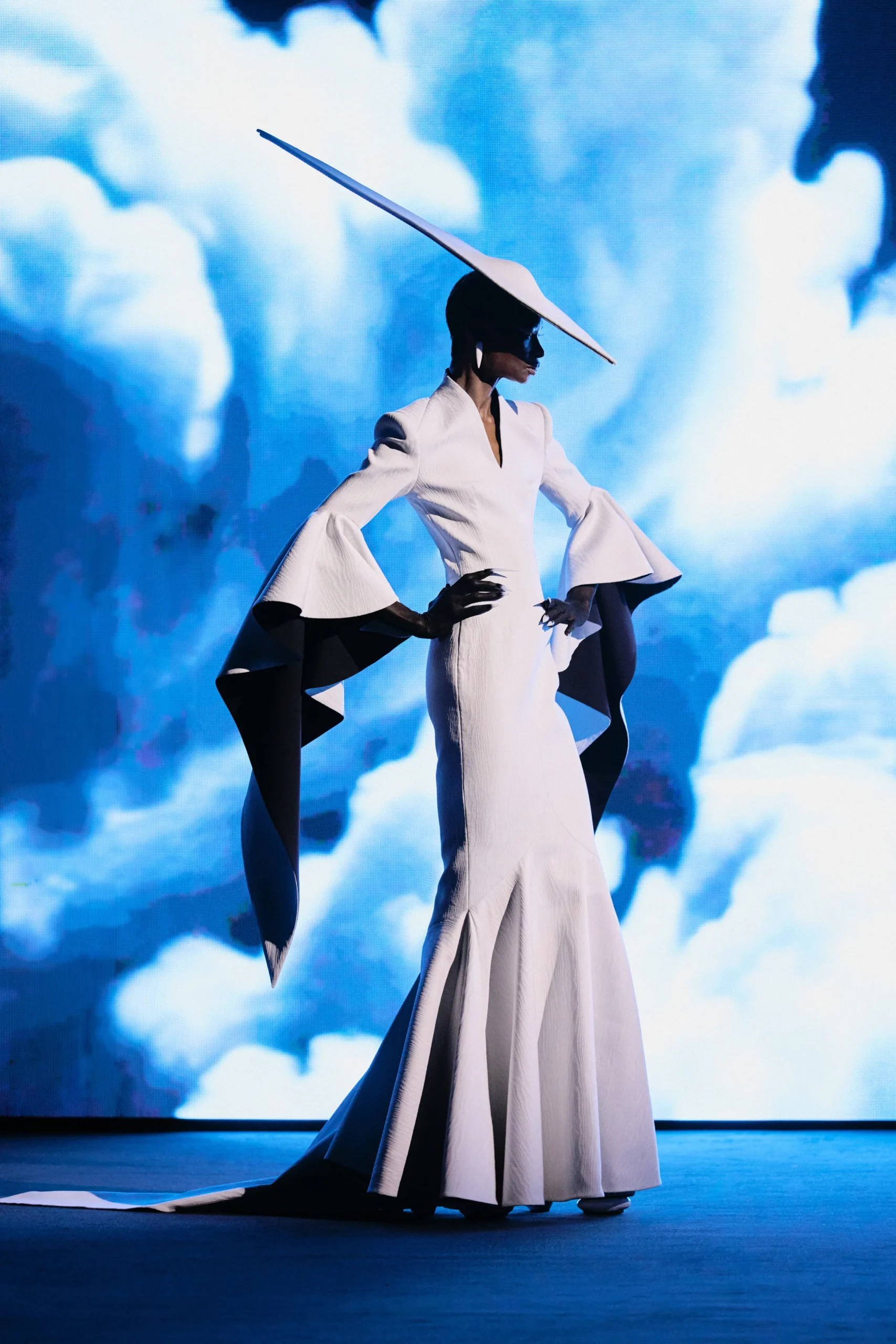
Robert Wun
Robert Wun’s Spring 2026 couture was described as otherworldly and elemental, with designs that referenced natural forces and cinematic spectacle. His runway created a sense of fashion as performance, with surface treatments and silhouettes that seemed to echo atmospheric phenomena like storms or winds. The collection balanced couture’s traditional handcraft with a futuristic, almost sci-fi sensibility, positioning garments as armour and art simultaneously. Wun’s presentation stood out for its visceral energy and immersion, transforming couture into a broader emotional experience rather than just a showcase of technique. This sort of narrative-driven couture is helping define the new generation of independent voices in the Paris calendar.
Rahul Mishra
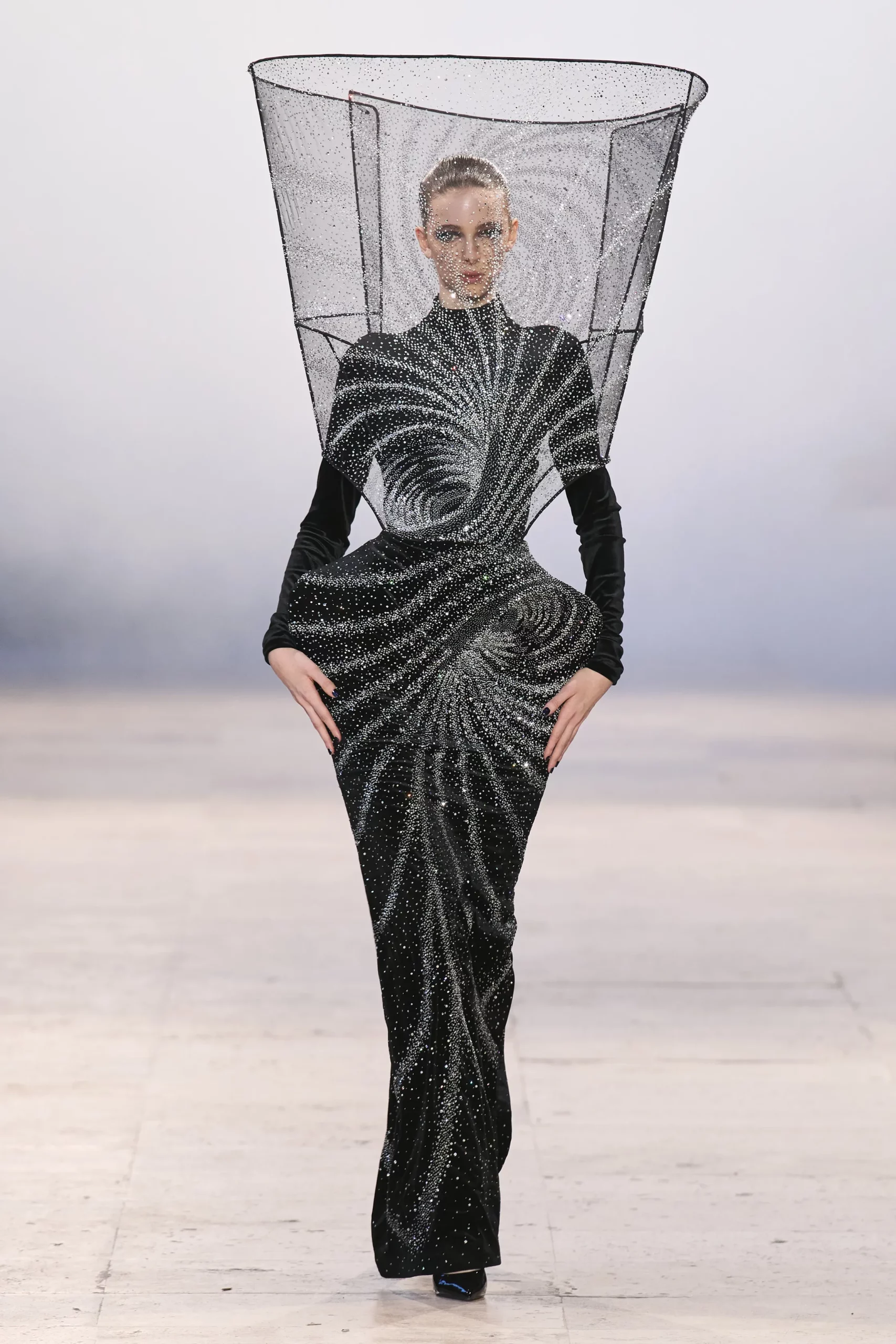
Rahul Mishra’s couture show, titled Alchemy, was deeply rooted in storytelling and nature, drawing inspiration from the five elements (Panchabhuta), water, fire, earth, air, and space, and translating these into sculptural couture. The collection wove together philosophical concepts, traditional handwork, and intensely detailed embroidery, evidencing thousands of hours of atelier craft. Mishra’s voice in couture remains both cerebral and poetic, using narrative as the structural underpinning of his designs rather than ornamentation alone. His silhouettes often felt like metaphors in fabric, exploring elemental energy and movement with a tactile finesse that made his work emotionally resonant. The show also drew attention for integrating bold colour and dynamic forms while remaining rooted in artisanal discipline
Zuhair Murad
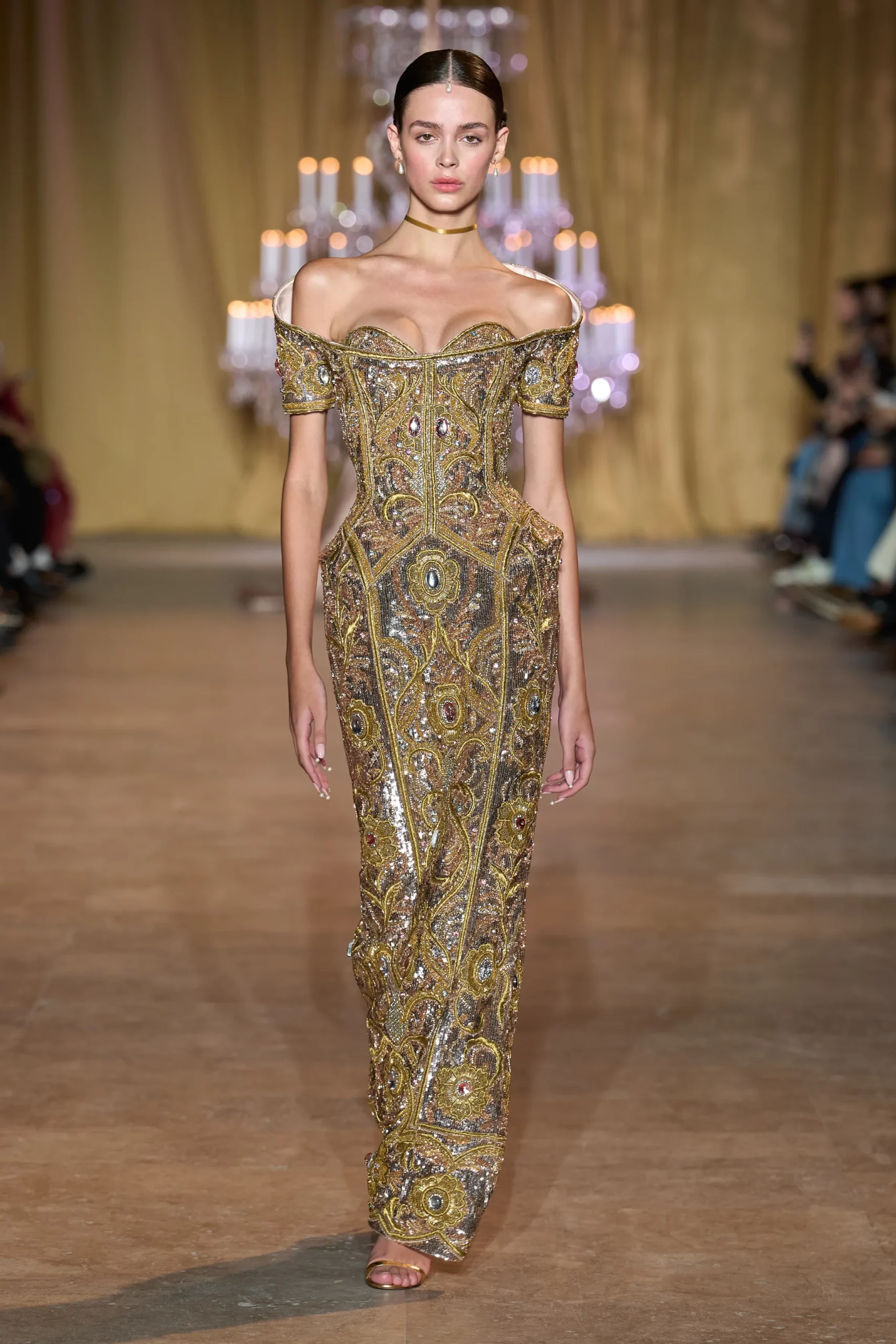
Zuhair Murad reaffirmed his reputation for opulent glamour with a Spring/Summer 2026 couture collection defined by architectural silhouettes and richly embellished surfaces. His runway leaned into dense beadwork, metallic embroidery, and figure-contouring shapes that spoke to both classic couture luxury and a sculptural modernity. While many houses this season leaned toward restraint and airiness, Murad doubled down on control and dramatic lines, crafting gowns that felt unapologetically lavish yet meticulously constructed, a kind of old-world glamour with contemporary precision. The presence of high-profile guests like Lady Amelia and Lady Eliza Spencer in bold, ‘80s-inspired pieces underscored the brand’s continuing pull on fashion’s social scene. His work this season offered a contrast to the softer palettes elsewhere, reminding the couture calendar that glamour still thrives in structural intensity.
Gaurav Gupta
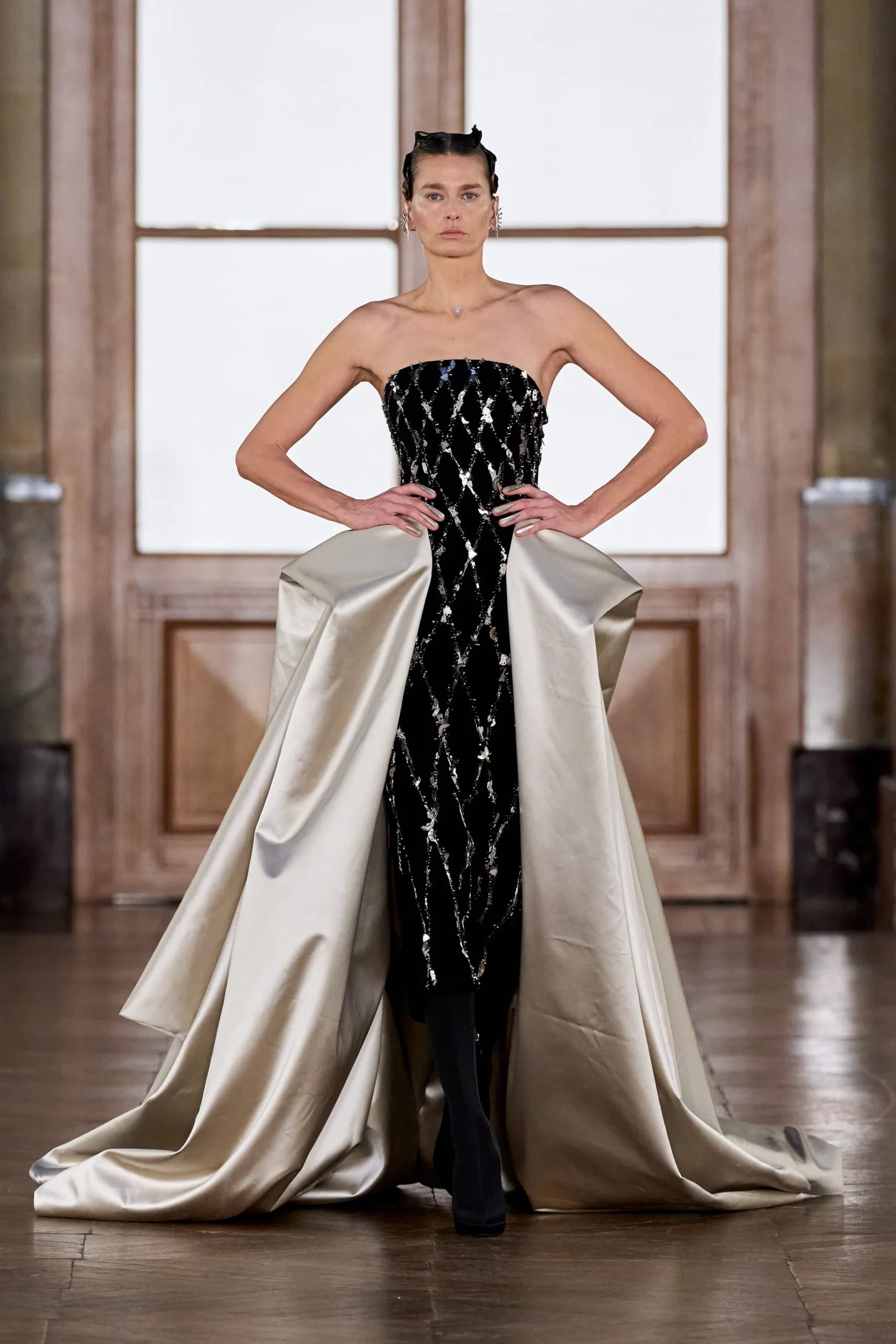
Gaurav Gupta’s Spring/Summer 2026 couture showed at Paris Couture Week was widely interpreted as one of the most conceptually ambitious presentations of the season, weaving philosophy, personal narrative, and sculptural design into a cohesive whole. Titled around ideas like The Theory of Everything and The Divine Androgyne, the collection blurred boundaries between fashion, identity, and metaphysics with looks that felt as much intellectual exploration as couture craftsmanship. His signature silhouettes, fluid yet sharply defined, carried cosmic references and otherworldly energy, making garments feel like embodiments of ideas rather than mere clothes. Critics noted how Gupta turned couture into a symbolic language of unity and evolution, balancing technical mastery with emotional resonance. In the context of a week where many houses embraced restraint, Gupta’s work stood out for its philosophical depth and visual impact.
What stood out most across the Spring/Summer 2026 couture shows wasn’t one dominant look or idea, but a shared understanding of where couture sits right now. Some houses refined and softened their codes, others pushed them into more extreme or conceptual territory, but very few felt performative for the sake of it. The strongest collections trusted the work itself, the cut, the hours, the decisions, to do the talking.
For more stories of fashion from around the world, visit our dedicated archives and follow us on Instagram.