From Cairo apartments to London dorms, the scene at iftar is always the same. There is the weight of a single date, the initial bite, and then the cool rush of water. That hit of sugar always beats the thirst to the punch, a familiar jolt, before the thirst even fades. It’s as if the body recognizes the moment long before the mind catches up.
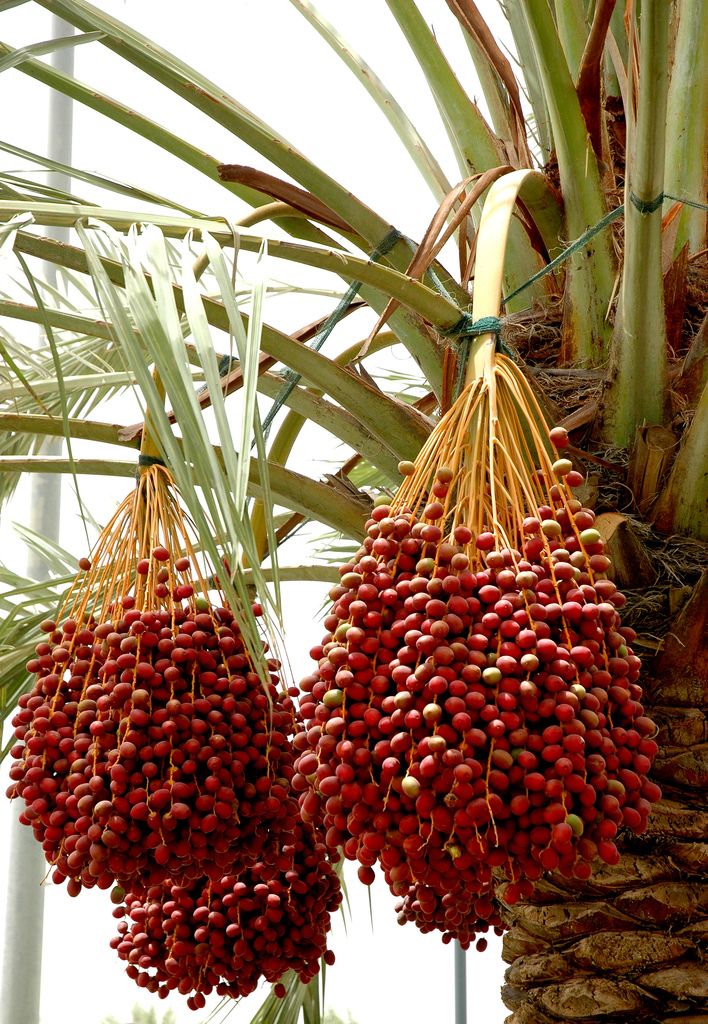
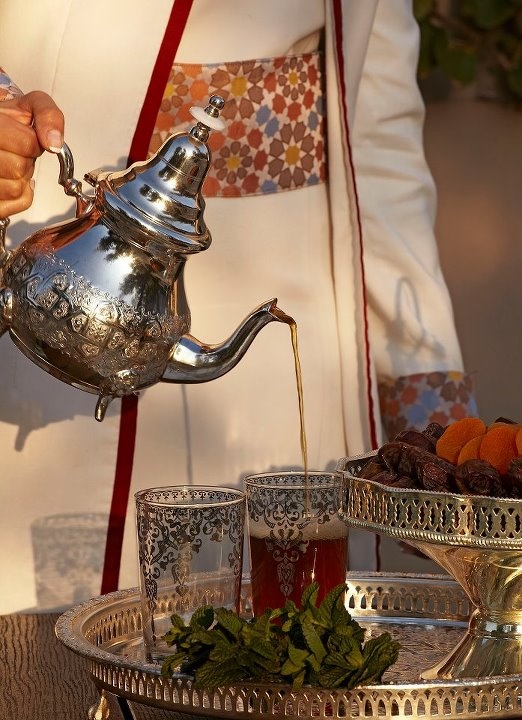
Long before the adhan, the dates take their place at the centre of the table. They’re the subject of careful debate in supermarket aisles, whether to go with the dark, pressed sweetness of Ajwa, the meaty Medjool, or the honeyed crunch of Sukkari. Some arrive in ornate gift boxes, others are hand-stuffed with almonds or glazed in chocolate, but many are left exactly as they are. Every kitchen has its favourite; every grandmother has her own way of presenting them.
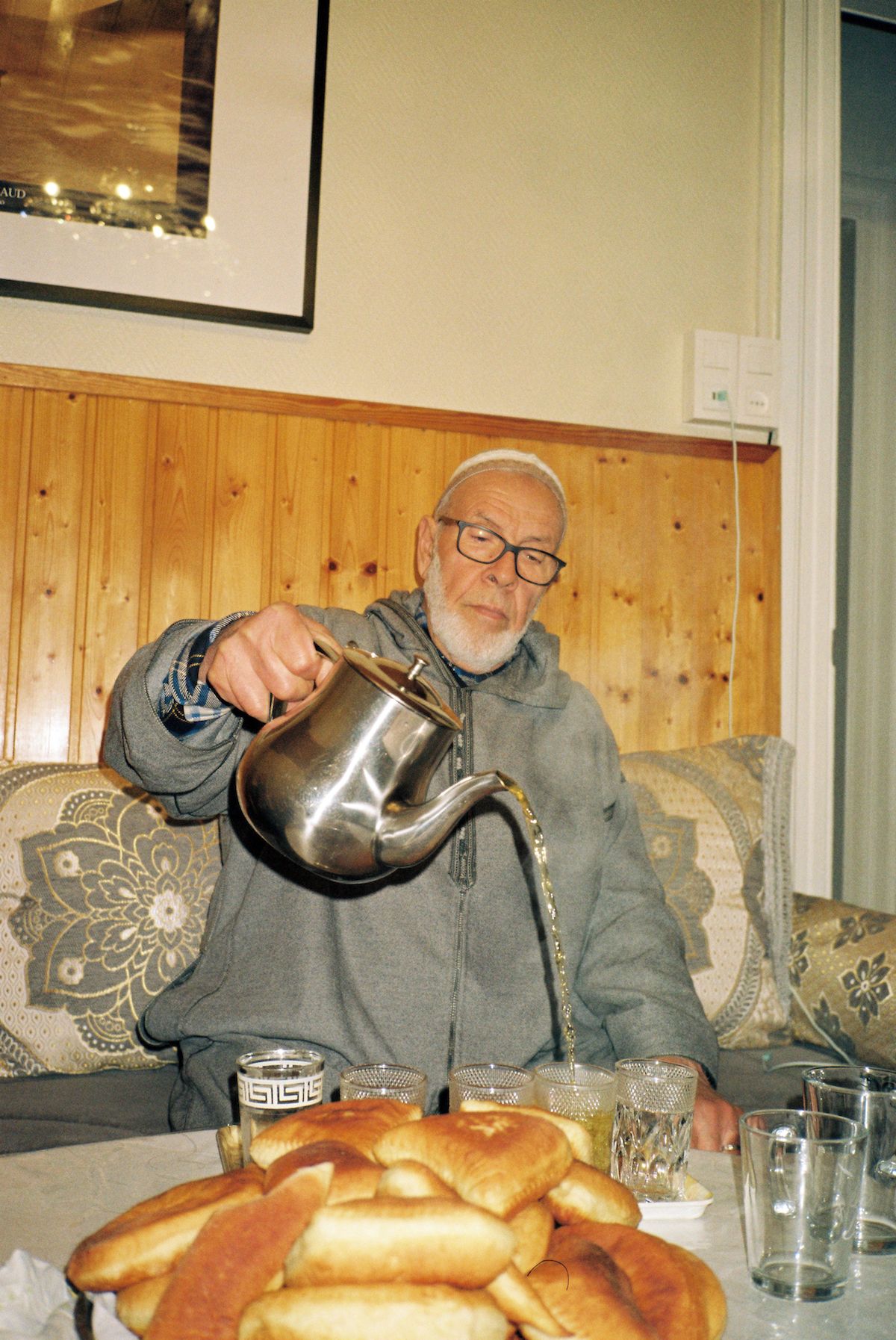
The tradition follows the path set by the Prophet Muhammad, who favoured fresh dates to break his fast, or water in their absence. More than just a practical way to eat, it’s an act of continuity; for 1,400 years, that simple order has stayed exactly the same: the date comes first, then the water follows.
There’s a science to that first bite, the way the sugar moves quickly to steady the body. Yet, the feeling is entirely emotional. It’s the taste of the finish line, the sweetness that says the first real signal that the wait is over. You made it. Maghrib is here. Eating the same fruit that has been used for centuries makes time feel thin, connecting you to the past and to those no longer at the table, and acting as a small, sweet anchor in a world that is always changing.
Post-iftar, in Egypt, tamr bel laban lands softly on the palate, dates suspended in cold milk, simple and cooling. Across the Gulf, they arrive as small luxuries, stuffed with nuts or scented with saffron, while in the Levant, qamar el-din practically glows on the table, its thick apricot nectar anchoring sweetness with sweetness. Then there are the drinks that only seem to exist in Ramadan’s vocabulary: the dark, sharp pull of tamarind, the milky comfort of sobia, and jallab with pine nuts bobbing on the surface.
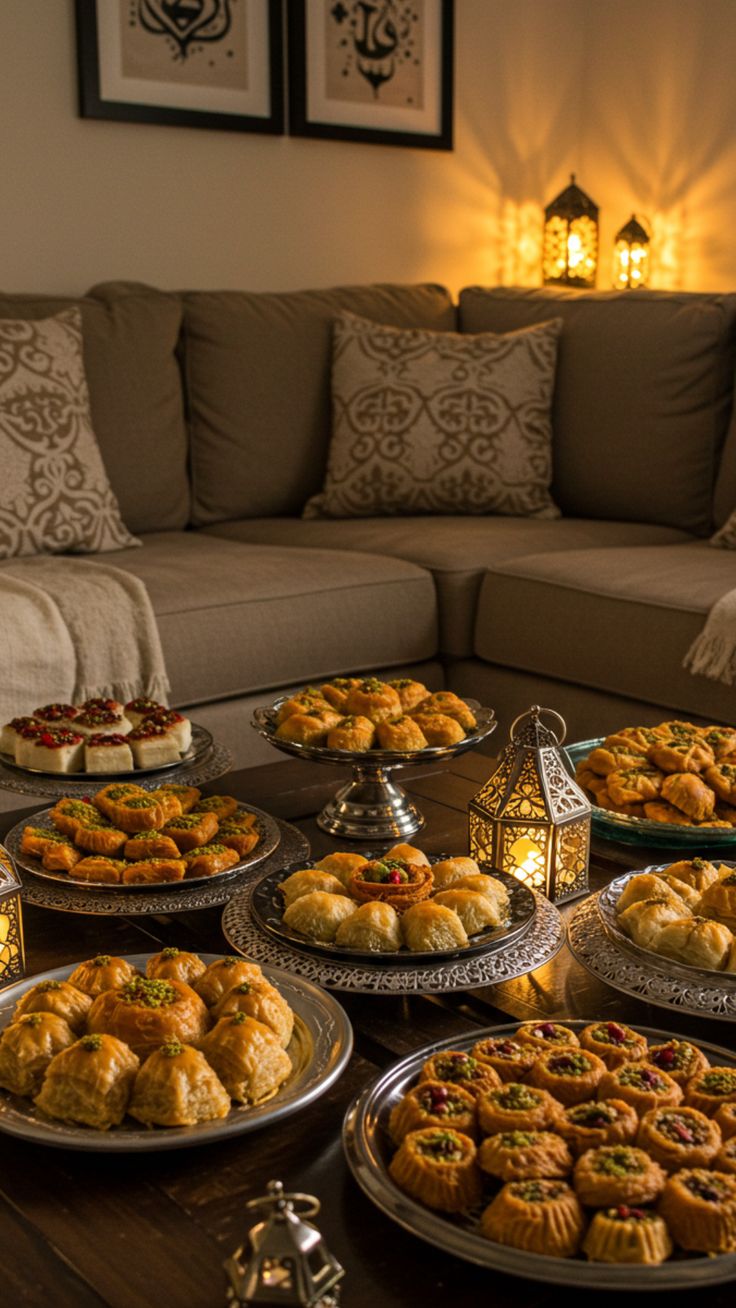
Of course, there is the theatre of the desserts. Konafa in its endless incarnations, topped with mango or dusted in pistachio and lotus, and qatayef folded like golden secrets. In cities like Cairo and Riyadh, dessert shops like B Laban have turned dessert into a spectacle of “sugar theatre,” creating oversized mashups designed for the camera as much as the appetite. There’s a bit of irony in this: a month meant to discipline our shahawatna has become a season of culinary maximalism. We find ourselves at a crossroads between the cultural joy of the feast and the prophetic model of moderation. Perhaps the true balance lies in celebrating the abundance without losing the discipline that makes that very first sip of water sacred.
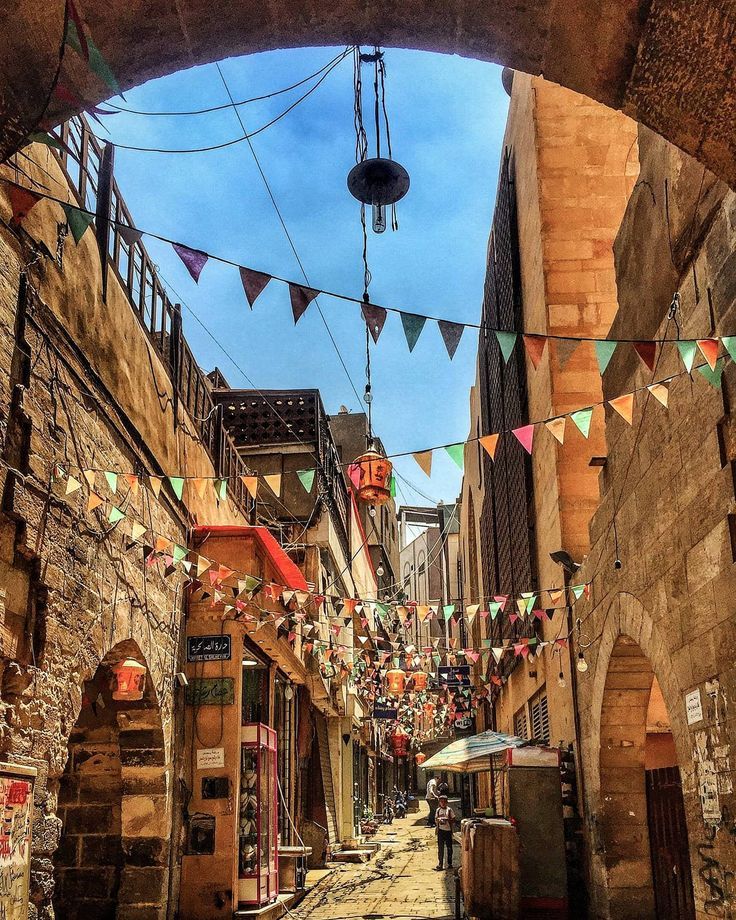
Ramaan also rewires the clock. While the modern world sells slow living as an individual luxury, sunrise journals and curated quiet, Ramadan enforces it on a massive scale. Across the Arab world, the entire machinery of life shifts: work hours contract, cafés flip their schedules, and the nights stretch into long, drifting hours of tahajoud and tarawih prayer. You feel it in the frantic rhythm of the supermarket, that relentless, high-speed beeping of scanners at 4:30 PM. Then comes 5:30 PM, where the commute turns into a real-life game of Crazy Taxi, a desperate, collective sprint to get home before the adhan calls everyone to a halt.
The city moves with you. You feel it in the hollowed-out office buildings at mid-afternoon and that heavy, synchronized hush just before the adhan. Even for the less religious (or the non-Muslim), there is a rare power in that alignment, the knowledge that hunger is shared, and the waiting is communal.
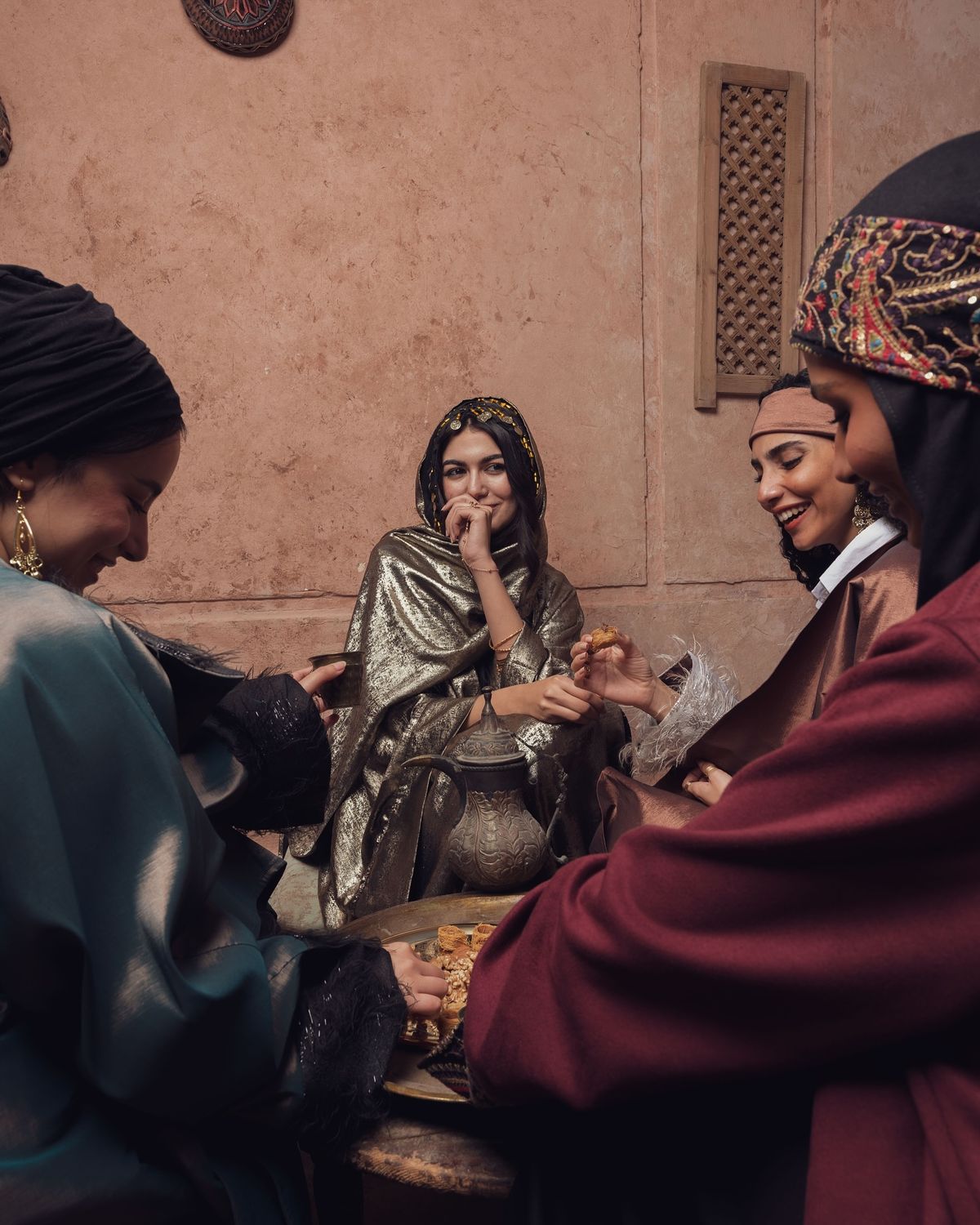
Then there is the lammet el-iftar, the tables that seem to stretch of their own accord. You’re pulling extra chairs from other rooms, and the air fills with the hum of overlapping voices. It’s the aunt who won’t take “no” for an answer and the neighbour who sends over a plate “just in case.” The date passes from hand to hand. After Maghrib, the night opens up again, taraweeh prayers, crowded streets, and gathering with friends for suhoor that have been postponed for months.
The “big family iftar” isn’t everyone’s reality. For many, Ramadan is spent in the gaps, those navigating distance, estrangement, or simple logistics. It’s a fast broken between errands or classes, yet the sequence never wavers. The ritual is stubborn, it survives on a dorm room floor or in the front seat of a car. Date. Then water. Even if it’s done out of habit more than anything, that muscle memory connects you to something larger.
Ramadan is about interrupting your own reflexes. It’s an intentional break in the cycle of shahawat, those constant pulls toward food, ego, or irritation. In that gap between the impulse and the act, the nafs finds its footing. You notice how often you reach, for fast food as comfort, for snapping at your parents, for ego, for our preoccupation with an outward image designed for the male gaze. By denying the body, you’re actually training the soul to pause before it reacts.
That’s where thabat el-nafs, steadiness, really happens. It’s found in the moments you choose to lower your gaze or keep a calm tongue when pride wants to flare up. It’s a reminder that patience is a muscle you have to build. You are fasting from the urge to judge, from the reflex to complain, and from the distractions we usually use to avoid ourselves. It is a total withdrawal, an intentional retreat from everything that keeps the soul cluttered.
When you remove the rhythm of constant grazing and the autopilot of daily life, what’s left becomes impossible to ignore. It’s about what happens when you have no casual coffee to punctuate the morning, or the mindless reach for a snack when we’re anxious. It forces a different kind of awareness. Without the autopilot of routine and as the physical world recedes, everything internal becomes louder.
Emotions feel raw, closer to the skin. You might find yourself more on edge, more fragile or more reflective, replaying old conversations or feeling the weight of a long-held grief. It’s not that you are weaker; it’s that you are more exposed. Hunger has a way of humbling us, thinning the barrier between the self and the soul. In the space where food and distraction used to be, something else rises. It’s a month of profound confrontation, asking us to look at our habits and our hearts without the comfort of diversions.
Ramadan moves empathy out of the mind and into the body. You can’t intellectualize the struggle of the hungry when your own throat is dry and your own stomach is tight. It’s no longer a distant cause or a statistic; it is a physical reality that sits with you all afternoon. This is the heart of the fast, reminding us that for millions, this isn’t a thirty-day choice with a guaranteed feast at the end. It is a humbling of the ego that says: I am no different from the man who has nothing.
We speak of the beauty of the fast, but we must also speak of its complexity. For those with a history of disordered eating and body dysmorphia, Ramadan can be a time of a silent struggle. The cycle of suhoor and iftar can echo the very patterns they are trying to break, making the communal table a place of anxiety. For these souls, faith is measured by the courage to choose health over habit. It is a reminder that the heart’s expansion has nothing to do with the body’s diminishment, and that sometimes, the most sacred fast is the one you break in order to heal.
We are taught that the hunger of Ramadan is meant to cultivate empathy and patience, not to validate self-punishment or fuel cycles of shame. There is often a pressing, heavy guilt that follows this month: guilt for eating too much, for eating too little, or for not being able to fast at all. But while the month asks us to master the nafs, it never asks us to cause ourselves harm. If the month becomes about the numbers on a scale or the fear of a plate, we miss the point: the goal is a softer heart, not a smaller body.
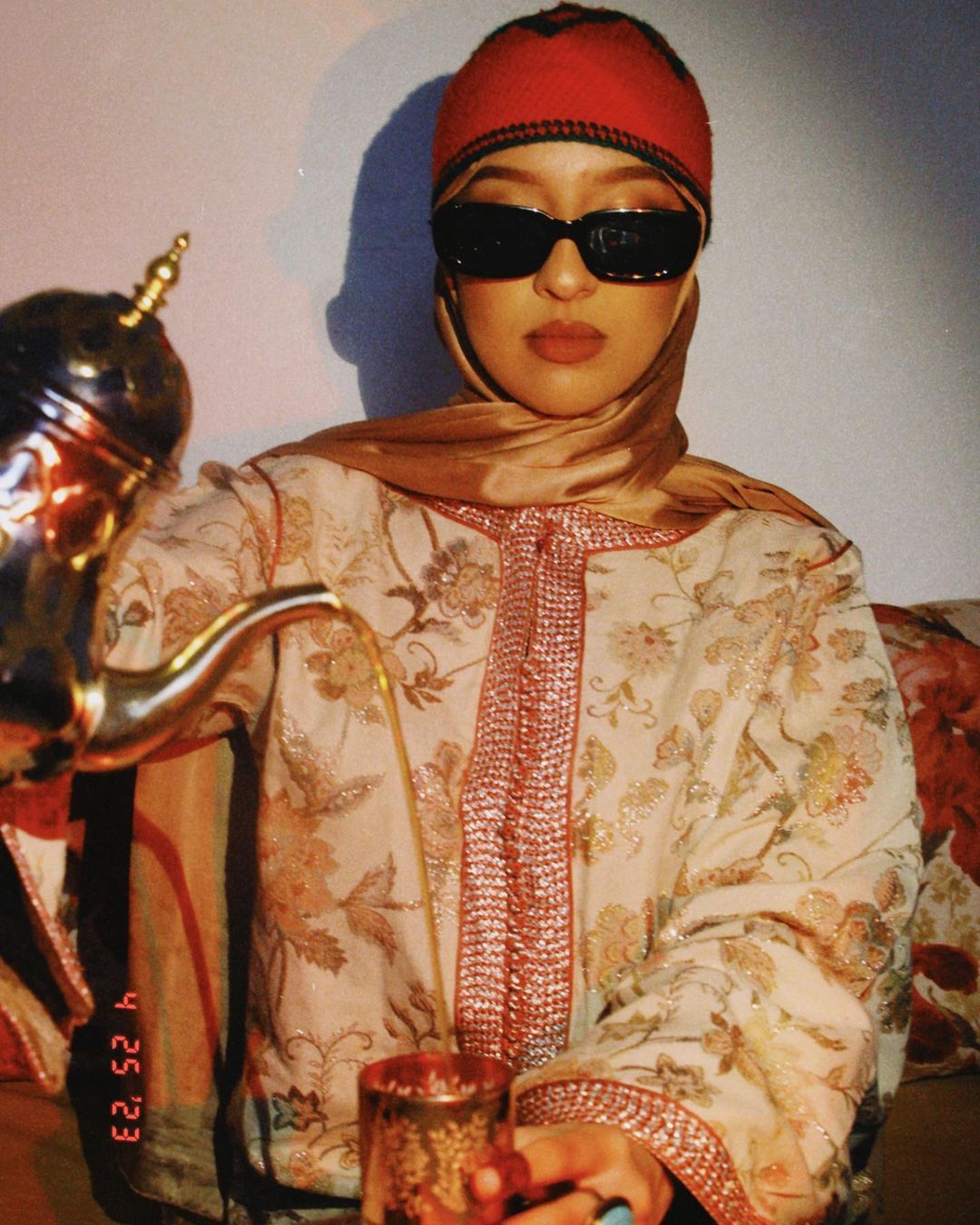
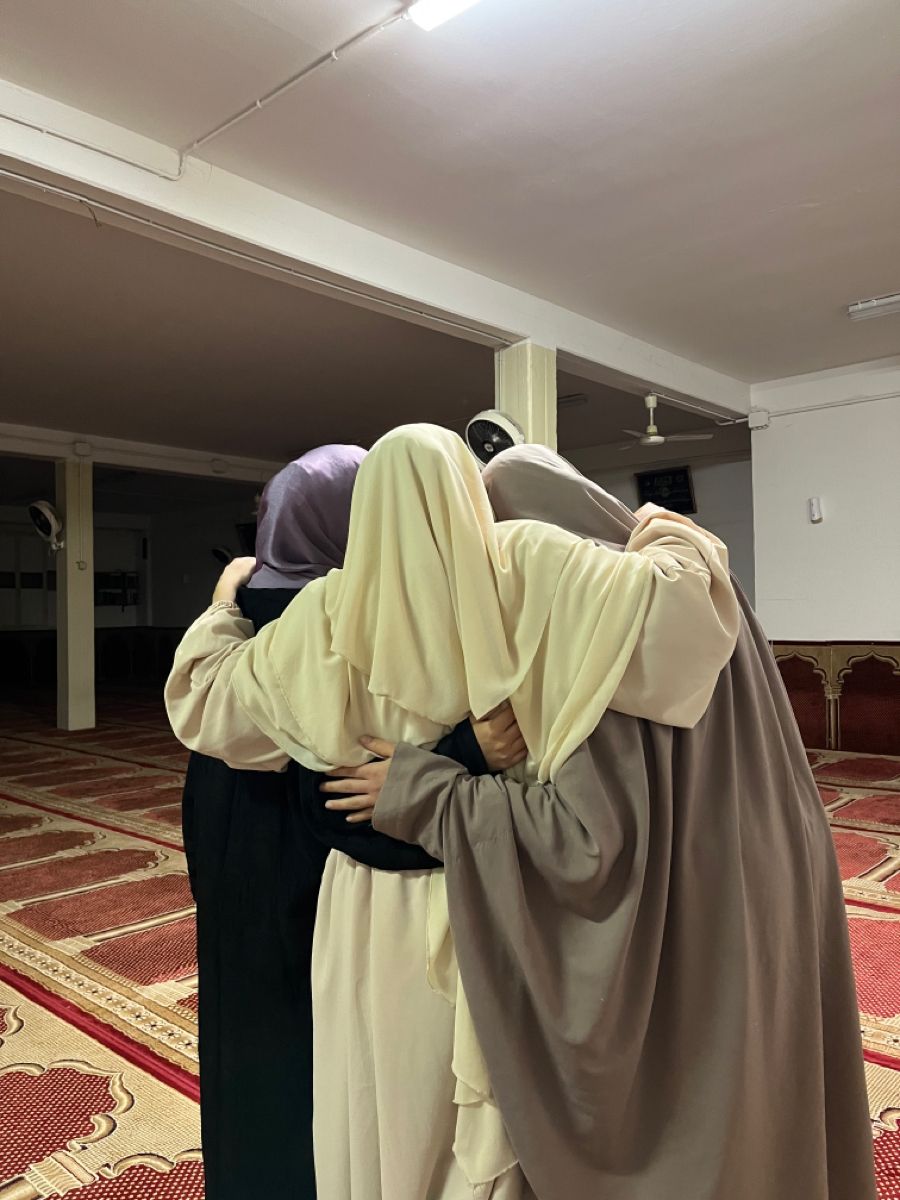
In its kind, communal ways, Ramadan reintroduces us to one another. You stand shoulder to shoulder in prayer, synchronized in motion and breath. There is a deep, regulating power in that alignment. In a world that pulls us in a thousand different directions, Ramadan simply gathers: it gathers our hunger, our restraint, and finally, it gathers us.
And it begins, as it always does, with a date before water.
For more stories of culture, visit our dedicated archives and follow us on Instagram.