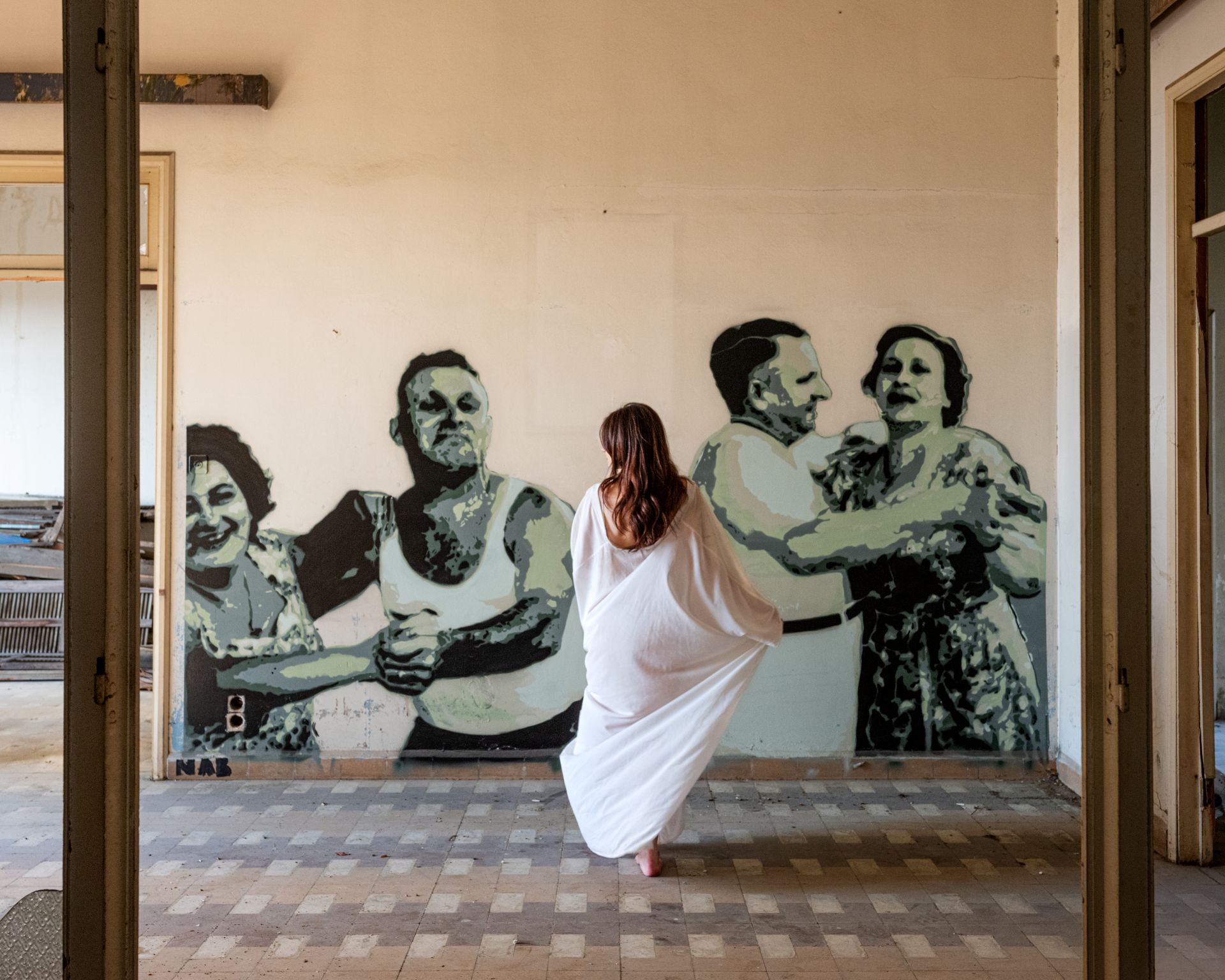
Across three decades, photographer Rania Matar has built a body of work that speaks to the quiet power of women’s lives. Her portraits are not mere observations but collaborations, shaped by trust and shared experience. Born and raised in Lebanon and now based in the United States, Matar has continually returned to themes of identity, belonging, and transformation. Her photographs offer a deeply personal yet universal narrative of what it means to live between worlds, to carry memories across borders, and to find beauty in resilience.
“I was trained as an architect,” Matar begins. “While I had taken many art classes during college, I seriously got into photography when I was pregnant with my fourth child. I wanted to make better pictures of my children, so I started taking workshops and fell in love with the craft, the darkroom, and the ability to tell a story through photography.”
Those first photographs of her children were both a creative experiment and an act of discovery. “I was a young mother with four kids, and life at home was very chaotic,” she recalls. “Photographing my kids taught me to see the beauty in the mundane, in the everyday.” That early experience set the tone for her career. Her lens became a tool not just for composition, but for connection.
After the attacks of September 11, 2001, Matar began taking photos in Lebanon. Living between the United States and the Middle East, she felt compelled to offer an alternative to the polarizing narratives dominating the news. “I wanted to tell a different story, to move away from the ‘them versus us’ rhetoric that was so prevalent,” she explains. “It felt [it was] important to portray our shared humanity. That moment was a turning point for me, and I am still working on that issue in different ways.”
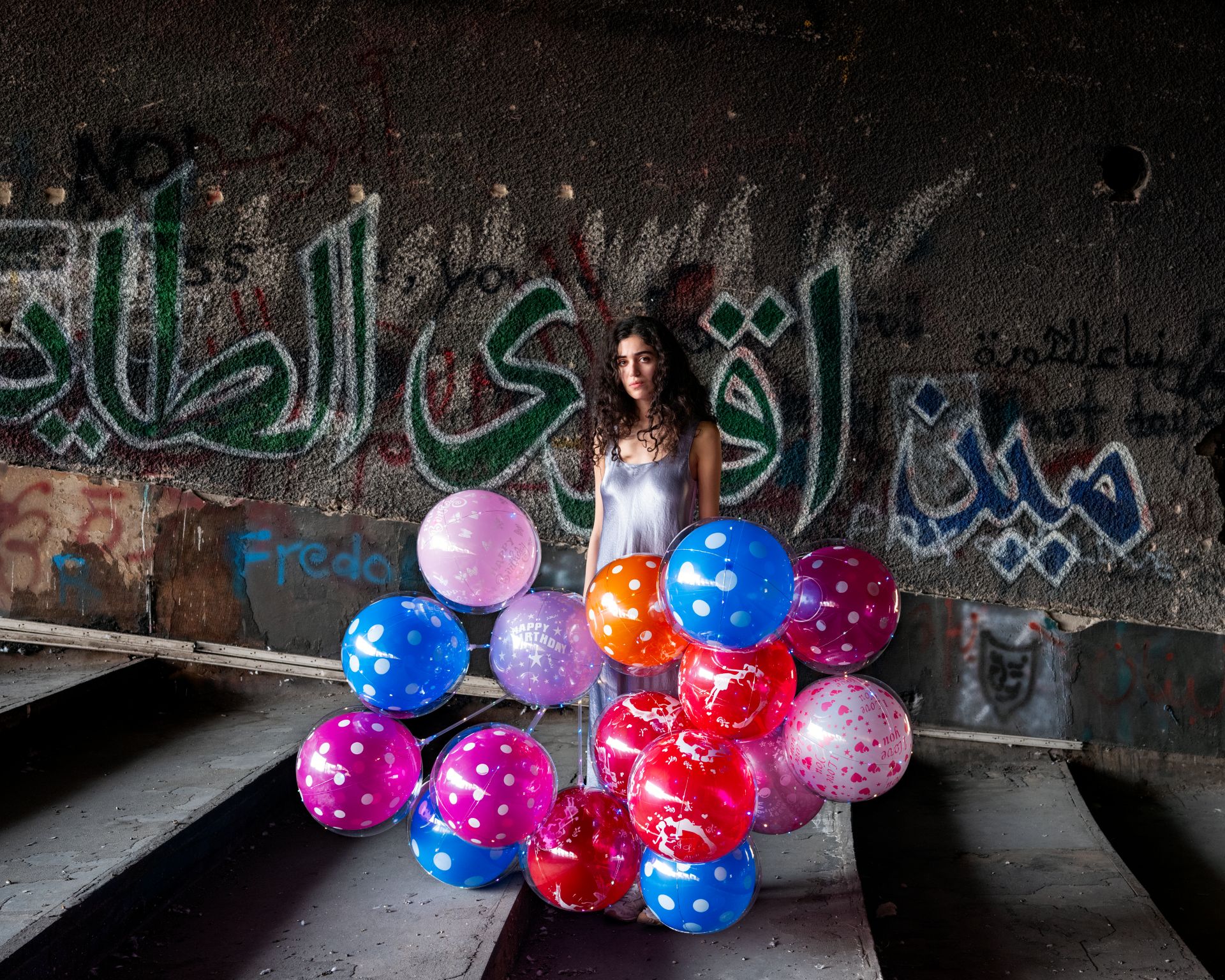
(What’s Stronger: Hunger or Sectarianism?)
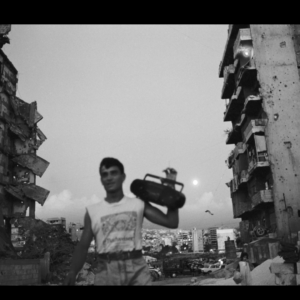
Her latest book, Where Do I Go?, continues that mission while also deepening it. The work was born in the aftermath of the Beirut Port explosion in 2020. Matar travelled to Lebanon intending to photograph the destruction, but what she encountered changed her course. “I found myself in awe of the women volunteering in so many powerful ways,” she says. “I found hope and inspiration in them and chose to focus on their majestic presence, creativity, strength, dignity, and resilience instead of on the destruction.”
This decision became the emotional foundation of Where Do I Go?, a project that honours women in Lebanon as symbols of endurance and grace. “I had always explored issues of personal and collective identity through images of female adolescence and womanhood, but this body of work became more personal,” Matar explains. “I saw my younger self in every one of these women. I left Lebanon at twenty, during the Civil War, to study in the United States. Many of these women are at that same juncture forty years later.”
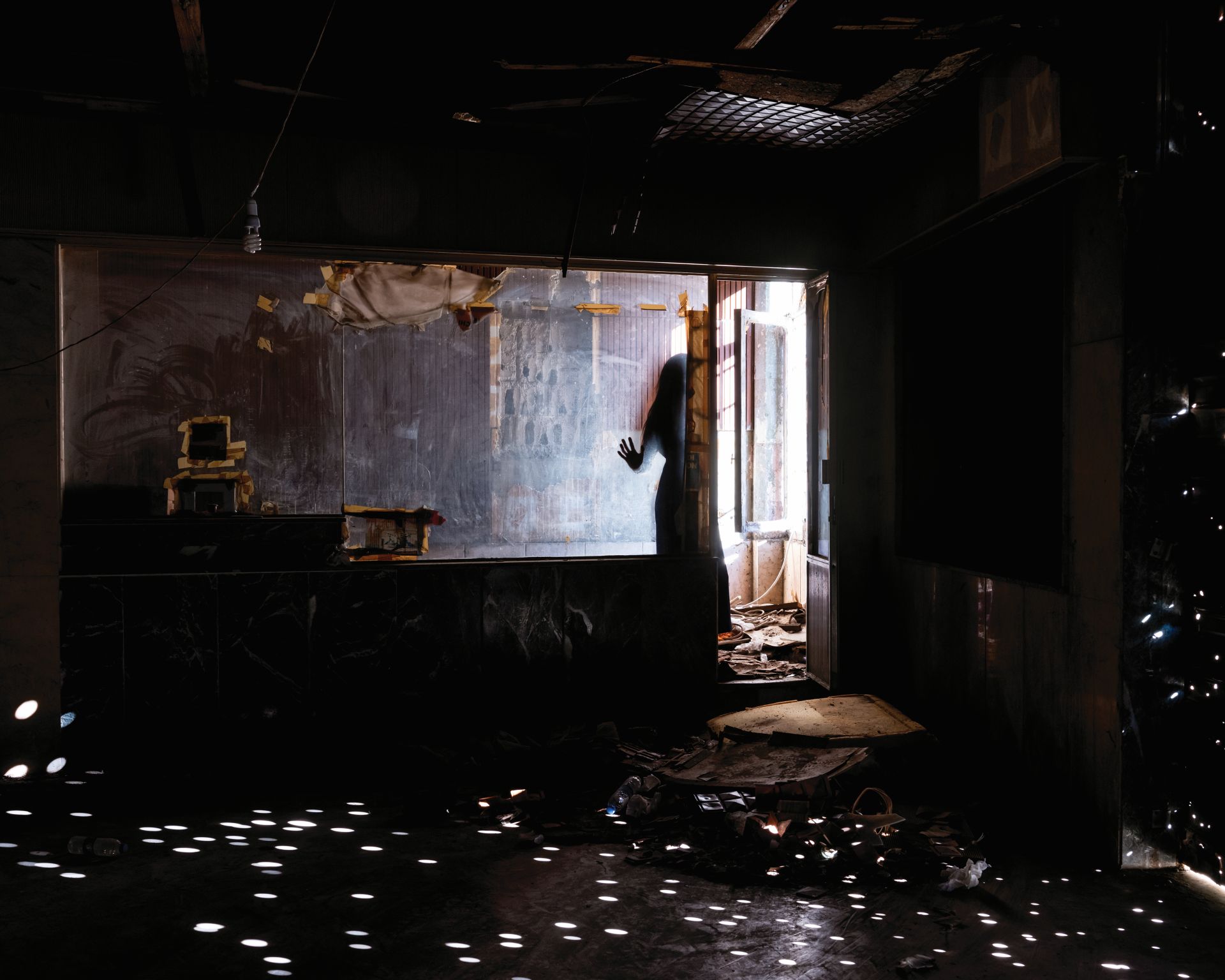
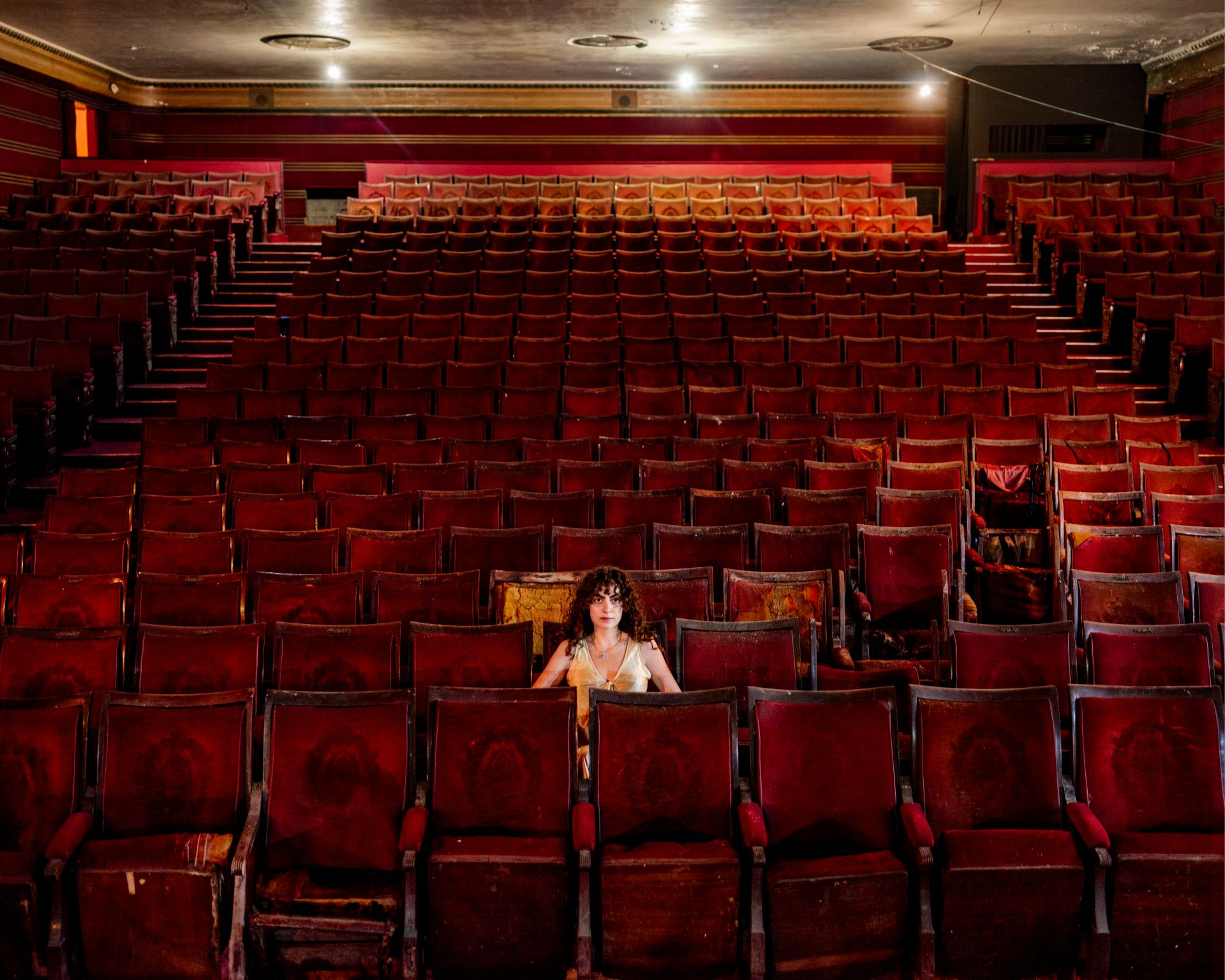
While her earlier book, SHE, placed women against vast natural backdrops, Where Do I Go? unfolds in Lebanon’s charged urban and emotional landscapes. Each image arises from dialogue. “Every photograph has a narrative,” she says. “Each woman and I brainstorm on choosing a location that best represents her relationship to Lebanon. Sometimes the conversation inspires [the choice of] a specific place. Other times, we select a site that carries collective memory from the Lebanese Civil War. Even the youngest women, who were not born then, carry its imprint.”
The collaboration is central to Matar’s practice. “The women have agency over the process and the selection of the location,” she says. “We make the pictures together, and we feed off each other’s energy. The photograph is about her, but it is also about me and my daughters. Something deeply personal emerges from every encounter.”
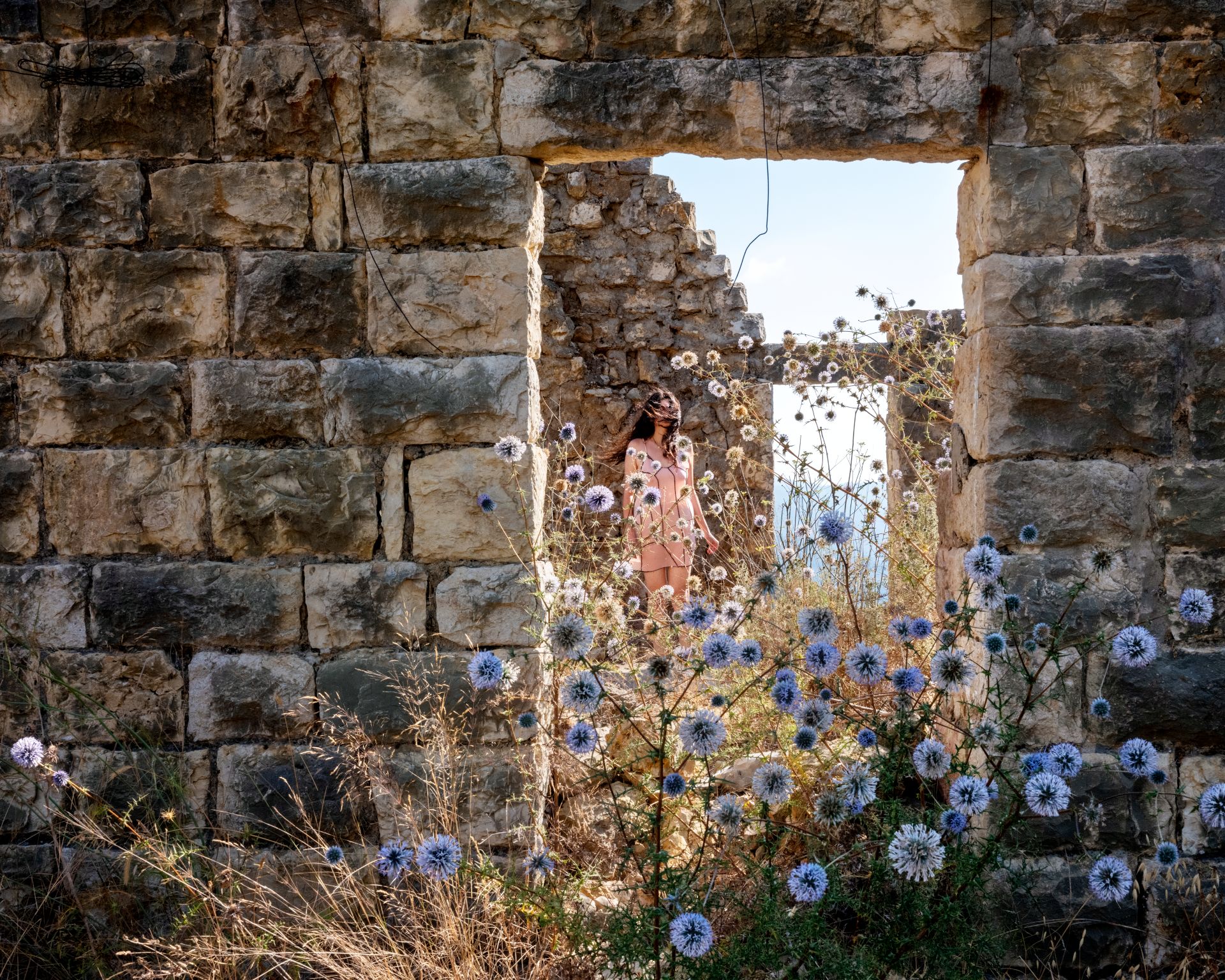
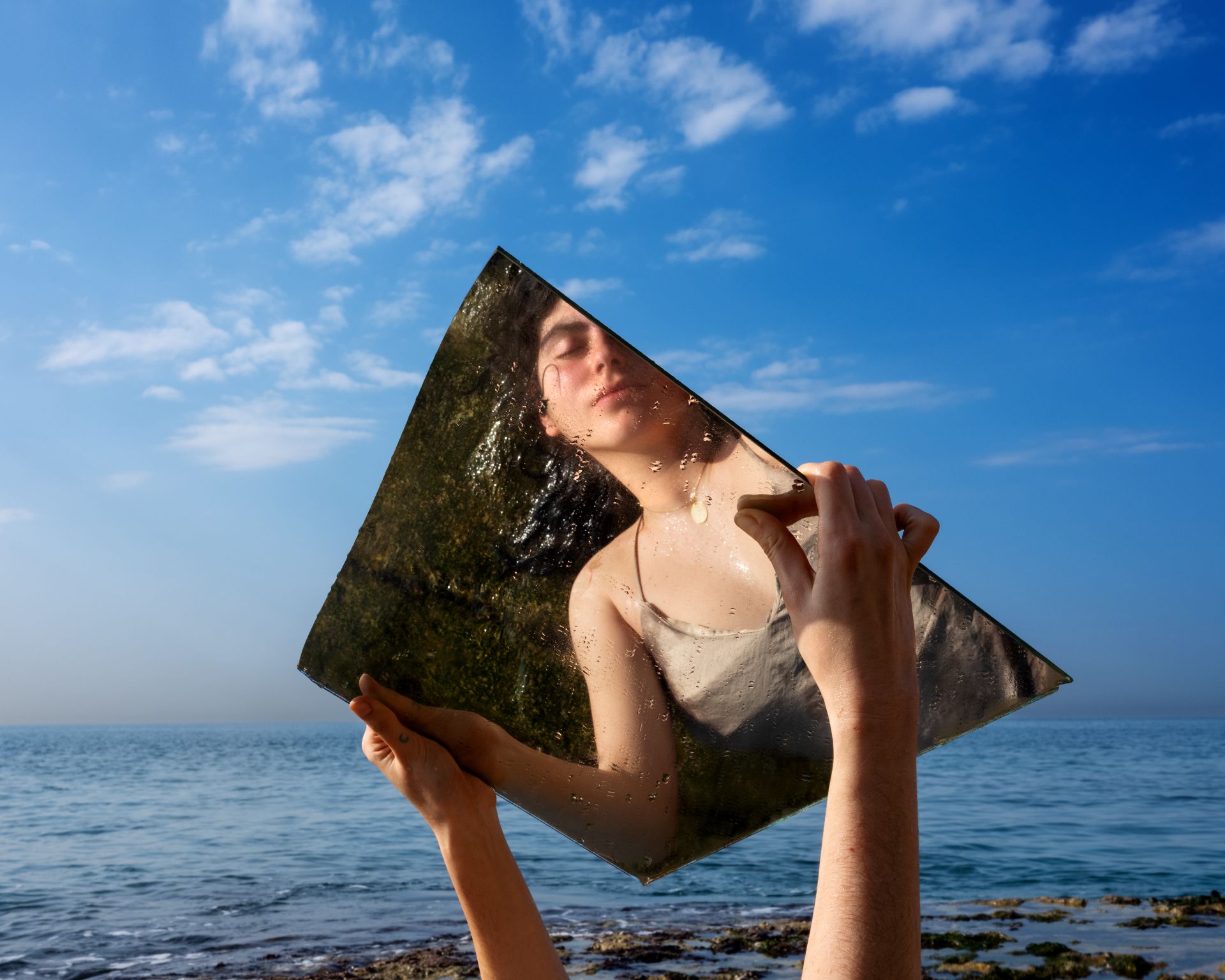
In Where Do I Go?, women climb on rocks, trespass into abandoned buildings, or immerse themselves in water. The gestures feel at once spontaneous and symbolic. “Like living in Lebanon, the process involves risk-taking,” Matar reflects. “It is part of who we are. It’s in our DNA.”
Throughout her work, the tension between vulnerability and defiance runs strong. “We are all both,” she says. “For women who have lived through wars, financial collapse, and disappointment, that duality becomes more visible. We love the country and want it to thrive, yet we live with the constant fear of another let-down. Still, there is always hope, pride, and the defiance of overcoming.”
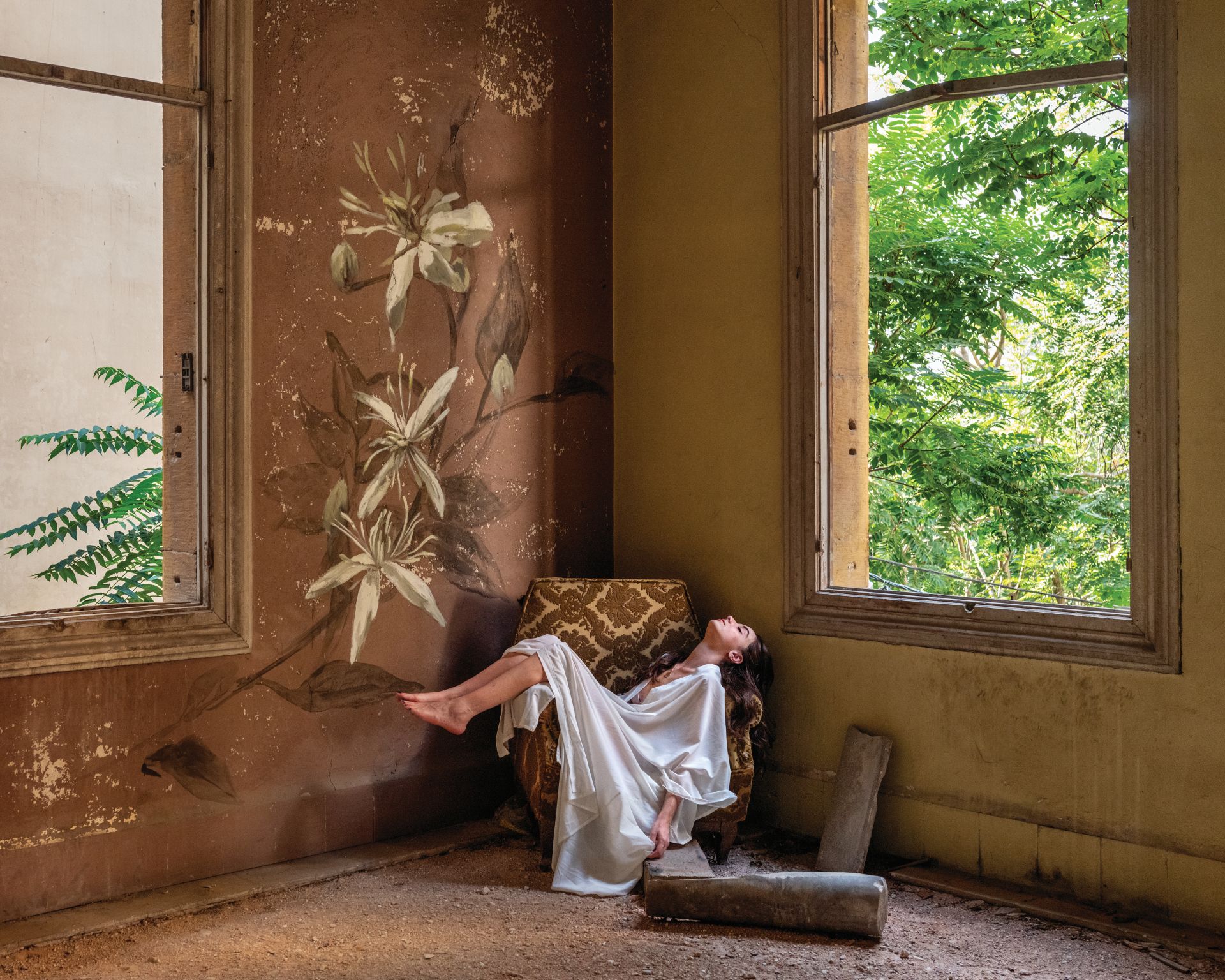
Matar’s earlier series, A Girl and Her Room, captured young women in the privacy of their bedrooms, intimate spaces that symbolized identity and self-discovery. In contrast SHE, and now Where Do I Go?, take women into open environments. “My work moved from the familial and domestic to the global,” she says. “In SHE, women were out in the world, confronting new spaces. In Lebanon, the landscape is layered with history, beauty, and scars. Women, land, and architecture are intertwined.”
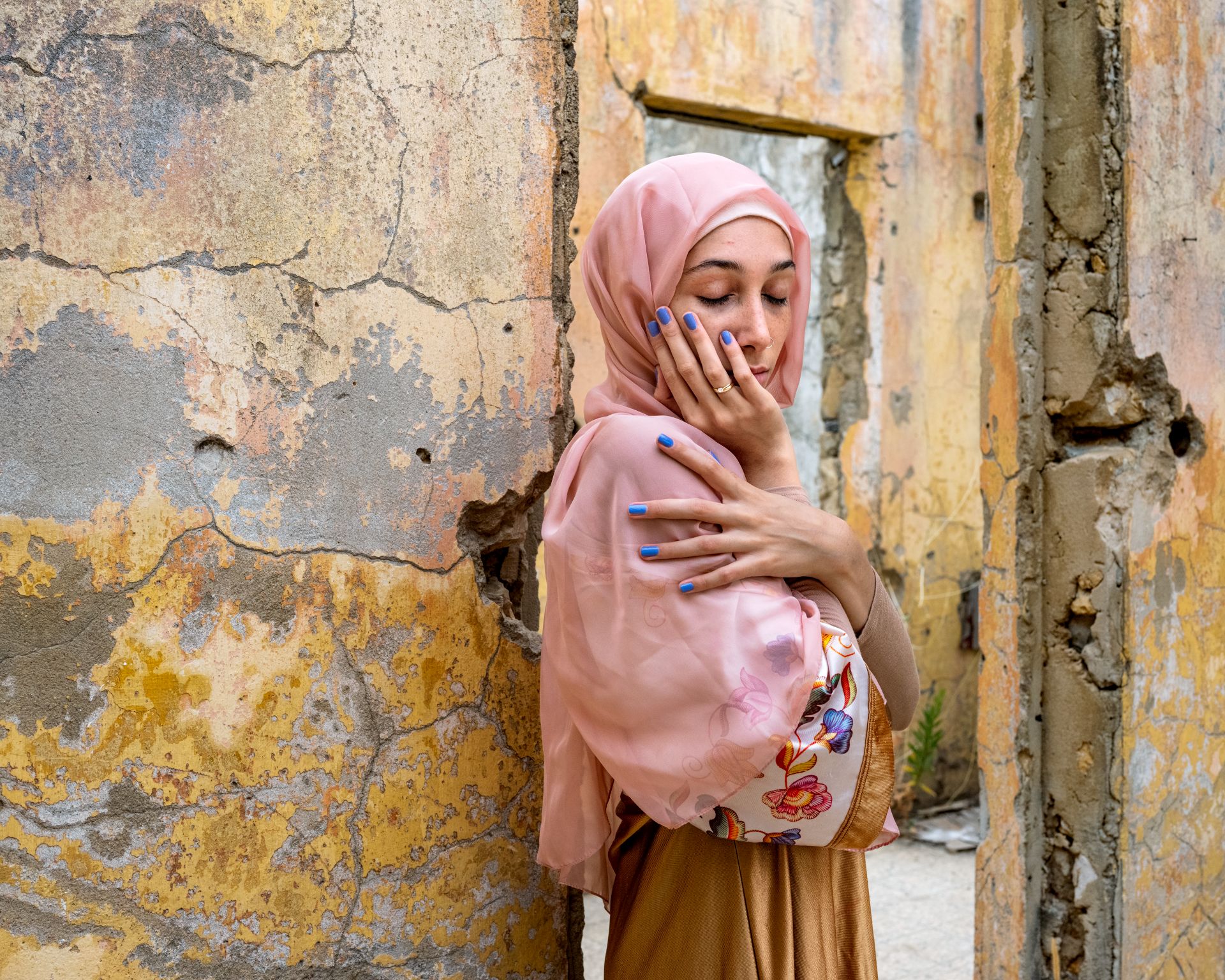
Her deep connection to Lebanon continues to shape her vision. “I live mainly in the U.S., but I go to Lebanon a few times a year and make most of my work there,” she explains. “It is in my bones and in my core. One never really leaves. Making work about Lebanon keeps me connected.” Living abroad has also sharpened her sense of representation. “Watching how the Middle East is depicted in the news, I feel it’s more important than ever to show the beauty, strength, and humanity of the women in my country of birth,” she says.
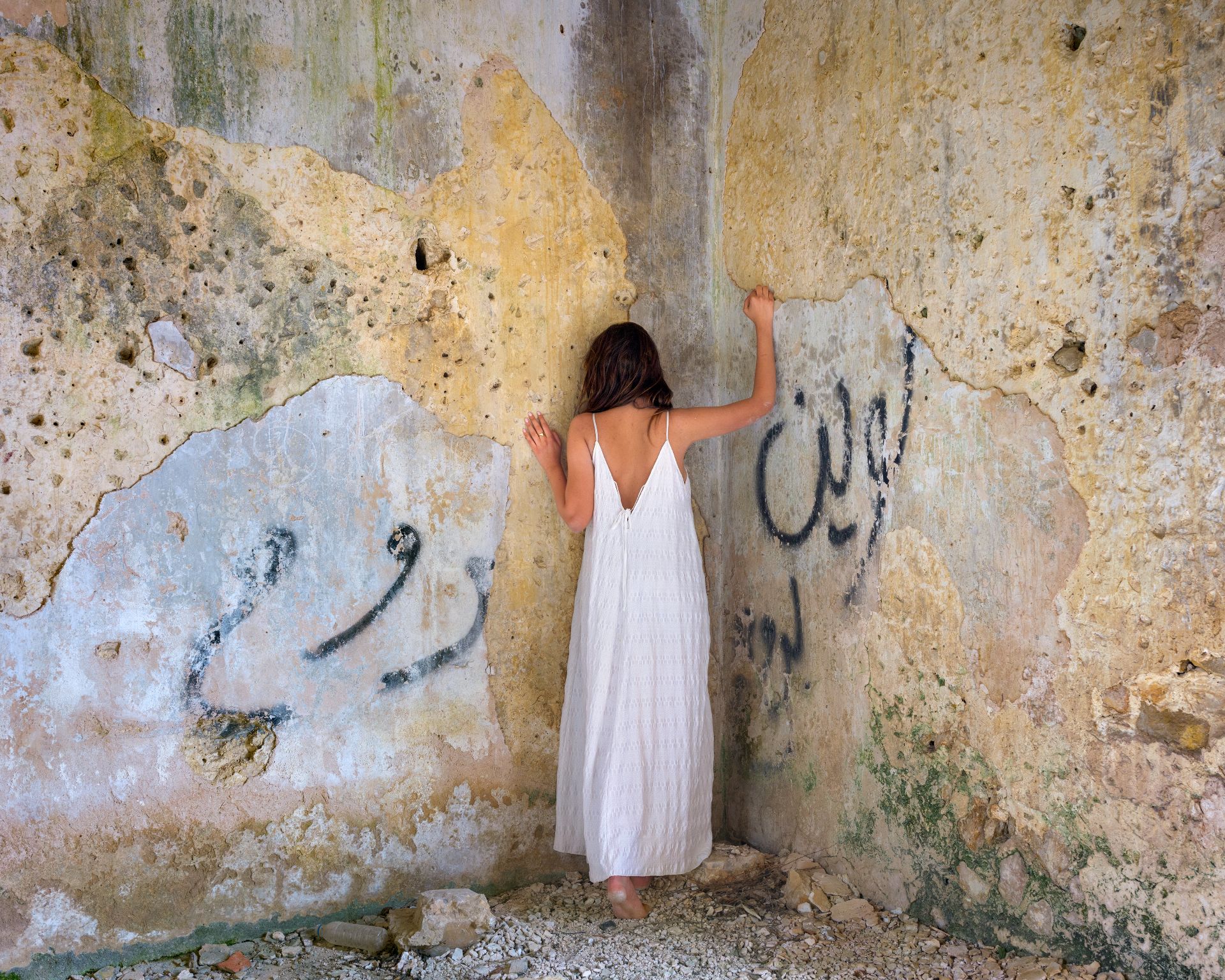
Whether her subjects look directly into the lens or blend into the environment, Matar’s portraits ask viewers to see themselves in the women she photographs. “Sometimes they face me, defiant and strong,” she says. “Other times they merge with the landscape, becoming part of the space and the land itself. Both gestures reveal belonging.”
Now that Where Do I Go? is released, Rania Matar is turning to a deeply personal project that honours her late father’s Palestinian roots. “He came to Lebanon as a twelve-year-old during the Nakba in 1948,” she says. “After his passing, I found family passports, photographs, and poems in an old suitcase, as if he had boxed all his trauma inside. I came to terms with my own hyphenated identity: Lebanese, Palestinian, American.”
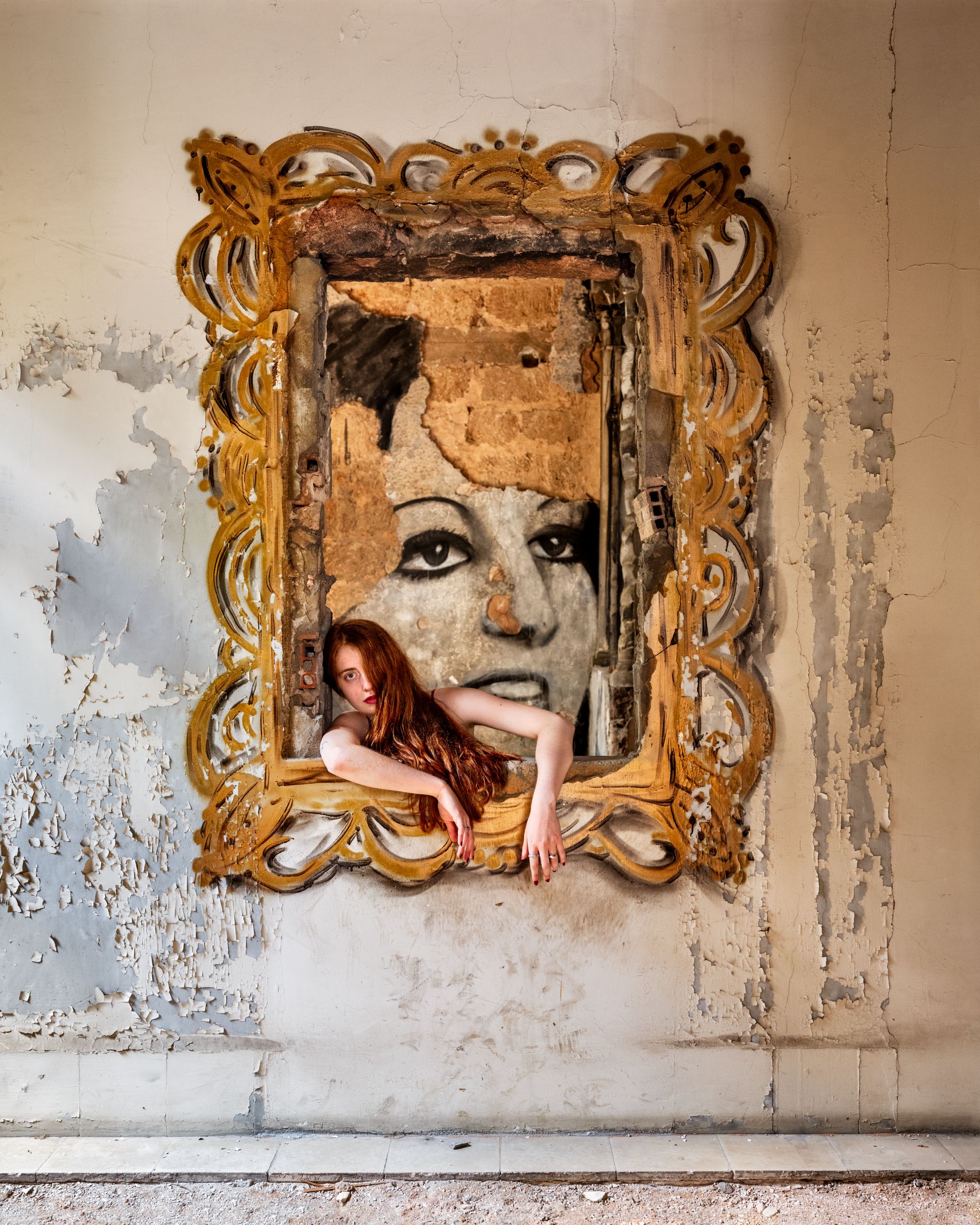
(wall art by Brady Black)
Her new work will explore archives, writings, and portraits of third-generation Palestinians rediscovering their heritage. “Like my children, a new sense of belonging has awakened in them,” she says. “It feels like a fight against erasure.”
Through her photographs, Rania Matar continues to reclaim space for women’s stories, tender, fierce, and profoundly human. Her images remind us that identity is never fixed, that beauty persists amid uncertainty, and that belonging can be both a place and a state of being.

(The sign says: Surgery, Endoscopy, X-ray, Ultrasound, Lab,
Emergency)
Where Do I Go? is co-published with the Eskenazi Museum of Art to coincide with a solo exhibition at the museum in the spring of 2026.
For more stories of art and culture from across the region, like this piece on Rania Matar, visit our dedicated archives and stay across our Instagram.