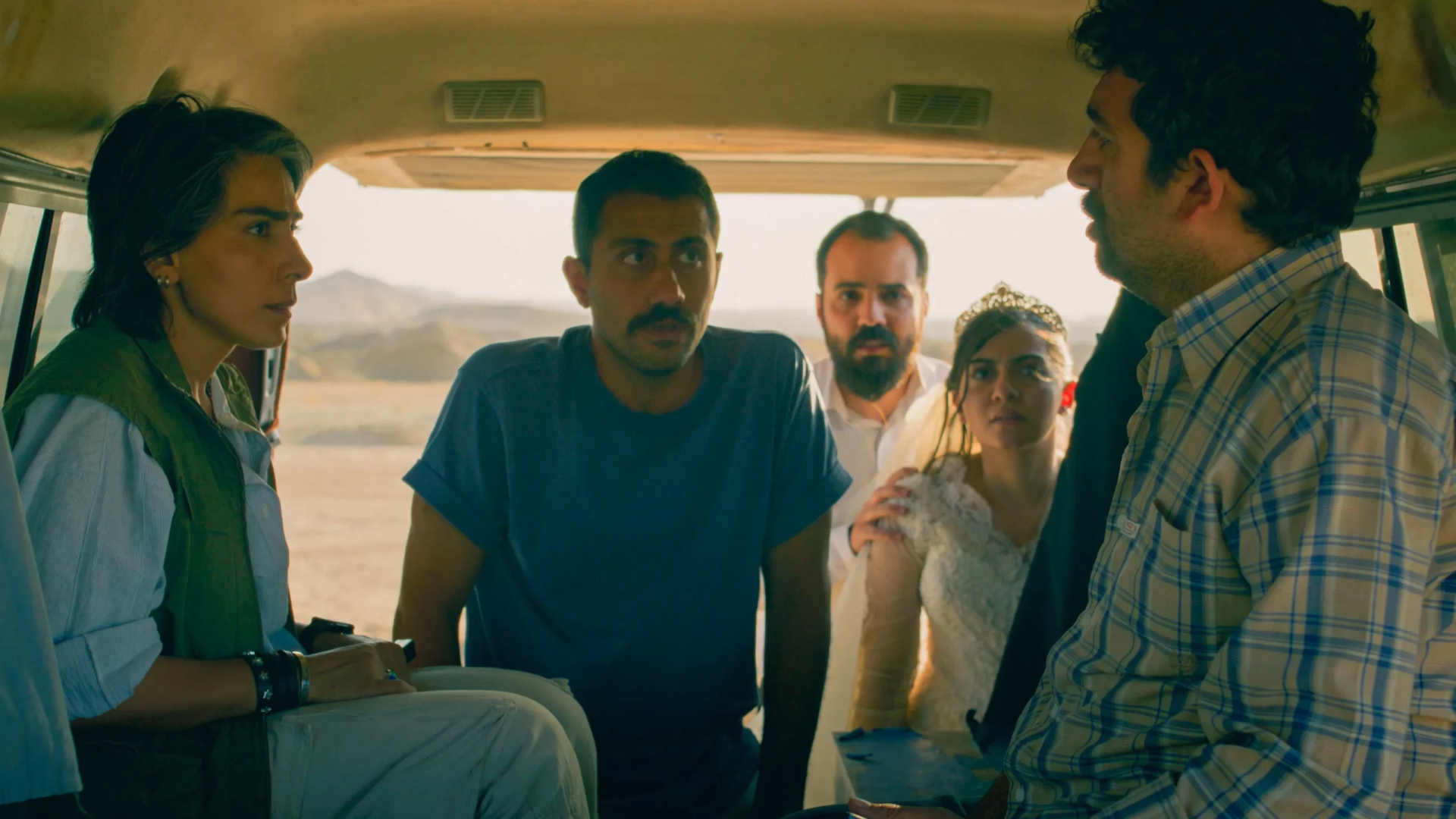
2025 was the year Arab cinema stopped explaining itself. Across Jeddah, Tunis, and Ramallah, a new generation of filmmakers, many of them women, many making their first features, turned their cameras inward. Towards the unglamorous, the personal, the unfinished, and somehow, they became universal.
From survival stories built on resilience, to social satires that hit too close to home, many of this year’s films showcased what a modern Arab story could sound like, look like, and dare to say. 2025 gave us a new cinematic vocabulary; tender, self-aware, and unafraid to blur the political with the personal. These are the Arab-made films that shaped the year. The ones that made us feel, think, argue, and maybe believe in the power of cinema again.
Calle Málaga | Morocco | Dir. Maryam Touzani
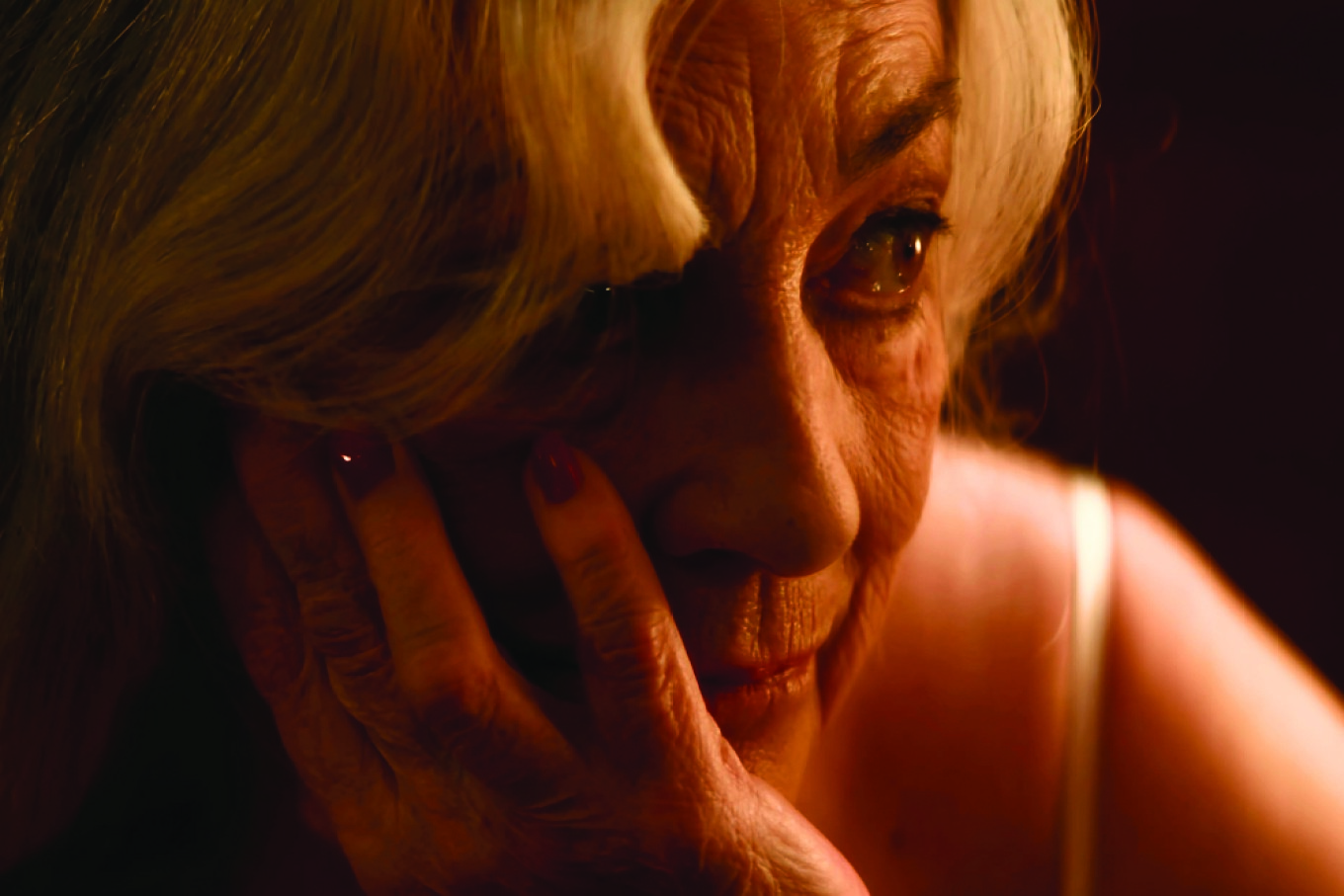
An elderly Spanish woman living in Tangier, played by Spanish legend Carmen Maura, refuses to surrender her apartment (or her memories), when her daughter returns from Madrid to sell it. Through slow mornings, soft light, and an unexpected rediscovery of desire, Calle Málaga begins as a domestic story that unfolds into a meditation on belonging and the sensuality of aging.
Maryam Touzani, the Moroccan filmmaker behind Adam and The Blue Caftan, both Oscar-submitted titles, saw her latest film drift gracefully through the 2025 festival circuit. Calle Málaga made its world debut at the Venice Film Festival, where it won the Audience Award in the Spotlight section before traveling to the Toronto International Film Festival for a Special Presentations screening. With this project, Touzani steps into new linguistic and emotional territory, directing her first Spanish-language feature as an ode to her late mother.
Throughout the film, Touzani frames each room like a portrait, revealing the body as an archive of everything once loved, keeping her signature intimacy intact. The film’s cross-Mediterranean perspective mirrors how North African cinema keeps redefining womanhood, not through tragedy, but through persistence.
Palestine ’36 | Palestine / Jordan | Dir. Annemarie Jacir
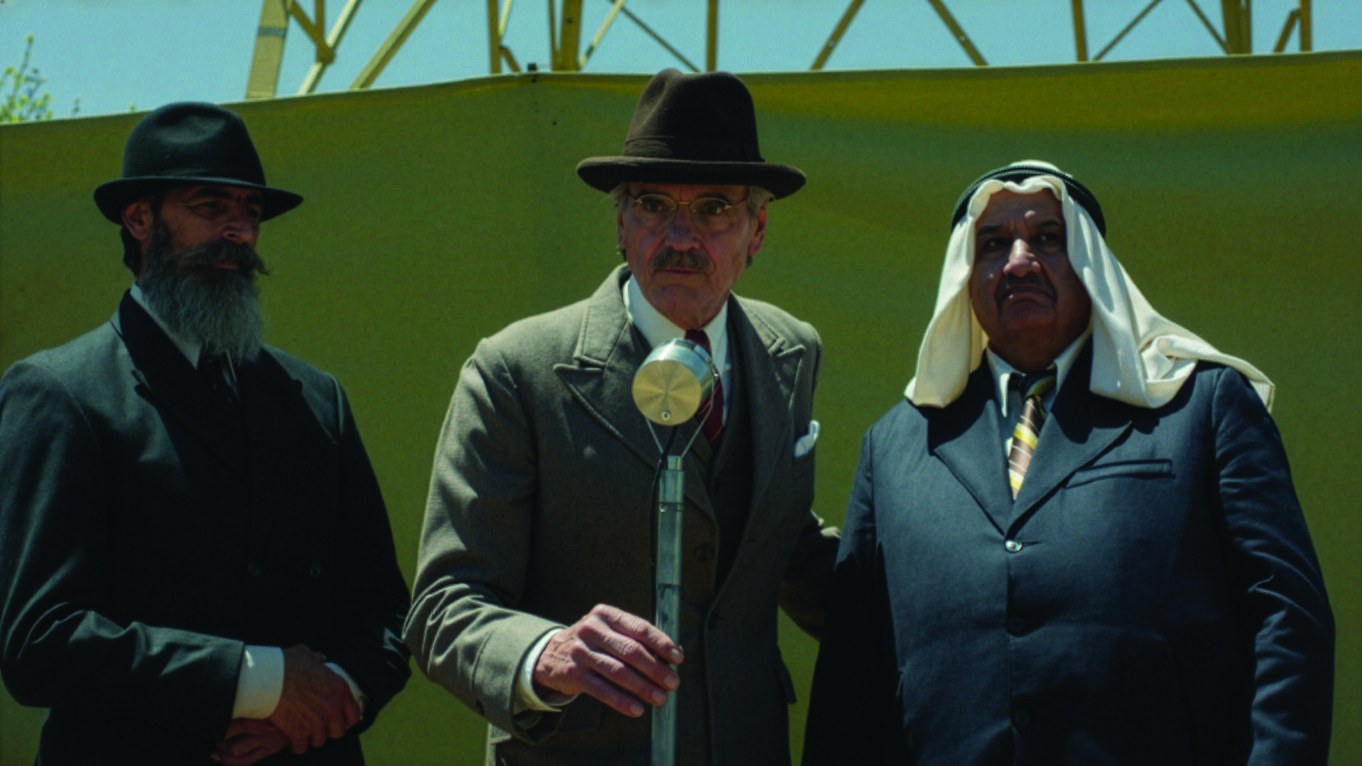
Palestine ’36 resurrected a chapter of history often overshadowed by its aftermath. Through the eyes of Yusuf, a young man wandering between his rural village and the revolt-stricken streets of Jerusalem, Palestinian director Annemarie Jacir stages the 1936 uprising with a cast that includes Jeremy Irons, Hiam Abbass, and Liam Cunningham. Every frame feels like unearthed footage, sepia, dust, and breath.
The film had its premiere in the Gala Presentations section of the 2025 Toronto International Film Festival, before being officially confirmed by Palestine’s Ministry of Culture in August as the country’s submission to the 98th Academy Awards. It also won the Tokyo Grand Prix for best film at the 38th Tokyo International Film Festival.
In a year where Palestinian cinema carried unbearable weight, Palestine ’36 dared to look backward without apology. It reclaimed history from the margins of textbooks and returned it to the screen in a manner that felt urgent, defiant, unfinished.
All That’s Left of You | Germany / Cyprus / Jordan | Dir. Cherien Dabis
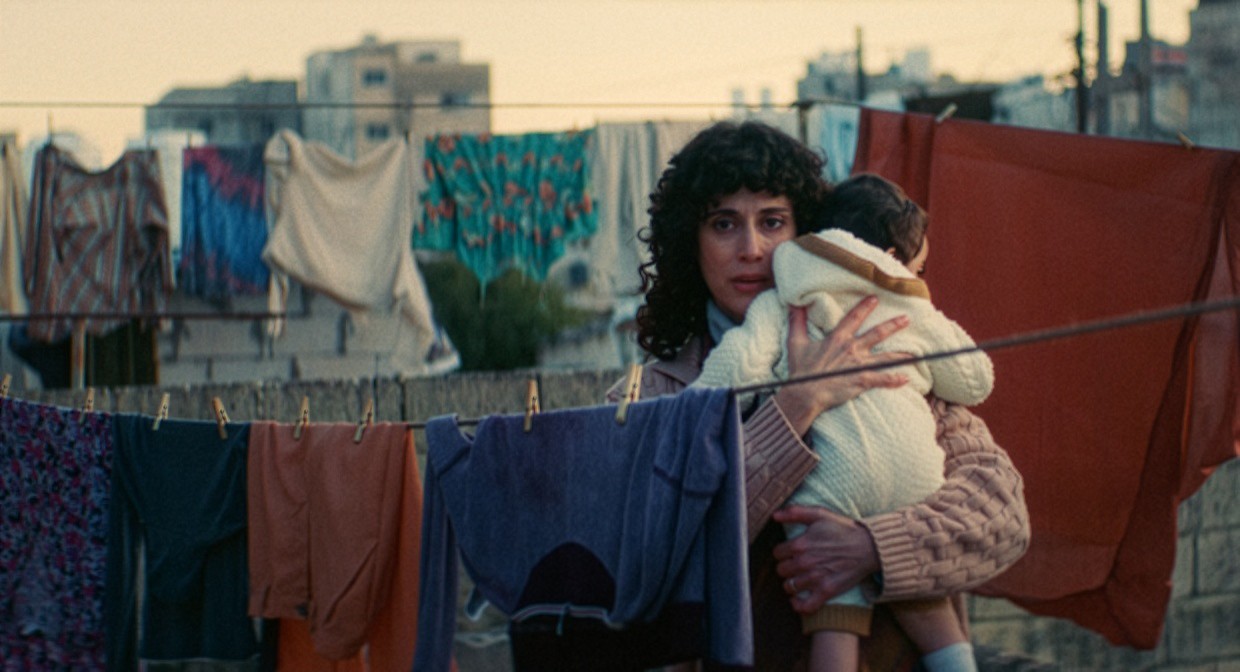
A mother recounts her family’s long arc of resistance after her teenage son is swept into a West Bank protest. All That’s Left of You carries displacement within its very making; filmed across Cyprus, Greece, and Jordan after the Gaza conflict forced production to flee Palestine just two weeks before shooting began.
The film premiered at the 2025 Sundance Film Festival, before being confirmed by the Royal Film Commission as Jordan’s official entry to the 98th Academy Awards. Its cast, Saleh Bakri, Adam Bakri, Mohammad Bakri, Maria Zreik, and Dabis herself, reads like a cross-generational map of Palestinian artistry. Dabis, known for directing episodes of Ozark, Ramy, and Only Murders in the Building, returns here to her roots, and to the terrain of exile she first explored in her debut Amreeka.
Few works this year captured exile so literally. Dabis turns interruption into method, proving that Palestinian cinema, even when forced to flee, keeps finding light to project on to any wall that will take it.
Where the Wind Comes From | Tunisia | Dir. Amel Guellaty
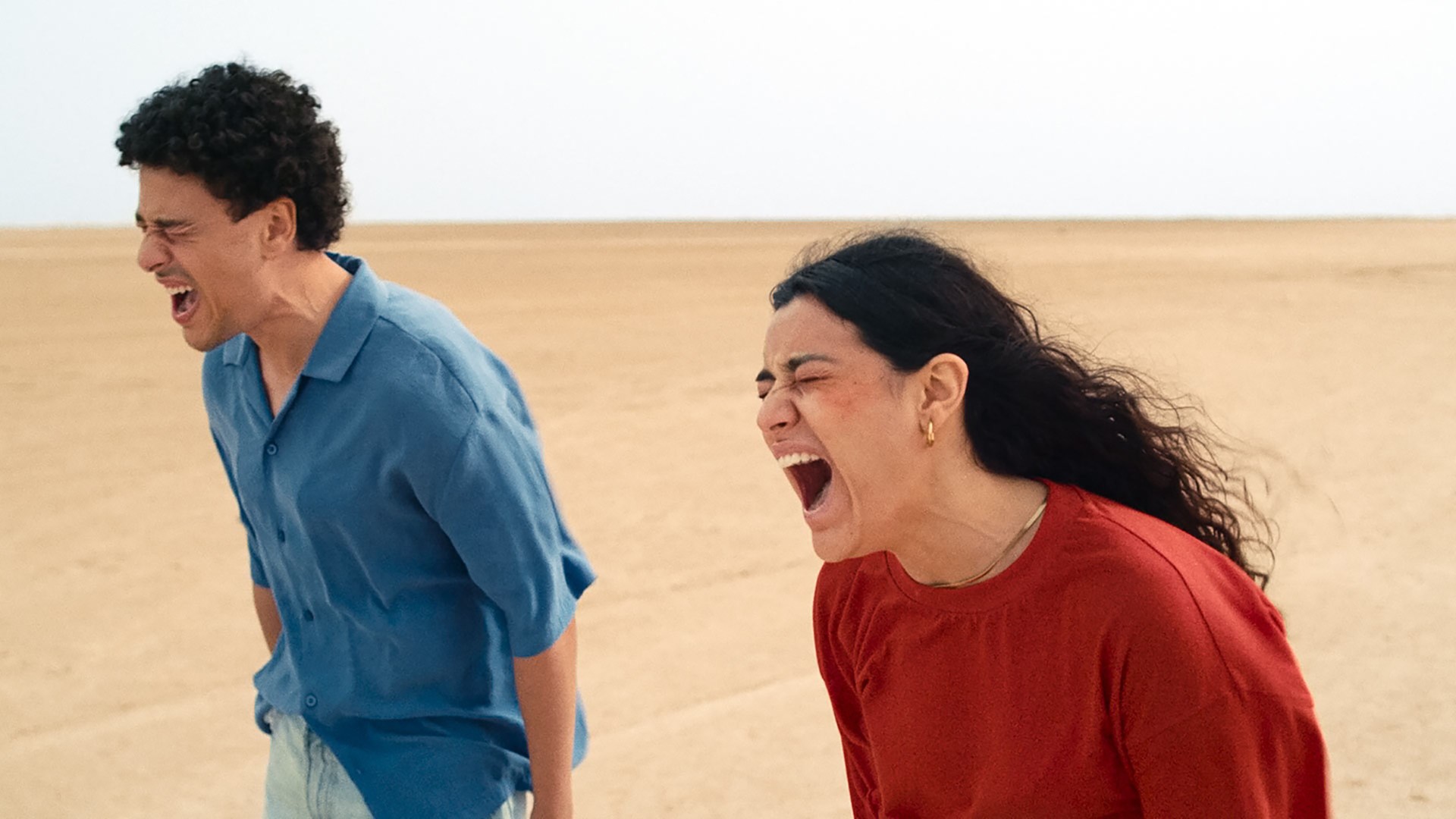
Two young dreamers chase a contest that could free them from their small town. In Where the Wind Comes From, Alyssa, a restless high-schooler in Tunis, and Mehdi, a painter scraping by on odd jobs, set off on a road trip through southern Tunisia that turns into a map of yearning itself. Warm, funny, and tenderly shot, it’s a hymn to motion and youth, and to the uncertainty that defines a generation growing up after the Arab Spring.
Premiering in the World Dramatic Competition at the 2025 Sundance Film Festival before traveling through Rotterdam, Istanbul, and El Gouna, where it won the Gouna Star for Best Arab Narrative Film, Guellaty’s feature film debut is both modest and monumental. This wonderful piece gives North Africa its own coming-of-age myth.
Guellaty’s filmmaking drifts between realism and reverie: fantasy musical interludes burst through dusty roads, paintings come to life, and the soundtrack swells with old Arabic love songs. Yet beneath its charm lies a certain ache; of youth boxed in by economics, of women negotiating freedom in silence, of art becoming a form of resistance.
Hijra | Saudi Arabia | Dir. Shahad Ameen
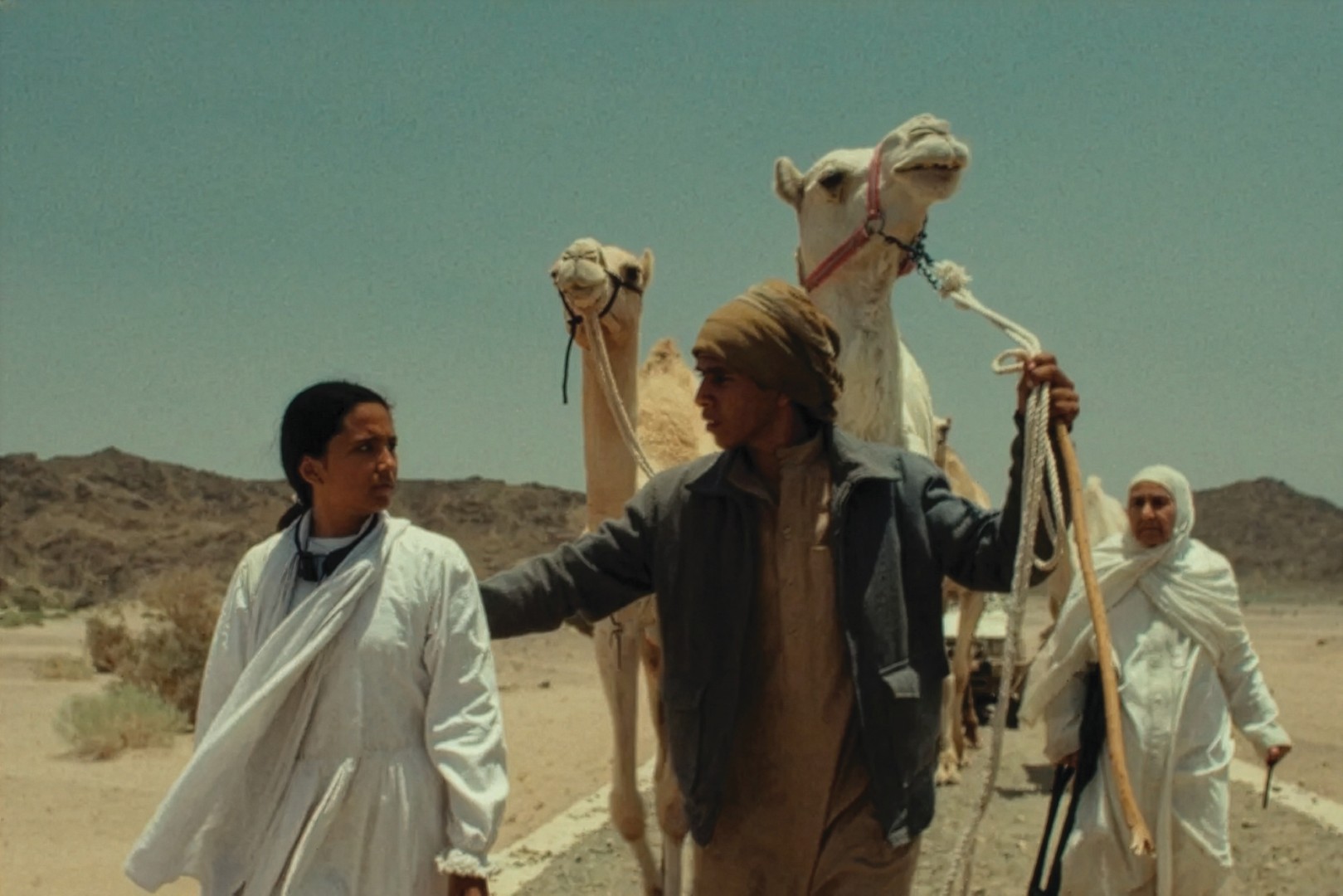
A twelve-year-old girl, her iron-willed grandmother, and a missing sister turn the sacred journey of Hajj into a taut, interior road movie. Hijra begins as obligation and becomes revelation: a search that runs from the south of Saudi to its far northern borders, across old pilgrimage routes, desert plateaus, and snow-kissed Tabuk. As main characters Janna and Sitti confront Sarah’s disappearance, family secrets surface, grief changes shape, and the rituals of movement start to mirror an inner reckoning.
Ameen stages this with devotional precision: the film breathes in long takes, trusting faces over exposition. Lead turns from Lamar Faden and Khairiah Nathmy are flint and ember, sparking an intergenerational dialogue about duty, freedom, and who gets to define both.
Backed by the Red Sea Fund, Film AlUla, NEOM Media, Ithra, and a pan-regional producing corps, Hijra is as industrially significant as it is artistically assured. Premiering at the Venice International Film Festival (and winning the NETPAC Award for Best Asian Film), competing at Stockholm Film Festival, and shot across holy cities and cinematic terrains (Taif, Jeddah, Madinah, AlUla, Tabuk, NEOM), it travelled like its characters; restless and purposeful.
The Voice of Hind Rajab | Tunisia / France | Dir. by Kaouther Ben Hania
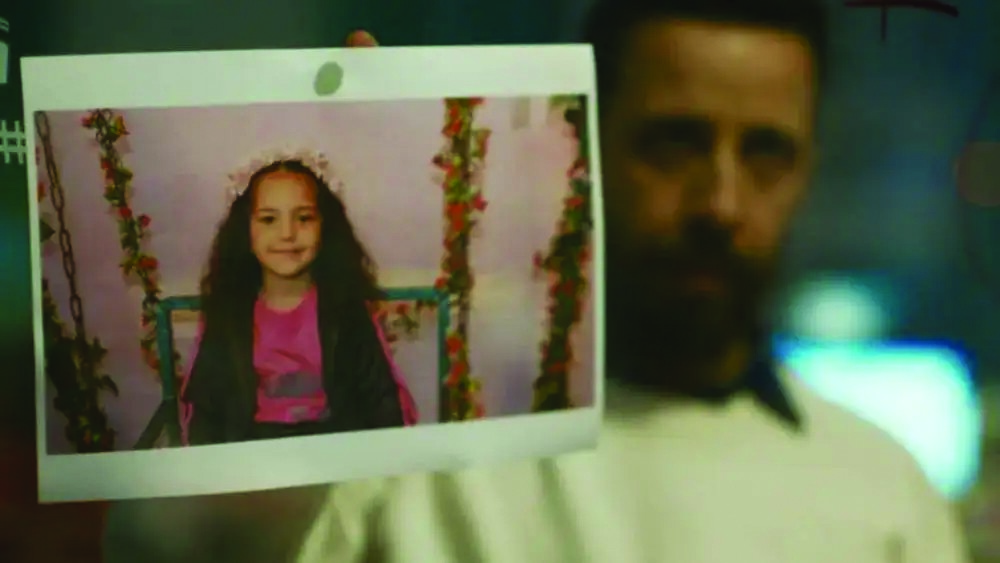
When The Voice of Hind Rajab premiered at Venice, the ovation lasted twenty-five minutes. Kaouther Ben Hania, the Tunisian director behind The Man Who Sold His Skin and Four Daughters, returned with her most searing work yet: a docudrama that listens, in real time, to the final phone calls of a six-year-old girl trapped in a car in Gaza, surrounded by the bodies of her family.
Ben Hania interlaces actual Red Crescent audio with restrained re-enactments, keeping the camera locked inside the dispatch centre, forcing viewers to sit in the helplessness of those who could hear Hind but couldn’t reach her. There are no visuals of war, no spectacle of suffering; just a child’s voice, trembling, human, unforgettable. It’s a formal gamble that transforms the act of listening into an act of mourning.
After its world premiere at Venice, where it won the Grand Jury Prize and six parallel awards, the film became Tunisia’s official Oscar submission and one of the year’s most urgent international contenders. U.S. distributors reportedly hesitated, wary of “optics,” before the independent arm Willa stepped in for a December qualifying run. That hesitation only underscored the film’s power, and the politics that surround it.
The Voice of Hind Rajab isn’t an easy watch, but it’s an essential one. When the world debated neutrality, Ben Hania’s film chose witness, and in doing so, gave Hind’s final words what her rescuers could not: permanence.
Honourable Mentions
Cotton Queen | Sudan | Dir. by Suzannah Mirghani
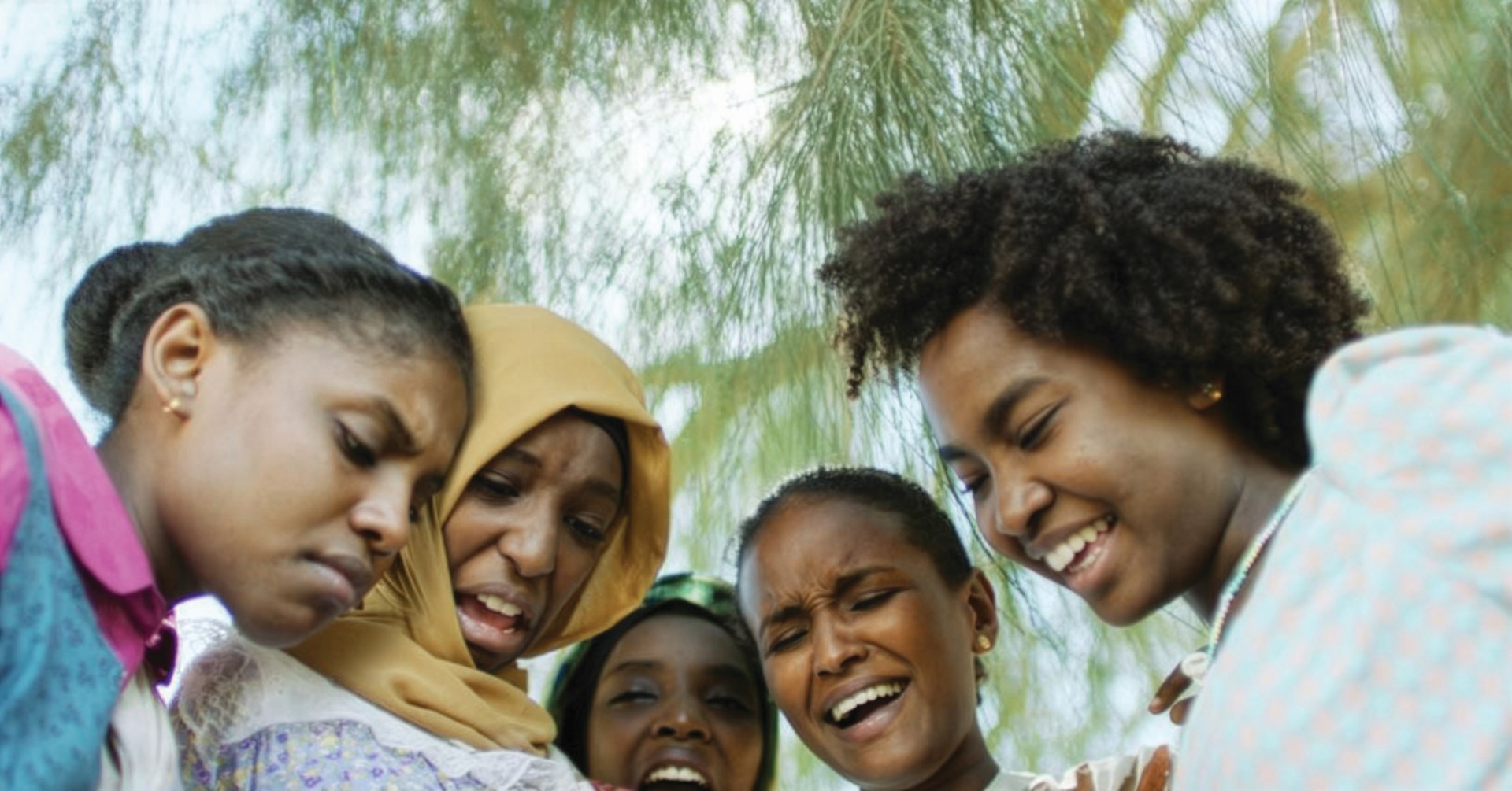
Shot in Egypt, Suzannah Mirghani’s Cotton Queen brings the radicalism of Sudanese women to the screen with tenderness and fury. Set in a cotton-farming village haunted by colonial legacy, the fictional feature story follows Nafisa, a teenage girl caught between progress and tradition, as genetically engineered cotton threatens both her land and identity.
It’s a small film with a vast heart; a story about resistance that grows, quite literally, from the soil. Premiering at Venice Critics’ Week, winning the ArteKino Award at Cannes’ L’Atelier, and screened at Chicago Film Festival and Doha Film Festival, Cotton Queen is proof that even under hardship, stories still grow.
Sink | Jordan / Saudi Arabia / Qatar / France | Dir. by Zain Duraie
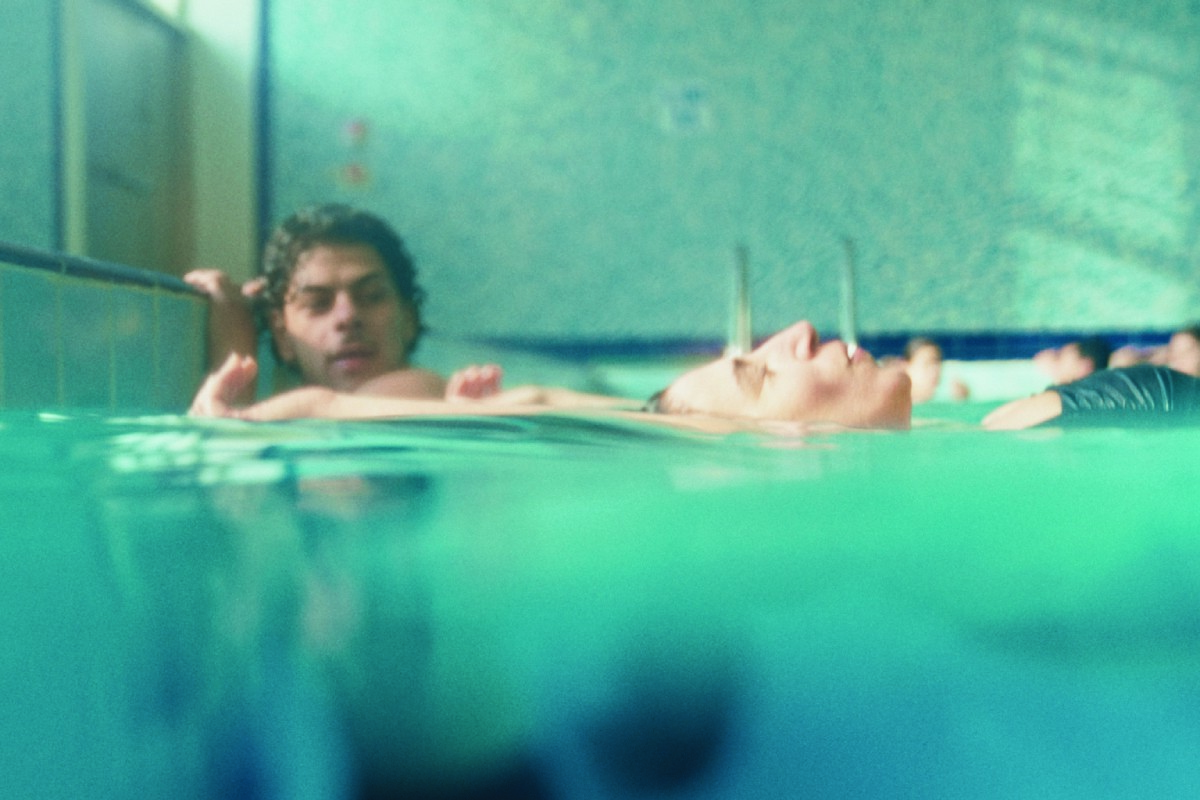
A mother fights to stay tethered to her teenage son as his mental health unravels. Sink is domestic, yet its lens drifts between chlorine pools and dimly-lit bedrooms. The film, which premiered at the Toronto International Film Festival before competing for the Sutherland Award at the BFI London Film Festival, marked Zain Duraie’s emergence as a fearless voice.
Shot on a shoestring budget and inspired by a personal story, Sink refuses to exoticize Arab womanhood or mental illness. Instead, Duraie crafts something where a mother’s devotion becomes both a cure and a curse. An ode to mothers who love past reason and sons who are too fragile to hold that love, the film’s emotional precision expands what regional storytelling can say about care and stigma.
For more stories of the region’s finest films, visit our dedicated arts and culture archives and follow us on Instagram.