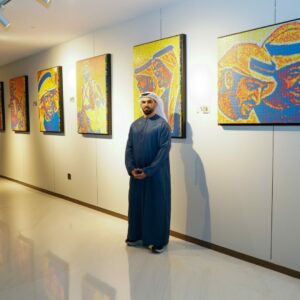
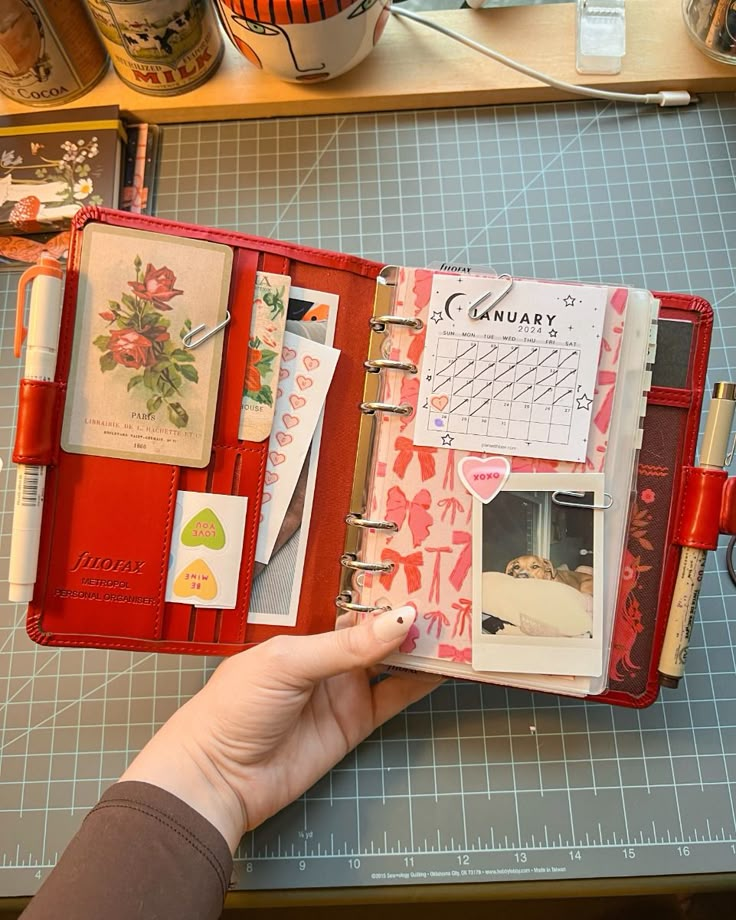
We spent a decade optimizing our lives into a digital abyss, and now? We’re collectively sprinting back to things we can actually touch. From the $15 digital cameras to the mahjong rebirth, 2026 is the time to trade the “fragile cloud” for a physical evidence file of a life well-lived. This is the year of analogue living.
We are witnessing a collective ‘pendulum swing’. After years of optimizing every aspect of life into a digital format, there is a visceral craving for physical presence. 2025 was the transition year; 2026 is predicted to be the ‘Age of Analogue’, at least according to masses on TikTok, Substack, and Youtube.
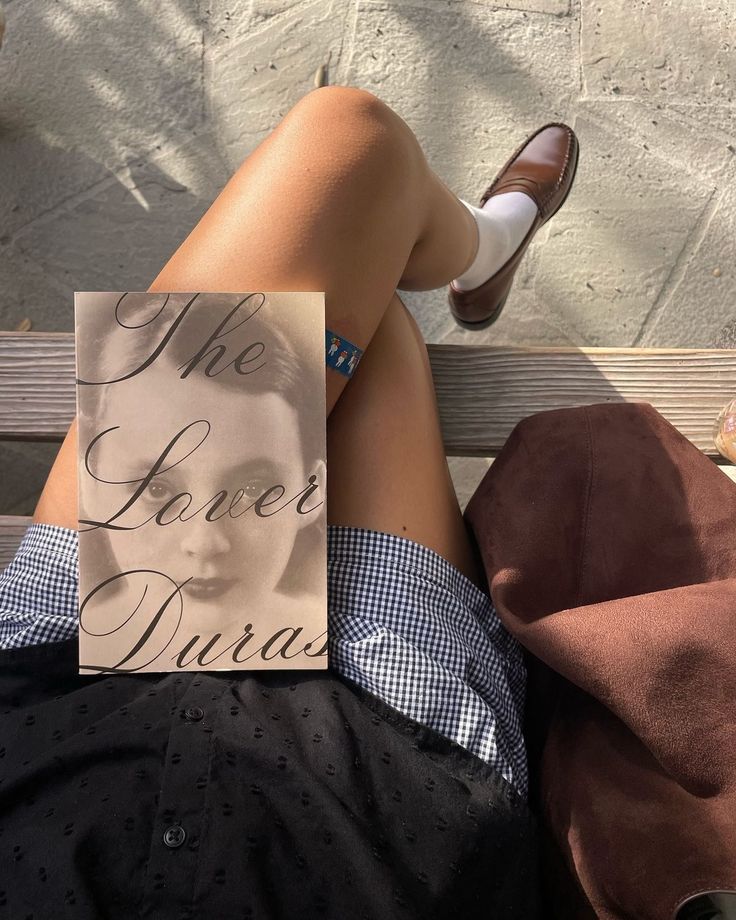
Something is shifting, and it’s not just your screen time notification giving you a weekly reality check. We’re watching a global, quiet (but sometimes very loud) retreat from the endless scroll. We optimized our lives until nothing felt human anymore, and now, we are moving back toward stillness, intentionality, and things we can actually touch.
There’s a growing realization that we “own nothing.” Digital media is rented via subscriptions that can vanish with a missed payment or lost password. It’s why old iPods are spiking in price and why your cool friend is suddenly carrying a 2008 Nikon Coolpix. We’re realizing that if a memory is trapped behind a touchscreen, it isn’t really ours. We want the ‘physical evidence file’ of a life well-lived; the weather-worn diary, the blurry film photo, and the CD player that doesn’t require a software update to play a song.
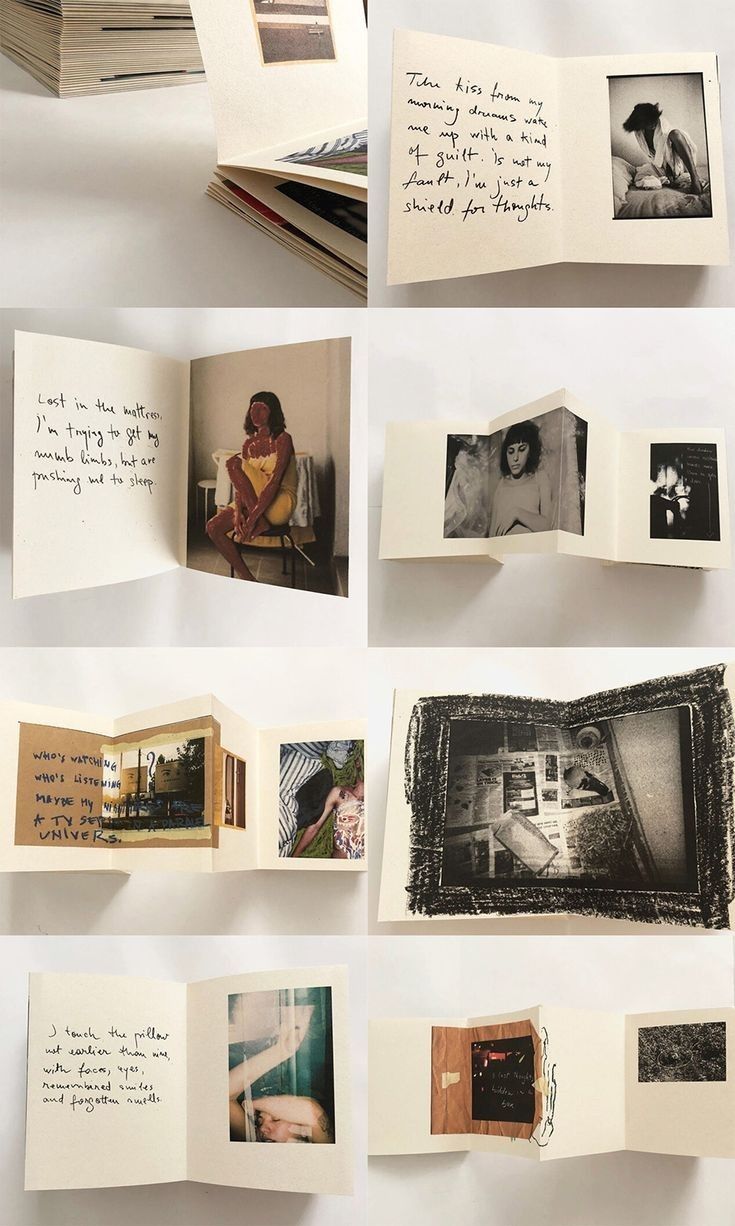
It’s terrifying that you could lose years of audio-visual memories stored in fragile clouds and expiring apps. We’ve traded our CD collections for Spotify premiums and our photo albums for iCloud storage. But as any Gen Z-er who’s lost a password knows, a missed payment or a forgotten login means years of your life just… vanish.
Social media used to be the escape from reality; now, reality is the escape from social media. Worldwide usage peaked in 2022 and has been sliding ever since. The ‘digital town square’ feels less like a place to meet friends and more like what TV was in the 90s; loud, ad-heavy, and draining. Social media has shifted from a “community space” to a “broadcast space”. As AI-generated content floods feeds, people are opting out in search of human-made authenticity.
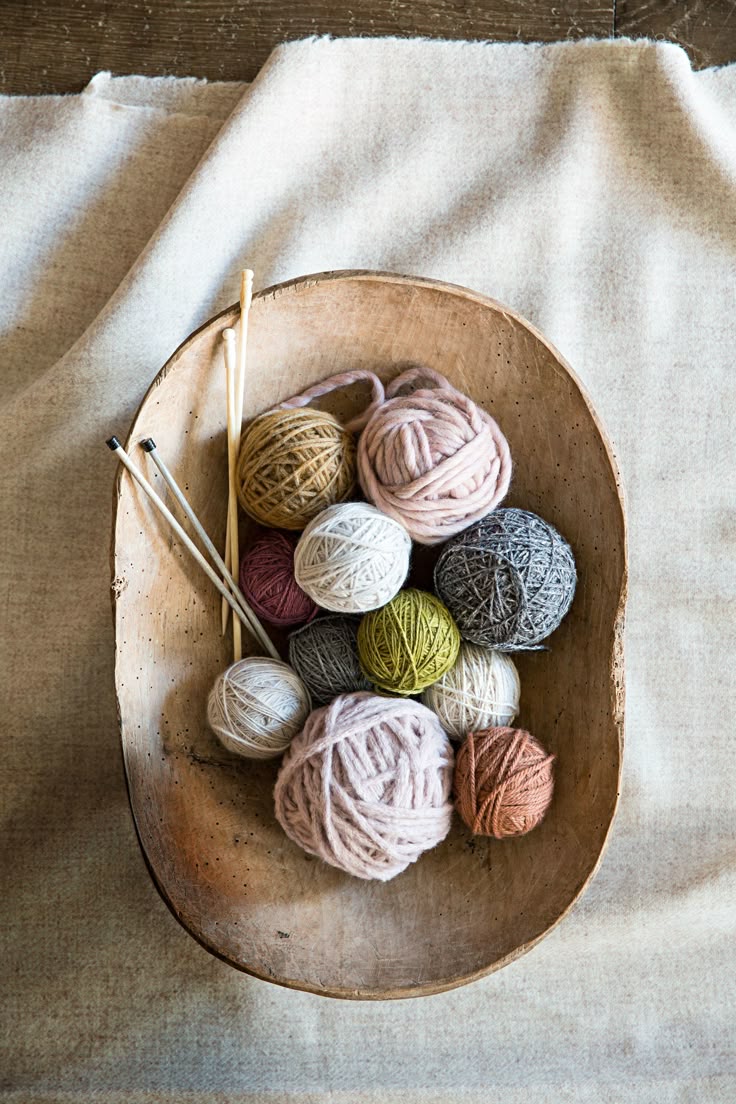
There’s a recognition that constant stimuli and the “always-available” expectation are detrimental to the nervous system. The pushback is everywhere: flip phones are back because we’re tired of being slaves to a slab of glass, along with wired headphones, digital cameras, and scrapbooking, with mahjong events up 200%. Knitting, crochet, and journaling aren’t “grandma hobbies” anymore, along with n increased yearning for time in nature.
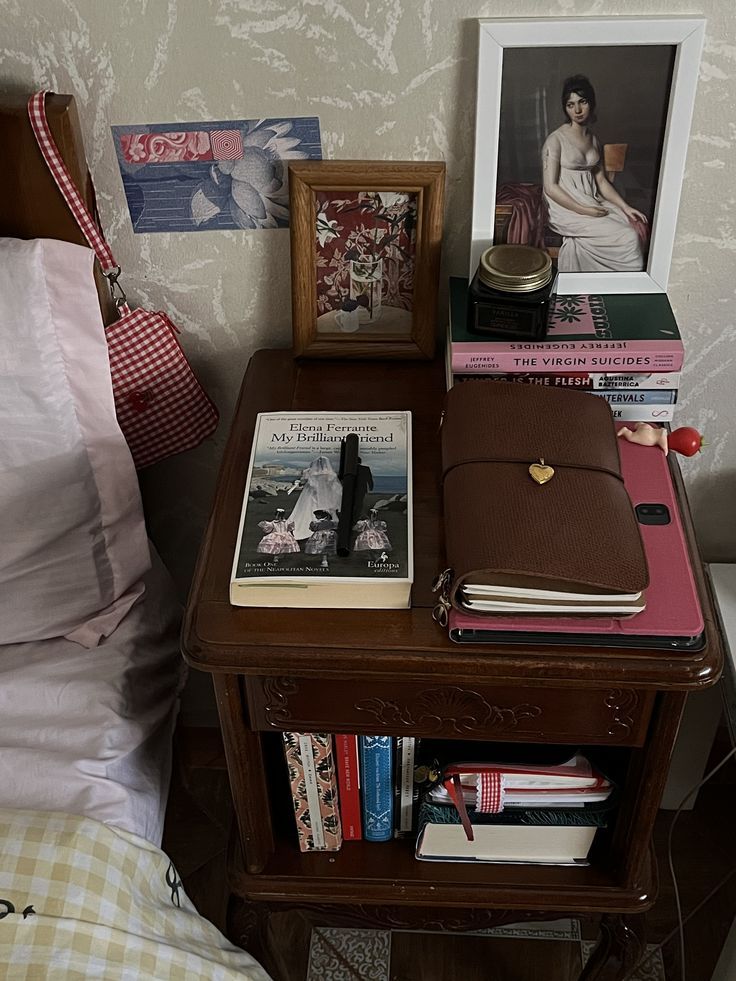
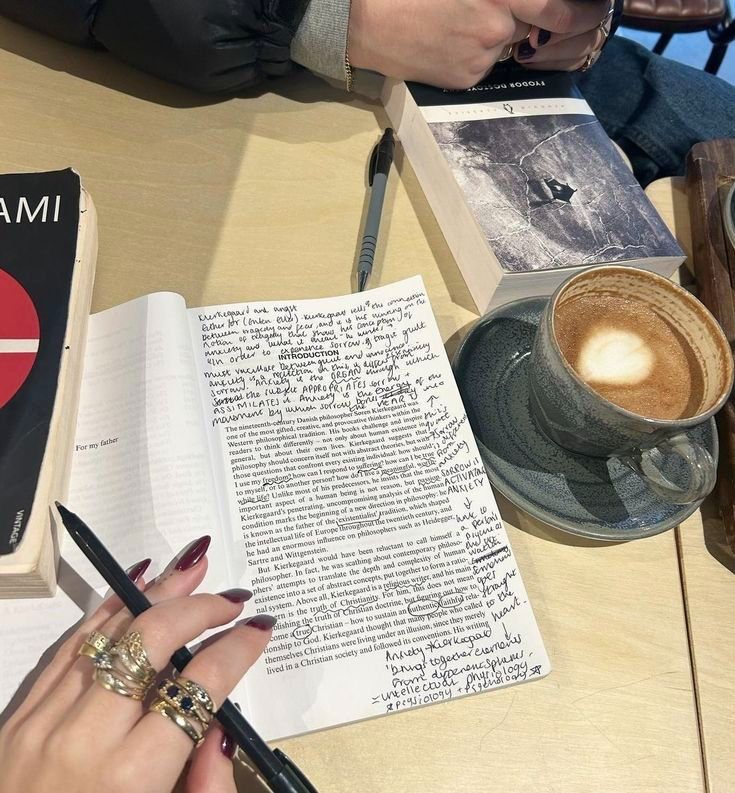
In-person socials are also seeing a rise, with the popularity of look-alike contests (think searches for Dev Patel, Glen Powell, Pedro Pascal, Timothe Chalamet, Zendaya, and John Stamos lookalikes), physical meetups, and a high demand for vinyl, CDs, DVDs. There’s a return to handwritten letters, postcards, magazines, zines, printed books (egged on by BookTok), physical diaries and planners.
The goal isn’t necessarily going off-grid, but instead treating technology as a tool rather than an extension of the self. Returning to a time when we visited the internet rather than lived in it. It’s also about choosing where focus goes, rather than letting algorithms decide.
We’ve been sold the lie that ‘curating’ a life is the same thing as living one. We spend hours consuming inspo that never actually moves the needle; we save recipes we’ll never cook, workout routines we’ll never start, and travel guides for trips we’re too burnt out to take. It’s a dopamine loop that mimics progress while keeping us stationary.
Even weirder? We’ve reached a point where we are more intimately acquainted with the highlights of a stranger’s vacation than our own tactile reality. We are drowning in other people’s memories (processed, filtered, and served to us in 15-second bites) while our own lives feel like a blur of blue light. We’ve become spectators of the aesthetic instead of participants in the messy, unedited real thing.
The FOMO is real, though: we’re terrified of missing a long-distance friend’s life update, losing our ‘internet-first’ networking clout, or paying the ultimate ‘professional tax’, the fear that if we aren’t constantly self-promoting, our careers will simply cease to exist.
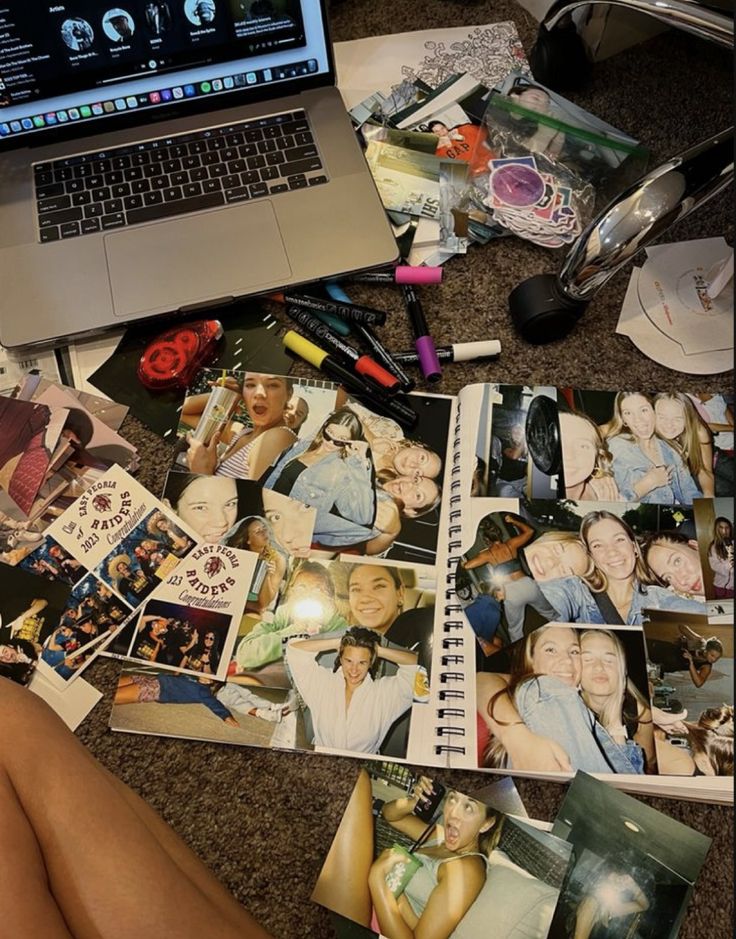
If you’re ready to stage a coup against your own screen time, start with the ‘Hour Rules’: no phone for the first sixty minutes of your day and the last sixty before sleep (yes, that means no scrolling while your brain is trying to reboot or power down). To actually make it stick, you’ll need an Analogue Toolkit: swap your phone’s alarm for a physical clock so you don’t wake up to a notification graveyard, use a paper planner that doesn’t ping you, and carry a standalone digital camera to keep your phone buried in your bag.
For the truly brave, try the Offline Trip Challenge: go away for a weekend without a smartphone. It’s the ultimate test of whether an experience actually feels “real” if it isn’t curated for an audience, and a reminder that your life is meant to be lived, not just documented.
In the wrong hands, analogue can become just another capitalist loop (buying new vintage-style gear) unless it remains communal and sustainable. Digital is sustainable when minimal; analogue is sustainable when it fosters real-world community.
For stories of culture, visit our dedicated archives and follow us on Instagram.