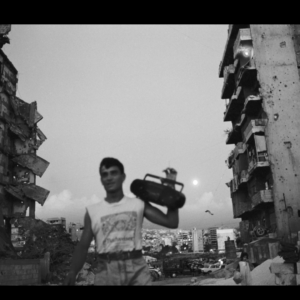
The war. There is always a war. Always another conflict unfolding somewhere close enough that you feel it immediately.
You check in on your friends.
You message your colleagues.
You wait for their replies.
Are you safe in Lebanon?
What about friends in Palestine? In Iran?
Is everything okay in Dubai?
Have you heard from anyone in Bahrain? Qatar? Saudi?
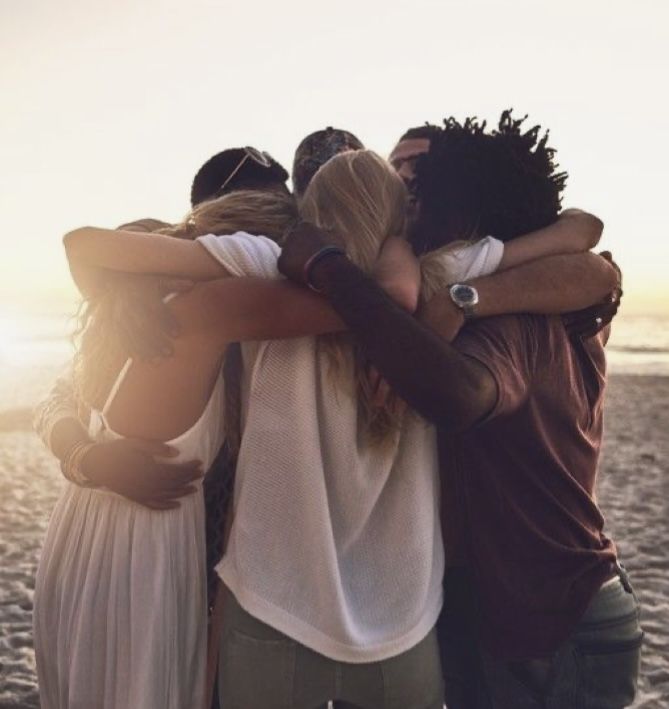
Sometimes there is silence. It is not because people are ignoring you, but because they are they are doing a different kind of accounting. They are calling family members. Checking on neighbours. Who made it home, who is still on the road, who might suddenly find themselves in a war zone.
This is real life.
From the outside the world sees headlines. Inside the region, we feel the impact immediately. Flights stop. Airports close. Projects pause. But in those moments the work does not really matter anyway.
Lives are being lost.
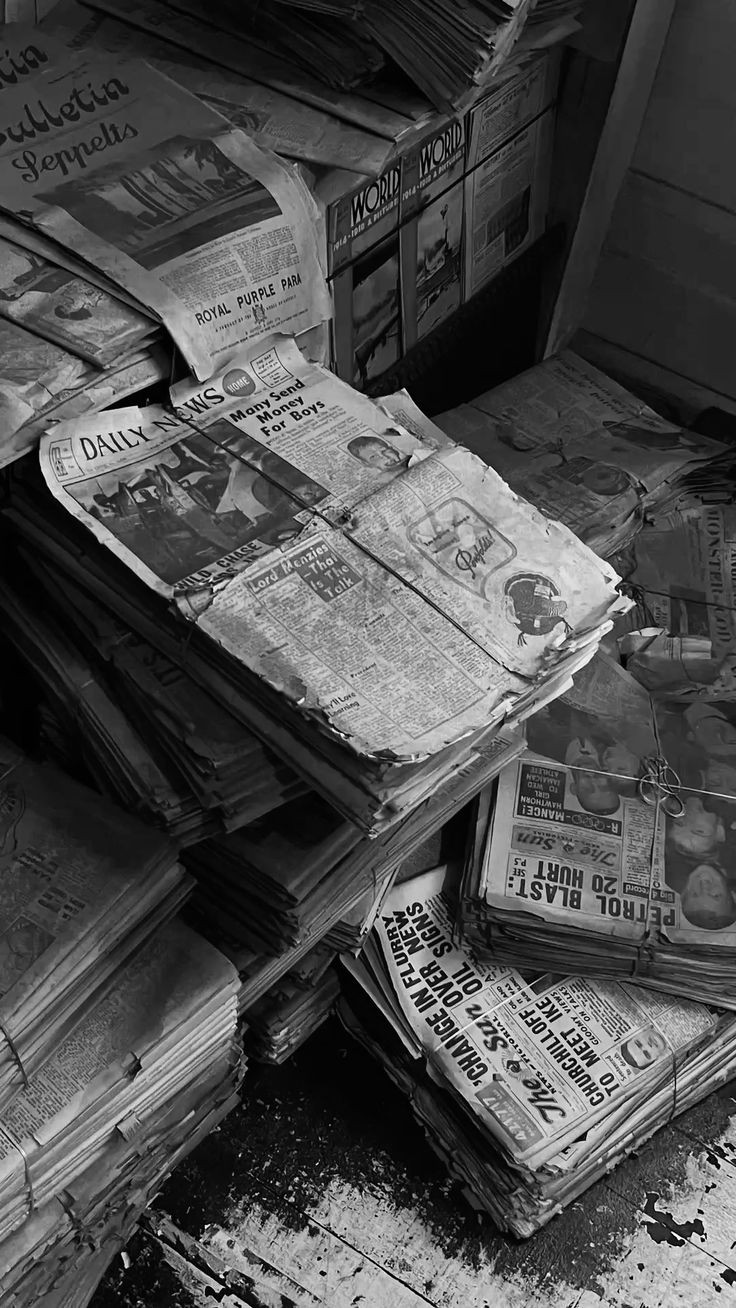
And yet life around us somehow continues to move forward. The cognitive dissonance is real. And a privilege.
And even working in the creative industries – ones built on culture and community – nothing is ever entirely normal in the Middle East.
We plan months and years into the future. We try to create an ecosystem that looks and functions like any other global creative industry.
Our work cannot exist in isolation from the reality around us.
Industries built to bring people together cannot simply function as professional sectors when our region faces conflict, when people are evacuated, when families are grieving.
Lives are being lost.
Every escalation sends the same jolt through the system.
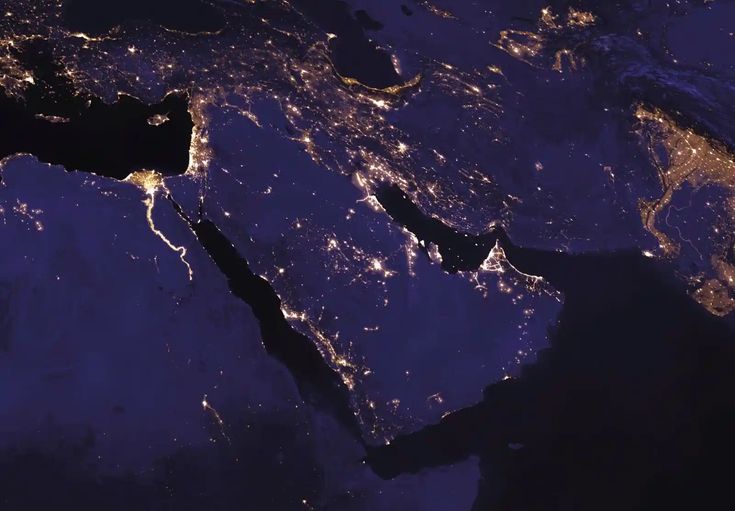
The shock hits first.
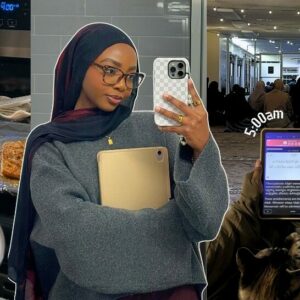
Everything stops. Messages fill up your phone. People check on one another. Work halts not because of logistics but because the emotional bandwidth to care about deliverables simply disappears.
Lives are being lost.
Then the violence slows and life attempts to resume.
Projects restart. Conversations cautiously restart. We try to act like a normal industry. We tell ourselves that this time we will continue, that we must go on.
Until the next escalation. Another round of messages asking if everyone is safe.
Over time, the cycle becomes familiar. Shock, solidarity, grief, resilience. We bring out the archives. We share resources. We amplify voices. We post, we document, we bear witness.
Each crisis feels both unprecedented and eerily familiar.
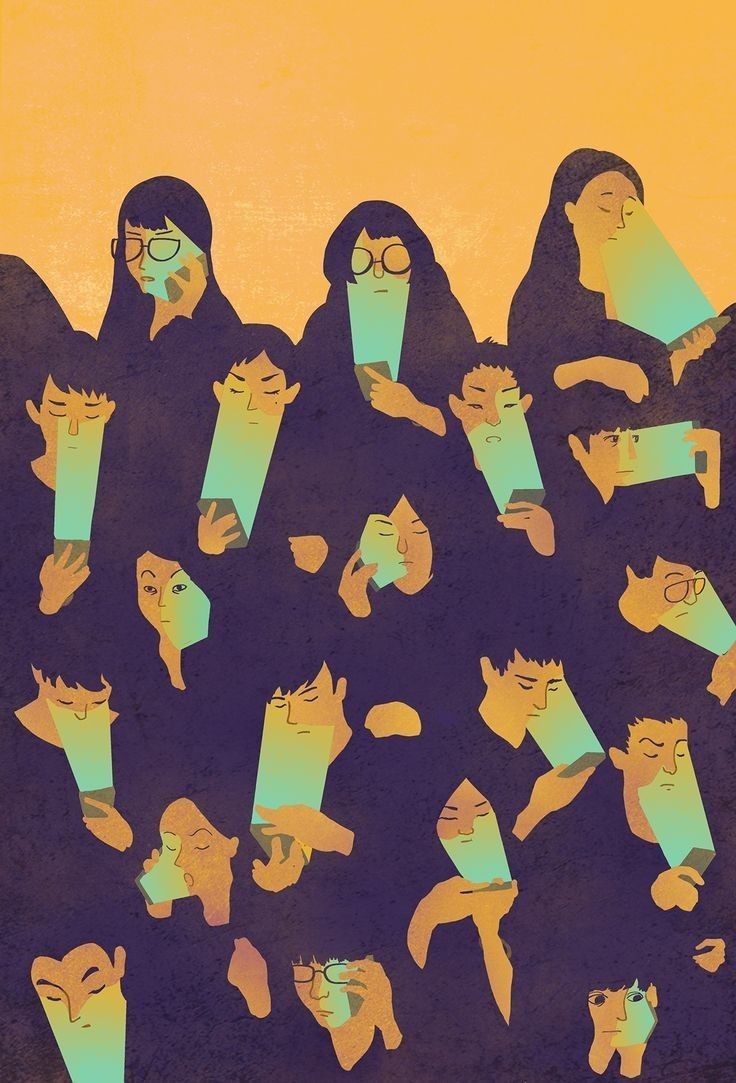
And then we spiral again.
How many times will we spiral like this?
There is only so much loss a region can absorb.
Our lives matter.
Behind every headline, every piece of geopolitical analysis, every diplomatic statement, there are ordinary people trying to live ordinary lives. People trying to build communities and futures, for themselves and their children, people with hopes and dreams, in places that appear in the news only during moments of destruction.
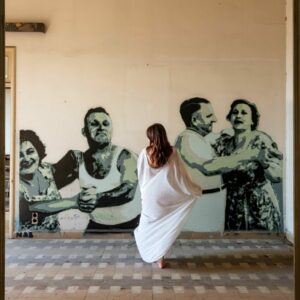
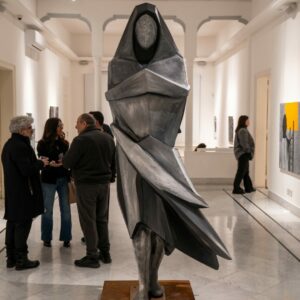
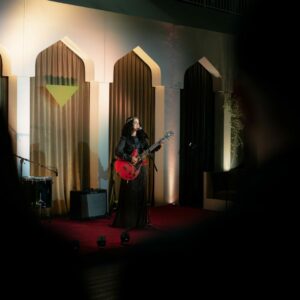
There is a particular kind of dissonance in trying to build a future filled with art while repeatedly confronting violent, present realities. The creatives industries are supposed to be about joy, expression, connection. And in our part of the world, they are that, but they are also a space where grief, anger, solidarity, and hope are processed in real time.
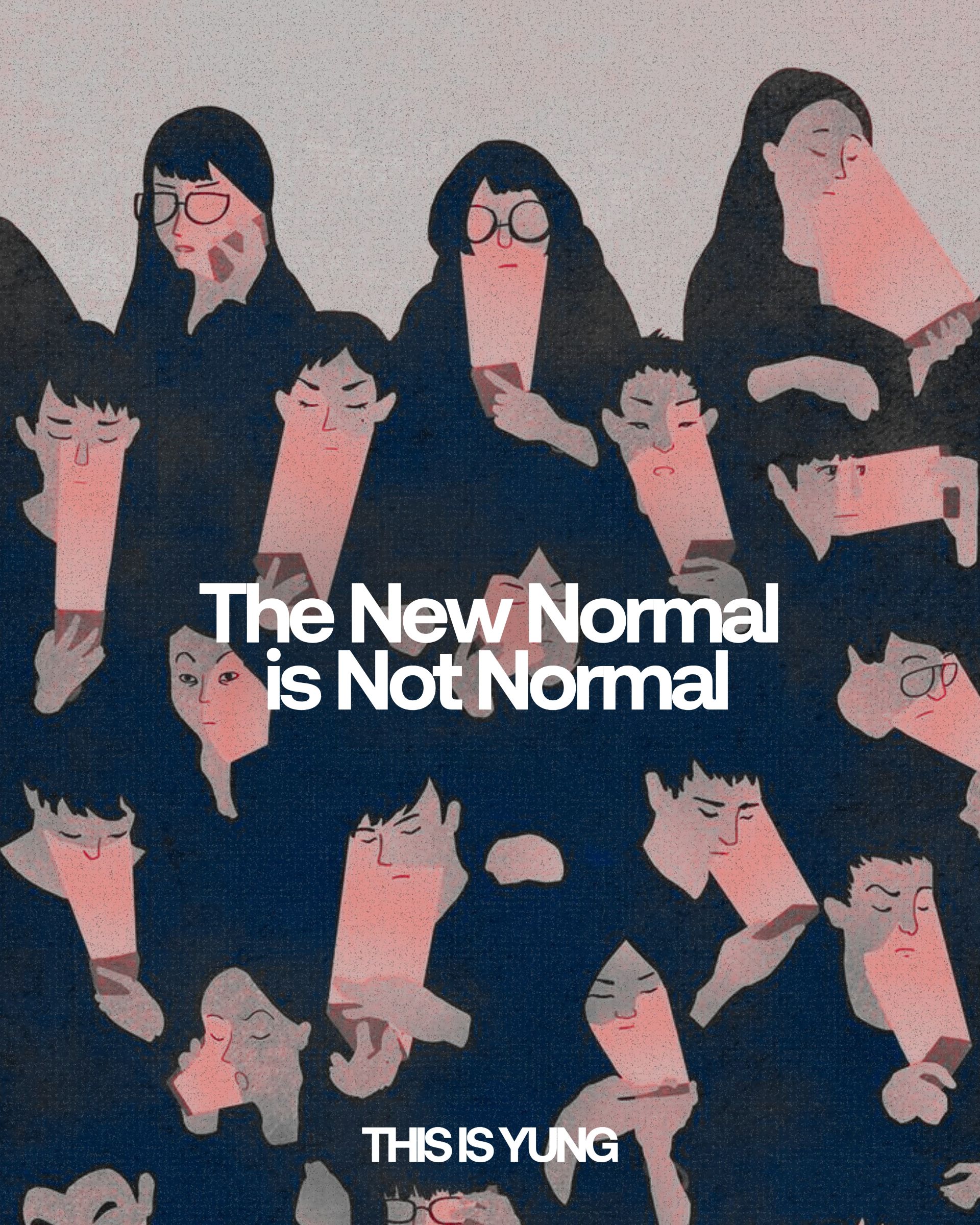
And so we turn to social media. We share the stories and the devastation. We grieve publicly. We search for collective solidarity – for someone, somewhere, to feel the weight of what we are feeling.
Because if the world can feel it too, perhaps one day the cycle will stop.
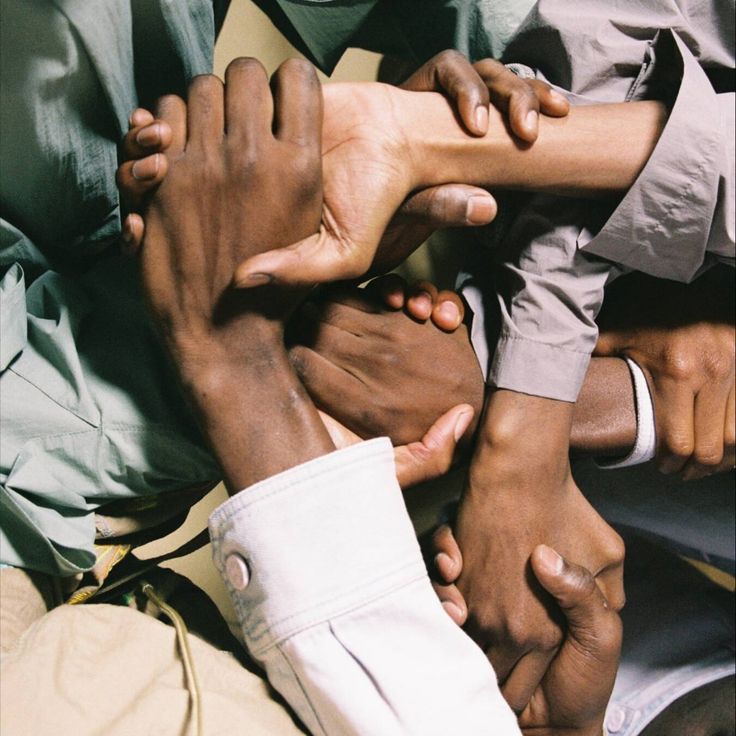
And yet for now, when the next escalation arrives – as it inevitably seems to – the ritual repeats.
We check our phones.
We message our friends.
And we wait to hear that everyone is still alive.
But we do not stop creating.
We will continue.
We will come back.
We are building this for the next generation.
This is our culture. Our work. Our future.