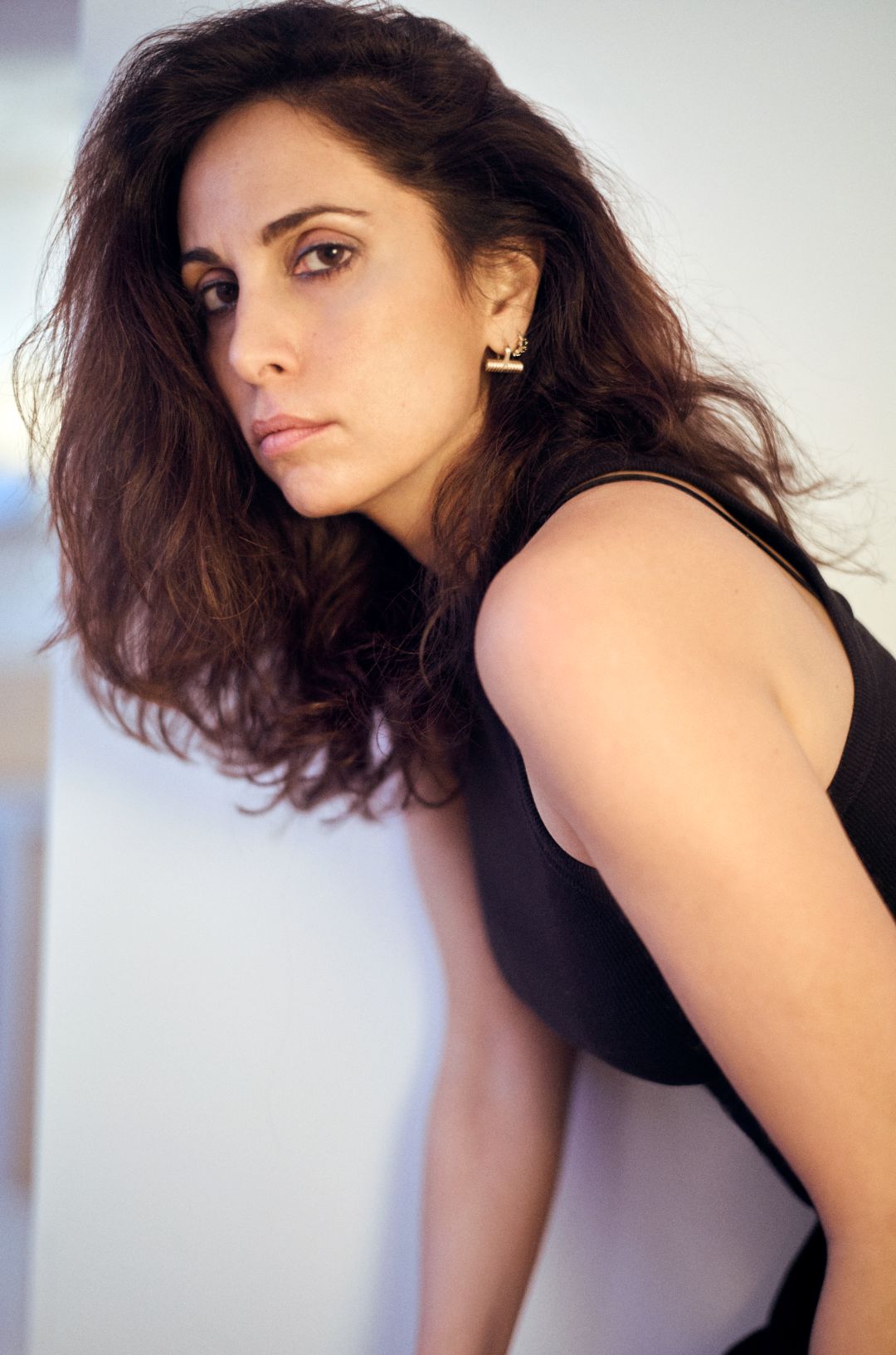
There is a version of Yasmine Hamdan that exists in the archives of music writing. A pioneer, innovator, the architect of an Arabic electronic sound way before anyone even thought of giving it a label. She is half of Soapkills, the voice that carried the underground of postwar Beirut into something mythic. The artist who, across Ya Nass and Al Jamilat, did not engage with the boundaries typically imposed on Arabic music, expanding it from within rather than reframing it for elsewhere.
And then there is the version of her that joined me on a call from Europe, somewhere between tour dates in 2026. We only had thirty minutes to speak. Cameras off.
“Hello?”
Her voice arrived soft, low, almost receding into itself but steady, present, persistent.
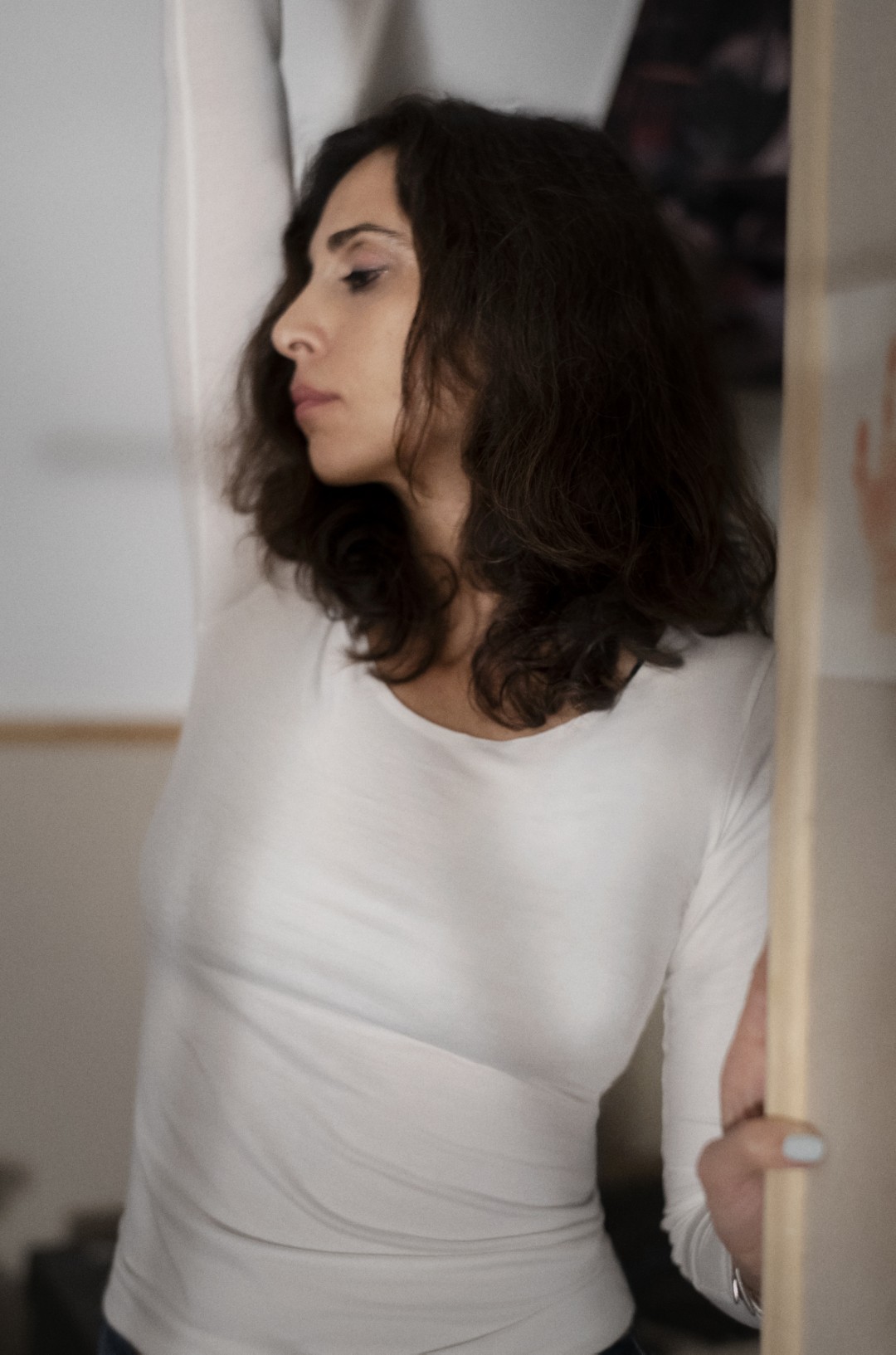
Words arrived slowly, heavy. I felt myself leaning forward and staying as still as I could, almost as to not interrupt her flow of thought. Her words felt precious. Important. Laboured for. She paused often, searching for the right phrasing, on the tip of her tongue, circling, sometimes she would abandon a sentence midway, but she always wanted to return to it.
At times she would slip into French. It was not because it was more precise, but because even there, precision felt just so out of reach. I could hear it before she said anything directly: the weight of everything happening – Lebanon, Gaza, the region once again on the brink – pressing into the spaces between her words.
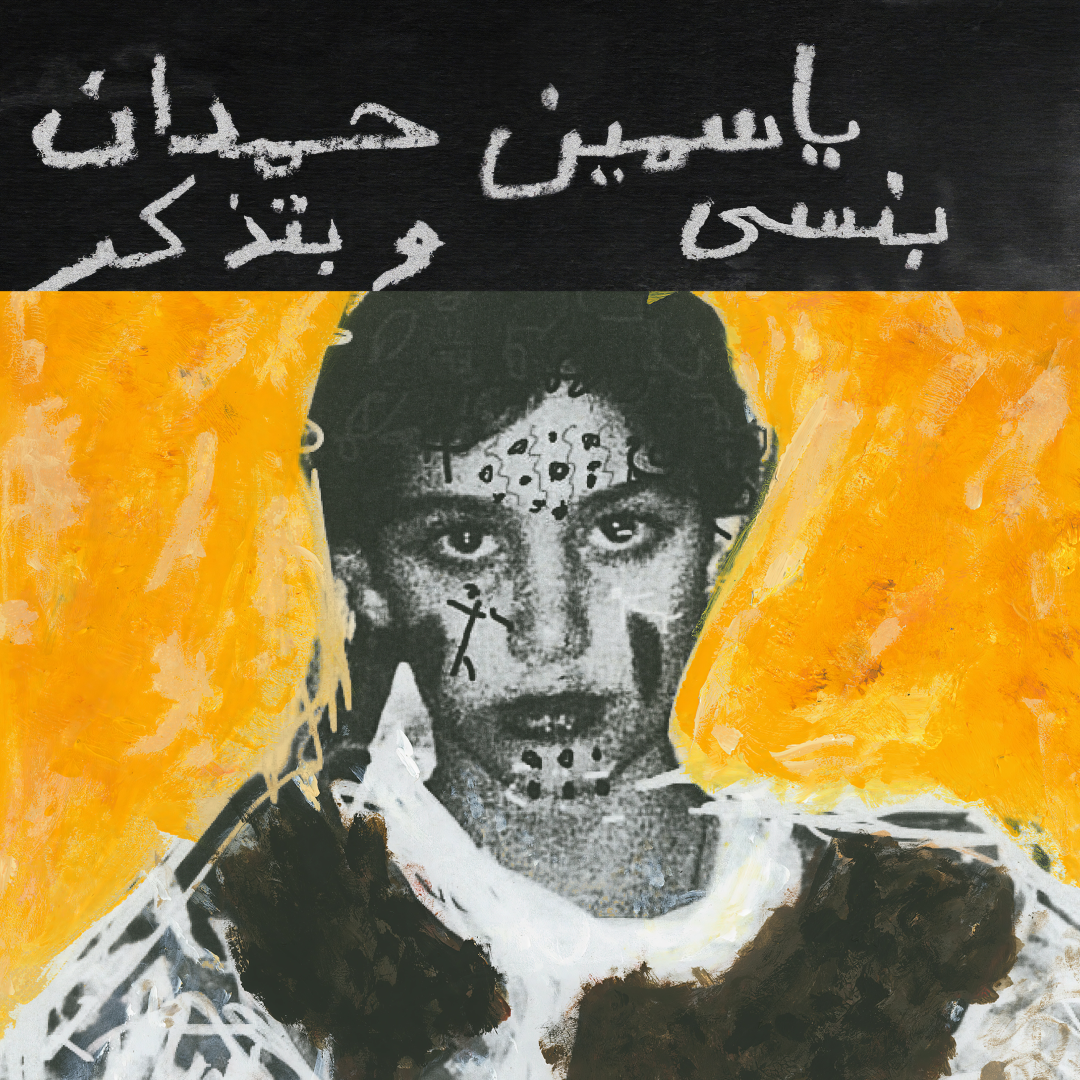
I had prepared a lot for this interview. Pages of research and references. A list of questions about her music, the eight-year absence, her return with I Remember, I Forget. Questions about identity, language, industry, legacy.
We never got past the first question. Freedom, or the impossibility of it.
The question was simple, at least structurally: what does it mean for you to be free?
“I think it has to do first with the relationship I have with myself,” she begins. Then stops. Reframes. Starts again. “Freedom is relative and it can be an illusion.”
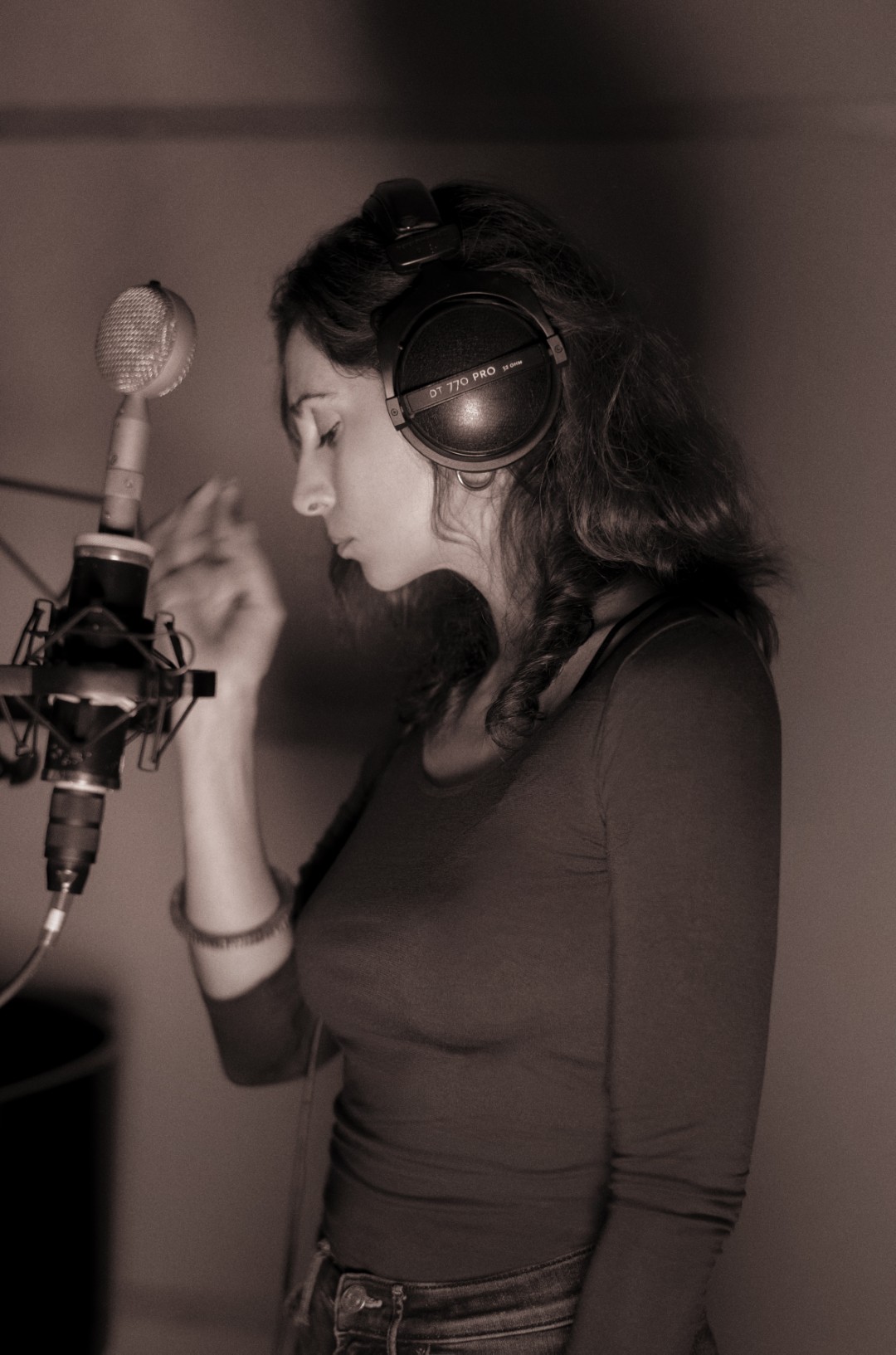
What emerged from this point on was not so much an answer but a slow dismantling of the premise itself. For Hamdan, freedom is not a condition one reaches or attains. You cannot achieve freedom. It is something closer to an internal negotiation. It is fragile, temporary and constantly under threat.
“It’s an aspiration,” she says. “Do you have this inner space that allows you to daydream, to contemplate, to imagine things differently, even to step away a little bit from your anxiety?” The way she frames it, freedom is not external. Freedom is the ability to create “small pockets” within yourself – moments of refuge carved out against a world that feels increasingly un-livable.
“At the moment everything looks very distressing,” she says. “So, how am I able to not panic? How are you able to create some continuity?” The question hangs there, unanswered.
Between the years of 2018 and 2025, Hamdan completely disappeared.
It was not in the dramatic, industry-manufactured, strategic silence sense. She stopped because she had to. “I didn’t really have the choice,” she says. “I felt that I was kind of almost drained and I said to myself, I’ll have a one-year break.” One year extended into eight.
Lebanon collapsed. The 2019 protests. Economic freefall. The 2020 Beirut port explosion. COVID. War. Accumulated crises, one folding and unfolding into the next. “It became a bigger pause,” she says. “Because I had to.”
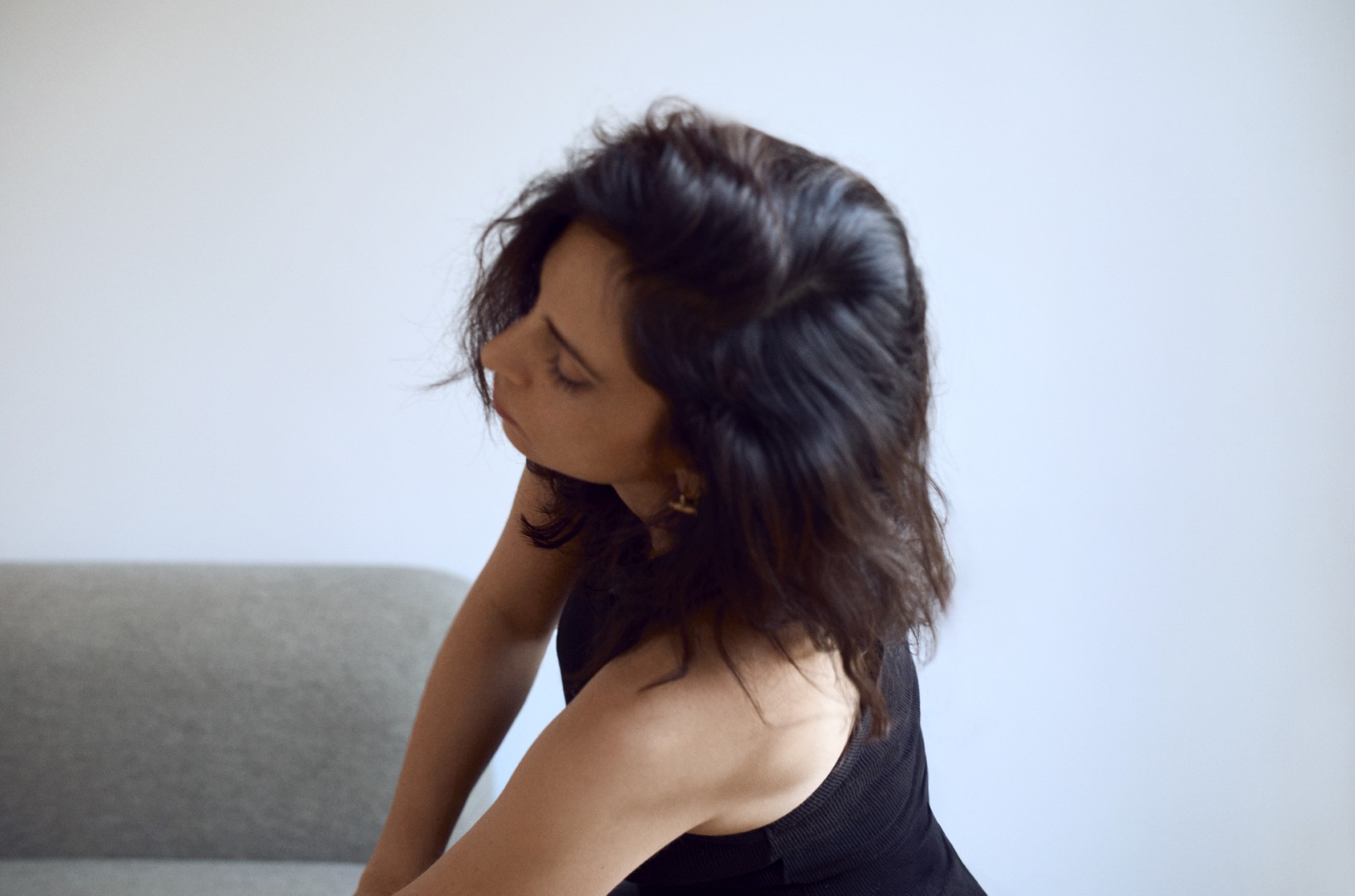
She describes it as confrontation. A confrontation with grief, exhaustion, with the machinery of the music industry itself. “I didn’t want to continue on playing a certain game,” she says. “Or being just productive, because this is how things are.”
In the way music is now defined by constant output and the passive aggressive coercion of relevance, Hamdan’s absence reads, in retrospect, as something deliberate, even if it did not begin that way. A refusal.
What followed was not rest, exactly. “I needed also to connect to myself to do some cleaning up,” she says. “And face some inner tensions.”
She describes what it was like to allow herself to doubt everything from her work to her direction to even her own abilities. “I was going through a lot of insecurities but it’s okay,” she says. “You have to allow all the spectrum of emotions to exist sometimes in order to advance.”
She did not talk about it in the language of healing, or with any romanticizing. No clean arc of breakdown-to-rebirth. Just duration. Weight. Process. “It was not easy,” she says plainly.
And always, in the background, and the forefront, Lebanon. “You’re burdened by heavy emotions,” she continues. “Pain, suffering, fear, anger, anxiety for the people you love, guilt.” Guilt, especially. Hamdan has called Paris home since 2005. But as she speaks, it becomes clear that geography, for her, is not a stable concept. “I’ve always lived in two places at the same time,” she says. “You become a bit confused about where you are and what you are living.”
There is a dissonance she repeatedly returns to: the reality of her life in France, stable, safe and intact, against ongoing instability unfolding in Lebanon, experienced in real time through a phone screen. “In reality, I live in France. My life is good here,” she says. “But I’m carrying all this with me.”
Her song “Hon,” from I Remember, I Forget, was a response to the Beirut explosion. But as she describes it, it is equally about the experience of watching again and again from afar as catastrophe becomes routine. “A déjà vu,” she calls it. “Reliving it over and over.”
If there is a single thread that runs through the conversation, it is the inability to look away. “All the news you get is from your social media,” she says. “These images they break your heart.” She describes her relationship to her phone in almost clinical terms. “I look at myself addicted to watching the news,” she says. “I feel that I’m enslaved that I am losing some of my freedom.”
The word “freedom” returns here but this time it is inverted. It returns not as aspiration, but as erosion. “It’s weaponized against you,” she says. “It scatters your mind, your soul, your heart.”
What concerns her is not only the emotional toll, but what she calls an “inner violence” produced by the constant exposure. This accumulation of rage, frustration, helplessness that has nowhere to go.
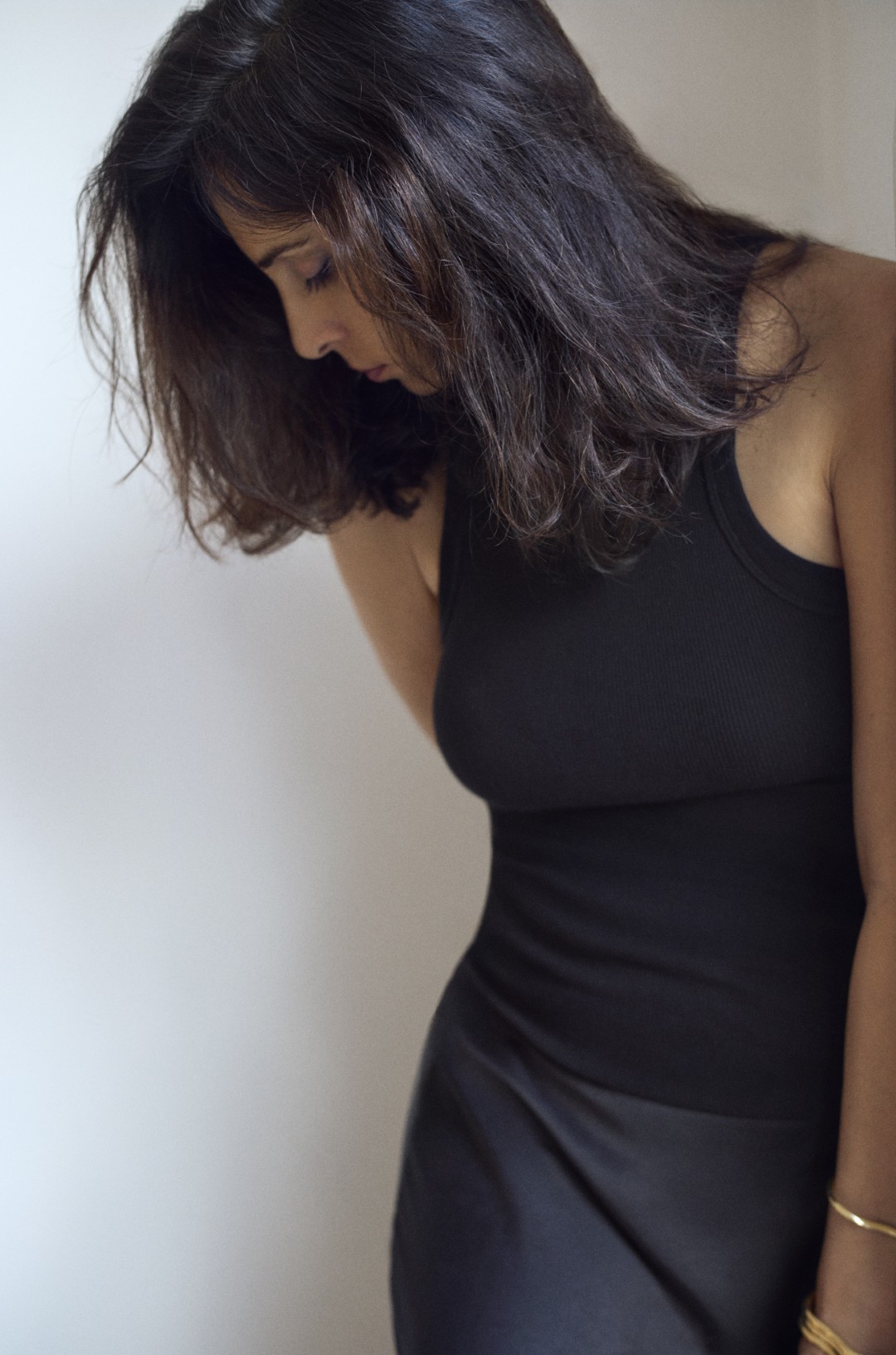
“And this inner violence, how do you project it?” she asks. “On who? And how does it resolve?” There is no answer we conclude. Only the observation that not everyone is able to metabolize it. “This is how everybody is becoming very polarized,” she says. “And it’s normal but it’s a big challenge.”
At one point, as she is searching for language, she lands on an image. “It’s like an autoimmune disease,” she says. “It creates chaos and then chaos becomes the normal.” She pauses. “I feel like we’re in this abnormal normal.”
The phrase reframes everything – the wars, the scrolling, the emotional saturation – not as temporary crises, but as a condition that has already settled into permanence. “I don’t know if we’re winning,” she adds quietly.
If there is any resolution, it does not come in the form of certainty. “I’m not optimistic,” she says. “But I always look for hope.” The distinction matters.
Optimism implies expectation. Hope, in her framing, is closer to discipline, something one chooses to maintain even in the absence of evidence.
“You cannot give up,” she says. But even that feels provisional. “I don’t think we will have any kind of clarity,” she admits.
Near the end of the conversation, the scale collapses. After speaking about war, collapse, systems, violence and circling questions with no answers, she lands somewhere unexpectedly intimate.
“The only thing that sometimes makes me feel happy is to think about my cat,” she says. “When you connect with an animal, there’s something magical about it. It connects you with an inner joy that is untouched.”
Today everything feels mediated through screens, repetition, and distance. So, the idea of a connection without language without interpretation or negotiation, in her telling, a kind of relief. “I just want to be with my cat,” she says.
In the years she stepped away, the music industry moved in the opposite direction. It became faster, louder, more constant. Hamdan did the opposite. She disappeared. Returned only when she had something to say.
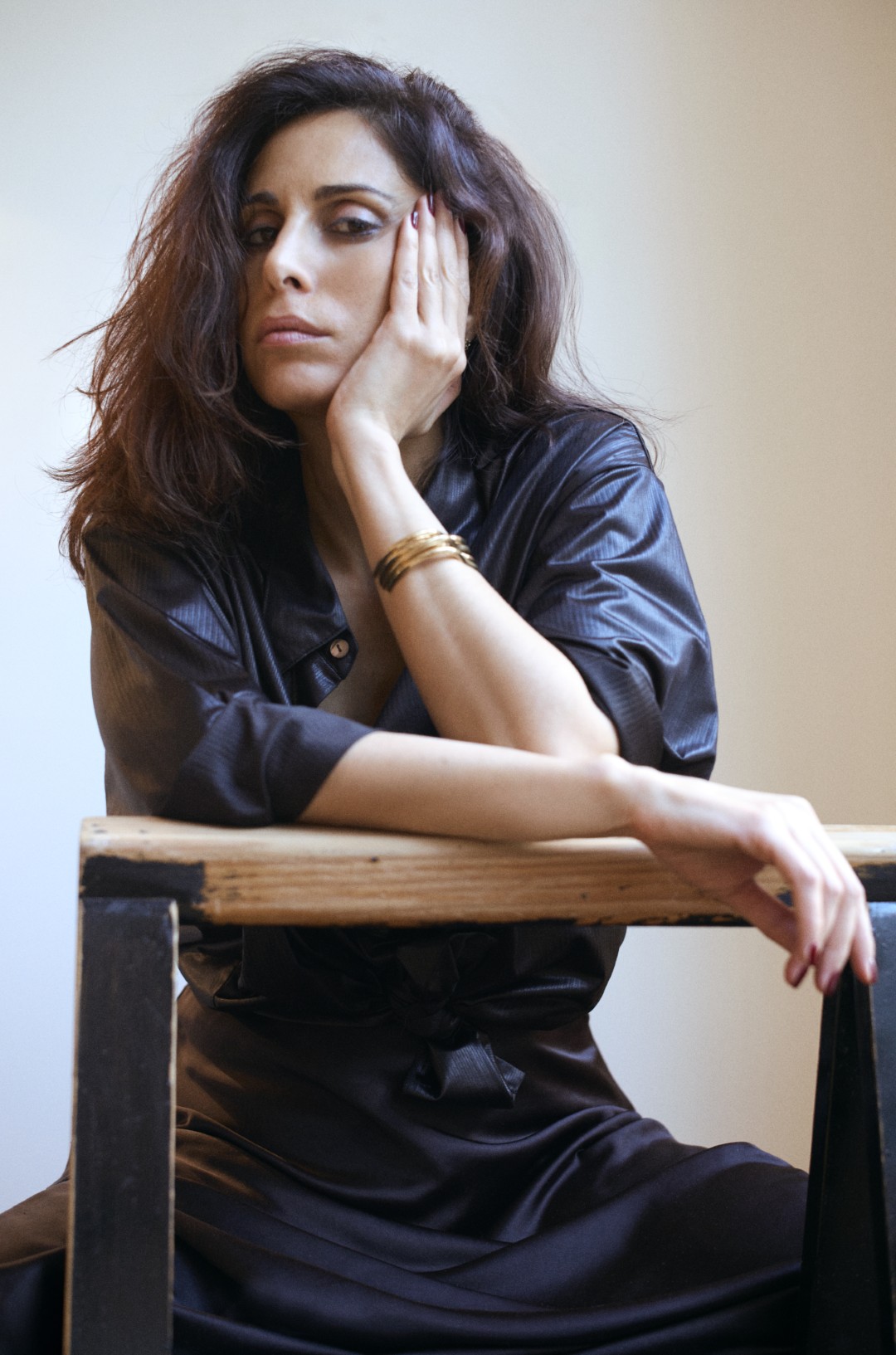
In that sense, I Remember, I Forget is a product of that silence – the result of years spent absorbing, processing and resisting.
But to frame it purely in musical terms would miss something essential. Because in those thirty minutes, we never spoke about production, or collaborators, or even specific songs beyond passing reference.
We spoke about survival. About how to remain intact psychically, emotionally and artistically when everything around you feels like it is collapsing into noise.
Freedom, as she defines it now, is not a fixed state. It is not even stable. It is the ability, however briefly, to carve out space inside yourself to think, to feel, to grieve, to imagine without being completely overtaken. A pocket. A pause. An aspiration.
For more stories of music from around the region, visit our dedicated archives and follow us on Instagram.