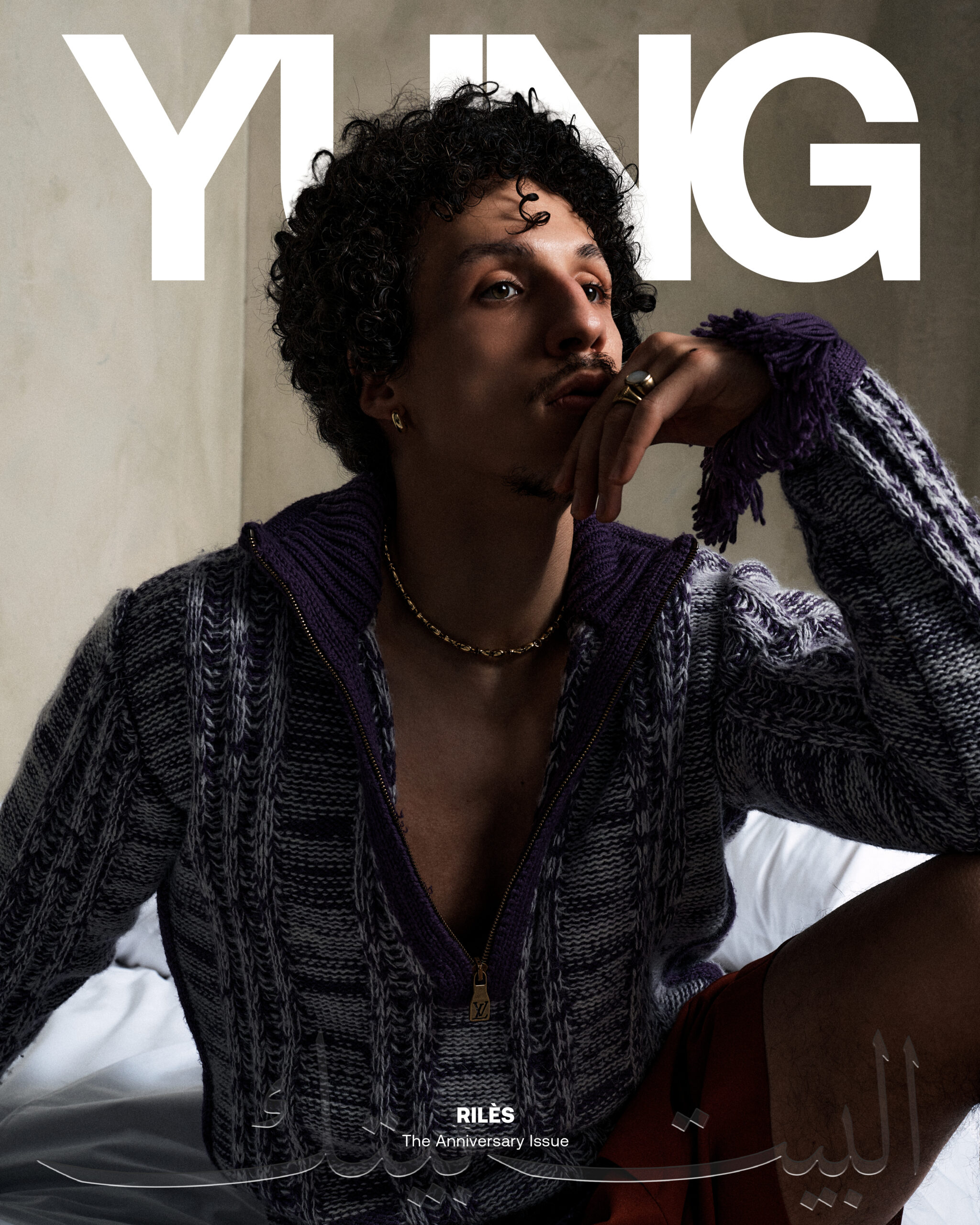
To begin this story, I would like to start at the end.
After my conversation with Rilès – one that stretched, paused, drifted in and out of silence, eventually settling into an elastic, lived-in rhythm – we found the exchange softening into a quiet conclusion. It was one of those endings that didn’t feel abrupt, but almost earned.
We had spent the better part of our time inside his Survival Mode – not just the album he released in 2025, but the state itself. We circled endurance, performance art, self-imposed extremes, the physical and mental constraints he deliberately placed on himself to see just how much he can extract from life.
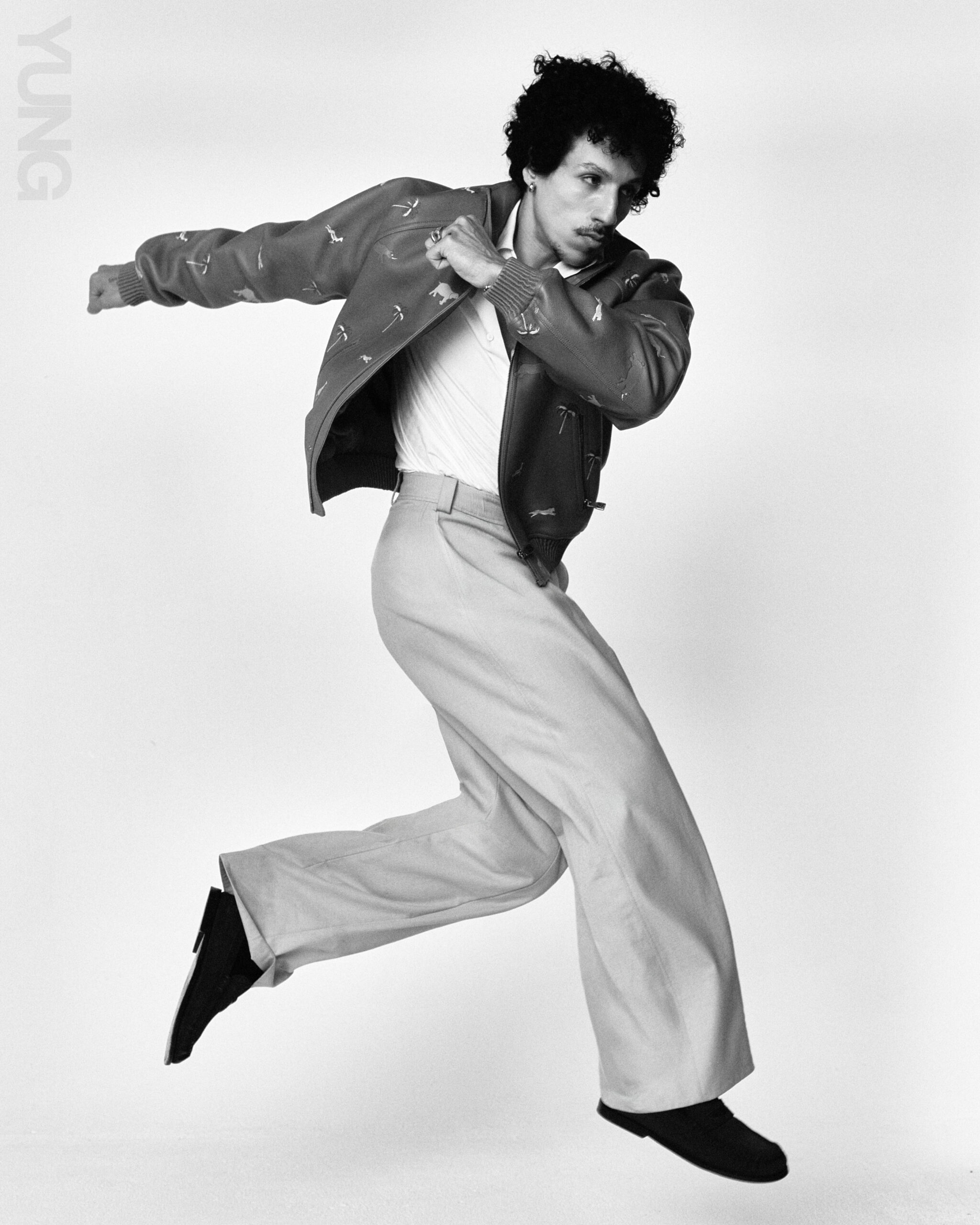
Naturally, we arrived at the question that lingers after any period of intensity: what comes next?
There was a pause. Not empty – full, charged.
And then he said: “Unconditional love.”
I met it with a knowing smile, a slow, instinctive “Hmmmmm – yes.” That made perfect sense.
He admitted that he doesn’t quite know what that looks like yet, “I can’t really put it into words yet, but I want to learn about love, not just love like ‘I love someone,’ but something more universal. Something bigger than that. I want to explore how the prophets loved unconditionally, regardless if someone harms you or not,” he said.
As he searched for the right words, you could tell the idea was still forming, not fully graspable, but already deeply felt. It was unfinished but searching and alive.
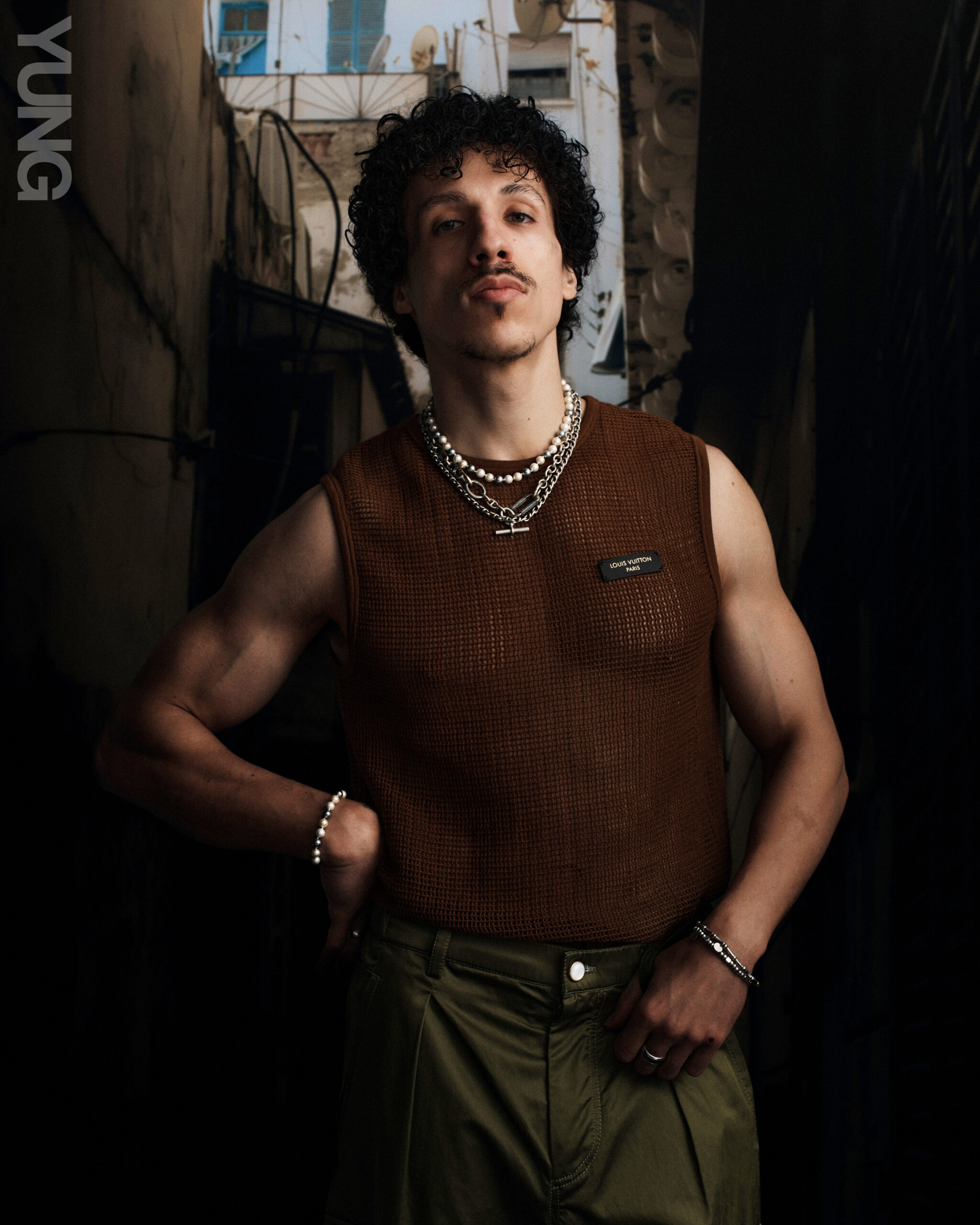
There is a curiosity pulling him in toward the idea of experiencing love without conditions, without structure or limitation.
Again – a pause, and then it clicked.
Rilès is a seeker.
I told him – I think you are someone who moves through life not just to understand it, but to fully experience it, to pass through different states, intensities, forms of knowing, in search of something beneath it all, something true.
Up until now, his approach to this knowing has been through constriction, by tightening up the frame to see how much life he can squeeze from it, or force through it.
Running for 24 hours straight, nonstop with a metal rotating blade behind him. Stepping into a glass box and handing a public audience a pair of scissors, letting them do with him what they will. Walking away with half his hair cut off.
Enduring, testing, compressing – putting himself in situations where something has to give, where the body, the mind, or the moment itself reaches a breaking point, and in that fracture, something real reveals itself.
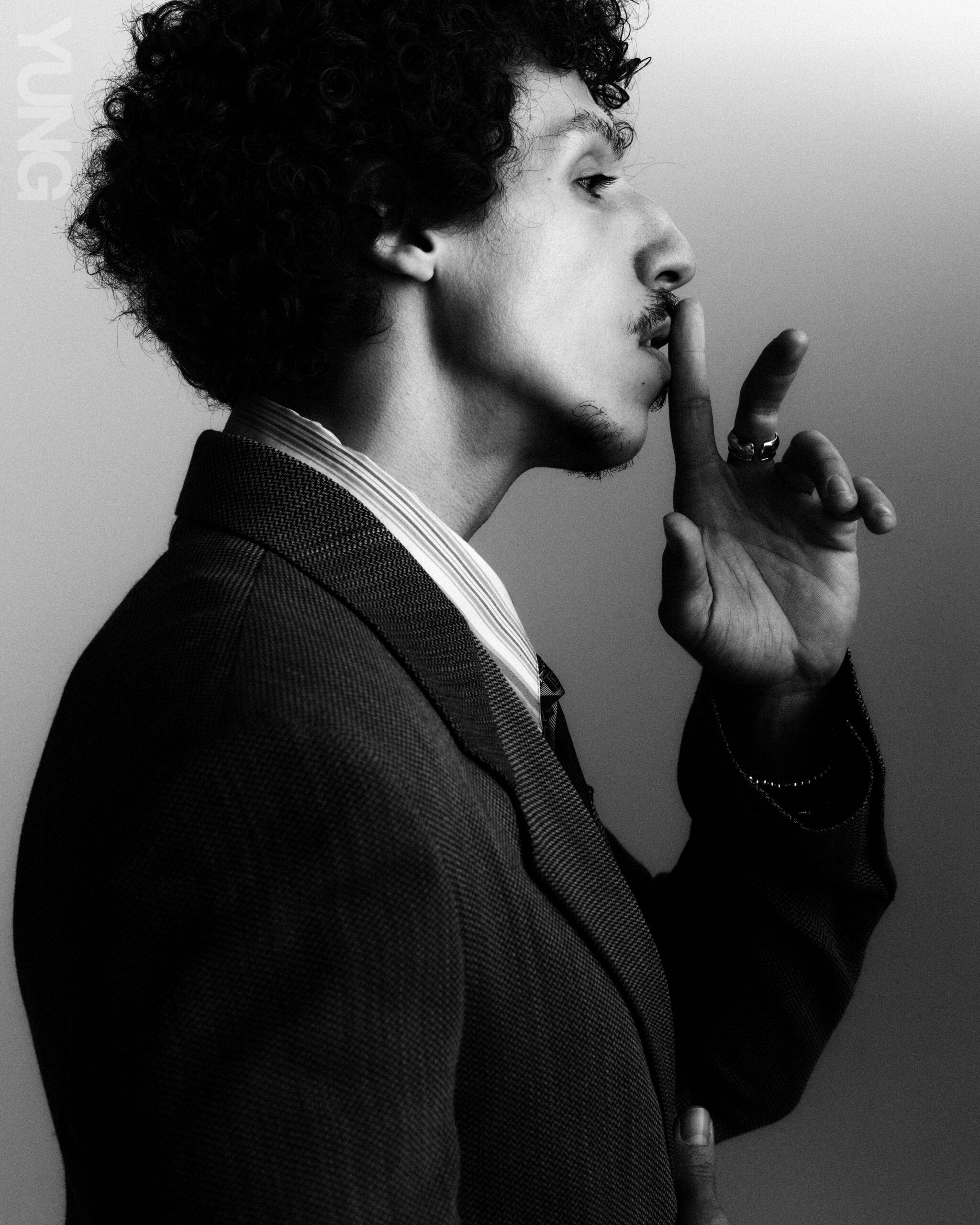
The 24-hour run was conceived as part of the promotional world around his album Survival Mode, a physical extension of the themes he was exploring in the music itself. “I love experimenting on myself,” he says. “Not just to communicate something, but to actually feel it. When I did the 24-hour run, I wanted to understand how time really passes. And when it was over, it felt like it had only been 12 hours. My body was destroyed, but my mind, it experienced something completely different,” he shared.
By the end of it what stayed with him wasn’t the pain. It was the distortion of time. The way those 24 hours didn’t feel like 24 hours at all. That was the answer he was looking for. And that’s the pattern. It’s less about proving something outwardly, and more about uncovering something internally.
His performance art does not feel like stunts, but questions. Even in something as visually striking as the I Don’t Wanna Lose You video – where he stands still, exposed, strangers approaching him with scissors – the focus is not on the shock factor, but on understanding the spectrum of human behaviour. Vulnerability. Risk. Unpredictability. “When you put people in a room with a situation like that, you don’t know what will happen. That’s what I love. It’s like an experiment. You see how people react.”
The moment someone chopped off half his hair was not something he planned. But it was allowed. “We knew something could happen. Maybe someone would go too far. But that was part of it. There was no going back. That’s the thing with real experiences.”
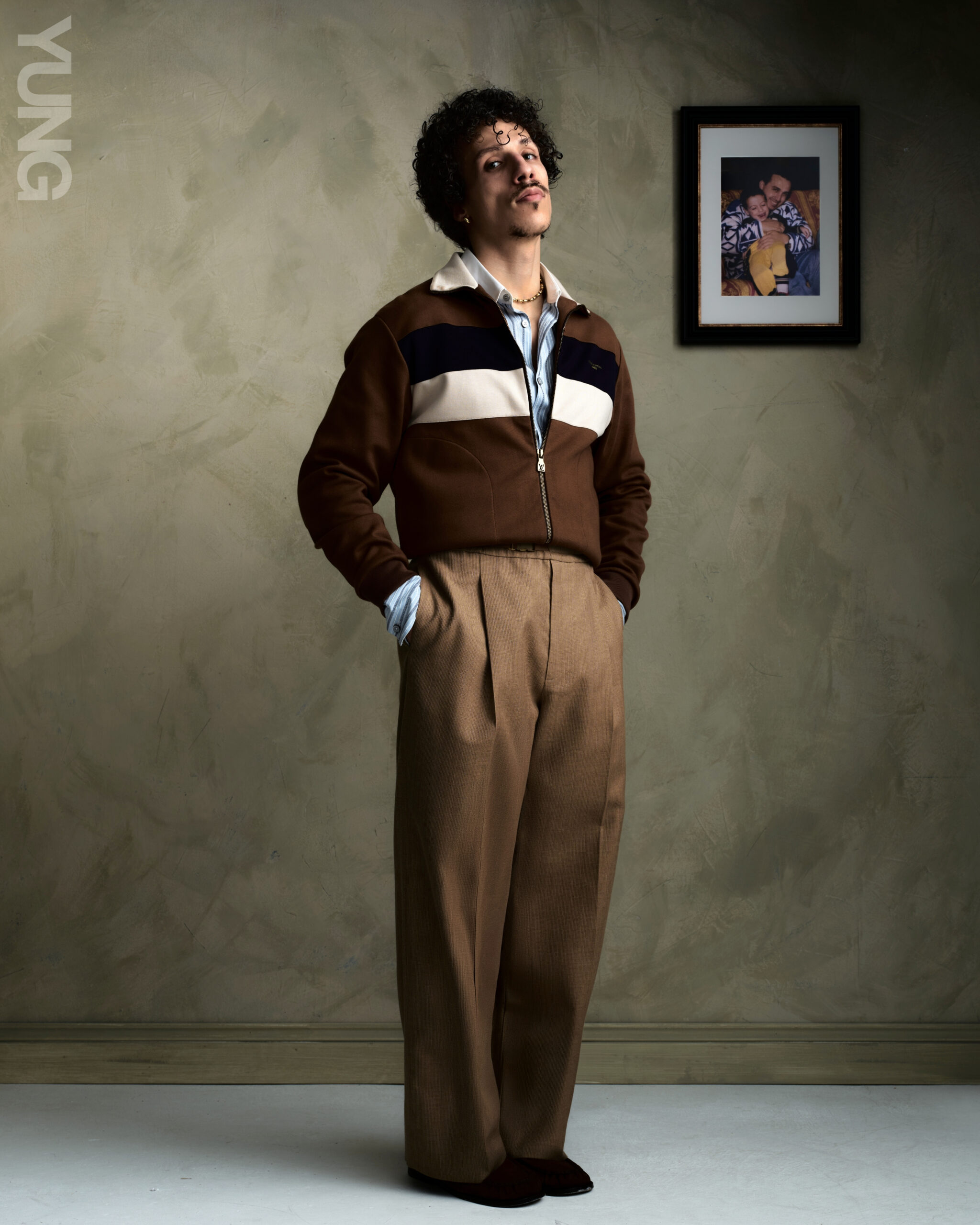
He was surprised at how far they went – how quickly a boundary shifted once it was opened. And yet, once it happened, there was no sense of wanting to undo it. There is only the realization that once you enter an experience fully, there is no clean way out of it. You carry it through.
There is risk, yes. Real risk. But there is also a kind of surrender embedded within. A willingness to not fully control the outcome. To allow people, strangers, to enter the space and make decisions that directly affect him.
And now, this next idea he is drawn to, “unconditional love,” feels like the polar opposite, the inverse of everything that came before it. But somehow, it serves the same purpose. It is not a departure from what came before but a continuation, just in the other direction.
“Survival mode is part of me but it’s not a safe way to live all the time. You need to let go at some point. You need to learn something else,” he tells me.
If Survival Mode was about limits, pressure, and resistance, this next exploration is about expansion. Openness. A total and complete removal of conditions. No limits. No structure. No constraints.
The intention is the same: to experience life fully. Completely. With no dilution. To know both extremes – the most constrained version of existence and the most boundless.
And that’s when I told him: You’re a seeker. And you should look into Sufism. He paused and laughed lightly. “You’re the third person to tell me that,” he said.
Perhaps it was divine direction. I suggested reading Ibn Arabi. “I will do this. I will do this as of tonight,” he said. His excitement for the new knowledge awaiting him was palpable.
But yes – Rilès is an artist, and a great one. But more than that, he is a seeker first.
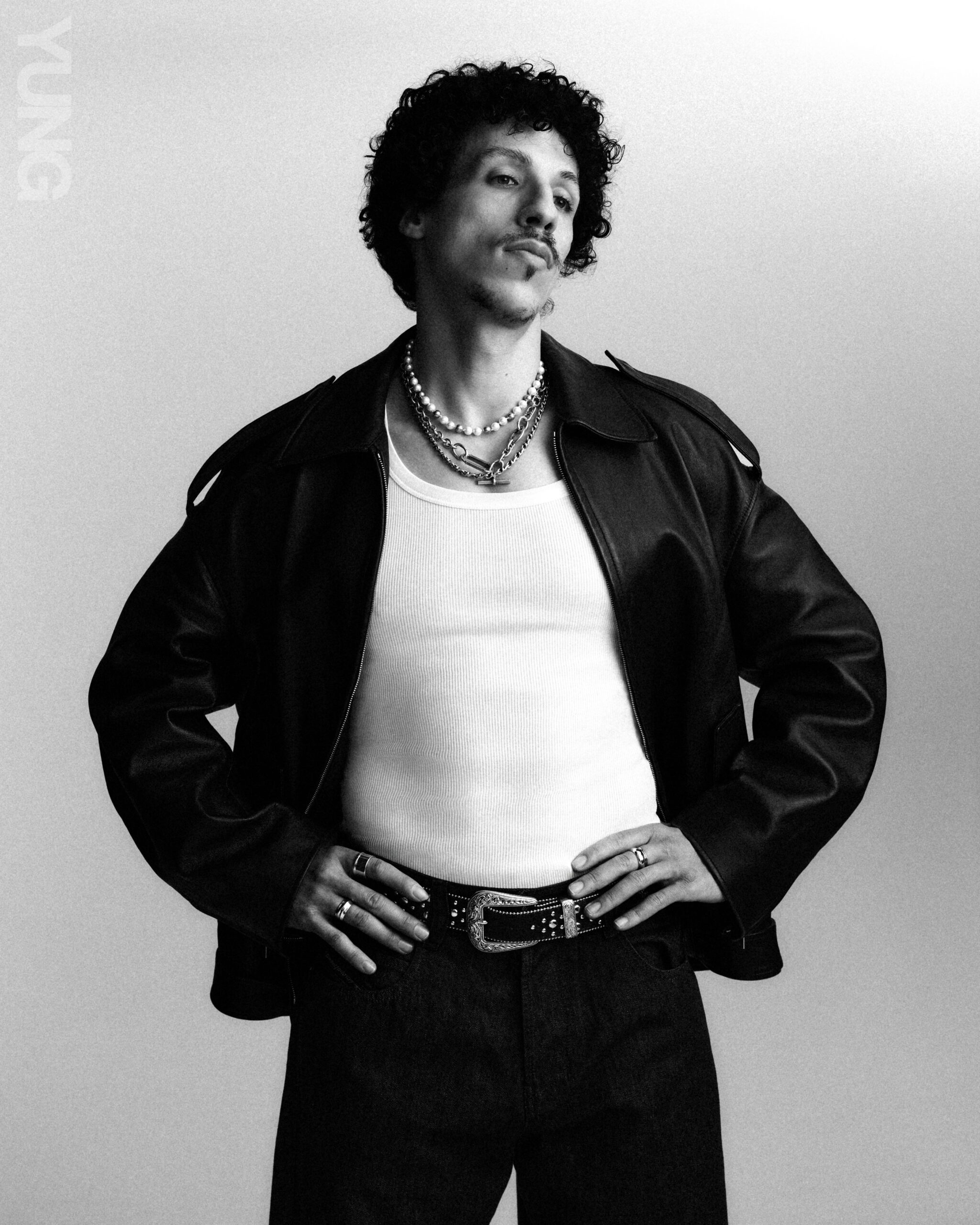
Someone here to discover, to experience, to test the limits of what life can offer and what he can take from it. Someone playing, seriously, with the elements available to him. In music, in the body, in the mind, in life itself. First through restriction. Now, perhaps, through release.
Long before the endurance performances, the bold concepts and their symbolism, the hand-stamped album covers, there was something much simpler in place. An Algerian kid growing up in France’s Normandy to immigrant parents. A room. A computer. And a need to express something, just not in a language his parents could understand. “I was kind of shy. I didn’t want them to understand what I was saying,” he shared with me.
So, he chose English. As a shield, not a strategy or aesthetic as some have assumed. “It was purely out of shyness. I wanted to be entirely free in my expression,” he explained. “Even now, it remained that way. I got used to it. It feels natural. Even if the reason at the beginning was just not wanting to be heard.”
There’s something telling in that. That his first experience of creative freedom came through distance and separation, through a language barrier. Through not being fully seen and understood.
The same pattern appears again when he spoke about how he learned to make music in the first place. He had no infrastructure around him, no accessible system that made the process easy or intuitive. The mythology of being “self-made” sounds romantic in hindsight, but for some, and especially for Rilès, it often begins with limitation. “It was totally out of necessity. The first time I tried to record a song, I booked a studio in Rouen. It was 20 euros per hour, which was enormous for me at the time. The engineer didn’t understand what I was trying to make. I was discouraged,” he admitted. So, he did what most artists do when the system doesn’t work for them. He just built his own for himself by himself.
A second-hand microphone. YouTube tutorials. Trial. Error. Repetition. Discipline. “I told myself, even if it sounds bad, at least I will have the freedom to experiment. I needed that. I needed to try things, to fail, to understand,” he shared. That need to experiment becomes a recurring theme. And the freedom necessary to do that became everything to him.
He studied English, pretending to his parents that he was enrolled in medicine, while quietly building his craft. “I only did three years of university and I stopped at the third year when music started picking up for me,” he shared.
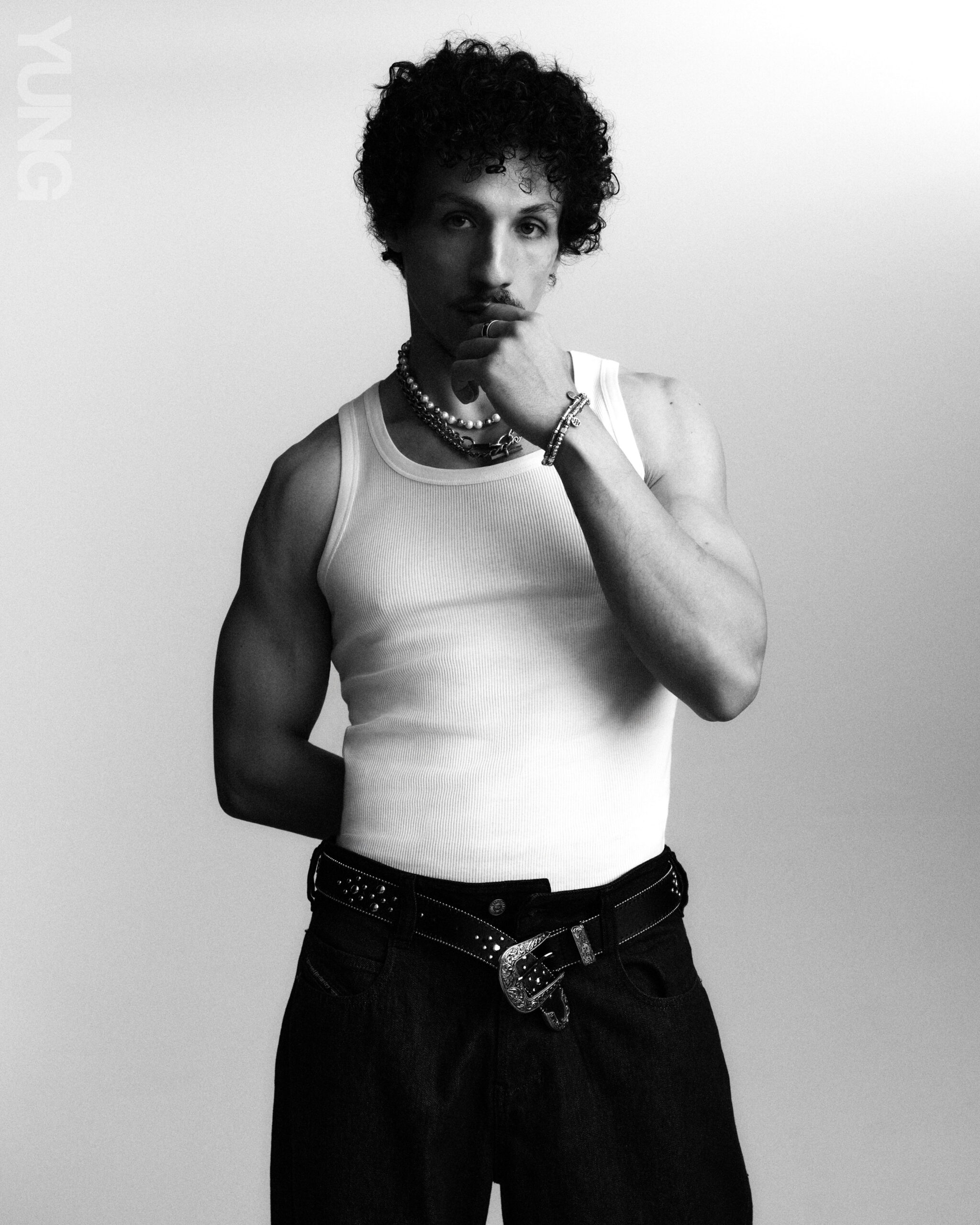
His parents were strict, but loving. He knew they would worry about the uncertainty of a music career. Even though his father had been an aspiring musician, hardship and betrayal shadowed that past. Watching his son navigate the same path, he could only hope for different outcomes.
“Now he is totally at peace with it. I take him on tour with me. I try to give back but in a way that also leaves him free space to express himself,” Rilès said.
At the beginning, there was not a safety net or alternative path. Survival Mode, as a project and as a mindset, was an intense exercise in autonomy and it went on for many years. “I had no plan B. It was all or nothing. I was ready to do this for ten years, even if nothing worked.”
But that kind of commitment does not always come from confidence. “I don’t even know if I trusted myself at that time. Maybe I was just delusional. But it was the only option I saw.” And yet that “delusion” carried him forward.
Until the moment things started working out. And that’s when things starting getting complicated. The more people entered his world, the more opinions, expectations, and external perspectives began to shape the space that had once been entirely his own.
He spoke about a period when he felt disconnected from his own instincts, from his own inner voice. The external voices around him made it harder to hear his heartbeat.
He wrestled with mental fatigue and self-doubt. “Once you start getting views, you get self-conscious. You want to keep the same formula. But with music and creativity in general, there is no specific, engraved formula. That’s the beauty of it. You need to chase it with your heart, not with your head. That’s hard.”
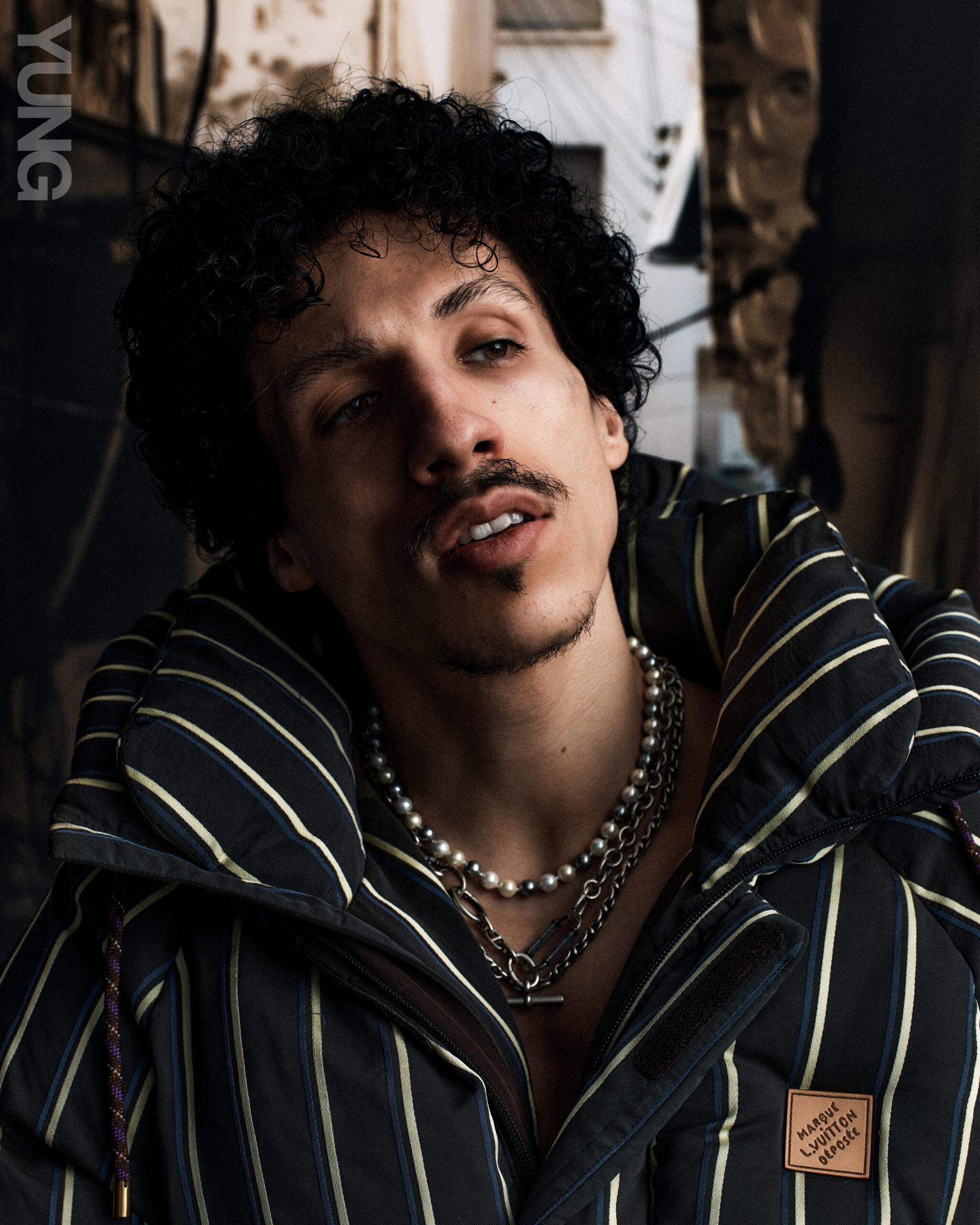
Coming back from that required a different kind of discipline. The ability to trust an idea even when it doesn’t make immediate sense. “I try to reconnect with my heart. Even if an idea feels weird, even if I think people won’t understand it. I have to go that way. I need to always follow my truth with a big T,” he stated.
Because for him, it is not about failure as much as misalignment . “If I fail on my own ideas, I learn. But if I fail on someone else’s vision, I feel like I betrayed myself.”
There’s clarity in the way he speaks about it, an understanding that if something doesn’t work out, but it came fully from him, he can still find peace and even growth in that. However, if something fails and it wasn’t truly his to begin with, that’s harder to reconcile.
That explains everything that comes after. The independence. The intensity. The refusal to dilute. The dedication to doing things from the heart, even if it means taking a leap of faith nobody else believes in.
He did not position himself as anti-system. But he has a clear preference for autonomy. For being able to move quickly and act on instinct.
Having going through music both independently and within the structure of a major label, Rilès now understands what each offers. Access, reach, opportunity on one side. Freedom, immediacy and ownership on the other. And for his music, the latter matters more.
That is because his ideas do not exist in a format that can easily be processed or approved. They arrive quickly, sometimes unexpectedly and often require immediate execution. They are not meant to sit still.
Which brings everything back again to where our conversation ended. To this movement away from pressure and toward something more open and expansive. But equally risky.
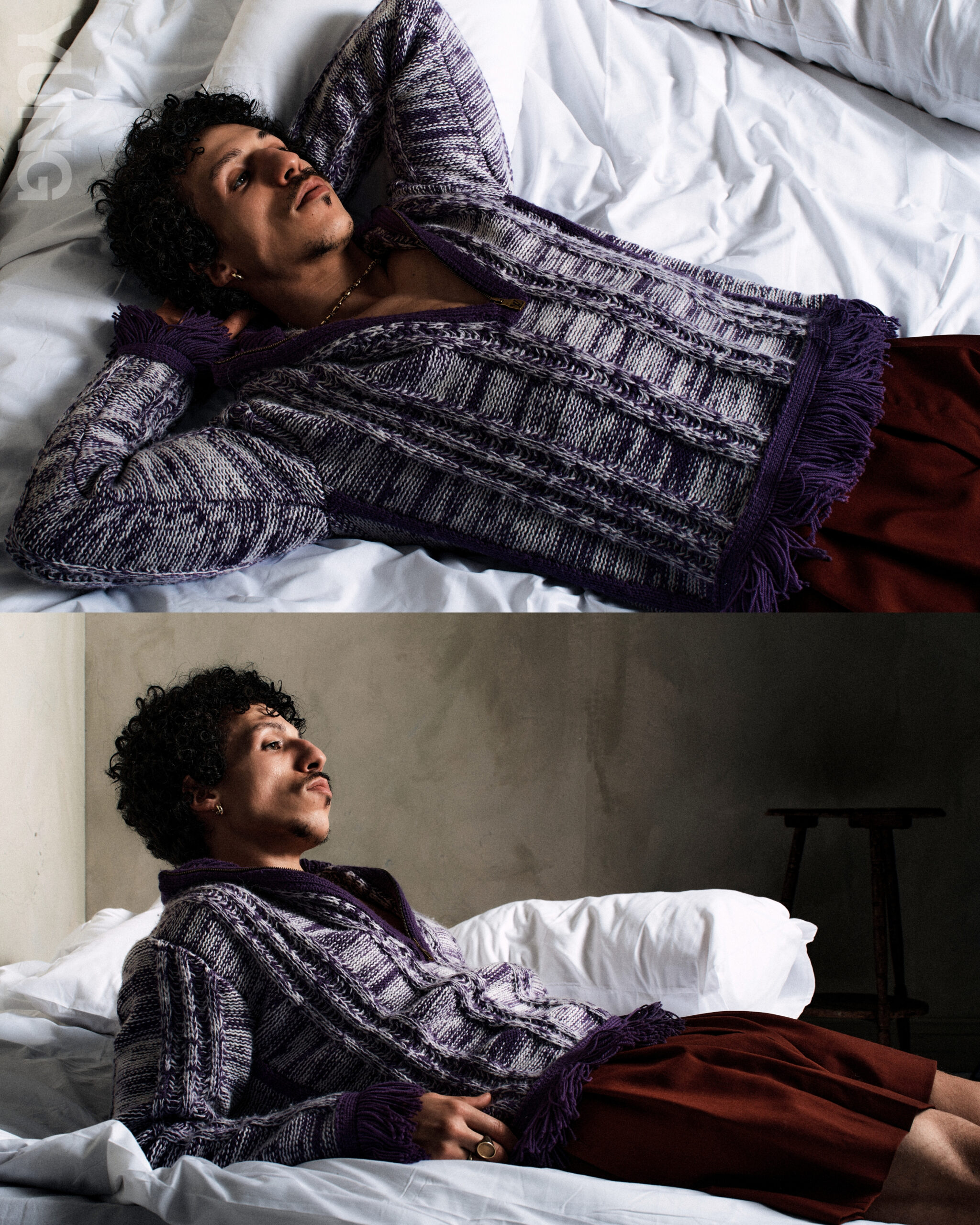
Unconditional love.
For Rilès, survival has been a state of mind and body for years now. “When you’re in survival mode, you don’t make concessions. You go all in. You don’t think about comfort,” he says. But it comes at a cost. “It’s not sustainable. You can’t live like that forever.”
He is not abandoning survival mode entirely, it is still part of him, but he’s learning how to exist beyond it. “Sometimes you think you control everything, but there are other forces, whether animal or spiritual. You’re not the only player in this game. There is a third force,” he muses.
Rilès is ready to explore what happens when those conditions are removed. When there is no constraint. When experience is allowed to unfold without resistance. That is where he is now. Or at least, where he is heading. And maybe that is the most consistent thing about him. Not the performances or discipline, not even his music, but the underlying need to know. To test. To experience.
For more stories of music from around the region, visit our dedicated archives and follow us on Instagram.