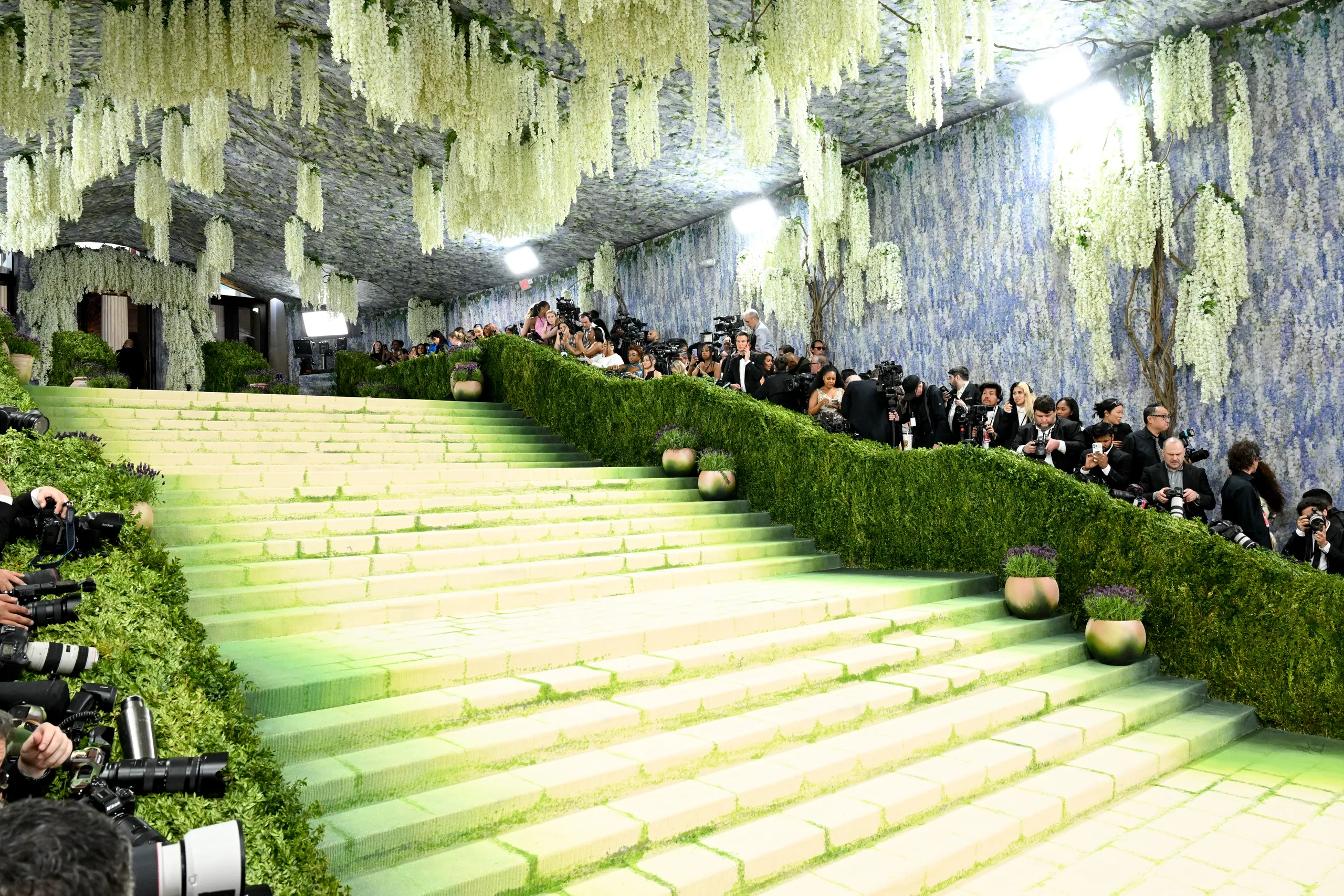
Each year, the Met Gala turns the steps of the Metropolitan Museum of Art into fashion’s most public stage, a collision of fundraising, image-making, and cultural positioning. The red carpet is meant to echo the exhibition inside. It’s where a curatorial idea is translated into dress.
This year’s exhibition theme is Costume Art. The exhibition traces how the dressed body has functioned within art across time, how clothing shapes representation, identity, and form. The dress code of the gala, framed more loosely as “Fashion Is Art,” translated that into something broader. The result was a gap between what was being asked and what was being worn.
And that gap wasn’t only visible on the carpet. The Gala faced significant backlash because of its association with Jeff Bezos, who was one of the main sponsors and honorary chairs. Protesters gathered in New York and staged what they called a “Resistance Red Carpet,” directly opposing the event and what it represents, extreme wealth and the growing presence of billionaires in cultural institutions.
There were symbolic actions as well, including projections across the city and provocative installations referencing Amazon’s labour conditions, which made the criticism highly visible and performative. At the same time, New York City’s mayor, Zohran Mamdani, chose not to attend the Gala, explicitly because he felt it conflicted with his political stance on economic inequality and affordability.
Back on the carpet, that same lack of precision showed up differently… a lot of looks leaned on recognition, paintings referenced directly, motifs lifted and worn on the surface. It read clearly and it also stopped there.
The issue is almost grammatical, there’s a difference between fashion is art, fashion about art, and art on fashion. The preposition matters.
“What is art?” is an impossible question to answer and one that could have so many different meanings to different people, nonetheless it can have some characteristics, or concepts that structure its thinking, like technique (for years art was purely about technique), or concept, or form, or narrative, or feeling. Fashion as art asks the garment to hold its own logic—through construction, through silhouette, through material, through idea.
That’s where most of the carpet fell short. It signalled art without actually engaging with it.
There were exceptions. Looks where technique carried the work, where form reshaped the body, where it told us a story, where the idea was consistent from start to finish…
Let’s have a look at the best contenders:
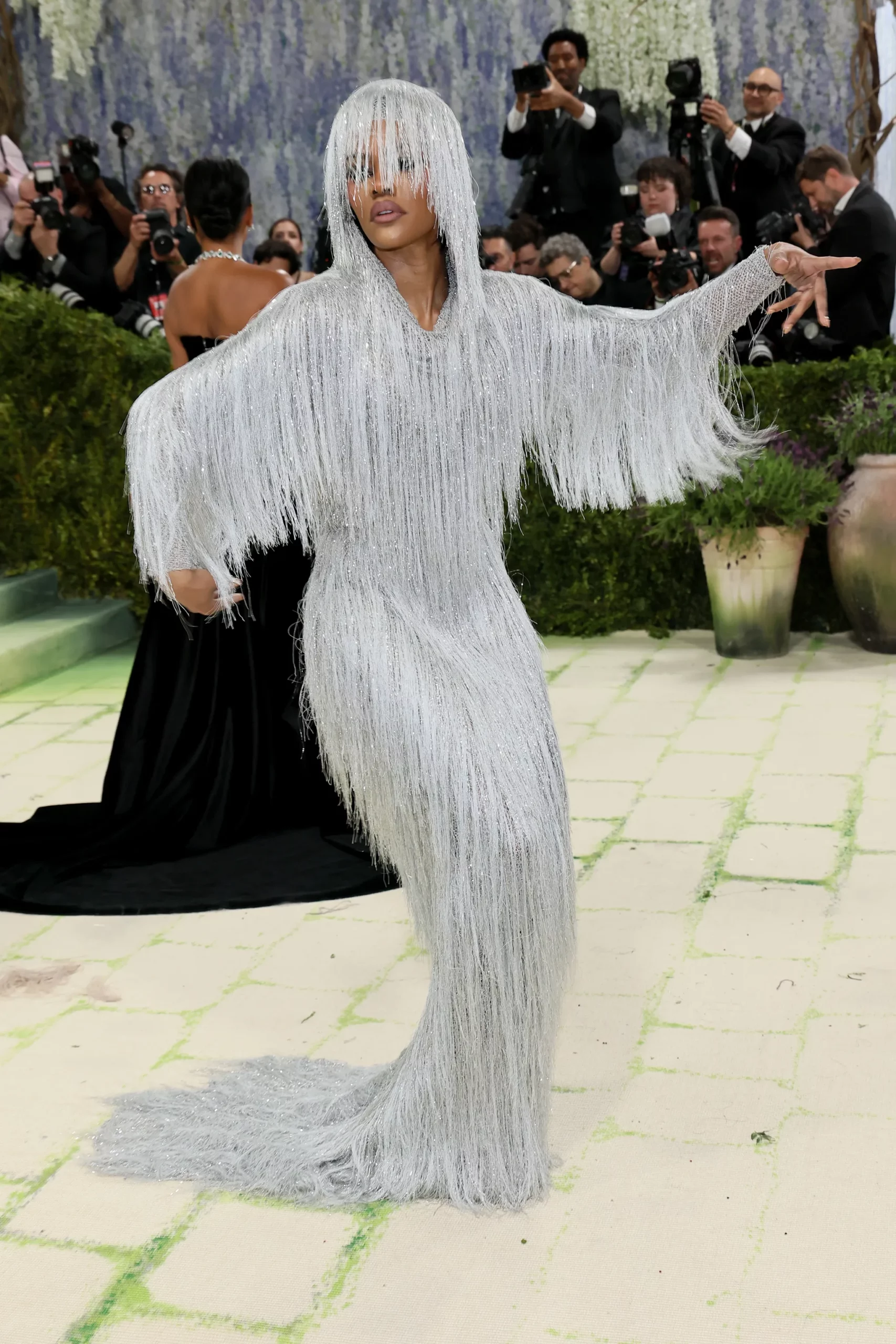
Teyana Taylor played with material and technique
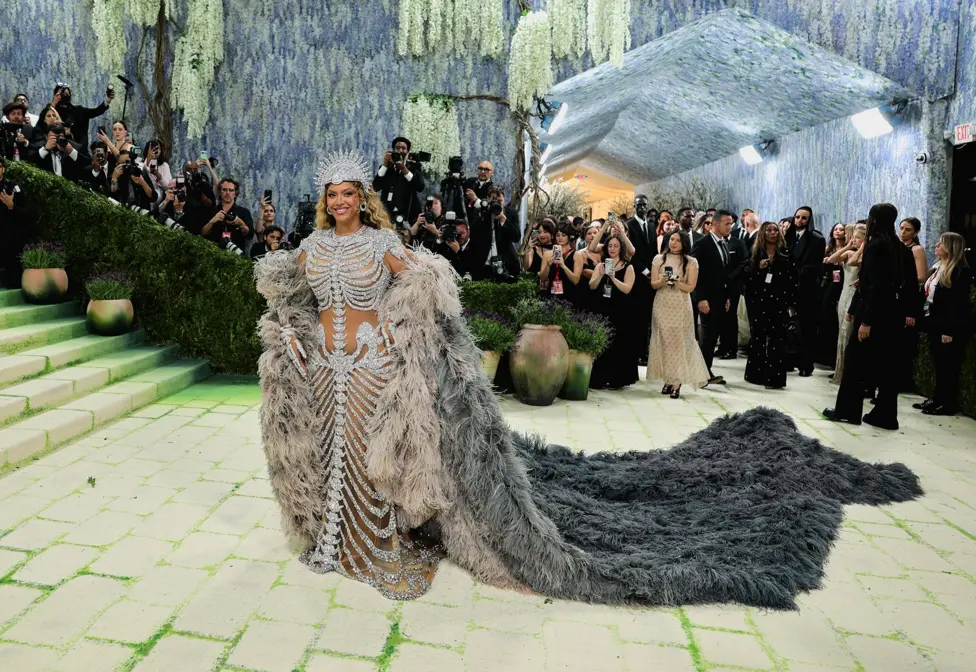
Beyoncé walking in an intricate artwork
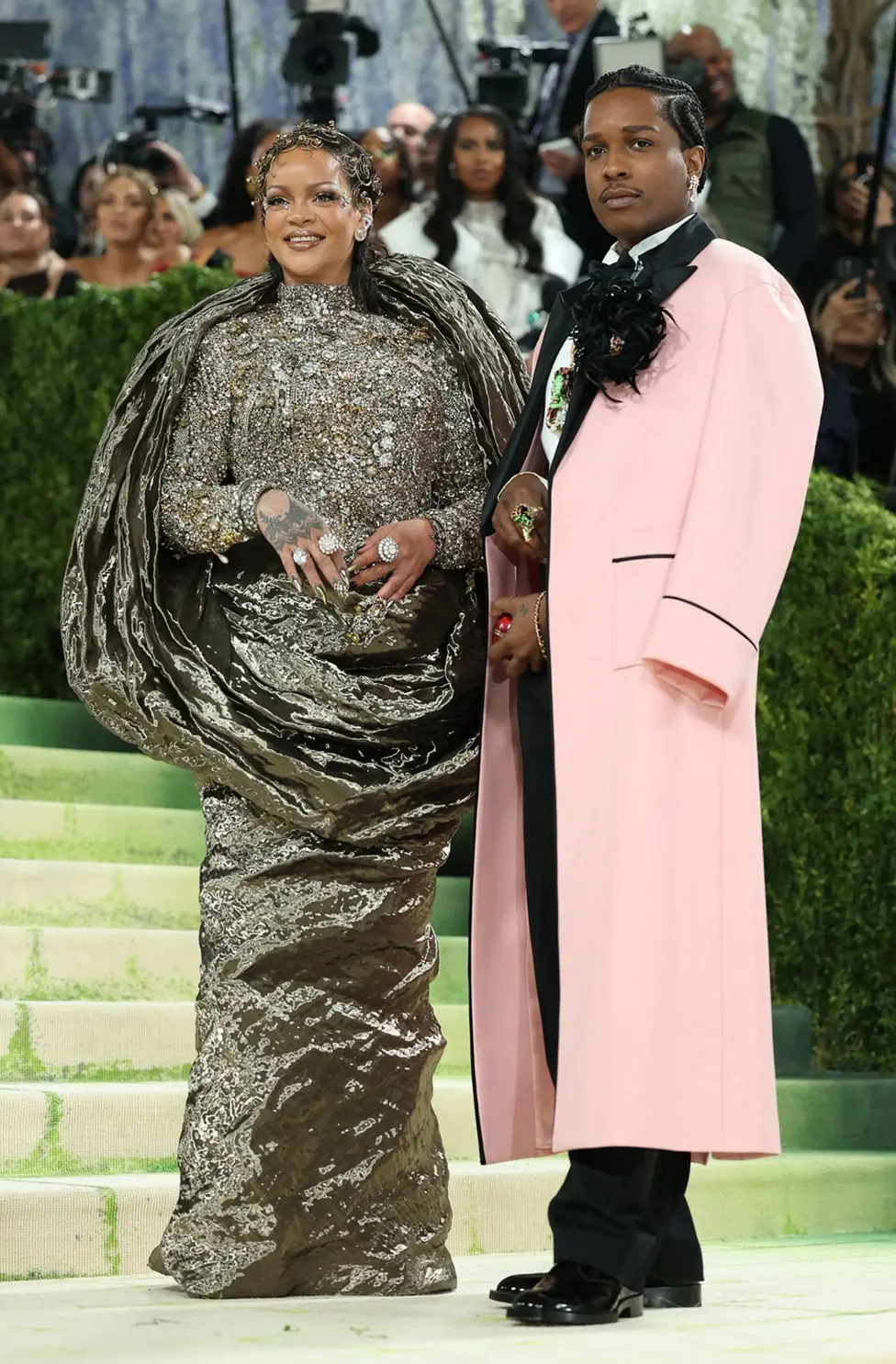
Rihanna went into the archives of one of the most artistic and conceptual houses
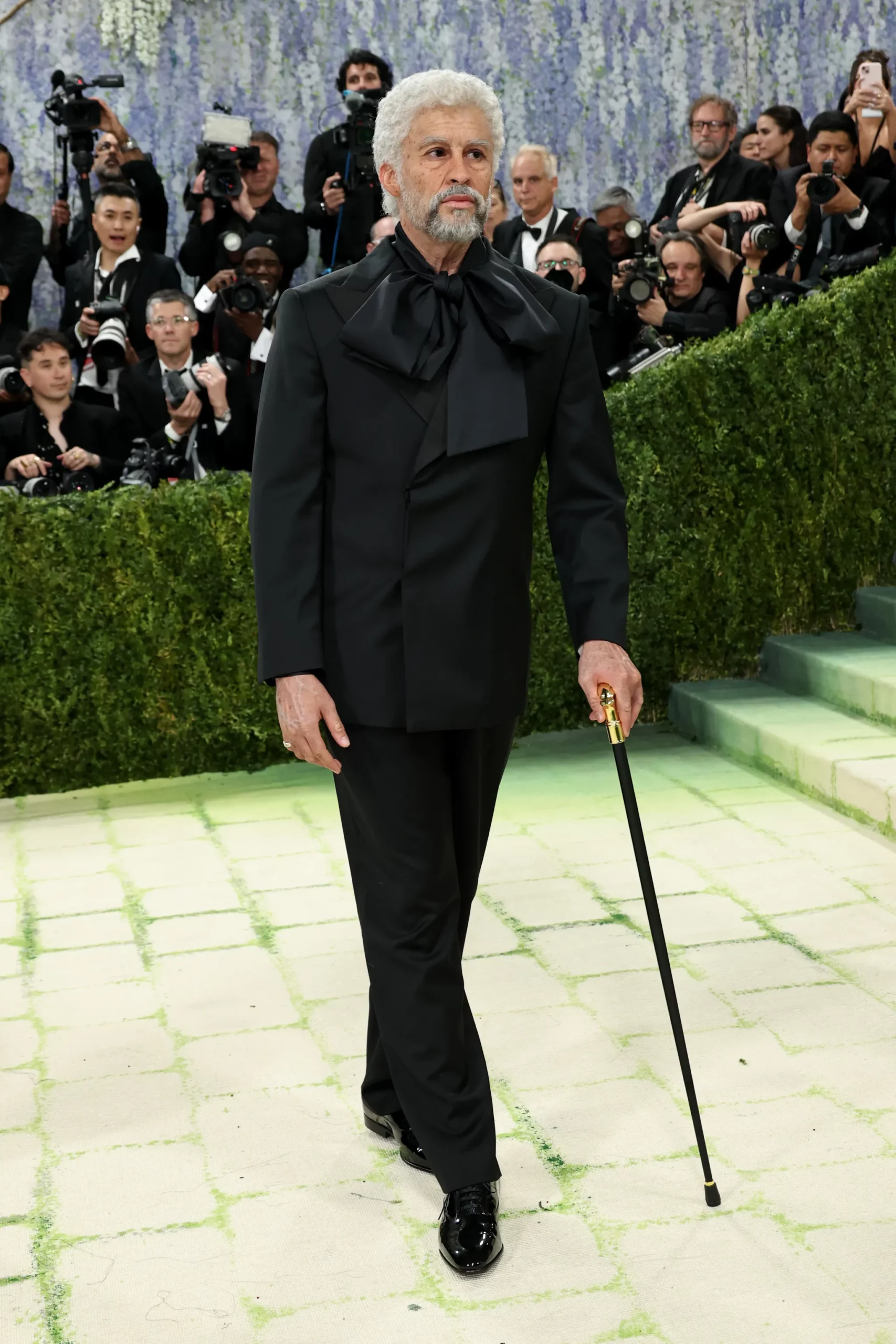
Bad Bunny told us a story
DEJ giving us meticulous technique and an homage to one of fashion’s most iconic artists
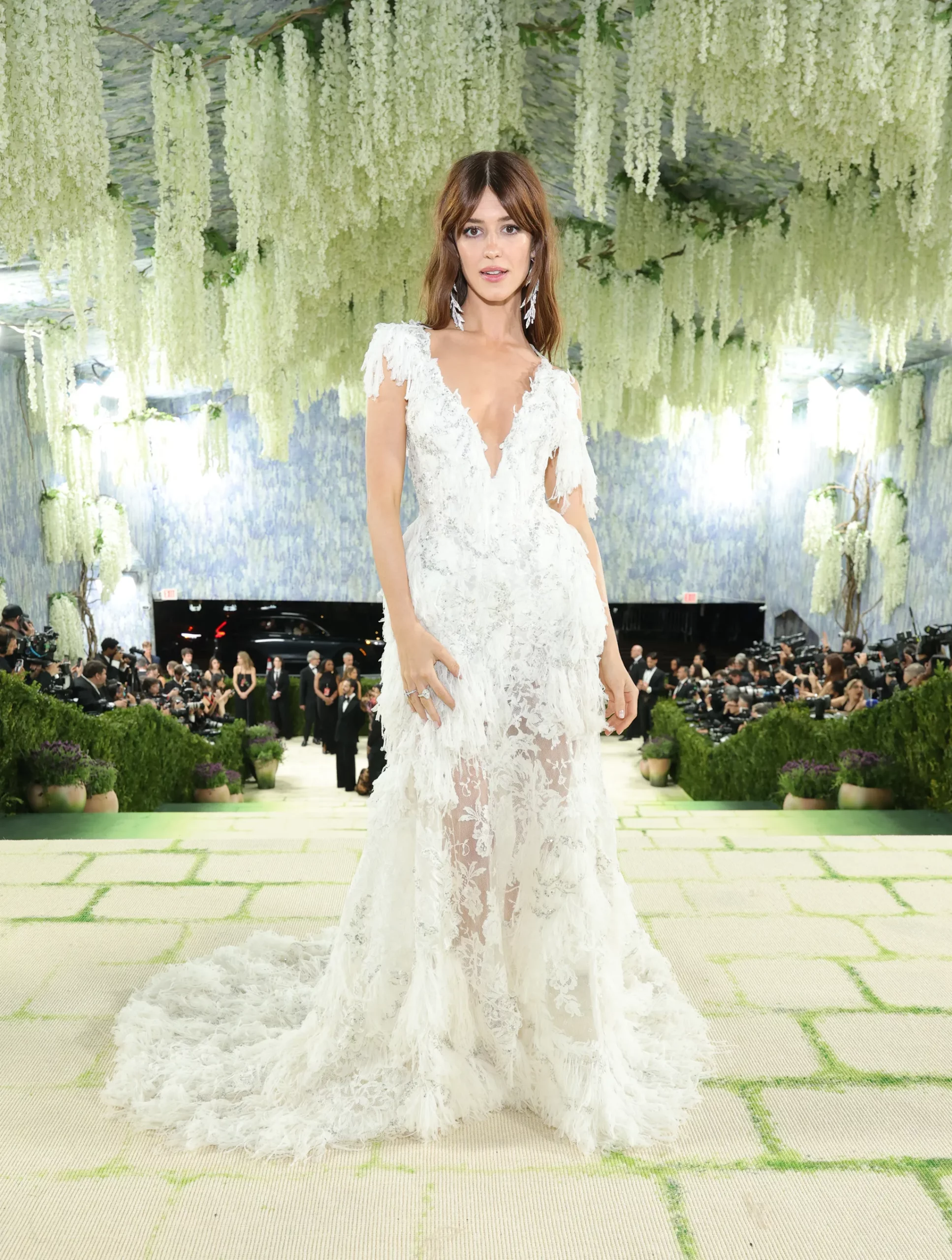
Another technical goddess
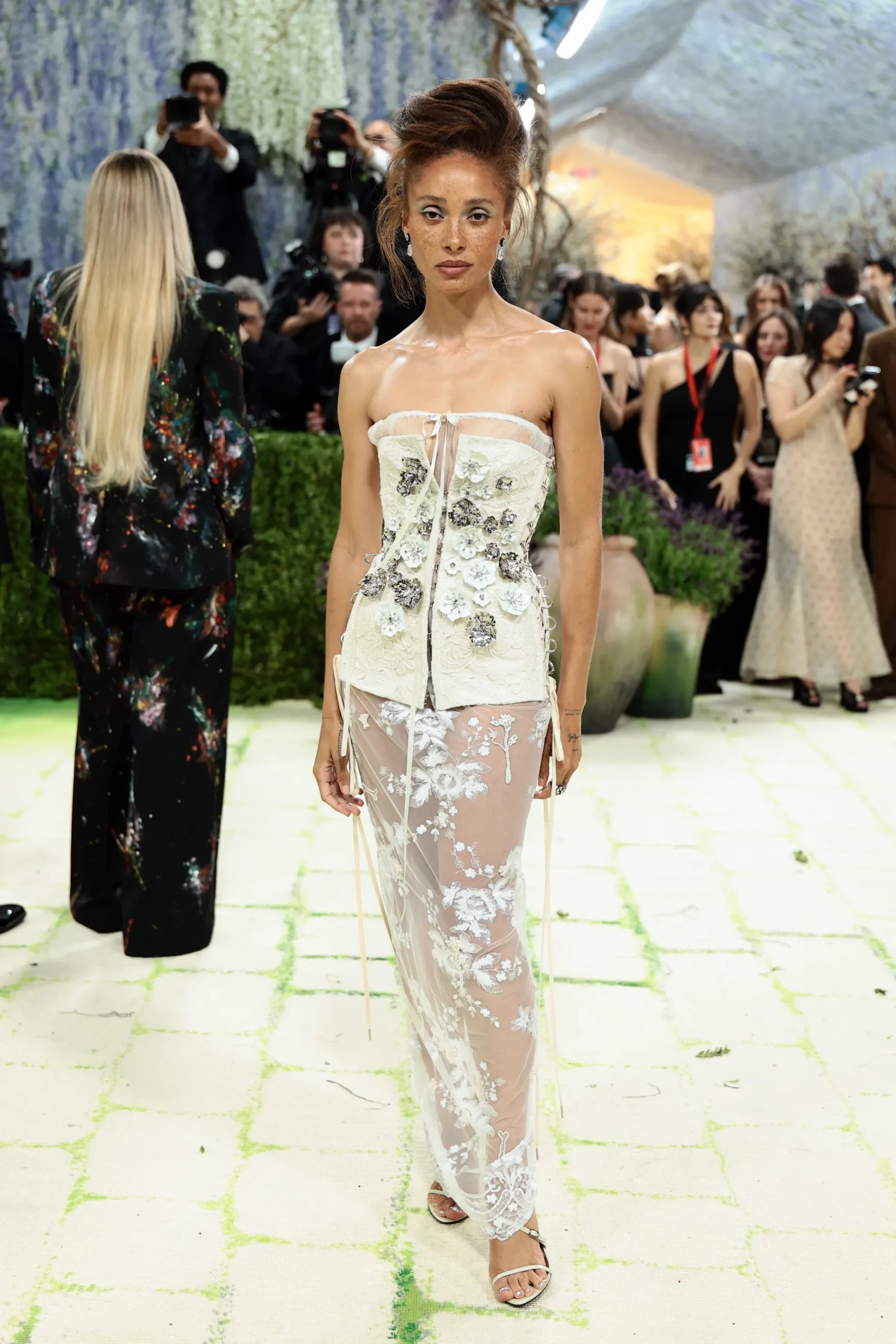
Yes to Madonna giving us performance and storytelling
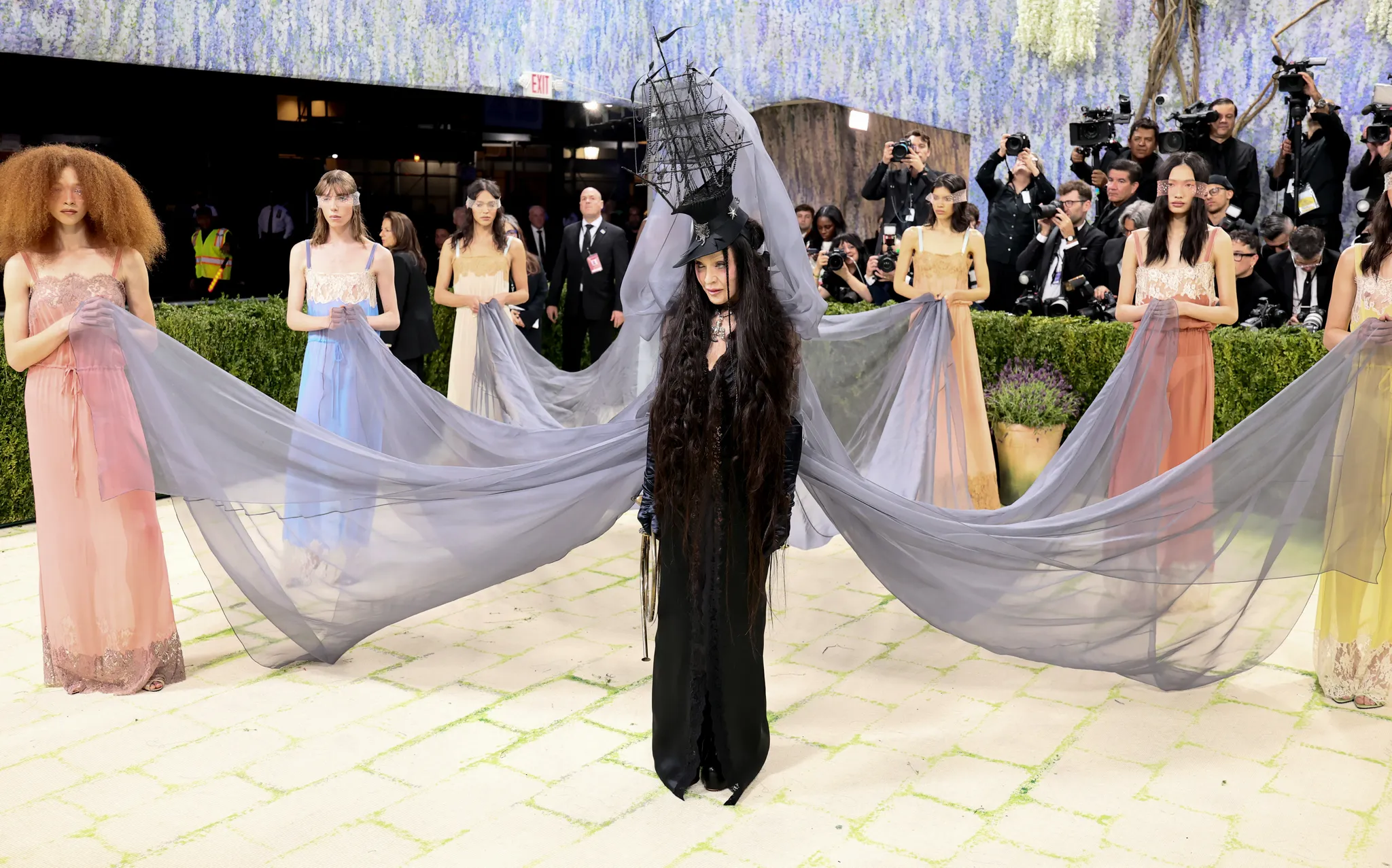
Yes to storytelling
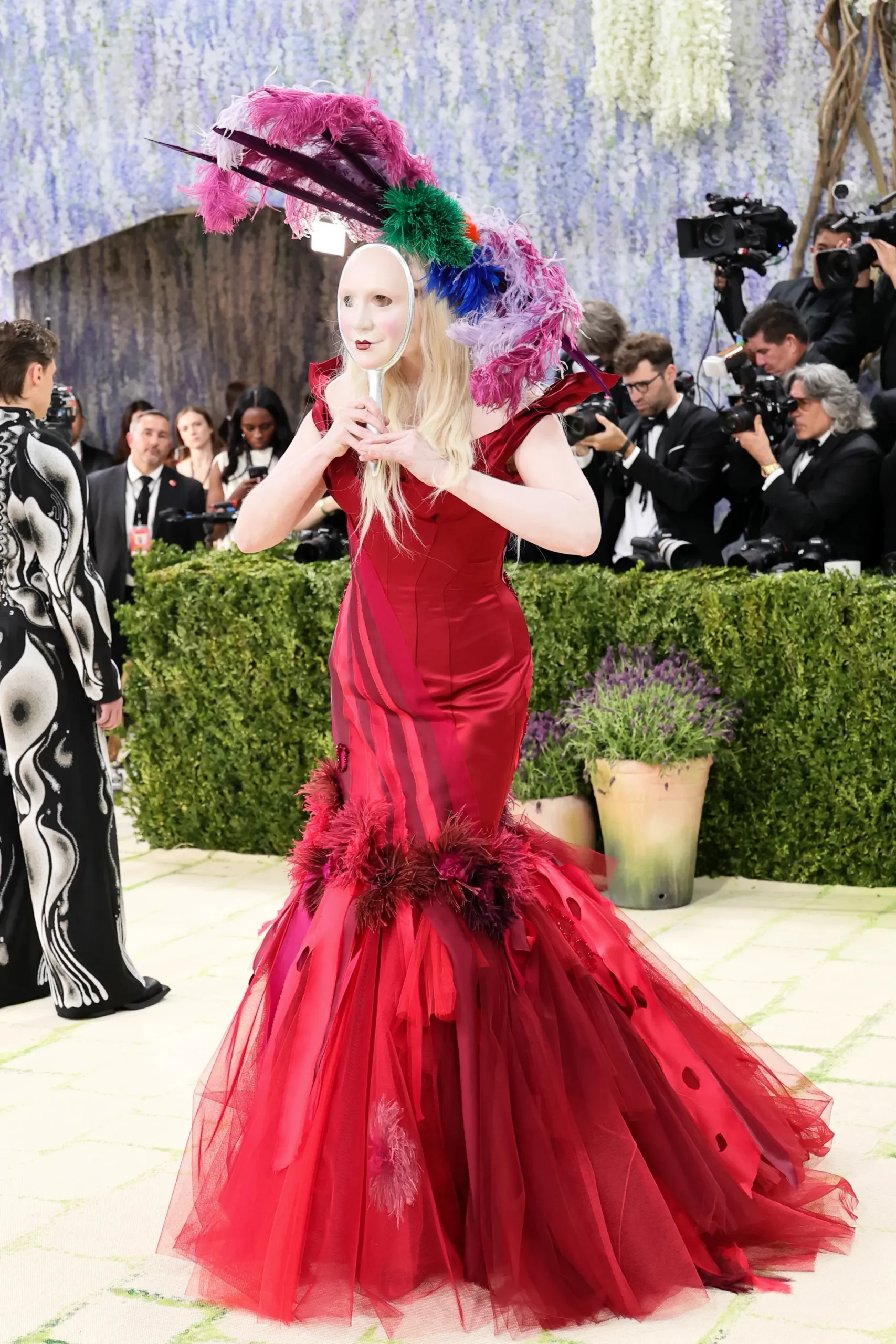
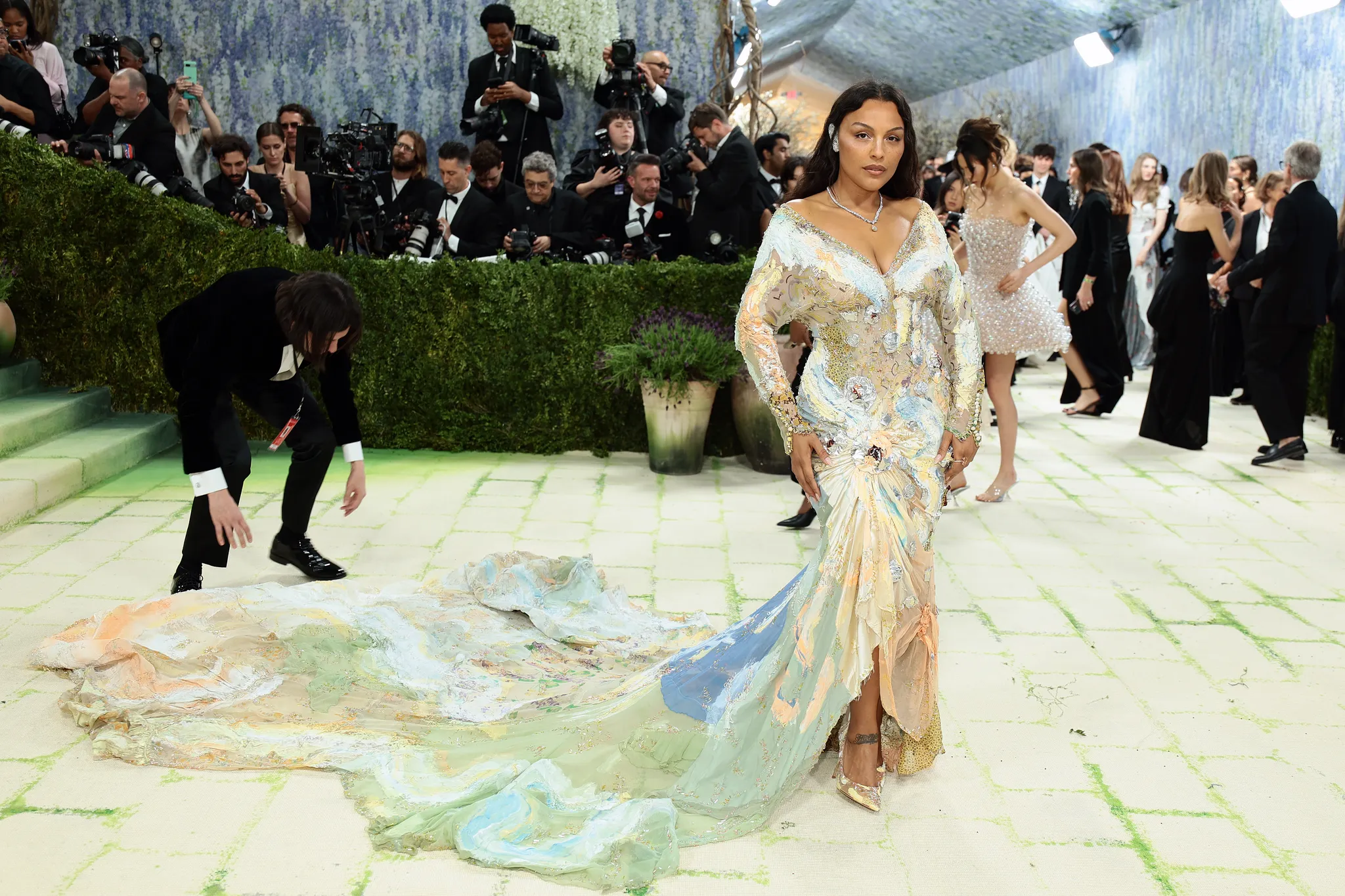
This dress is not only painted in beautiful impasto, it is also made of 30 vintage dresses
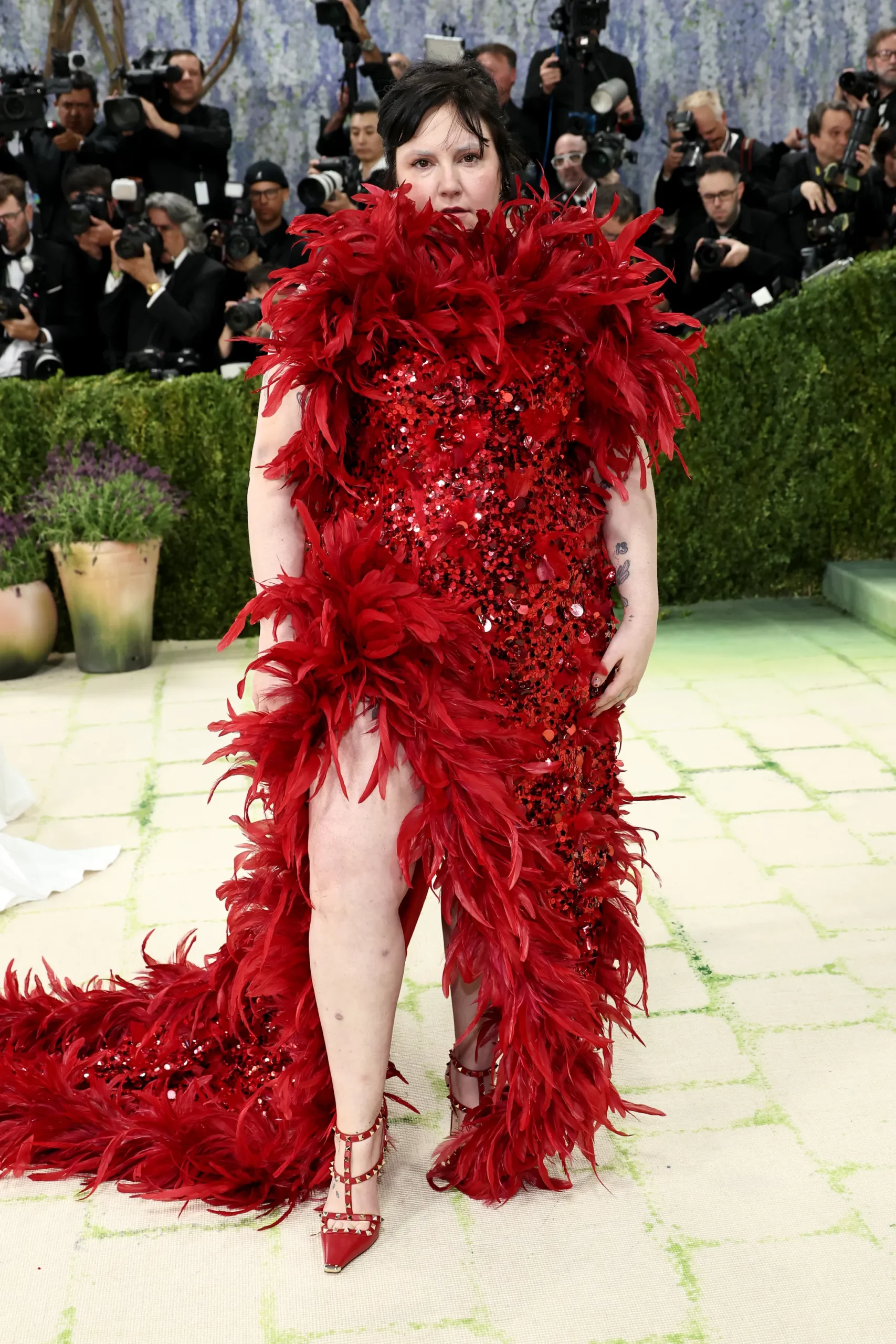
Inspired by the blood from Judith’s beheading of Holofernes
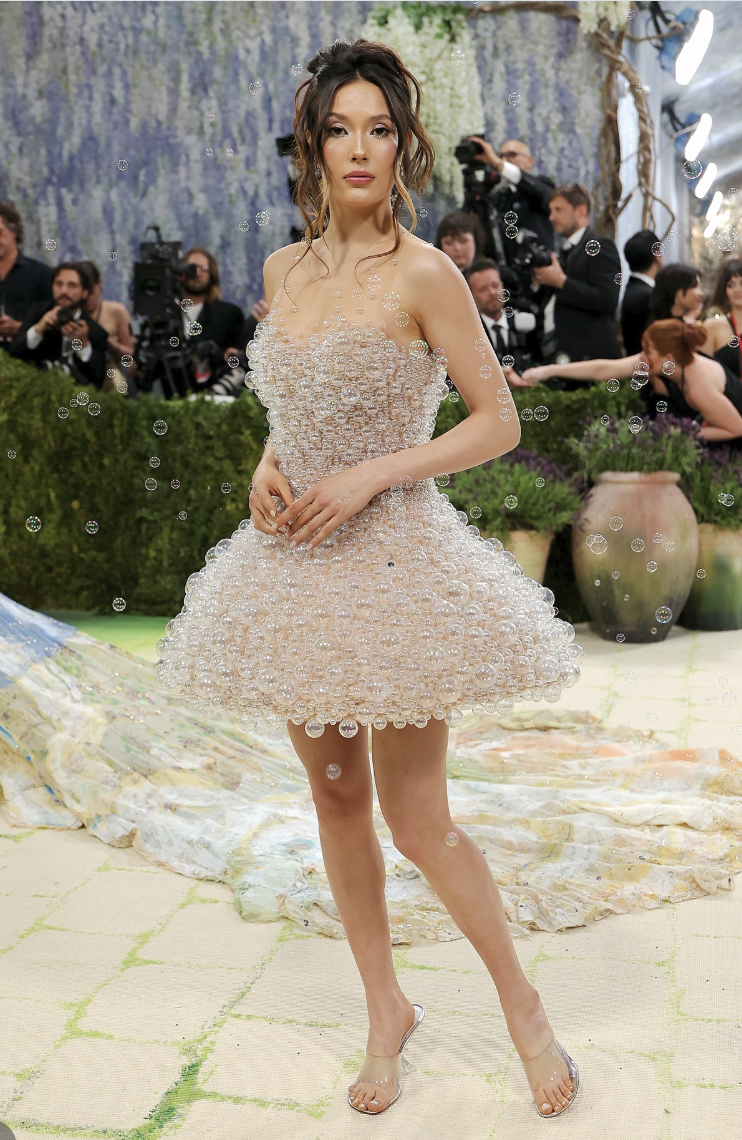
This is technique, concept, material exploration and ART!
For more stories of fashion from around the world, visit our dedicated archives and follow us on Instagram.