In Youssef Zogheib’s world, clothing is never neutral. It carries memory, history, and tension. Born in Beirut and now based in Paris, the designer works at the intersection of discipline and defiance, using fashion to question the systems that shape masculinity.
His debut collection, GRAVESEND, begins with an unexpected archive: censored wartime images of soldiers crossdressing before battle. What first appears absurd quickly reveals something deeper.
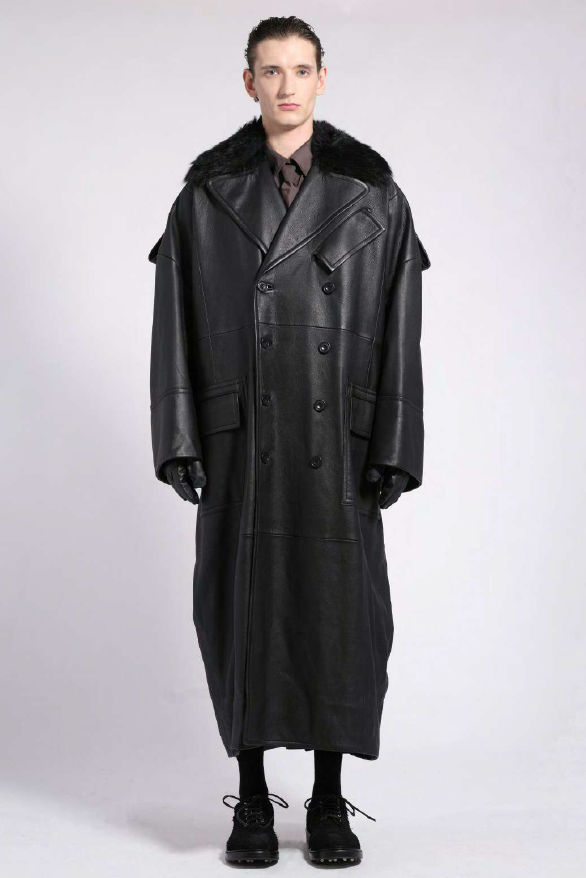
“I was drawn to them because of how absurd and funny they are,” Zogheib says, “but at the same time I felt a sense of sadness.” He adds that the images exposed “how history portrays soldiers as heroes instead of victims of the systems of power that they are part of.”
That tension, between humour and grief, control and vulnerability, runs through his work. Growing up in Beirut with a father in the military shaped his early understanding of masculinity.
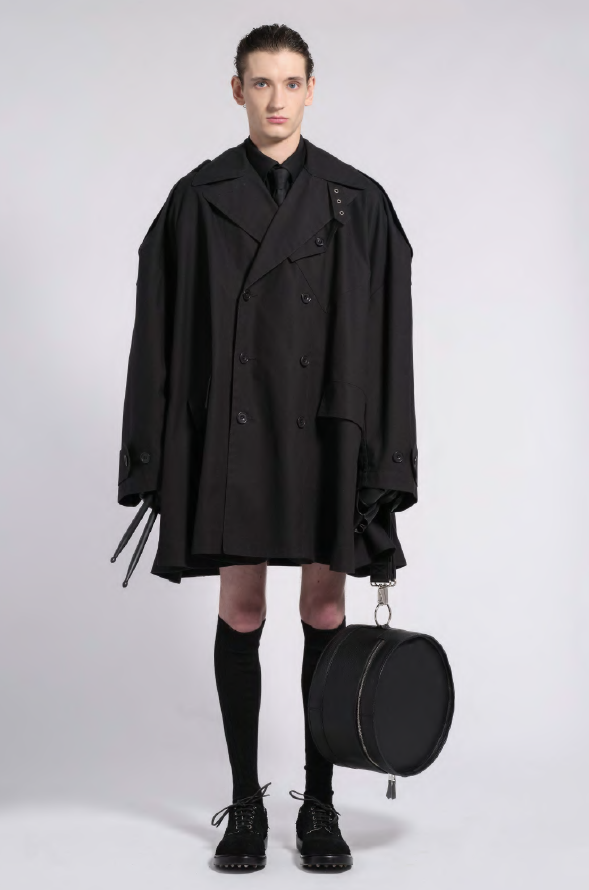
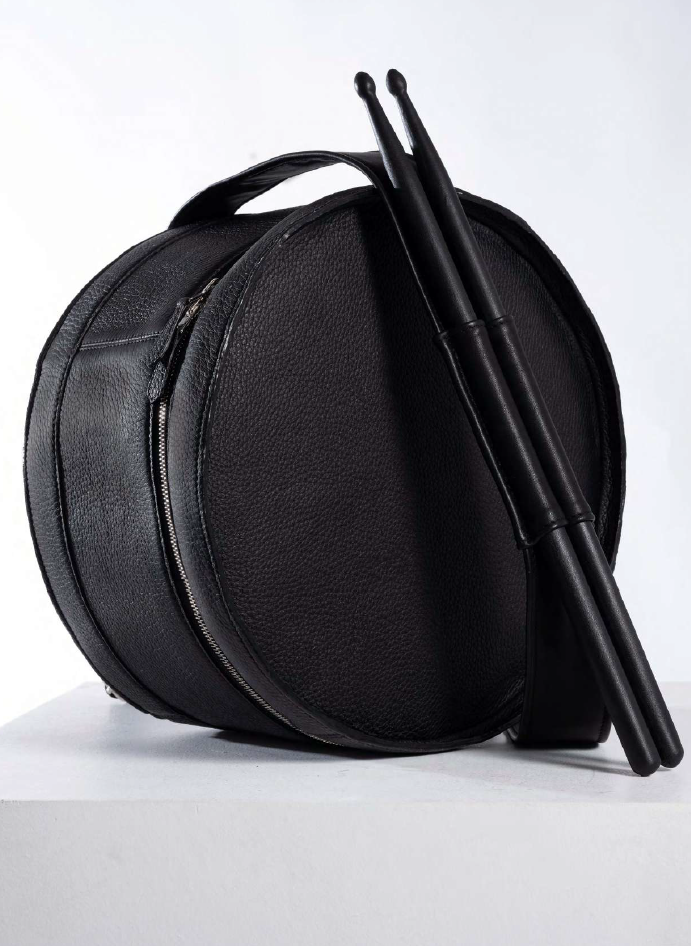
“It made me realise quite early on the performative aspect of masculinity,” the designer says, “even though it tries to portray itself as monolithic.”
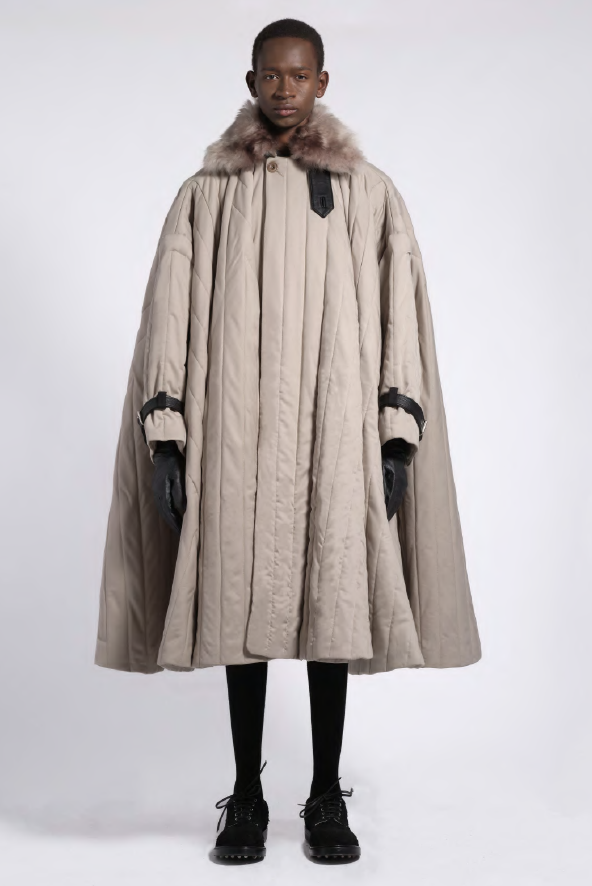
Through GRAVESEND, Zogheib begins to dismantle that illusion. Uniforms, traditionally symbols of authority, are re-imagined as spaces of contradiction.
“Given the rise of conservative voices, it felt crucial for me to subvert this kind of menswear,” he explains. “It was important to talk about the emotional dimension behind putting on a uniform.”
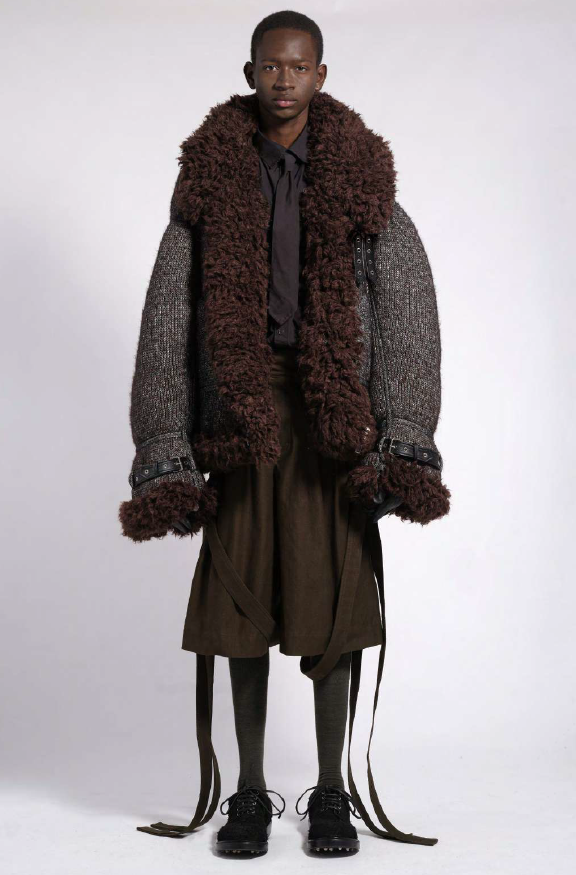
This emotional charge extends into the construction of each piece. Military-grade fabrics, historically tied to protection and control, are reshaped into couture silhouettes that sit closer to the body.
“Using these materials to create couture shapes around a man’s body was important,” Zogheib says, “to create this tension between protection and vulnerability.”
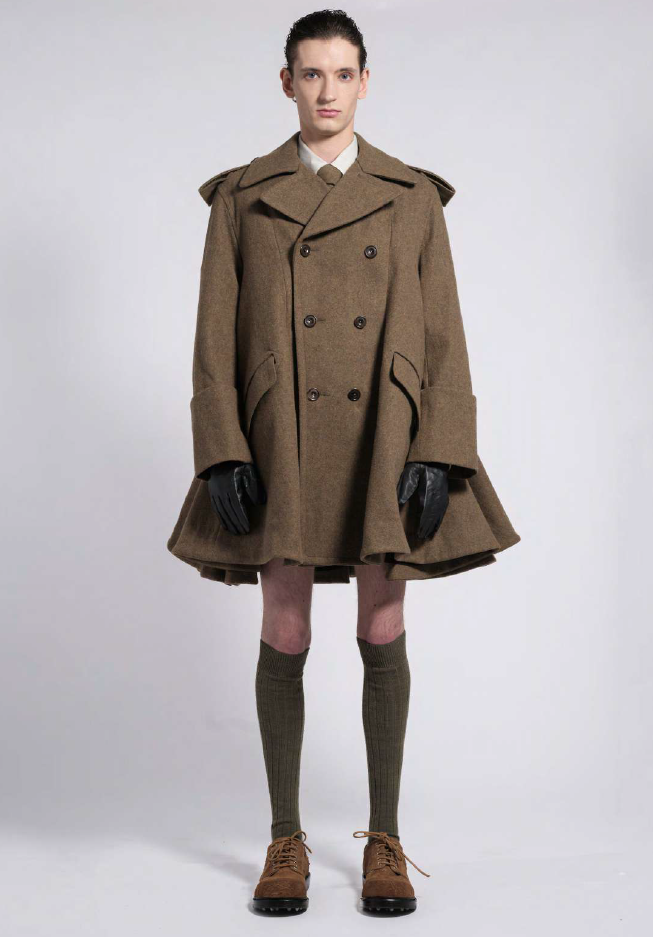
His training, spanning Beirut ateliers to Parisian houses like Hermès and Dior, informs this approach. Rather than conforming to tradition, he selectively reinterprets it. “It was about filtering what I wanted to celebrate and what I wanted to challenge,” the designer adds.
Recognition came with the Prix du Public at Hyères, a moment that expanded both visibility and dialogue. “I was really touched to see that this story, which felt quite personal, managed to resonate with my peers,” Zogheib says.
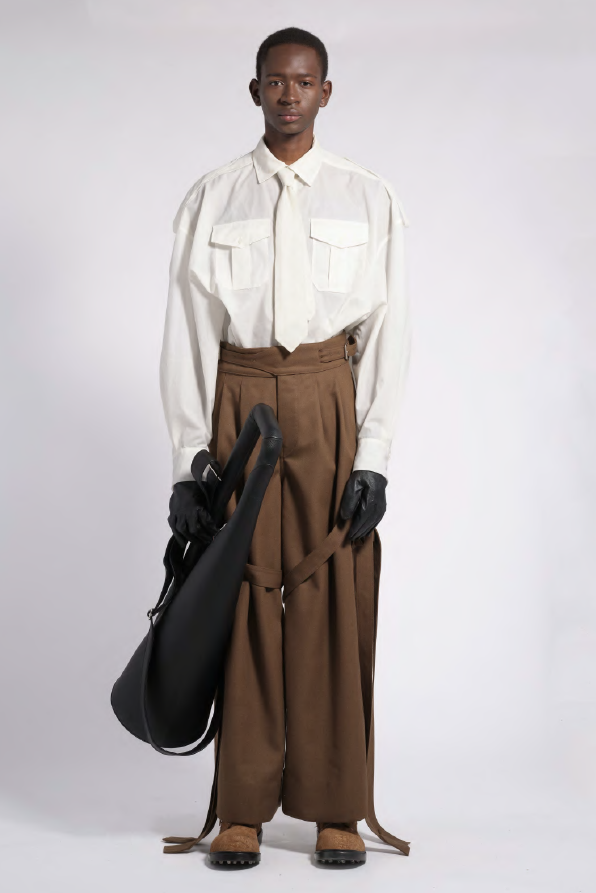
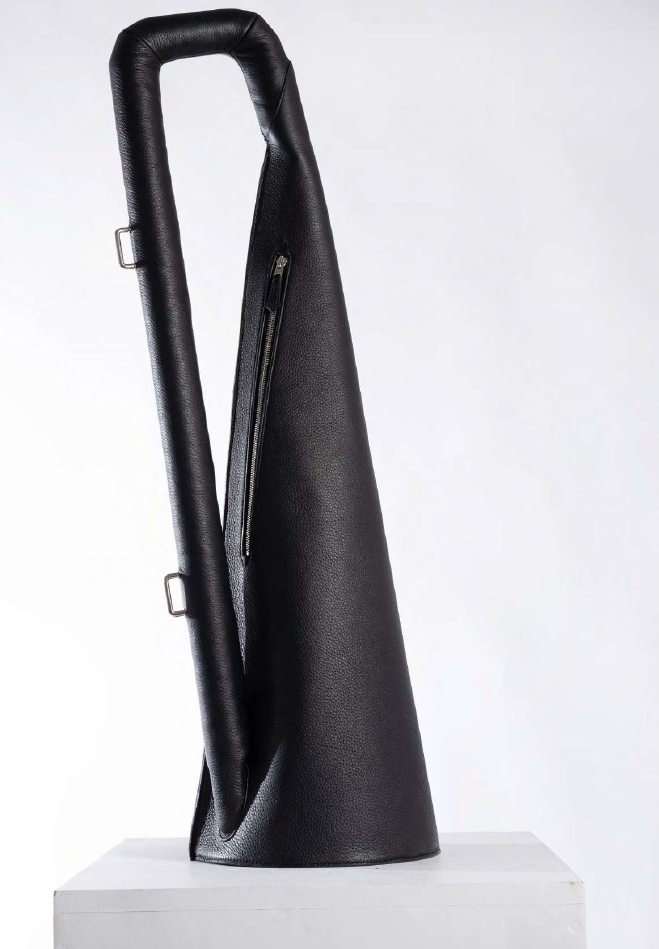
For him, fashion is not just a visual medium but a language shaped over time. “Garments evolve the same way language does,” he explains. “It’s important to question how history is written through fashion and deconstruct the blind spots we overlook.”
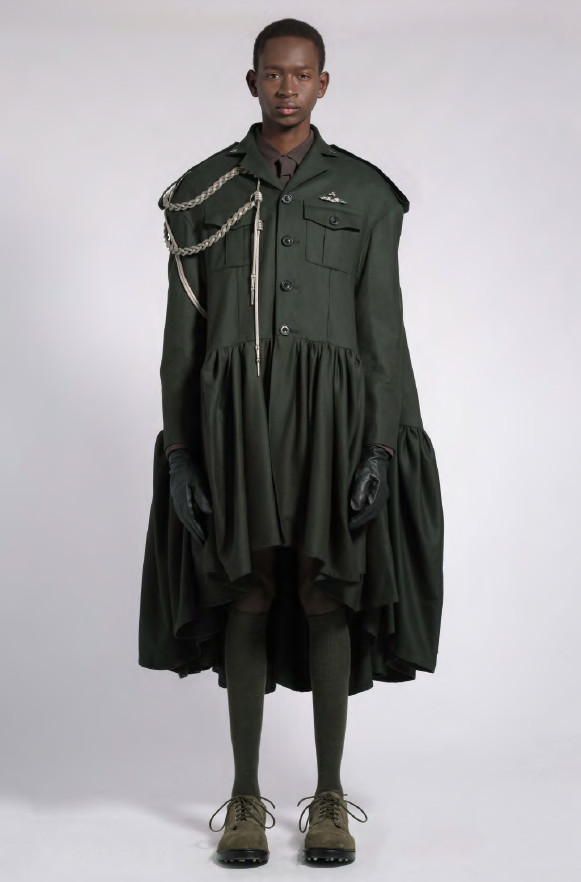
As he looks ahead, Zogheib continues to explore the intersection of identity and uniform, expanding into new territories while staying rooted in the same inquiry. In his work, fashion becomes more than expression. It becomes a way of rewriting what has long been fixed.
For more fashion news, visit our dedicated archives and follow us on Instagram.