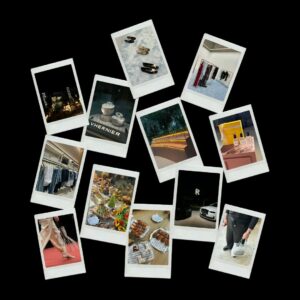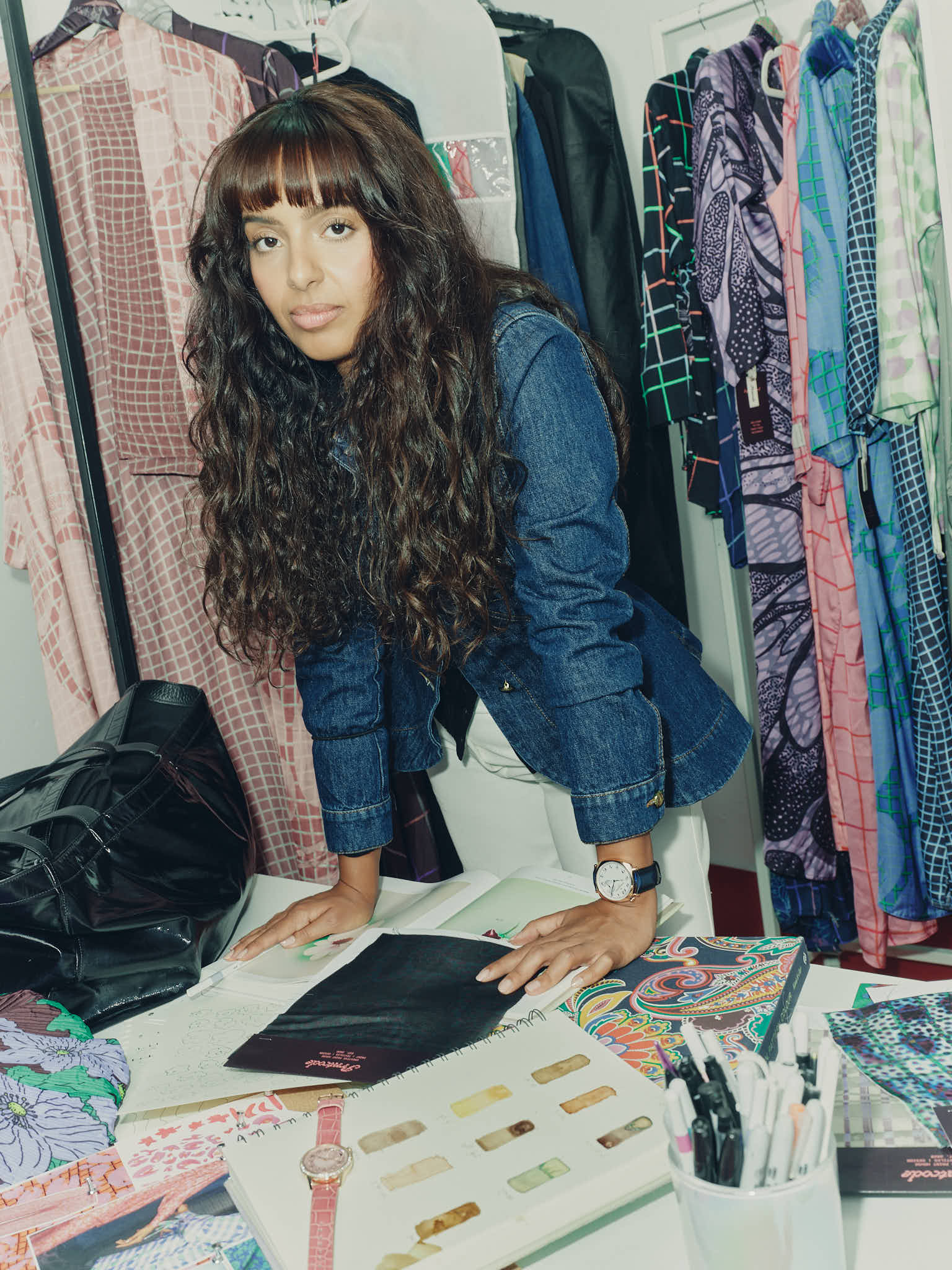
The first thing Hessa Alsuwaidi reaches for in her studio is the speakers. Olivia Dean goes on; then she plays ball with Lumi in the hallway, makes a coffee and sits at her iMac. Only after that does she look at the day’s work. “It sounds simple, but it’s how I arrive,” she says. “By the time I’m at the desk, the room already feels like mine.”
There are visual books close by, including Tim Walker’s photography, which can send a print in an unexpected direction, there are unfinished drawings too, Alsuwaidi tries one layer over another, leaves some attempts unresolved and sometimes finds a place for them years later. The studio holds more possibilities than any finished collection could show. “A child doesn’t need something to be finished for it to be worth making,” she says. That freedom has stayed with her since childhood, when she made purple paper skirts with her mother and turned her mother’s shayla into butterfly wings.
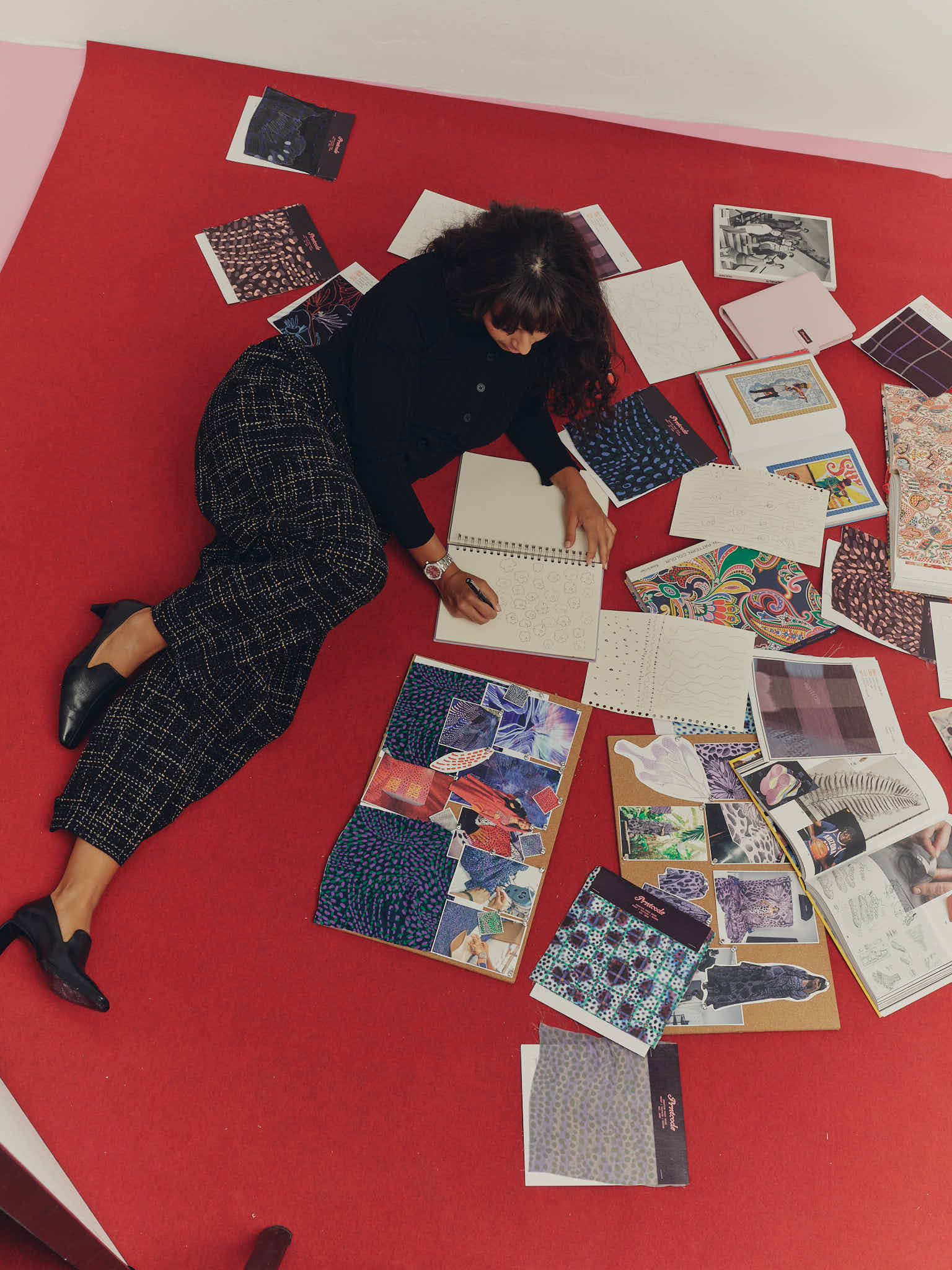
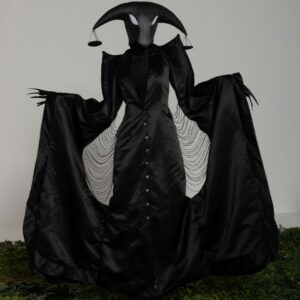
Her label, PRNTCODE, grew from that appetite for changing what an object can be. Founded in 2020, the Abu Dhabi textile and fashion label released its first clothing collection five years later. Its prints begin with Alsuwaidi’s own drawings or photographs, then move through digital composition, repeat and production until they can run across a roll of fabric. A garment may offer a single, coherent image; in her archive, that image has a much less orderly history. “Every finished print is sitting on top of a pile of mistakes,” she says.
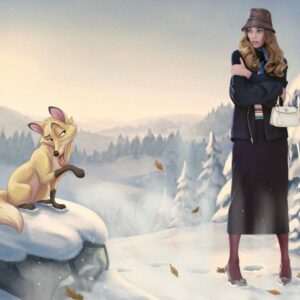
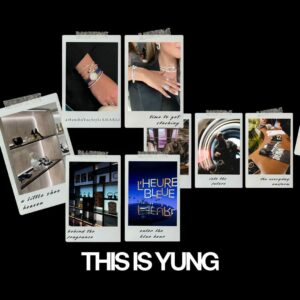
That pile matters to Alsuwaidi, a drawing that fails on its own may work beneath another. A colour that looked right on screen may change once printed. The distance between a first mark and a finished garment gives her room to discover what the work can do. It also makes the theme of Vacheron Constantin’s 2026 campaign, “Explore All Ways Possible”, feel close to her practice: exploration can happen at a desk, between the pages of a book, or in the decision to try the same print once more.
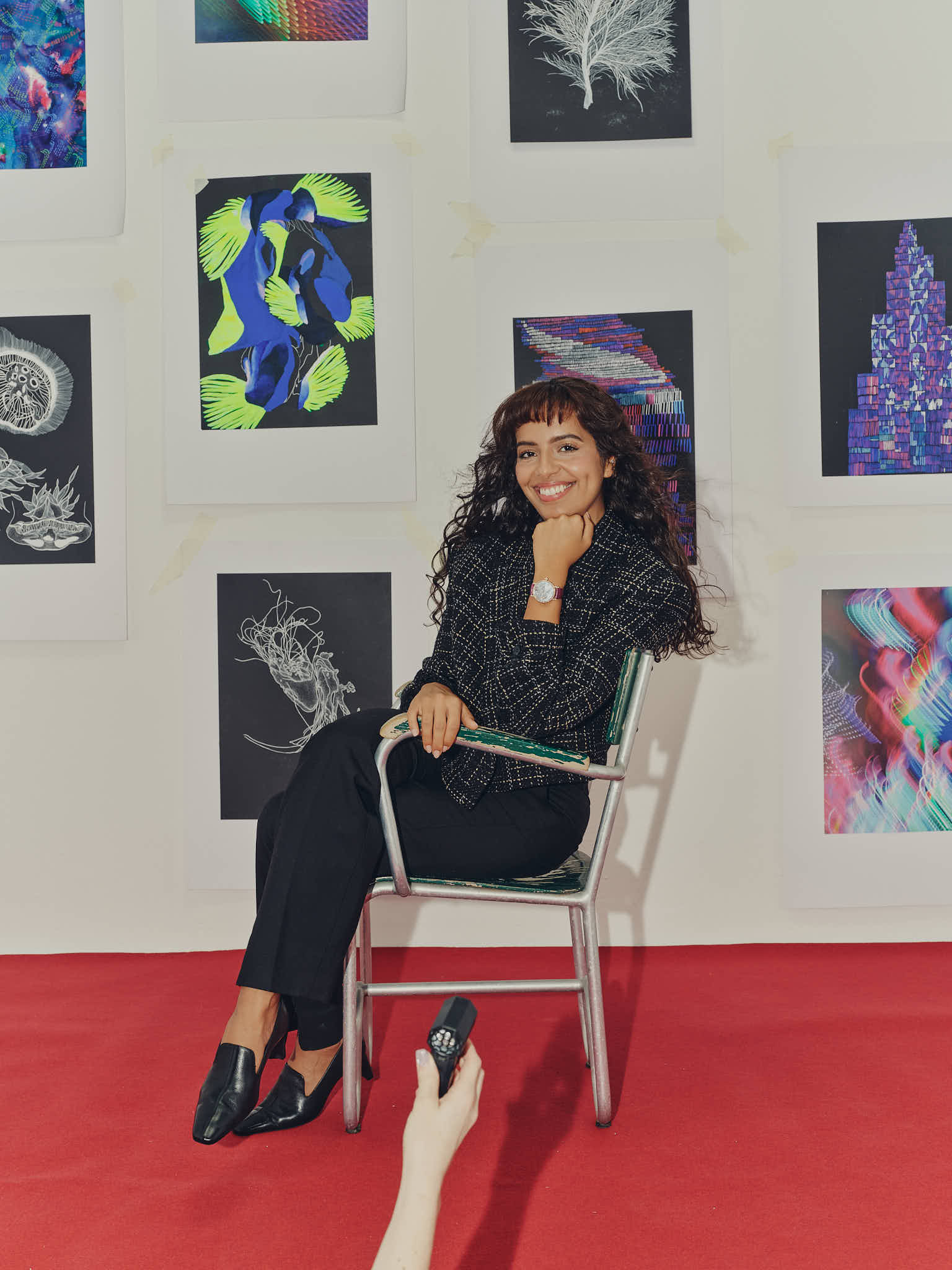
Alsuwaidi’s sense of making also reaches back through a family history she knows by way of stories. Her great-grandmother practised talli and safeefa, traditional Emirati crafts, but Alsuwaidi never saw her work or held the things she made. Her grandmother’s accounts are the connection. “I believe the skill came down to me,” she says. “The hands, the patience, the instinct to make.” It comforts her to think of the women in her family making things before she had a name for her own practice.
Studying at Loughborough and later at Parsons in New York gave her another way to understand that inheritance. Away from home, she had to decide for herself what being Emirati meant. “Being Emirati stopped being something I was told and became something I chose,” she says. The answer need not appear as a familiar motif on a garment. “The work doesn’t need a falcon or a palm tree to prove where it comes from.” She wants PRNTCODE to become an Emirati ambassador brand for the world, while making space for the differences between Emirati lives and perspectives.
The UAE’s pace of change shaped her ease with different materials. She grew up hearing her grandmother describe another world while watching the country build towards the future. In her MFA thesis, Kshati, she brought hand-spun yarn and tapestry knotting together with 3D-printed elements. She had no fixed result in mind. “I wanted to see what would happen,” she says. She likes an object in which traditional technique and technology can sit together, each changing how the other is seen. That experiment still informs the choices she makes: surface and colour tend to lead her towards print; an idea that needs to be felt may call for yarn and knotting.
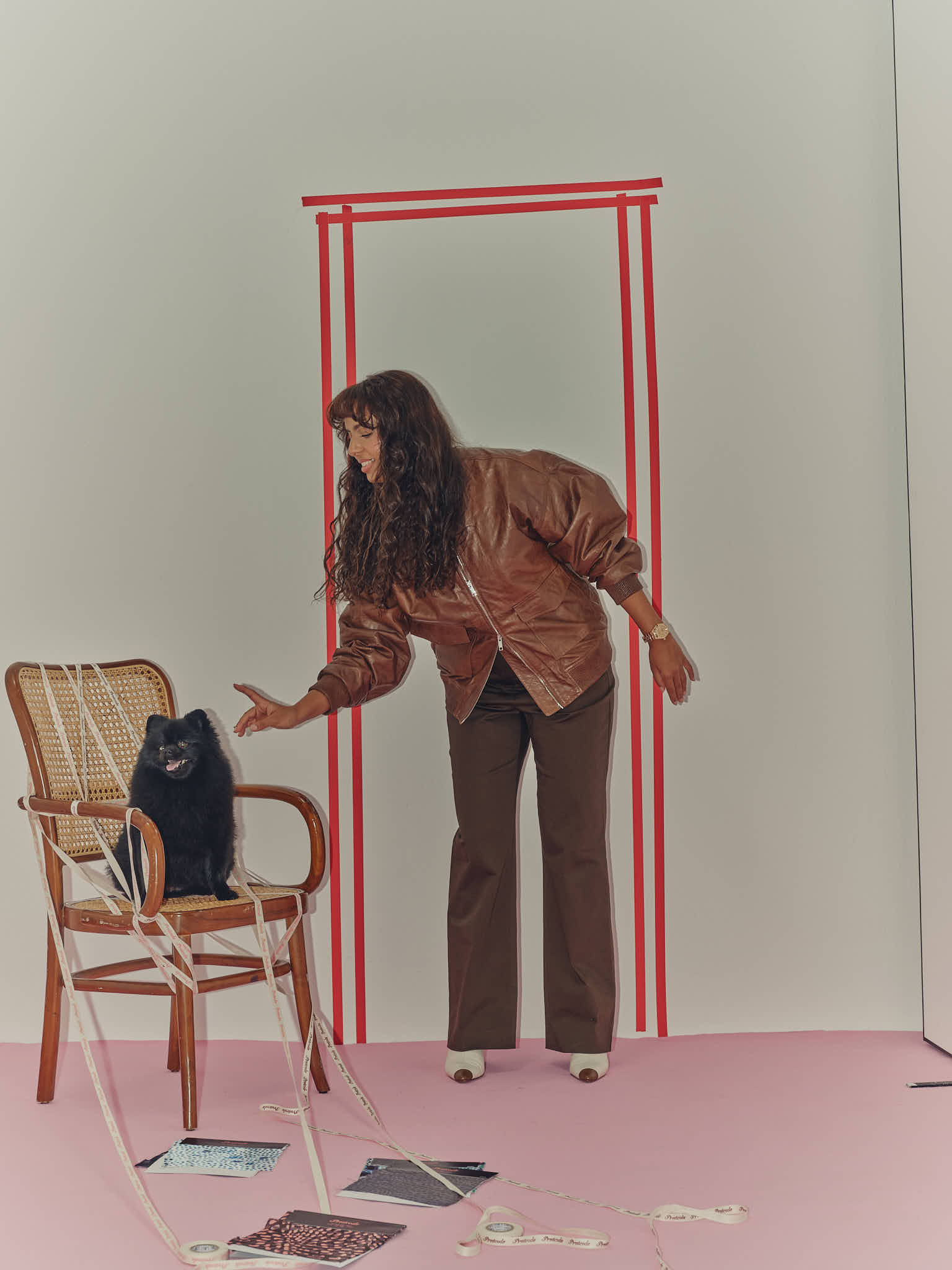
PRNTCODE took time to become the label she could give her full attention. While living in the United States, she pursued freelance work and small collections alongside it. Financial and emotional pressures made it difficult to focus on the label from there. “It was like a baby that needed to be born,” she says. Returning home allowed her to devote herself to it. She now moves between the demands of a garment made for a wearer and produced at scale, and one-off artworks with no product at the end. In both, she finds her way through the print and the experiments that precede it.
For a PRNTCODE print, those experiments have practical consequences. She starts from a sketch or photograph, builds a composition and then tests how it repeats. An image has to hold someone’s attention up close and still work across fabric in production. “That balance between the artwork and the practical is where most of the time goes,” she says. The final test comes when she sees the cloth. However familiar the image has become on her screen, its presence on fabric can still surprise her. “Sometimes it’s better than I imagined.”
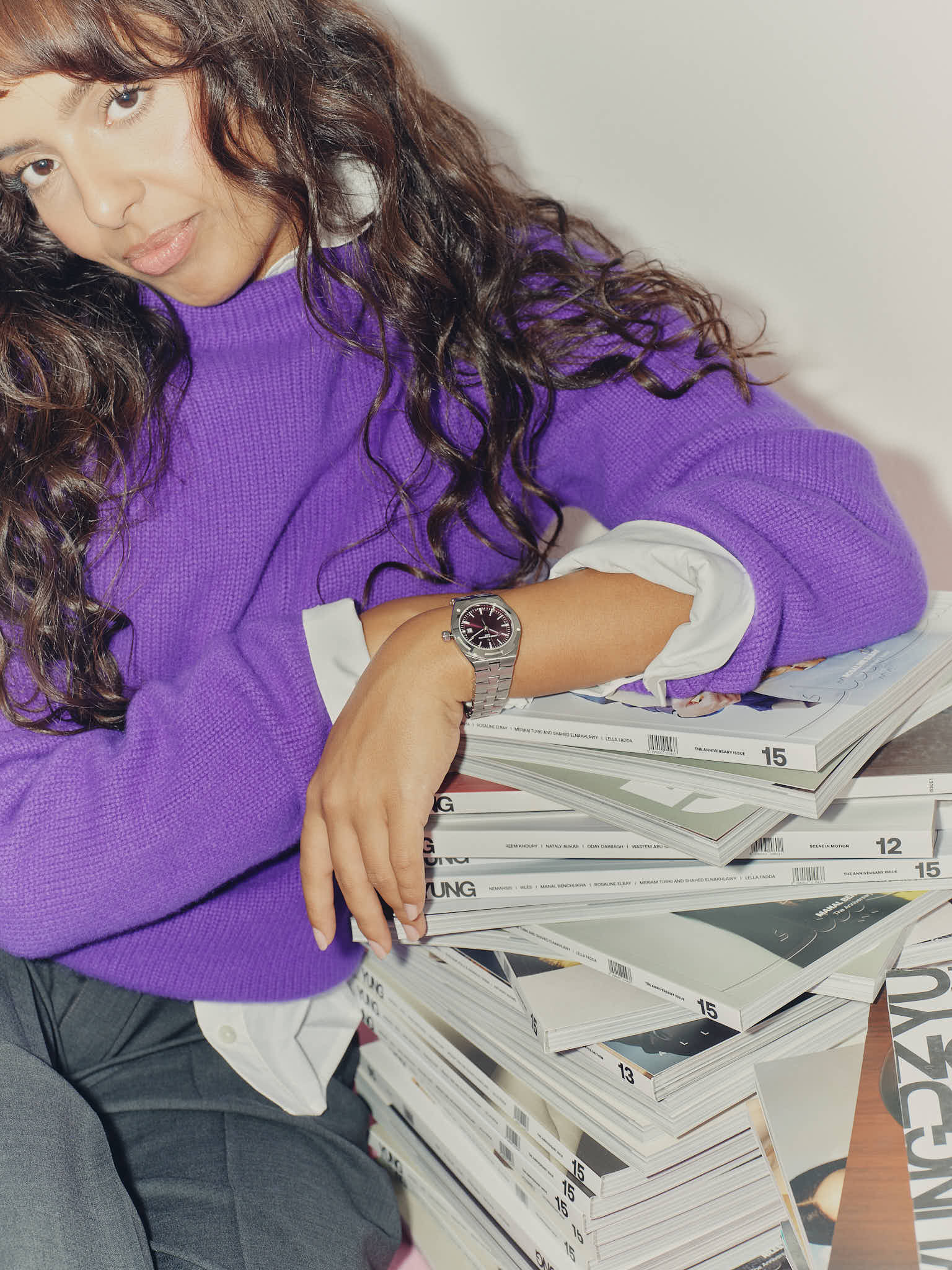
Her collection, The Jungle Edit, carried the words “shedding and rooting, confronting and blooming”. All four came from her life at the time. The collection’s language gives a glimpse of the person behind the prints. For Alsuwaidi, the roles of artist and creative director ask different questions, even when they draw from the same curiosity.
She insists on making the first mark herself. A print may eventually be produced digitally and at scale, but its starting point is a drawing by hand or a photograph she took. “I protect that starting point,” she says. “The technology comes after, to carry it further, never to replace it.” The relationship speaks to Vacheron Constantin’s own interest in what centuries of technical development can do alongside human skill. Asked what a hand can leave that a machine cannot, Alsuwaidi begins with error. “Mistakes that turn into something beautiful. A machine is built not to make them; a hand makes them all the time, and some of the best moments in my work began as one.” She also speaks of the time and attention held in a handmade object, the trace of a person who worked on it.
Slow work gives her time to consider each layer, colour and placement. It also makes stopping difficult. Vacheron Constantin’s historic motto, “Do better if possible, and that is always possible”, has a clear answer in her studio: she believes another improvement is almost always within reach. Usually, a deadline decides when a print leaves. At PRNTCODE, they say a print is never finished. It may return at a different scale, in another colour or on a new garment.
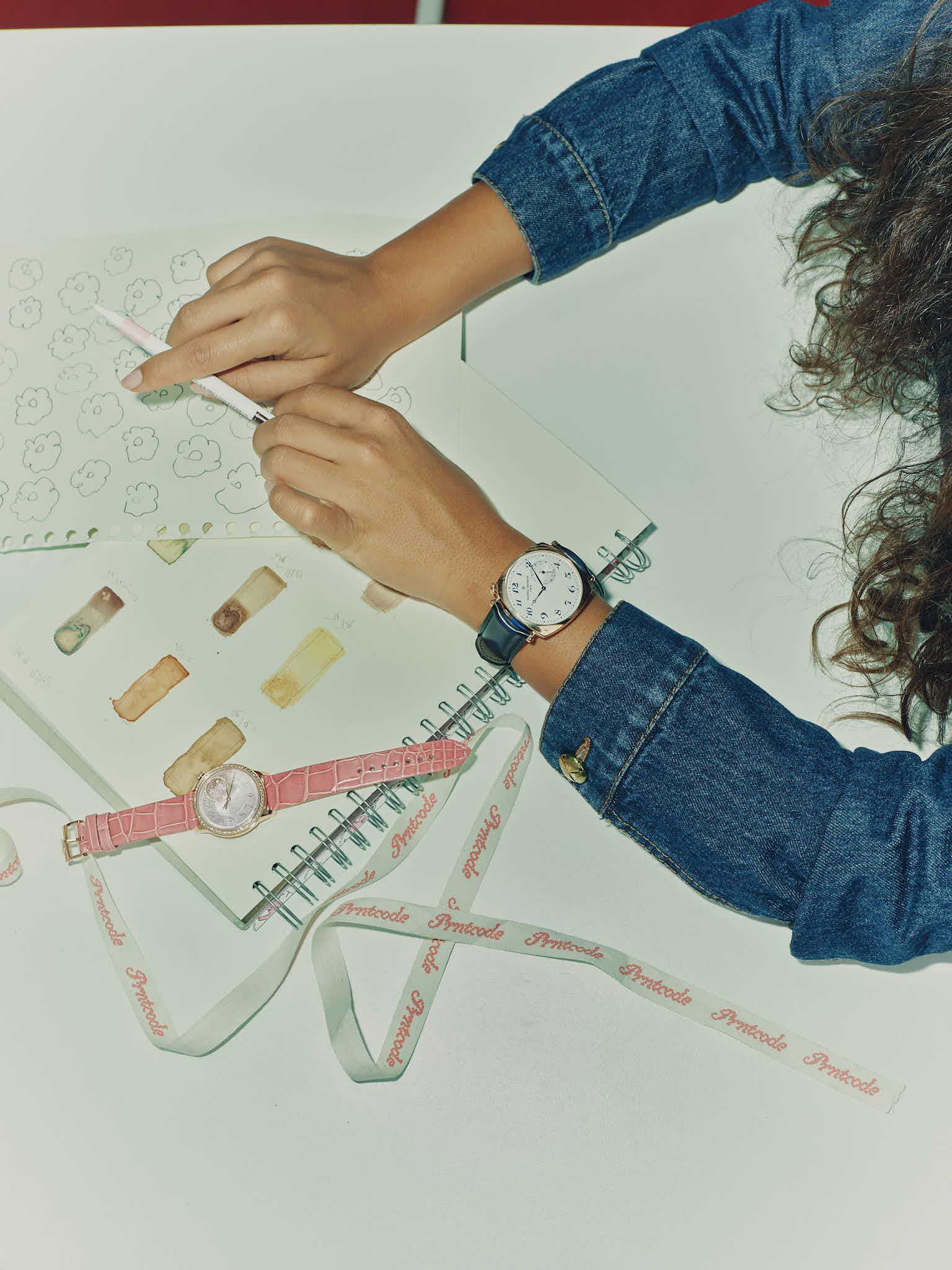
The possibility she most wants to explore now is play. It brought her to the paper skirt and the shayla wings, to yarn beside 3D printing, and to the half-finished drawings she keeps within reach. For Alsuwaidi, letting a piece go allows it to meet other hands, other eyes and another use. Then, perhaps years later, she can pick it up again.
For more stories of fashion, art and creativity from across the region, visit our dedicated fashion and art and culture pages, and follow us on Instagram.