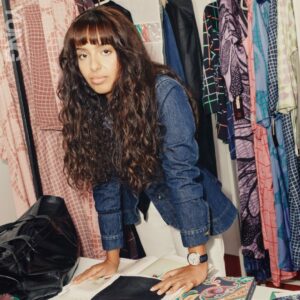
Alaa Alaradi is saying no. A year after winning the Franca Sozzani Debut Talent Award, the Bahraini designer is choosing which opportunities can wait. “My work and its commercial potential won’t expire,” she says. For now, she is “developing a line, one product at a time”.
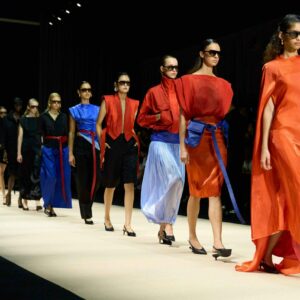
In Doha in November 2025, her day began at 7am with showroom preparations, followed by a jury panel, press, interviews and hours of presenting her work. The ceremony took place the same day. Anna Wintour and Francesco Carrozzini presented the award, with Miuccia Prada in the room. “There was food on the table but no appetite.”
She says the day reached the limit of what she could experience and gave her “a form of resilience”. The call that mattered most came afterwards, when she phoned her mother, who had not known about her fashion degree. Alaradi had kept her studies secret to spare her parents worry and disappointment.
“I felt she was proud of me. The gamble I had taken when I had no idea how this path would turn out for me, had paid off.” She saw choosing a career as a privilege compared with the decisions her siblings faced. After the call, she says, “I no longer feel the need to convince anyone/me that this was worth it.”
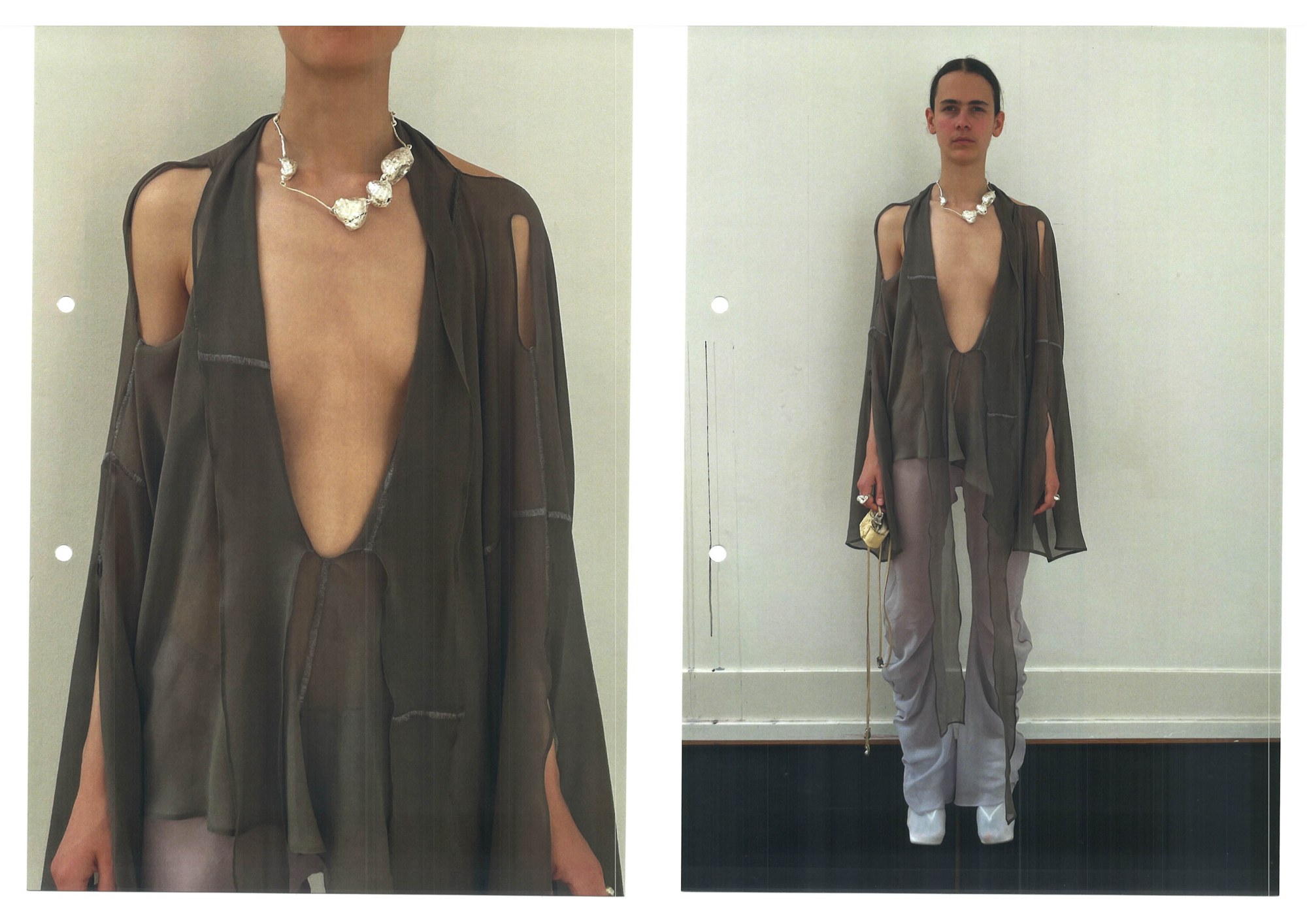
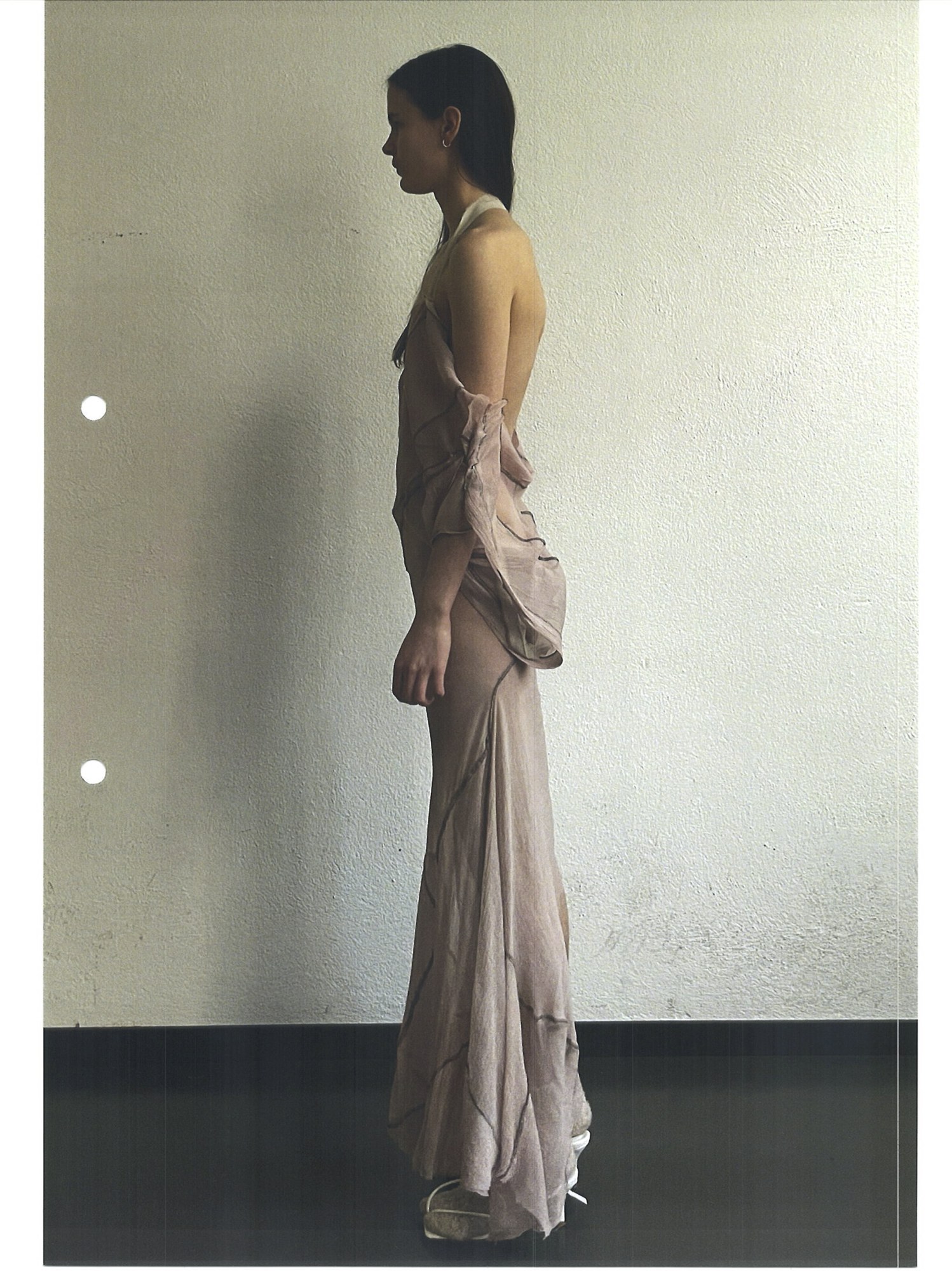
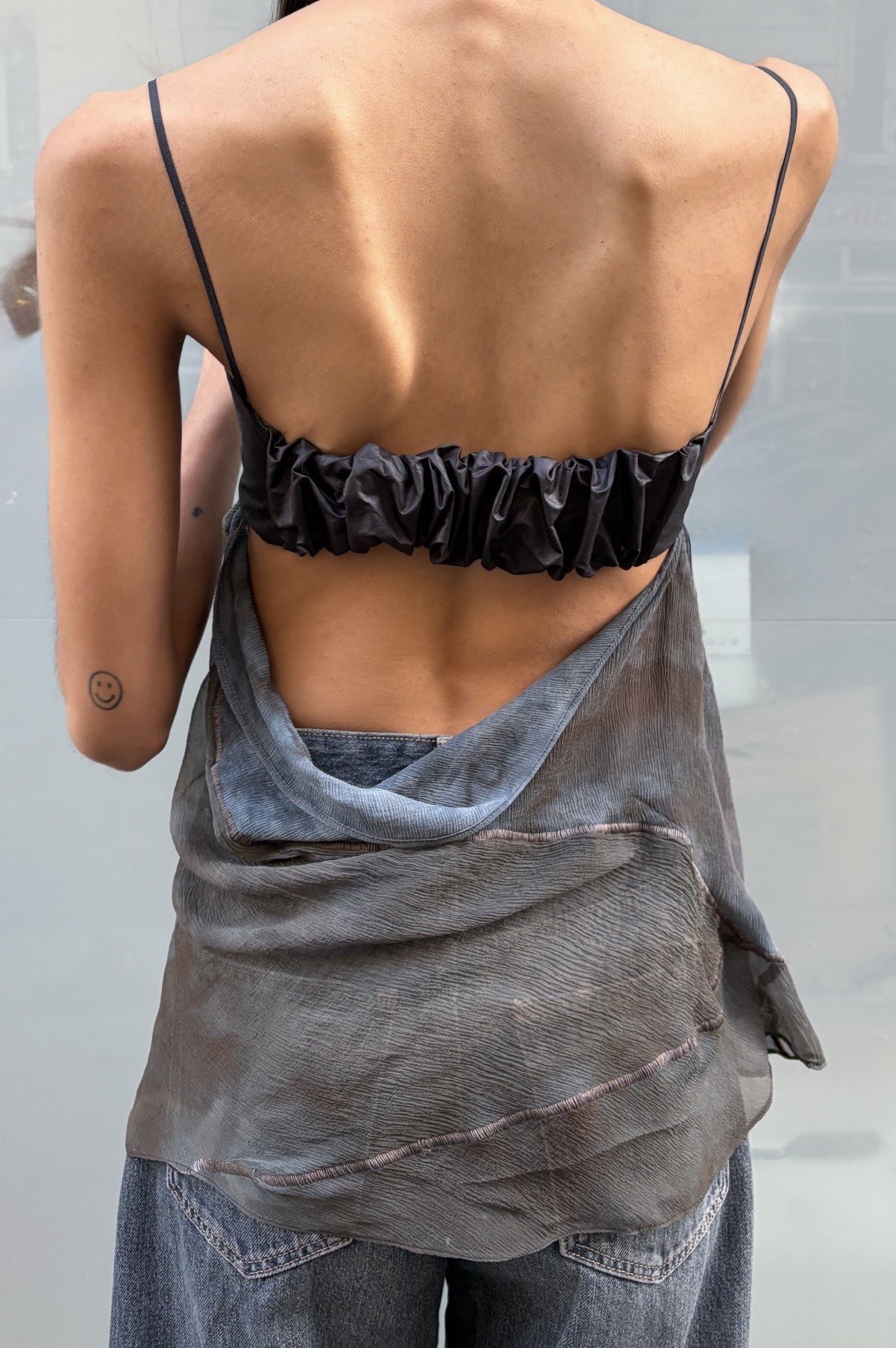
She had studied fashion in Geneva, where she created her master’s collection, further deeper softer closer. Leaving school meant losing access to its machines and workshops, then confronting visas, internship applications and job applications. She had to work out where she stood in the industry.
The award changed things. It “credited my work more than a degree or job title”, she says, and left her feeling “more capable in pursuing my work”. The prize, which Fashion Trust Arabia runs with Kering, came with mentorship across the luxury group. Alaradi wanted to understand manufacturing.
“Getting to source of making is what I’m attracted to,” she explains. Fashion school had prepared her for design roles, while understanding manufacturing meant getting closer to the product itself. Sessions also covered communications and image, logistics, legal, finance, HR, retail, commercial strategy and store direction.
 Courtesy of Alaa Alaradi
These were areas “a fresh designer won’t think about until a later stage”. She learned to see her business from above while building its foundations. The conversations continued beyond sessions. The mentors, she says, “want to help, and are there even outside the scope of a mentorship”. She calls it “an open door”.
Herve, a retail area manager at Gucci, turned a discussion about retail towards her career goals and long-term vision. She found mentors who could “resonate with your work and recognise how it can grow, and want to see you get there”. She also recalls Kering president Miral Youssef’s belief in staying connected: today’s junior colleague may become tomorrow’s peer.
 Courtesy of Alaa Alaradi
Alaradi interned at Saint Laurent, Acne Studios and Louis Vuitton. Meeting the people running business operations was a reality check. “The other 85 per cent of that success is the web of teams that work to get the product across that entire cycle and into a commercial stream.” Corporate, she says, “always felt like it was playing pretend”.
The experience also demanded something personal. “Mentorships don’t hold your hand through it,” she says of the daunting leap from graduate to designer. In “a room full of people with titles”, she felt imposter syndrome. The programme “forced me to learn how to place myself in the same room”.
 Courtesy of Alaa Alaradi
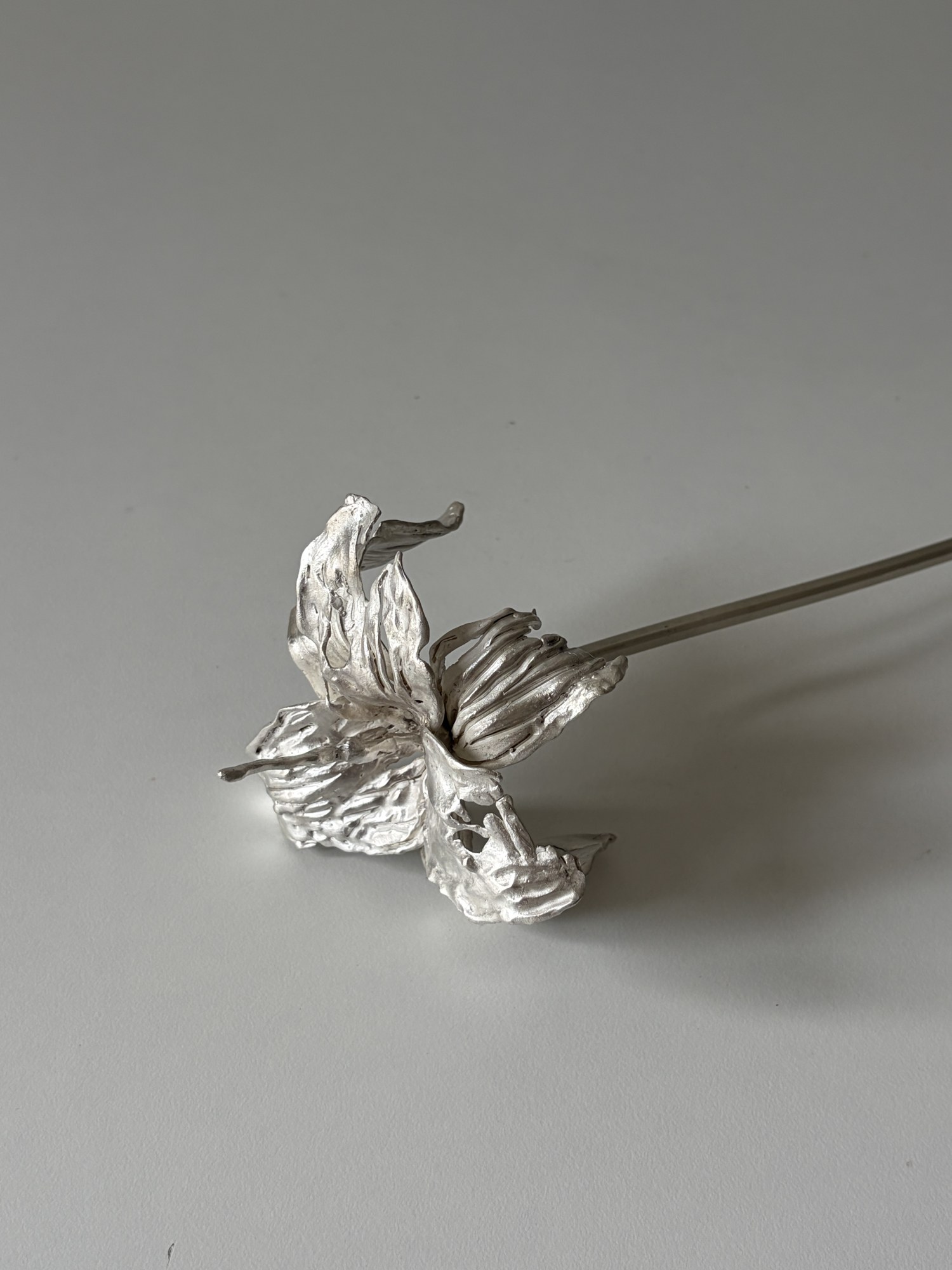
Perhaps the clearest lesson was about time. “Kering owns heritage brands, and heritage isn’t built over one season,” she says. As “a very small fish” in “a big ship”, she found reassurance in keeping her focus narrow. “It’s a long distance run, it takes persistence and intention and it grows slowly and organically otherwise it’s easy come and easy go.”
 Courtesy of Alaa Alaradi
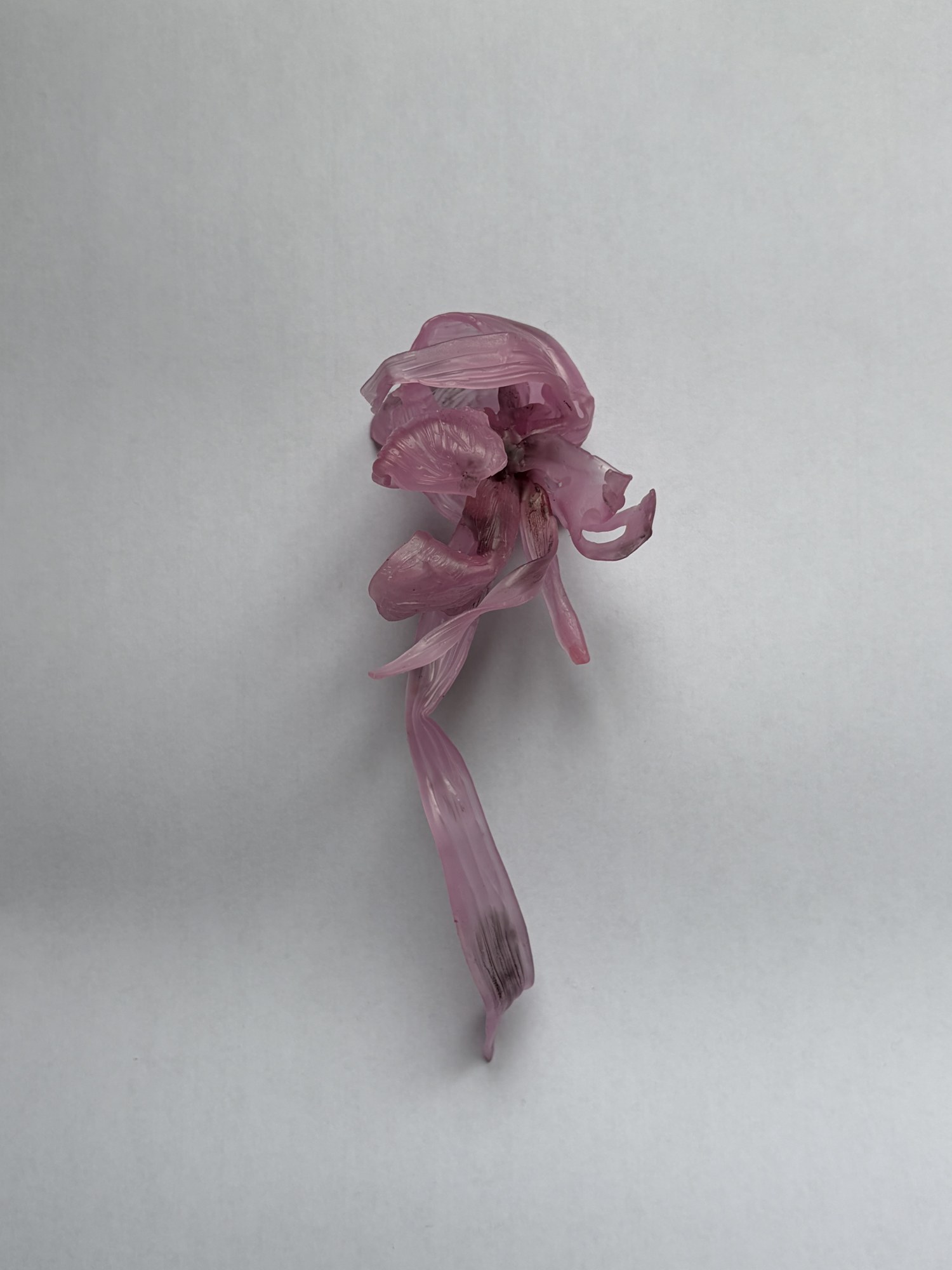
Growing up in Bahrain, she saw a narrow path ahead. “I think that girl would be proud to see I made it on this side.” The industry remains “historically dominated by the west”, even as opportunities for Arab designers grow. Now based in Paris, she is working on her practice again for the first time since graduation. “The next year is about making the work and letting it grow at its own pace.” What might she make when she gives herself that time?
For more stories of fashion from across the region and beyond, visit our dedicated fashion archives and follow us on Instagram.