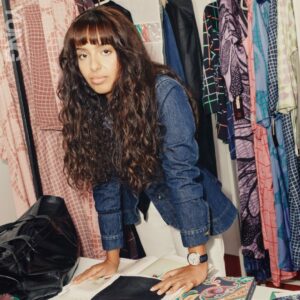
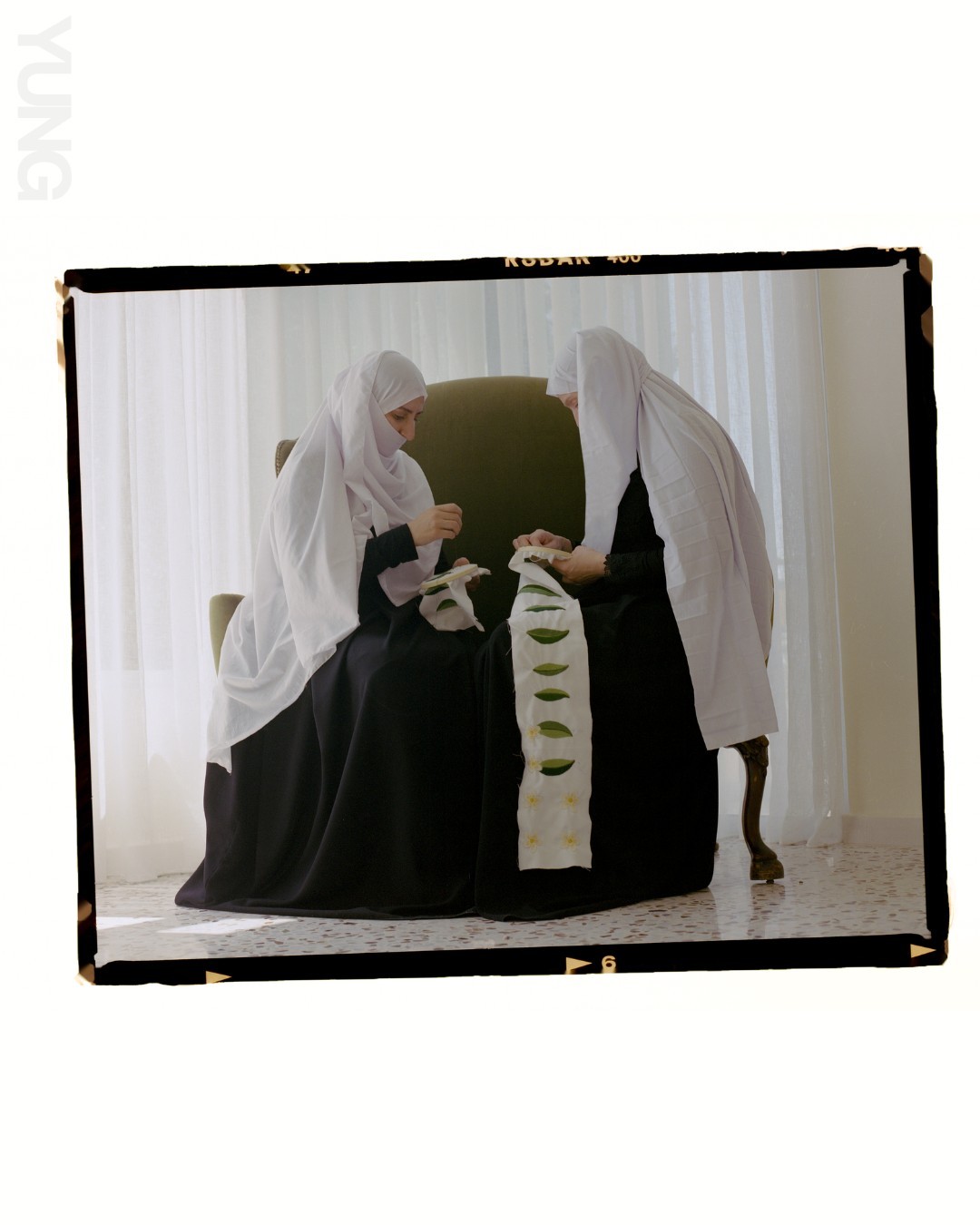
There is something inherently human about embroidery. A hand moves slowly across fabric. A needle passes through, disappears, returns. A thread becomes a flower, a landscape, a symbol or a memory. Nothing happens instantly. Every mark carries the evidence of the person who made it.
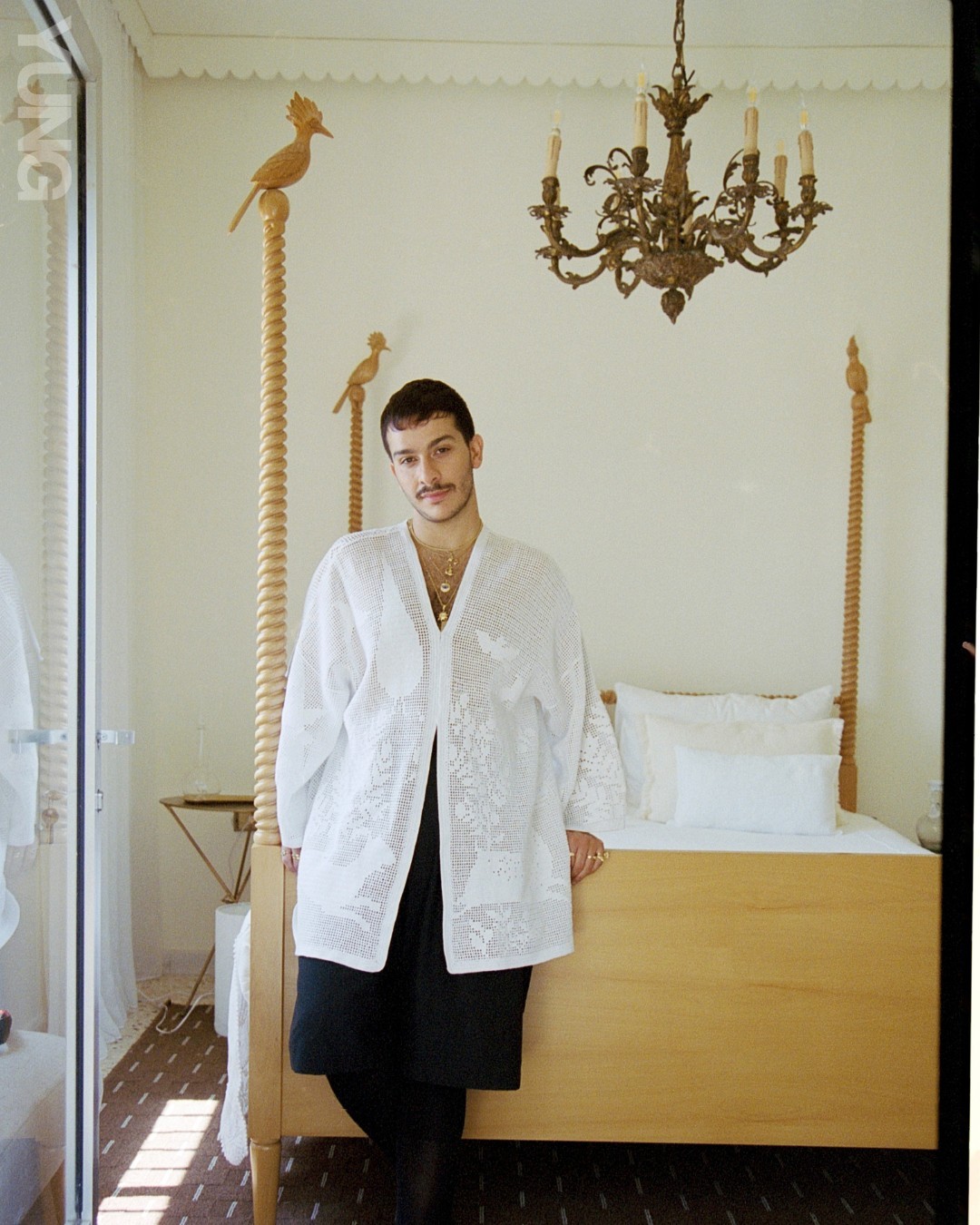
For Salim Azzam, this has always been the heart of the story.
Long before Dar Salim Azzam became a physical place in Bater, Mount Lebanon, Azzam imagined creating a home for the women whose hands have shaped his work. Not simply an atelier, but somewhere that reflected the way craft had traditionally existed in their lives: around family, conversation, food and the rhythms of home.
“Ever since the beginning of Salim Azzam, I had this dream of creating a place where the women of our region could come together under one roof,” he says. “A home for their stories, their craft, and everything they represent.”
That distinction between atelier and home matters. Many of the women Azzam works with learnt their skills informally, often from mothers, grandmothers and aunts, practising them not within institutions but in living rooms, gardens and family houses. “These women have spent their lives working in places that never really felt like places of work,” he explains. “They worked from their homes, around their families, in spaces that were familiar and comfortable to them.”
And so the Dar returned to where Azzam’s own understanding of making began: his family home.
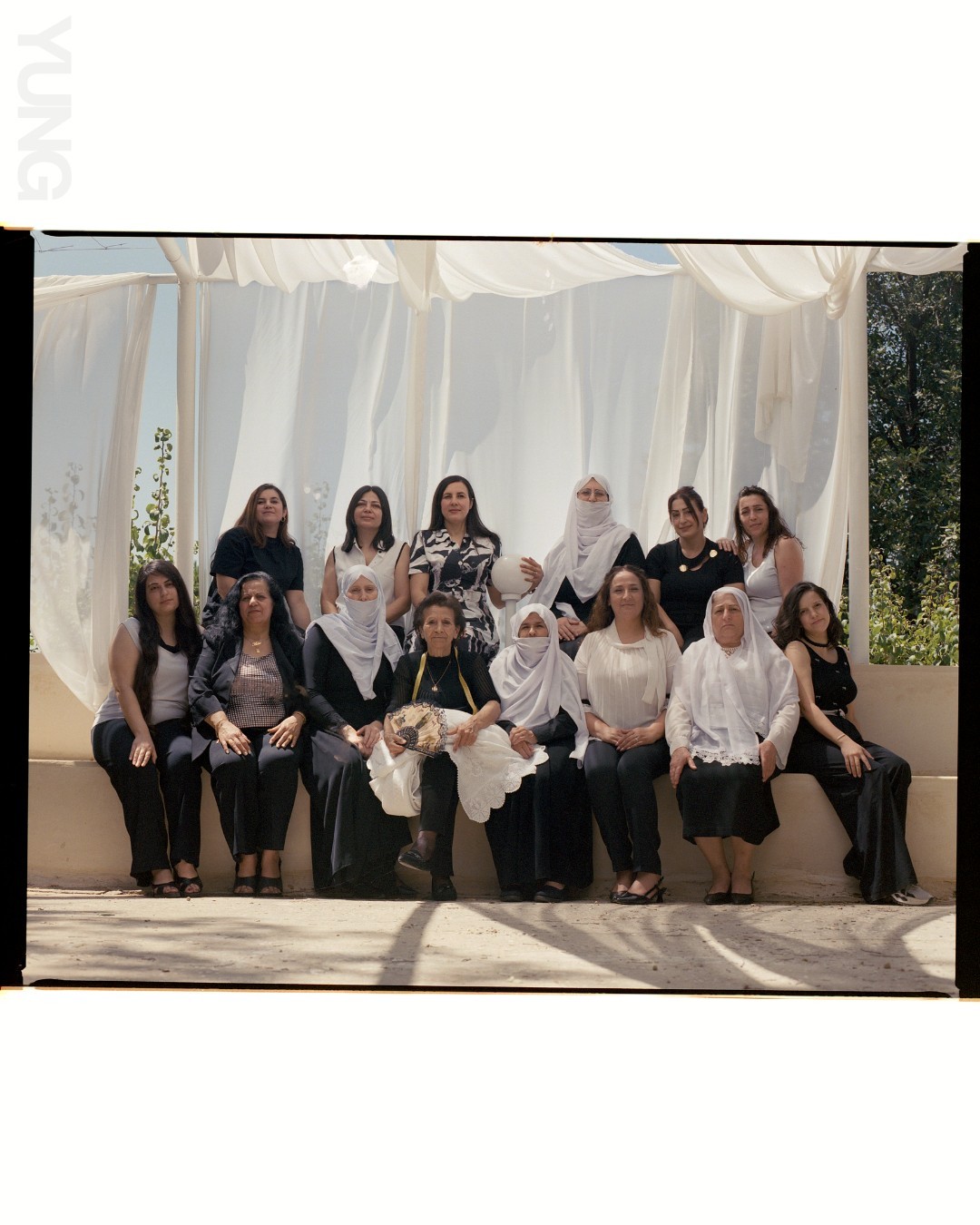
The building carries memories of his childhood, of drawing, sketching and dreaming of becoming a designer. His grandmother once made socks there. His mother, Najwa, who remains one of his greatest influences, still lives at its centre.
Najwa’s presence gives the space much of its emotional texture. She appears during fittings carrying plates of fruit, looks after the women and brings domestic life naturally into the creative process. “The truth is, she is the one who takes care of everyone,” Azzam says. “She is not only part of the artisans, she is someone who feeds us, looks after us, and brings a sense of family into the Dar.”
That sense of family is also embedded in the craft itself. Azzam grew up watching women use their hands to mark the important moments of life, creating objects for marriages, newborns and funerals. Embroidery was decoration, but it was also communication, income, independence and affection.
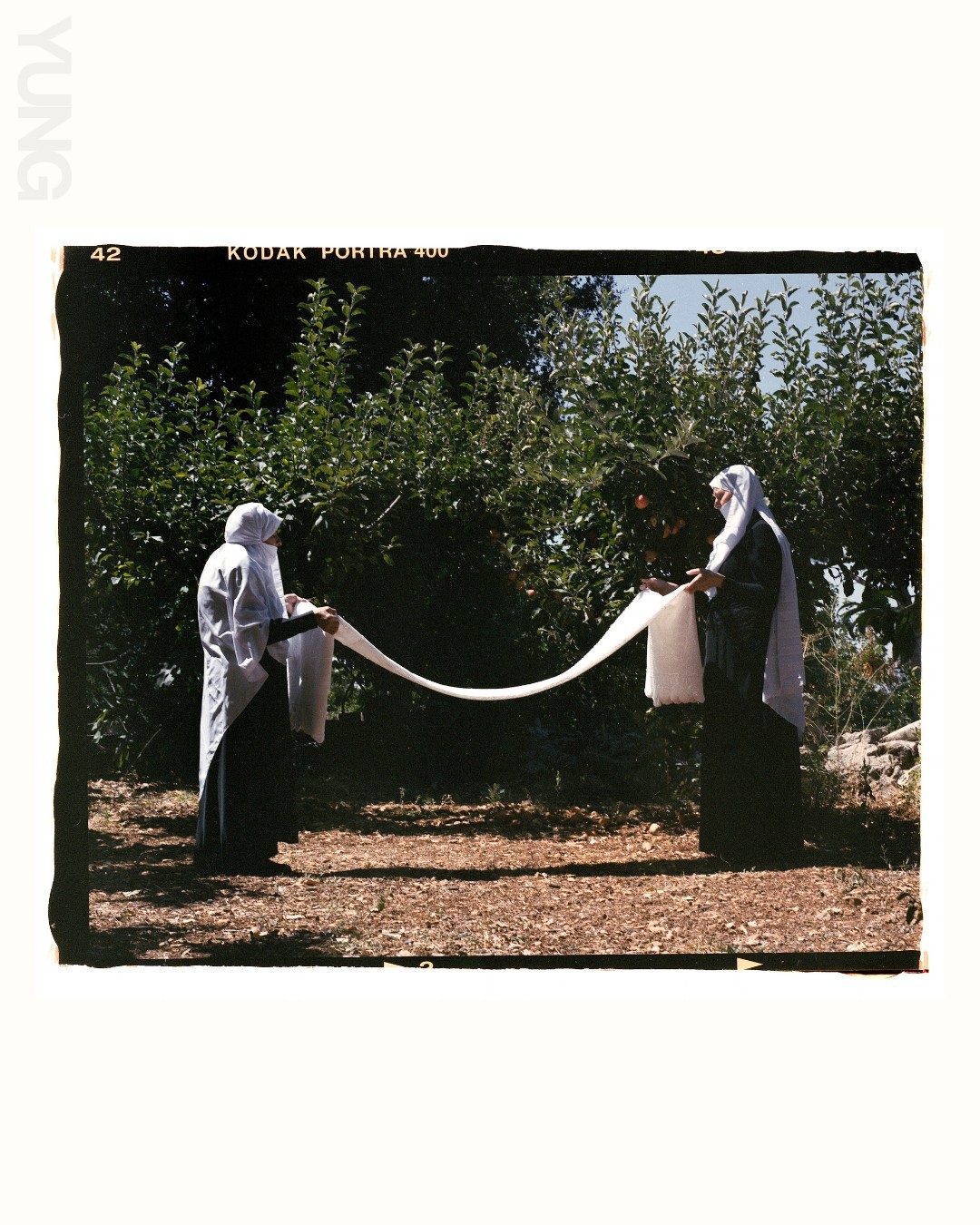
“Their needles and threads became a voice,” he says. “They were a way to make a living and become independent, but also a way to celebrate the people they loved, decorate their homes, have fun, and explore beauty.”
This is where preservation becomes more complex than simply repeating the past. At Salim Azzam, tradition survives because it is allowed to change.
When Azzam presents a new collection to the artisans, the process becomes a conversation. The women choose which designs they connect with, consider how they want to interpret them and decide which techniques feel right. Even something as small as the direction of a needle is part of that exchange.
The designer may begin with an illustration, but the hand that embroiders it inevitably leaves something of itself behind.
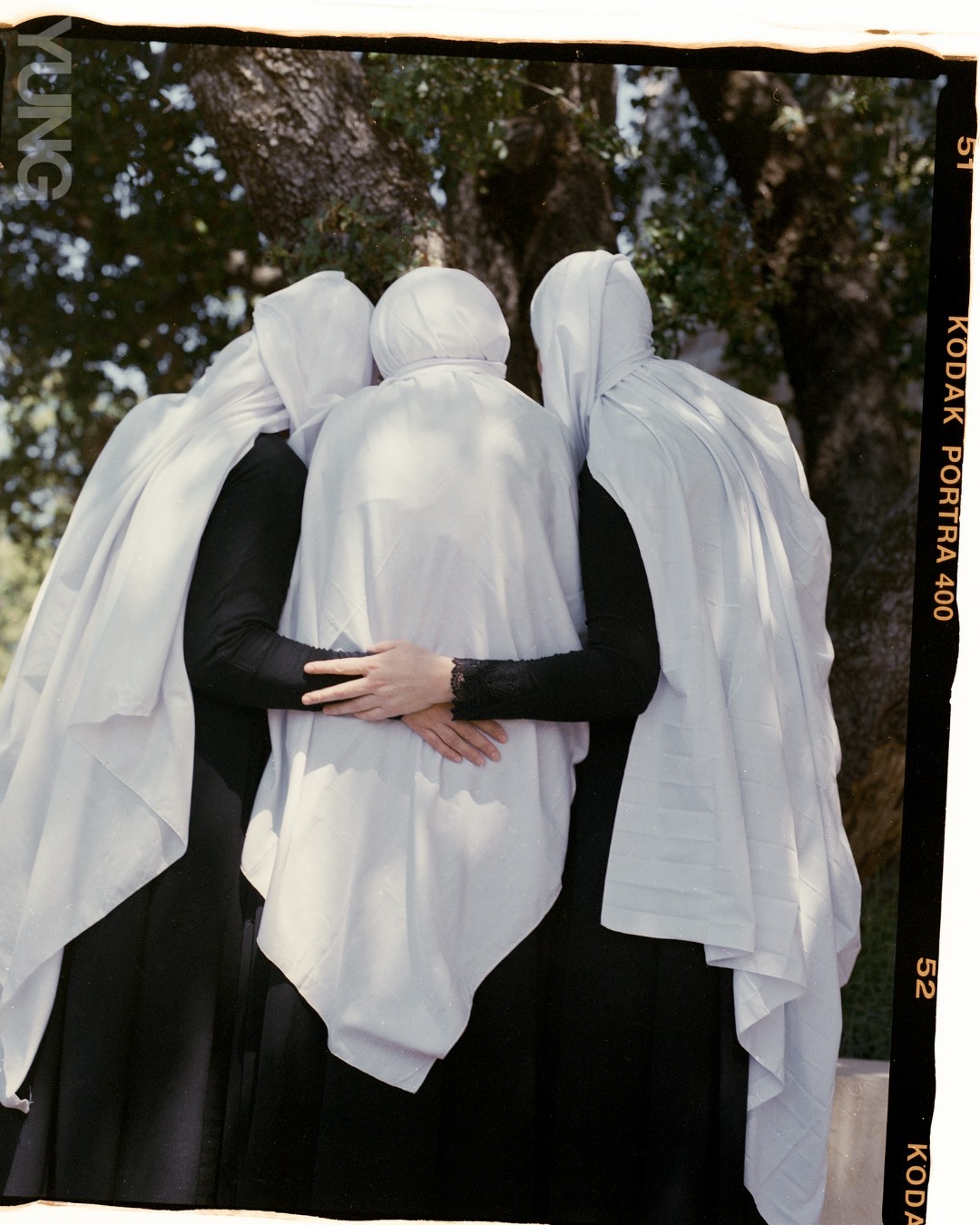
Weddad Bou Said, who learnt embroidery from her grandmother and aunt when she was seven, saw the craft primarily as a tradition that generations simply repeated. Working with Azzam shifted that perception. “It made me realise that something I had always considered a tradition could also keep evolving and become something completely new,” she says.
Her story also captures how knowledge moves between generations. Bou Said remembers being ill as a child and spending weeks at home while her grandmother embroidered a cloth covered in pine motifs. She was given the task of stitching leaves around the pine cones. The piece is still in the family today.
For Aida Azzam, another artisan at the Dar, the memory is equally intimate. She learnt crochet beneath a grape vine from her grandmother Mahiba, who put down her walking stick and began teaching her. Decades later, that inherited gesture has travelled far beyond the home where it began. Pieces made by Aida have appeared in exhibitions and international publications.
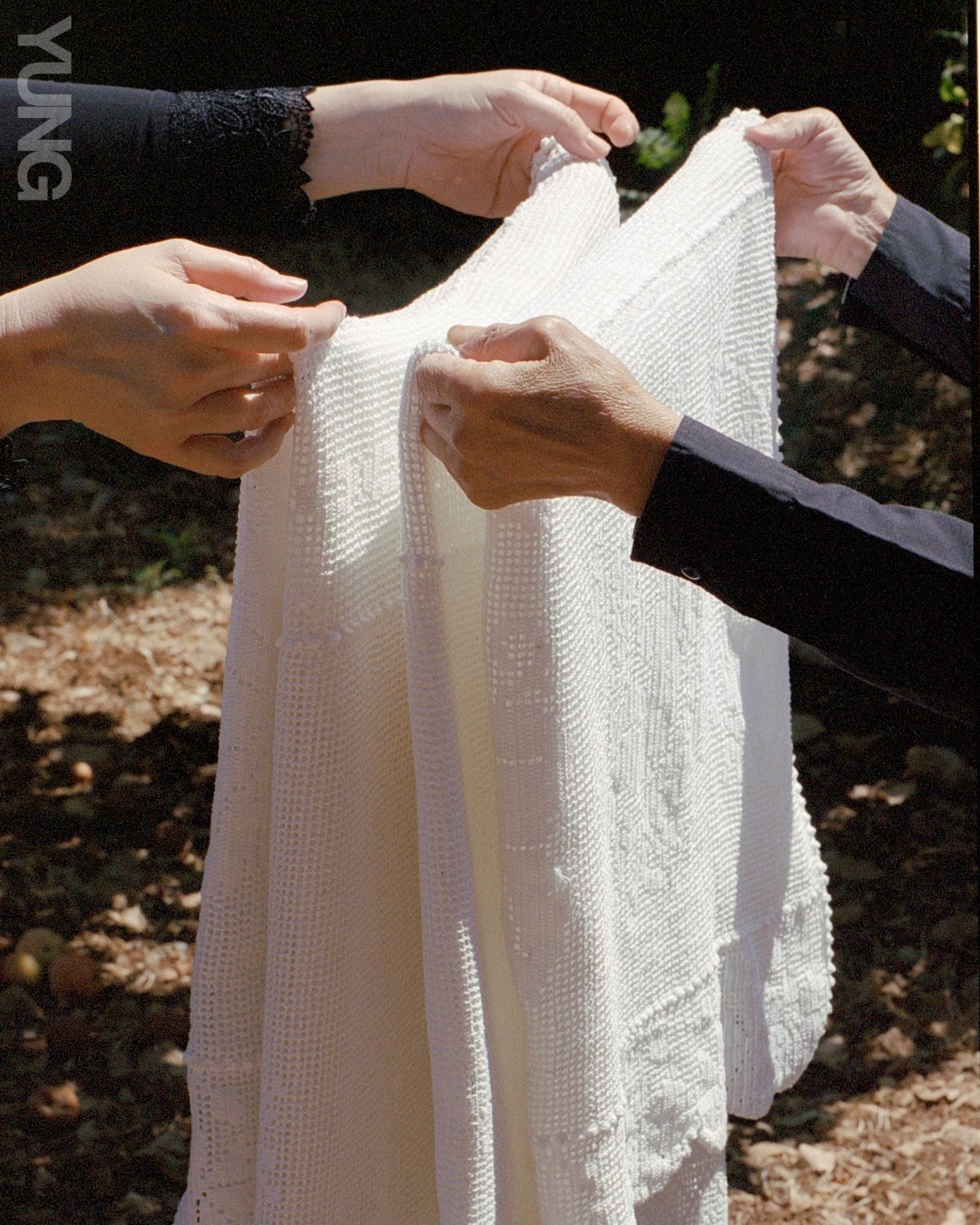
“What has always fascinated me about crochet is that, with every innovation the world has created, no one has really been able to replicate what the hand can do,” Aida says.
Perhaps that is also why handmade craft feels increasingly precious. Its value lies partly in its resistance to speed and perfect replication. Aida describes a small metal needle, an object that costs almost nothing, as something that changed her life and carried her through difficult moments. “Some people wake up looking forward to their first coffee,” she says. “I wake up wanting to pick up my crochet.”
The Dar now brings together more than 60 local embroiderers and artisans, yet Azzam insists that growth cannot come at the cost of knowing the people behind the work. The team considers what each woman enjoys, what makes her comfortable and even what colours might excite her. The details of their lives become part of the creative process.
At the same time, Azzam is working to preserve the knowledge they carry. Old pieces are photographed and collected, unfamiliar stitches are researched and documented, and the Dar itself is becoming what he calls “a living archive.” His longer-term ambition includes a school for craft, a formal archive and, eventually, a museum in the Chouf.
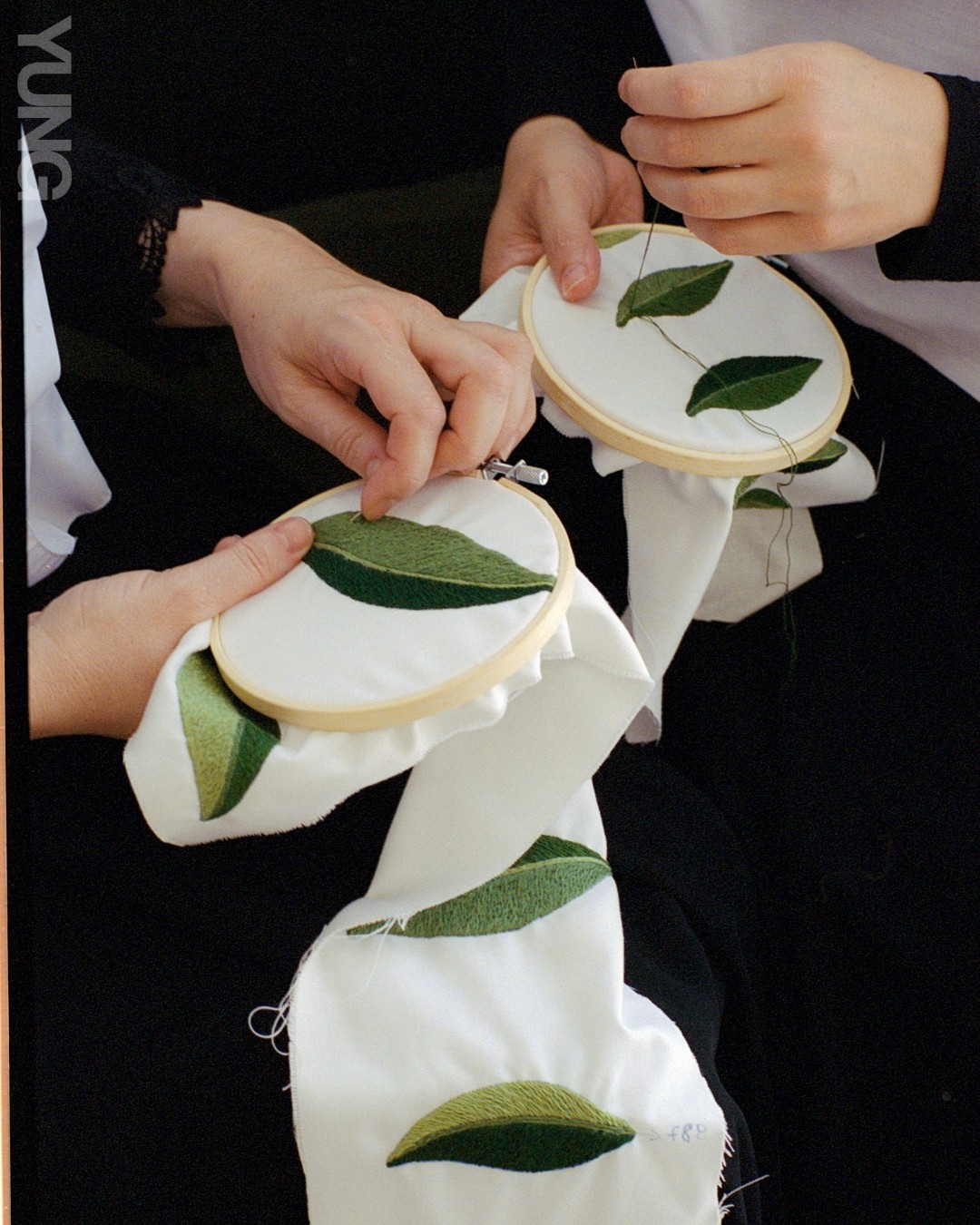
But keeping tradition alive, in Azzam’s world, does not mean freezing it, preserving it. “Craft is not outdated,” he says. “These techniques are still relevant because we choose to give them a place in our lives today.”
Dar Salim Azzam is alive with people. It exists between generations, between the designer’s drawing and the artisan’s interpretation, between memory and invention. And perhaps that is the most enduring form of preservation: not protecting craft from change, but giving the hands that carry it enough space to keep creating.
The Women Behind the Craft
Najwa Azzam, 68
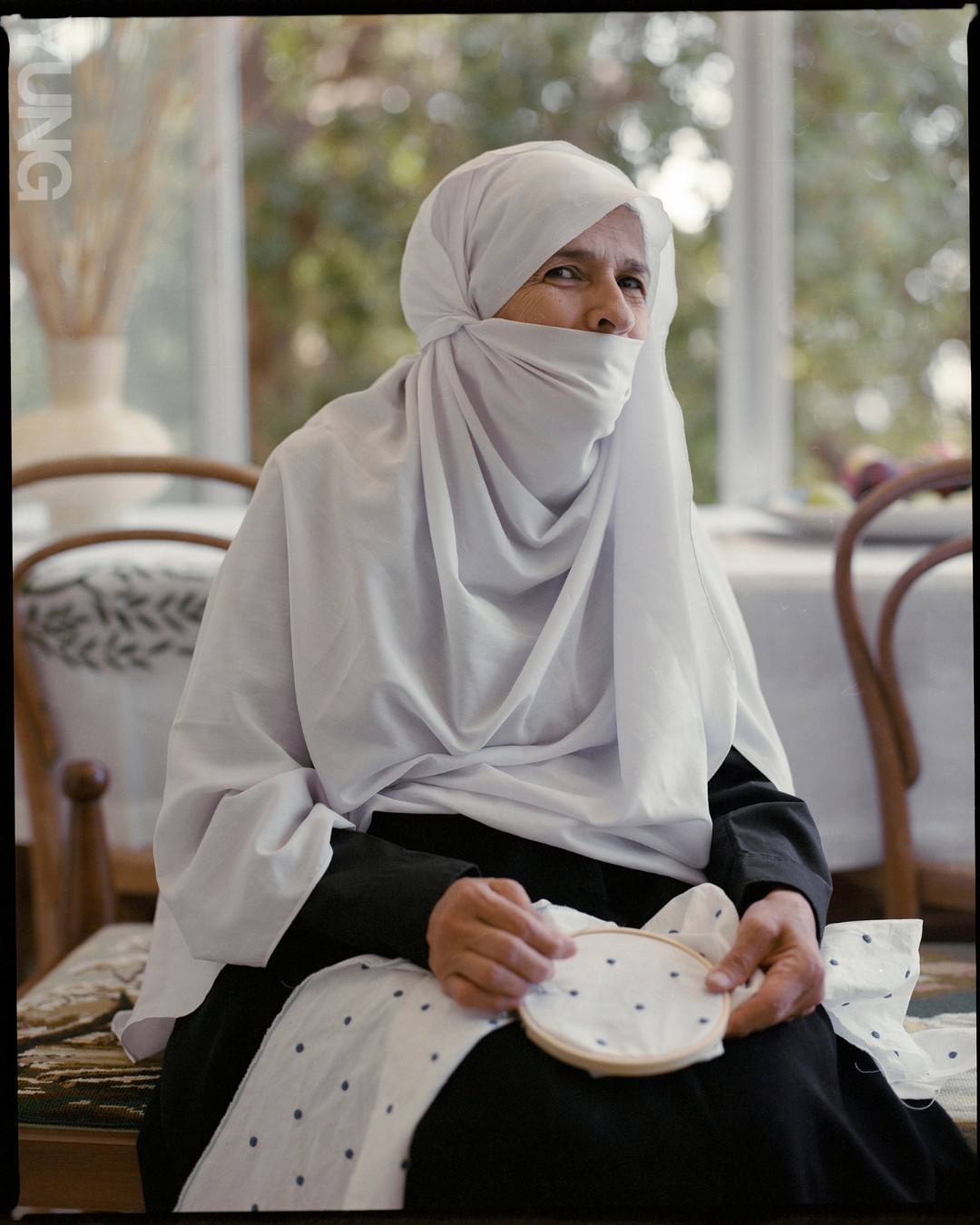
For Najwa Azzam, embroidery is inseparable from memory. She first learned the craft in 1977, when she was newly engaged and Lebanon was at war. At home, her sister-in-law’s sister taught her how to draw patterns directly onto fabric and guided her through her first stitches.
“I still remember the first two stitches she taught me,” Najwa says. “They were difficult, and perhaps that is why they have stayed with me all these years.”
Those early lessons became part of a much larger personal history, carrying the warmth of home, the memory of the women who taught her and the traditions that endured even through uncertain times. Decades later, embroidery has returned to Najwa’s life with a renewed sense of meaning through her son.
“I have always loved craft, but seeing Salim love it in his own way and through a new perspective made me fall in love with it all over again,” she says.
Working alongside him has given Najwa a new sense of purpose and introduced her to a community of women. What began as a skill shared between women at home has become a space for friendship, connection and collective creativity.
“Craft is not only about what we create with our hands, but also about the people and connections we create along the way,” she says.
When Najwa embroiders today, memories naturally enter the work. She thinks about family, traditions, the women in her community and everything they have carried from one generation to the next.
One of her most emotional memories is of a shirt Salim created using words she had written many years earlier, almost like a love letter. Seeing those words return through his work connected past and present in an unexpected way. “I could not imagine that something I had written in the past would one day come back to me in such a different and beautiful way.”
For Najwa, every stitch becomes another way of preserving what might otherwise be forgotten.
Amina Bou Hamza, 58
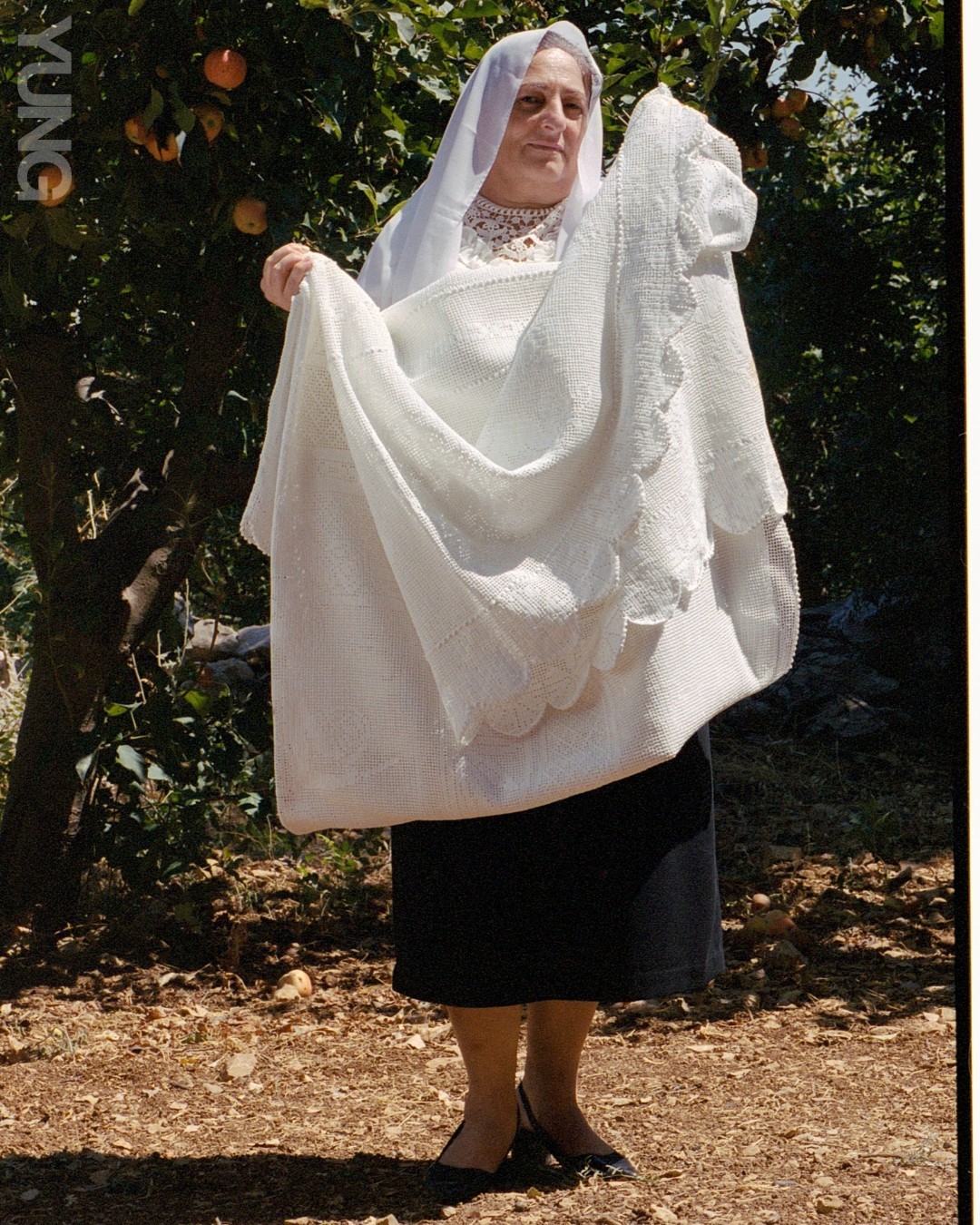
Amina Bou Hamza grew up surrounded by women who understood handmade work as something far more valuable than decoration. Her mother, aunts and paternal aunts introduced her to embroidery, crochet and other forms of handiwork, teaching her skills that were deeply woven into family and community life.
“In our family, women viewed embroidery, crochet and all kinds of handiwork as among the most precious things a family could pass down,” she says. “They are made with love and patience, and they carry in their details the memories of those who made them.”
For Amina, these traditions were part of the rituals surrounding womanhood and family. A bride might once have displayed pieces created for her by the women in her family before eventually making new pieces for her own children. Objects moved between generations, carrying the hands and stories of the women who came before.
“That is why, to me, embroidery is not just a craft. It is part of our family memory and a heritage we carry with us,” she says.
Her work at Dar Salim Azzam allowed her to see that inherited knowledge differently. What had once belonged primarily inside the home could now enter fashion, evolve creatively and travel far beyond the community where it began, “What we learned from our mothers and grandmothers is not just handiwork. It is knowledge and heritage that can continue, evolve and reach new people.”
Handcraft also holds something Amina believes machinery cannot reproduce. Every embroidered piece contains time, concentration, patience and emotion. That human presence becomes part of the finished object.
Today, embroidery has also become a source of independence and pride for her. With each piece, she feels a responsibility to protect the integrity of the tradition while adding something personal.
“The spirit I add is not a specific stitch. It is the feelings of patience and love that flow with the thread as I work.”
She sees each garment as a collective story, beginning with an idea and passing through many hands before finally reaching the person who wears it.
Huda Seed, 77
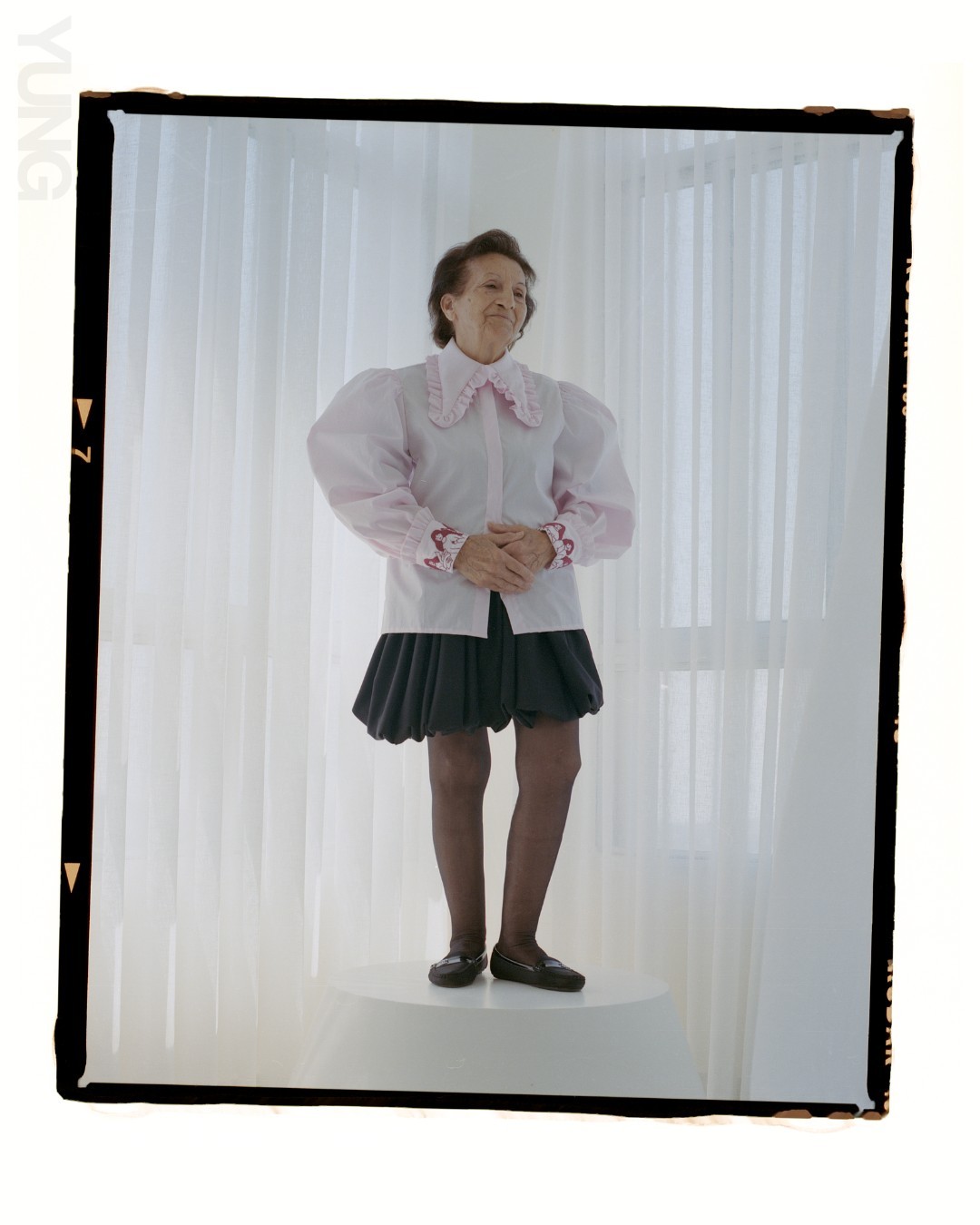
Huda Seed learned embroidery as a young girl in Baakleen, in Lebanon’s Chouf mountains, where her aunt introduced her to techniques that would remain with her throughout her life. At the time, she could not have known that something learned so early would eventually return with such importance many years later.
Joining the Salim Azzam team later in life transformed that childhood knowledge into something once again alive. Embroidery became not simply a memory of home and family, but a way for Huda to remain connected to her heritage while participating in its future.
“One of my favourite memories connected to the craft is joining the Salim Azzam team and realising that something I had learned so many years ago could become such a meaningful part of my work and my life again.”
Yet for Huda, the deepest value of the experience is found in the people around her. She speaks affectionately about being surrounded by women and collaborators whose knowledge, wisdom and passion continually inspire her.
“I feel very fortunate to be part of a team filled with people who carry so much knowledge, wisdom and passion for what they do.”
Among the pieces she treasures most are a dress created for a Red Cross fundraising initiative United Under One Sun and a custom navy dress embroidered with a hoopoe bird. Having worked on both, she remembers them not only for their beauty, but for the emotions and experiences attached to making them.
What Huda contributes most, however, is something less visible than embroidery.
“I feel like the mother of everyone here,” she says. “I like to look after people, to care for them and to make sure everyone is doing well.”
That sense of care becomes part of the craft itself. Through Huda’s hands, embroidery becomes an expression of affection, belonging and continuity, connecting the girl who learned from her aunt in Baakline to the woman still creating, sharing and caring at 77.
For more stories of fashion from across the region, visit our dedicated archives and follow us on Instagram.