Perfume may feel permanent, but the materials behind it rarely are.
Ingredients shift with harvests, terroir and availability. Suppliers change. Supplies disappear or become restricted as legislation evolves. Over decades, those small adjustments can begin to alter even the most carefully preserved fragrance, subtly moving it away from the composition its creator first imagined.
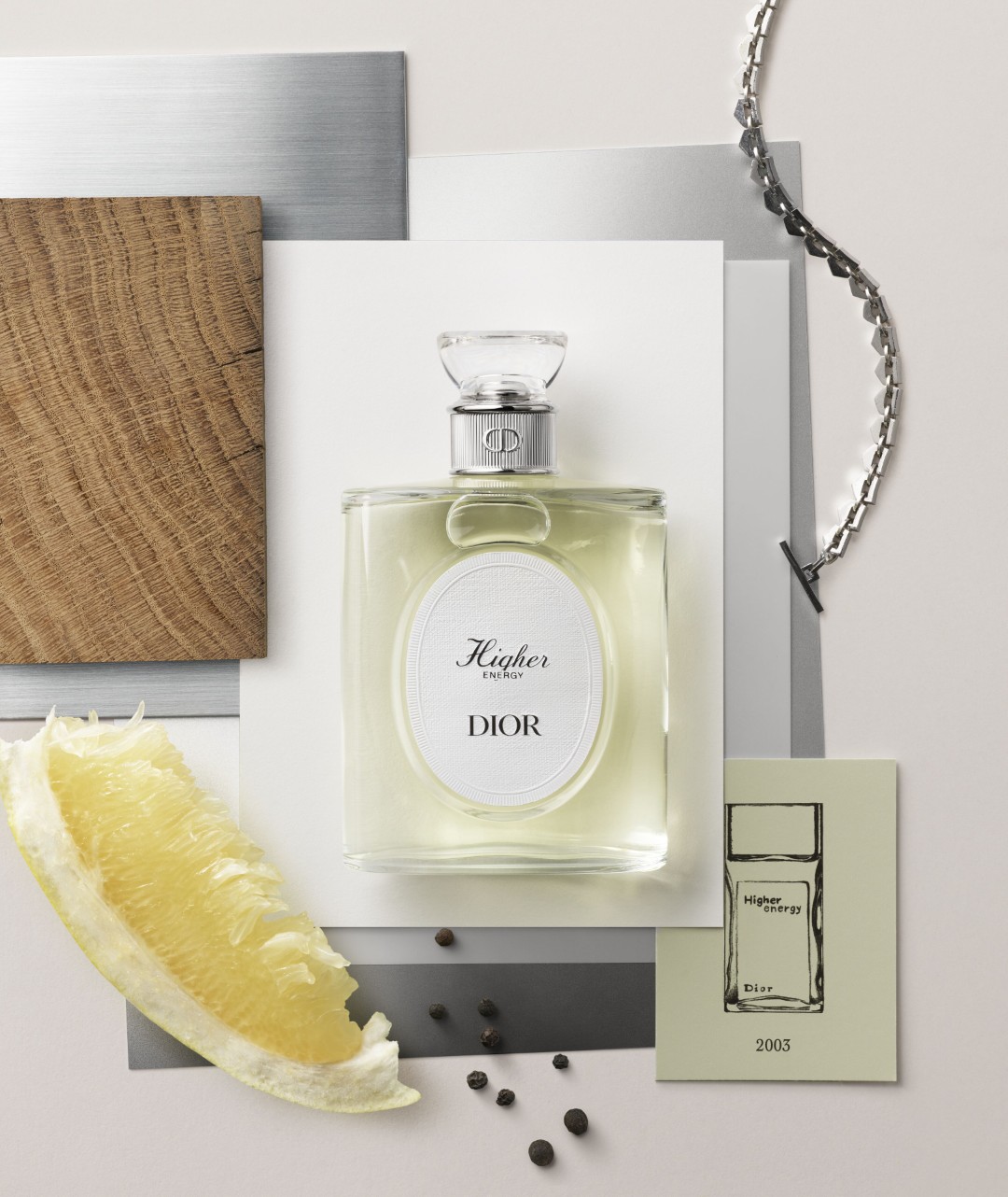
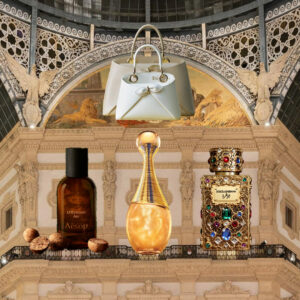
For Francis Kurkdjian, Perfume Creation Director at Dior, that makes preservation an active process. His latest project, Dioriginals, returns to 13 fragrances that have helped shape almost 80 years of Dior perfume history, carefully restoring their compositions in an effort to bring back the nuance and balance of the originals.
The collection spans generations of Dior fragrance, from the major classics of Edmond Roudnitska to more recent creations.
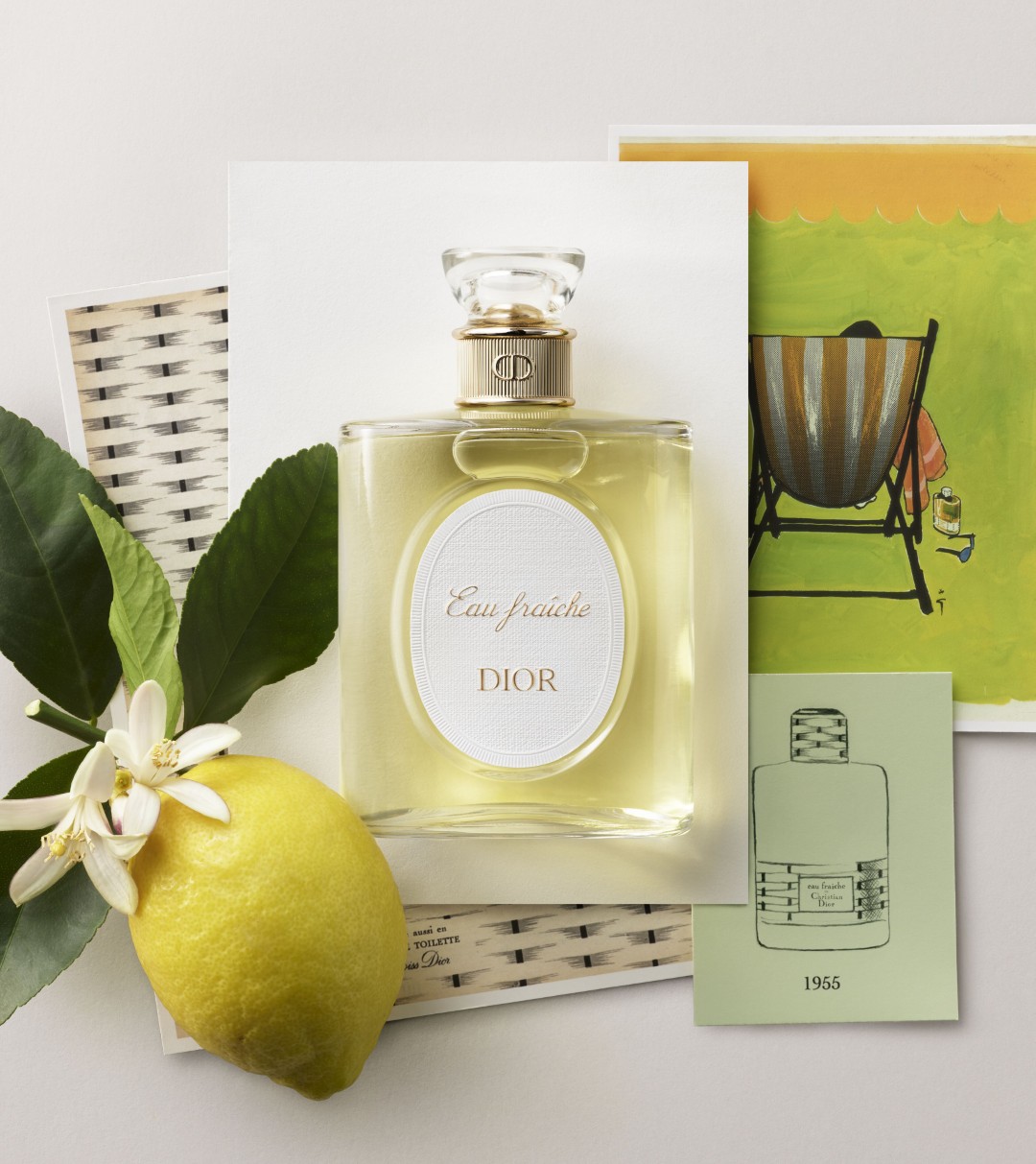
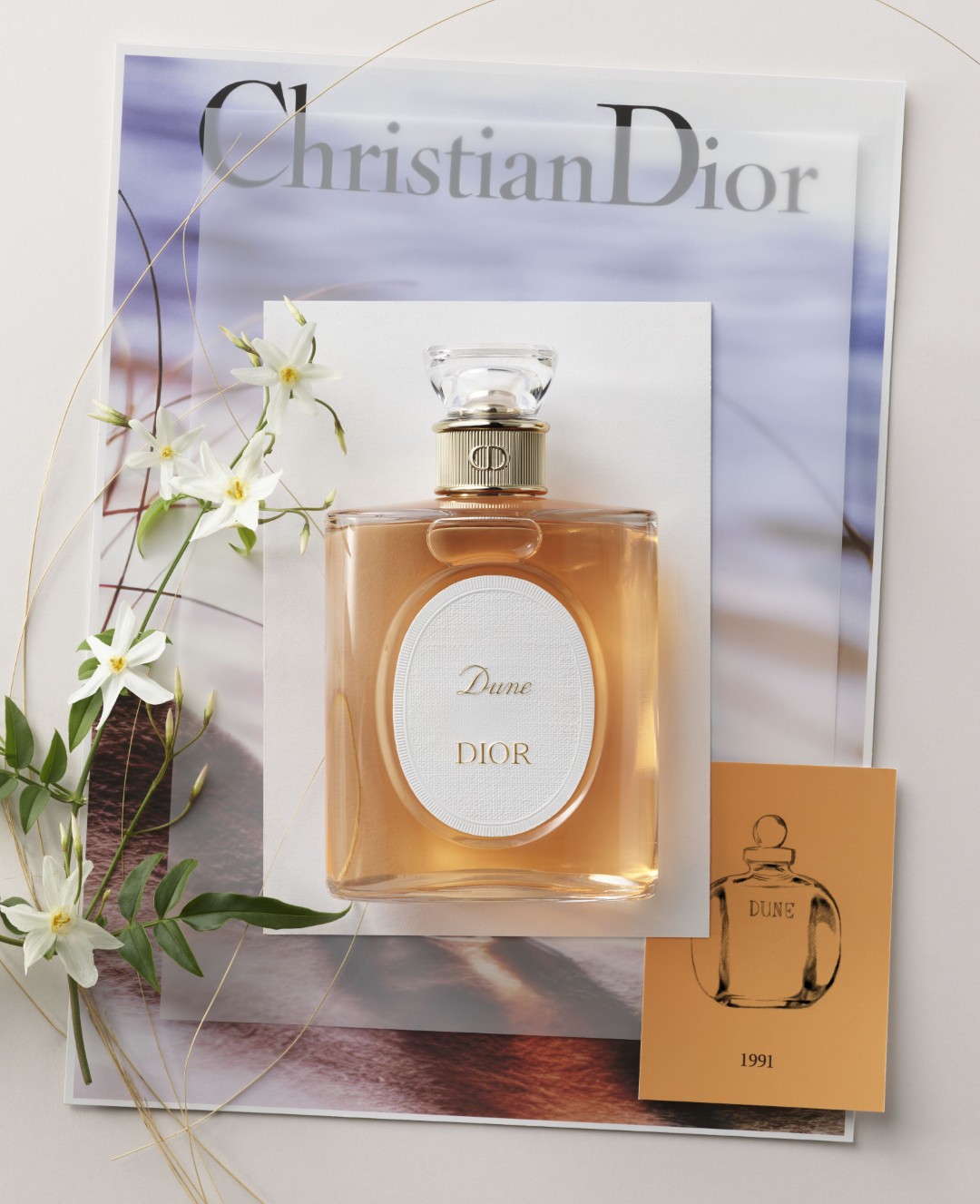
The 13 fragrances are Diorama, Eau Fraîche, Diorissimo, Diorling, Diorella, Dioressence, Jules, Dolce Vita, Dune, Dune Homme, Higher, Forever and Ever and Higher Energy.
Some have become reference points in their own right, studied by perfumery students as examples of composition and technique. Dioriginals treats them accordingly: not as fixed products sitting untouched in an archive, but as works that require care if their original identity is to survive.
Working with his studio, the Dior creative teams and the House’s Perfume Creative Studio, Kurkdjian returned to the original formulas, examining how the fragrances had evolved and where their balance could be restored.
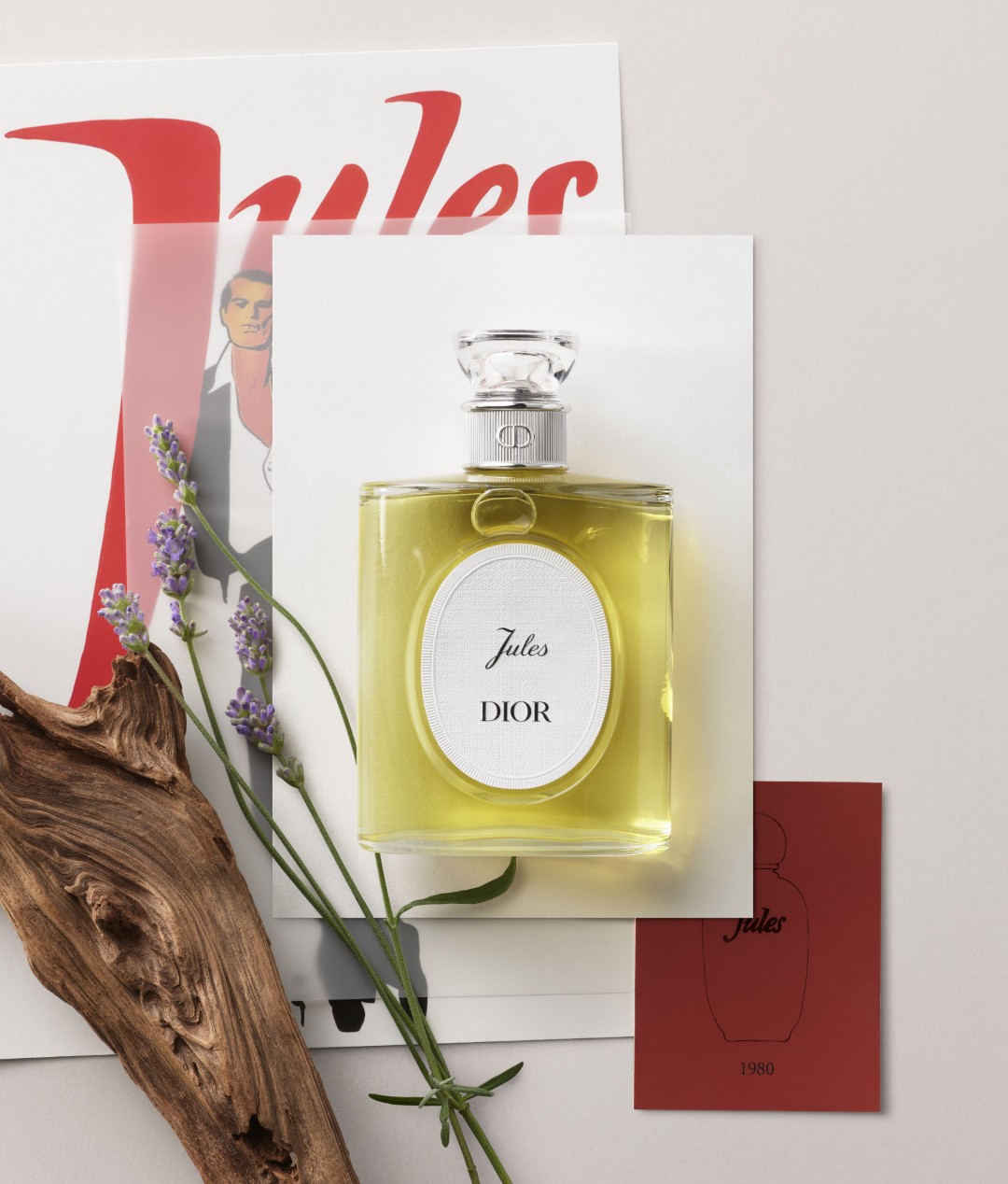
The idea rests on a simple contradiction. A formula can be written down and preserved indefinitely, but the natural and synthetic materials needed to recreate it cannot.
For Kurkdjian, the solution is closer to restoration than reinvention. “A perfume should be cherished and looked after like a fragile work of art that is subject to the vagaries of time,” he explains. “In the same way that luster and color are restored to a painting, so must the quality, shine and nuance of raw materials be upheld in a fragrance,” he said.
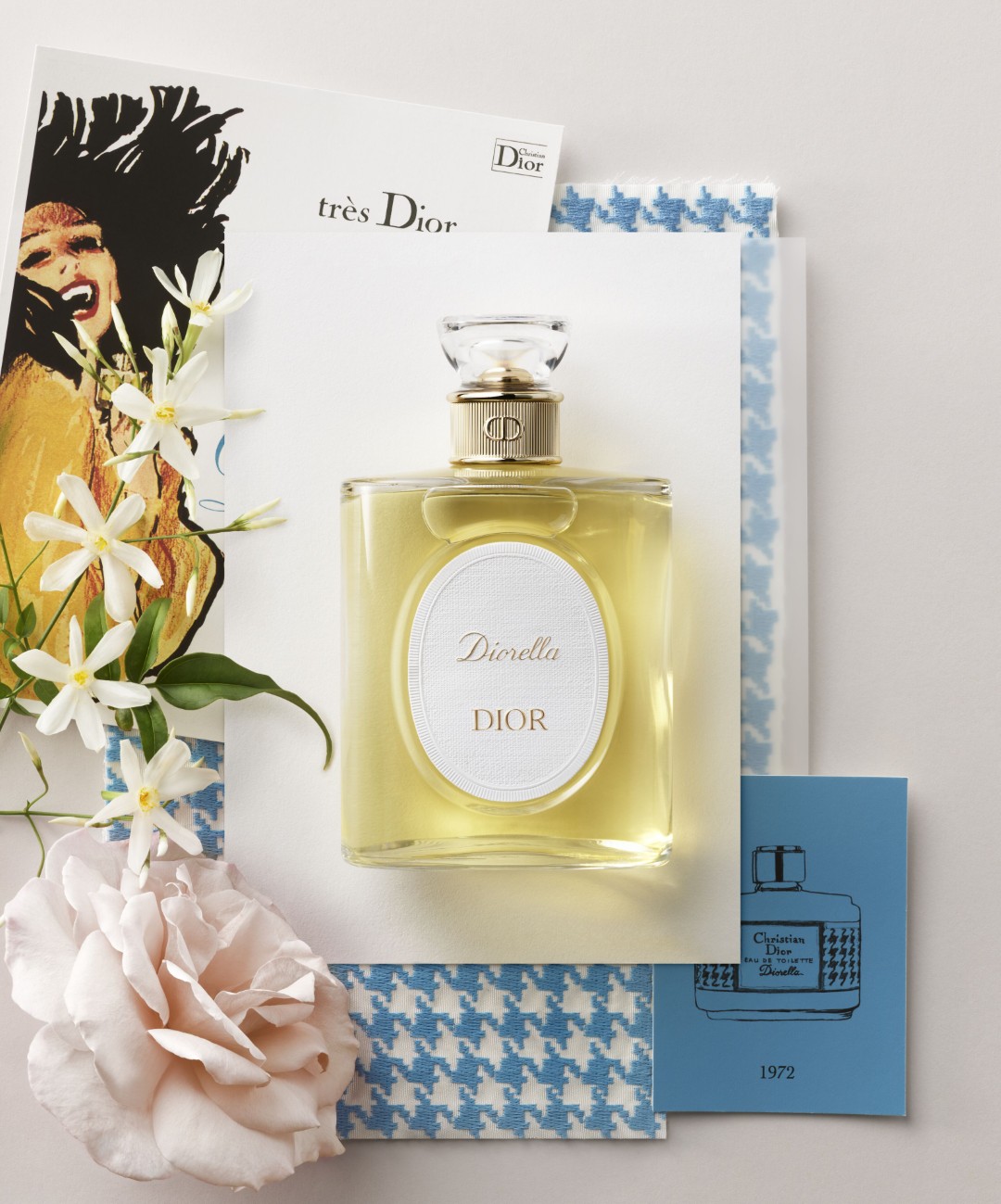
That process means paying close attention to sourcing and to regulatory changes that may limit or prohibit particular ingredients, while protecting the relationships between notes that define the fragrance as a whole: “To recreate the ‘landscape’ of a great Dior fragrance in all its former brilliance, I set out to recover their original formulas and restore the perfect harmony of their compositions.”
There is something quietly radical about treating fragrance history this way.
Rather than modernising these perfumes for the sake of change, Dioriginals asks what happens when the goal is fidelity: recovering an atmosphere, a balance and a particular creative intention before time gradually reshapes it.
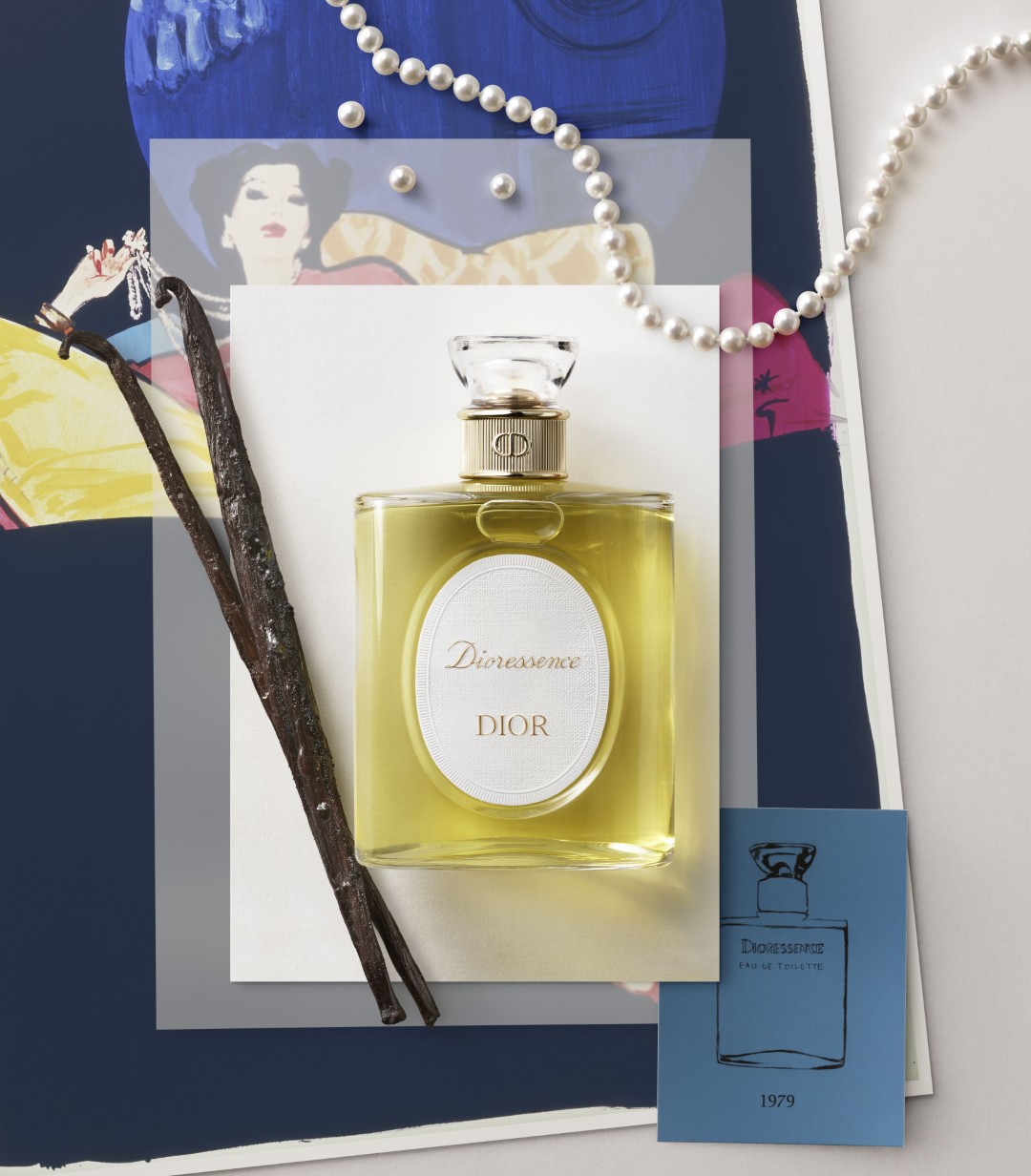
The project becomes as much about stewardship as perfume-making. These are fragrances that have already outlived changing tastes, ingredients and regulations. Kurkdjian’s task is to ensure that what made them significant remains legible.
In that sense, Dioriginals is not simply a return to the archive. It is an argument that perfume history deserves the same care as any other artistic medium, and that sometimes the most contemporary thing a House can do is understand exactly what should not be lost.
For more stories of beauty from around the region, visit our dedicated archives and follow us on Instagram.