Milan Design Week has become a second stage for fashion houses, a parallel system where brands test how far they can extend beyond clothing, into space, into ideas, into culture.
This year, the shift was clear: installations replaced collections, programmes replaced launches. What was presented was less about objects and more about how a brand thinks.
Gucci — Gucci Memoria
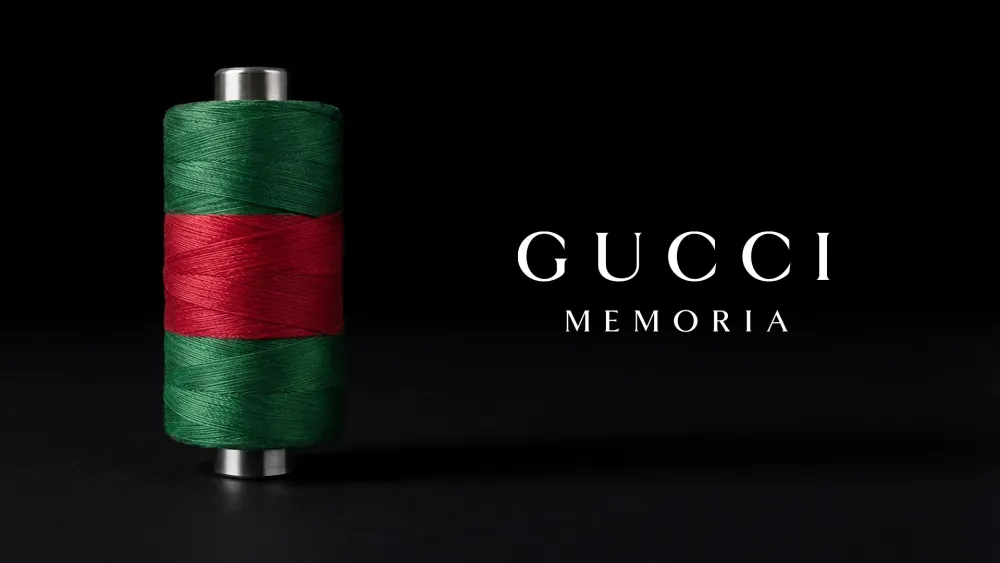
Gucci’s Memoria marked the house’s first Design Week project under Demna. It unfolded inside the Chiostri di San Simpliciano, a Renaissance monastery, and centred on the idea of memory as a structure rather than an archive.
The choice of site matters. The cloister carries its own historical weight, which becomes part of the work. The project read as an attempt to reposition Gucci through time.
This is a strategic move. It places Gucci within a broader cultural conversation, outside the rhythm of runway cycles, and establishes a new tone for Demna’s direction.
Louis Vuitton: Objets Nomades
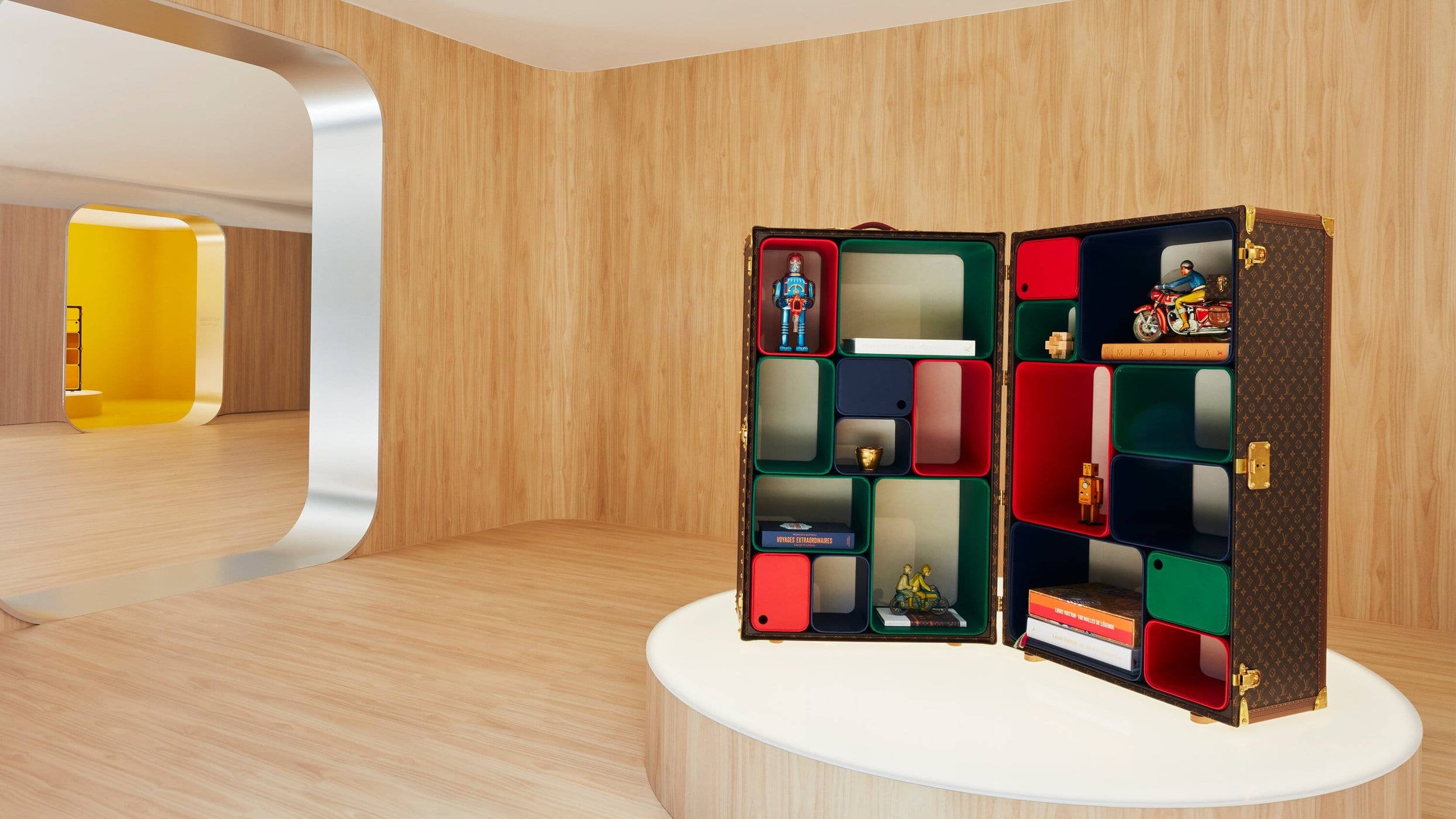
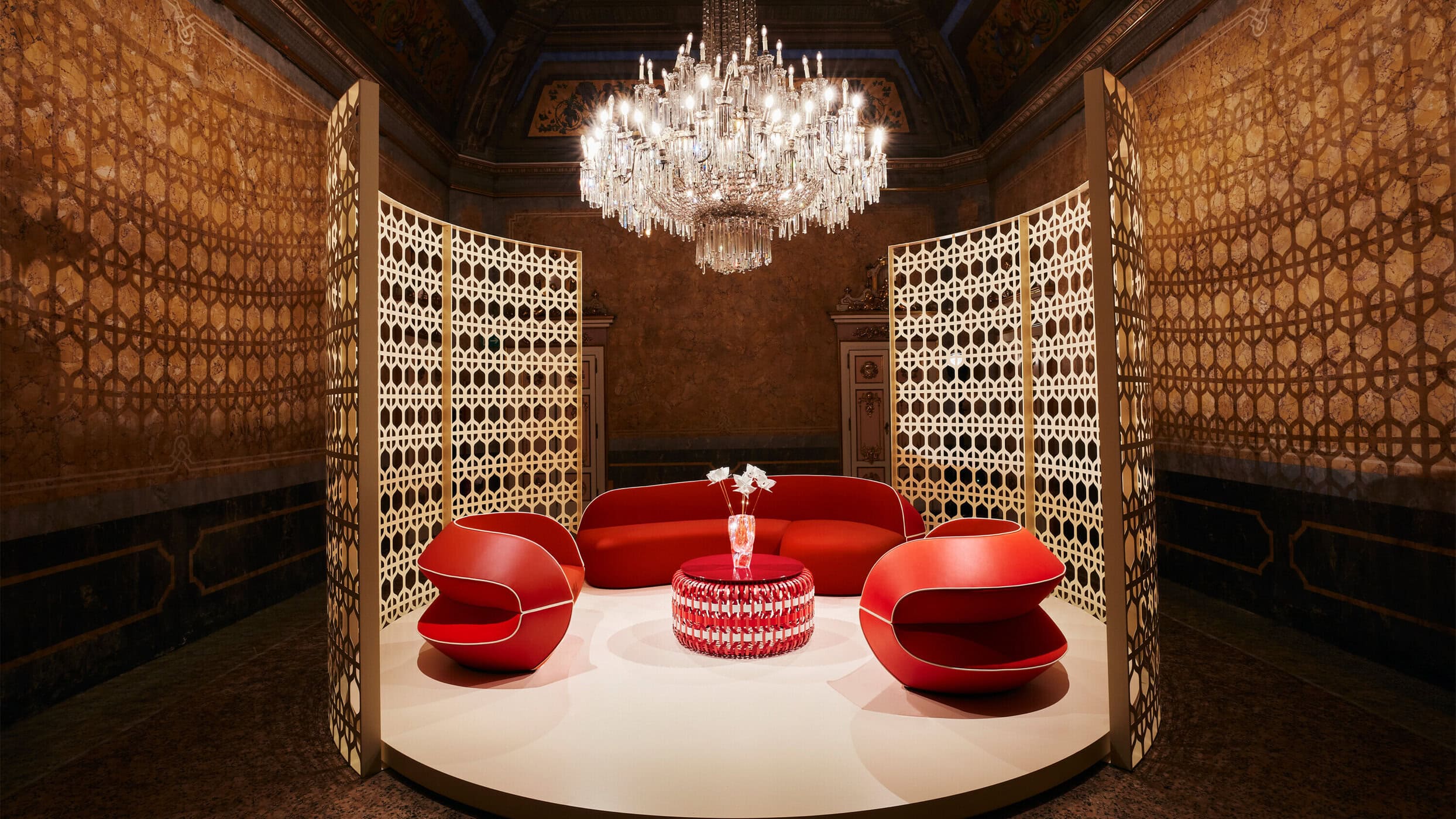
Louis Vuitton returned to Palazzo Serbelloni with Objets Nomades, its long-running design collection. The format remains consistent: collectible pieces developed with designers, presented in a historic Milanese setting.
There is no attempt to disrupt the model. That is the point. Louis Vuitton has built continuity in design, and this consistency functions as authority.
Design here operated as an extension of the brand’s core narrative: travel, craftsmanship, and ownership. The objects sit between furniture and collectible artefacts.
Miu Miu: Literary Club
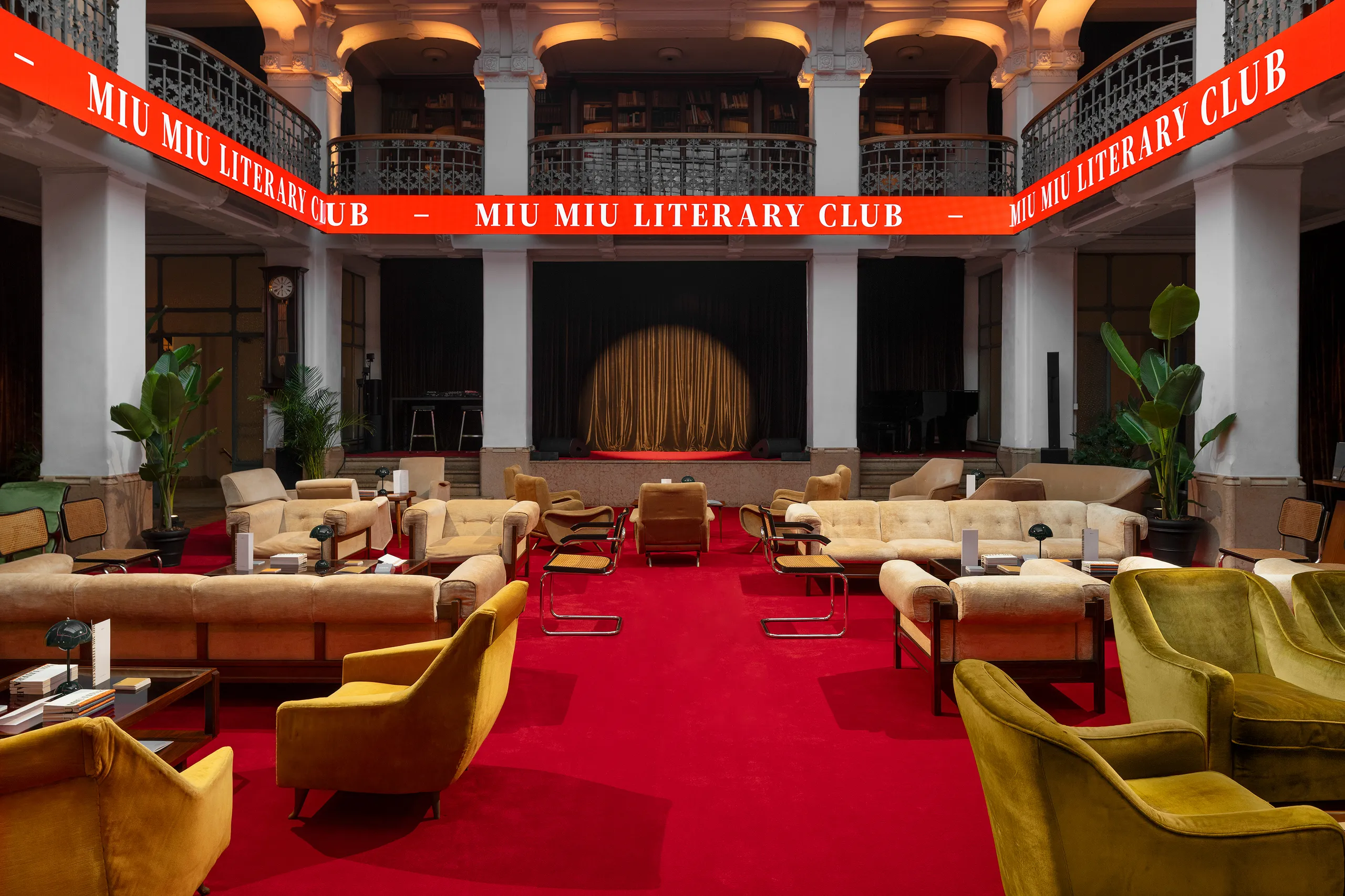
Miu Miu’s Literary Club returned with a programme of talks, readings, and performances. It was staged at the Circolo Filologico Milanese and focused on themes around desire and authorship.
The format was deliberately intimate. Seating, reading, listening.
This was one of the few projects that places language at the centre. The brand operates through cultural discourse, building relevance through proximity to literature and feminist thought.
Prada: Prada Frames
The fifth edition of Prada Frames took place inside the sacristy of Santa Maria delle Grazie. Developed with Formafantasma, the 2026 theme, In Sight, examined image-making and its systems.
Speakers moved across disciplines: science, philosophy, design and the programme addresses how images are produced, stored, and circulated.
Prada positions itself through knowledge. The absence of objects is deliberate. The value lies in framing conversations that extend beyond design itself.
Hermès
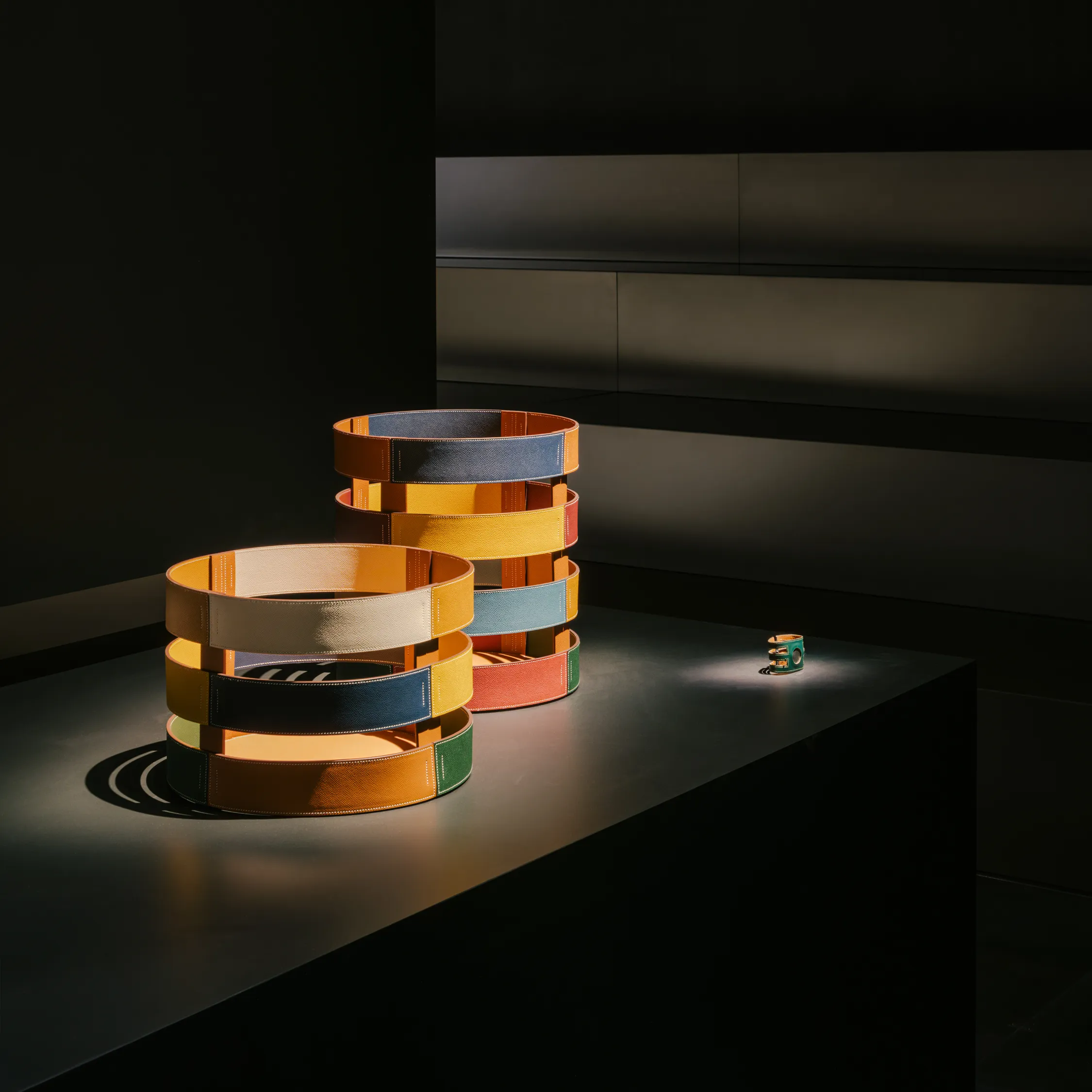
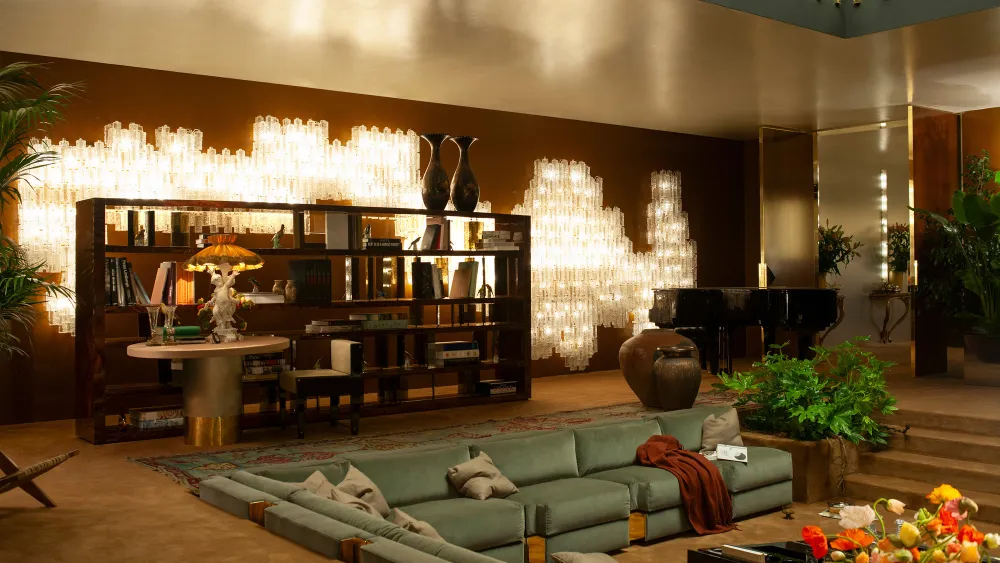
Hermès presented its home collection through a dedicated installation at La Pelota after its previous success. The house presented new furniture, textiles, and home objects within a scenography designed by Charlotte Macaux Perelman and Alexis Fabry. The format was controlled and spatial, with objects placed within a precise scenography.
Each piece was isolated, allowing material and construction to carry the narrative.
Loro Piana: Loro Piana Studies
Loro Piana’s project centred on textiles, focusing on process and material knowledge. The installation read as a series of studies rather than a finished presentation.
Attention was placed on fibres, weaving, and transformation.
This aligns with a broader shift in luxury towards material literacy. Value is tied to understanding how something is made, not only how it appears.
Balenciaga – Artean I: Eduardo Chillida
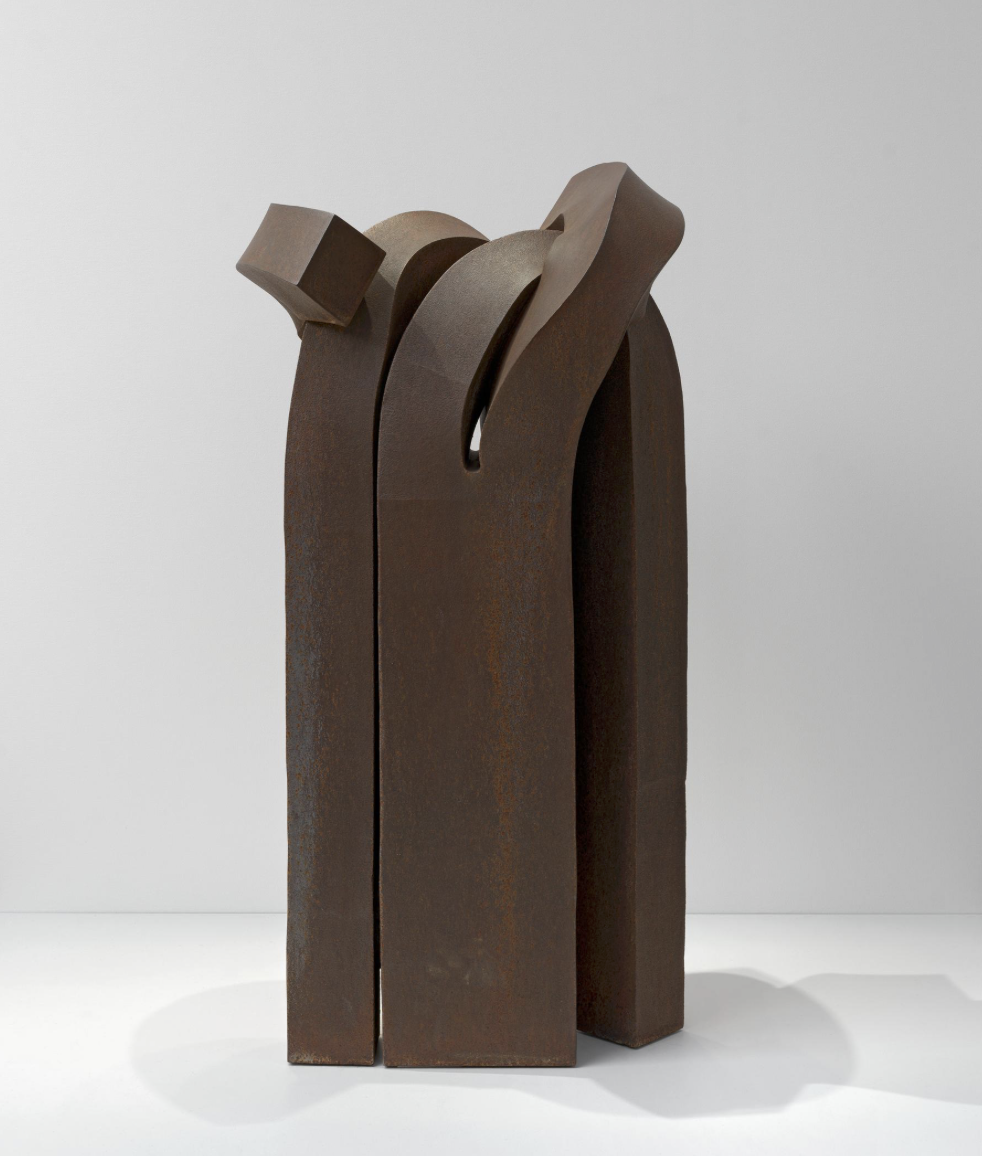
Balenciaga presented Artean I at its Via Montenapoleone flagship, marking the house’s first artist-led project under Creative Director Pierpaolo Piccioli. The exhibition introduced an ongoing series titled Artean, meaning “between” in Basque, framing the space as a point of connection. Seven works by Eduardo Chillida were installed among the current collections, including pieces that reference Cristóbal Balenciaga. The project places art and fashion in direct proximity, extending a dialogue that spans both the artist’s and the house’s histories.
Jil Sander: Reference Library
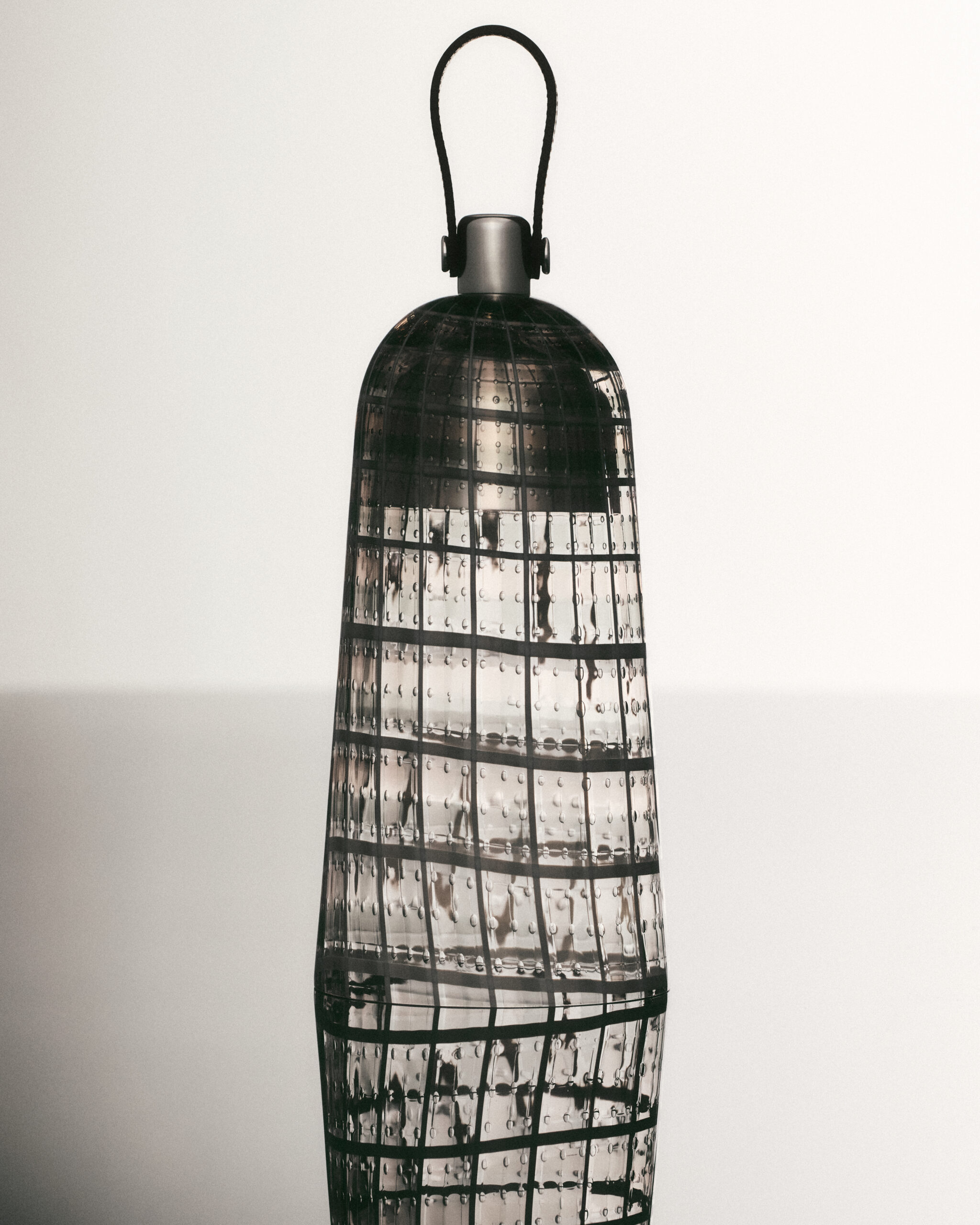
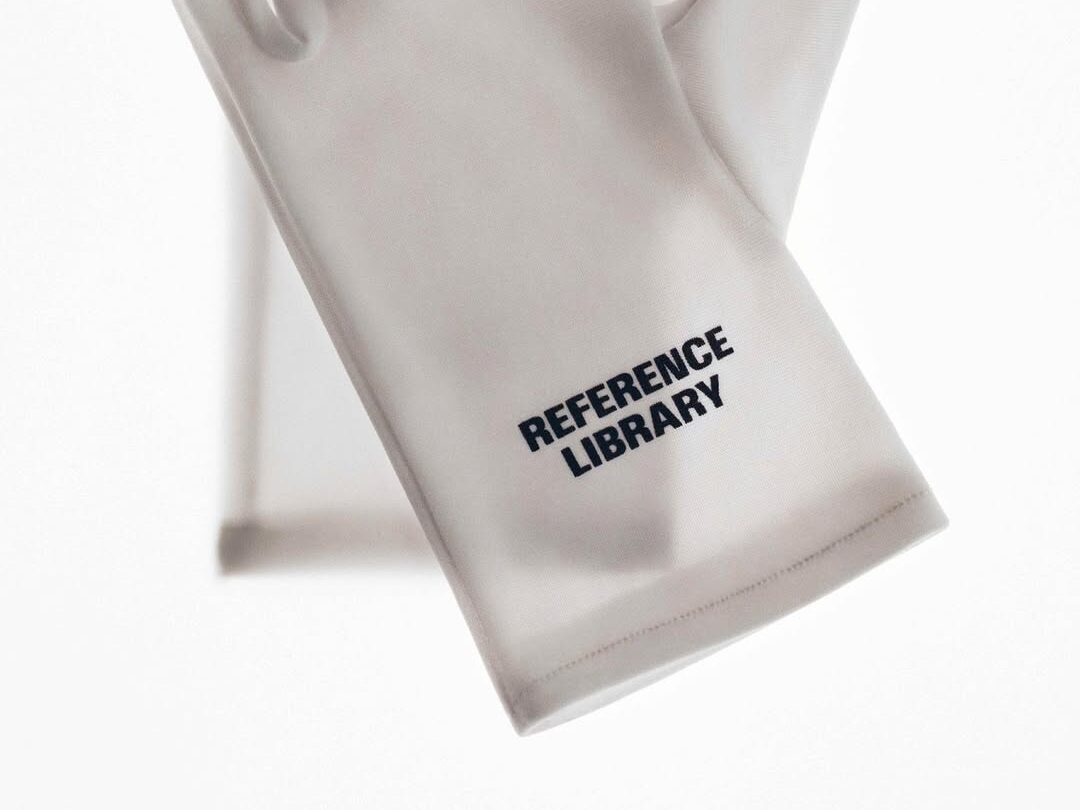
Jil Sander presented a project structured around books and reading. Installed within its showroom, the work focused on knowledge, editing, and attention.
The space is reduced to essentials. Tables, texts, light, extending the brand’s visual language into an intellectual framework, where minimalism becomes a way of organising information.
Fendi: Baguette 26424 Re-Edition
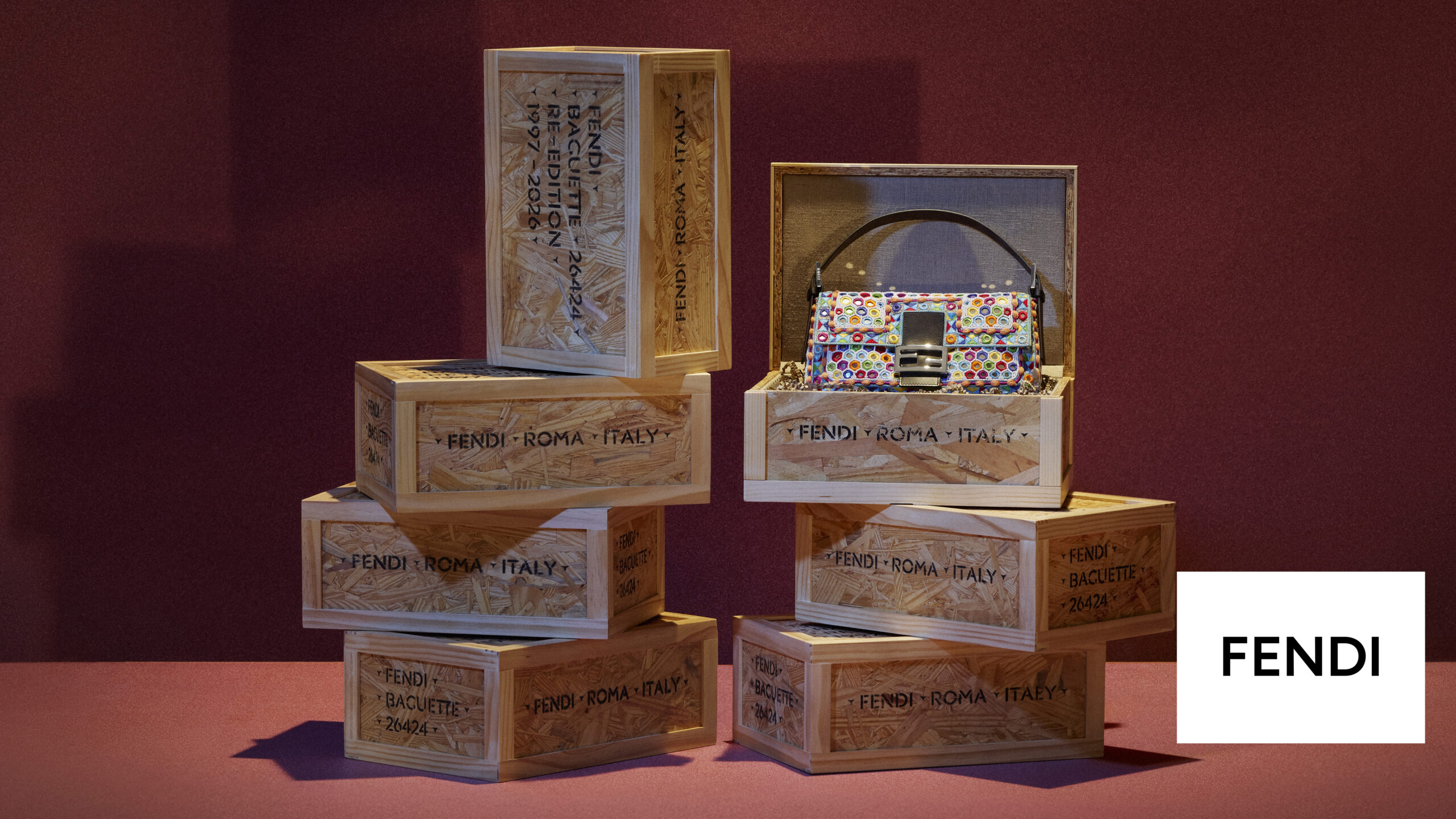
Fendi marked Milan Design Week with the launch of the Baguette 26424 Re-Edition at Palazzo Fendi Milano. Returning to the original model code assigned in 1997, the project repositioned the bag through form and presentation, introducing a softer construction and refined under-the-arm wearability. Twenty designs drew from the house archive, including six exclusive to Milan, each presented in a wooden crate inspired by art transport. The installation extended this idea into space: suspended crates move along a conveyor system, revealing archival versions through video before culminating in the bag displayed as a collectible object. Packaging became part of the narrative, framing the Baguette as both artefact and artwork.
Issey Miyake – The Paper Log: Shell and Core
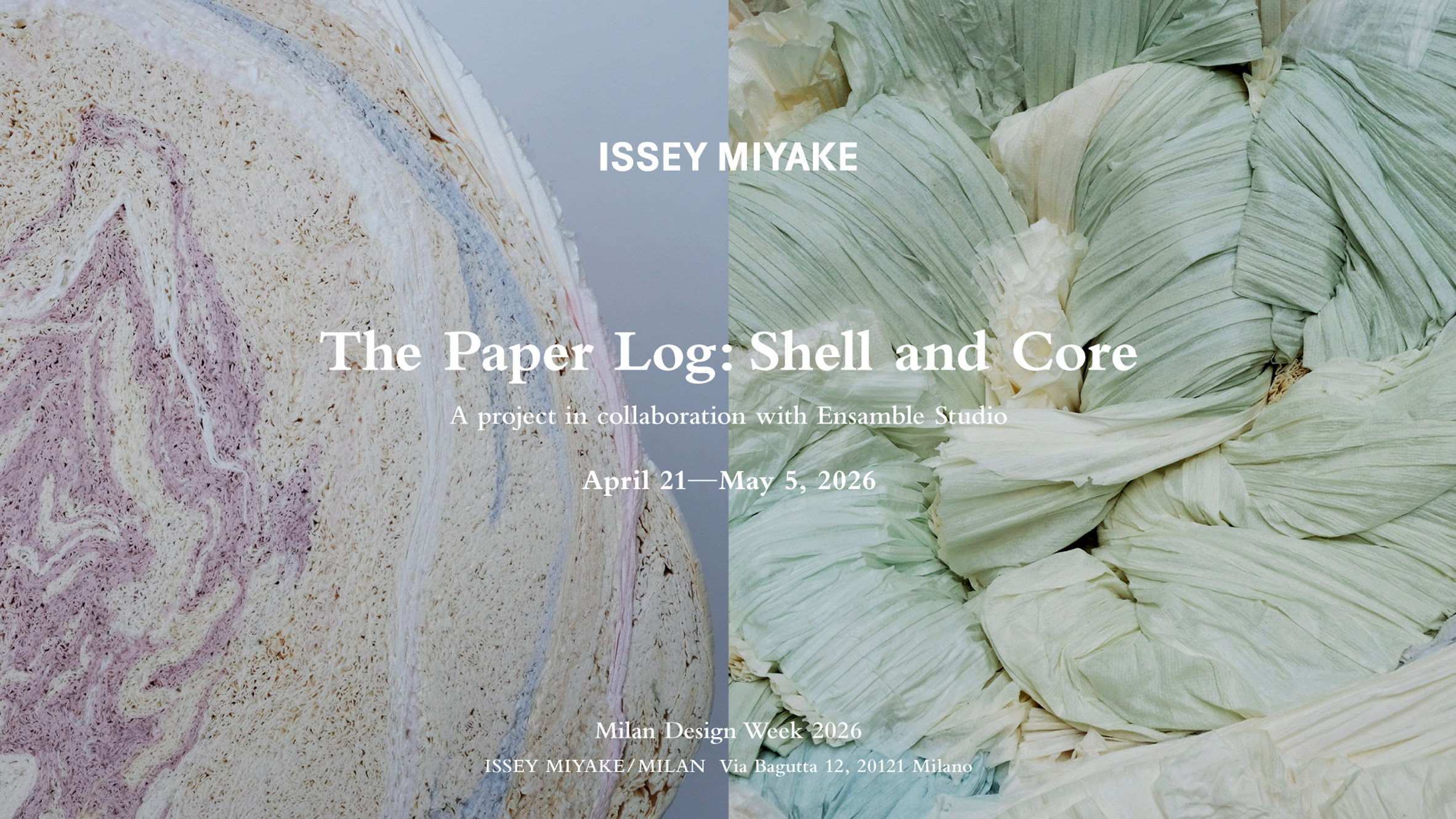
Issey Miyake continues its exploration of material systems through installation-based work tied to A-POC (A Piece of Cloth), a concept that treats fabric as a starting point for form.
Running until May 5 at the Via Bagutta store, The Paper Log begins with a byproduct of the pleating process: compressed paper rolls typically discarded after use. Developed with Ensamble Studio, the project treats this material as a starting point rather than residue.
Two directions structure the work. Shell fixes the material into surface, preserving traces of compression and time. Core pushes the same material toward volume, testing how it can hold structure and occupy space.
Chloé: Tomato Chair Re-Edition
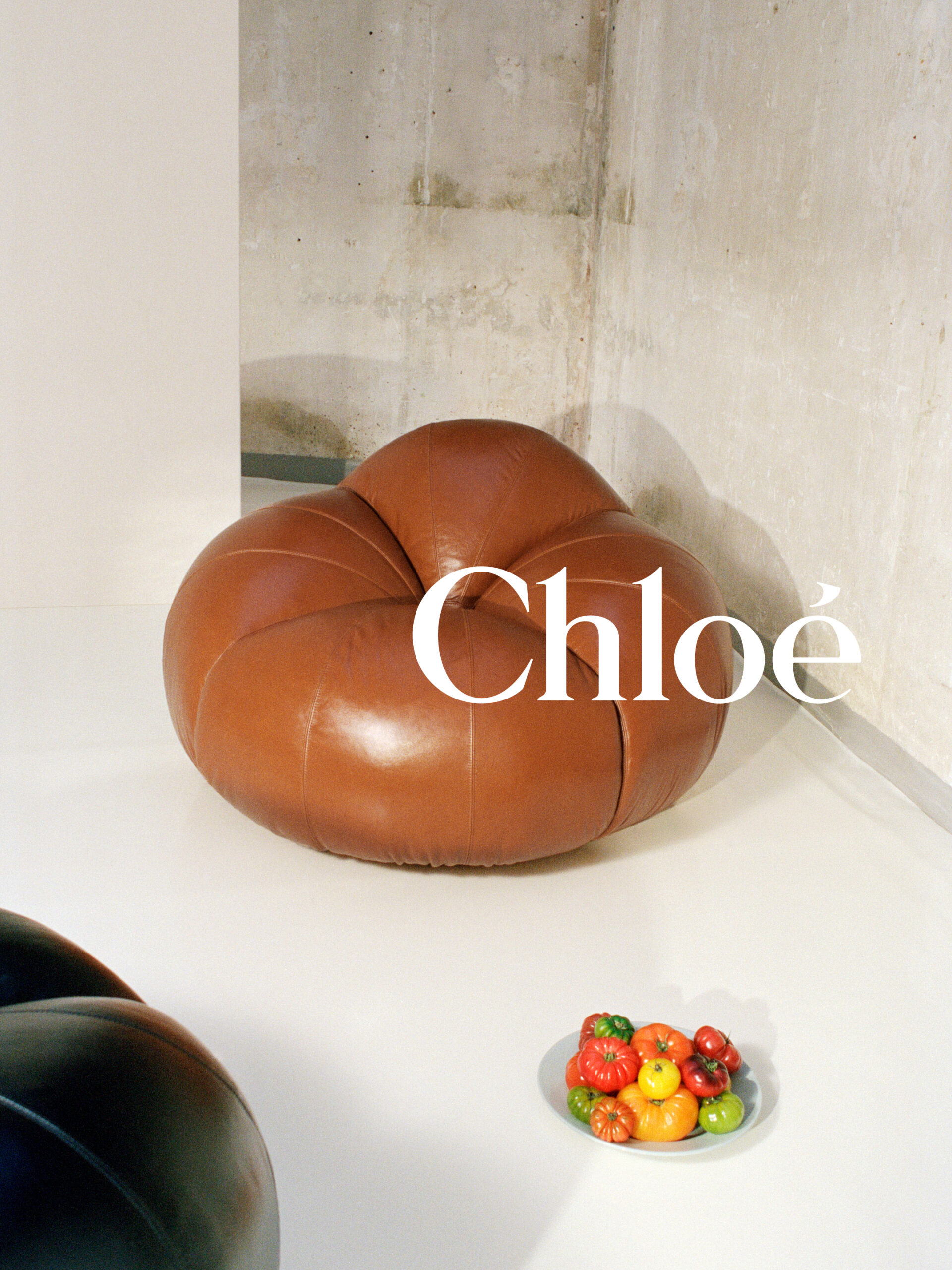
For Milan Design Week 2026, Chloé presented an exclusive re-edition of the Tomato chair, originally designed in 1970 by Christian Adam, in collaboration with Poltronova. Unveiled at Via della Spiga, the project revisited a key piece of Radical design through the lens of Chemena Kamali’s direction. The chair’s soft, sculptural form was preserved, now crafted in naturally tanned leather across four tones. Produced on a made-to-order basis, the re-edition positions the object within a contemporary context while maintaining its original relationship between body, material, and form.
Nike: NikeAir_Lab
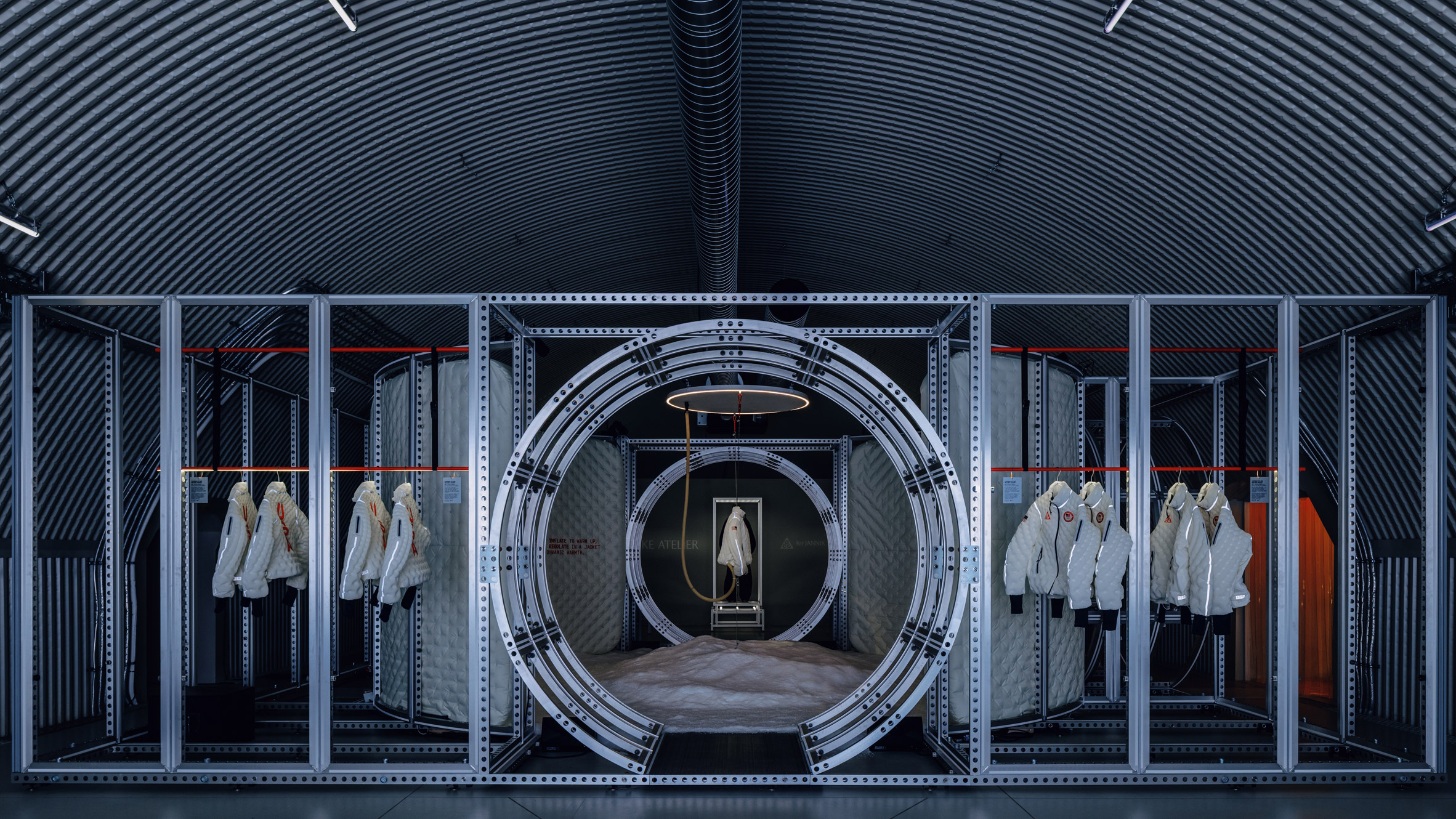
Developed with Dropcity, NikeAir_Lab centred on the concept of air, tracing back to the technology pioneered by Frank Rudy. Installed as an open archive, the project brought together early prototypes, contemporary experiments, materials, and machinery.
The focus was on exposure. Processes that usually remain internal were made accessible, allowing visitors to understand how Air is developed, tested, and refined.
Workshops, talks, and working sessions extended the installation beyond display, turning it into a site of active research.
Across these projects, a pattern emerges. Fashion brands used Milan to define how they operate beyond fashion. Some built through objects. Others through discourse. Others through material research or cultural programming. What connects them is a shift in focus. Design Week becomes a platform where brands articulate their position in culture, not through what they produce, but through how they think.
For more stories of art and culture, visit our dedicated archives and follow us on Instagram.