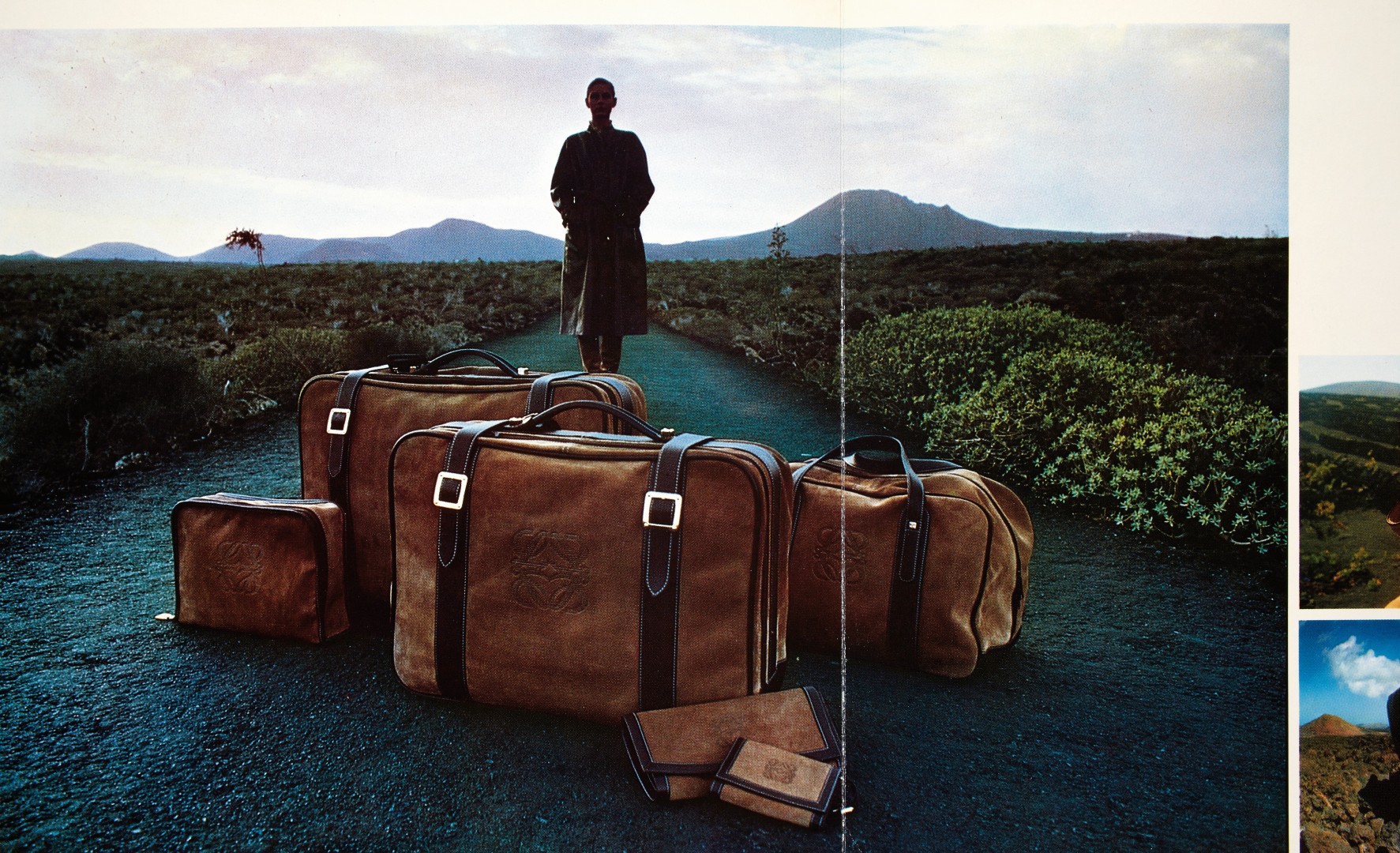
Every Arab family has one. The grandmother who moved through rooms as though she’d already decided how they’d remember her — silk pressed, posture impeccable, a leather bag on her arm that she’d had for longer than anyone could recall. You didn’t know the name of it as a child. You just knew it was hers, that it was always the same one, that the leather had softened in exactly the right places and the hardware still caught the light. Eventually it found its way to your mother, then to you. You never questioned it.
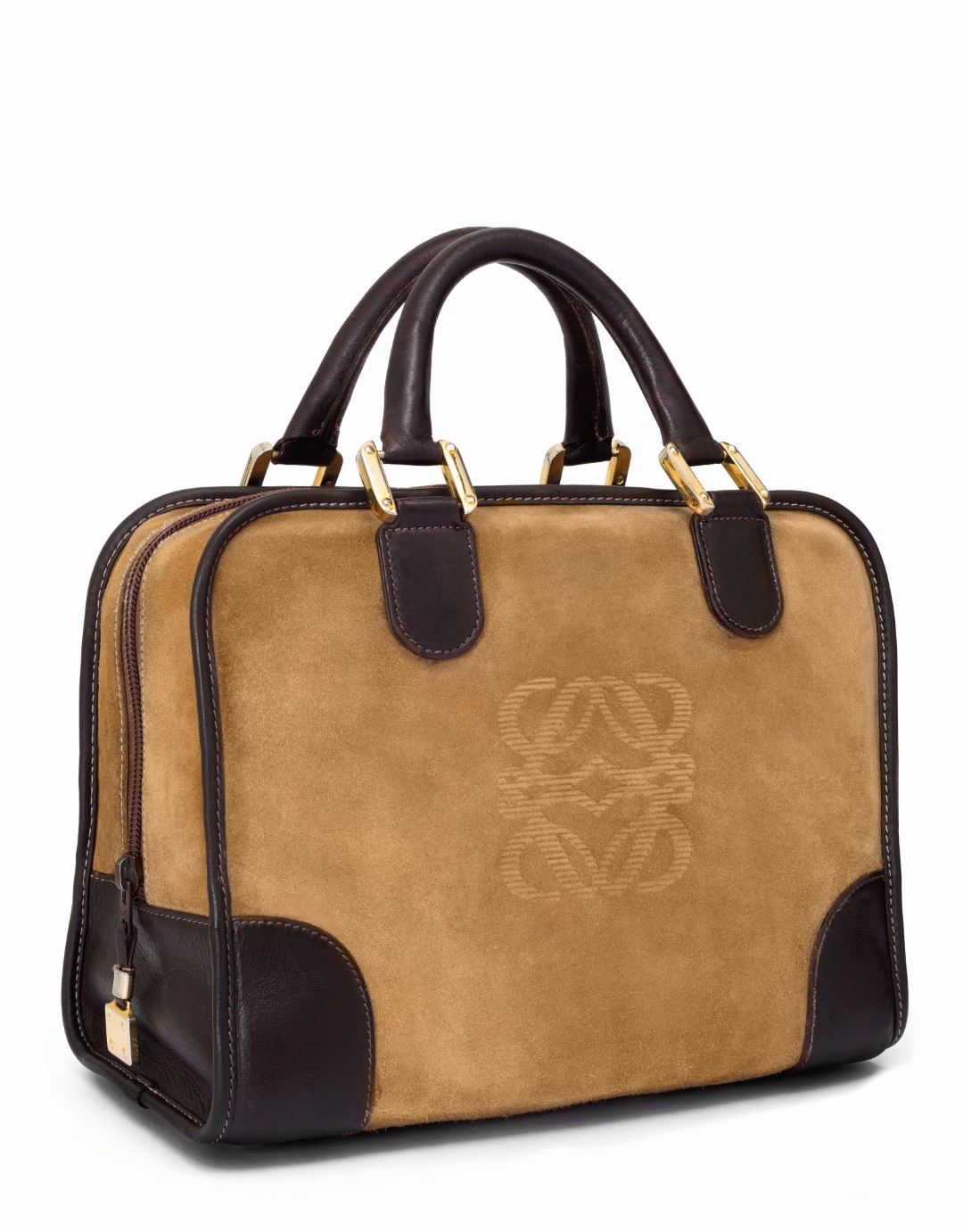
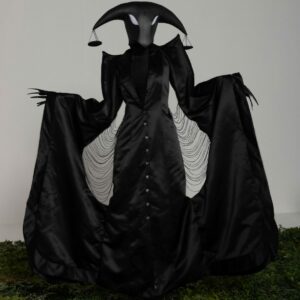
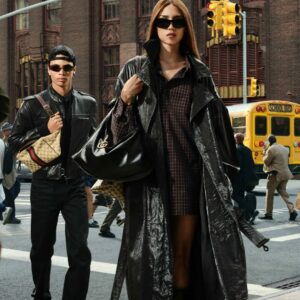
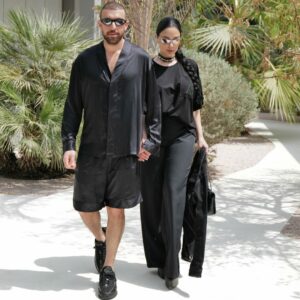
That bag, in all likelihood, was a Loewe. The Amazona — a structured leather bag with softened edges and polished ease, introduced in 1975 — has had enough previous owners to constitute a lineage. In Spring 2026, as luxury collectively pivots back toward heritage, it has returned as the Amazona 180, and fashion people cannot stop carrying it. Bella Hadid has. So has Sarah Pidgeon, currently in the full embrace of her quietly devastating CBK era. The Loewe bag your grandmother carried without explanation is suddenly the most talked-about bag of the season. Some things only become fashionable after they stop trying to be.
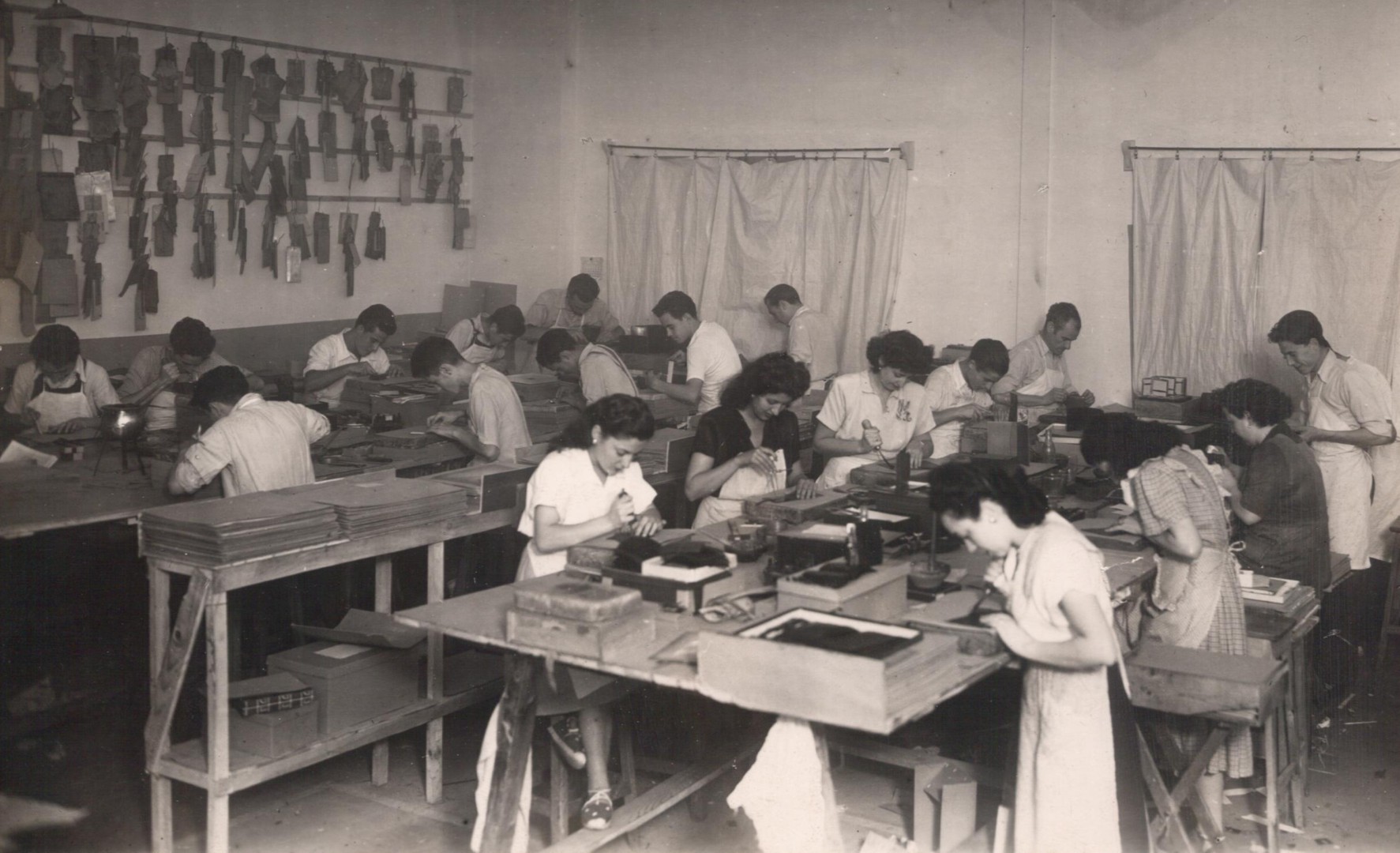
Founded in a leather workshop on a cobbled street in Madrid in 1846, Loewe is the second-oldest luxury fashion house in the world after Hermès — built by artisans who were thinking about leather, not legacy. The house was royal supplier to the Spanish crown by 1905. The Anagram motif — four interlocking Ls, almost never explained to the people wearing it — was designed in 1970. The Amazona in 1975, the Flamenco in 1979, the Puzzle decades later — each one a different proposition about what a bag can do, all of them running on the same insistence on material intelligence. One workshop. Over 160 stores across 32 countries today. Cool has always known where to find craft.
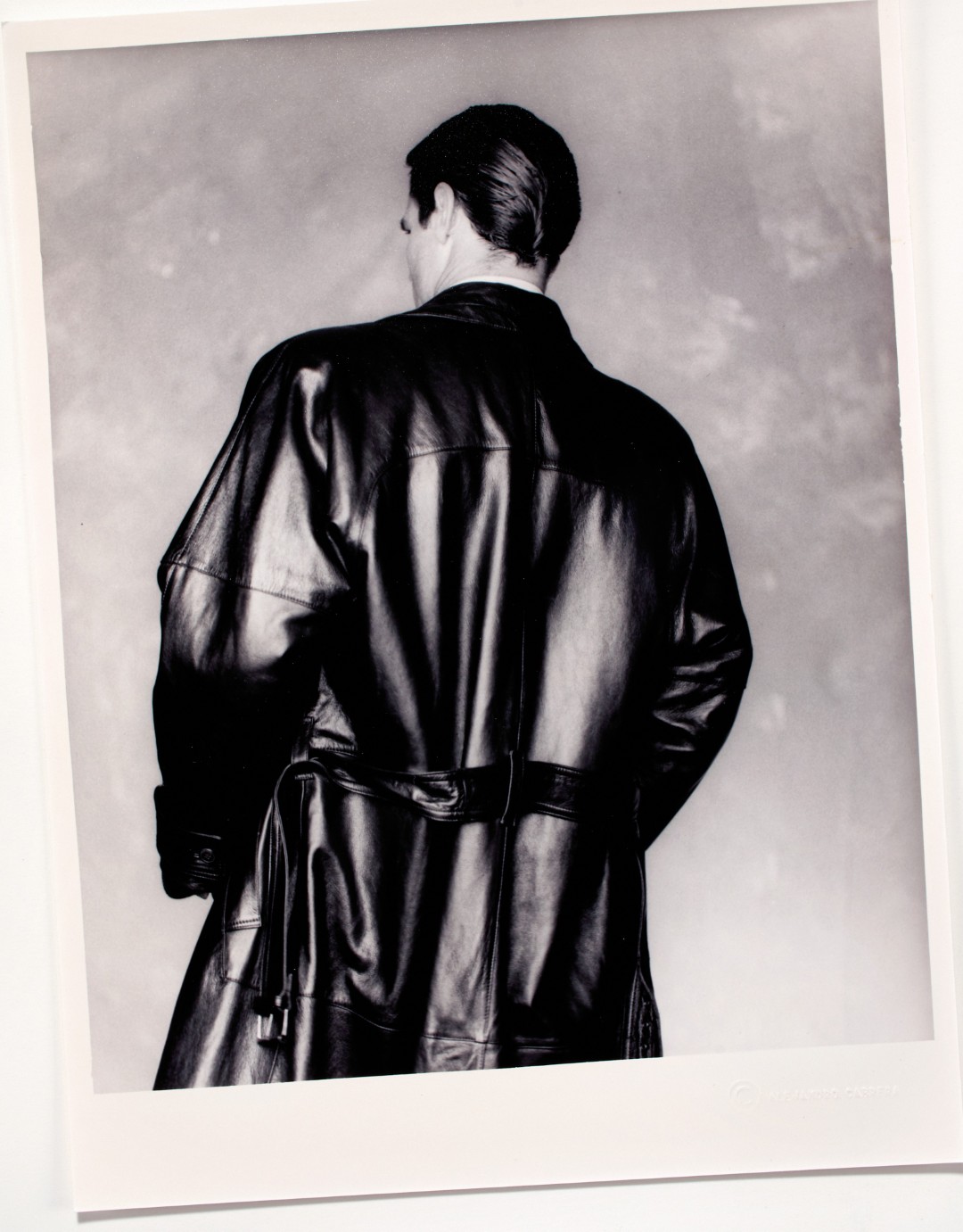
What gets lost in the bag conversation is that the craft logic was never confined to leather. Ken Scott designed the house’s first ready-to-wear collection in the 1960s. Giorgio Armani dressed Loewe’s women from 1977 to 1979 — a collaboration so quietly extraordinary it barely registers in the official record. The same intelligence that built the Amazona has always moved through the collections: in the cut, the weight of a fabric, the decisions that most people feel without knowing why.
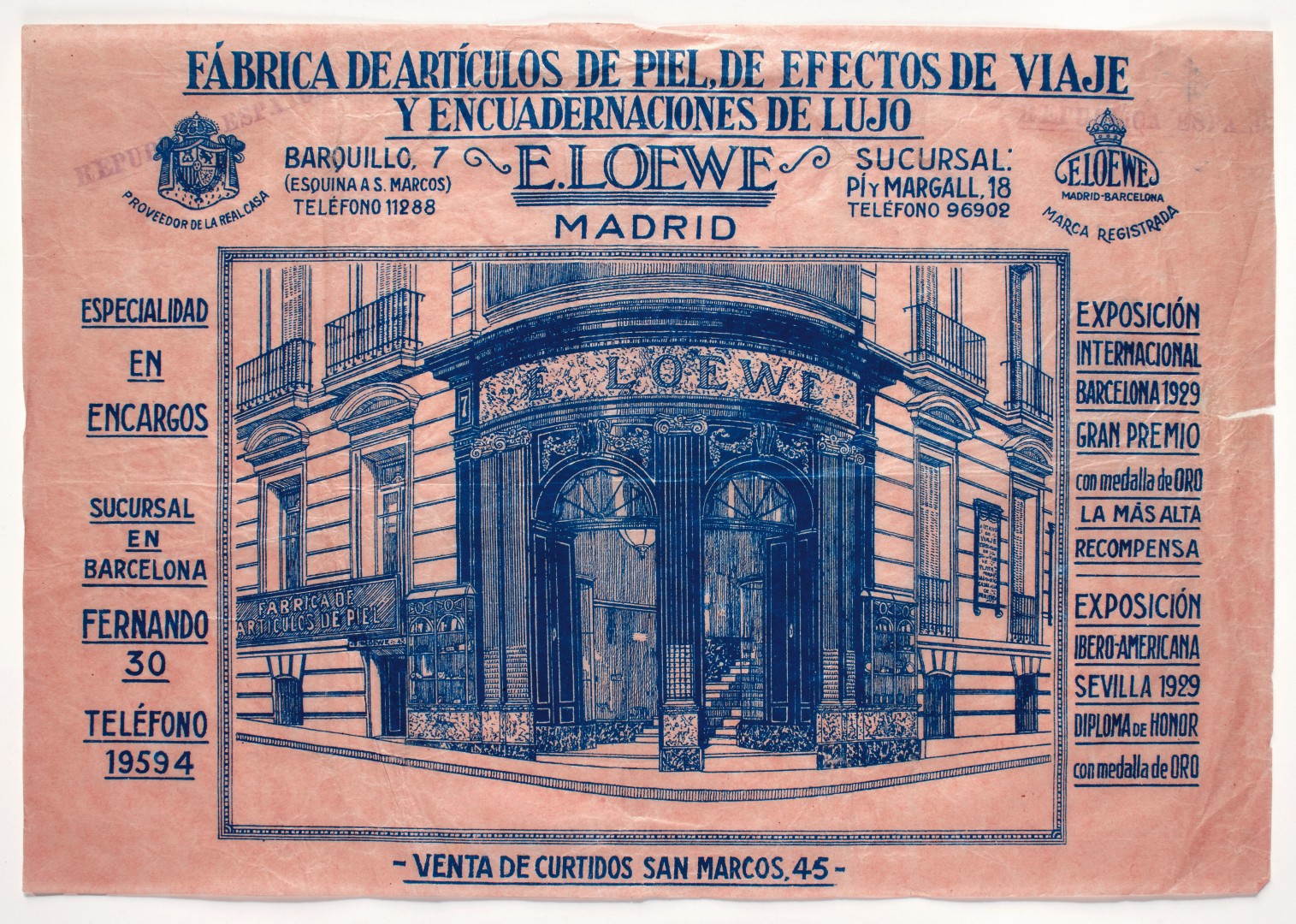
That resonates here in ways the global conversation misses. Arab material culture has always understood what Western luxury eventually learned how to brand: that a made thing carries the person who made it, and then the next one. Embroidery passed between women. Leather worked until it holds a specific weight. Some ideas are not trends. They are simply how things work.
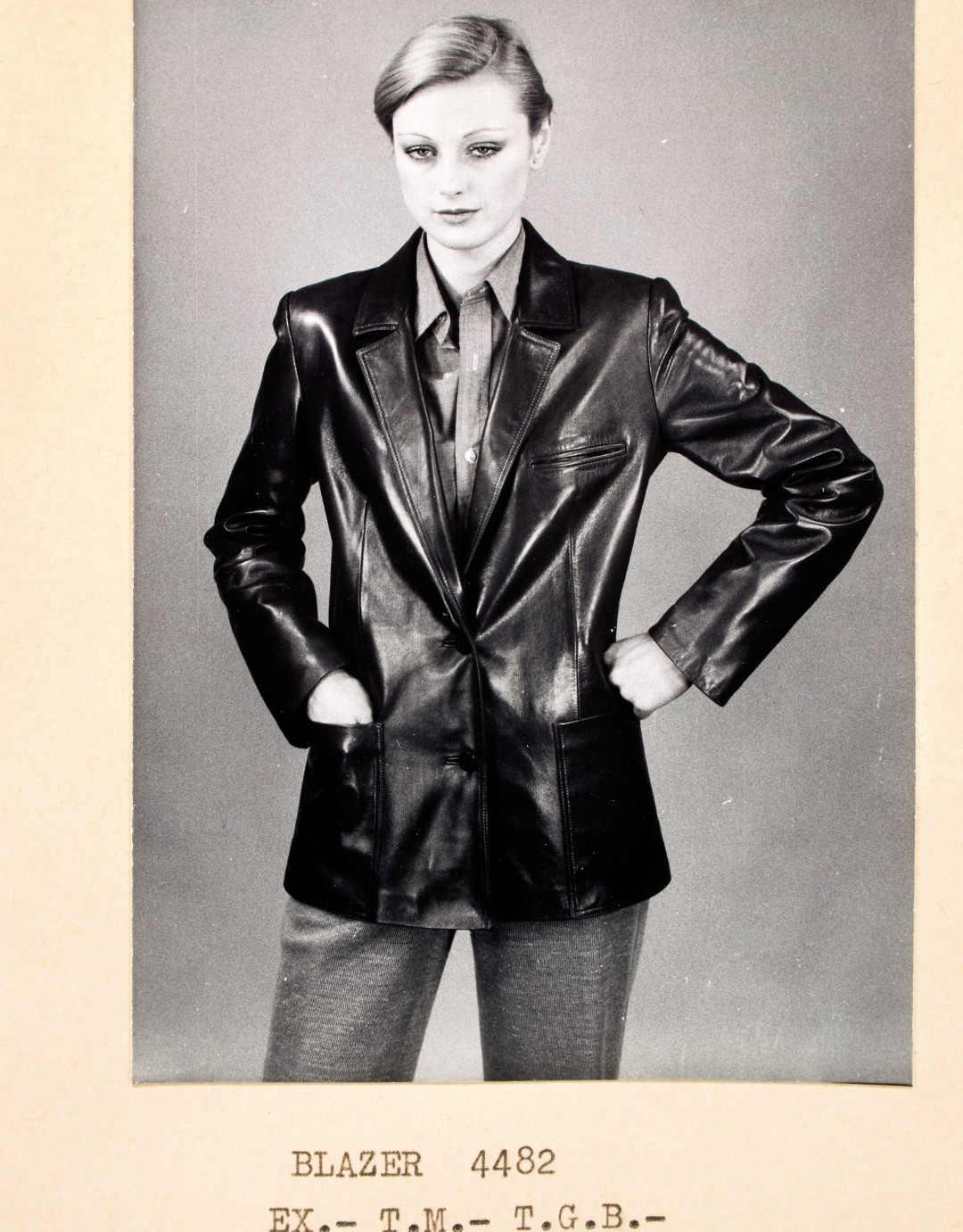
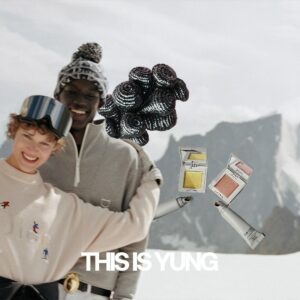
Now 180 years old, the house continues under new creative directors Jack McCollough and Lazaro Hernandez, and most of us are only just noticing what was there all along.
But that grandmother — silk pressed, hardware catching the light, utterly unbothered — she already knew.
For more stories of fashion from around the world, visit our dedicated archives and follow us on Instagram.