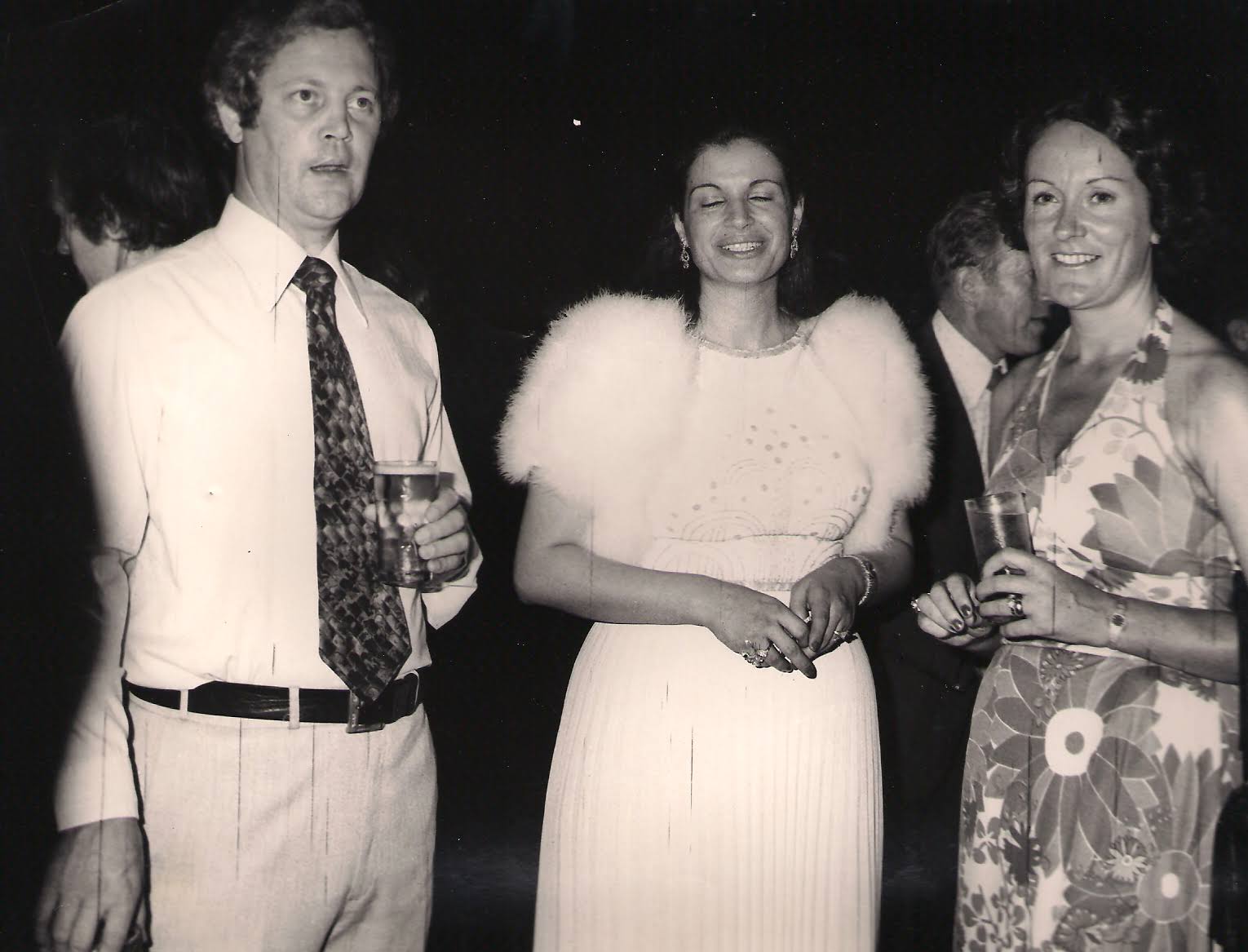
An Arab summer announces itself as a low-grade panic. Wedding season arrives with the inevitability of the heat: four weddings, six engagements and nothing to wear. Net-a-Porter offered no reprieve; every gown seemed already worn, photographed and seen in better light. I closed the tab and drove to my grandmother’s, where a closet has been accumulating silently since the seventies.
I tried on an Alaïa dress older than I am, then squeezed, unsuccessfully, into the Manolo Blahnik heels made for my mother’s engagement in 2001. They did not fit; I have my father’s feet. I settled on a terracotta Elie Saab from the mid-nineties, less than a decade after he opened his Beirut atelier: a halter neck, a ruched bodice and a skirt that moved like water.
The vintage boom has no language for this kind of inheritance.
The global resale market is projected to reach $393 billion by 2030, a figure often explained through a familiar anxiety: taste has been flattened into a feed, and everyone you know owns the same Bottega clutch. Vintage offers a way out of that sameness, allowing shoppers to believe they have found something the algorithm cannot immediately reproduce. That logic suits the market, but it leaves little room for clothes whose value comes from the people who wore them before you.
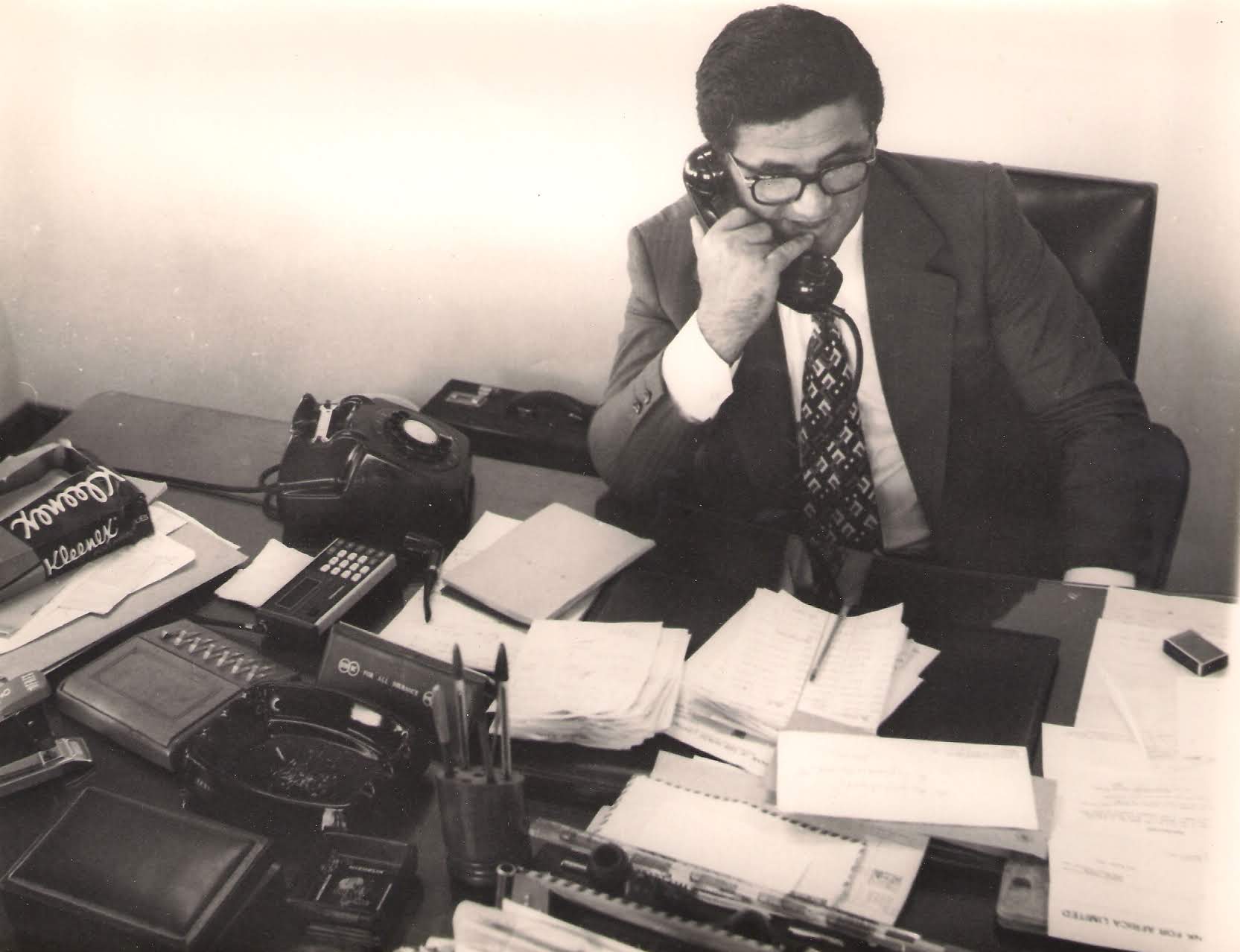
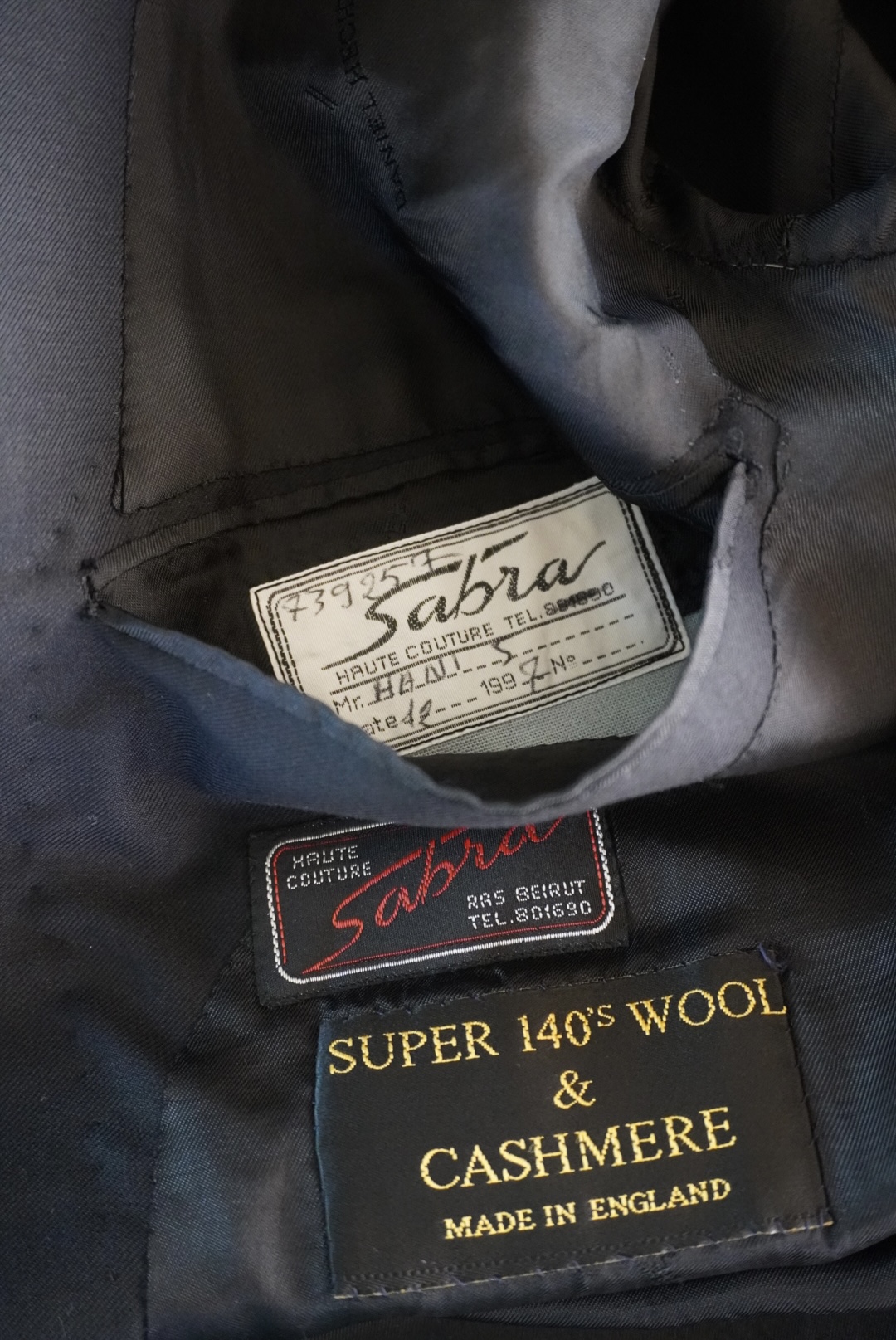
Aya Safieddine founded ARCHIF, a Beirut-based vintage platform, around a single garment: her grandfather Hani’s jacket, custom-made by a Lebanese tailor named Sabra in the seventies. His name is still sewn into the pocket, alongside the year and the tailor’s phone number.
“The idea of vintage has been sold to us as a Western or European concept of buying second-hand,” she says, “whereas inheritance is something that is so culturally Eastern.”
That distinction matters because Safieddine is trying to recover a practice that existed long before the contemporary language of resale. Across much of the Arab world, second-hand clothing still carries a stigma that the family closet does not. A woman who will happily squeeze into her mother’s thirty-year-old Manolos, blistered, limping and radiantly unbothered, may recoil at a stranger’s Zara flats. The intimacy is the permit. Clothing passed through a family arrives with a history and an implied permission that a stranger’s cast-offs do not.
Safieddine had to work around that instinct before she could reach the meaning underneath it. “Our clothes are the archives of our lives.”
Long before The RealReal, there was your mother’s closet. You inherit from her; she inherited hers. The system runs on its own logic, in which buyer and seller collapse into the same woman, separated only by time.
Resale platforms depend on clear ownership: one person lists a garment and another buys it. A closet shared across three generations of women, on two continents, is harder to categorise. Its clothes may change hands repeatedly without ever properly leaving the family.
My grandmother has a pair of earrings that belong to this system. They are architectural and heavy, made with a heft contemporary jewellery rarely attempts. She wore them on New Year’s Eve in Malaysia, early in her marriage, and again three decades later, to her eldest son’s wedding. They have absorbed both occasions. Even unworn, they still seem to carry her shape.
The closet I return to in Amman runs like a shared account. My mother lives in London; my aunt, in Riyadh. Their best pieces remain in their childhood bedrooms in Amman, where cupboards hold everything in suspension. We deposit and withdraw without keeping score. My ten-year-old cousin pulls from it; so do I. Somewhere inside, a princess dress I wore at five rests beside an Alaïa my aunt bought in Paris in 1986.
This is, obviously, a privileged closet, and the labels make that privilege plain. But a family does not need designer clothes to build an archive. Inheritance might mean a wedding dress taken in twice, a bolt of fabric saved for the right occasion or gold kept for the daughter who will eventually wear it.
Arab mothers part with their best things the way they insist on second helpings: gently, persistently, with the satisfaction of women who suspected all along that you would eventually come around. When you come downstairs in something that was once theirs, they look first at the dress and then at you. For a moment, they seem to see both their daughter and their younger self.
The clothes also preserve relationships beyond the family. Safieddine’s grandfather wore custom suits every day of his life. He never wore jeans or a T-shirt. When she posted his jacket online, something happened that she could never have engineered. The tailor’s daughter recognised the work, reached out and told Safieddine that her father still remembered Hani. Safieddine’s grandfather had died five years earlier.
The jacket reopened a relationship between two families linked by the memory of a craft. “The stories behind these clothes, you couldn’t buy at a Zara,” Safieddine says. “They’re only something that can be passed down to you.”
What the jacket memorialises, she tells me, is the relationship that once existed between a person and their tailor. The name and number inside its pocket record a closeness that ready-to-wear has largely erased.
In London, distance has changed what I do with family clothes. The thawb above my desk belonged to my grandmother. I do not wear it; I framed it. Behind glass, it has become less an outfit than a daily reminder of a story I am still trying to remain inside.
The market has begun to supply its own vocabulary: “heritage piece,” “archival reference,” “investment garment.” A brown cloth Fendi Baguette sat on The RealReal for $700 until Carrie Bradshaw carried one in the Sex and the City reboot; now the same bag starts at $4,000. The bag itself had not improved or become rarer. Carrie had simply made it culturally urgent again.
Much of the resale market prices this proximity to the right reference, celebrity or moment. The Arab closet has never needed a reboot to know what it owns.
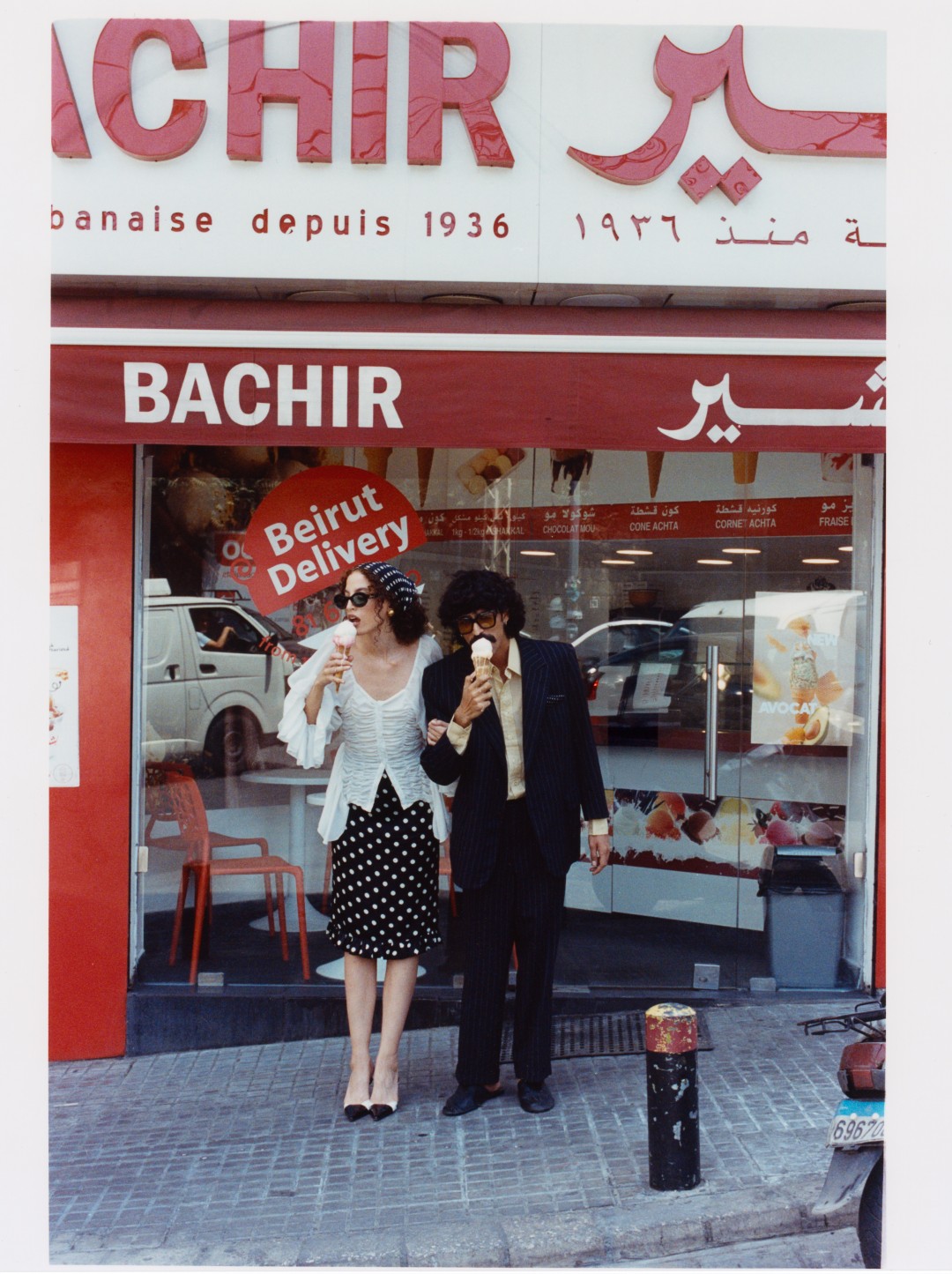
When Arab women post inherited pieces, followers ask where the dress is from and discover there is no affiliate link. It belonged to a mother, aunt or grandmother. International vintage sellers have begun following that appetite into the region; London-based Break Archive now sells in Saudi Arabia through pop-ups and online via Ounass, while Beirut-based platforms increasingly appear in international fashion magazines. The coverage often carries a tone of discovery, even though Arab women have long understood clothing socially: through family, occasion and memory.
Safieddine sees this from the selling side. “We’re not really buying vintage in a minimalist Carolyn Bessette way,” she says, “but in the 2000s Haifa Wehbe way.” Furs, silks and the piece no one else has. Her grandmother never left the house without lipstick and earrings, and belonged to a generation of Lebanese women who, at eighty, still wore heels with their walking sticks.
“Ultimately, that’s how we as Arabs consume vintage,” she says. “We are dressing for an audience.”
I wore the Saab dress to the wedding. My father took one look at me across the garden and said I looked just like my mother. He recognised the dress; she had worn it, he told me, to the first wedding they attended together.
The dress made a man see his wife in his daughter, briefly, in summer light.
For more stories of fashion, visit our dedicated archives and follow us on Instagram.