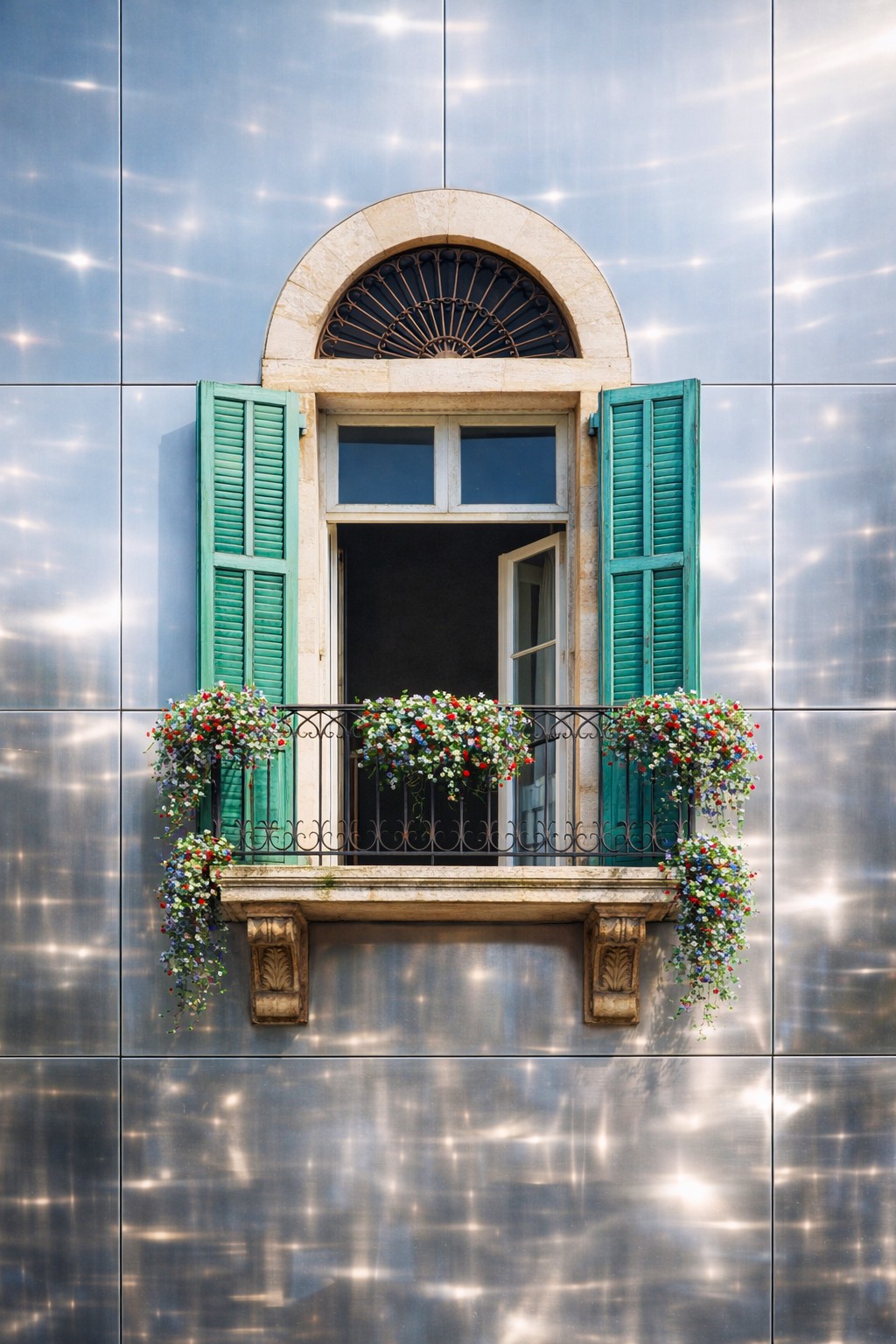
In Beirut, nothing is ever entirely still. The city moves in fragments, in interruptions, in overlapping timelines that rarely resolve. Yet within this constant motion, Chafic Mekawi, architect and digital artist, looks for something else entirely. His work pauses the city, isolating moments of repetition and order through one of its most familiar yet overlooked elements: the balcony.
“In a city that rarely slows down, I have always found myself searching for moments of stillness and order,” he says. “Beirut’s balconies offered exactly that, a quiet, repeating rhythm within an otherwise unpredictable urban fabric.”
At first glance, these windows might seem incidental, part of the background of everyday life. But Mekawi’s images shift their position. What is usually peripheral becomes central. The balcony is no longer just a detail, it becomes a frame within the frame, a contained world that holds traces of life without fully revealing it.
There is a tension in how these spaces exist. They sit between interior and exterior, between exposure and concealment. From the street, they offer glimpses: a chair left out, laundry mid-dry, plants stretching toward light. From within, they extend the home outward, adapting to seasons, routines, and personal rituals. “These vernacular elements blur the boundaries between inside and outside, between the private and the public,” Mekawi explains.
It is this duality that anchors the work. Each balcony becomes both a document and a question, revealing just enough to suggest presence, while withholding enough to leave space for interpretation.
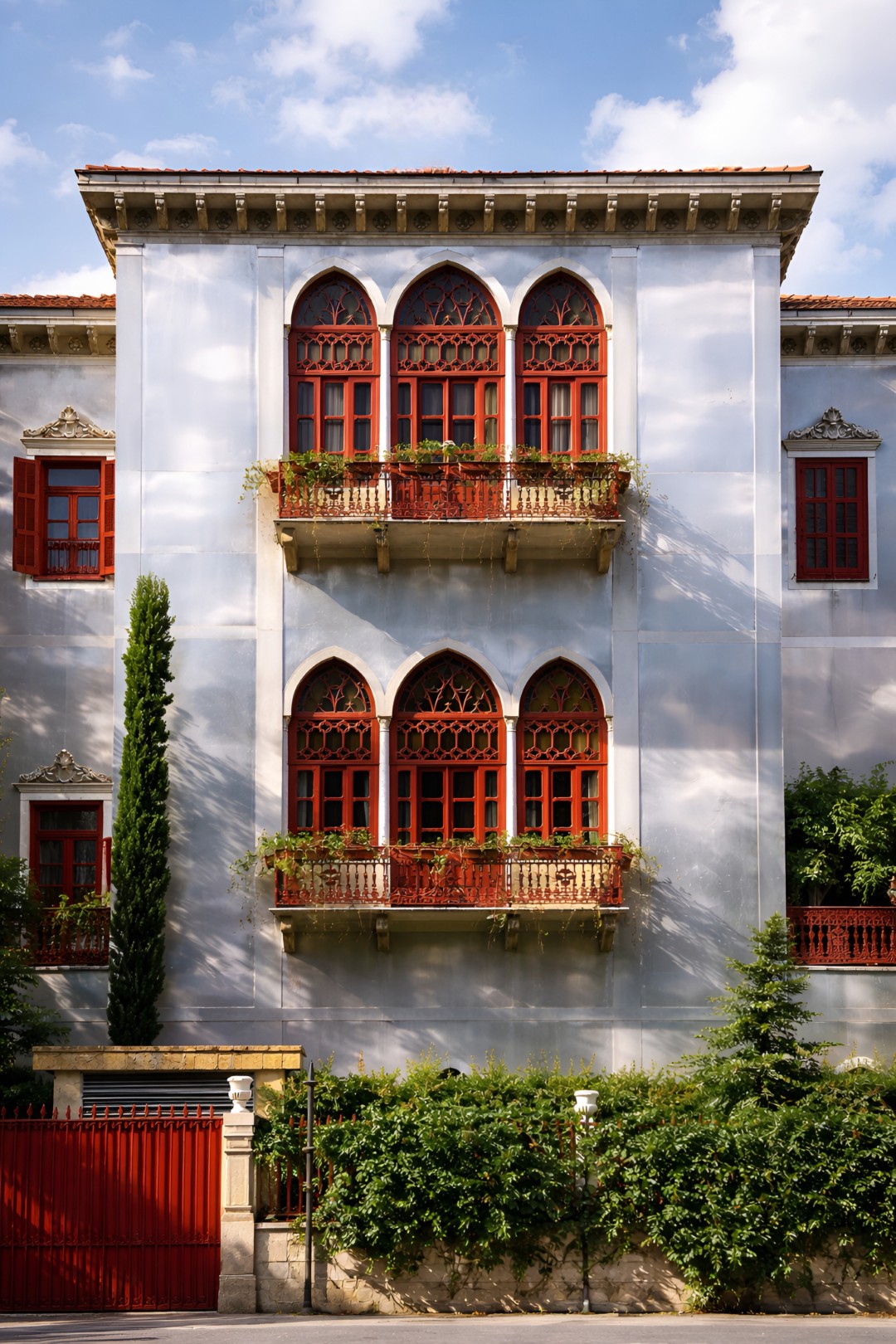
For Mekawi, the choice of subject is not arbitrary. The balcony, or window, holds a specific cultural weight in Lebanon. “The window is one of the most defining elements of Lebanese urban life. It sits at the intersection of architecture and everyday culture.”
Across generations and geographies, from mountain villages to dense urban streets, this element has remained remarkably consistent. While the city around it has undergone cycles of destruction, reconstruction, and rapid transformation, the balcony persists. It carries within it a continuity that feels almost resistant to time.
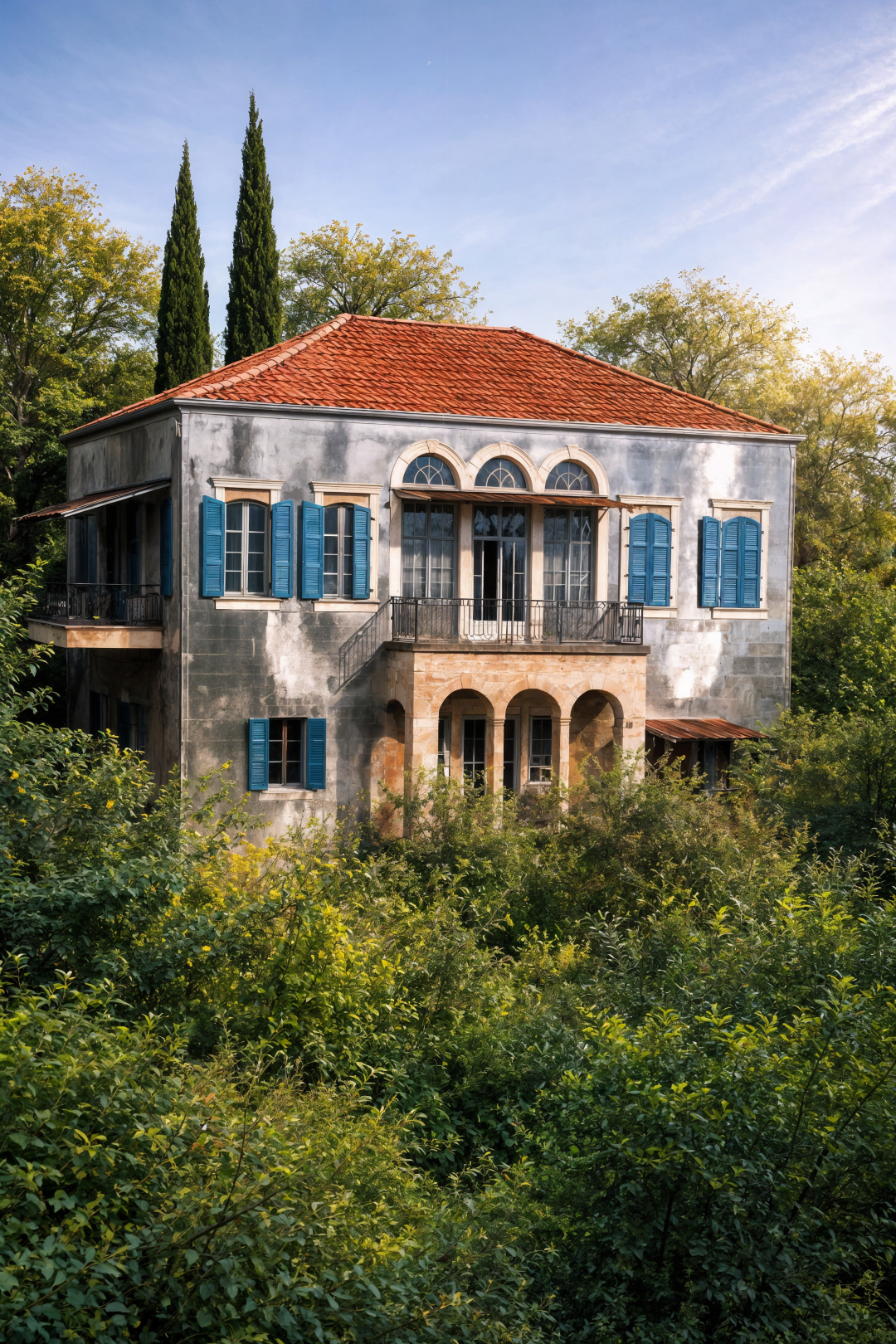
This persistence is not static. It is layered. Lebanese architecture itself is the result of multiple influences folding into one another. Ottoman domestic typologies introduced spatial openness and ventilation, while French colonial interventions brought new proportions, materials, and ornamentation. Over time, these were adapted to local climates, practices, and needs, forming a hybrid architectural language that continues to evolve.
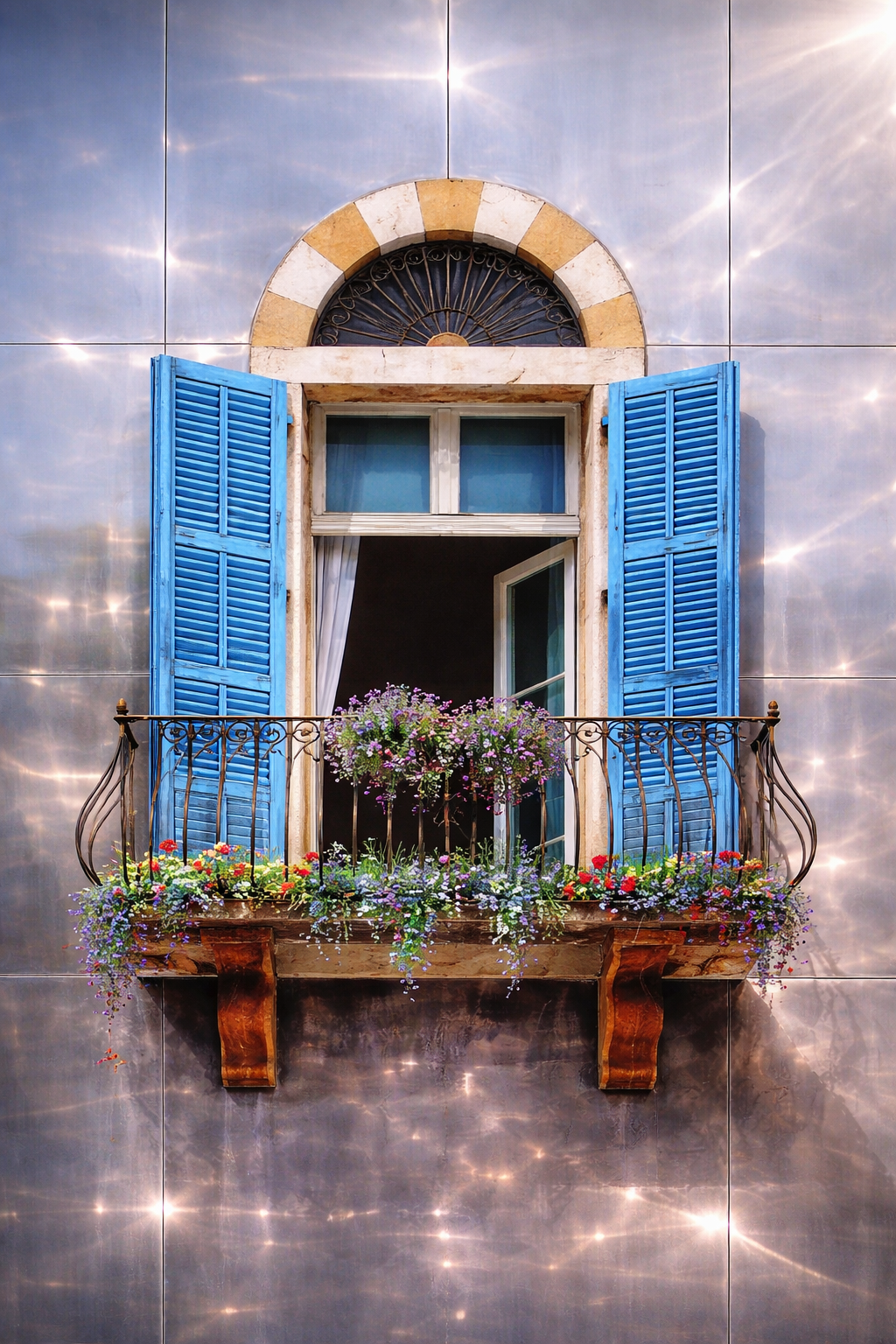
The balcony sits at the centre of this shift. It is inherited, but never fixed. “These windows are remnants of that evolution. They carry traces of multiple eras, yet remain relevant in contemporary life,” Mekawi notes.
In his photographs, this layered identity becomes visible through detail. Surfaces carry time. Paint peels, metal oxidises, colours fade and intensify under the sun. Yet there is also vibrancy, blues, reds, and greens that cut through the urban density, offering moments of visual clarity. These elements are not styled or staged. They are lived.
Some balconies feel inhabited, overflowing with objects and signs of routine. Others appear suspended, untouched, almost paused. Yet absence does not erase presence. “Even in their emptiness, they suggest lives that have passed through,” he reflects.
This is where the work moves beyond documentation. It begins as instinct, a visual attraction to repetition and form, but gradually expands into something more conceptual. Mekawi introduces chrome surfaces into the series, a deliberate intervention that shifts how the balconies are perceived.
“It transforms the façade into a reflective, almost immaterial field, isolating each balcony as an architectural fragment while still subtly holding traces of its surroundings,” he explains.
The effect is subtle but significant. The city becomes both present and dissolved. Reflection replaces solidity. Context is reduced, allowing the balcony to exist almost independently, suspended between reality and abstraction.
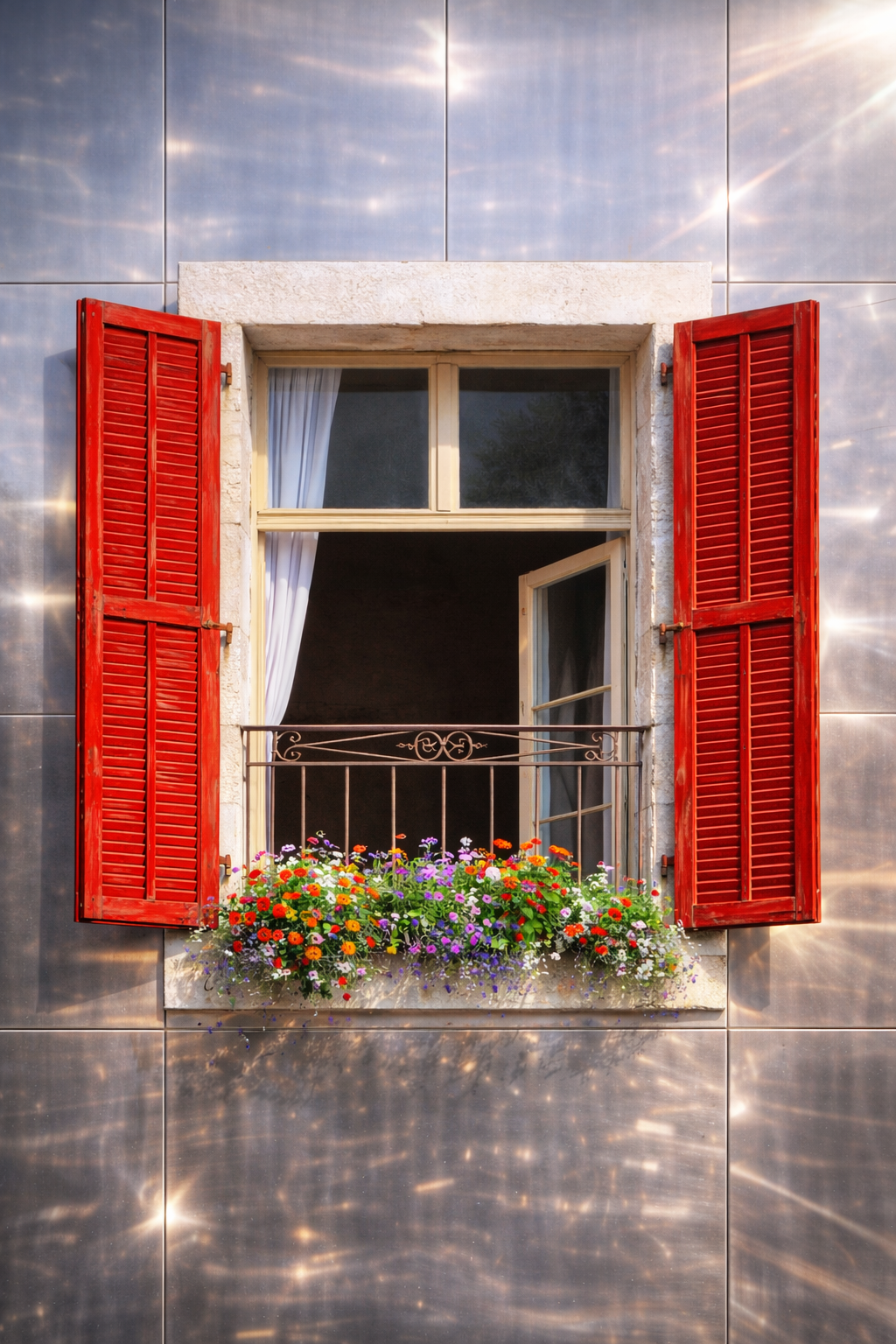
There is also a conceptual tension embedded in the material choice itself. Chrome is typically associated with impermanence, reflection, constant change. Here, it is used to fix and frame something fleeting. In doing so, the work creates a dialogue between fragility and permanence, between what disappears and what endures.
This tension mirrors the condition of Beirut itself. A city shaped by conflict, crisis, and continuous rebuilding, where stability is rarely guaranteed. In this context, architecture becomes more than structure. It becomes memory.
“Architecture becomes a form of continuity,” Mekawi says. “The built environment often becomes the most stable point of reference. It holds memory in a way that is both physical and collective.”
Even when damaged or altered, buildings retain traces of what came before. They accumulate stories rather than replacing them. In this way, Beirut is not a city that erases its past, but one that carries it, visibly and invisibly, across time.
Mekawi’s work exists within this condition. It does not attempt to monumentalize or dramatize. Instead, it focuses on the everyday, on elements that are often overlooked precisely because they are so familiar. Through repetition, these balconies begin to read as a collective portrait, not of individuals, but of a shared way of living.
The project itself remains open-ended. “I see it as an ongoing archive,” he says. Like the city, it continues to evolve, shaped by encounter, by change, by the gradual accumulation of images.
There are plans to extend the imagery into an exhibition, creating a space where these fragments can be experienced together, where the overlooked can be reconsidered with intention.
At its core, the work asks for a shift in perception. To look again at what is already there. To recognise that these frames, these quiet architectural elements, have witnessed everything, from daily routines to moments of rupture.
“I want viewers to recognise that these frames have witnessed everything, conflict, change, everyday life, and yet they remain,” Mekawi says.
In many ways, they mirror the people who inhabit them. Layered, resilient, carrying memory without always articulating it.
In Beirut, survival is not always visible in grand gestures. Sometimes, it lives in the details. In a window left open. In a balcony that holds on.
For more stories of art and culture, visit our dedicated archives and follow us on Instagram.