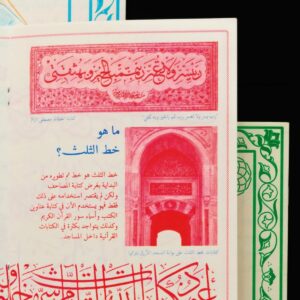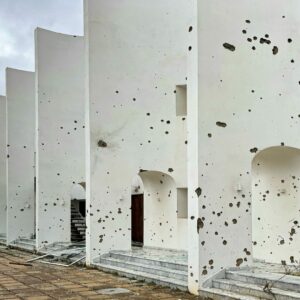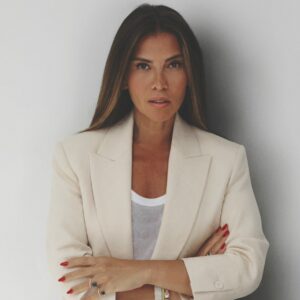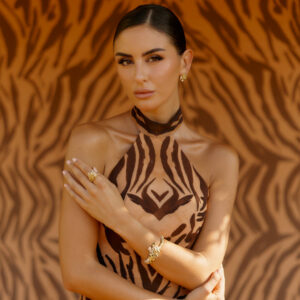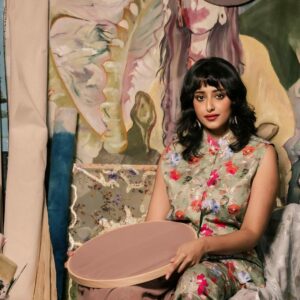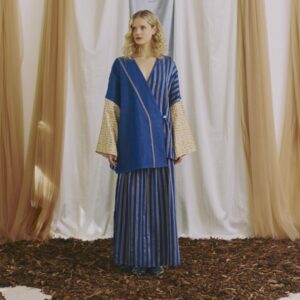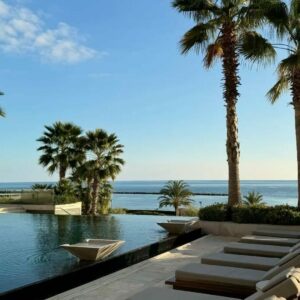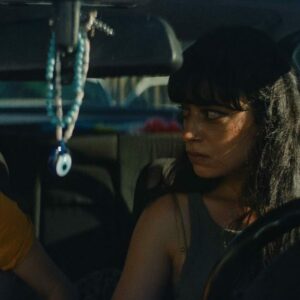
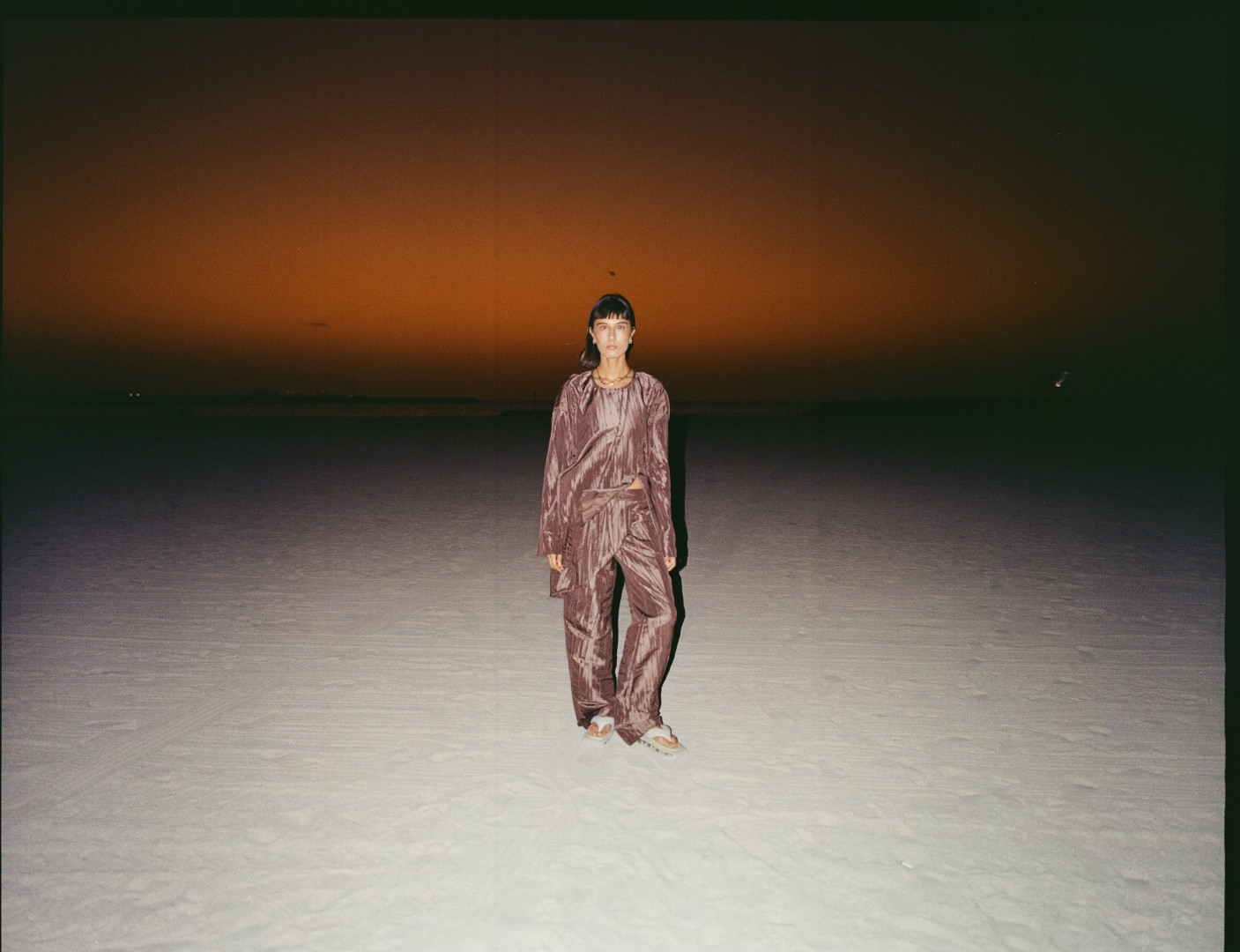
Born in the Parisian suburbs to an Algerian family, Moz approaches image-making through instinct. What began as a way of observing his surroundings gradually became a language; one holding both emotion and memory. Directing followed photography as an extension of his desire to shape atmosphere and narrative. Rooted in lived experience and cultural duality, his work moves between documentary realism and quiet visual poetry that focuses on fragile, in-between moments, leaving both an aesthetic impression and an emotional trace.
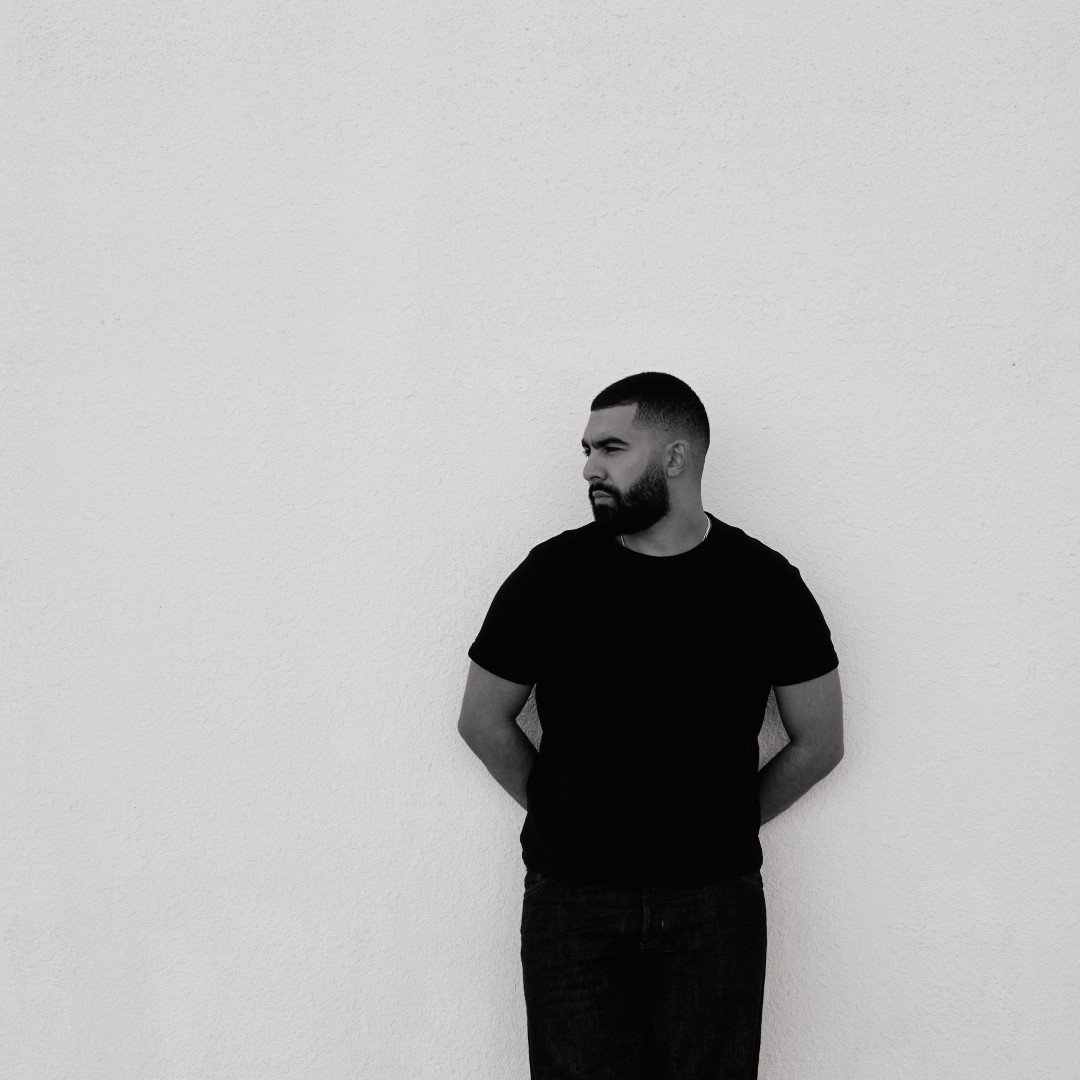
How did you get into photography and directing?
I started very instinctively, without any clear plan. At first, it was simply a way of
documenting what was around me, my close circle, the places I grew up in. Then one day, I realized that images could carry much more than memory: they could translate emotion. From that moment on, photography became a language, and directing a natural extension of that.
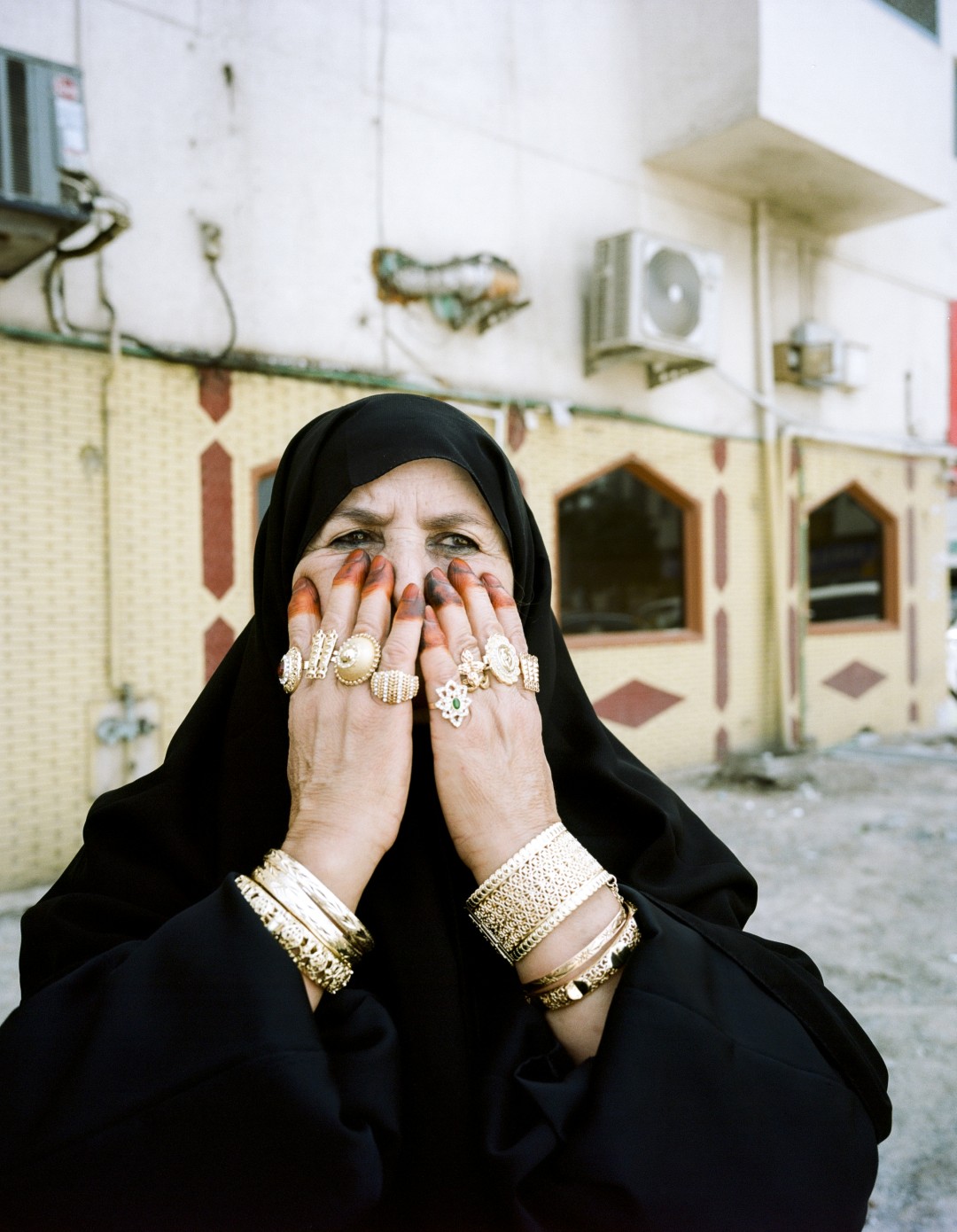
Growing up in the Parisian suburbs with Algerian roots, how has your background shaped your perspective?
It gave me a strong sensitivity to contrasts, between cultures, generations, silence and intensity.
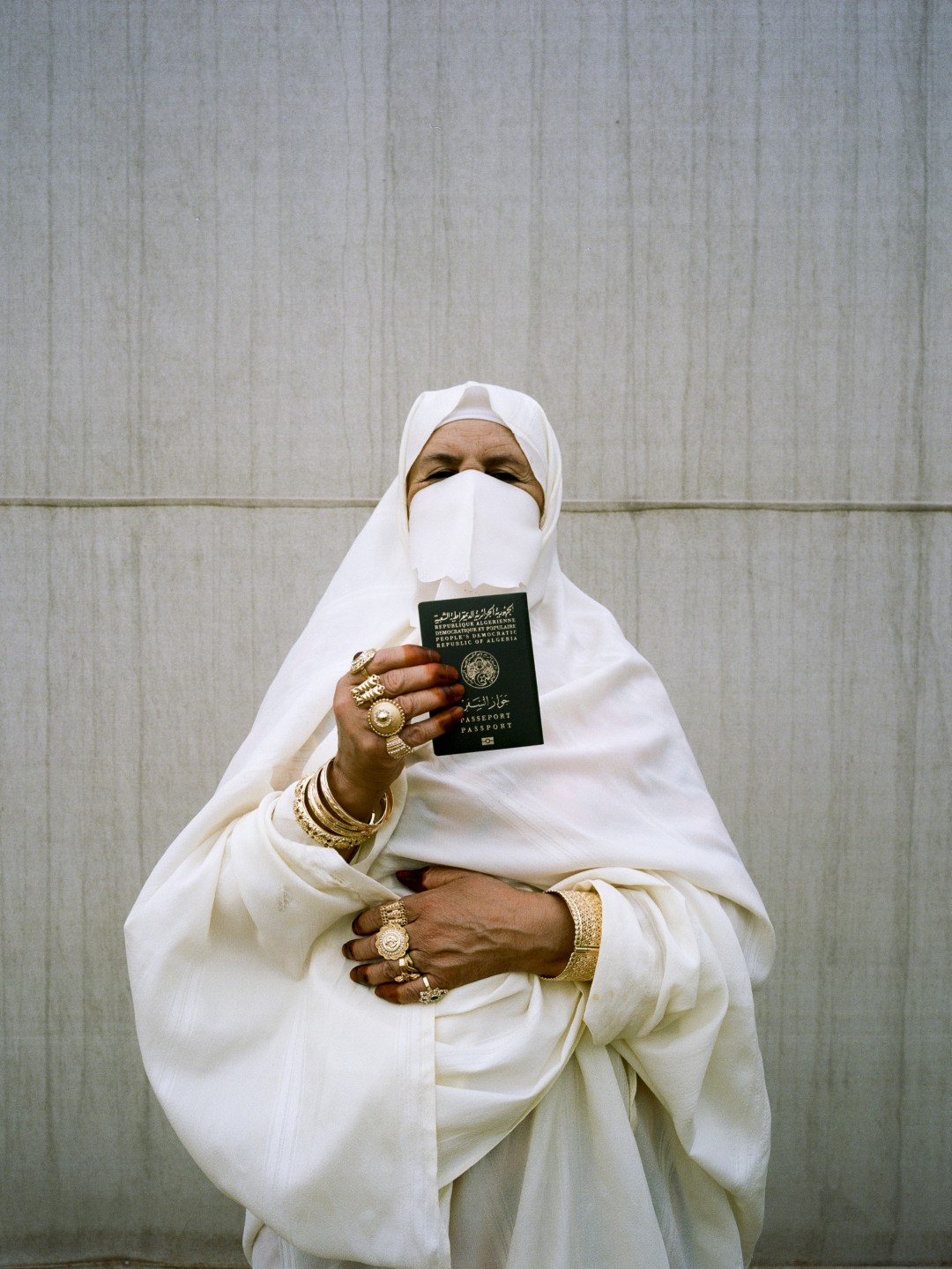
There’s a kind of raw poetry in these environments, a powerful energy that often remains invisible. My roots also shaped my relationship to memory, transmission, and simple gestures. I think my work often tries to create a dialogue between these worlds, without turning them into clichés.
Cinema plays a central role in your work. Which directors or films have influenced you the most?
Paolo Sorrentino for his sense of composition and the emotional power of his images. I’m also
drawn to films that leave space for silence and imperfection. One film that deeply marked me is The Colour of Pomegranates, by Sergei Parajanov. Every frame feels like a moving photograph. And of course Xavier Dolan, especially Mommy; the purity of emotion, the precision of the performances and dialogue, and that powerful moment when the aspect ratio suddenly opens up.
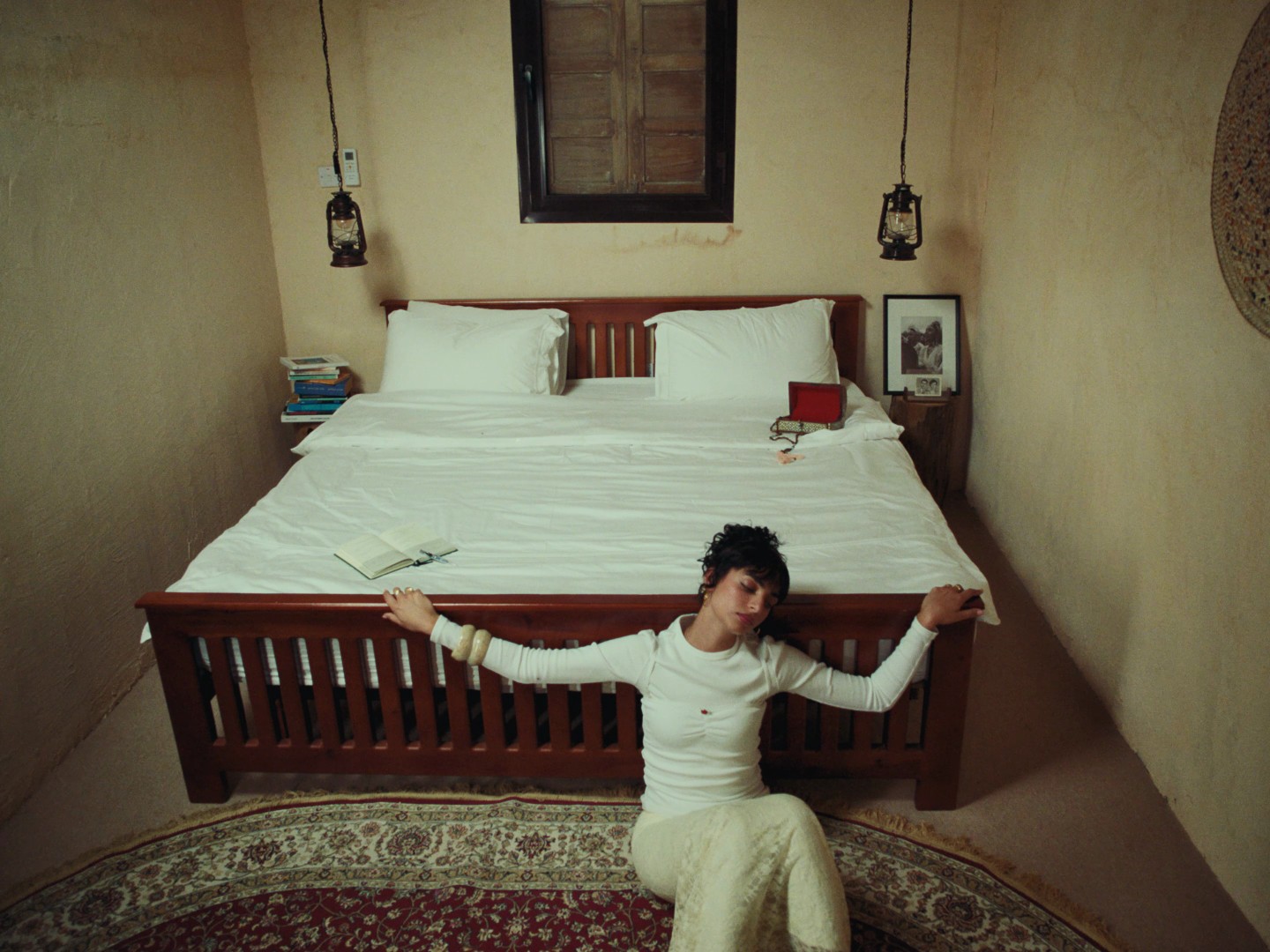
You often shoot on film. What draws you to analogue photography?
Film forces me to slow down, to be more present and attentive. Every frame carries weight. There’s also a texture, a depth, and a sense of unpredictability that makes the image feel more alive, at least to me.
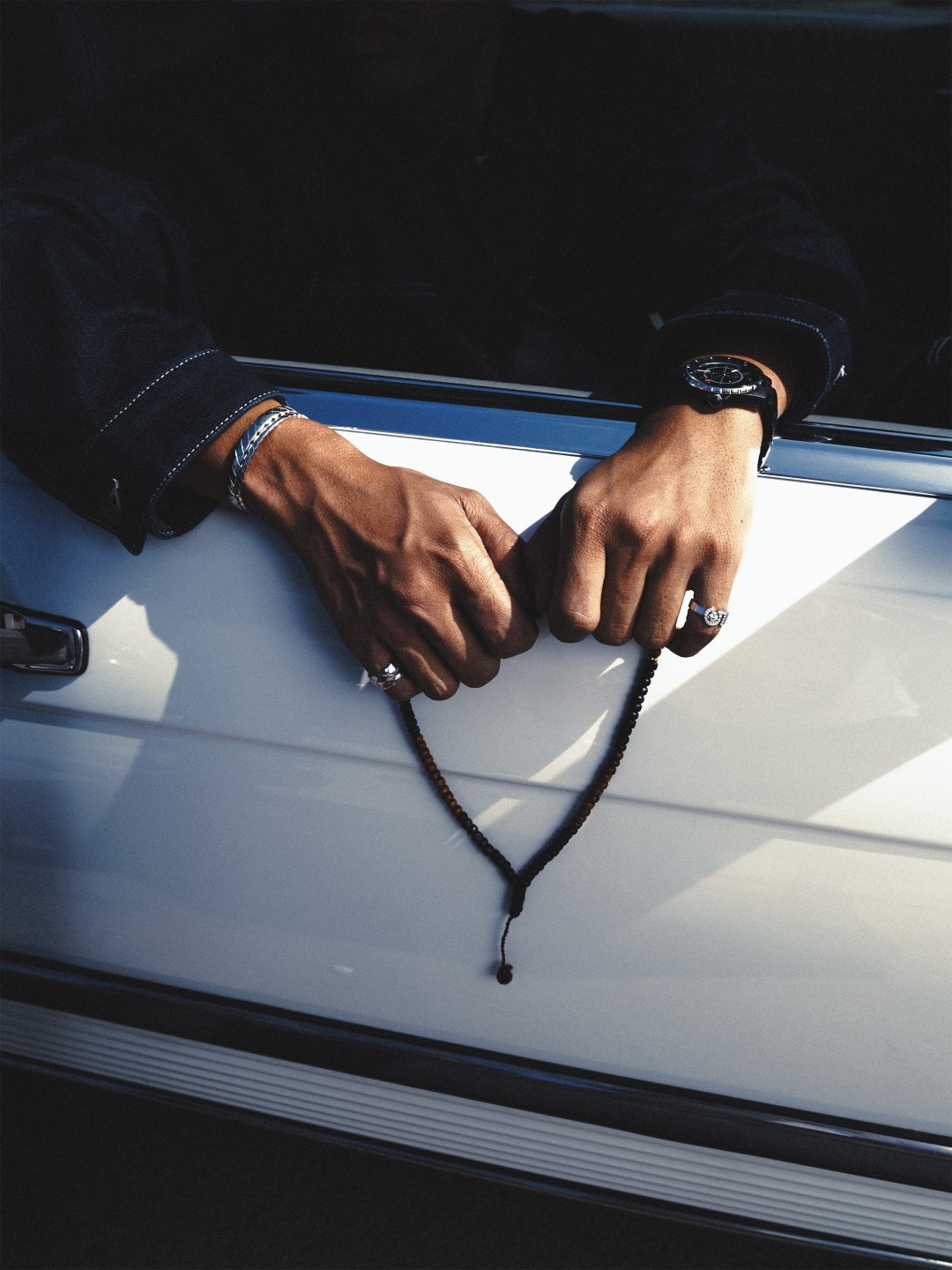
Your images move between documentary realism and visual poetry. How do you find that balance?
I always start from reality, a face, a place, a situation. Then I naturally allow a layer of framing,
rhythm, or subtle staging to enter. Poetry often emerges in that slight shift, when something very simple becomes almost strange or suspended.
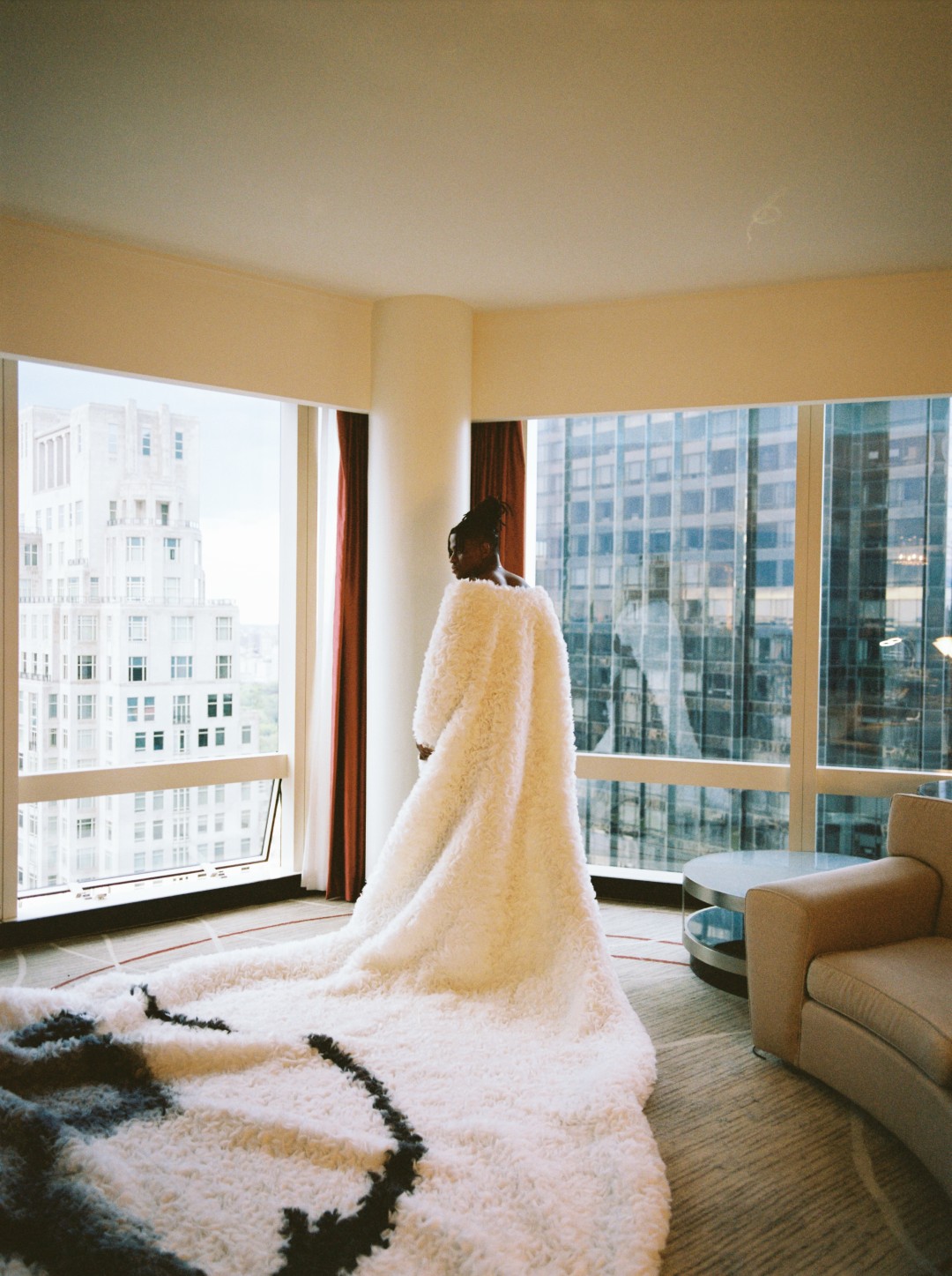
You work from instinct and emotion rather than trends. How do you nurture that?
By staying curious, observing constantly, and looking at the world more than at social media. Intuition grows from lived experience, emotion, but also from silence and slowness. On set, I try to stay open to what’s really happening instead of imposing a fixed idea.
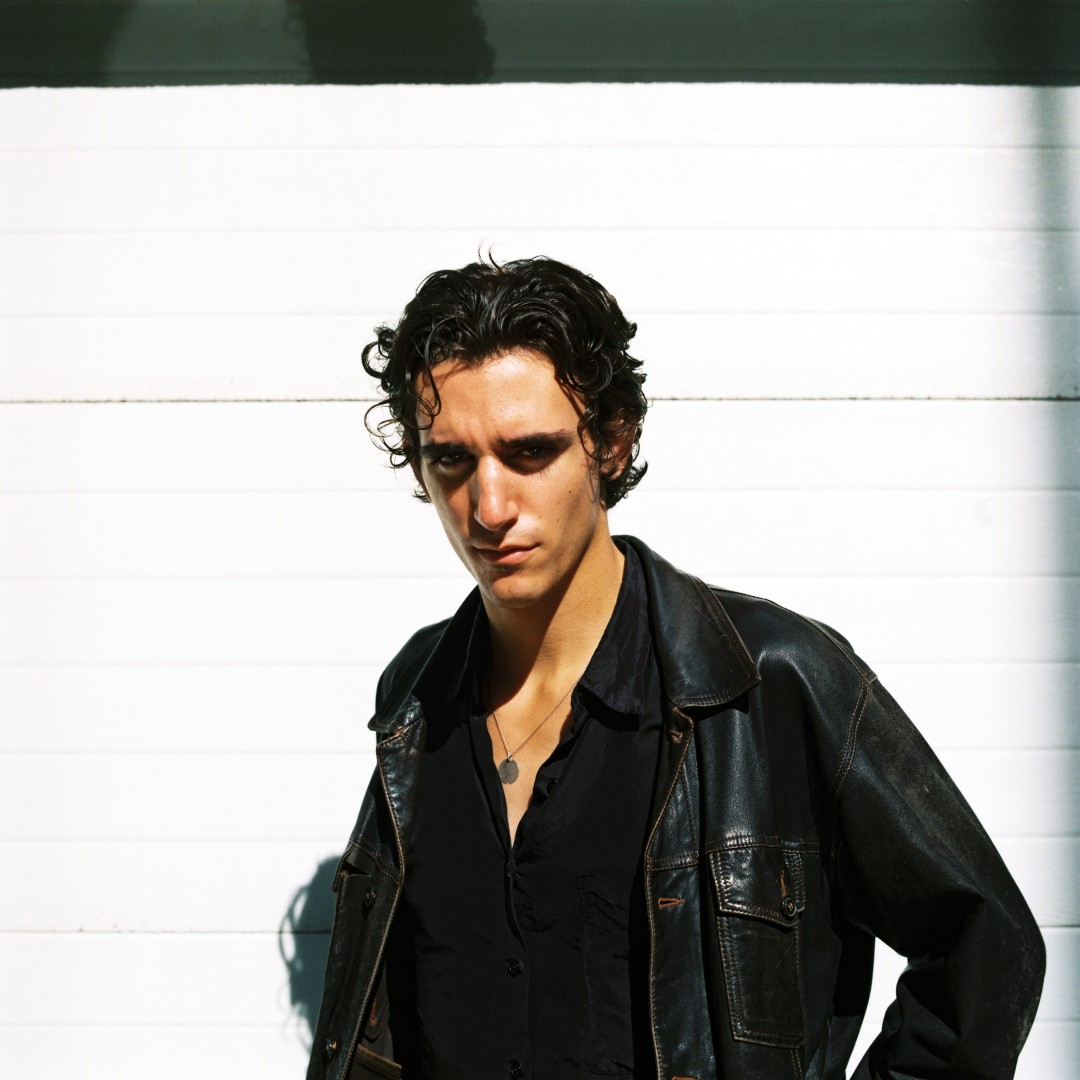
How do you see the relationship between intimacy and scale in your work?
In every space, I’m always searching for a point of human fragility, a gaze, a posture, a breath.
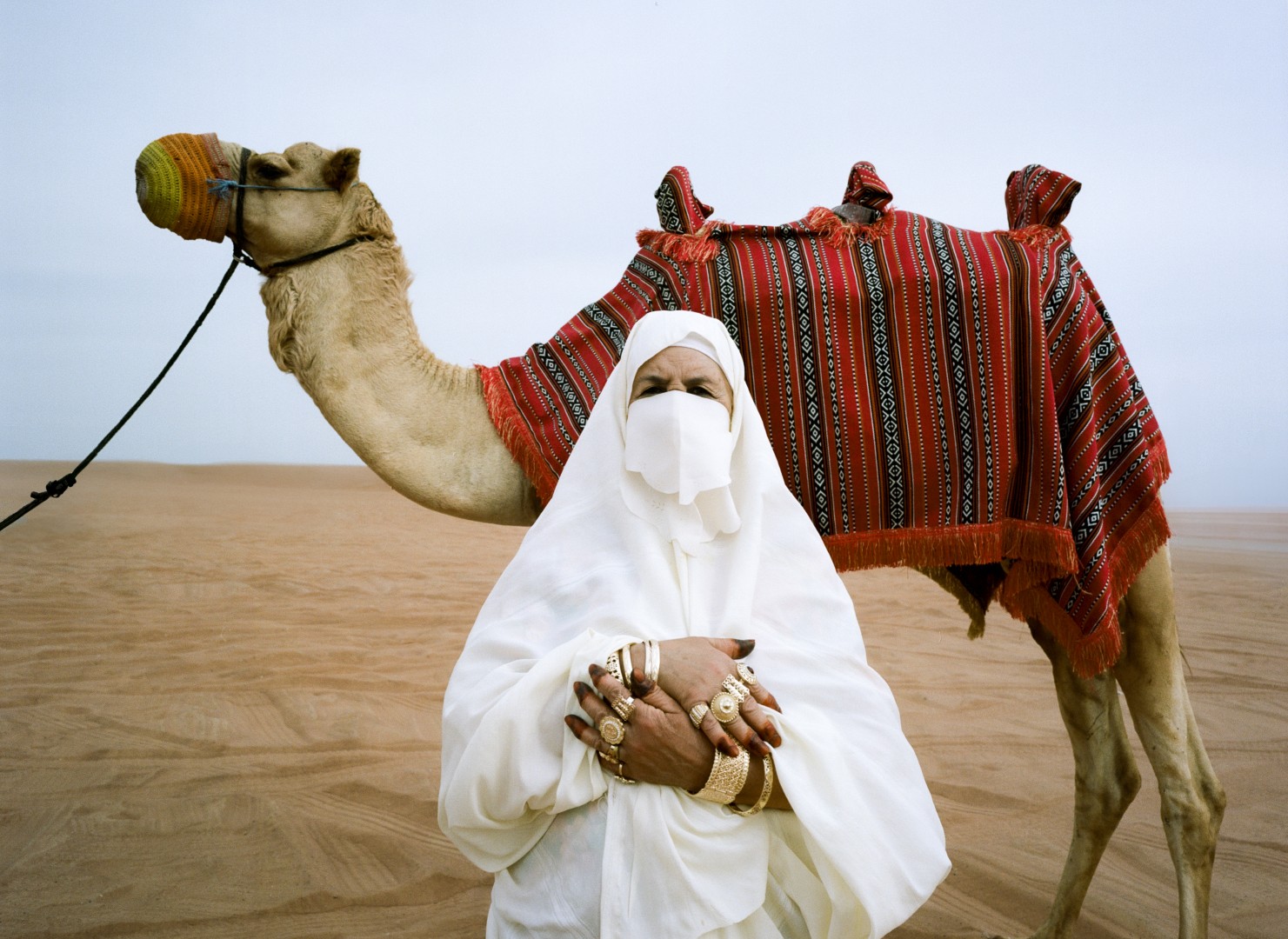
Which moments in life do you feel compelled to shoot?
Fragile moments, transitions, the in between, when something is shifting but not yet fully expressed. Silences, waiting, simple gestures that often speak louder than major events.
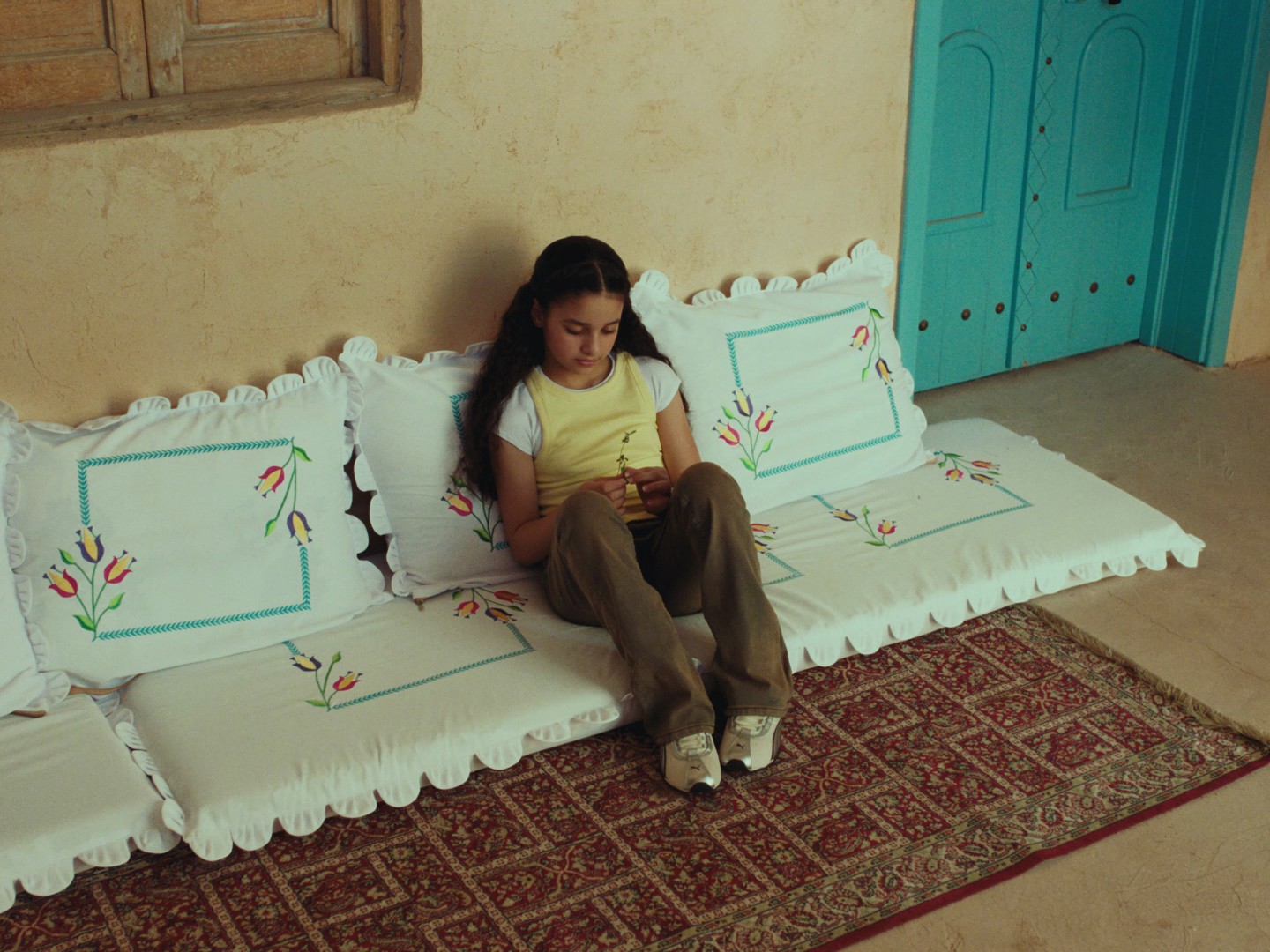
When someone discovers your work, what would you like them to feel?
I’d like them to feel a sense of closeness, almost like borrowing someone else’s memory. That the image leaves an emotional trace, not just an aesthetic one. Something calm, yet intense.
For more stories of art and culture, visit our dedicated archives and follow us on Instagram.