After ten years of painting in Zurich, Saudi artist Badr Al Banawi, known artistically as PILLOWER, is returning to where his story first began. His debut solo exhibition, Al Sofra, opens at Hayy Jameel’s Saalat Hayy in Jeddah from today until June 12, presented by MEEMS and curated by Myriam Djelouat-Benaroya, with creative direction by Arwa Al Banawi.
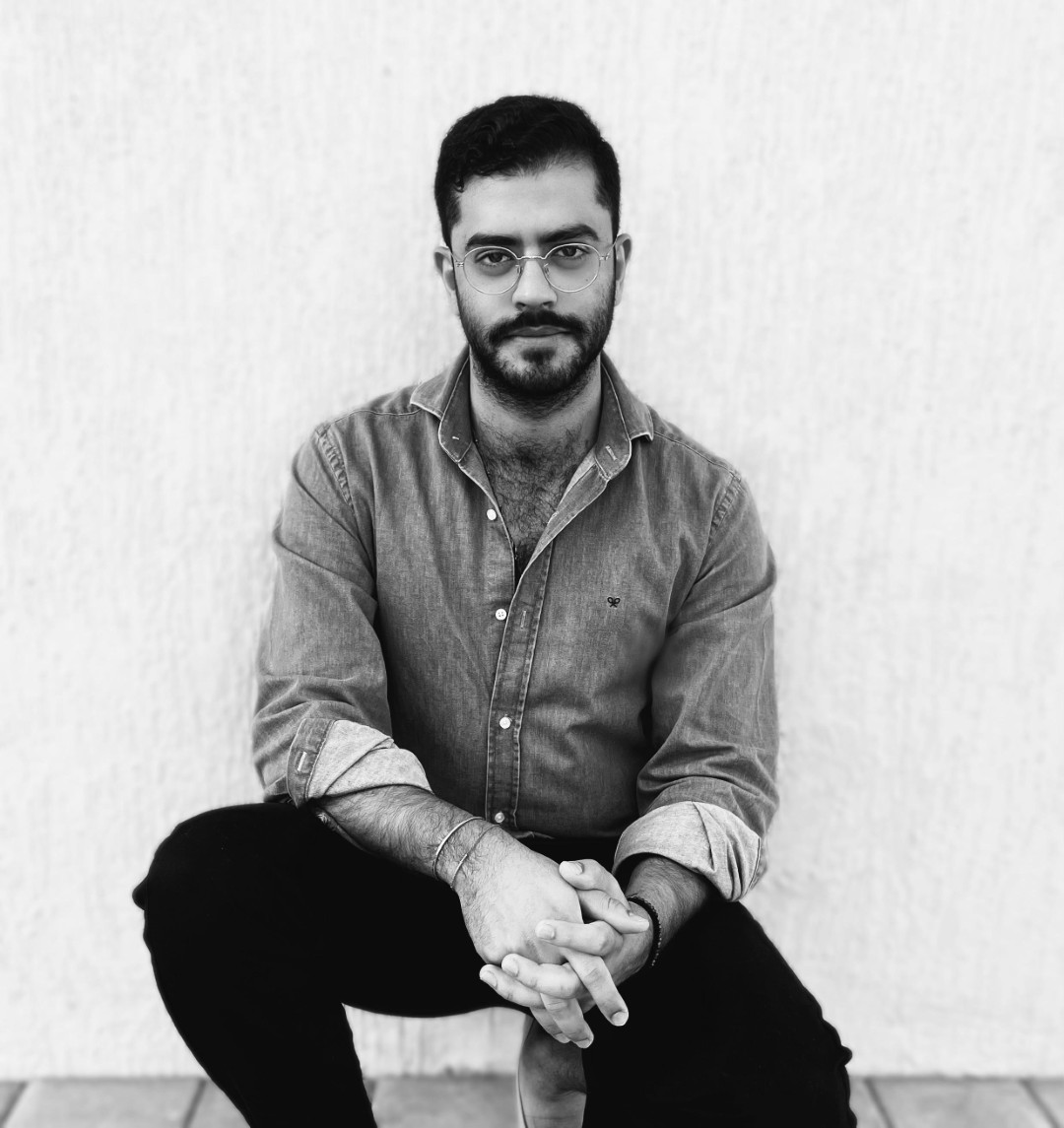
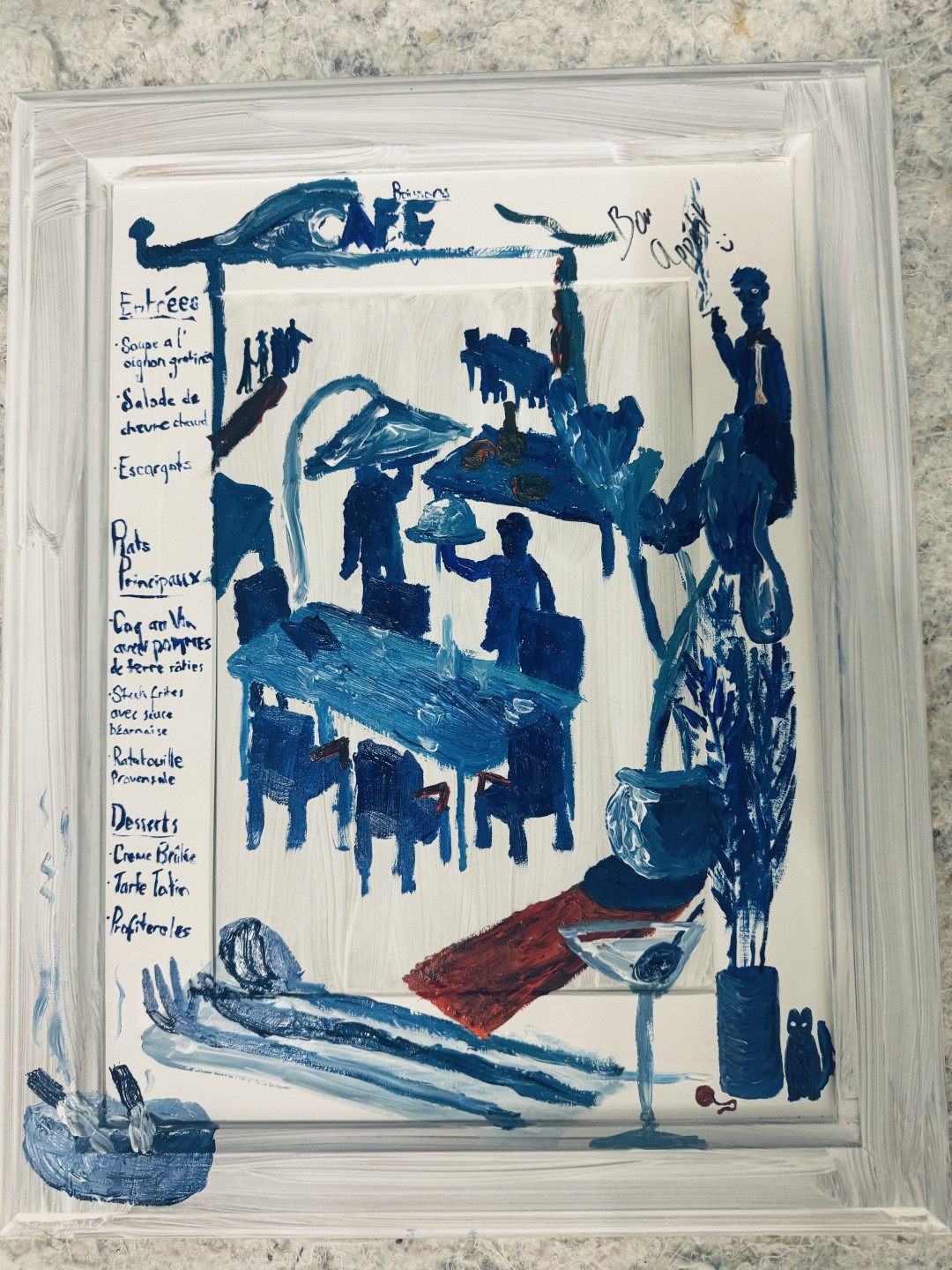
The exhibition brings together sixteen works created across oil, acrylic, and gesso, forming a deeply personal body of work shaped by movement, memory, and the emotional geography between Saudi Arabia and Europe. For PILLOWER, returning to Jeddah for his first exhibition carries a sense of circularity. “Debuting in Jeddah means after so many years of working on my practice, my first step will start in the beginning,” he says. “There’s something poetic about that. It comes full circle and feels very intentional.”
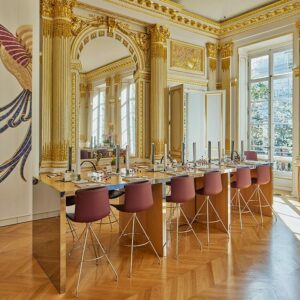
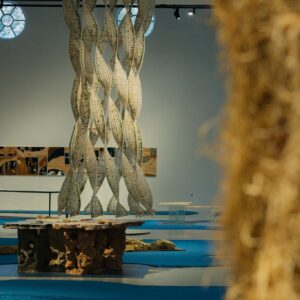
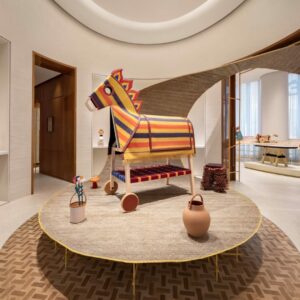
At the centre of the exhibition is the idea of Al Sofra, the table. More than a title, it becomes the emotional structure of the show: a symbol of gathering, hospitality, memory, and conversation. The installation, conceived with Arwa Al Banawi, turns the exhibition space into something between a feast, a ruin, and a memory, inviting visitors to enter the work through familiarity rather than distance.
“The Sofra functions as this easy invitation to make the person feel at home,” PILLOWER explains. “To prepare them for the main course which is hanging on the walls.” For him, the gesture of welcoming through food and hospitality is “Saudi at its core,” making the exhibition not only a return, but a reinterpretation of what an art space in Jeddah can feel like.
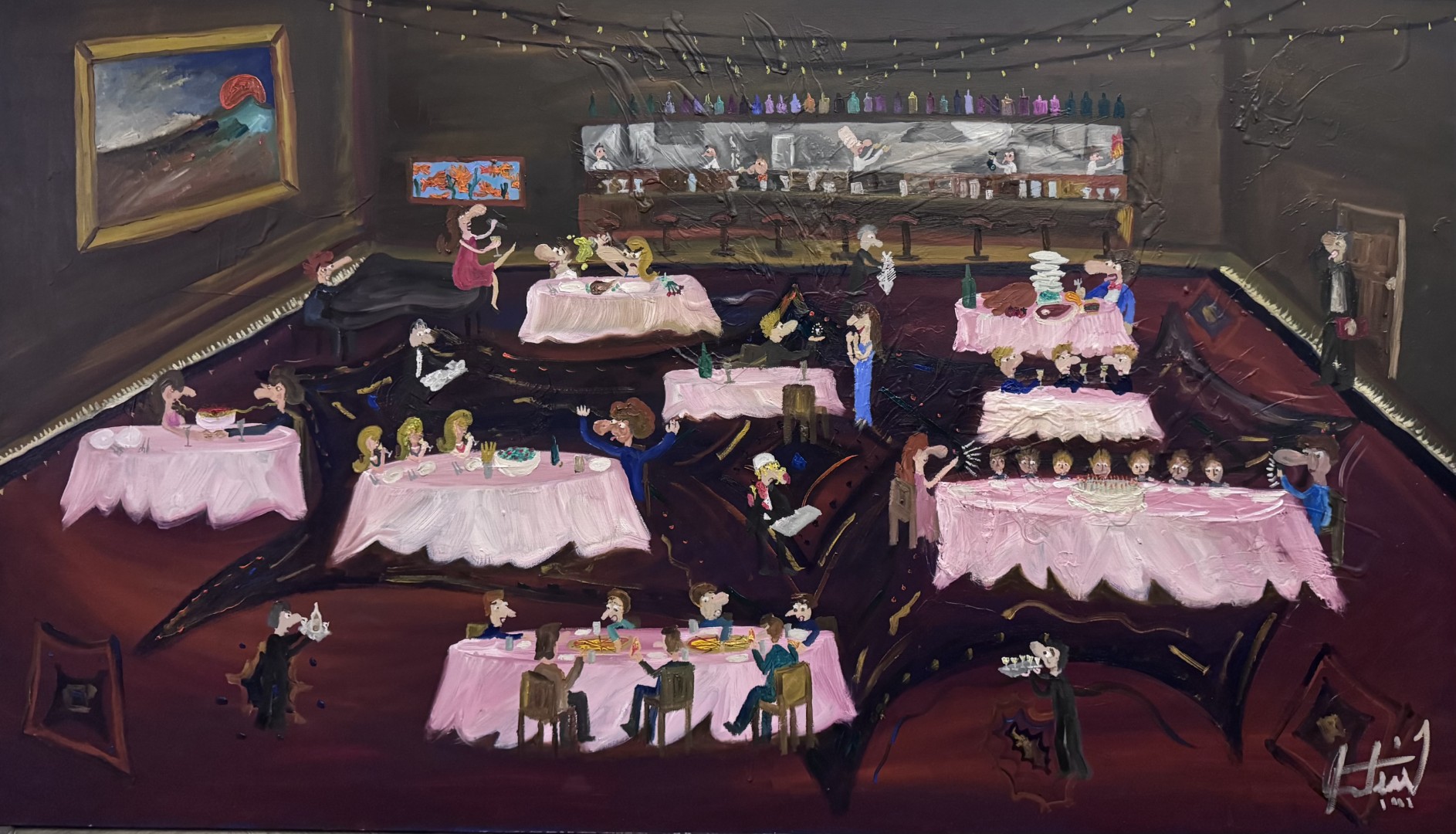
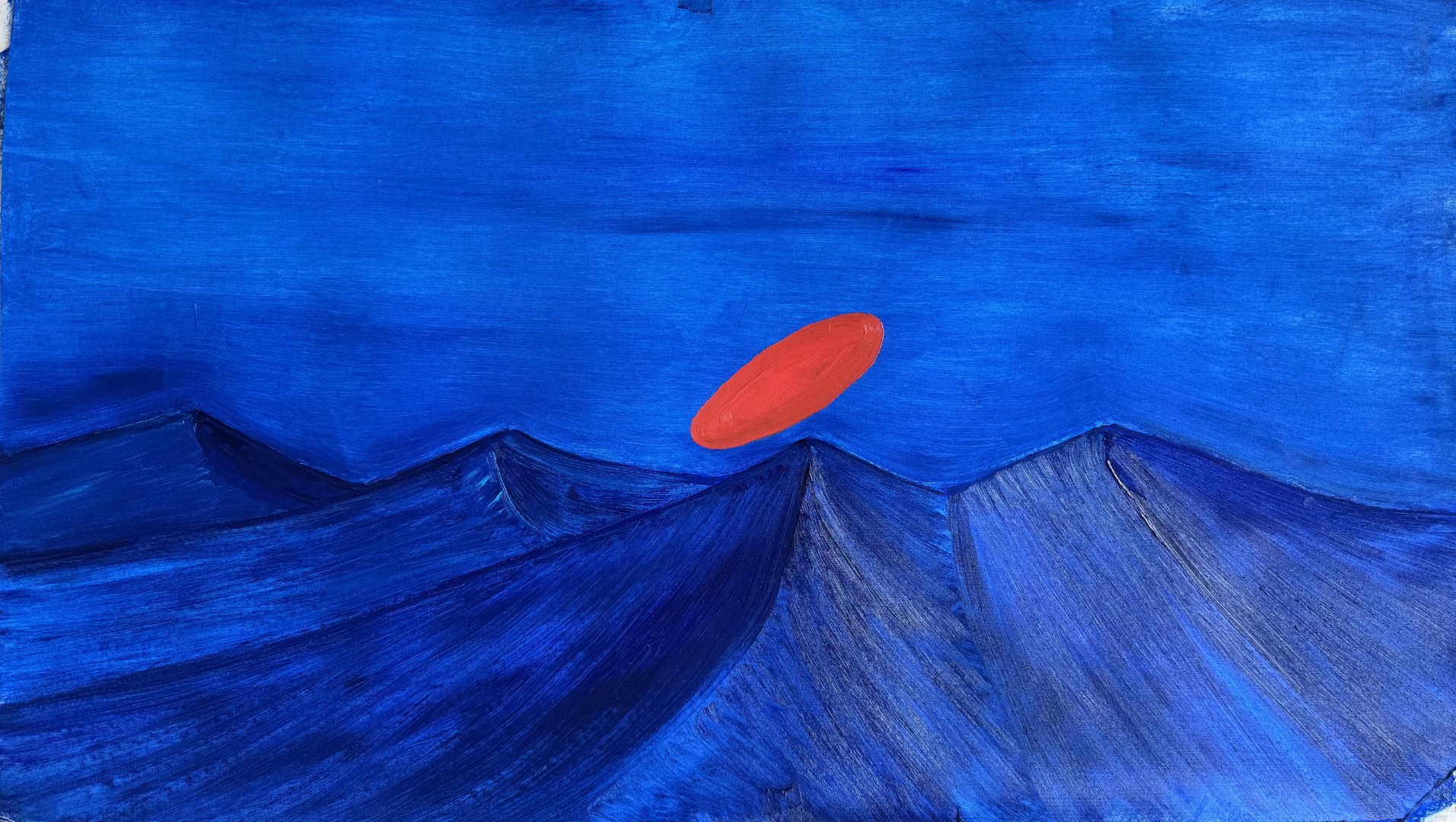
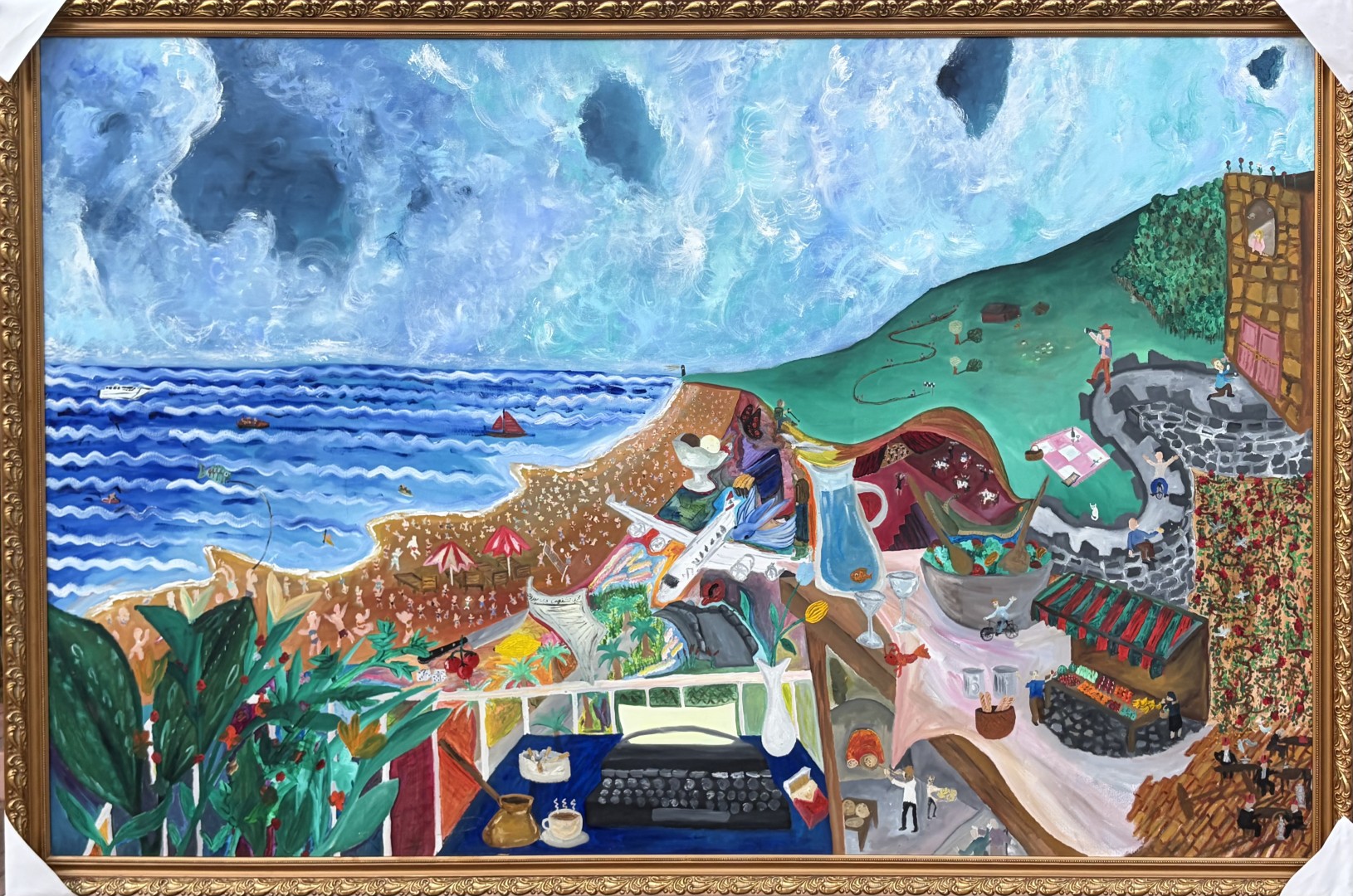
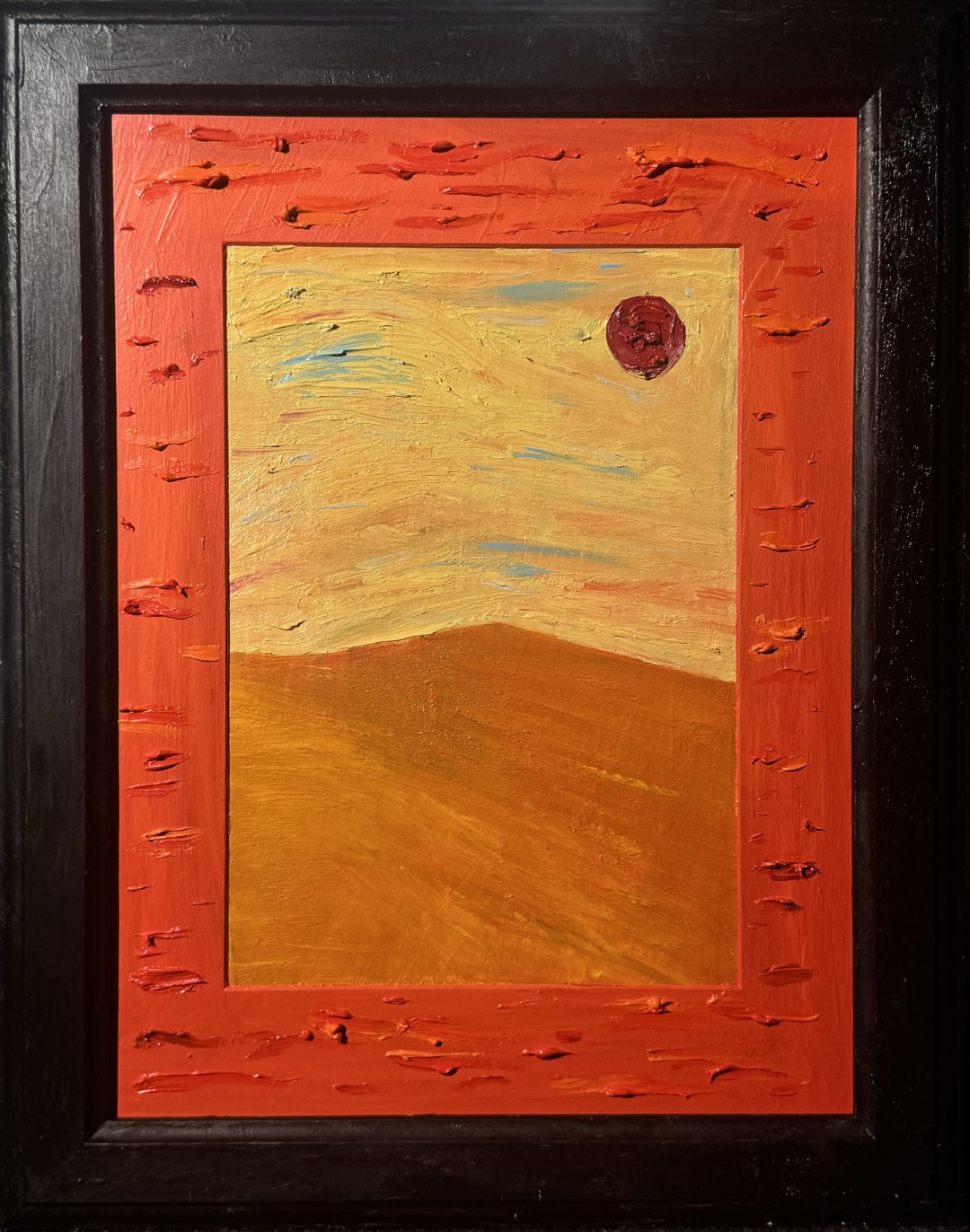
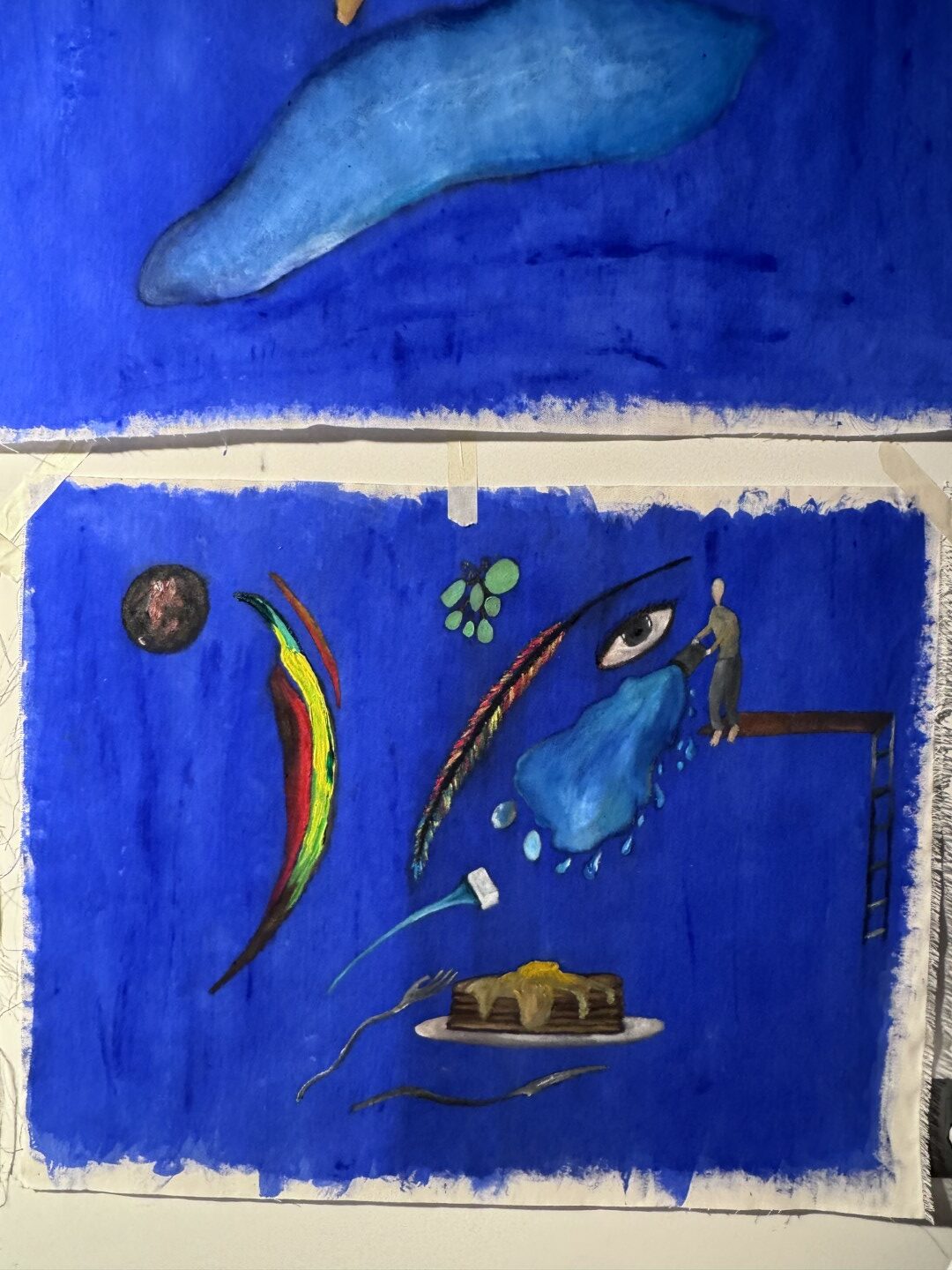
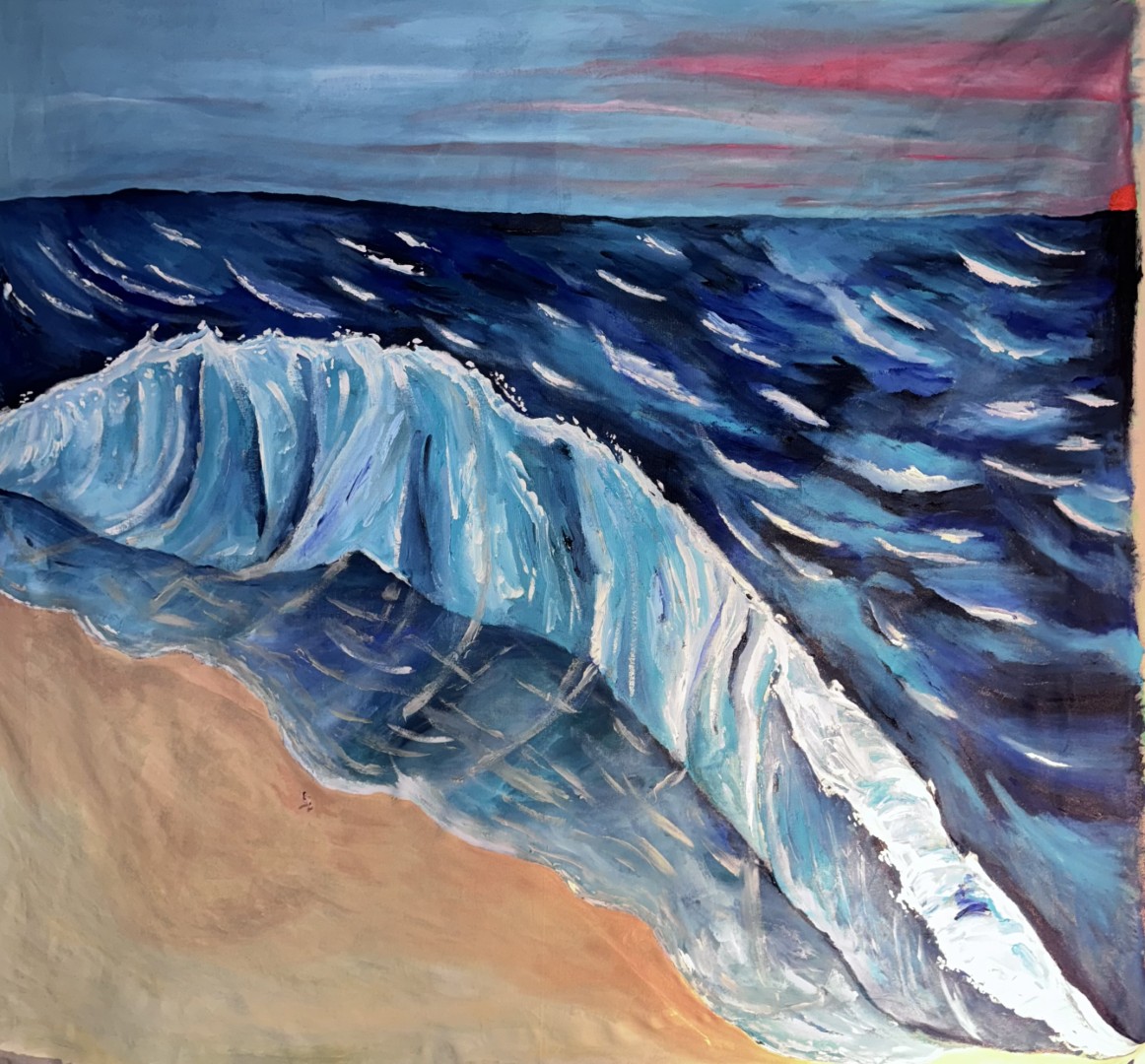
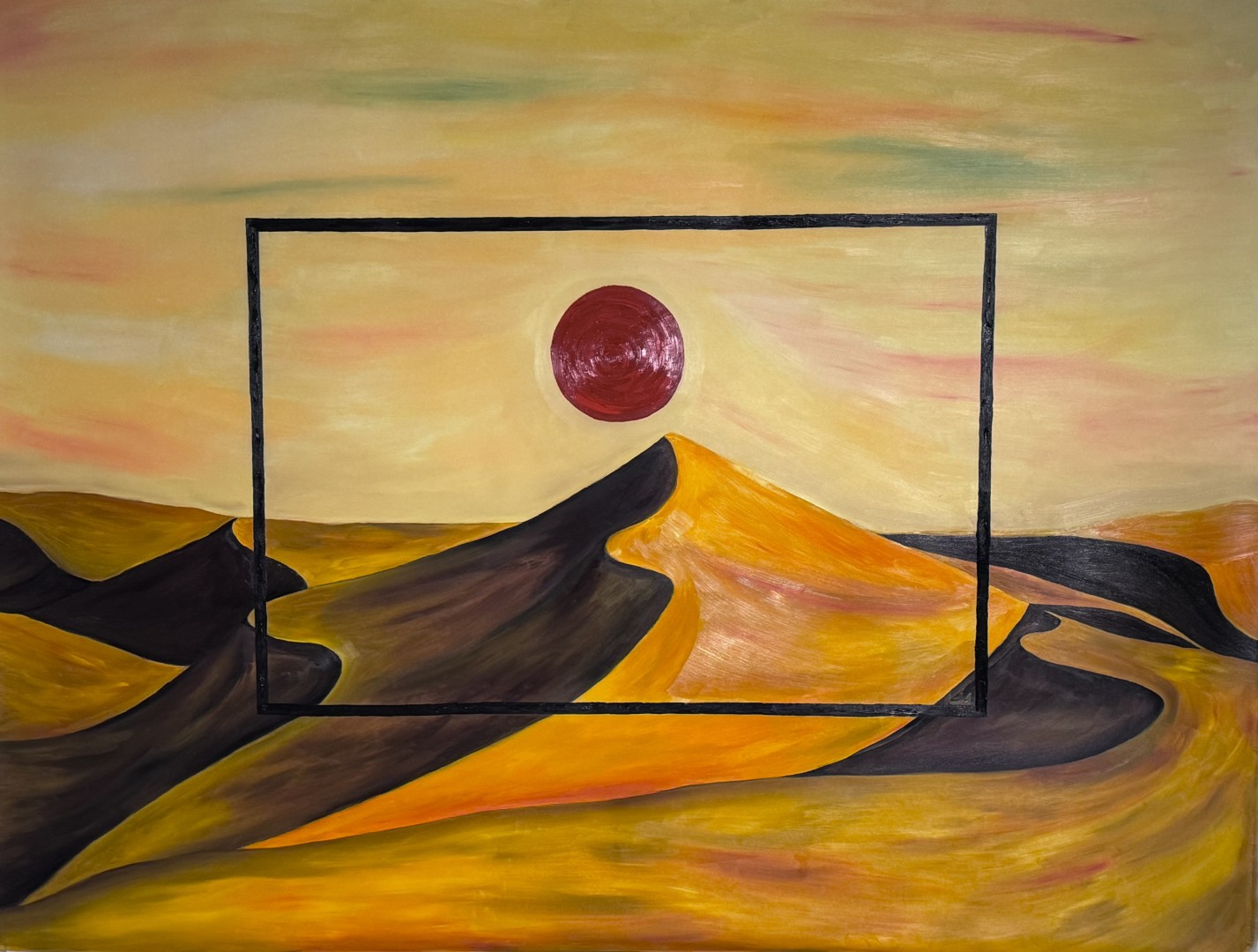
His paintings move between landscape and interior, abstraction and storytelling, humour and grief. Works such as Botafumeiro capture the theatre of a restaurant in motion, while Warmth turns toward desert dunes, amber light, and the question of how to contain a landscape one also belongs to. Silence and By Your Side move into darker, more elemental territory, where the sea becomes less a subject and more a physical force.
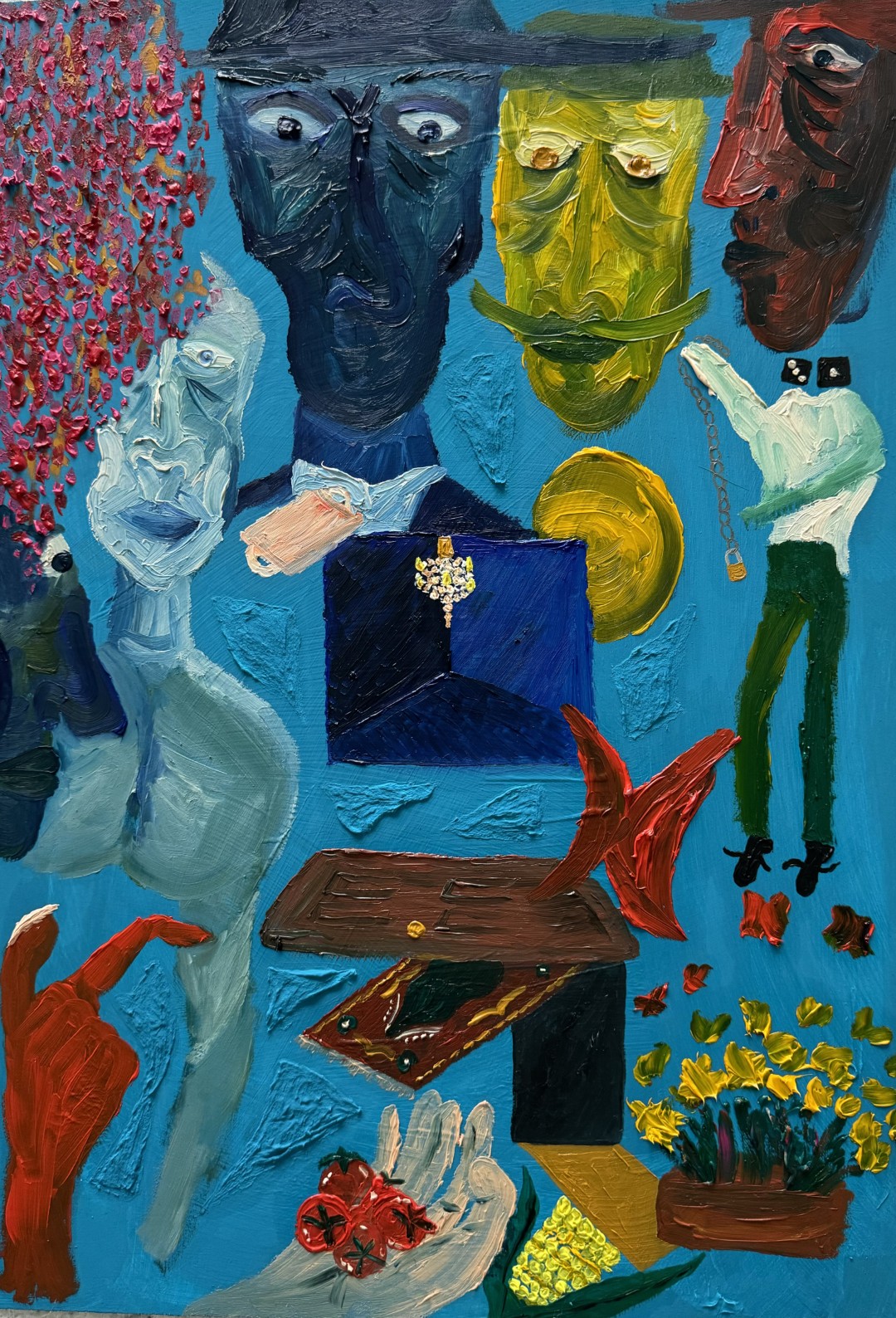
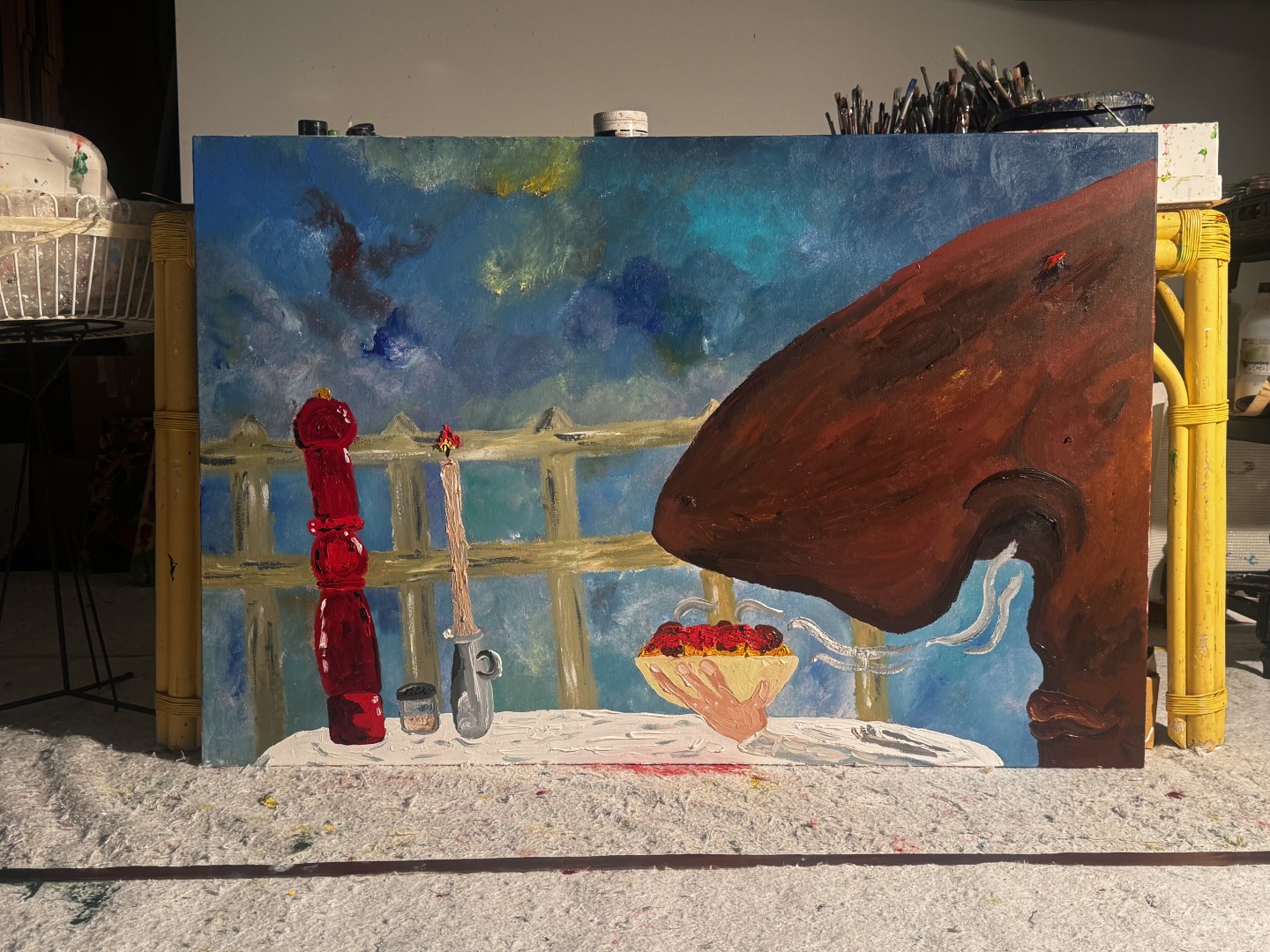
Raised between the Swiss mountains, Bavaria, and Saudi Arabia, PILLOWER’s visual language comes from contrast. “The eye that consumes mountains and forests isn’t the same eye that consumes deserts and seas,” he says. “A desert has a sweeping neat softness that has to be transferred through to the brush.” This life between places taught him to remain a student, always listening to the view in front of him.
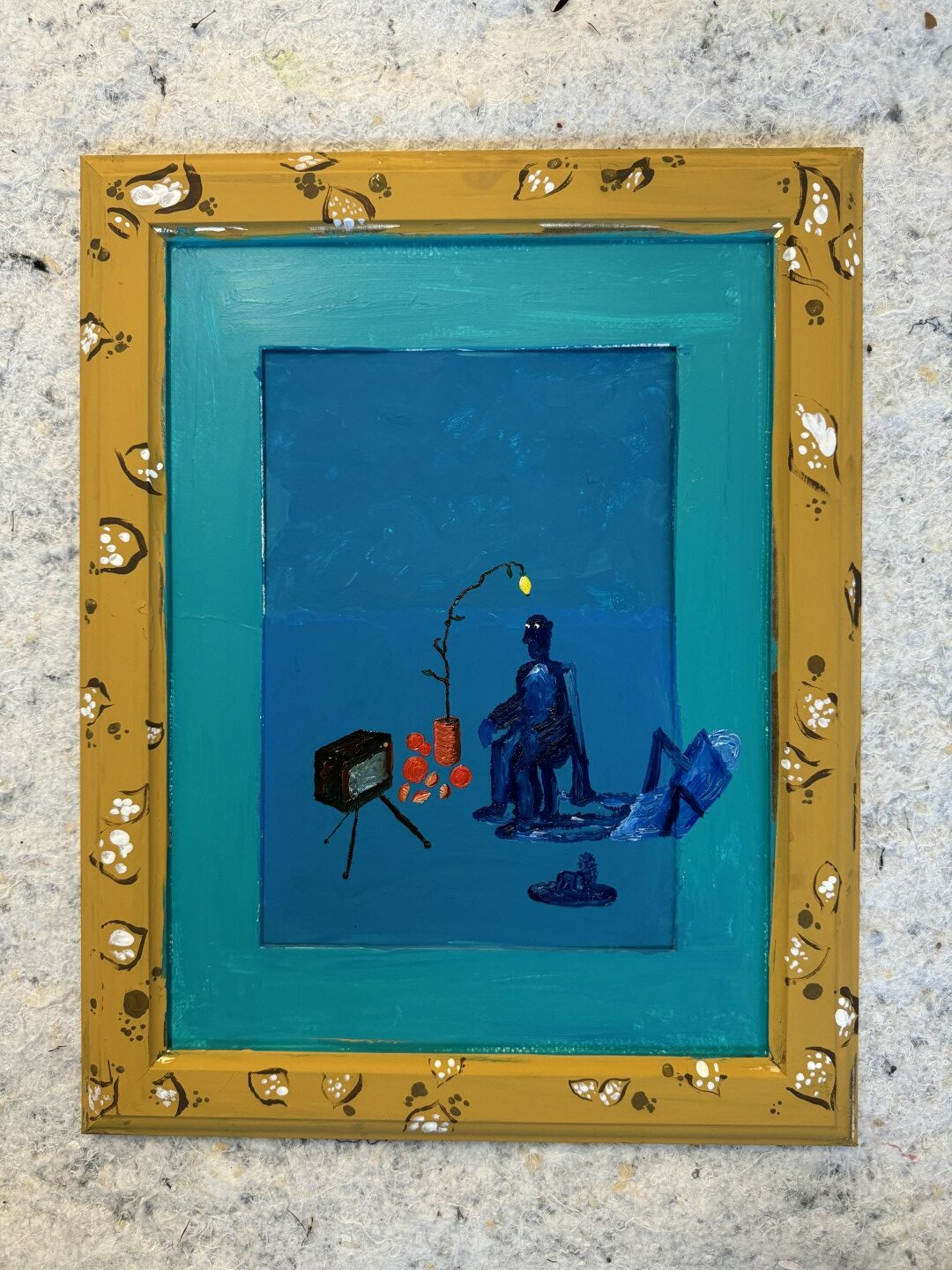
Born to a father who collected art and a mother who is an expressionist artist, Al Banawi’s relationship with painting began early, through observation, travel, and informal painting sessions during his upbringing in Jeddah. Today, his practice explores parallel forces: history and memory, structure and emotion, power and fragility.
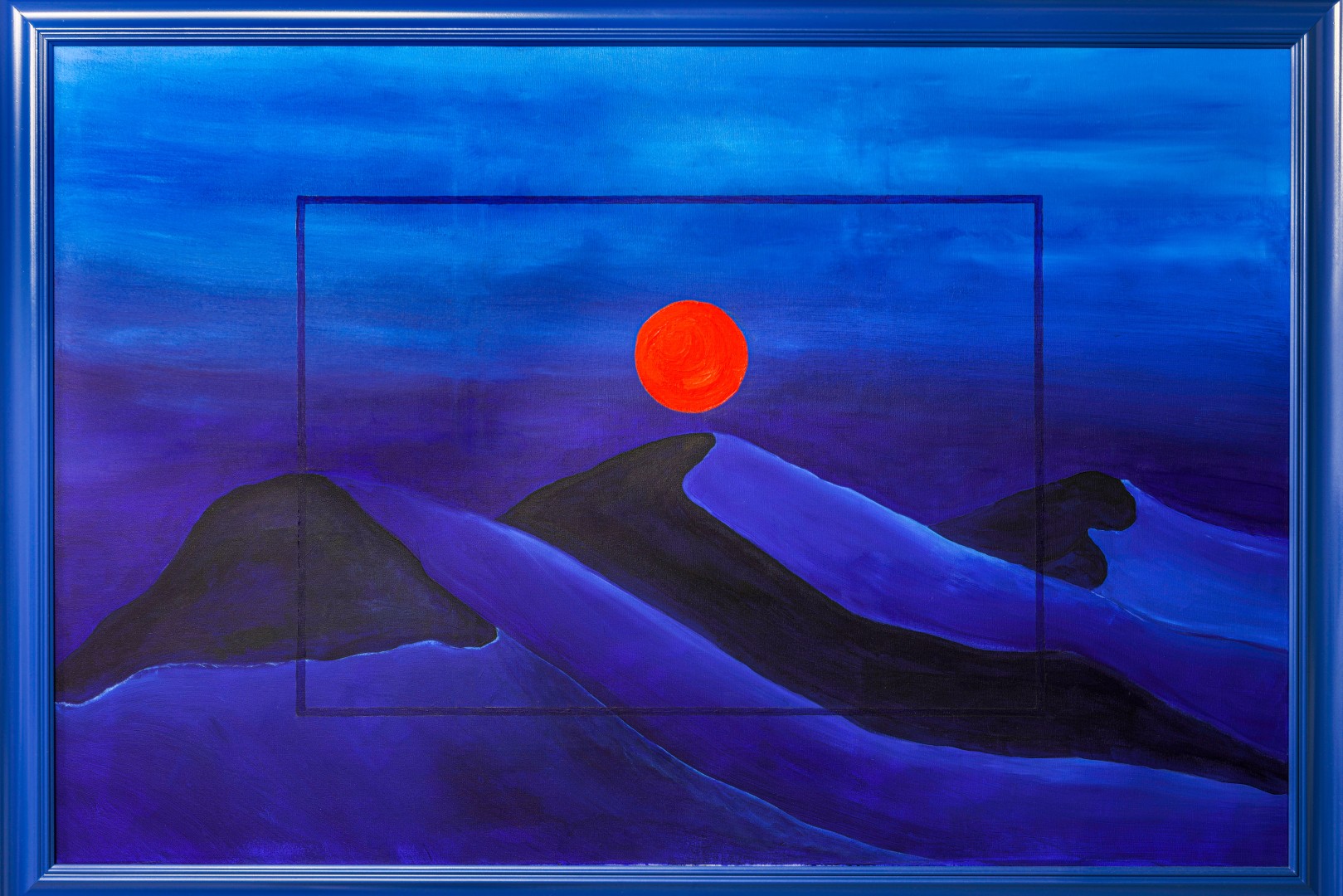
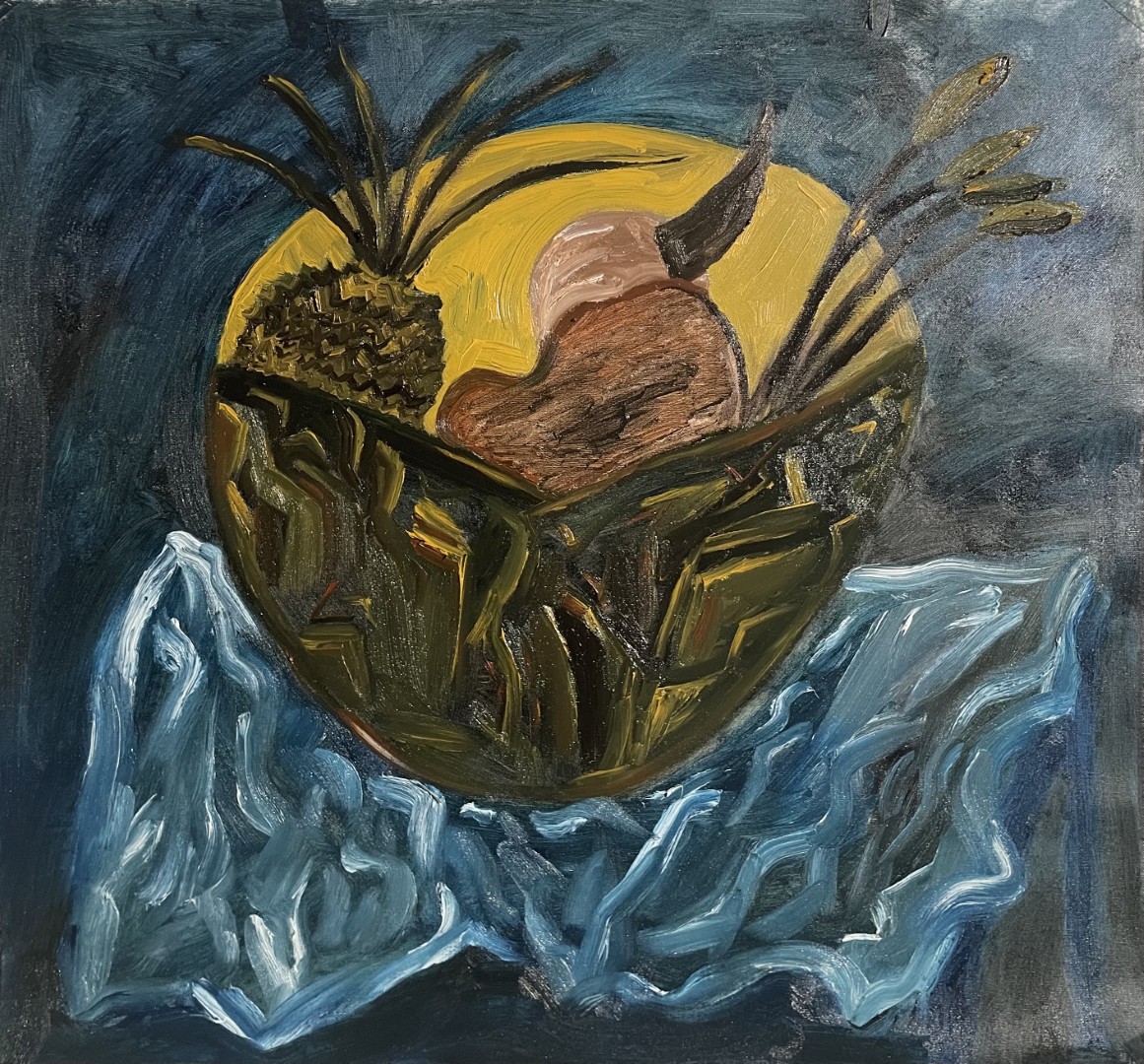
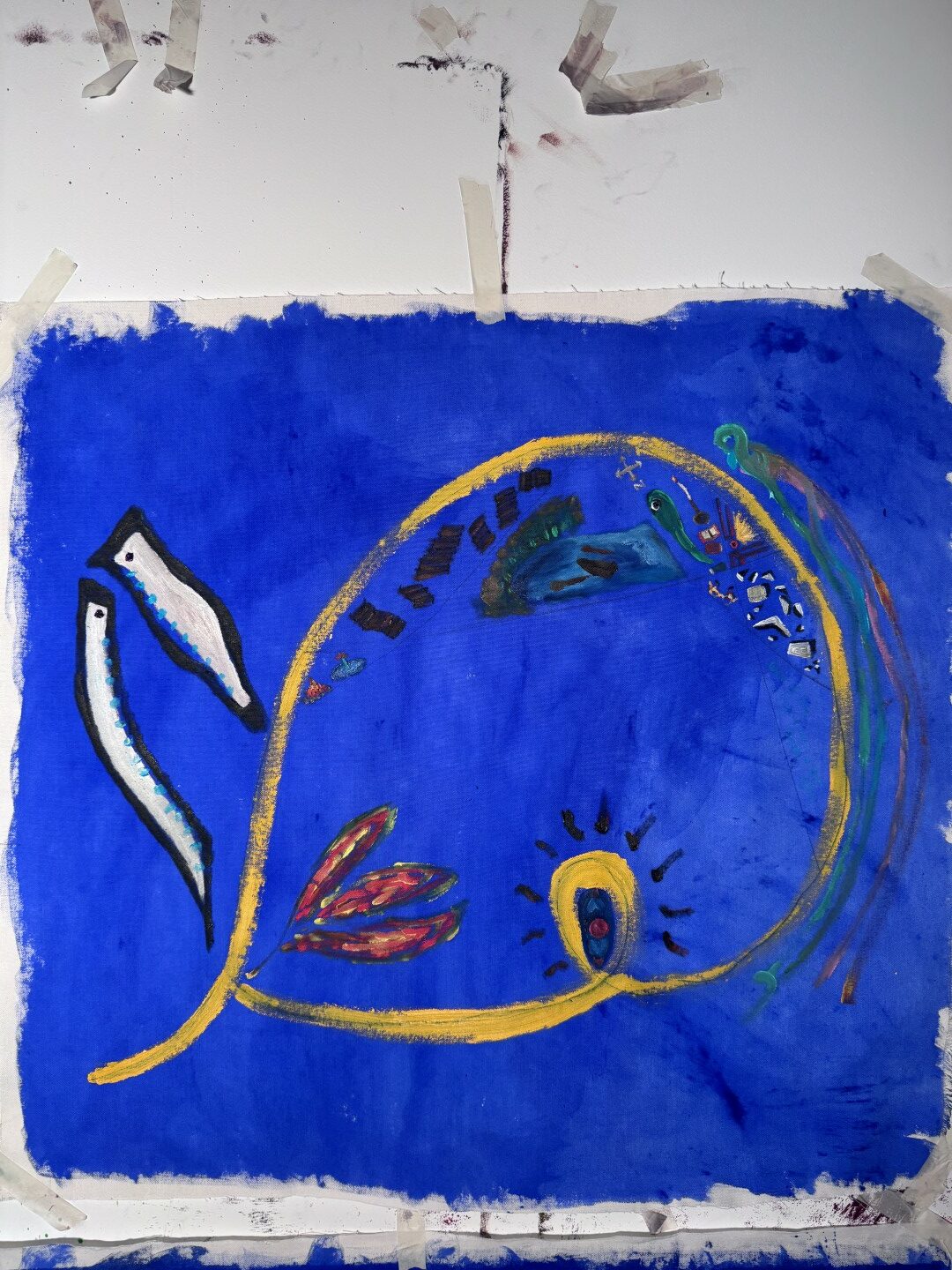
In Al Sofra, those forces do not resolve. They gather. The paintings hold the tension between belonging and distance, between what is remembered and what is still becoming. For PILLOWER, home is not simply a place. As he puts it, “We don’t get to choose our homes. But we do get to choose what our home means to us. And to me it’s the anchor and the seed.”
For more stories of art and culture from across the MENA region, visit our dedicated archives and follow us on Instagram.