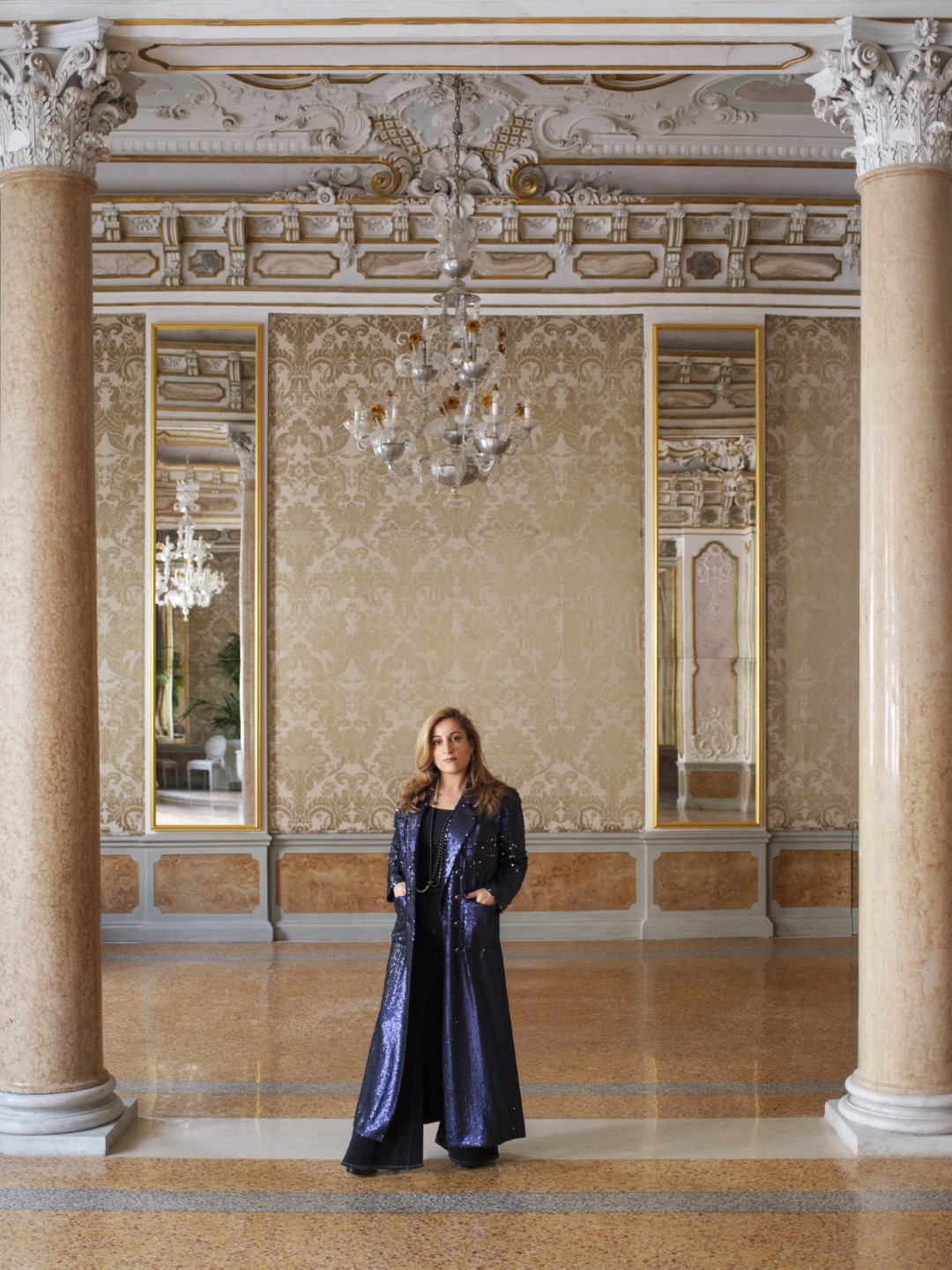
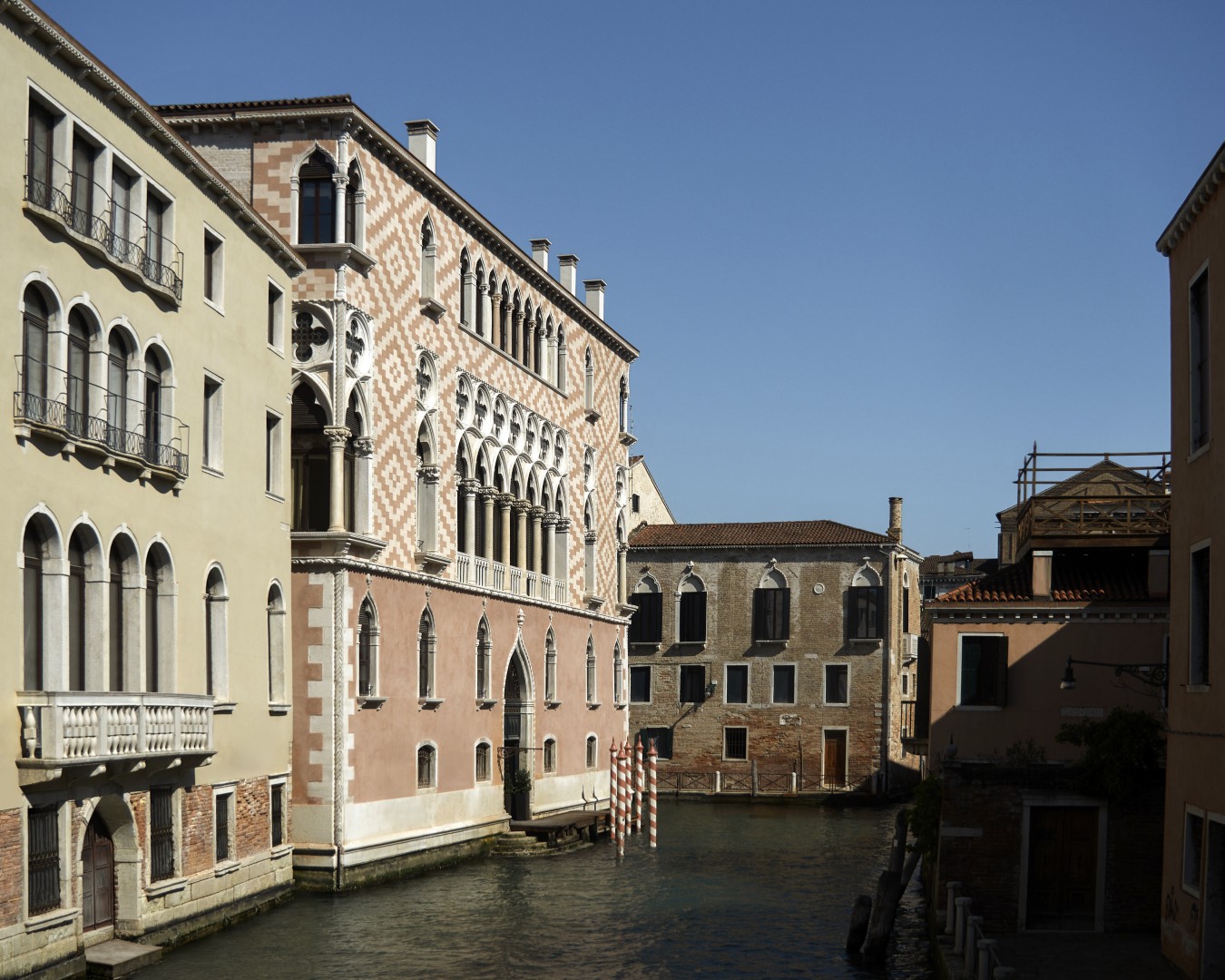
Venice has always existed somewhere between reality and performance. A city shaped by reflections, silence, ritual, and spectacle, it resists permanence while carrying centuries of memory within its walls. Now, with the opening of Orient Express Venezia at Palazzo Donà Giovannelli, that layered spirit finds a new expression through the vision of Lebanese architect and interior designer Aline Asmar d’Amman, who spent eight years transforming the 15th-century palazzo into one of the most anticipated hospitality openings in Europe.
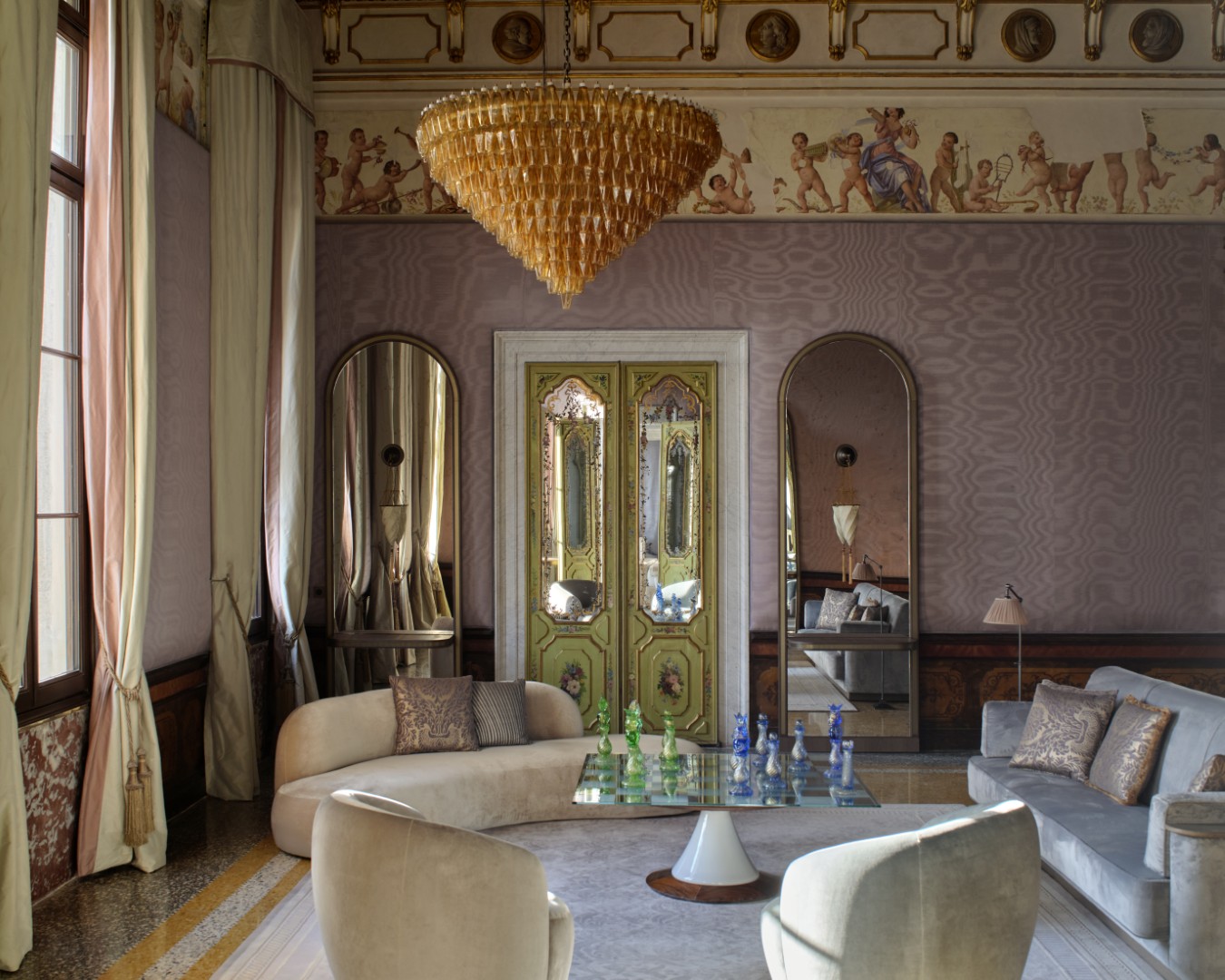
Set within Cannaregio, one of Venice’s oldest and most authentic districts, the project marks the next chapter in Orient Express’ growing constellation of ultra-luxury destinations. Yet beyond hospitality, the Palazzo becomes something more cinematic and emotionally charged: a living narrative where architecture, art, craftsmanship, and travel unfold as part of one continuous story.
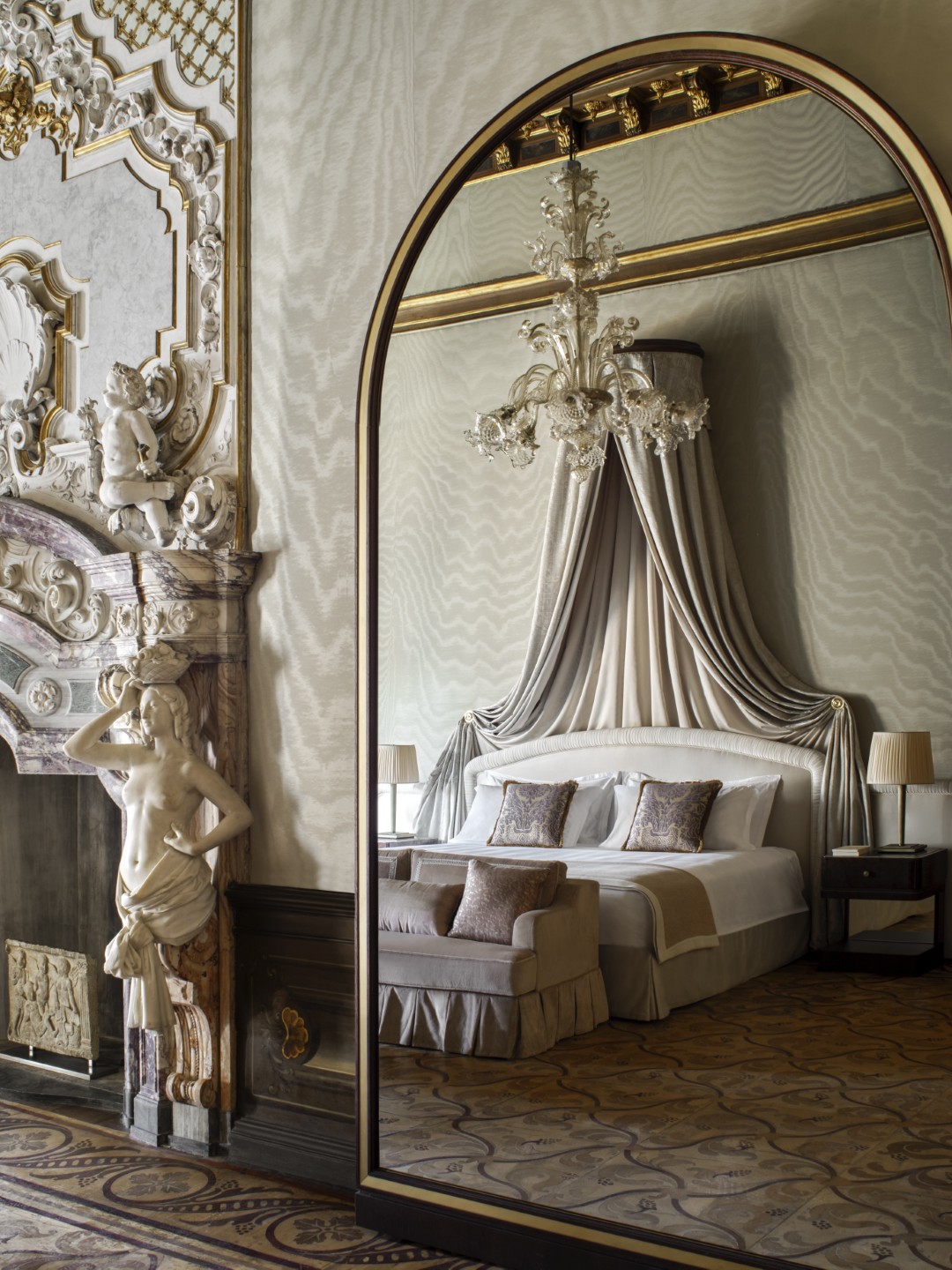
For Aline Asmar d’Amman, the project was never about restoration alone. It was about listening. Throughout the Palazzo, traces of history remain intentionally visible: faded frescoes, sculpted ceilings, marble fragments, mirrored reflections, and patinated surfaces all coexist with contemporary interventions that feel both theatrical and intimate. Her approach moves beyond preservation into storytelling, allowing the building’s past lives to remain present while opening space for new narratives to emerge.
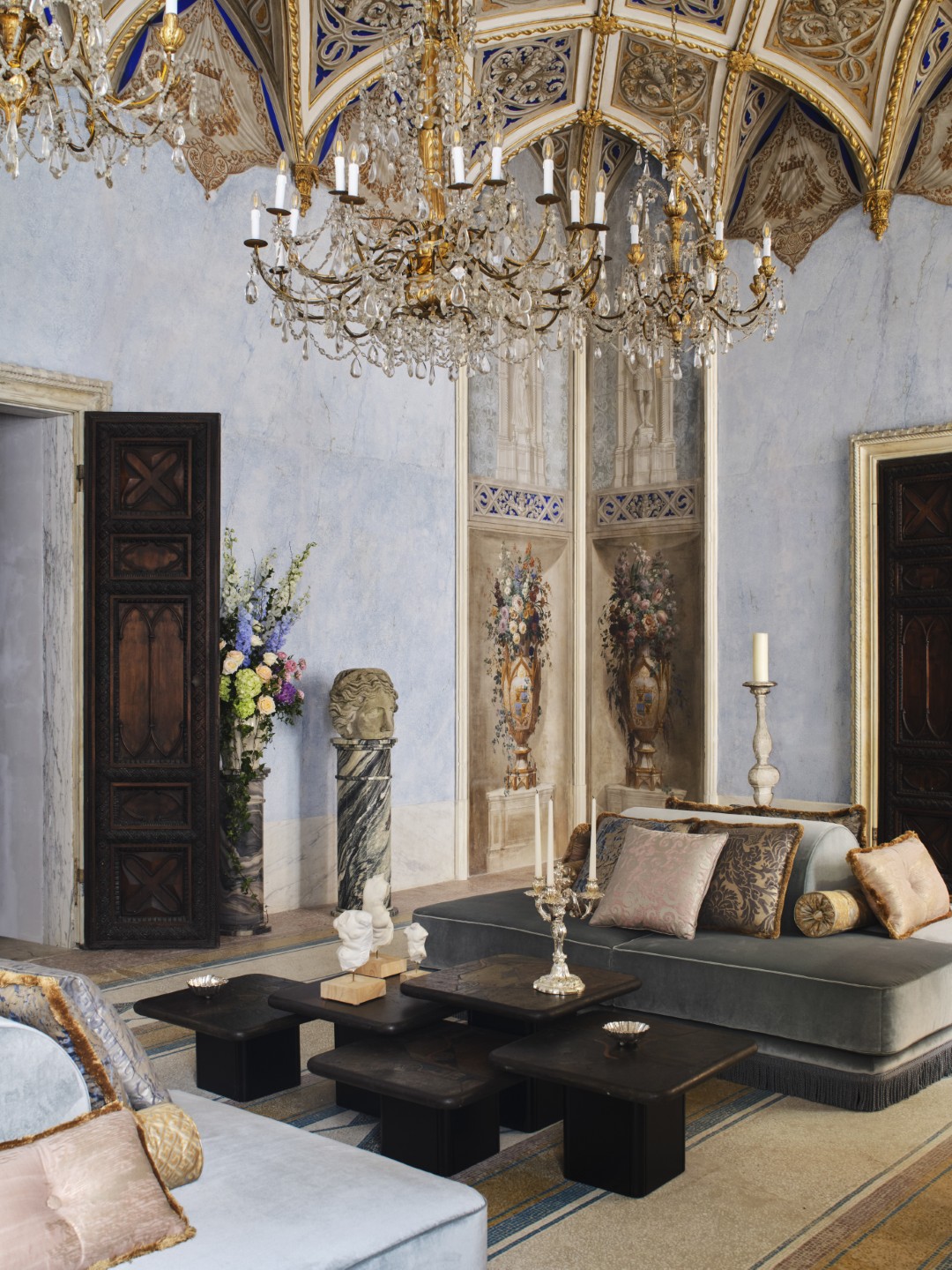
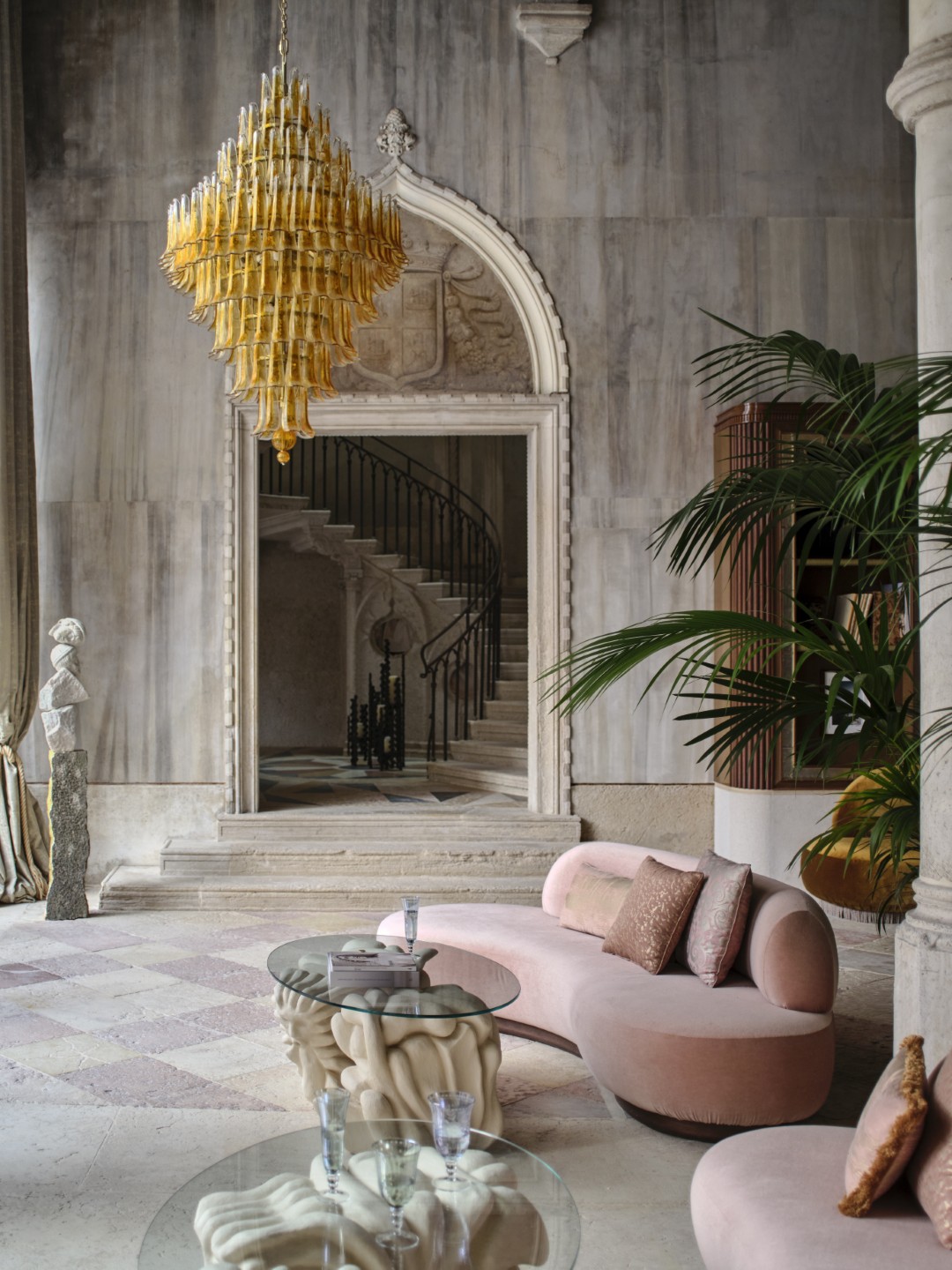
“I imagined the transformation of Orient Express Venezia at Palazzo Donà Giovannelli as a theatrical sequence of wonders,” she says. “In this eight-year creative transformative journey, the walls speak, revealing layers of enchantment magnified by the dialogue with contemporary creation.”
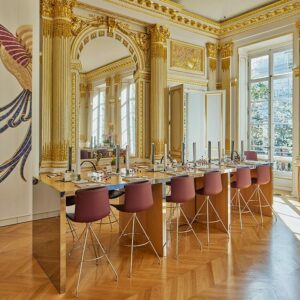
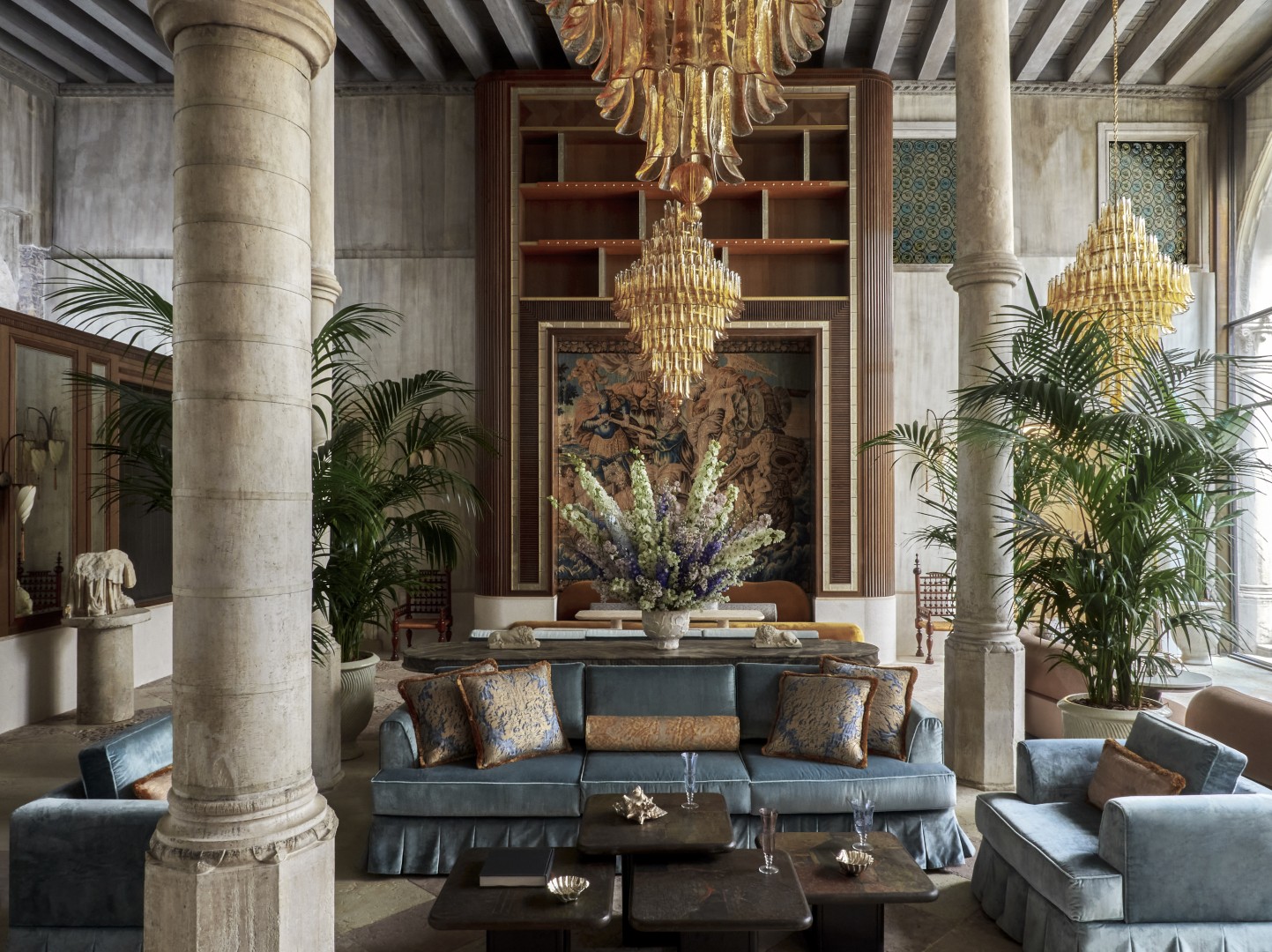
That sense of theatre shapes every moment of arrival. Guests enter through Gothic water gates, hidden gardens, or quiet courtyards before moving into Corte del Conte, the Palazzo’s dramatic central lobby where Murano chandeliers, sculpted boiseries, velvet textures, and towering columns create the atmosphere of a private Venetian salon suspended in time.
Throughout the property, the architect continuously balanced contradiction: old and new, East and West, intimacy and grandeur. Her personal connections become central to the experience itself. Born in Lebanon, inspired by Paris, and a lover of Italian craftsmanship, she approaches Venice not as a fixed historical monument, but as a crossroads of cultures, imagination, and movement.
“My multicultural background, as a world traveller, born in Beirut, Parisian at heart, with a deep love for Italy and its high craft, allows me to hopefully navigate cross-cultural narratives with grace and depth,” she explains.
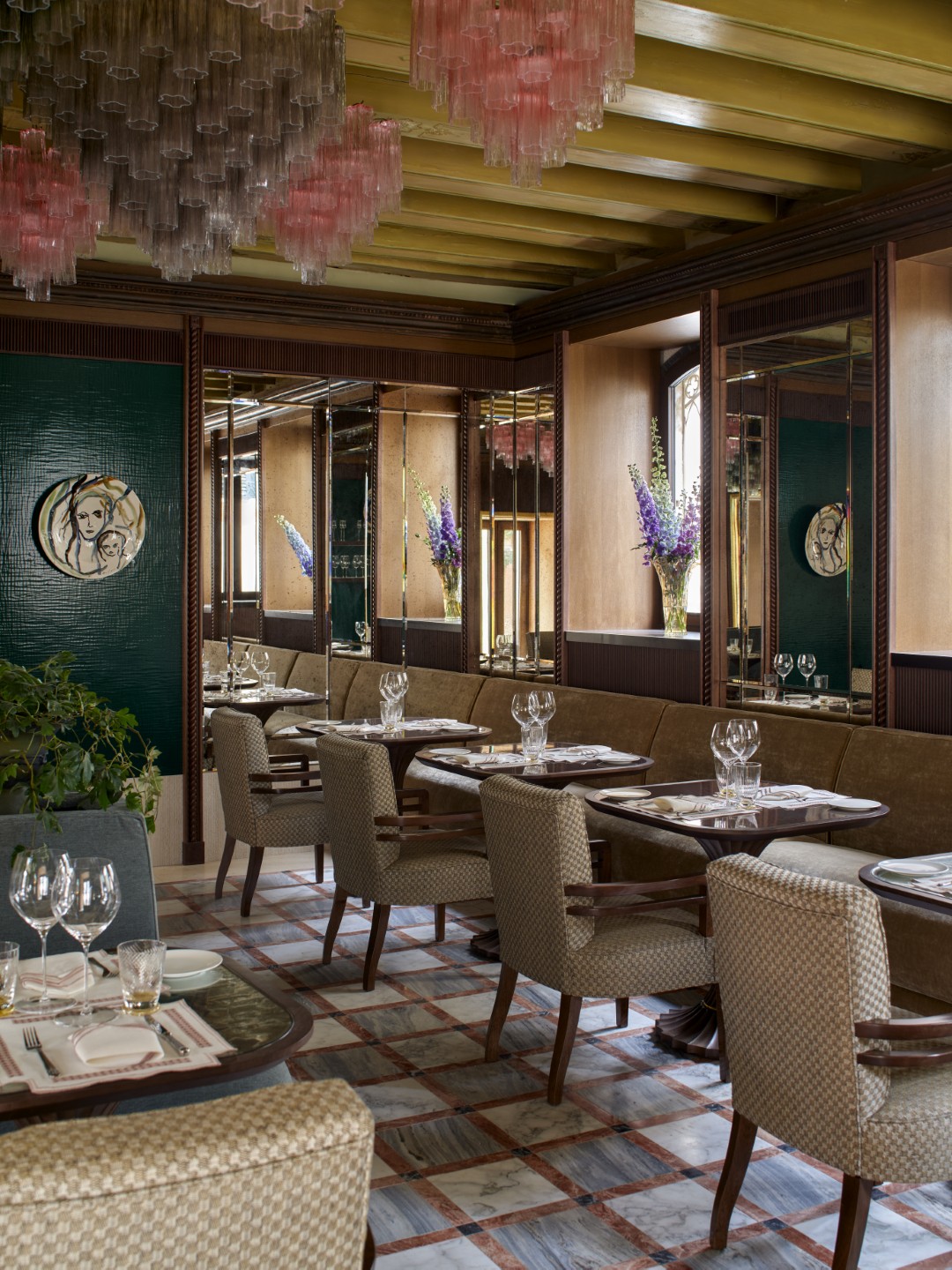
This dialogue between cultures becomes especially visible in the material language of the Palazzo. Embossed leathers meet tinted mirrors. Murano glass glows beside sculptural marble surfaces. Neo-Gothic architecture intersects with Orientalist references introduced during the Palazzo’s 19th-century reinvention by architect Giovanni Battista Meduna. Rather than erasing these layered influences, she amplifies them, treating the building like a palimpsest where centuries continue to converse.
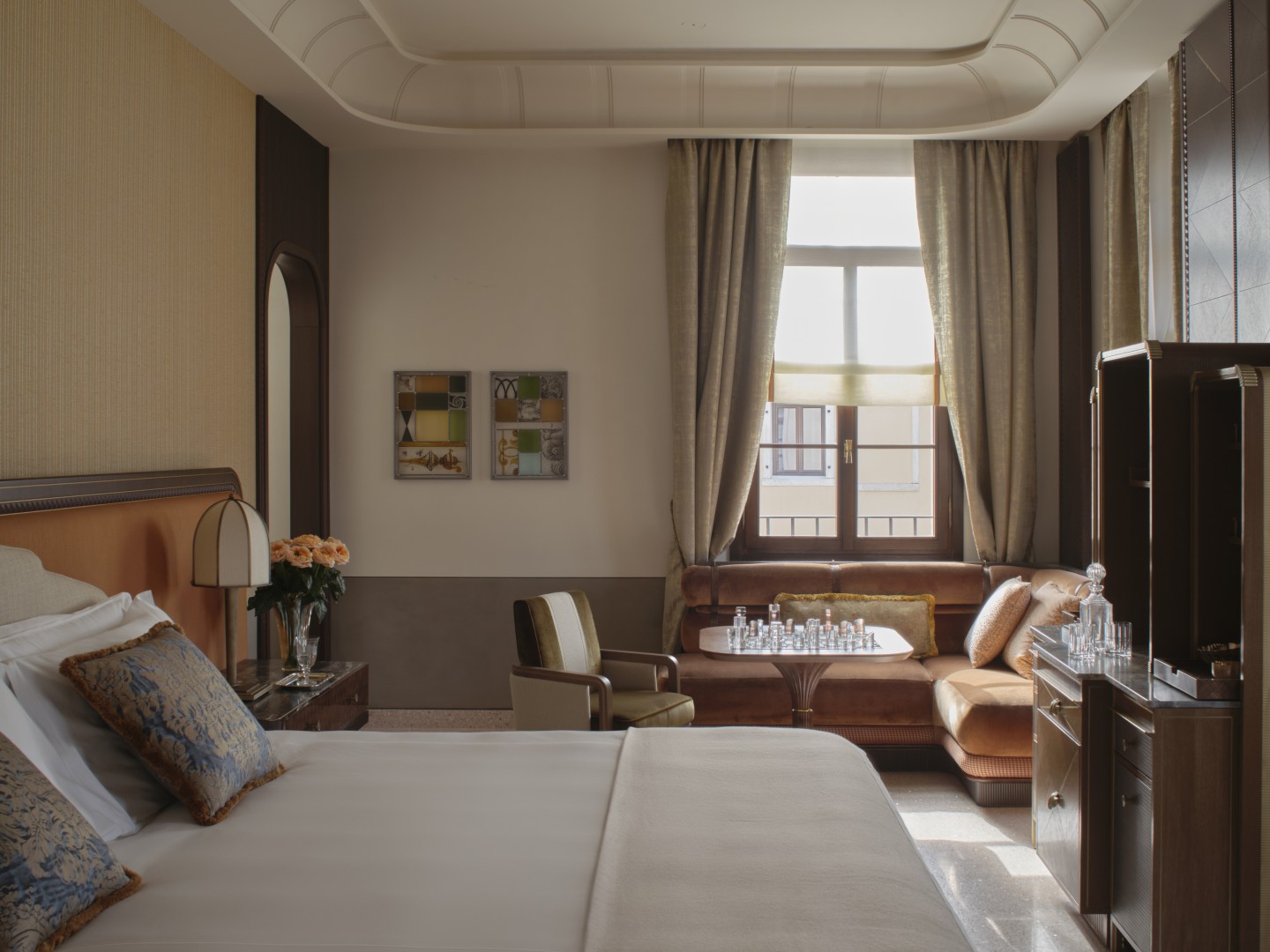
Across the hotel’s 47 rooms and suites, this storytelling becomes deeply personal. Each suite carries its own atmosphere and narrative identity. The Orient Express Suite unfolds like a stage set overlooking the Rio di Noale, with silk moiré walls, Murano chandeliers, sculptural marble fireplaces, and restored Venetian windows framing the canals below. The Colori Persi Suite references forgotten Venetian pigments and fading frescoes, while the Teatro Suite embraces Neo-Rococo drama through painted ceilings, floral stuccoes, and theatrical compositions.
Yet perhaps what defines the project most is its emotional rhythm. Orient Express Venezia shifts throughout the day almost like a performance. As evening falls, the Palazzo enters what the brand calls “The Grand Transformation.” Candles flicker. Lights soften. Shadows deepen across corridors and salons. The building becomes immersive, cinematic, and quietly mysterious, echoing the glamour and intrigue historically associated with Orient Express travel.
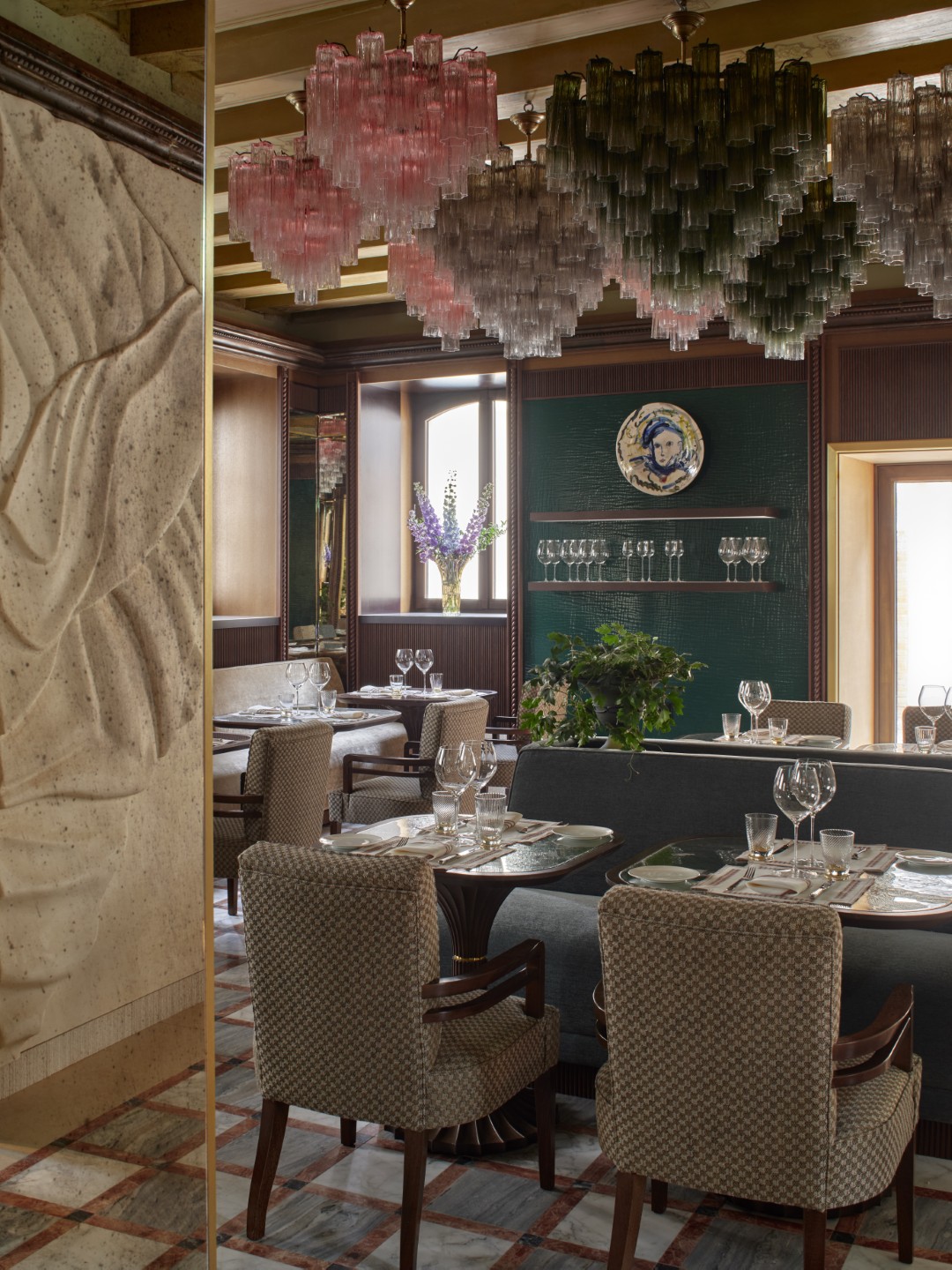
This theatricality continues within the culinary spaces imagined by Aline Asmar d’Amman for chef Heinz Beck’s restaurants and bars. At Heinz Beck Venezia, pleated golden veils inspired by Venetian fans float beneath sculptural glass lighting forms that recall underwater life and lagoon reflections. La Casati channels the eccentric glamour of Marchesa Luisa Casati through mirrored surfaces, crackled lacquers, sculptural chandeliers, and theatrical dining spaces where food, art, and conversation merge together.
The wonderfully distinctive Wagon Bar also becomes part of the narrative. Hidden behind historic wooden doors, the Art Deco-inspired speakeasy references the original Orient Express railcars while introducing a contemporary Venetian sensuality through polished brass, mirrored surfaces, and atmospheric lighting.
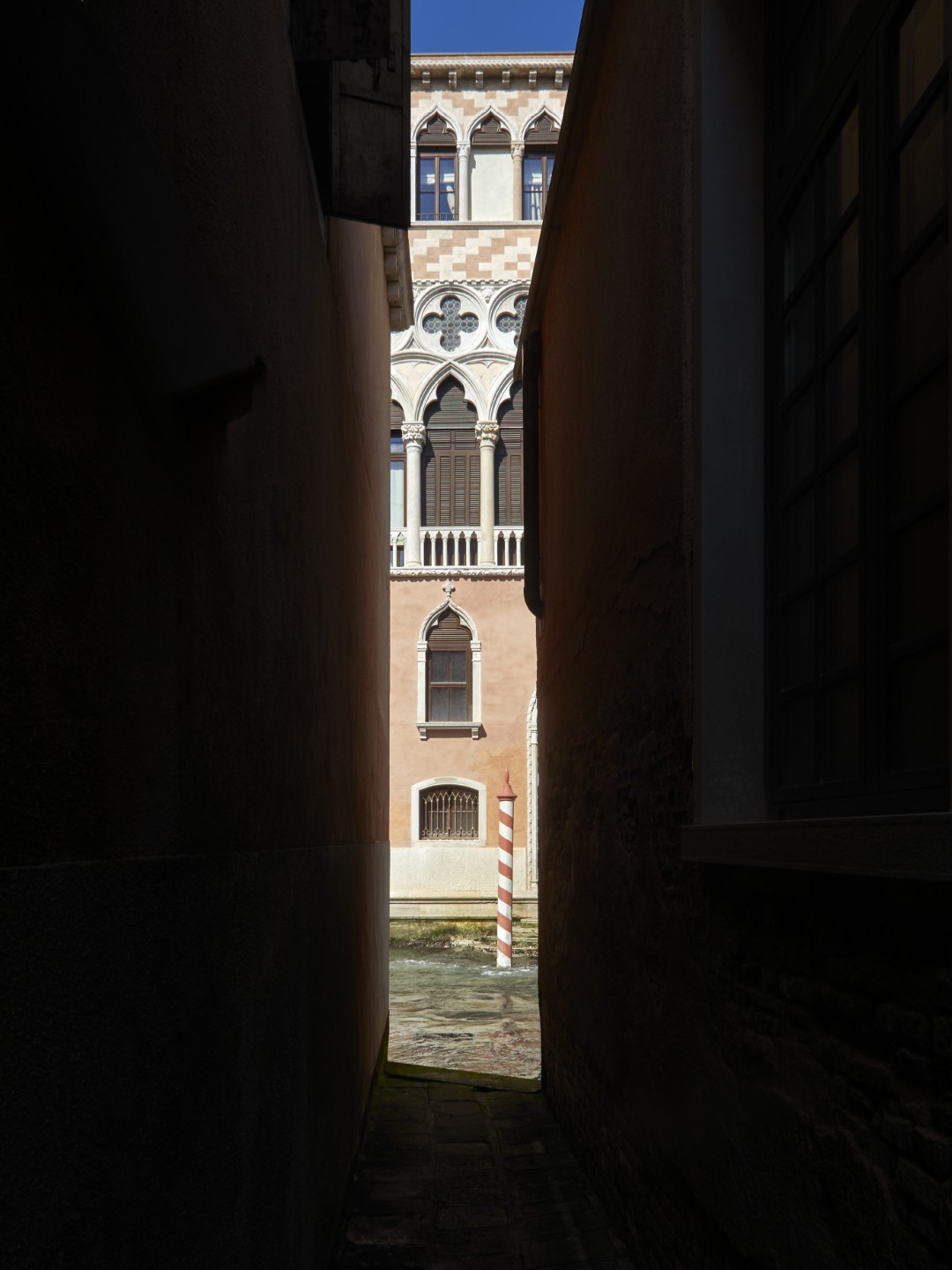
Beneath all the grandeur lies an extraordinary labour of restoration. More than 300 artisans, historians, and conservation specialists contributed to reviving the Palazzo, carefully restoring frescoes, mosaics, sculptures, and architectural details over several years. During the process, hidden layers of history emerged from behind walls and surfaces, becoming integrated into the evolving design narrative itself.
For Aline Asmar d’Amman, the beauty of Venice lies precisely within these traces of time. Referencing Joseph Brodsky’s Watermark, she describes the Palazzo as a living being shaped by memory, dust, movement, and transformation. Rather than freezing history, the project allows it to breathe again.
“My aesthetic foundation lies in finding beauty in the traces of time and in fostering cultural dialogue,” she says. “Orient Express Palazzo Donà Giovannelli’s renovation is an ode to the wonders of Venice, re-imagined through masterful craftsmanship and the belief in the power of design.”
In many ways, Orient Express Venezia feels like nothing less than an unfolding story. Between water and stone, past and present, the Palazzo becomes a place where travel regains its sense of ritual and imagination. And through Aline Asmar d’Amman’s vision, Venice reminds us of what it has always been at its core: a city suspended between worlds.
For more stories of the world’s finest hotels, visit our dedicated archives and follow us on Instagram.