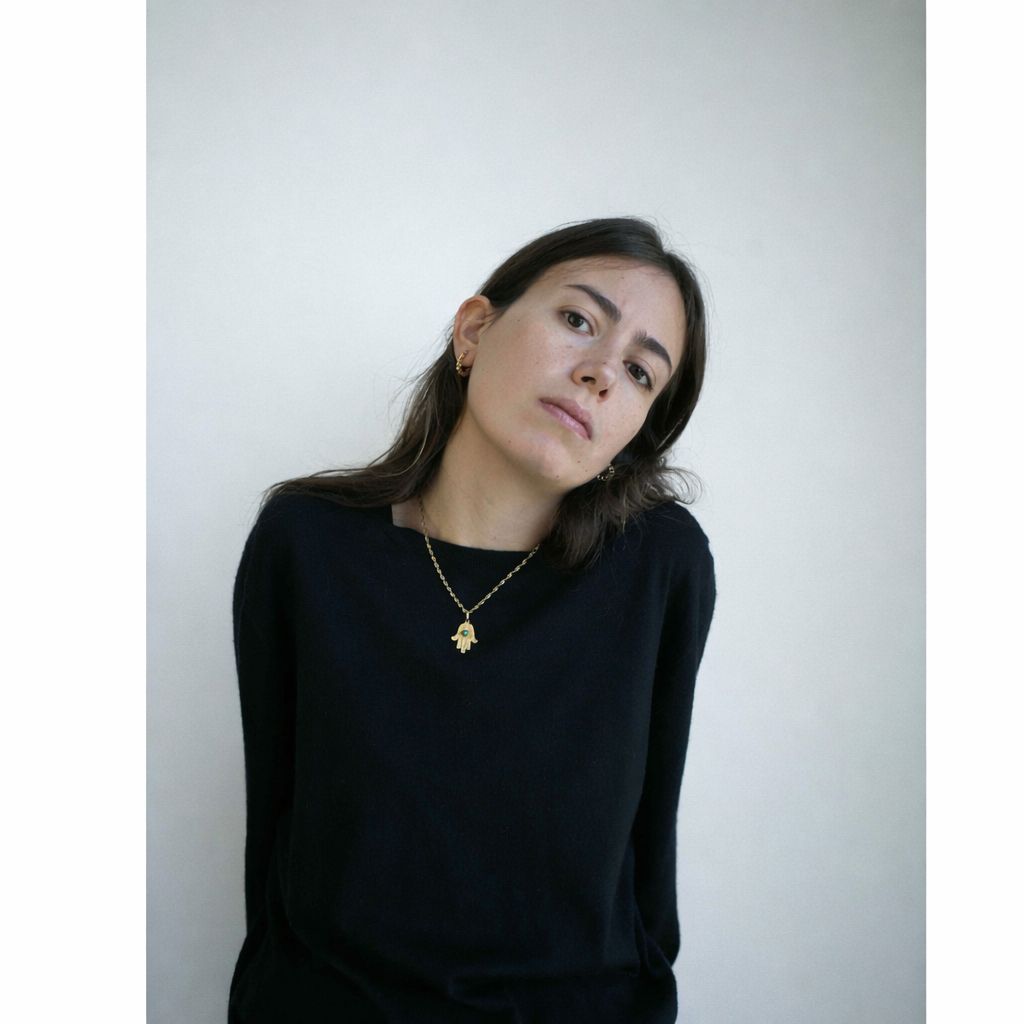
Nessma Djouhri’s relationship with clay is rooted in quiet rituals, memory, and the invisible histories carried by objects. The Algerian, Dubai-Based ceramic artist works between function and sculpture, using everyday forms as vessels for fragmented narratives and personal mythologies. Her practice moves through imagined worlds shaped by dreams, archetypes, and oral histories; spaces where meaning is not fixed, but slowly accumulated. Drawn to the alchemical nature of ceramics, Djouhri embraces process, uncertainty, and transformation, allowing each firing to become an act of speculation.
Can you tell us how you first started working with ceramics?
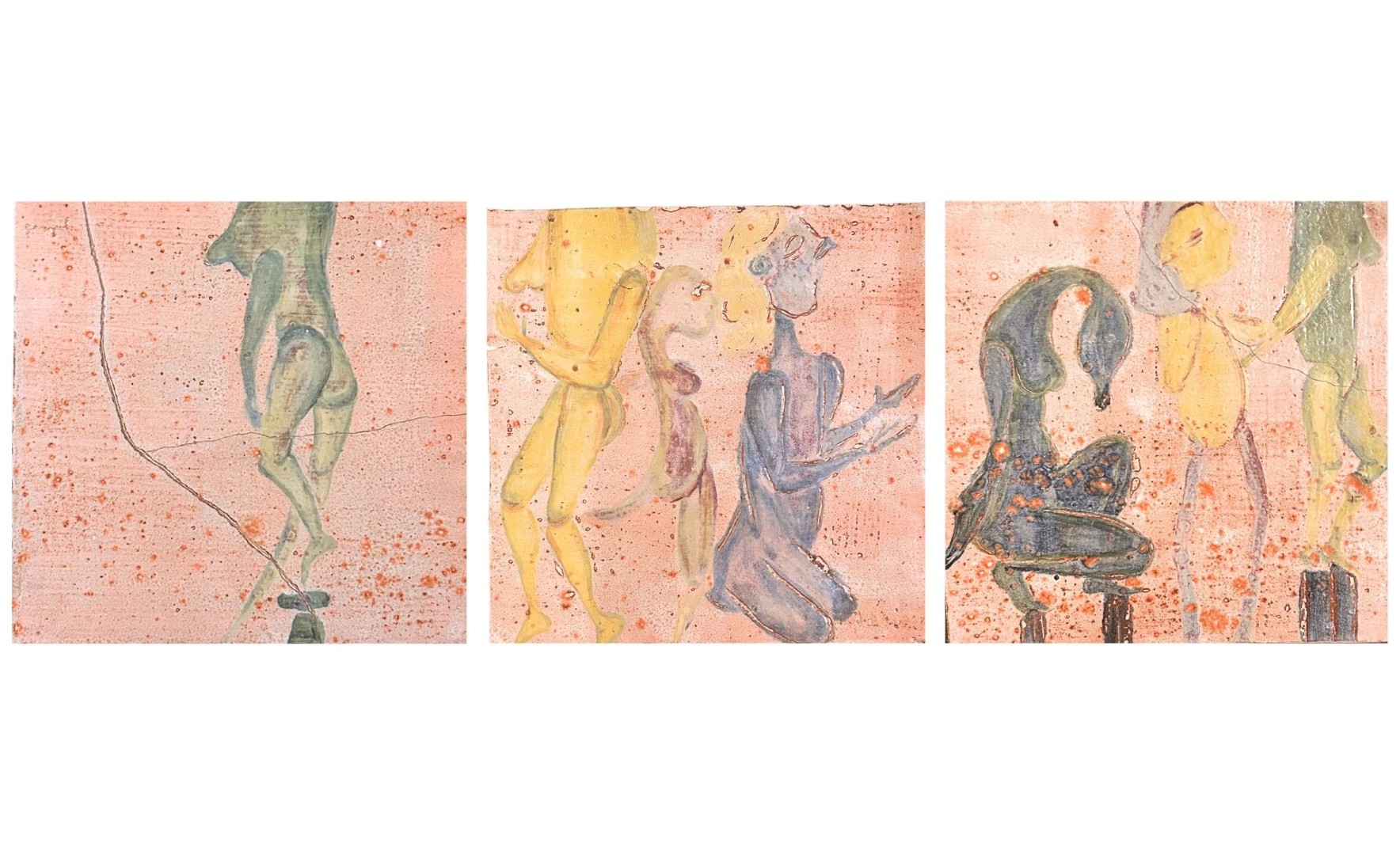
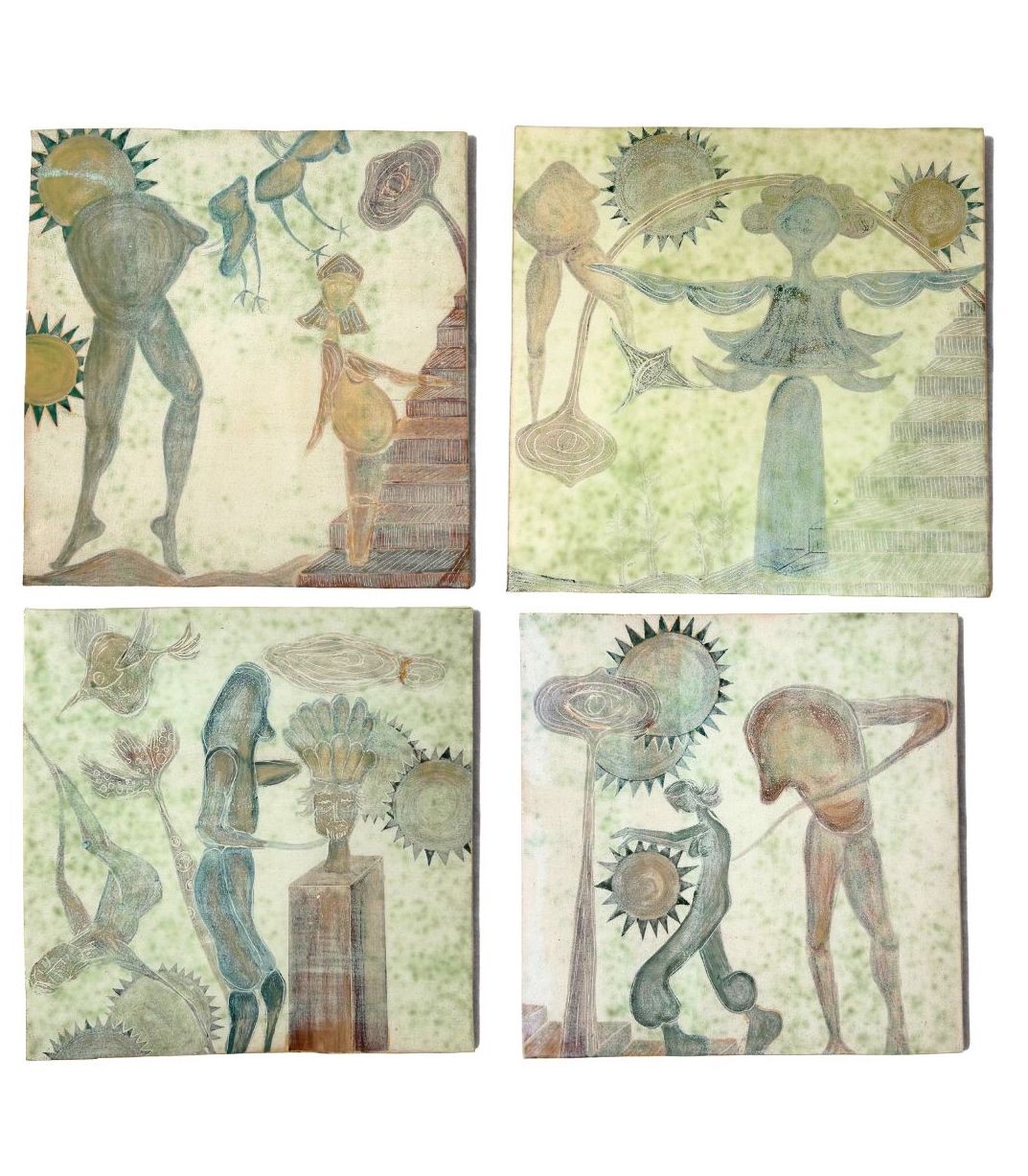
I first started working with ceramics in 2015. At the time, I was very taken by coffee cup readings and the quiet rituals these objects carry. Around the same period, I visited the Musée du Bardo in Algiers while it was empty; the absence of any artefacts made the building, covered with tiles on every surface, feel like one monumental artefact. These experiences propelled me toward ceramics. Clay felt like a material that could hold many forms and tell many different kinds of stories and so I began making my own coffee cups and tiles.
You explore the stories embedded in everyday objects. How do you choose which forms or shapes to work with?
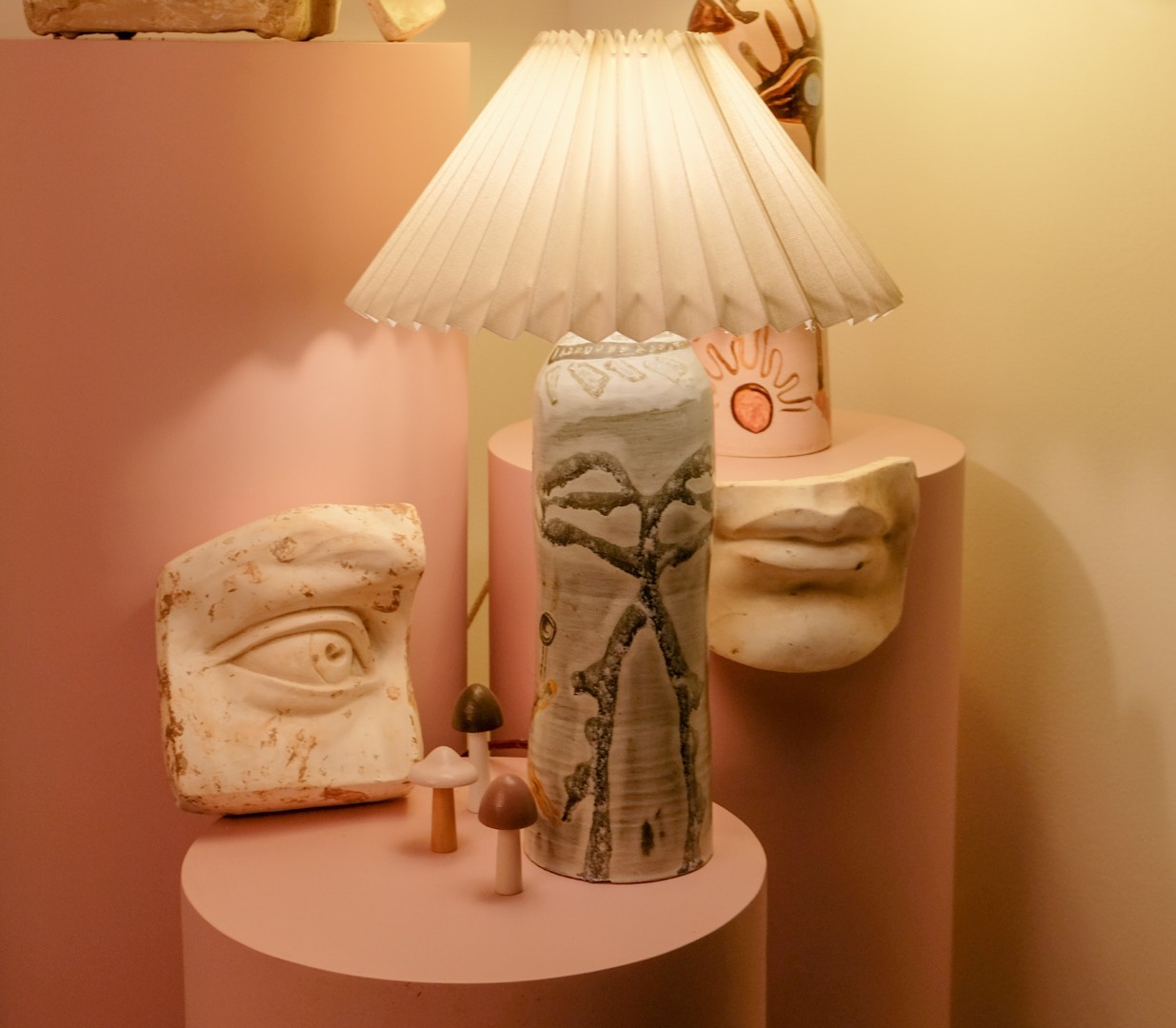
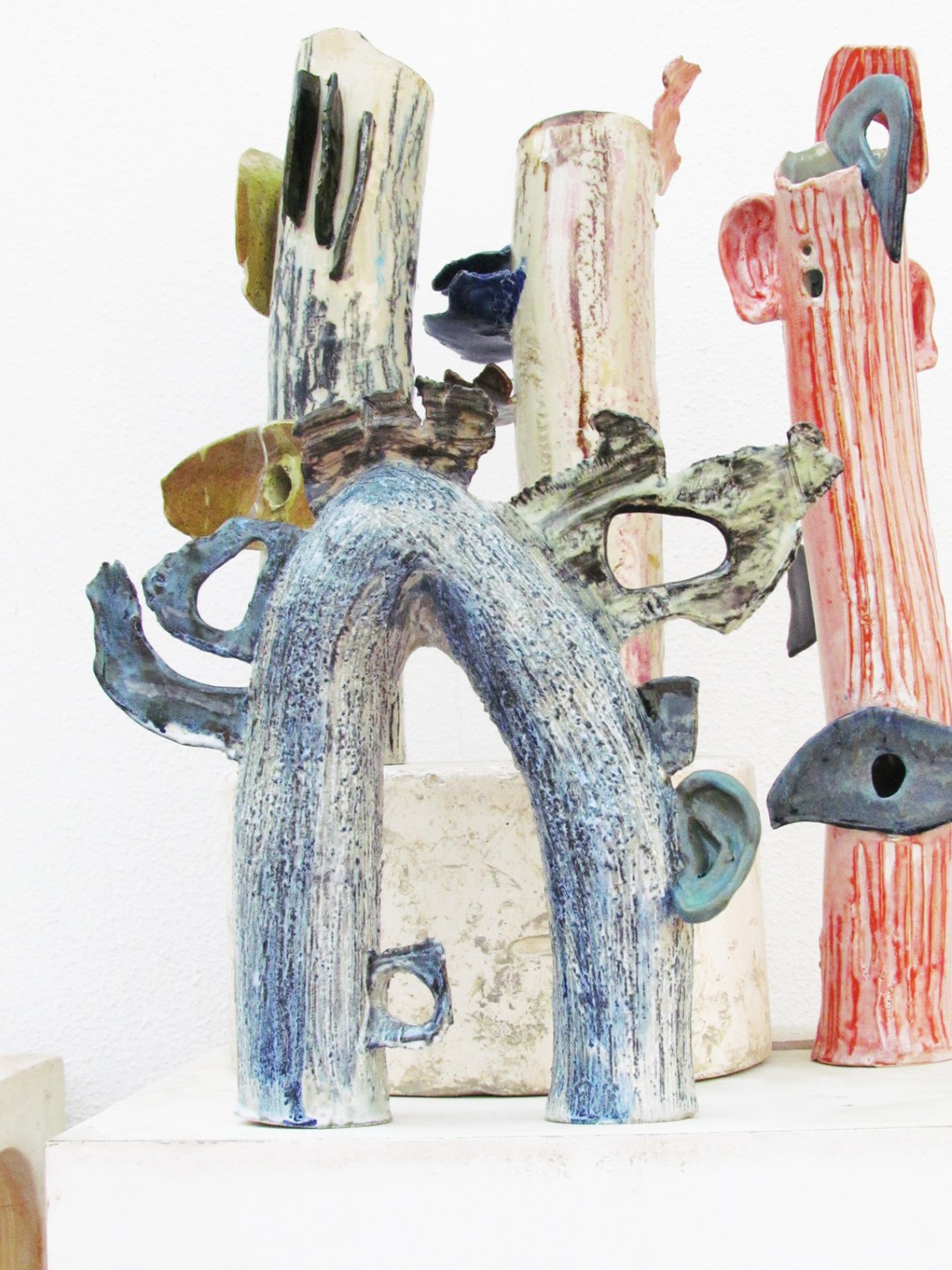
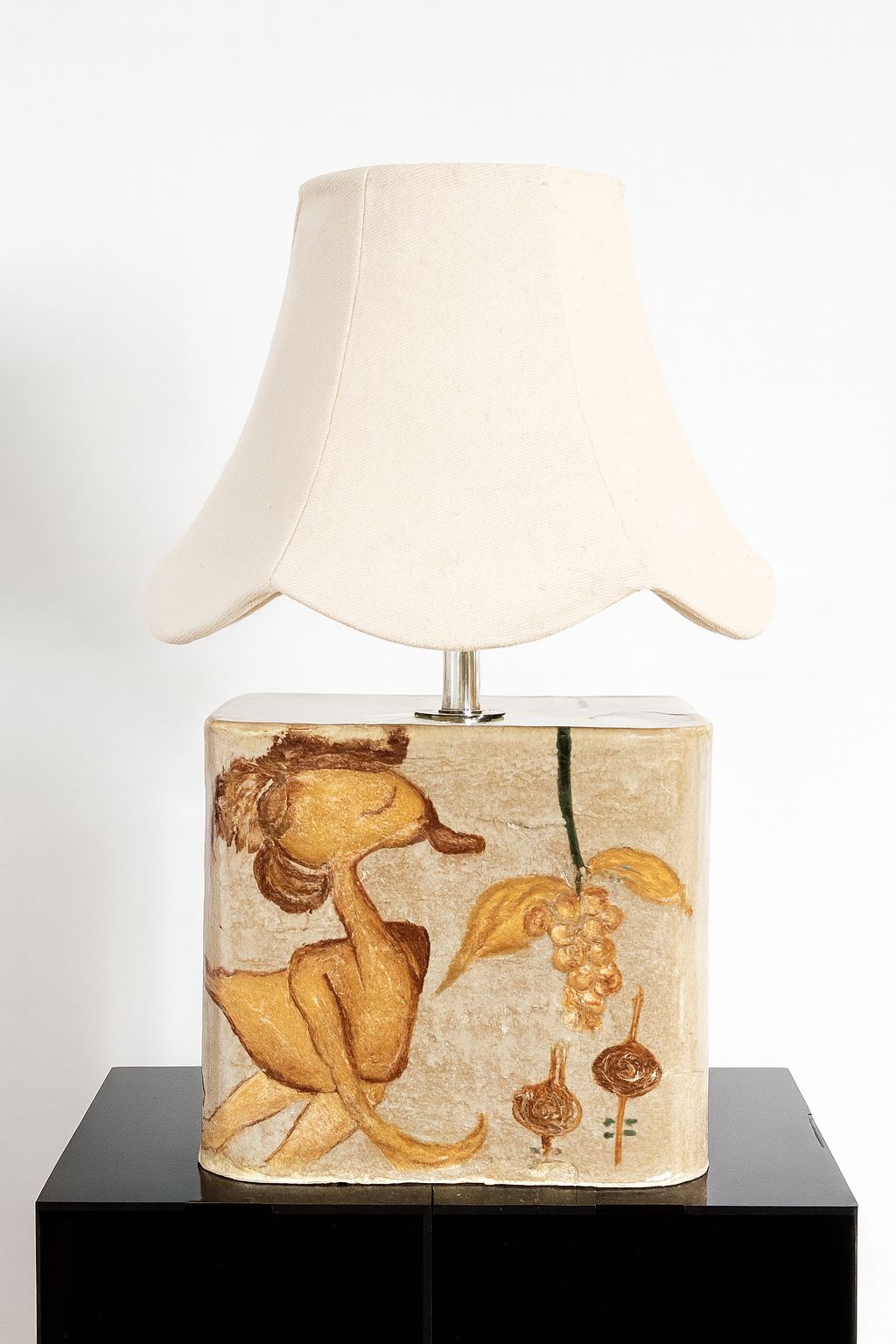
Working with everyday objects becomes a way to both reveal and amplify storytelling potential. The forms I work with are quite simple; I’m more interested in giving myself expansive surfaces but at times, there’s an architectural sensibility in these forms, echoing ideas of being lived in and moved through.
What is it about clay that allows you to express ideas or emotions?
I think it’s the process that keeps bringing me back. I experience the firing process as entirely alchemical, it requires trust and imagination. That uncertainty propels the work toward an improvisational and imaginative approach. The process itself aligns closely with my impulse to make imagery.
How do you decide what to reveal and what to leave open for interpretation in your work?
Fragmentation doesn’t obscure meaning for me, but a way to be honest about how experience and memory operate. I rarely begin with a complete narrative; instead, I work with fragments like images, symbols, and gestures that surface intuitively, often drawn from dreams, personal mythologies, or collective archetypes. The gaps are intentional, they function as thresholds, inviting projection, memory, and interpretation. And so in that sense, meaning isn’t delivered; it’s co-created.
How does reflection or imagination guide the worlds you create with clay?
I’m not sure this began consciously, but over time I found myself making a body of work that became a blueprint of my own psyche. References from my personal dreams expanded into a larger terrain for reflection and imagination, eventually forming a clear and legible language within my practice. This made me curious about what it means to create worlds that are open-ended and speculative, rather than conclusive or definitive.
Your work draws on archetypal imagery and universal themes. How do personal experiences intersect with these broader ideas in your pieces?
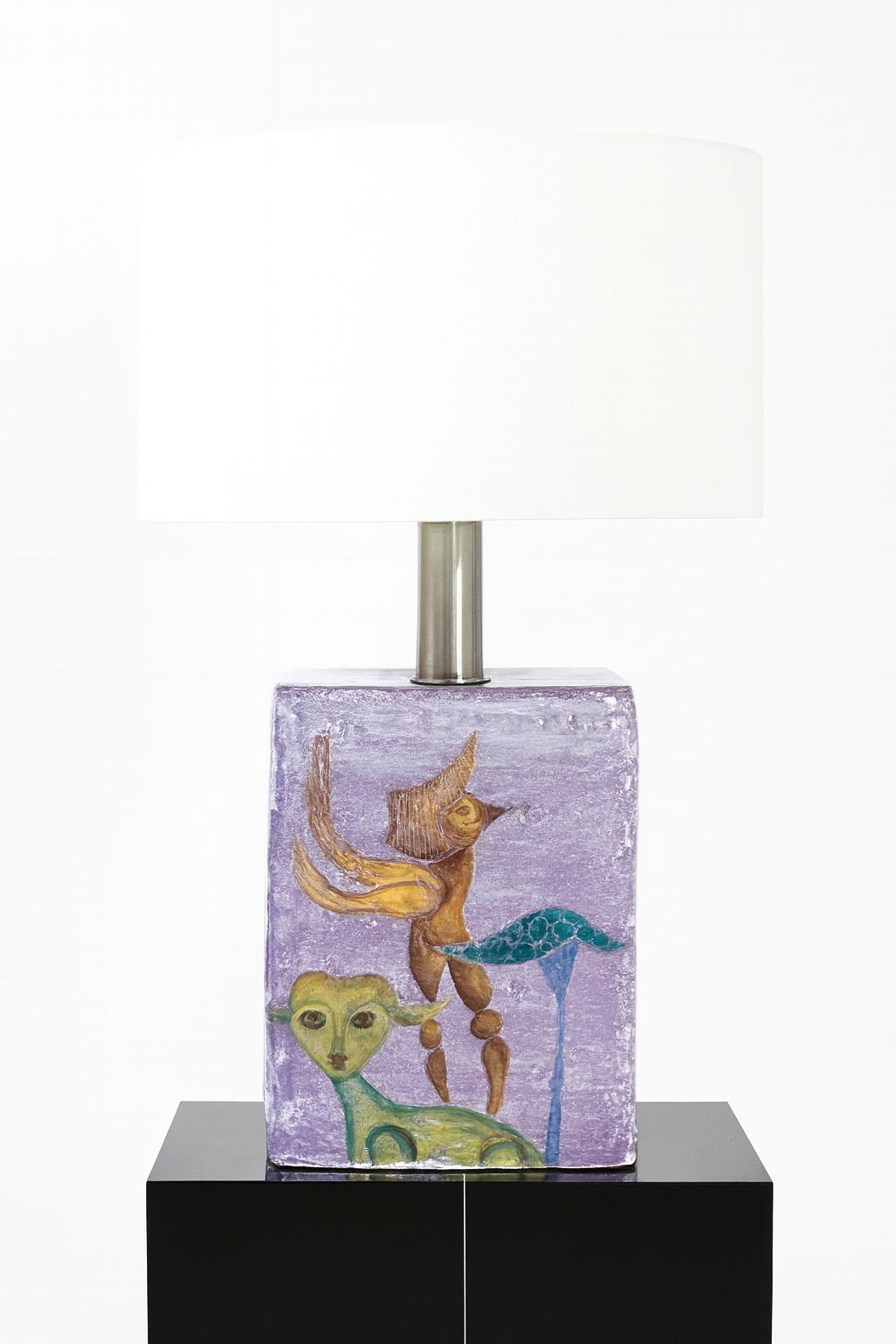
Personal experience is the point of departure. I begin with images that are intimate, drawn from dreams, memory, or imagery from books, but I’m less interested in autobiography than in what those experiences touch collectively. Archetypes offer a way to move from the specific to the shared, allowing private imagery to resonate beyond itself. Rather than illustrating universal themes directly, they emerge through repetition, distortion, and reappearance. As they circulate through the work, specificity is loosened to take on a more symbolic charge. In that way, the personal becomes a vessel to accessing broader ideas without fixing meaning.
For more stories of art and culture, visit our dedicated archives and follow us on Instagram.