
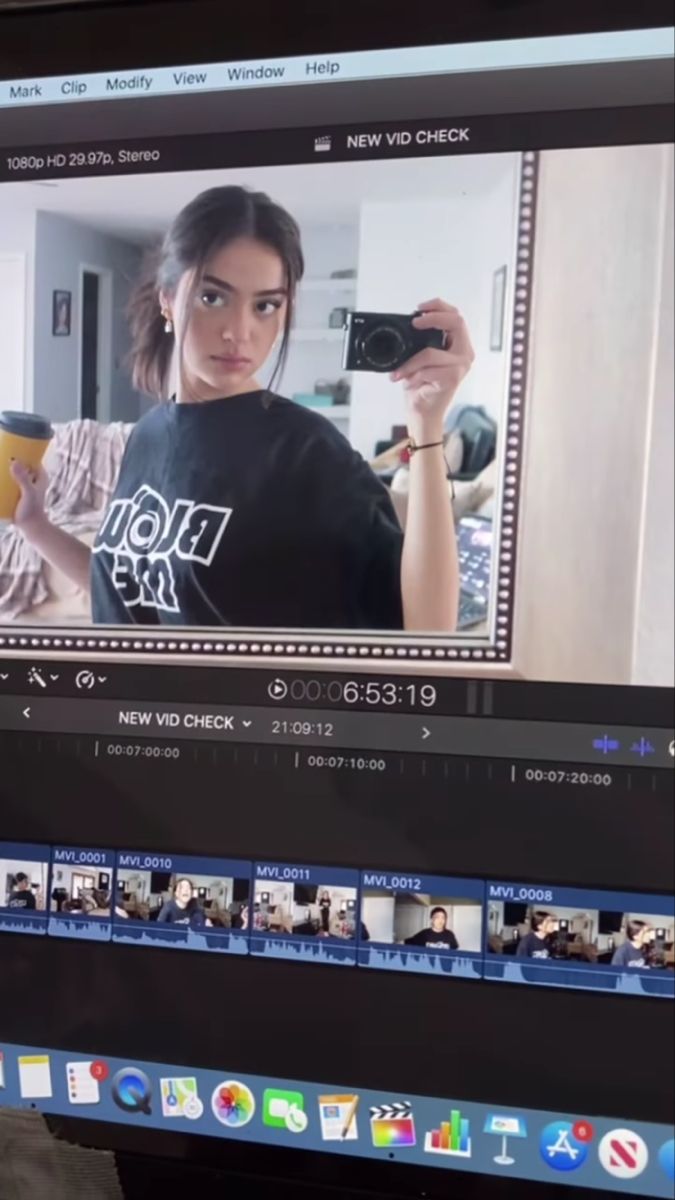
I find influencers annoying.
There. We can get that out of the way. I don’t particularly need to watch another person unbox seventeen PR packages, tell me that a moisturiser has “literally changed their life,” or film themselves walking through an airport on their way to a brand-funded holiday. Influencer culture can be excessive, consumerist, embarrassing and occasionally so detached from ordinary life that parody becomes almost impossible.
That being said, lately, I’ve started wondering when influencer started to become an insult. I’m not the only one. Earlier this summer, American TikTok creator Levi Coralynn posted a video arguing that “hating influencers has become a socially acceptable way to hate women.” The take travelled quickly, prompting the kind of online debate you’d expect: some agreed immediately, while others pointed to the very real reasons influencer culture has become so easy to resent, from overconsumption and undisclosed advertising to increasingly out-of-touch displays of wealth.
There are plenty of reasons to be critical of the influencer economy, but Coralynn’s argument raises a more interesting question than whether influencers are good or bad: when we say we hate influencers, who exactly are we imagining? There are many, many men whose careers depend on essentially the same formula. These are all, functionally, people who have built audiences around their taste, personality or expertise and then monetised the attention. But a man talking about restaurants might be called a food critic, while cars, watches, football or tech can earn you titles like reviewer, commentator or entrepreneur. Influencer, meanwhile, seems to carry a very different cultural image.
Say the word influencer and most people aren’t picturing a man reviewing cameras on YouTube. The word conjures a very particular person (and a bad taste in our mouths). People are picturing a young woman filming her skincare routine, posting her Pilates class, and photographing her matcha. She might have a podcast. She definitely receives PR. Before we know anything else about her, we have already decided she is probably a little bit stupid.
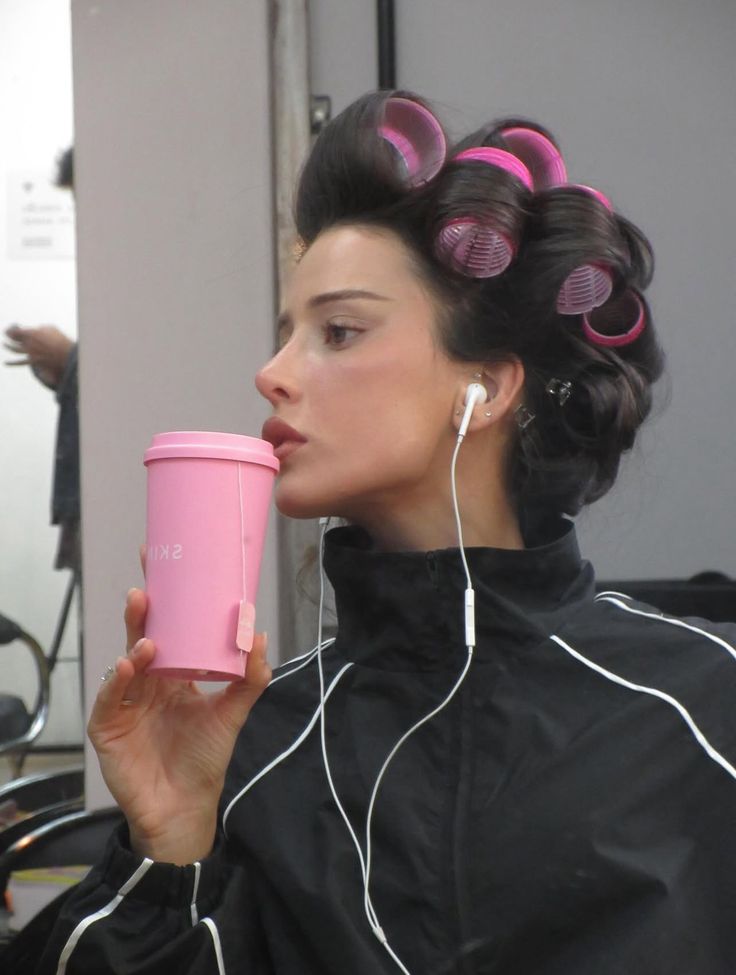
Quickly, swiftly, the word collapses an entire profession into a personality type. Part of that contempt is earned by the industry itself. Influencing is built around consumption, and at its worst, it can turn human beings into permanently operating billboards. There are only so many “you guys have been asking” product links, enormous PR unboxings and suspiciously life-changing serums a person can watch before becoming cynical. The criticism isn’t imaginary, but neither is the gender of the person we picture when we make it.
Culturally, we have a very long history of treating the things young women enjoy as evidence of their intellectual inferiority. The objects change, but the takeaway is the same. Boy bands were stupid. Romance novels were stupid. Reality television was stupid. Fashion magazines were stupid. Makeup tutorials were stupid. Selfies were narcissistic. Caring about clothes was shallow. Following up with celebrities was embarrassing.
Meanwhile, entire male-dominated economies have been built around equally unnecessary pleasures without carrying quite the same cultural shame. A £10,000 watch can become craftsmanship. A room full of sneakers becomes collecting. Knowing the specifications of every sports car is expertise. Spending an entire Sunday analysing eleven men kicking a ball around is practically a cultural institution. Knowing the difference between twenty foundations, on the other hand? God forbid.
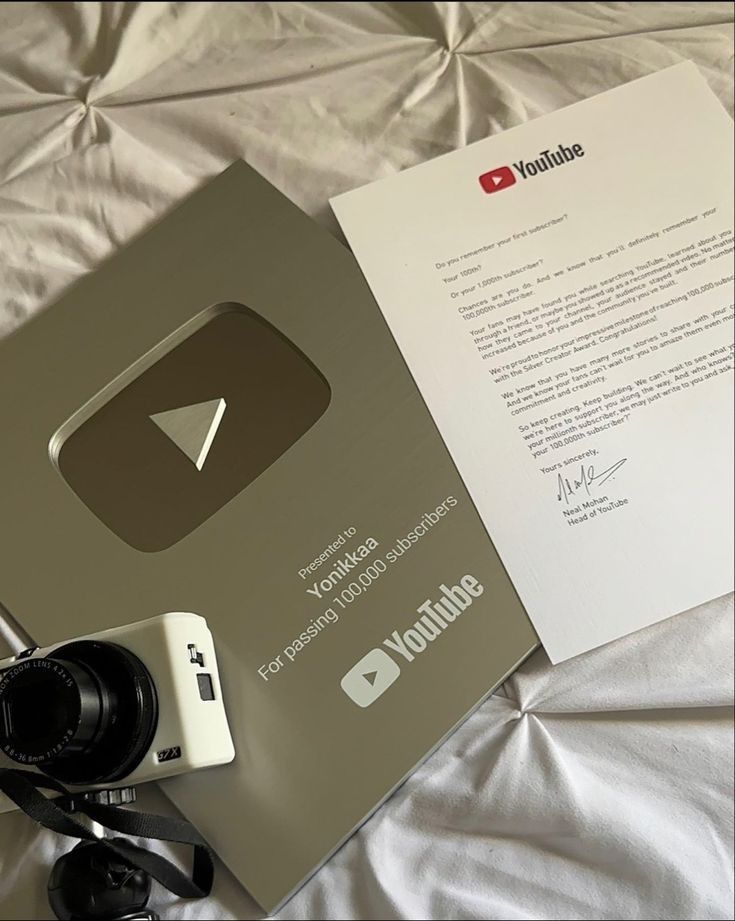
The problem has never really been frivolity, rather, it is whose frivolity we are willing to take seriously. Influencers complicate that old hierarchy even further because, for once, women aren’t merely consuming the supposedly silly things. They’re profiting from them.
Beauty, fashion, desirability, domesticity, taste, social life: women have spent generations being told to cultivate these things while simultaneously being told they don’t constitute anything meaningful. Be beautiful, but beauty is superficial. Dress well, but fashion is frivolous. Have good taste, but don’t be vain. Be desirable, but don’t enjoy being looked at.
Then social media arrived and a generation of women effectively said: Fine. If I’m expected to perform all of this anyway, I might as well invoice someone for it. Apparently, that was even more annoying. This then perhaps raises the most persistent accusation levelled at influencers: it isn’t a real job.
It’s an interesting criticism because it exists alongside another one entirely. Influencers are simultaneously accused of doing nothing and of making everything they do calculated. The coffee, the holiday, the relationship, the outfit; all of it is content. We are supposed to believe that none of this constitutes work while also believing that every second of it has been meticulously engineered for profit.
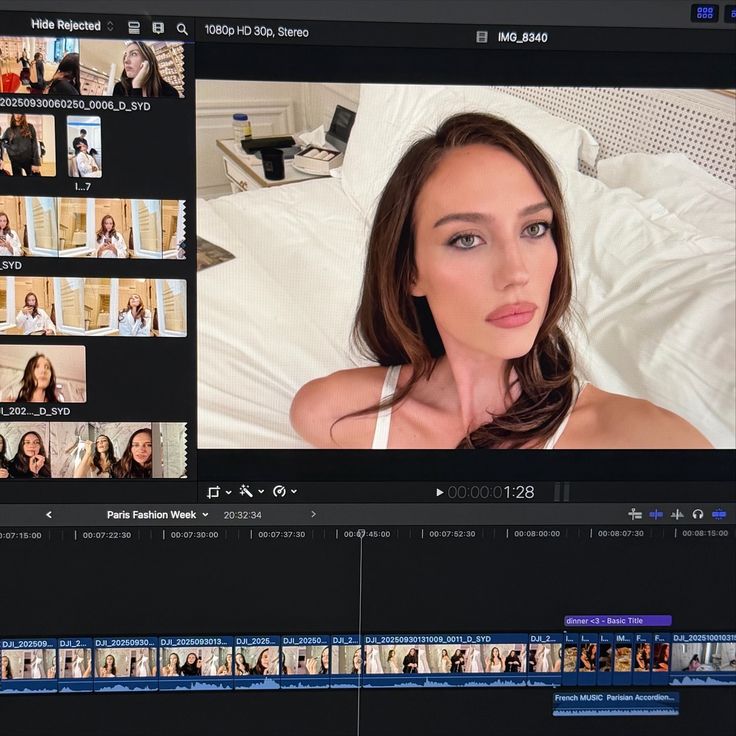
Of course, influencing is not difficult in the way that many jobs are difficult. There is no reason to romanticise it into something it isn’t. Receiving free clothes and filming a skincare routine from your bedroom is not comparable to working a twelve-hour hospital shift. But “not the hardest job in the world” and “not a job” are two entirely different things.
Behind the thirty-second video is an industry most viewers aren’t supposed to see. There are contracts, briefs, negotiations, invoices, analytics, usage rights, deadlines, revisions, editing, pitching and the constant maintenance of an audience whose attention is quite literally the product being sold. The most successful influencers have effectively built small media companies around themselves, except the talent, creative director, salesperson, distribution channel and product can all be the same person.
Traditional creative industries come with infrastructure that makes their labour legible. An advertisement has an agency, a television presenter has a network, a fashion shoot has a whole team behind it. We understand these things as industries because we can see the machinery surrounding them. Influencing collapsed much of that machinery into a woman holding an iPhone.
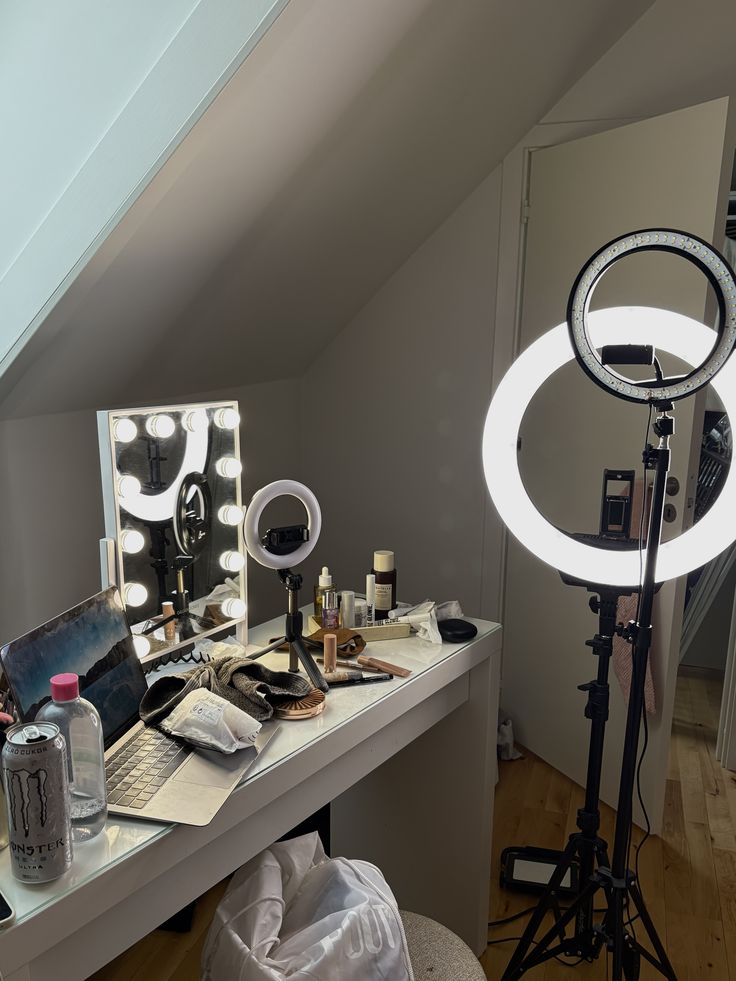
When the final product looks like someone getting dressed, making breakfast or talking to the camera from bed, the labour disappears into the performance of everyday life. The better she is at making it look effortless, the easier it becomes to assume no effort went into it at all.
Things get even more interesting once influencing starts paying well. At that point, no one can really argue that she’s doing nothing, so the complaint becomes how much she’s earning for doing it. Now, she’s being paid too much for doing it.
Once an influencer starts making serious money, everything she buys suddenly feels up for public debate, from the designer bag to the new house to the brand-funded holiday. It all invites an investigation into whether she really “deserves” it. Her income is discussed in relation to how little we believe she contributes, as though wealth has historically been distributed according to social usefulness.
It is strange that someone can earn thousands for a sponsored post while people performing essential work earn a fraction of it. However, that’s less an indictment of one woman with a ring light than of an economic system that has always rewarded attention disproportionately. The influencer didn’t invent that system. She just became unusually good at making it pay her.
For more takes on contemporary culture, visit our dedicated archives and follow us on Instagram.