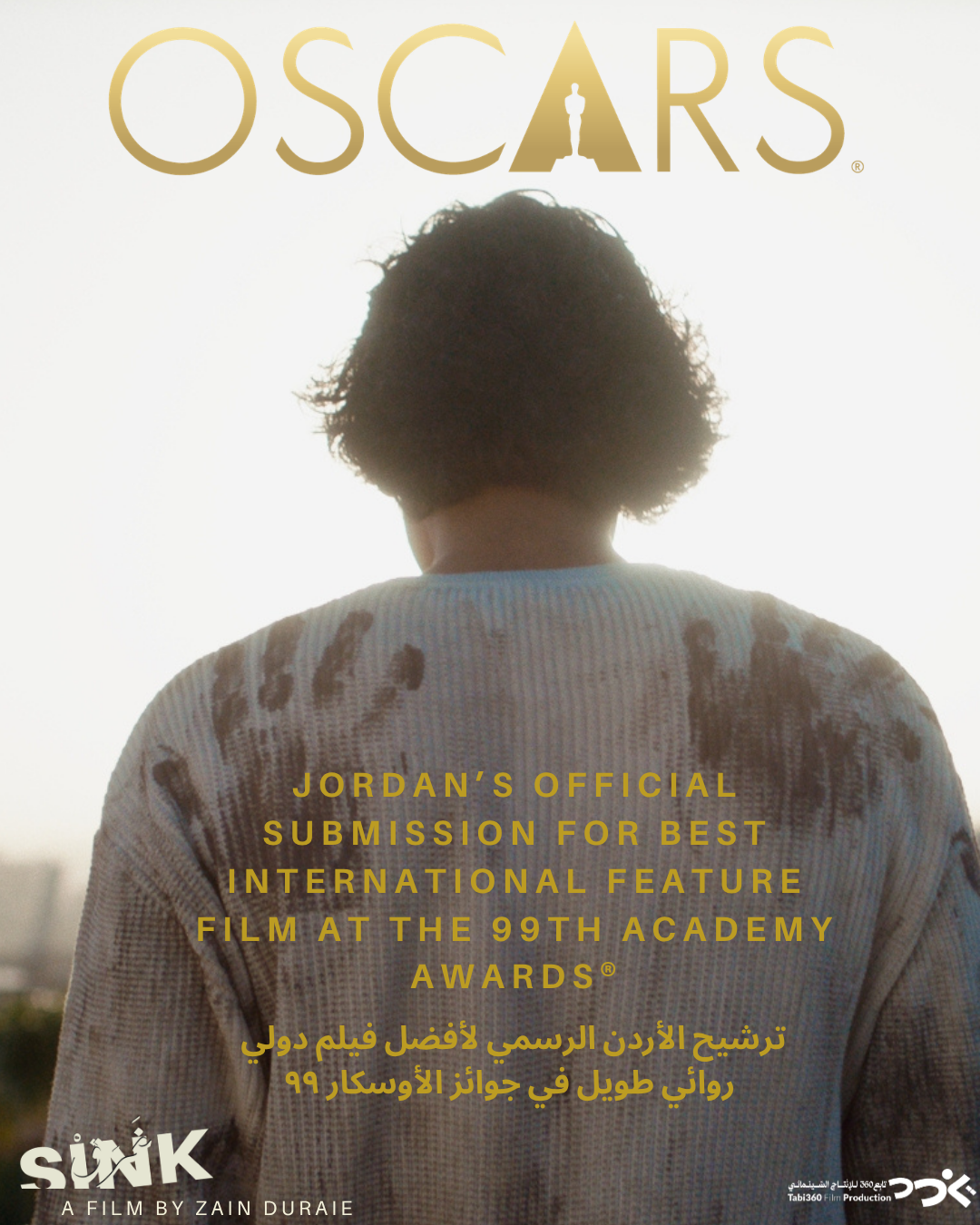
There are things families talk about, and there are things they learn to live around. The silence can become its own presence, filling rooms, shaping relationships and quietly altering the way people see one another. It is inside that uneasy space that Jordanian writer-director Zain Duraie places SINK, her debut feature and perhaps her most personal work yet.
At its centre are Nadia and her son Basil, bound together by a love so unconditional that it gradually begins to distort what Nadia is willing, or able, to see. Rather than approaching mental illness through diagnosis, explanation or a conventional portrait of a person experiencing it, Duraie turns her gaze towards denial.
“I wanted to explore a new psychological lens through this mother’s journey as she sinks with her son into this dark pit, this huge pit of denial,” she says.
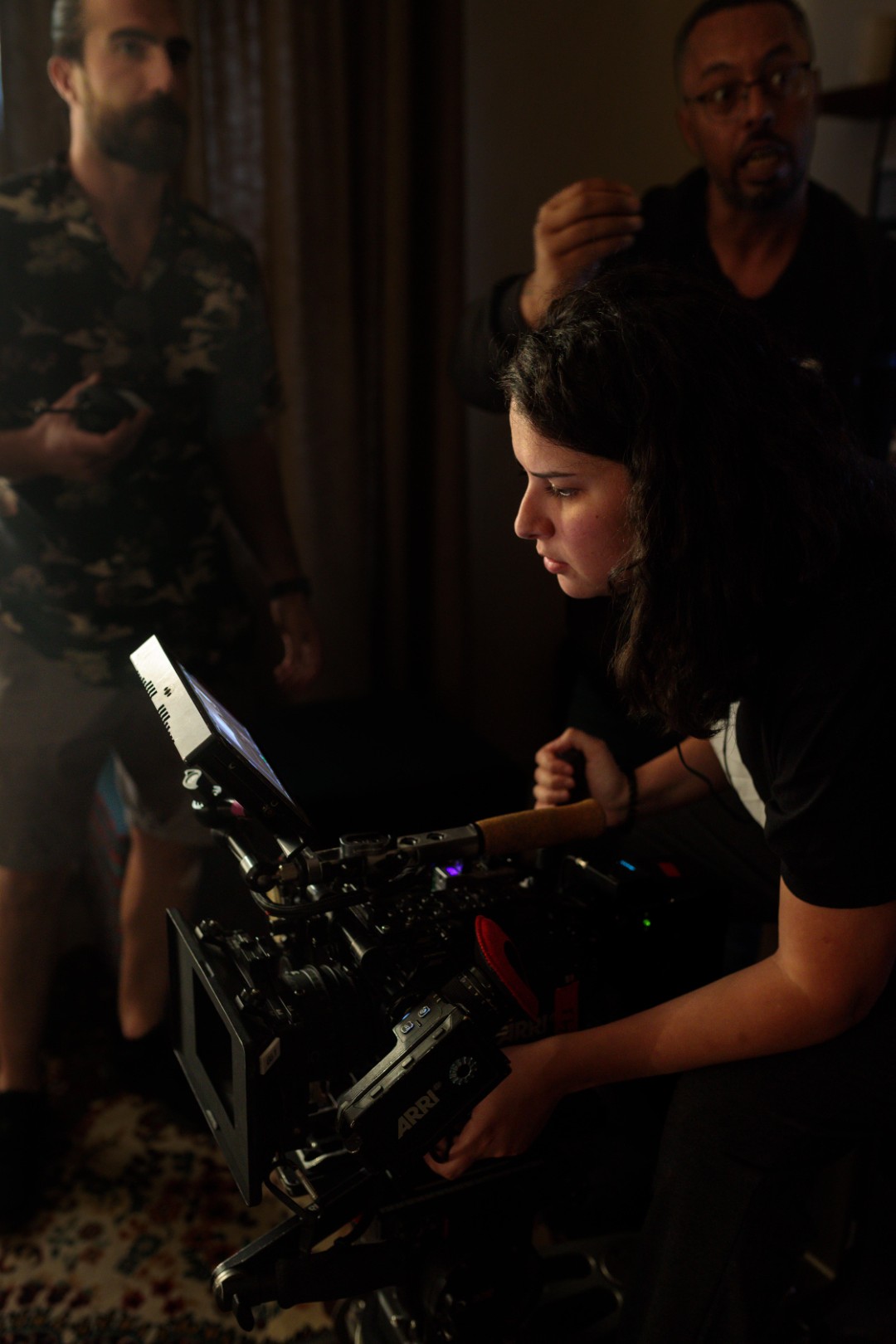
For Duraie, that denial is not simply a narrative device. It is culturally familiar, emotionally complicated and almost impossible to physically represent. That challenge became part of the attraction.
“Denial exists strongly in our cultures, and it is clearly very universal too,” she explains. “I wanted to mainly explore denial simply because it’s something invisible. It’s a feeling. You cannot see it, but you can feel it.”
SINK has been living with Duraie for far longer than its festival journey might suggest. The subject had always been part of her existence, but it was only after completing her acclaimed short Give Up the Ghost that she felt ready to return to an older draft and seriously confront the story.
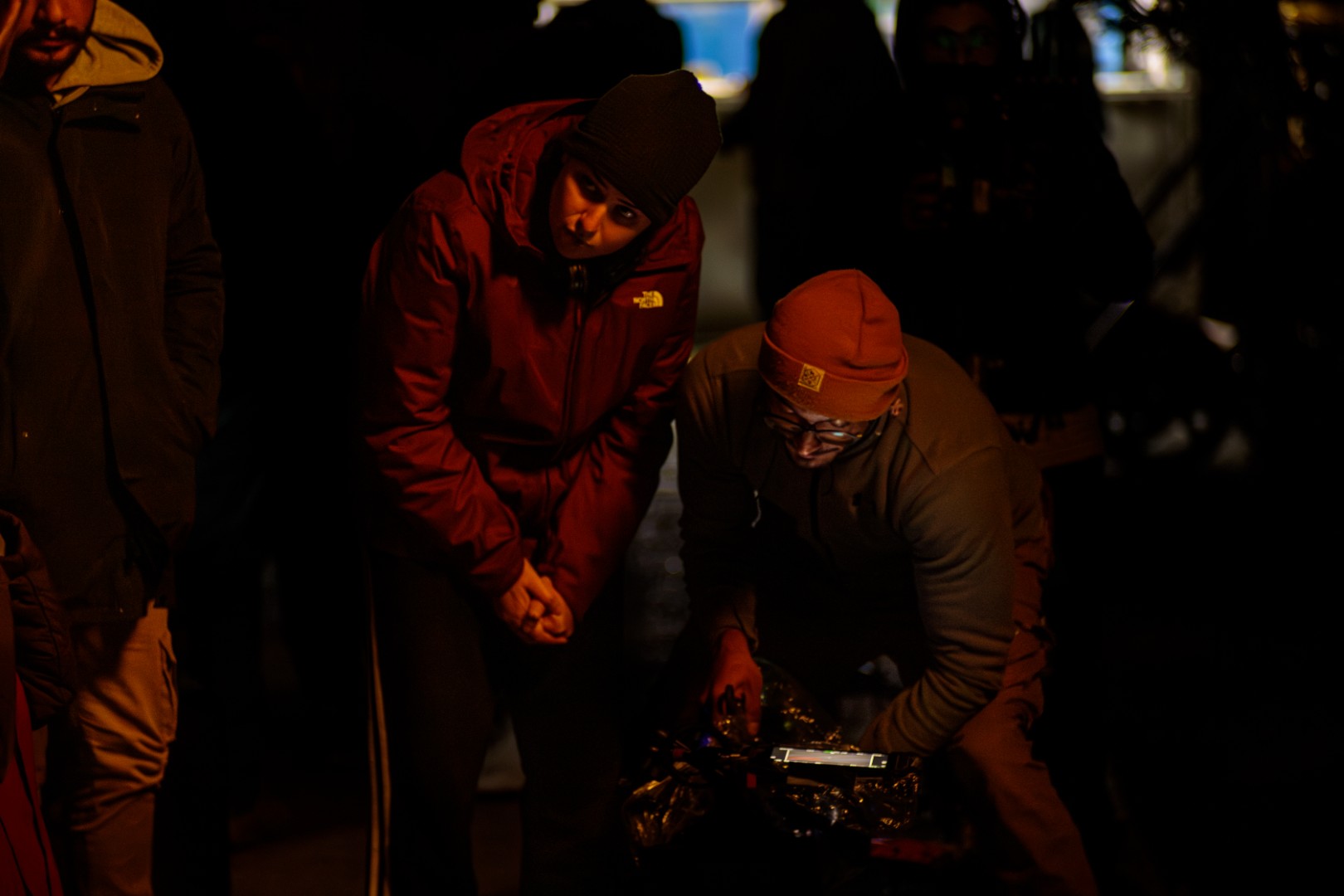
The earlier film premiered in the Orizzonti Shorts Competition at Venice Film Festival in 2019 and went on to win Best Arab Short at El Gouna Film Festival. Duraie was later selected for Berlinale Talents in 2024 and named one of Screen International’s Arab Stars of Tomorrow. SINK would become the project through which years of preparation, instinct and personal experience converged.
“It took a few years of my life,” she says simply.
The title itself suggests descent. But there is no single person falling. “Literally everyone, the whole family,” Duraie says. The emotional centre, however, remains Nadia and Basil. Nadia’s love does not save her from making mistakes. In some ways, it contributes to them.
Duraie was adamant that the mother should never become an uncomplicated heroine.
“I never wrote her as a heroic mother, because she is not the ideal hero you would expect,” she says. “I wrote three-dimensional characters who are flawed, just like we are as humans in real life. We make mistakes and we fail.”
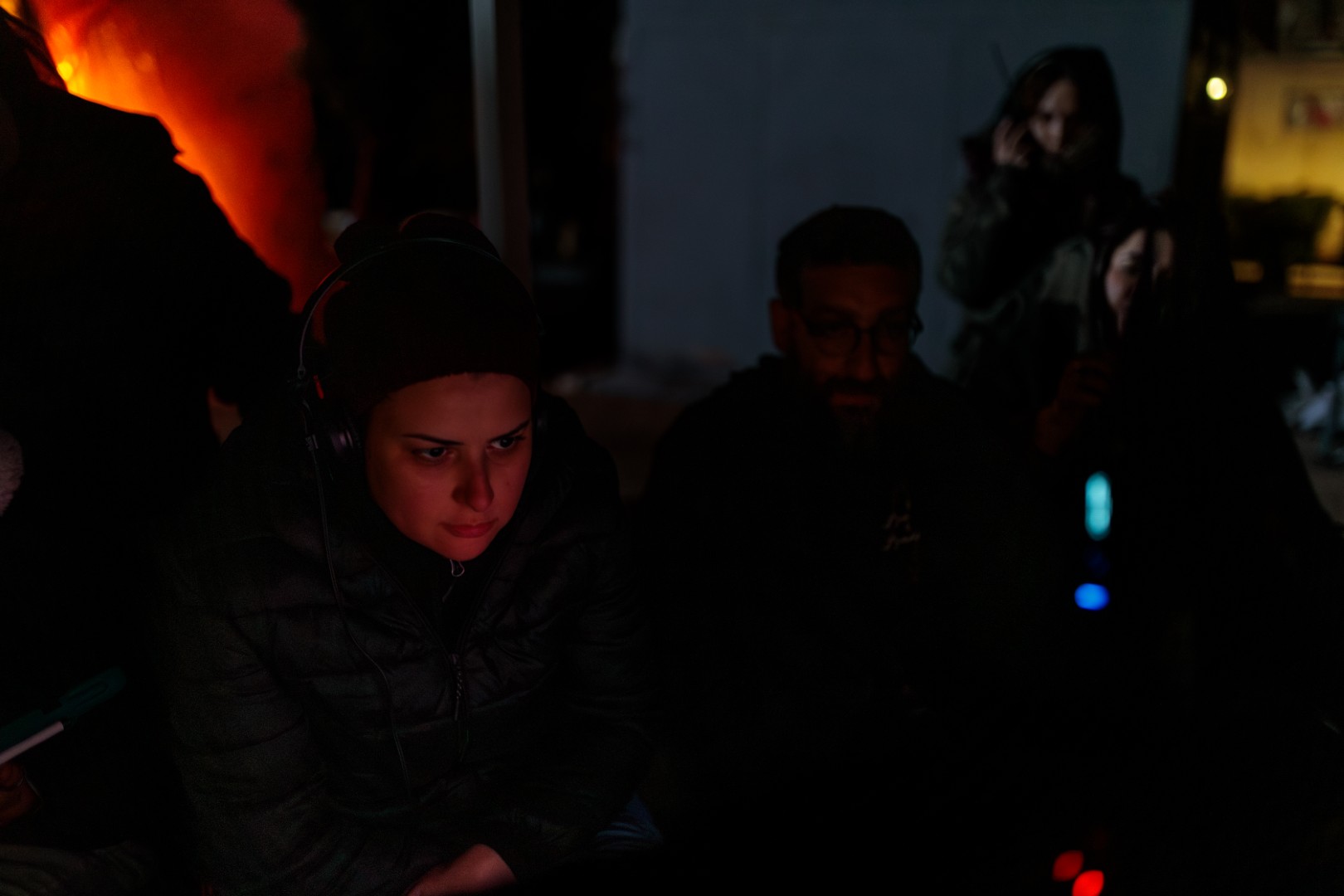
That refusal to romanticise Nadia gives SINK much of its emotional force. She is neither villain nor saviour, but a mother without the tools to understand what is unfolding inside her own home. Her denial is frustrating precisely because Duraie allows the audience to recognise the love beneath it.
“No mother is ever prepared for something like this,” she says. “The mother is never romanticised, but she is very real and human.”
That humanity extends into the film’s visual language. Duraie wanted the family home to operate as more than a setting. It becomes a psychological extension of its inhabitants, a space that appears to contract as the emotional pressure increases.
The characters are often held within constrained frames, with little physical or emotional room to escape. The camera stays close, sometimes almost intrusively so, forcing the audience into the discomfort rather than allowing them to observe safely from a distance.
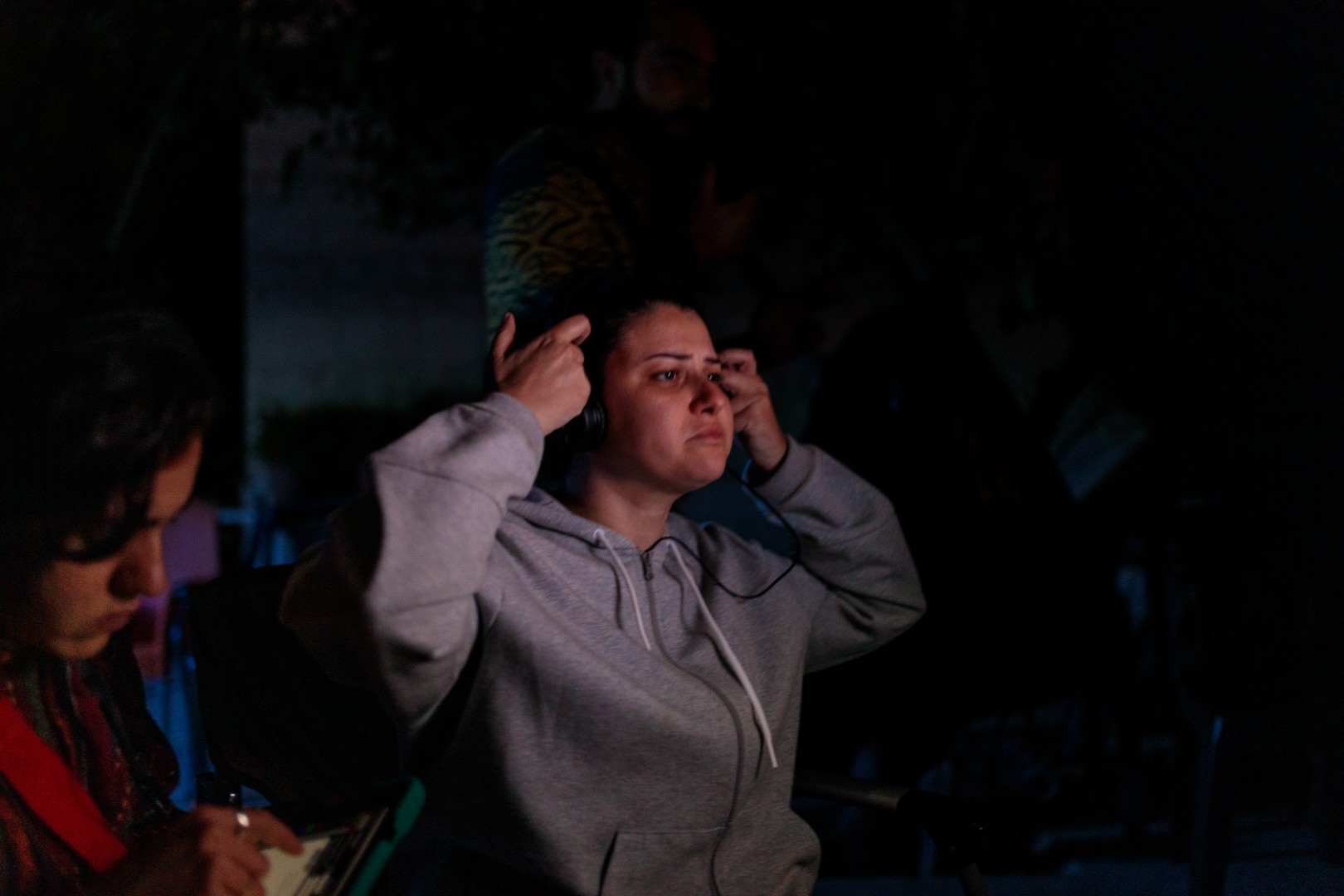
“I wanted the house to feel like an extension of the family’s psychological state,” Duraie explains. “I wanted the camera to feel like another character in the film, present, observing and sometimes almost intruding on the family’s private space.”
Much of that intimacy depends on Clara Khoury and Mohammad Nizar, who carry the complex relationship between mother and son. Duraie worked particularly closely with Nizar, rehearsing with him for three years and providing books and research connected to the illness his character embodies.
The performances also pushed the filmmaker to reconsider parts of the characters she had written.
“Actors always want logic,” she says. Yet SINK operates in a world where love, fear and denial repeatedly disrupt rational behaviour. Nadia does not necessarily act logically because, as Duraie points out, she is acting from love while being pulled deeper into her son’s psychological reality.
The specificity of that relationship has proven unexpectedly universal.
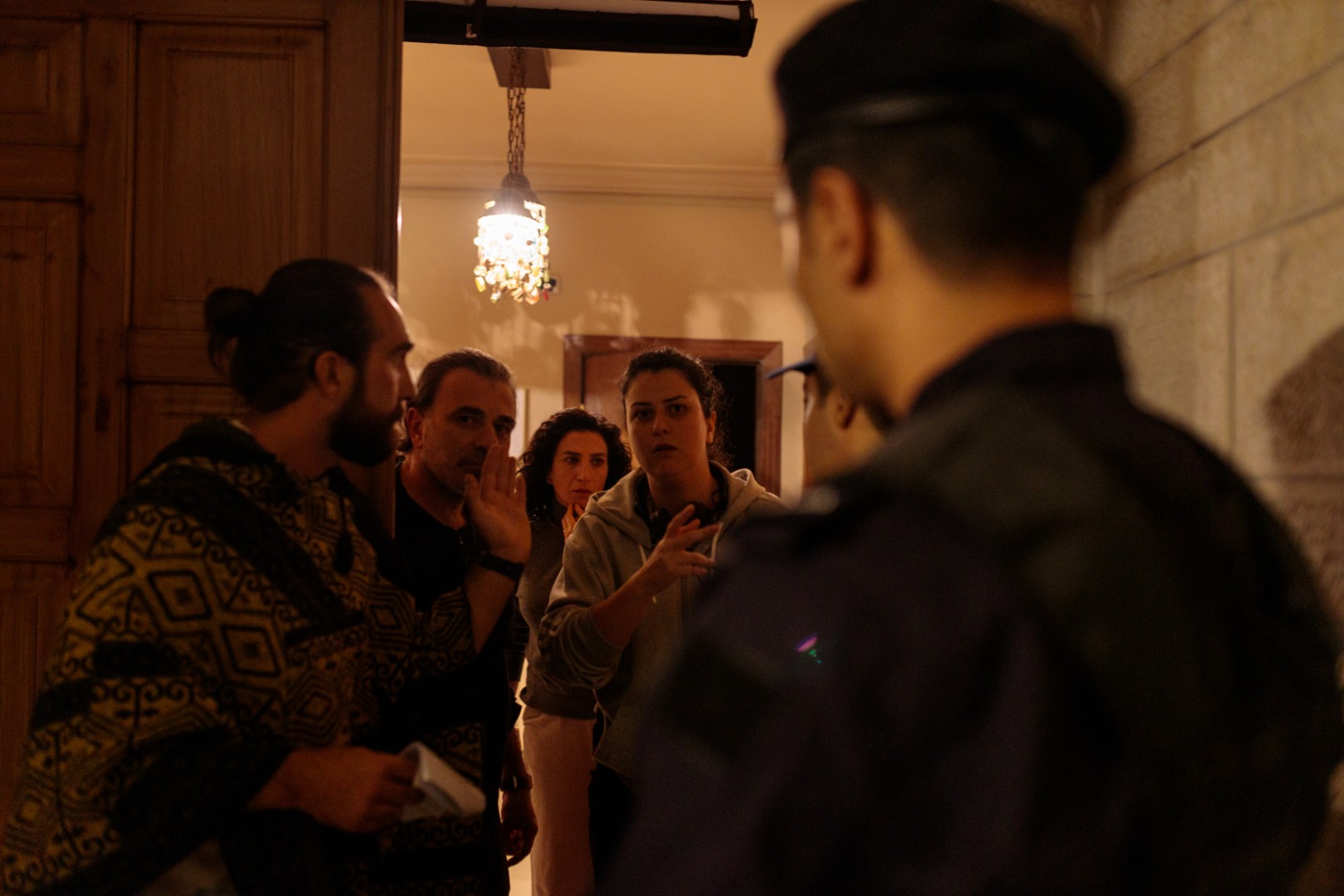
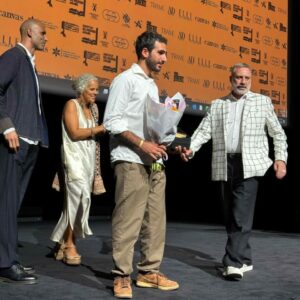
After premiering in the Discovery section of the Toronto International Film Festival in 2025, SINK travelled to the BFI London Film Festival, Red Sea International Film Festival, Carthage, Shanghai, Sarajevo and Mannheim-Heidelberg, among others. It received the Ecumenical Jury Award at Mannheim-Heidelberg and the Bronze Tanit at Carthage.
What surprised Duraie most was not that international audiences understood the story, but how deeply they recognised themselves within it.
“It was remarkable how people saw themselves in this film, from all kinds of ages and different generations,” she says.
That reaction speaks directly to another creative choice. Duraie had no interest in translating Jordan for an international gaze or turning one family into a representation of an entire country.
“I never wanted to make a film that explained Jordan or tried to represent an entire society,” she says. “I was interested in telling a very specific, intimate story and allowing the audience to find the human experience within it.”
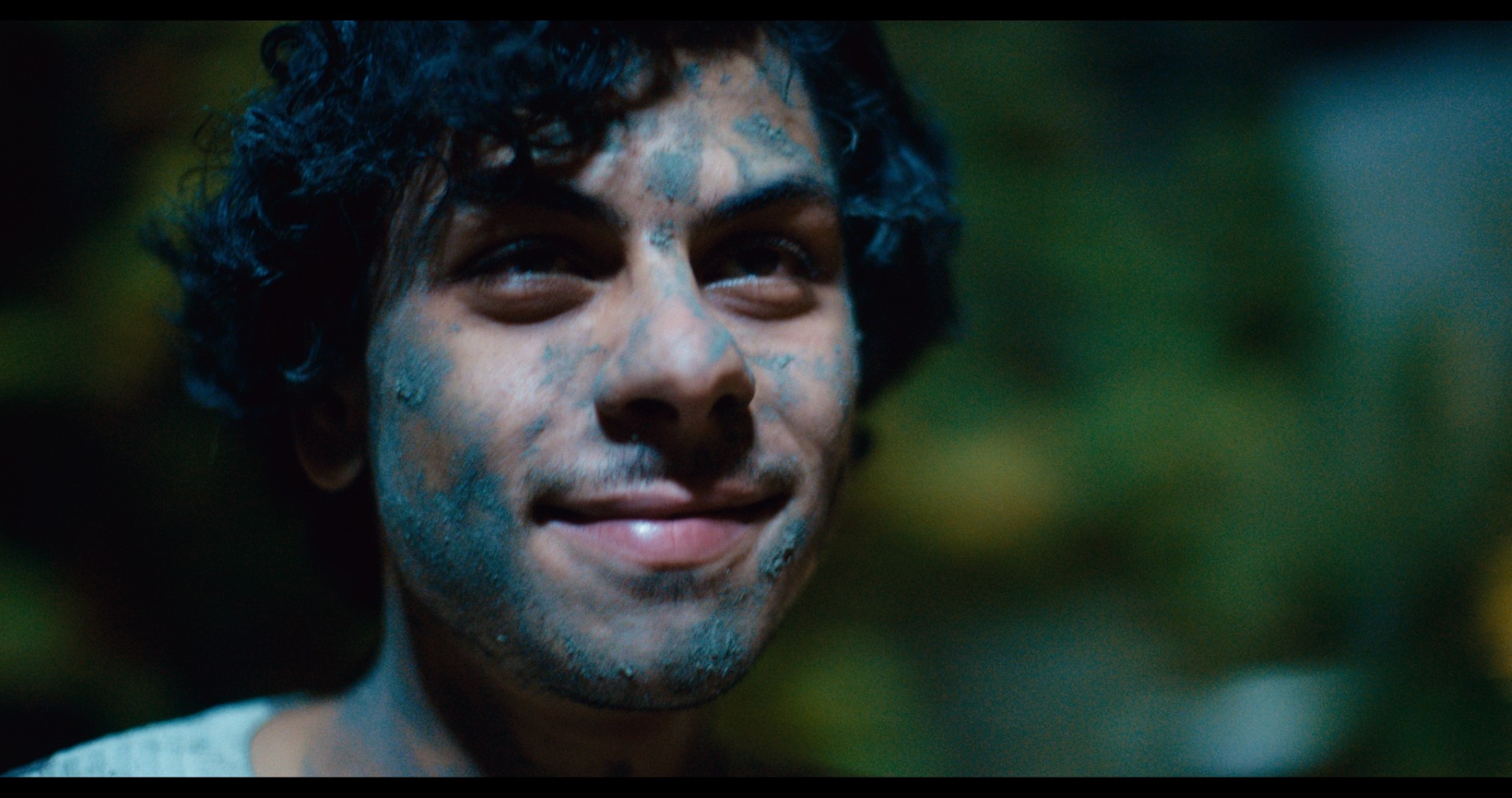
Jordan remains present because it is where Duraie comes from and where her characters exist. It does not need to be repeatedly announced or explained. “For me, the film is ultimately about people, family, love, fear and the things we don’t know how to say to each other,” she says. “Those things don’t belong to one country.”
That conviction feels particularly important now. In September 2026, SINK was selected as Jordan’s official submission for the International Feature Film category at the 99th Academy Awards, taking a film born from an intensely private place into one of cinema’s most visible international conversations.
Duraie says the recognition has changed the context surrounding the film more than it has changed the film’s meaning for her.
“It will always be a very personal film that I love and am so proud of,” she says. “When I watch it, I see myself in it, and it reminds me of my core values and what I want to do as a filmmaker.”
Perhaps that is ultimately what makes SINK resonate. Beneath the language of mental health, cultural stigma and familial pressure is something quieter and far more universal: the frightening possibility that love does not always give us clarity.
Sometimes, it can make us hold on even harder to what we desperately want to believe.
And sometimes, by the time we recognise that we are sinking, we are already underwater.
For more stories of art and culture from across the region, visit our dedicated archives and follow us on Instagram.