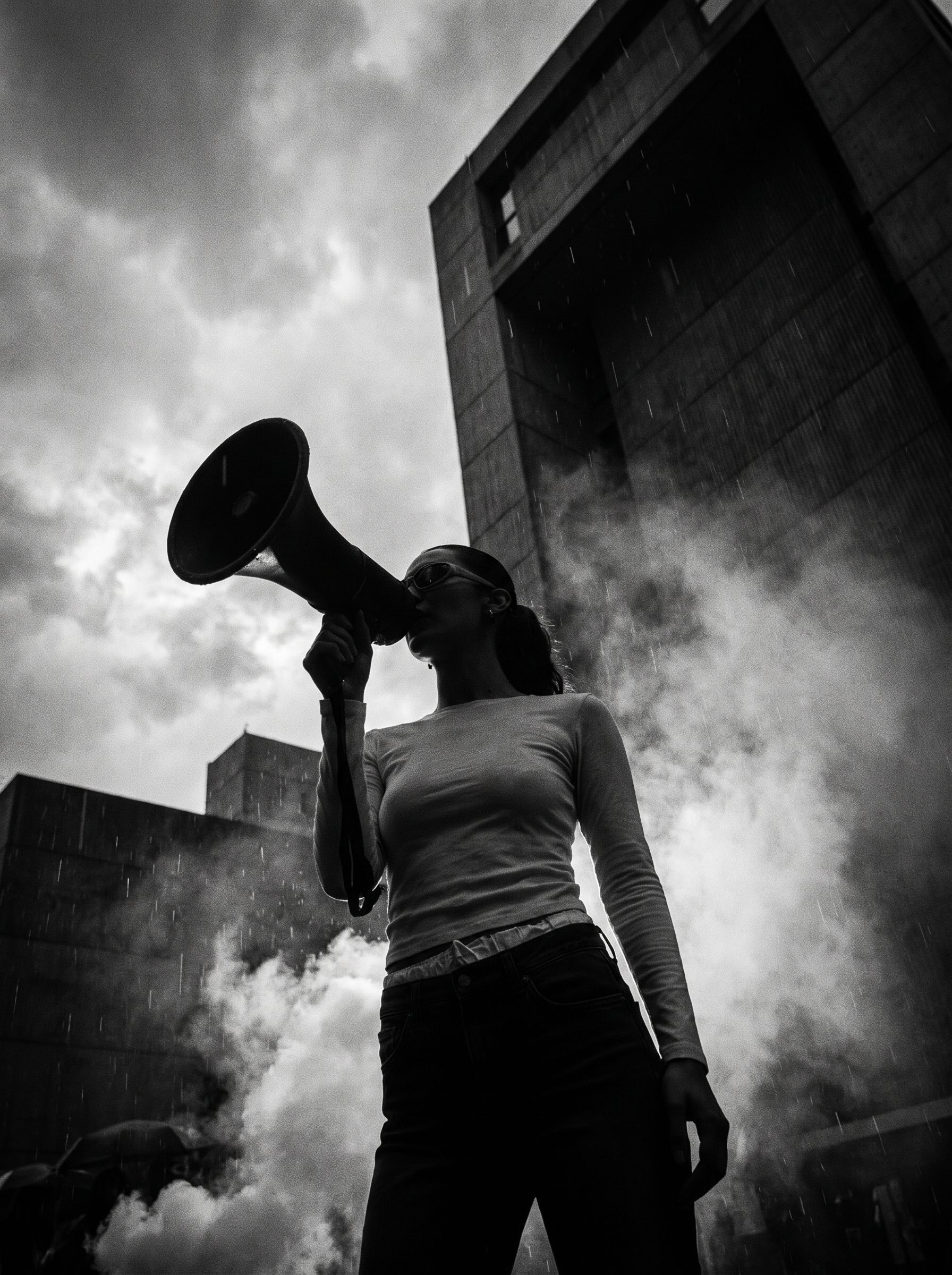
Gen Z has spent much of its political life online, and has rarely been taken entirely seriously for it. Instagram infographics, TikTok explainers, political memes and the occasional profile-picture campaign were treated as proof of a generation more comfortable signalling its politics than doing much about them. Eventually, we came up with names for that perceived lack of substance: slacktivism, clicktivism, performative activism.
However, the distinction between what happens online and what happens in the real world is becoming difficult to maintain. Look at France. In September, students at a high school in Créteil, just outside Paris, walked out over teacher shortages and deteriorating conditions at their school. It could have remained a local dispute. Instead, within ten days, similar protests were appearing across the country. By October 1, more than 1,000 French high schools — nearly a quarter of the national total — had been affected by strikes or demonstrations, with university students beginning to join them.
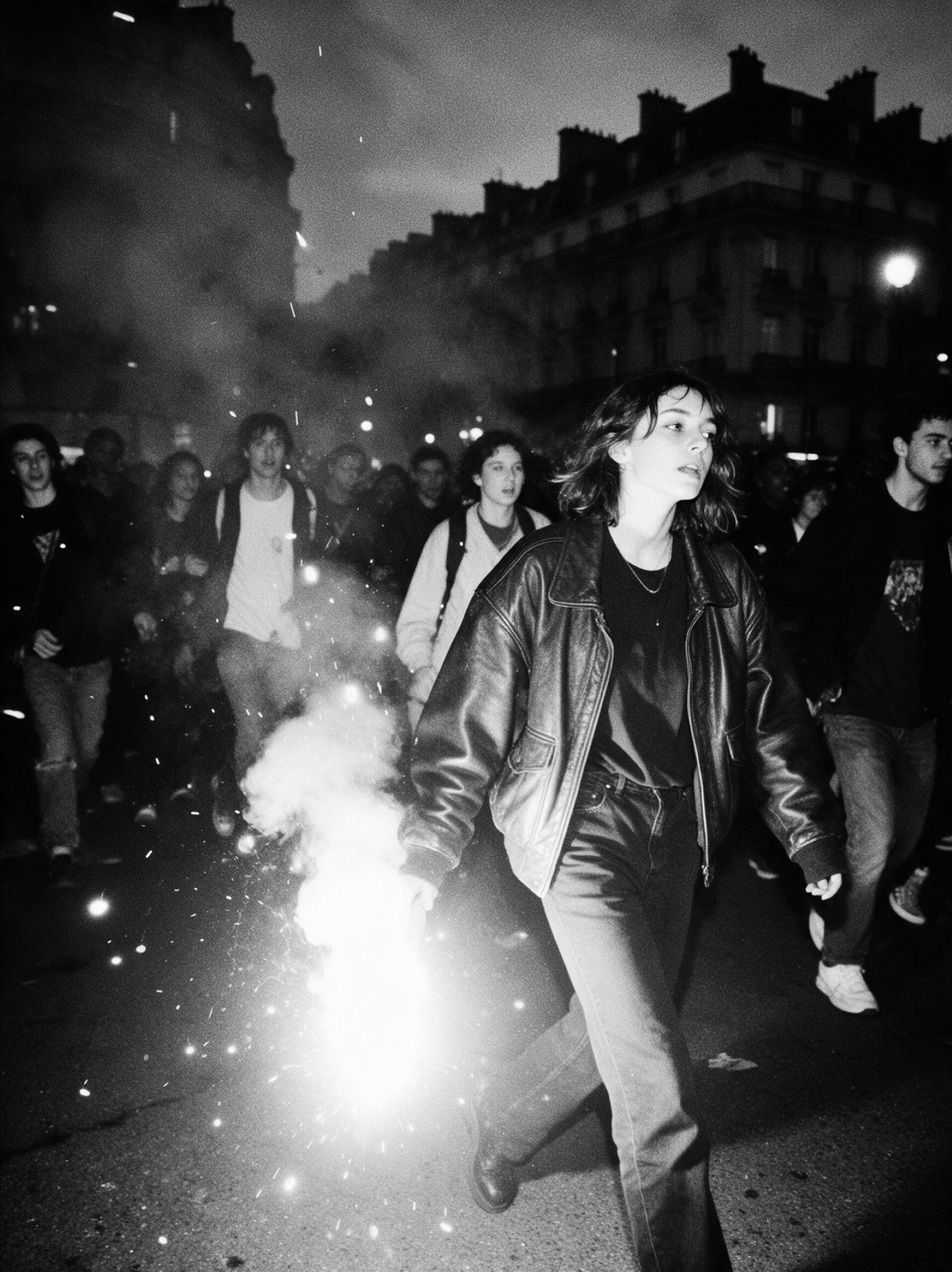
The complaints initially sounded intensely specific: overcrowded classrooms, missing teachers, deteriorating buildings, exhausting timetables and Parcoursup, the university admissions system that many students feel gives an algorithmic process enormous power over their futures. Inevitably, the conversation became larger than school. It became about what kind of future these students are actually being educated for.
That question sits beneath much of Gen Z’s political anger. Across countries with radically different governments, economies and histories, young people are arriving at versions of the same conclusion: the traditional milestones of adulthood feel inaccessible while the institutions meant to deliver them appear unable, or unwilling, to respond.
The grievances change depending on the postcode. Education. Housing. Healthcare. Wages. Unemployment. Corruption. Public services. Police violence. Climate anxiety. Underneath them is a remarkably consistent feeling of being locked out of a future you were told would eventually become yours. And young people aren’t waiting politely to be invited into the conversation.
Calling this a shift from online activism to “real” activism, however, misses something important. The internet is how they are getting to the street.
In France, WhatsApp, Instagram and Signal groups organised by schools and neighbourhoods have allowed students to coordinate quickly. Ahead of a major October 17 mobilisation, social media monitoring firm Visibrain counted nearly 460,000 posts about the date in France from September 27 onwards. TikTok videos mentioning it had accumulated 132 million views and 18 million likes. Naturally, some of those videos were ridiculous.
There were memes, remixed scenes from Avengers: Endgame and Arcane, joke tutorials about what to wear to a demonstration and videos imagining where protesters might take their lunch break during “the revolution.” Alongside them were maps of gathering points, protest information and calls to mobilise.
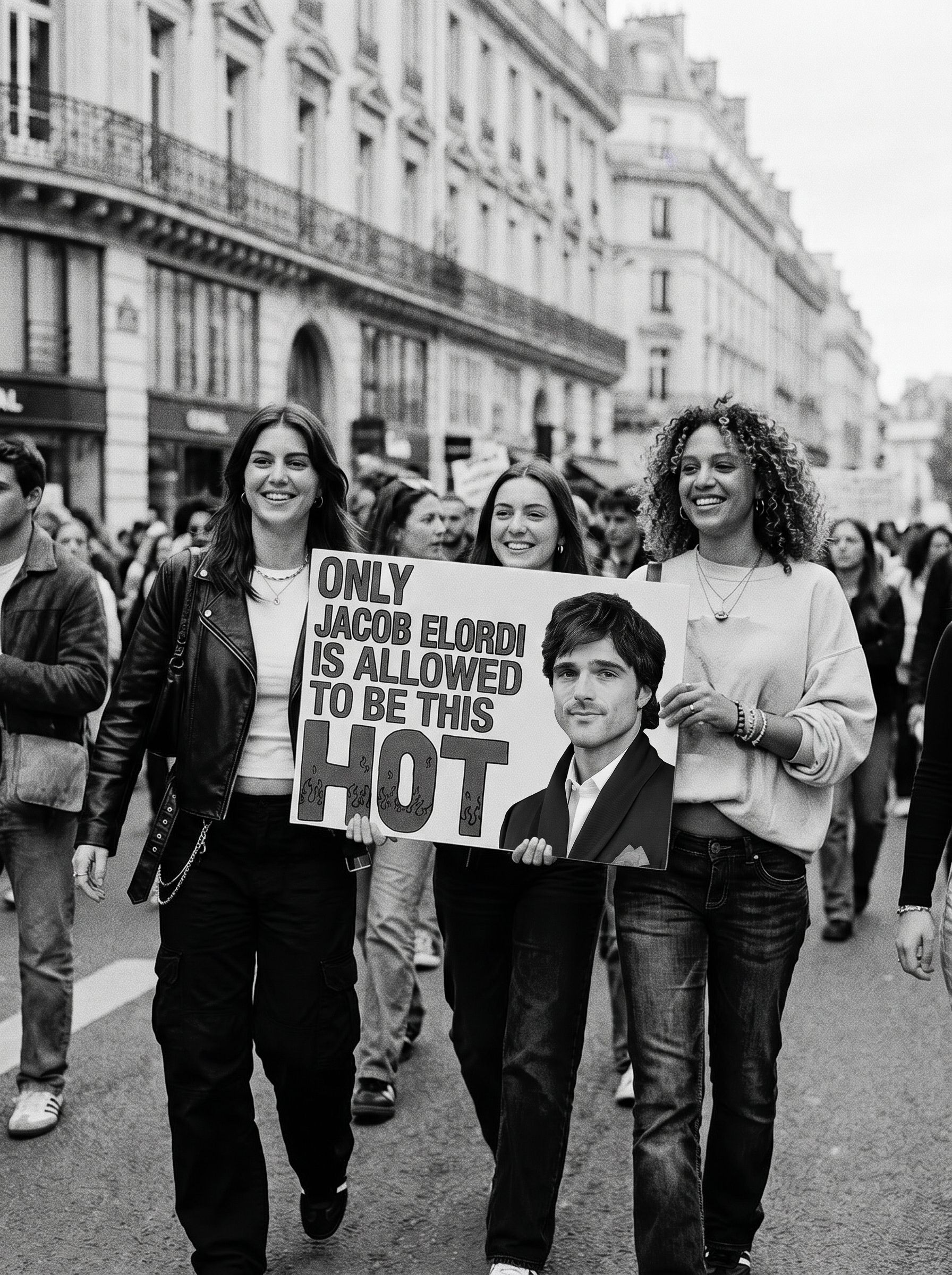
For anyone accustomed to separating serious politics from internet culture, the combination can look strange. For Gen Z, there is no contradiction. A meme can be a joke, political commentary and an organising tool simultaneously. Every generation develops its political language through the communication technology available to it. Gen Z happens to have grown up with one in which information, humour, identity and community exist in the same feed, so of course its protests look like that too.
France is also not an isolated case. In Morocco last year, a leaderless youth collective calling itself GenZ 212 — after the country’s international dialling code — organised demonstrations demanding improvements to healthcare and education. TikTok and Instagram helped circulate the message, while Discord became something closer to an organising headquarters. At one point, its main server had roughly 180,000 members.
Participants used Discord channels to debate demands, announce demonstration locations and even vote on whether protests should continue. The infrastructure of a platform associated with gaming was repurposed for political organising. The grievances were again materially grounded. Morocco’s youth unemployment was around 36 percent among 15-to-24-year-olds as the protests unfolded, while demonstrators questioned government priorities around healthcare, education and major infrastructure spending ahead of international sporting events.
From Kenya’s digitally organised anti-Finance Bill protests in 2024 to movements in Nepal, Indonesia, Madagascar, Serbia, Peru and the Philippines, young organisers have experimented with movements that are decentralised, fast-moving and often suspicious of established political parties. Memes, livestreams, anonymous accounts, Discord servers and shared symbols move between countries almost as quickly as music or fashion trends do. This does not make every movement politically equivalent, nor does the label “Gen Z protest” magically erase enormous differences between them. But, what it does suggest is a shared political grammar.
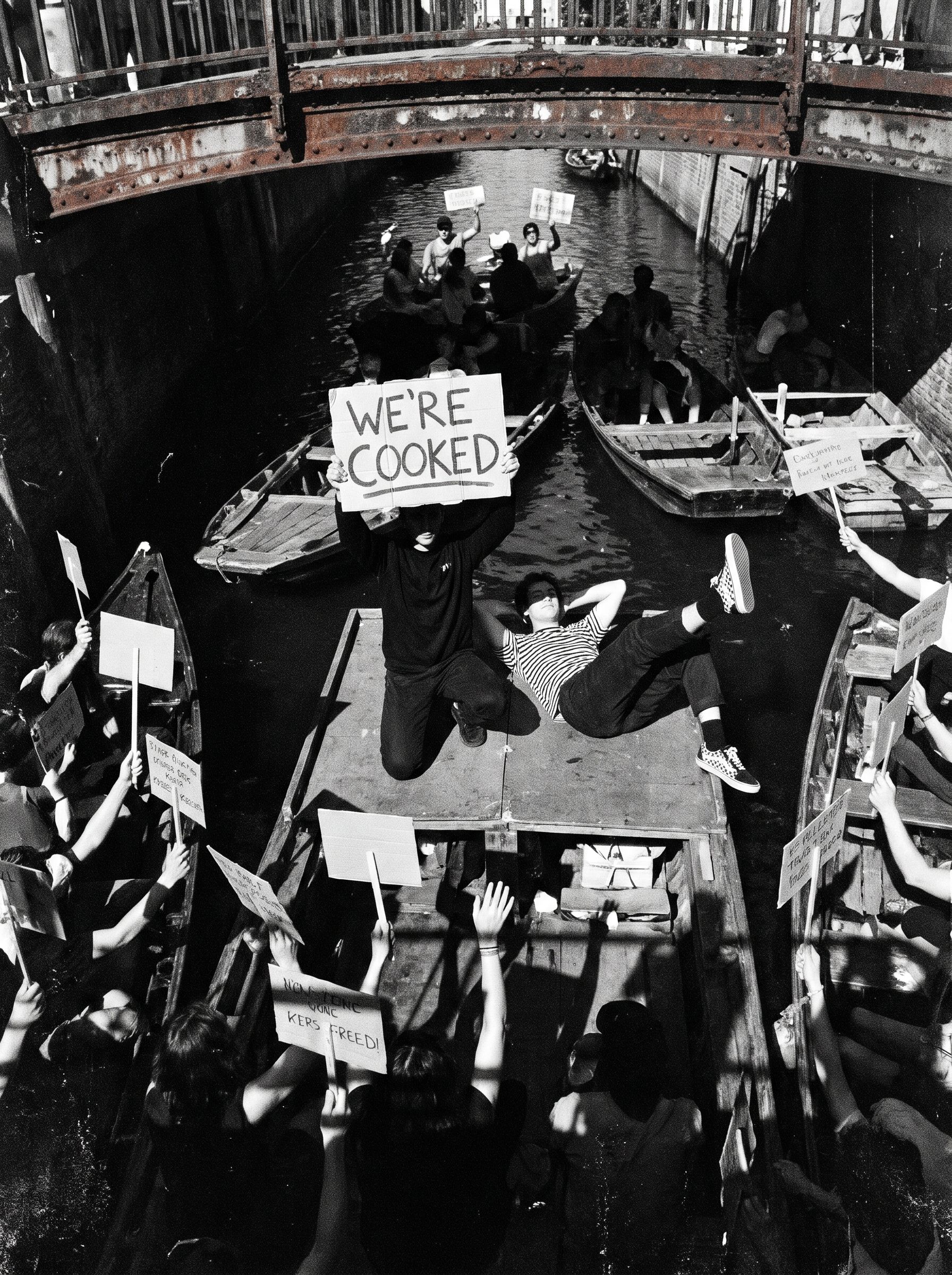
Previous generations of young activists could enter student unions, political parties and organised movements with relatively clear hierarchies. Gen Z seems drawn to something messier. There may be no single leader. Sometimes there isn’t even a single organisation. Information circulates horizontally, authority is constantly negotiated and political identity can be deliberately vague.
That structure is partly ideological and partly practical. Digital platforms make it possible for thousands of people to coordinate without waiting for an institution to tell them how. Research into digitally mediated protest has gradually challenged the idea that the screen and the street are opposing political spaces. In Nepal’s Gen Z movement, for example, researchers describe an ecosystem in which protest calls, safety information, videos, evidence and debate moved continuously between digital platforms and physical demonstrations.
The phone doesn’t disappear once somebody arrives at a protest. It becomes a map, camera, news outlet, organising device, archive and emergency communication system. There are obvious weaknesses to this model. Movements capable of exploding into existence can struggle to establish leadership, negotiate demands or survive once the initial momentum disappears. The same platforms that spread eyewitness footage can spread misinformation. Decentralisation can make a movement difficult to suppress, but also difficult to steer.
Still, perhaps Gen Z’s distrust of traditional political structures shouldn’t be particularly surprising. In France, today’s protesters are growing up in an ageing society in which their generation is numerically dwarfed by older voters. People aged 65 and over account for roughly 22 percent of the French population, compared with 14 percent aged 13 to 24. For young people already questioning whether established politics represents their interests, the demographic imbalance adds another dimension to the feeling of not being heard.
And yet, the streets have already forced a response. After five weeks of demonstrations and blockades, the French government announced measures addressing several student grievances, including changes to Parcoursup, additional higher-education places, limits on some class sizes and investment in school buildings. Student organisations have called the proposals insufficient and signalled that mobilisation could continue. Whatever happens next, being heard required disruption first.
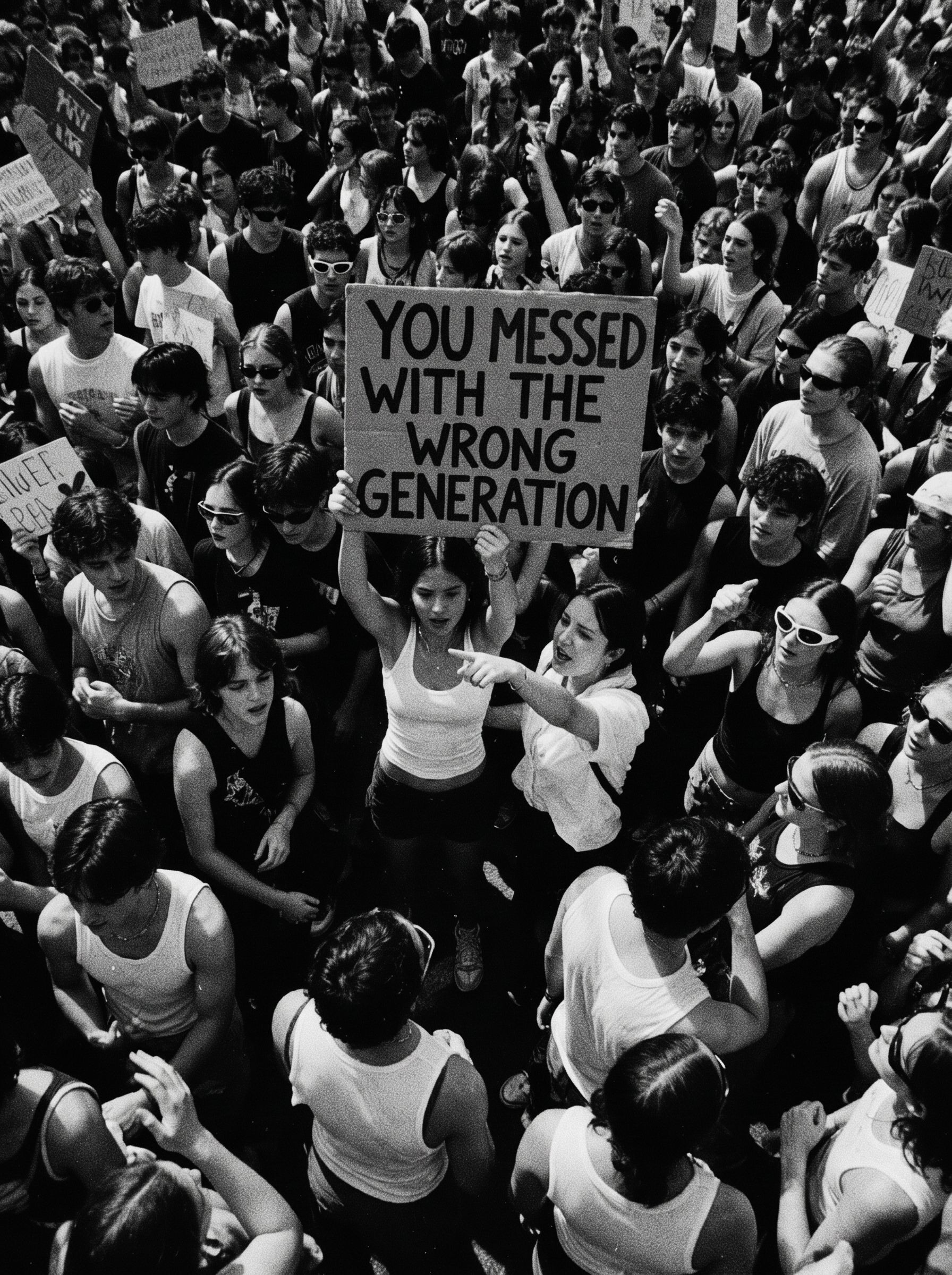
Gen Z has ended up in a strange position: accused of being politically disengaged on one hand, and of making everything political on the other. Neither description leaves much room for the possibility that political participation itself has simply changed.
For many young people, joining a party or engaging with traditional political institutions is no longer the obvious way into politics. A TikTok, a group chat or a Discord server might be where that engagement starts instead. Sometimes it stays there; lately, it doesn’t.
That is what makes the protests in France, Morocco and elsewhere worth paying attention to. The memes and TikToks haven’t disappeared now that people are marching; they are part of how those marches come together in the first place. The same platforms dismissed as spaces for superficial activism are being used to share meeting points, circulate information and turn individual frustration into something collective.
Maybe “logging off” isn’t quite the right way to describe what is happening after all. Gen Z is still very much online. They’re just taking what happens there with them when they step outside.
For more stories exploring culture, society and the forces shaping our generation, visit YUNG’s dedicated pages and follow us on Instagram.