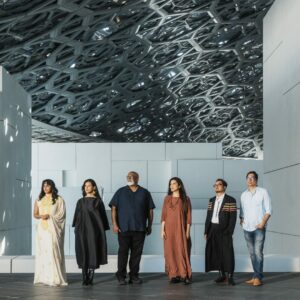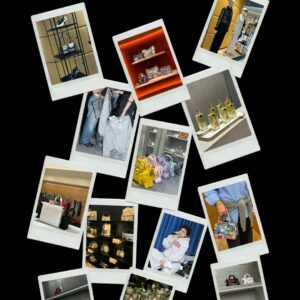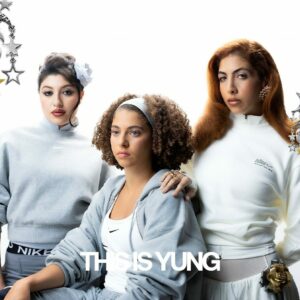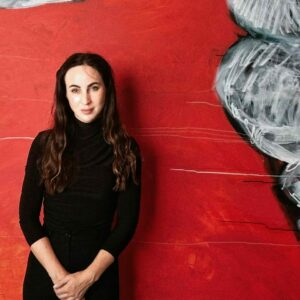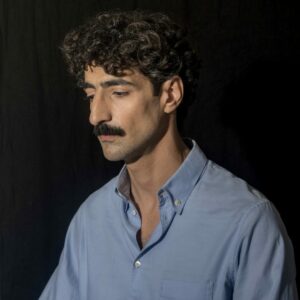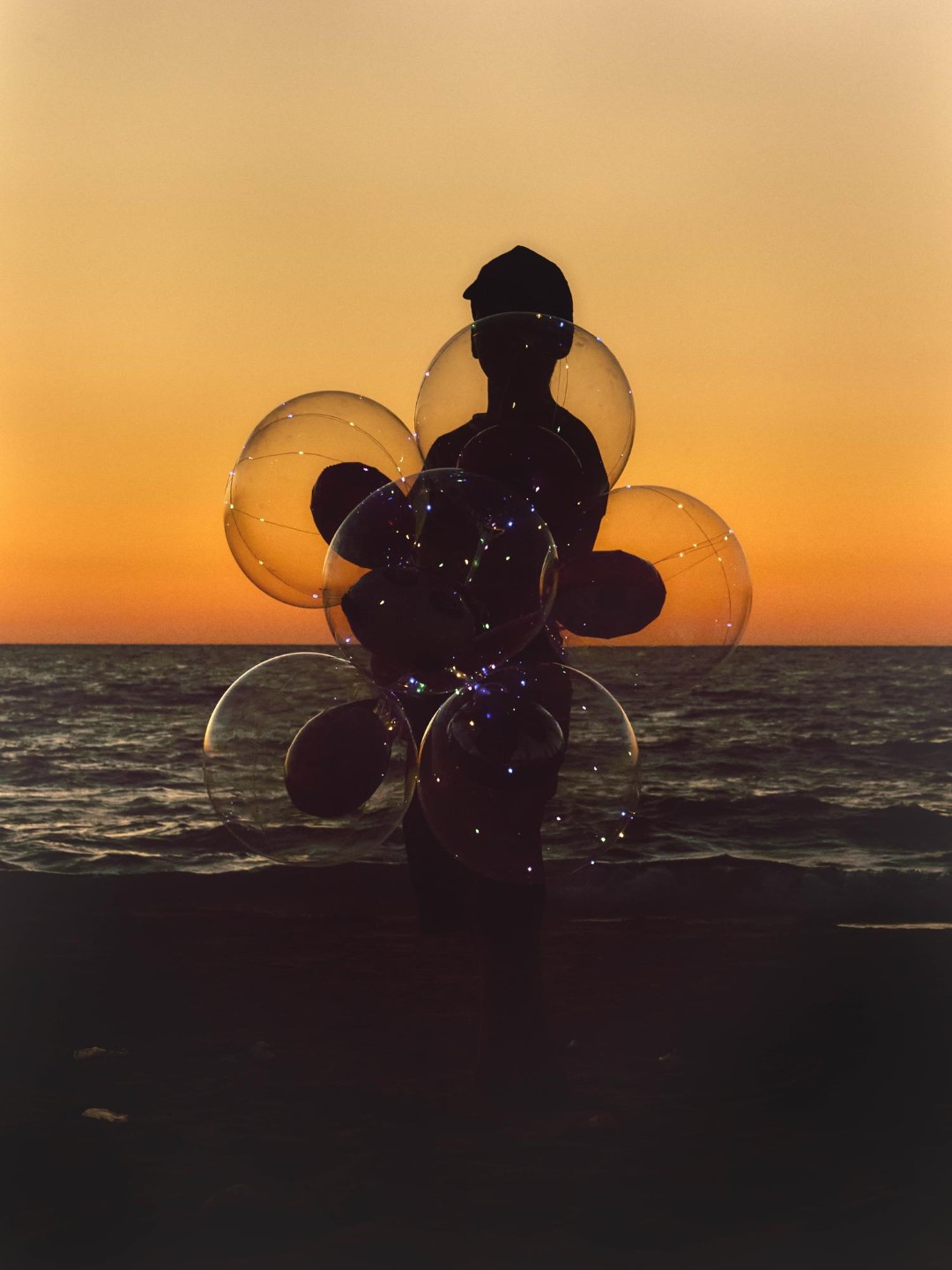
Photographer and director Ahmed Chrediy captures the kind of moments most people overlook; the pauses between conversations, the stillness after movement, the quiet shift in someone’s expression when they stop performing. Based between London and Berlin, his work moves between photography and film with a deeply human sensitivity. Rooted in questions of belonging, memory, and identity, Chrediy’s visual language is less about perfection and more about feeling; faded tones, soft light, grain, texture, and honesty.
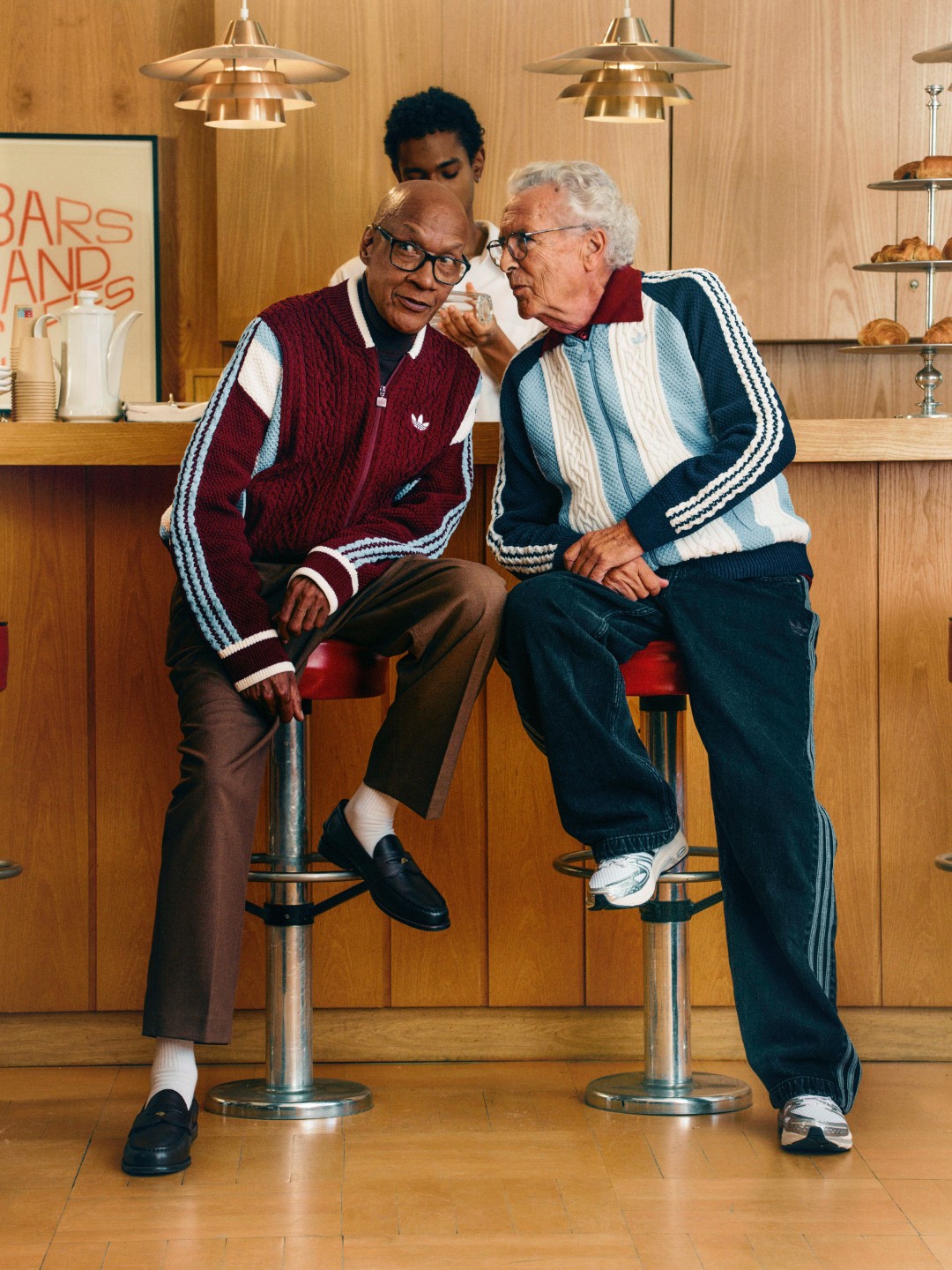
What’s your earliest memory of holding a camera, and when did image-making stop feeling like documentation and start feeling personal?
It started with my mum. When we were younger, she would always record us on her VHS camera wherever we travelled. She’d sit my sisters and me down, and we’d watch the footage together on an old TV, the kind where you had to plug in the AV cables and sometimes hit the side just to get the image to work.
Those recordings stayed with me. Over time, I realised I wasn’t just watching family memories, I was trying to understand my place within them. Somewhere along the way, documentation became something closer to confession, which I explored in my latest personal project, “Where Do I Belong”, a reflection on exploring my roots, family displacement, and living in the in-between.
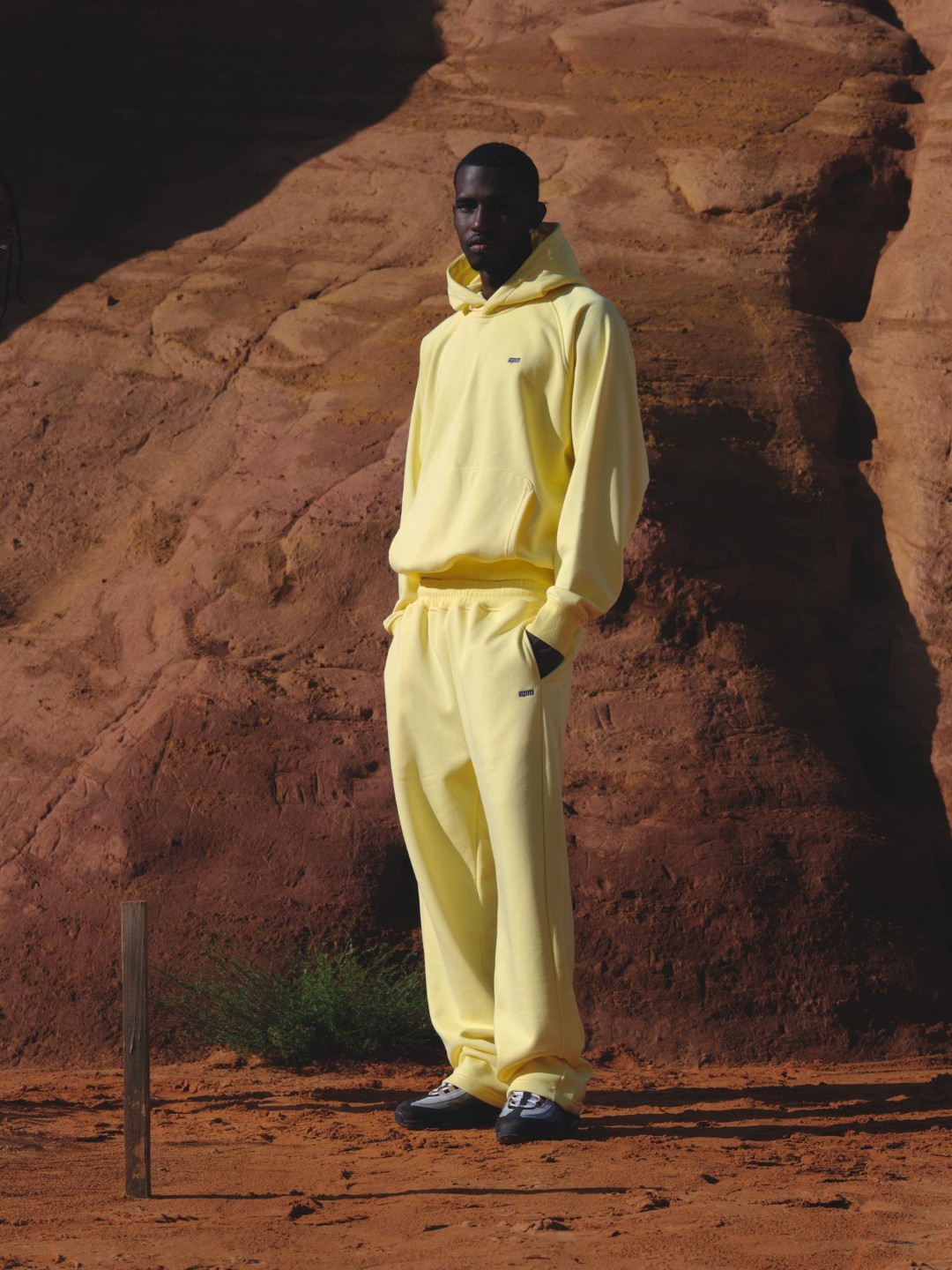
In your work, the colours, tones, and textures feel immediately recognisable as yours. How did you develop that visual language?
I would say it came naturally over time through a lot of trial and error, especially by retouching my own images until I felt genuinely satisfied with the outcome. At a certain point, I stopped colour grading to please clients and started doing it to satisfy myself instead. That shift is difficult, being willing to lose clients because they don’t align with your look and feel, but it’s necessary. In the end, the work has to be for you. Since then, I’ve become more interested in how an image feels rather than how perfect it looks, and like everything in life, it’s still a work in progress.
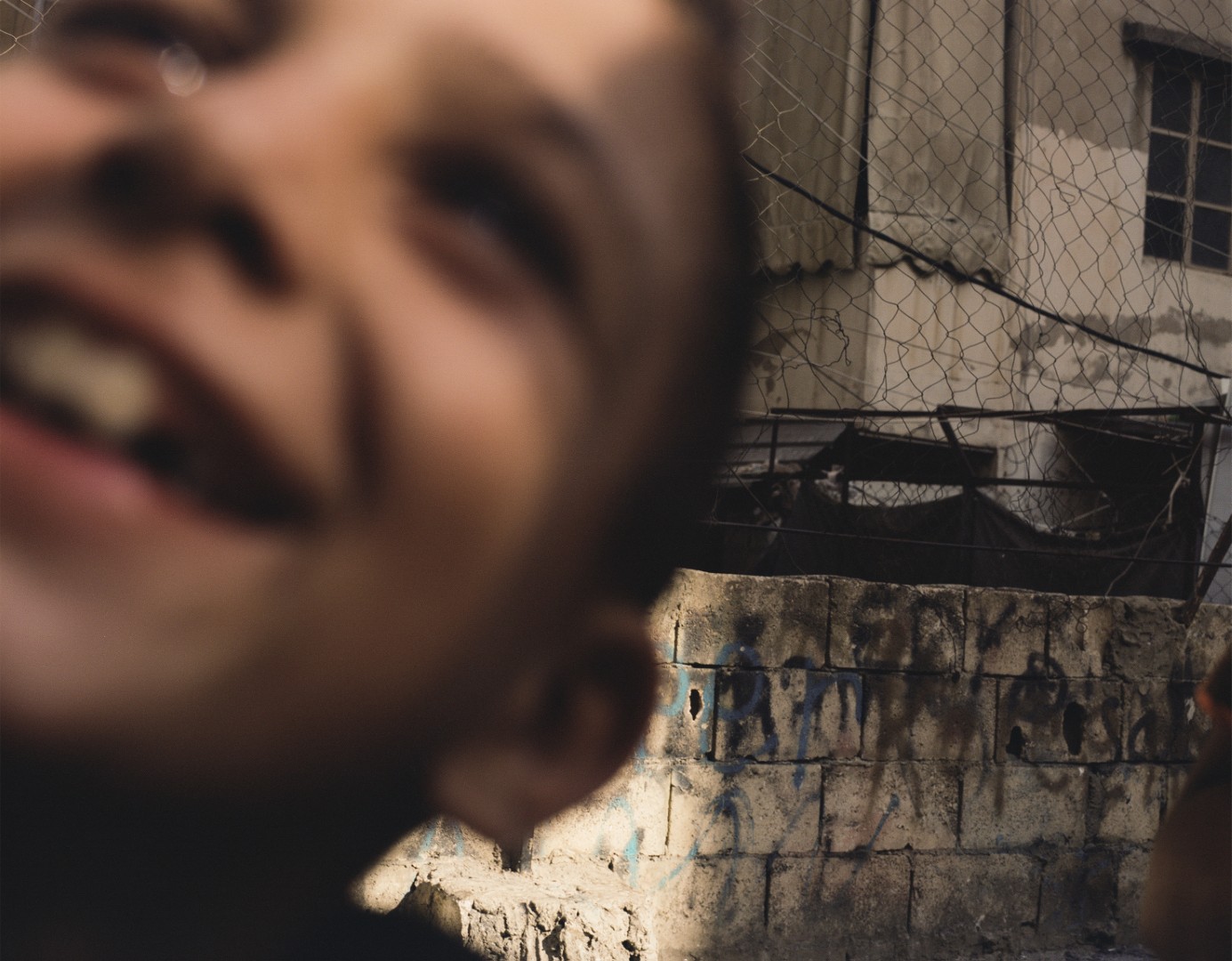
You move between still imagery and directing films. What does motion allow you to express that a photograph can’t?
I feel that film allows me to tell a story in ways a single frame can’t. It adds time and depth, allowing the viewer to witness emotions evolve and shift within a short duration of time in a way stills can’t. Working with a composer to create an original score that fits the film one-to-one is also a unique part of the process; it becomes another layer of storytelling. Overall, film just feels more open and expansive in what it can hold through motion.
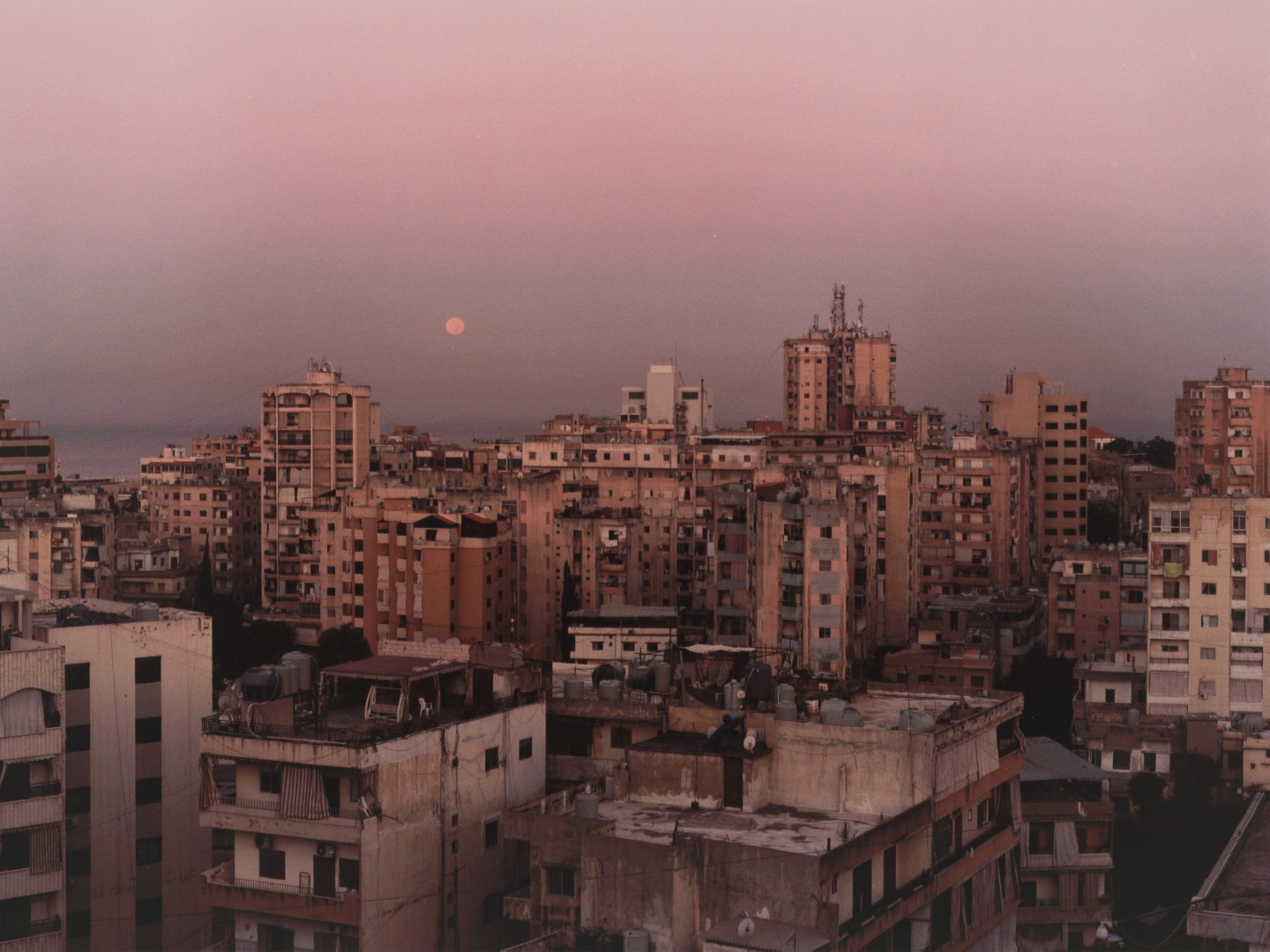
A lot of your images feel intimate without being overly staged. What draws you toward capturing people in a way that feels quiet, honest, and emotionally present?
I’m drawn to moments where people stop performing. For me, intimacy comes from trust rather than direction. It often appears in quiet gestures and small pauses that feel more honest than anything staged. I’m less interested in appearance and more in what people carry internally, and how that gradually reveals itself in front of the camera over time. When working with models, you can often see this shift, the first image of the day can feel guarded, but as trust builds, the expressions and energy naturally change.
For more stories of art and culture, visit our dedicated archives and follow us on Instagram.