The Indian Ocean has long been more than a body of water separating continents. For centuries, it has connected people, cultures and traditions, carrying traders, pilgrims, families and ideas between India and the Arabian Gulf. These histories of movement and exchange now form the starting point for Art Here 2026, the sixth edition of Louvre Abu Dhabi’s contemporary art exhibition, presented in partnership with Richard Mille.
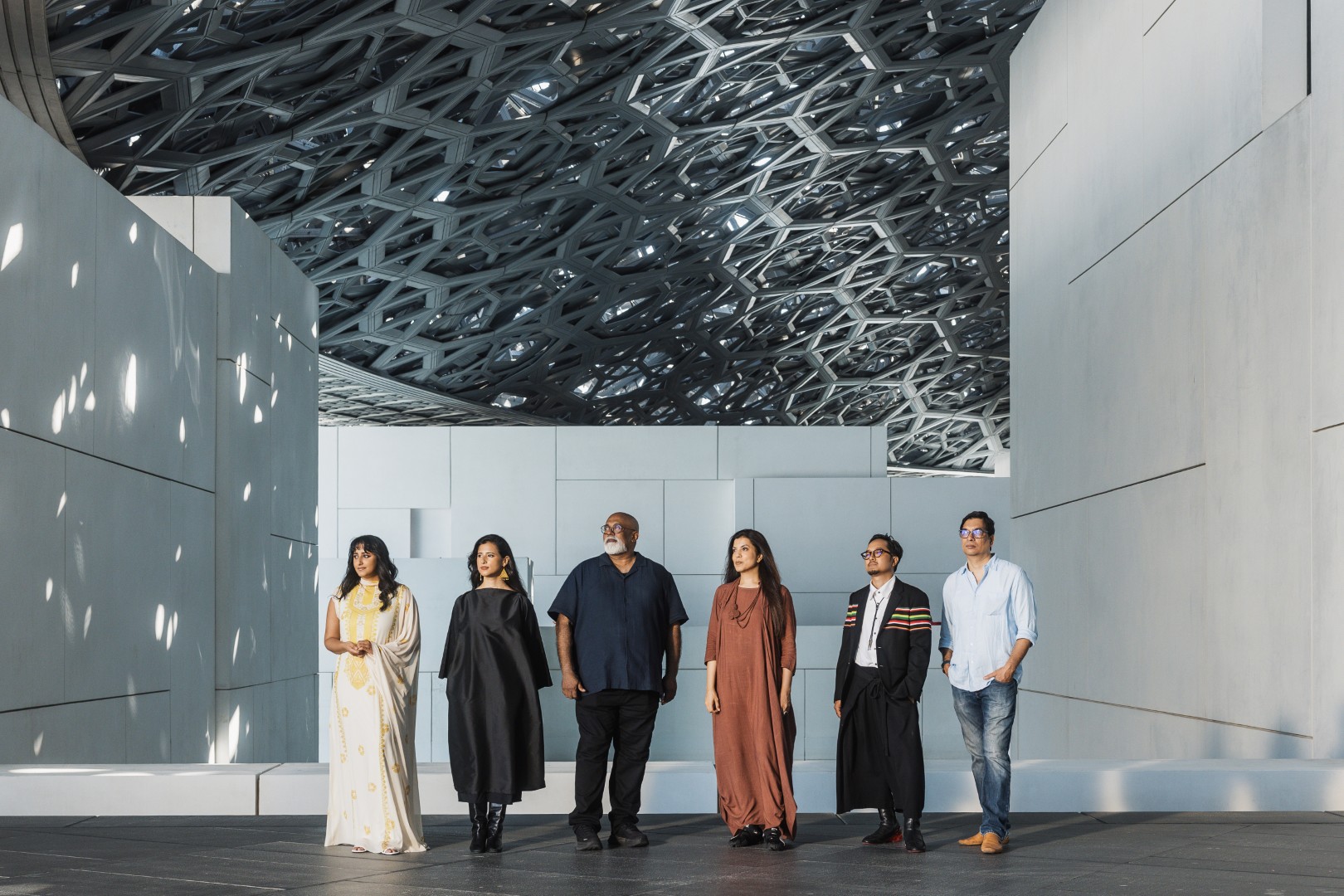
Running until February 28, 2027, the exhibition brings together six shortlisted artists for the annual Richard Mille Art Prize: Ahaad Alamoudi, Almaha Jaralla, Shamin Sahrum, Ravikumar Kashi, Reena Saini Kallat and Vivek Vilasini.
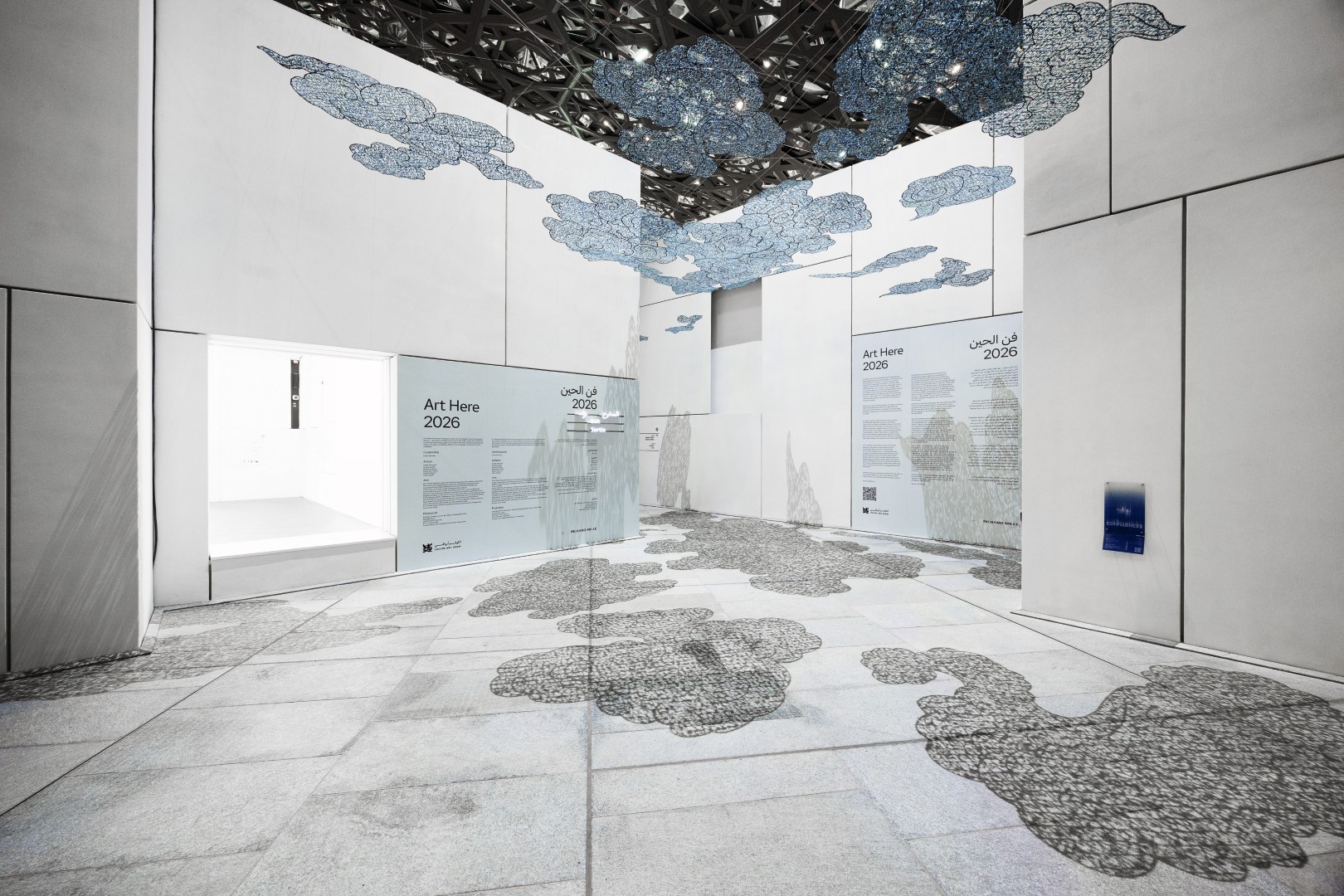
Curated by Kamini Sawhney under the theme Confluences, this year’s edition expands its geographical focus to India, drawing more than 300 proposals. The six selected artists, representing Saudi Arabia, the UAE, Malaysia and India, present newly commissioned works that respond to the museum’s distinctive architecture while examining the histories, languages and traditions that continue to connect communities across the Indian Ocean.
At the heart of the exhibition is the understanding that cultural identity is never static. It is shaped by encounters, inherited memories and the constant movement of people across borders. Beneath Jean Nouvel’s iconic dome, these ideas take physical form through sculpture, installation, textiles, sound and language.
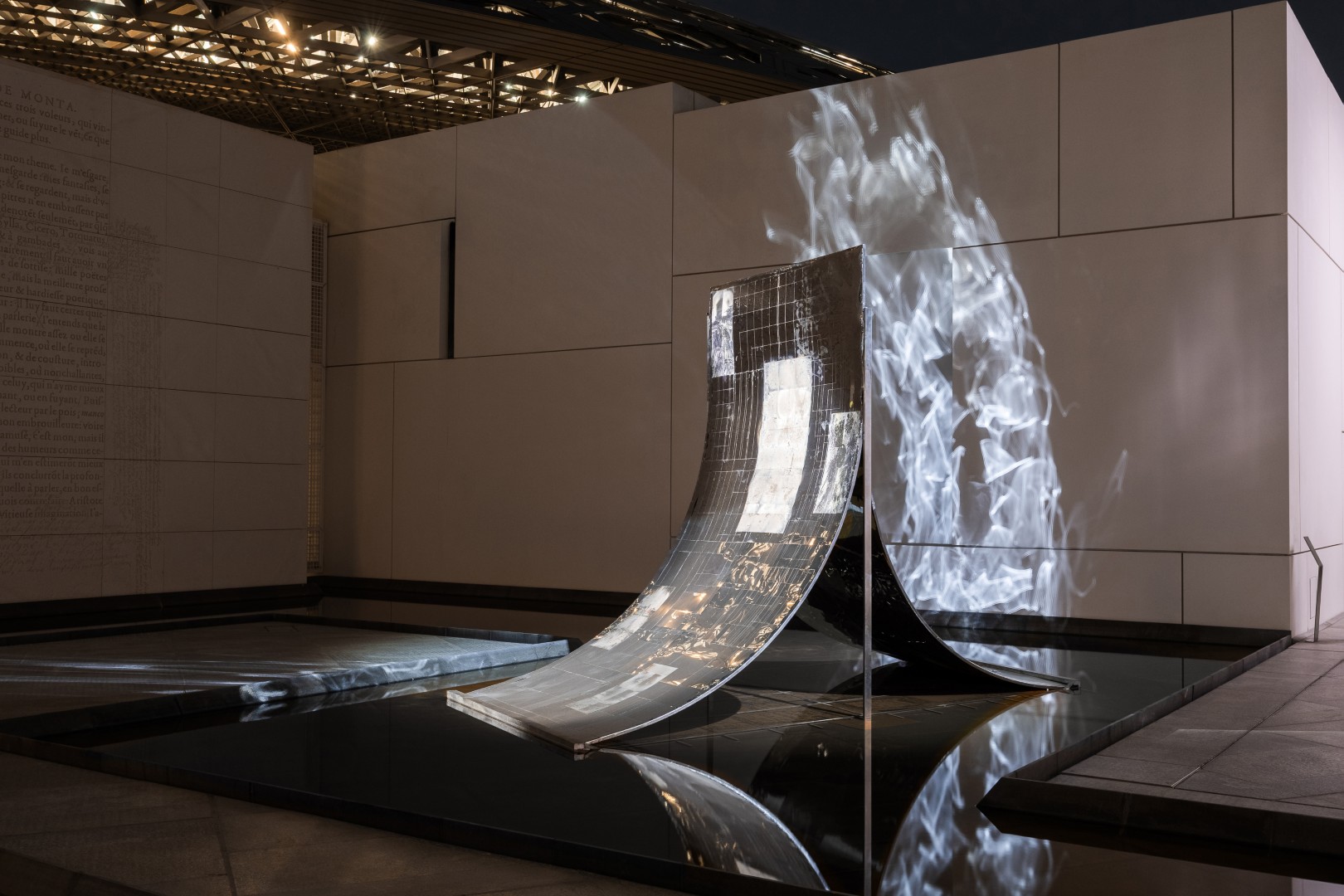
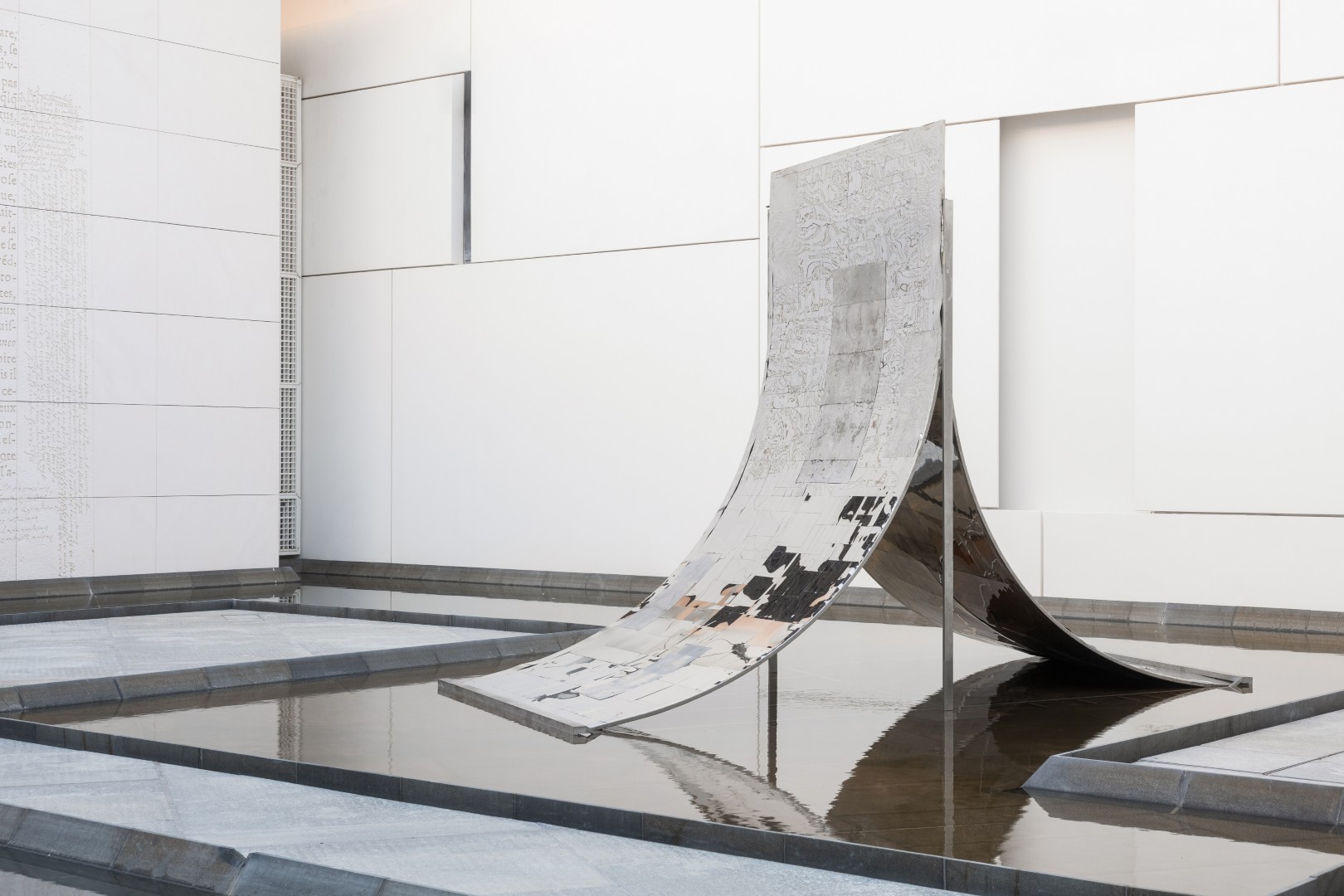
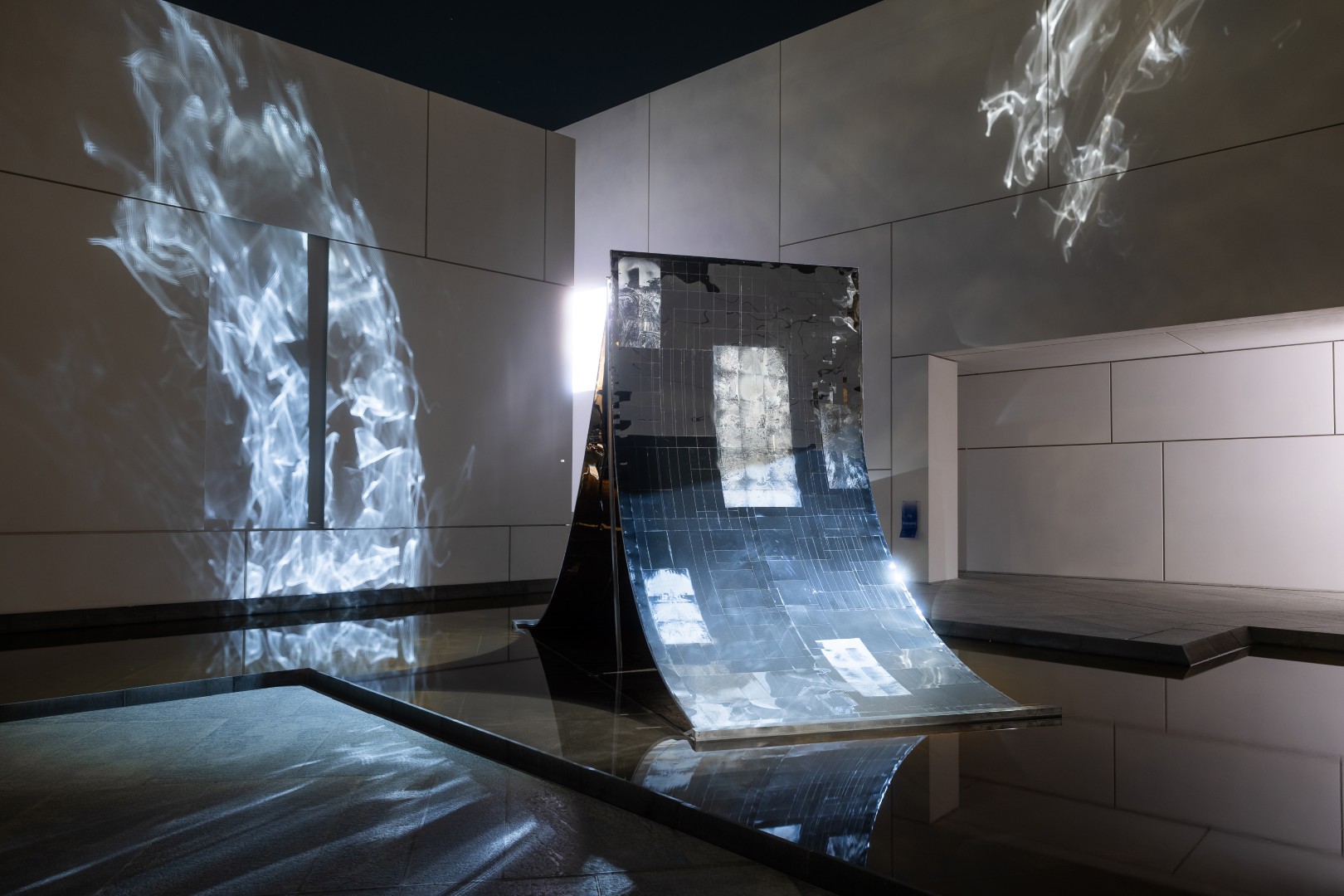
For Saudi artist Ahaad Alamoudi, the notion of connection becomes an architectural experience. Her installation, You Promised the World and the Tide Came In, uses mirrored stainless steel frames that fragment and fold, challenging ideas of structure, order and permanence. As visitors move through the reflections, they become part of a work that suggests identity is continually being reconstructed.
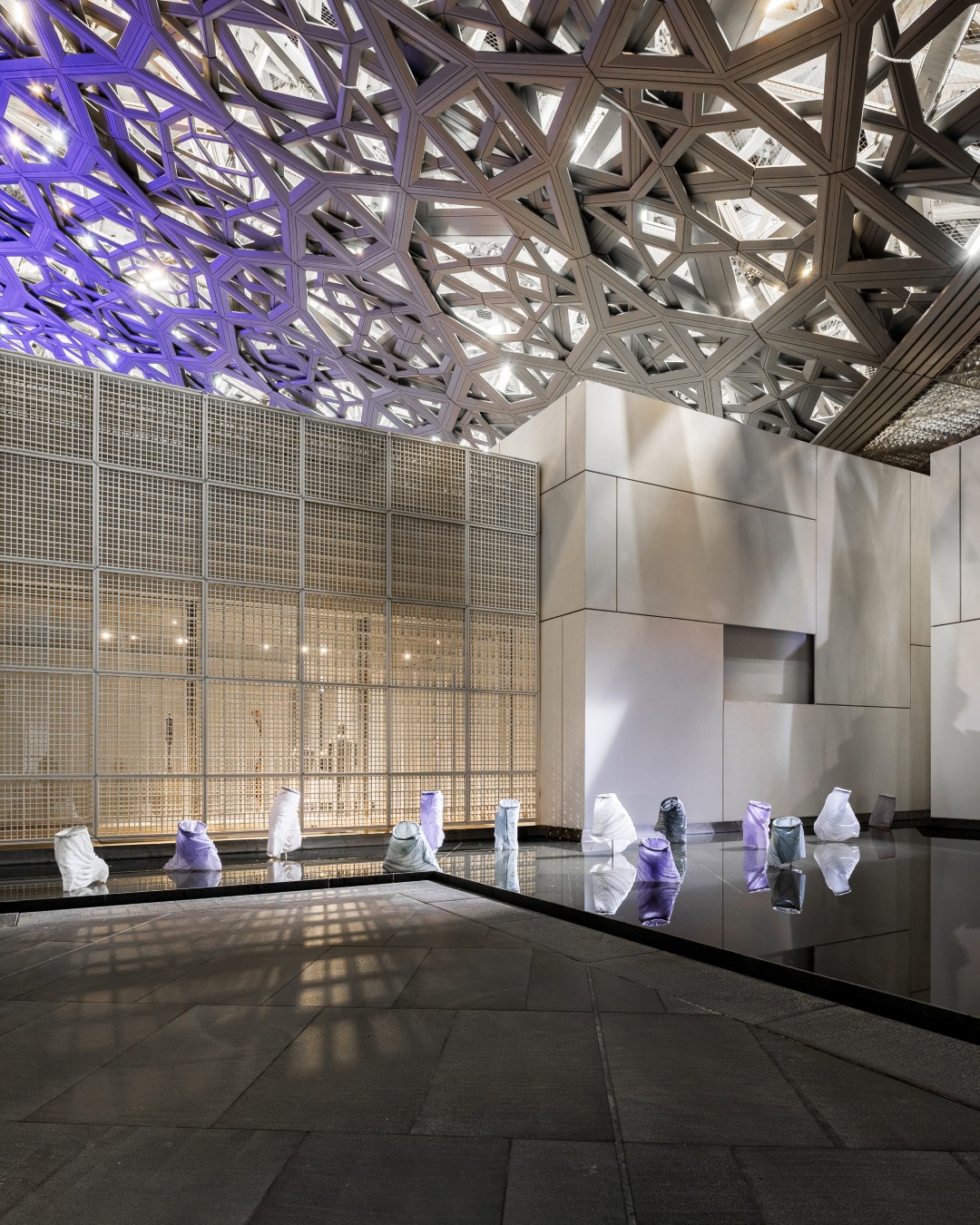
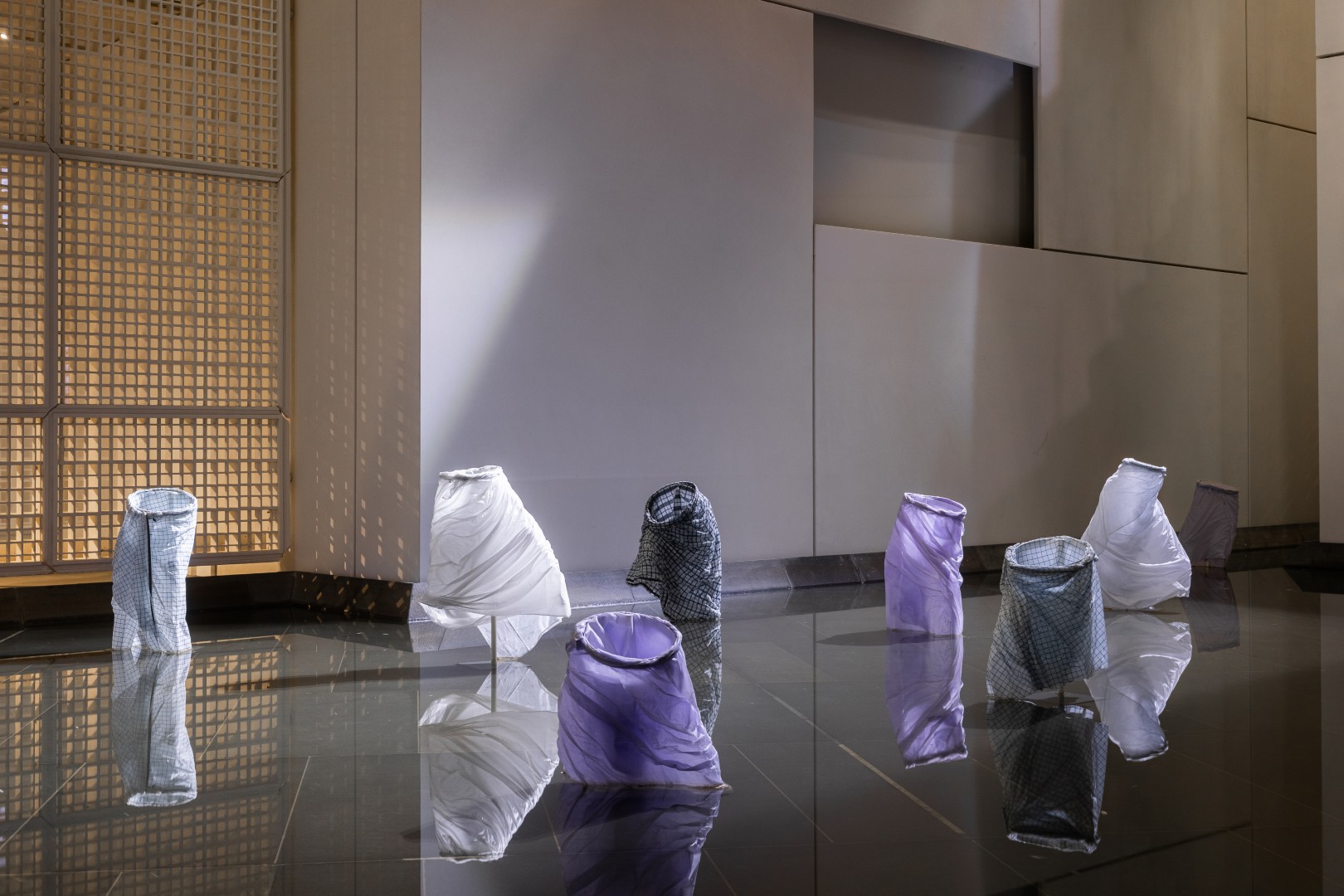
Emirati artist Almaha Jaralla approaches the theme through the history of maritime travel. Her installation, Daria Dawlat, references a merchant vessel that travelled from Calcutta towards the Red Sea before sinking off Aden in 1837. Using sculpted cotton futa fabric and sound, Jaralla evokes bodies suspended between movement and stillness, reflecting on the human experiences behind trade routes and migration.
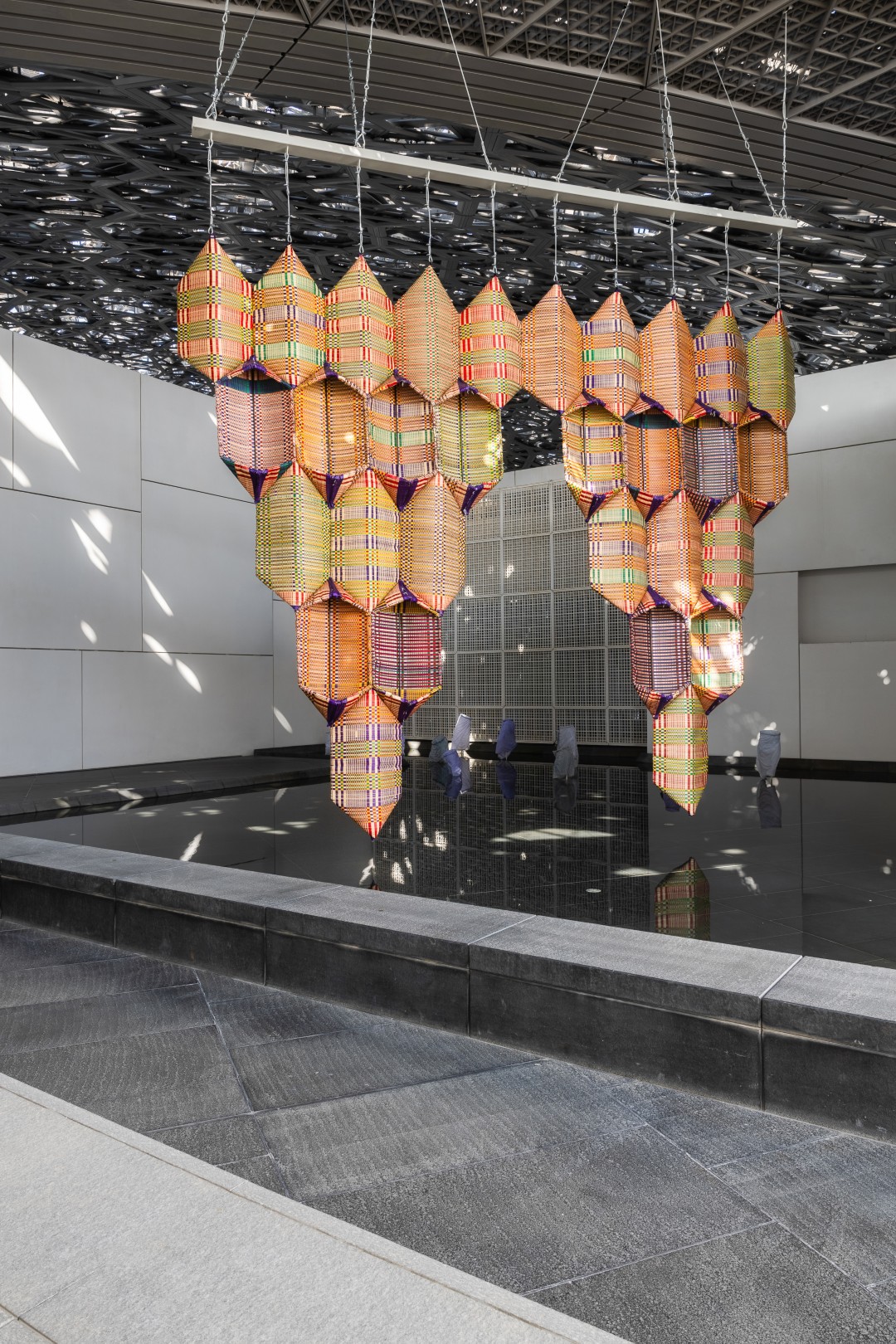
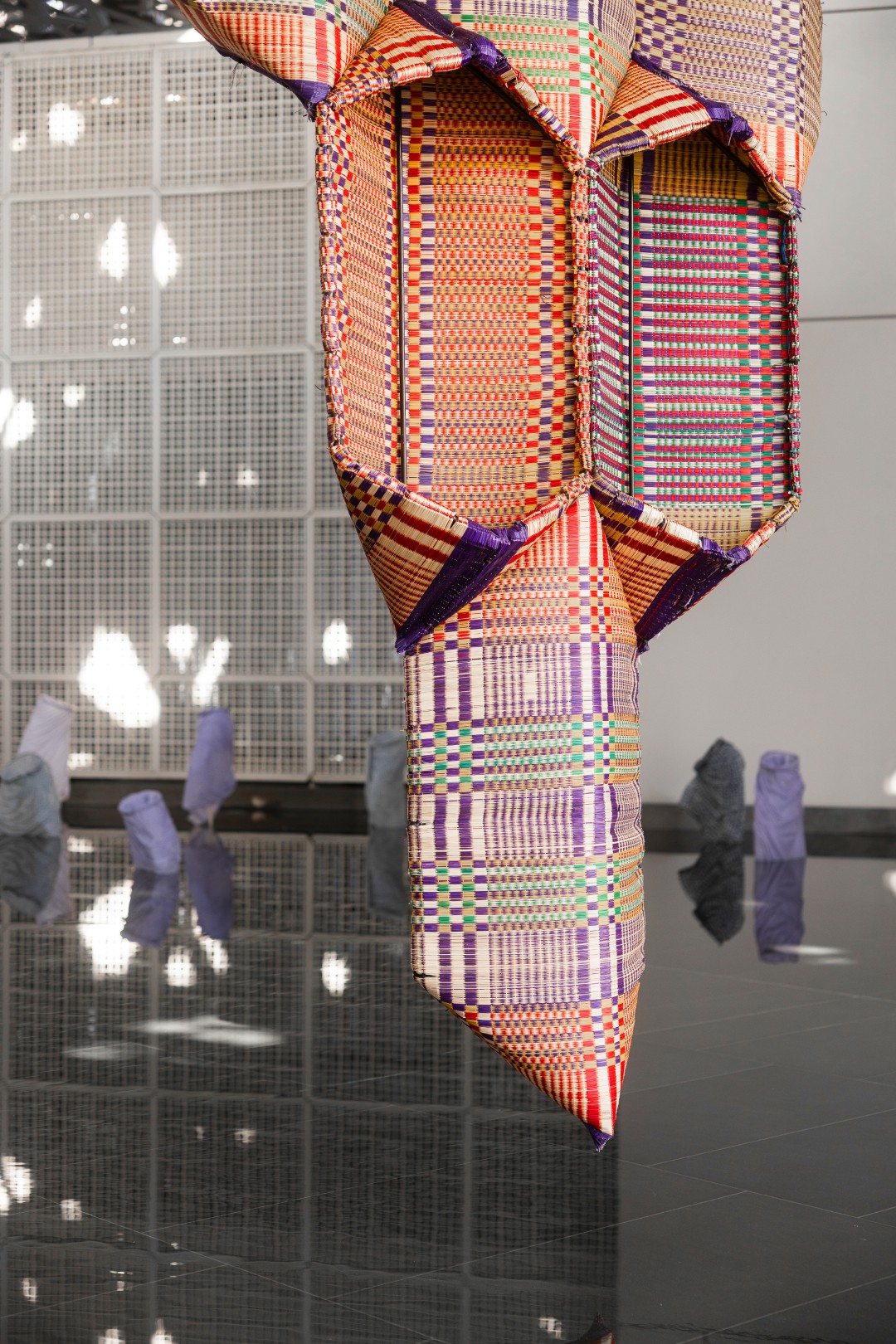
The relationship between migration and belonging is equally central to Dubai-based Malaysian artist Shamin Sahrum. His six-metre-high installation, Home is What We Carry, hangs beneath the museum’s dome and is woven from traditional chatai mats. Associated with domestic life and ritual across South Asia, these mats also carry particula r significance for migrant communities in the UAE. As the natural korai grass gradually fades in the sunlight, the work becomes a reflection on time, memory and the changing meaning of home.
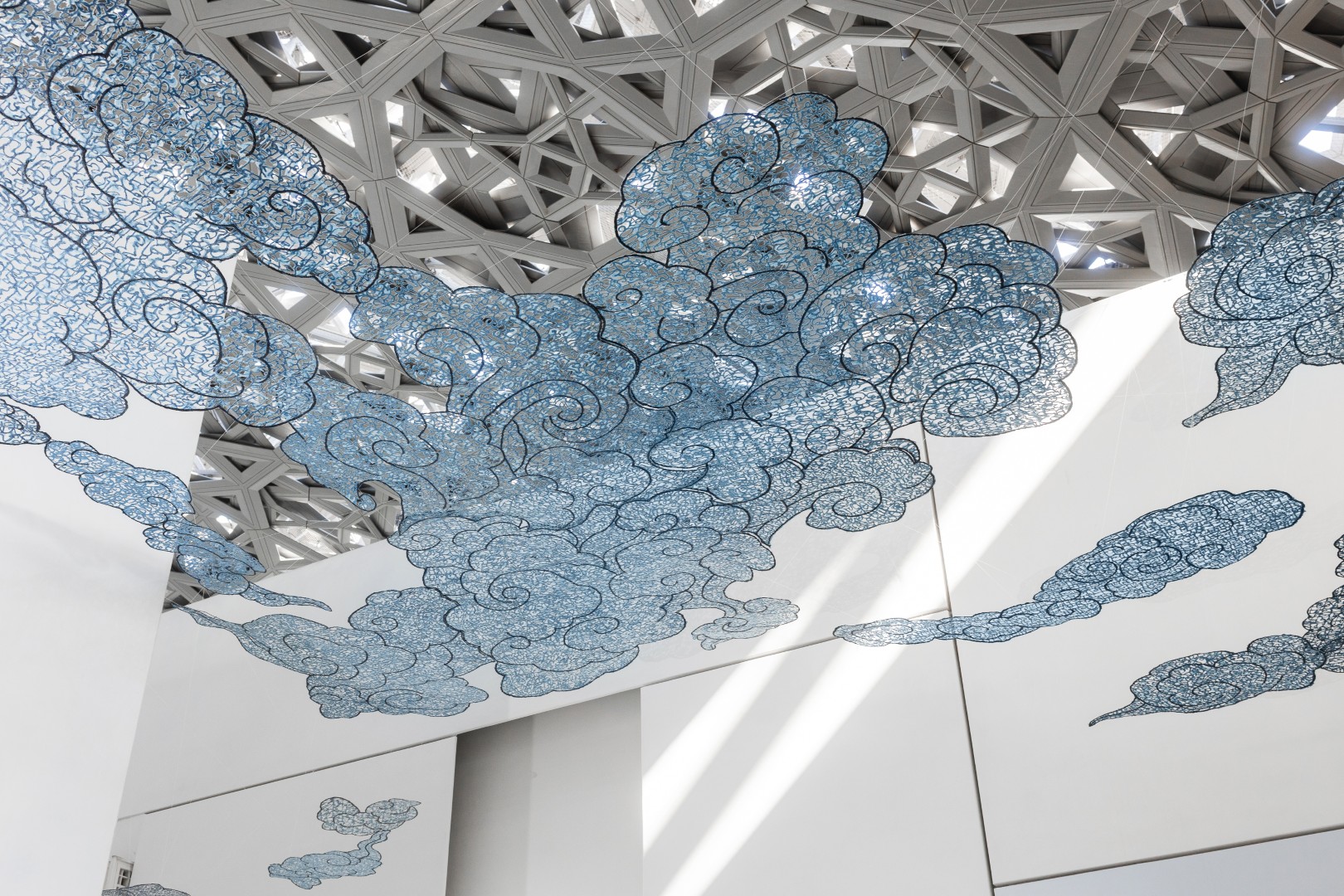
For Indian artist Ravikumar Kashi, language becomes a bridge across distance. Inspired by Kalidasa’s fourth-century poem Meghadutam, his installation of handmade paper clouds carries messages written in various Indic languages. Created through conversations with Indian communities living in the Middle East, the work explores the emotional connections that endure between those who leave home and those who remain.
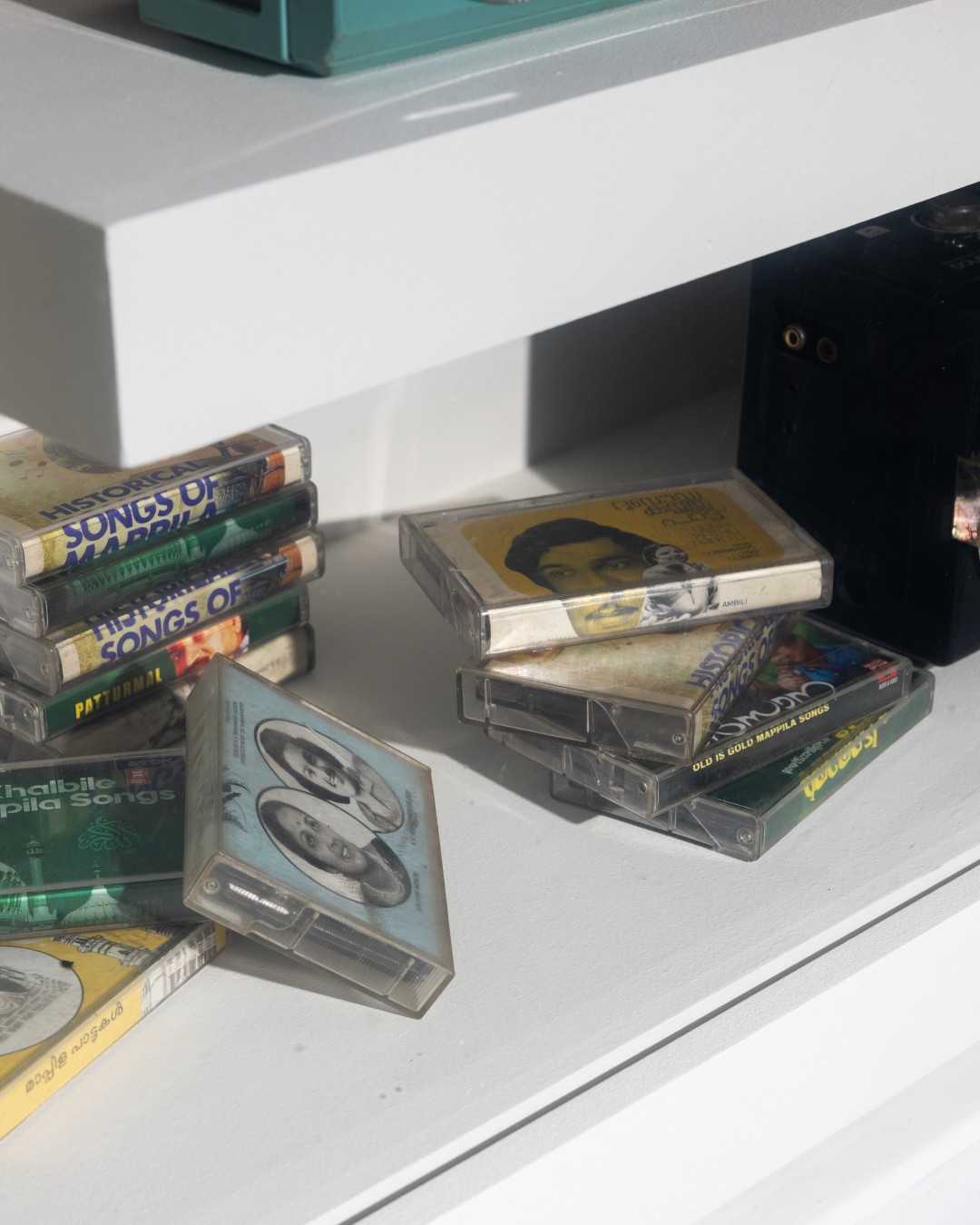
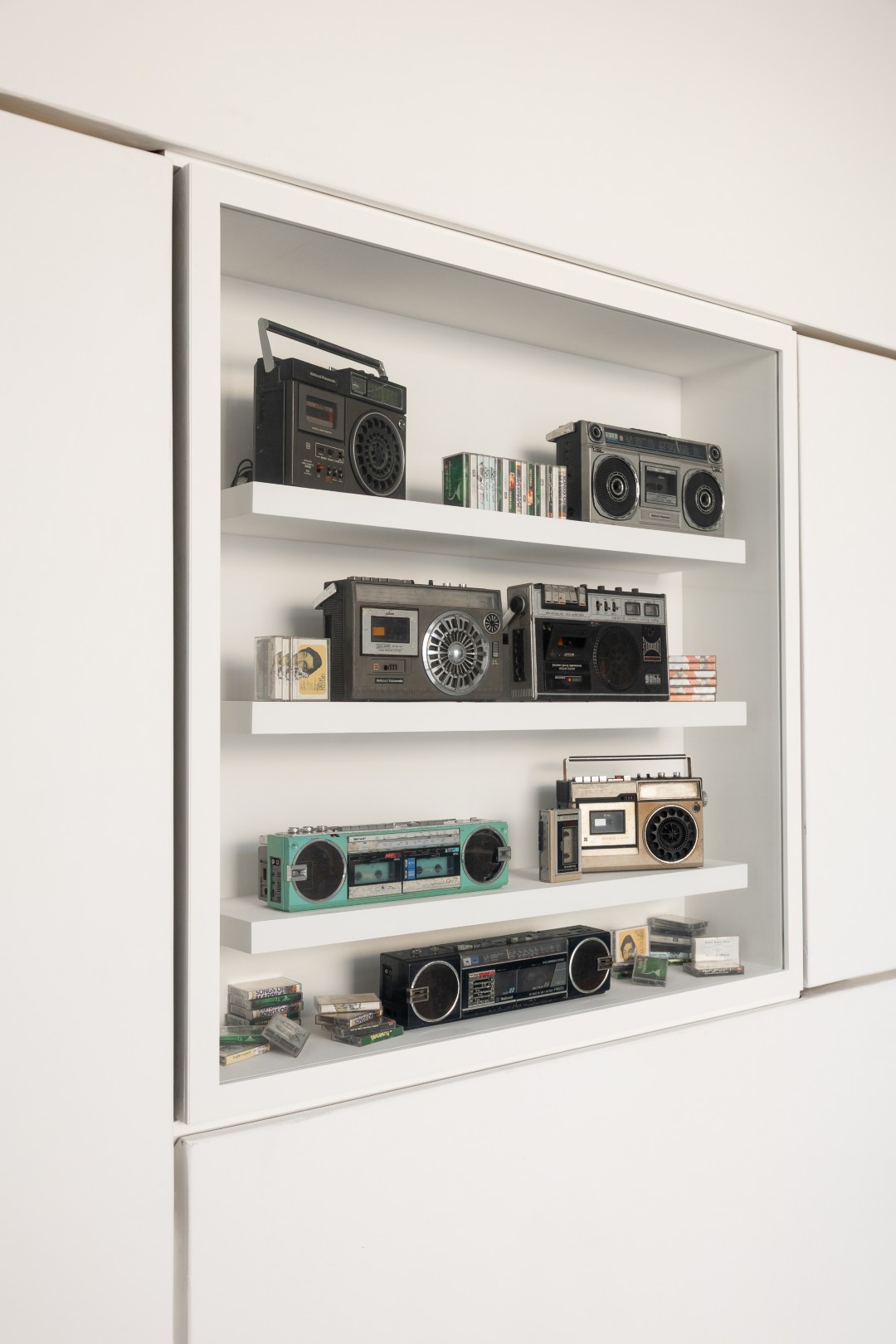
Reena Saini Kallat also turns to the personal histories of migration. Her work, Shorelines of Longing, draws inspiration from the Malayalam tradition of Kathu Pattu, or letter songs, which emerged from the experiences of people migrating from Kerala to the Gulf during the 1970s. Through marble, found objects and audio, Kallat transforms intimate correspondence into a collective record of longing, separation and resilience.
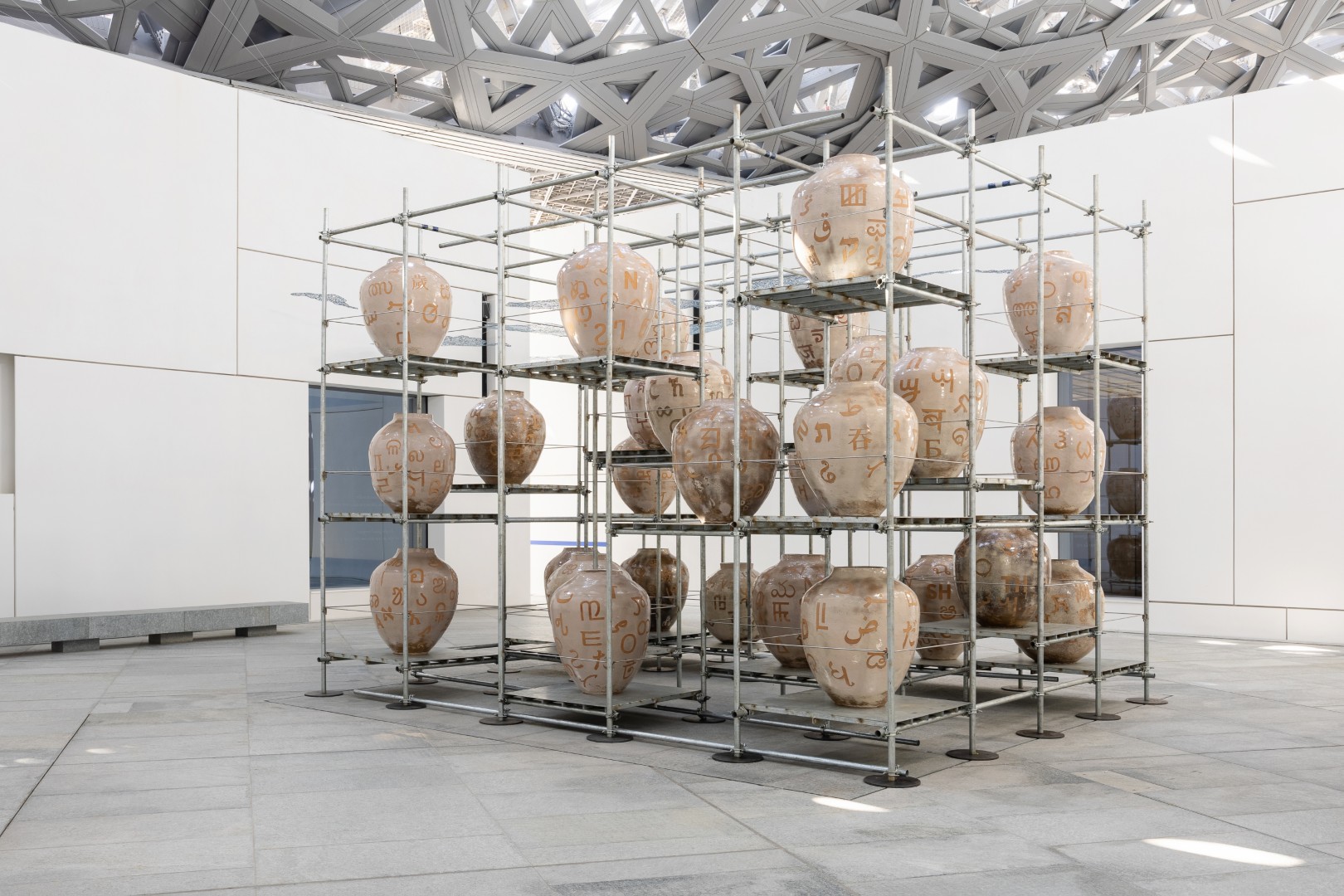
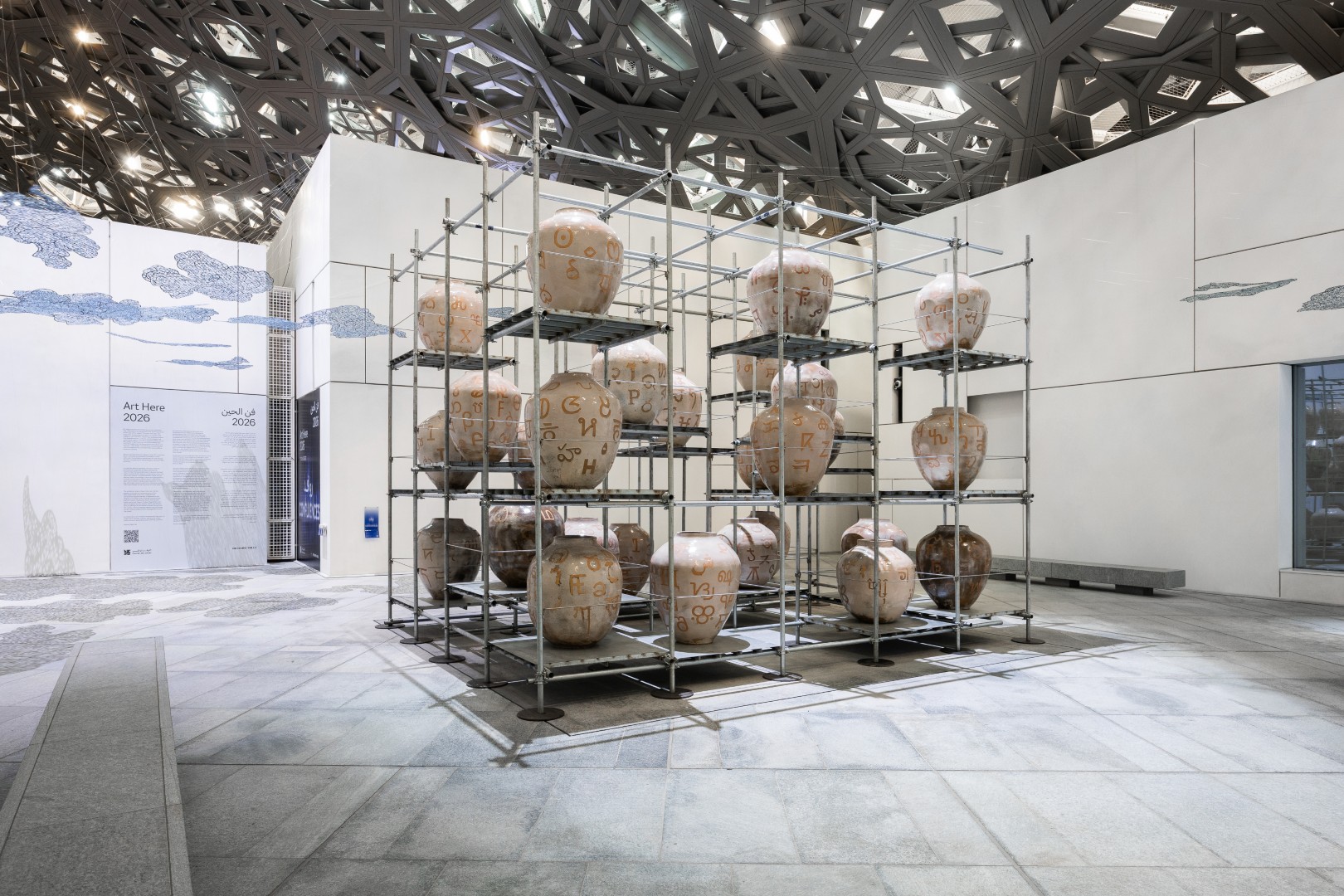
Meanwhile, Vivek Vilasini examines the relationship between language and cultural identity in Dreamings in Arabia. His installation features 28 glazed vessels, each inscribed with a letter of the Arabic alphabet alongside corresponding sounds from other languages spoken in the UAE. Arranged within a steel framework, the vessels reference centuries of trade and exchange while celebrating the linguistic diversity of contemporary society.
Together, the six works demonstrate how the Indian Ocean continues to shape cultural identities beyond geographical boundaries. Rather than presenting heritage as something fixed in the past, the exhibition considers it a living process, continually transformed by movement, interaction and shared experience.
As guest curator Kamini Sawhney explains, “Confluences does not seek homogeneity but instead looks at how intercultural exchanges enrich communities, allowing us to explore commonalities while celebrating differences.”
Now entering its sixth year, the collaboration between Richard Mille and Louvre Abu Dhabi has established Art Here as a platform for contemporary artistic experimentation, supporting ambitious commissions that place regional and international artists in conversation.
For Dr Souraya Noujaim, Director of Louvre Abu Dhabi, the exhibition reflects the evolution of an initiative conceived to support contemporary artistic practices and champion voices from the region. Today, its expanding geographical reach reinforces the museum’s role as a meeting point for cultures, histories and artistic perspectives.
Tilly Harrison, Managing Director of Richard Mille Middle East and Türkiye, similarly emphasises the long-term significance of the partnership, describing the exhibition as an opportunity to support commissions with lasting cultural value.
The six shortlisted artists are competing for the Richard Mille Art Prize, with the winner set to be announced in December 2026.
Ultimately, Art Here 2026 is as much about the present as it is about the past. Through six distinct artistic voices, the exhibition reminds us that the stories of the Gulf and India have always been intertwined, carried across generations through language, craft, movement and memory. Beneath the dome of Louvre Abu Dhabi, those stories continue to find new forms of expression.
For more stories of art and culture from across the region, visit our dedicated archives and follow us on Instagram.