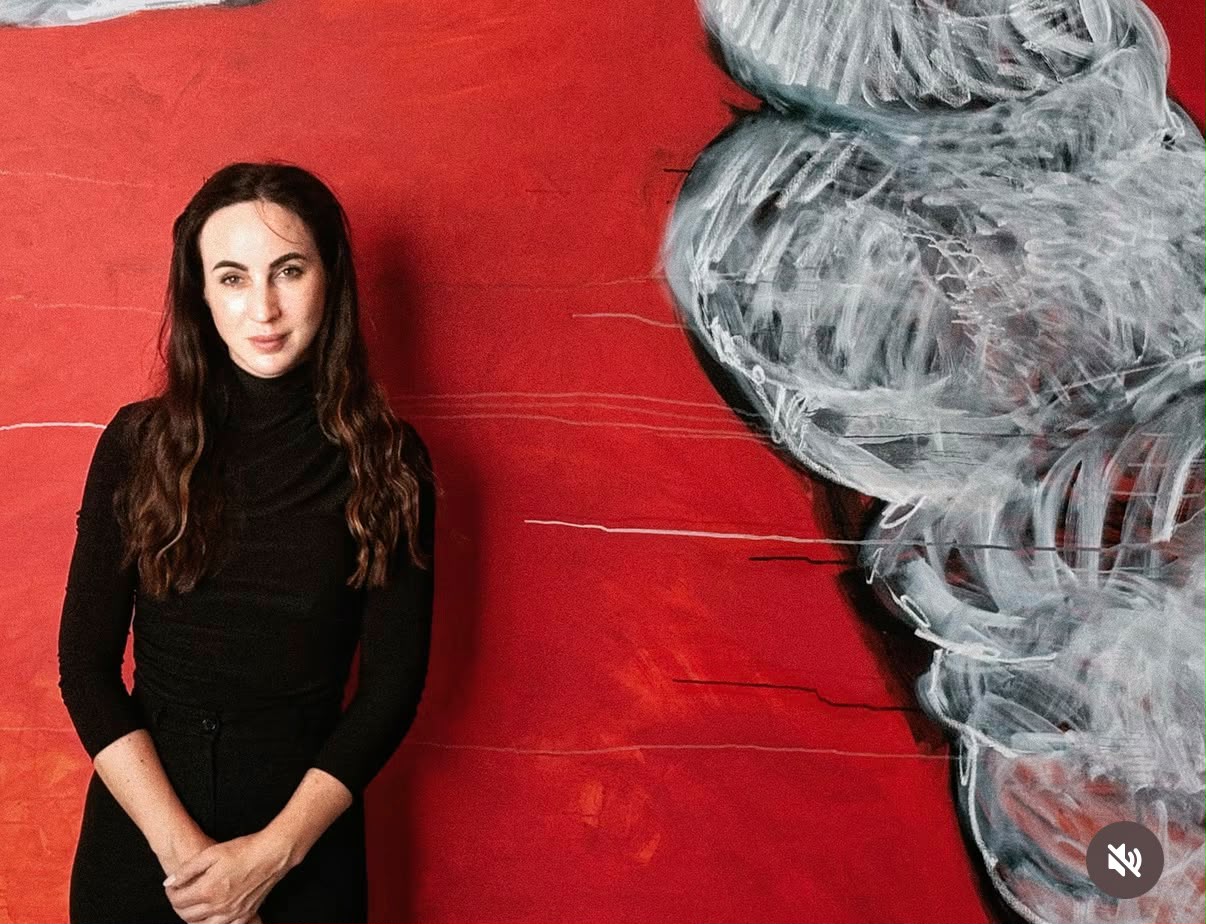
For decades, the Middle East and North Africa have been home to extraordinary creative talent, from architects and designers to artists, artisans and cultural visionaries. Yet despite the region’s shared histories, traditions and cultural references, its creative communities have often developed independently. For Yasmine Vanda Trofast, founder and executive director of Creative Dialogues and founder of YVT Consultancy, the next chapter is not simply about giving regional talent greater international visibility. It is about creating the conditions for that talent to work together, exchange knowledge and shape its own narrative.
That ambition takes centre stage with TheMENAEdit, a multidisciplinary design initiative making its debut at Cairo Design Week 2026. Bringing together 21 creatives of more than 10 nationalities, the project challenges conventional ideas of authorship and design by placing collaboration at the heart of the creative process.
Developed through a partnership between Creative Dialogues, Design Point Studio and Creative Districts, TheMENAEdit brings together seven cross-border groups, each tasked with creating an original, limited-edition design object. The participants work across architecture, interior design, textiles, ceramics, fine art and other disciplines, representing different generations, experiences and cultural identities.
But unlike a traditional exhibition, where finished objects are presented as the ultimate achievement, TheMENAEdit is equally interested in what happens before the final piece comes together: the disagreements, cultural exchanges, experiments and unexpected connections that make collaboration meaningful.
For Trofast, the idea began with a simple observation.
“We have extraordinary creative talent across the Middle East and North Africa, but we rarely create together,” she tells YUNG.
The defining moment came during the 2025 edition of Creative Dialogues in Cairo, when Saudi interior designer Nawaf Al-Nassar addressed the audience with a seemingly straightforward challenge: “We are here now, so tell us how we can work together.”
Rather than allowing the conversation to end there, Trofast began imagining a platform that could turn those words into something tangible.
“I didn’t want that to stay a passing comment. I wanted it to be the start of a new kind of collaboration in the region, one that moves us past conversation and into action.”
That same evening, while others continued their night, she returned to her hotel room and began developing the concept. A visit to Cairo Design Week the following day reinforced her conviction that regional design needed a different kind of storytelling, one that gave as much attention to the journey as to the result.
TheMENAEdit was born from that realisation.
A Different Kind of Creative Conversation
The project’s structure was deliberately designed to bring together people who might never otherwise collaborate. Participants were selected not simply for their reputations or professional achievements, but for their willingness to experiment, share ideas and step outside their familiar creative environments.
“It was never about who had the most impressive portfolio,” Trofast explains. “We were looking for openness: people who were genuinely curious about other disciplines, willing to let go of a little control, and who believed in the bigger vision.”
Each group combines different regional backgrounds and creative practices, working alongside Egyptian counterparts through a process developed with Design Point Studio and its co-curators, Nehal Leheta and Karim El Hayawan.
Among the participating creatives are Lebanese architect and artist Nohma Kaaki, Saudi designer Nawaf Al-Nassar, Emirati multidisciplinary artist Alia AlShamsi, Tunisian singer and artist Ghalia Benali, and Egyptian architect and multidisciplinary designer Cherif Morsi.
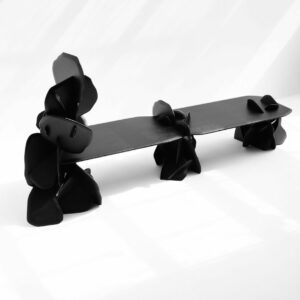
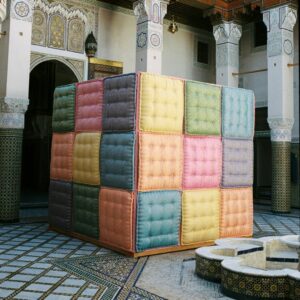
Together, the groups are developing objects that range from furniture and textiles to installations exploring memory, urban identity and collective heritage.
The collaborations have not always been straightforward. Different creative approaches, interpretations of cultural references and even preferences for shapes and materials have led to debate.
Trofast recalls one group disagreeing over a pattern, another debating a historical reference, and a particularly memorable discussion in which one designer favoured circular forms while another insisted on straight lines.
Yet what initially appeared to be obstacles became some of the project’s most productive moments.
“The friction was often where the best ideas came from. When three creatives disagreed, each had to explain why something mattered to them, and those conversations shaped the work more than any brief could.”
For Trofast, these exchanges reveal something important about creativity in the region. Beneath differences in nationality, discipline and personal experience lie common references to hospitality, memory, home and material culture.
The objective is not to erase those differences, but to discover what becomes possible when they are allowed to interact.
Why Cairo, Why Now?
Few cities could provide a more symbolic starting point than Cairo. A cultural capital whose influence has shaped generations across the Arab world, the Egyptian city carries a history that extends far beyond its borders.
From cinema and music to architecture and literature, Cairo has long occupied a central place in the region’s collective imagination.
For Trofast, its significance is both cultural and deeply personal.
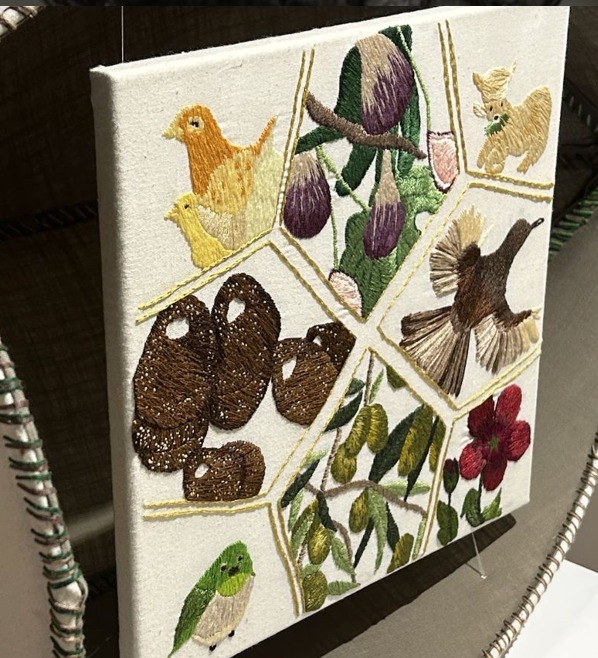
“Cairo is where the idea was born, so in many ways the city chose us.”
She remembers growing up with the music of Amr Diab, the voice of Umm Kulthum filling family gatherings and Egyptian cinema forming part of everyday life. These memories, she believes, connect people across the region regardless of where they were raised.
“There’s a bit of Egypt in all of us.”
That cultural familiarity gives TheMENAEdit a meaningful foundation. Rather than arriving as an exhibition disconnected from its surroundings, the initiative has been developed through direct engagement with Cairo’s craftspeople, manufacturers, designers and creative communities.
The project will be unveiled at a private launch at the Egyptian Museum on 19 November 2026, followed by three days of public roundtable discussions from 20 to 22 November as part of Cairo Design Week.
The discussions will explore the stories behind each of the seven objects, giving participants an opportunity to share not only their achievements but also the negotiations, challenges and creative decisions that shaped them.
The format deliberately moves away from conventional panels. Without a stage or pedestal, the conversations are designed to bring creatives and audiences together on equal terms.
For Trofast, this transparency is essential, particularly for emerging designers.
“A finished object inspires admiration. A visible process inspires action.”
Creating Opportunity, Not Just Visibility
Beyond TheMENAEdit, Trofast has spent years building Creative Dialogues into a platform that connects emerging voices with established creative figures across the region.
Its work spans conversations, exhibitions, educational initiatives and collaborative projects, all underpinned by the belief that creativity can become a catalyst for social and cultural change.
When asked what the next generation needs most, whether visibility, mentorship, opportunity or collaboration, her answer is immediate. “If I had to choose one, it would be opportunity, because opportunity is what gives you access: to people, to real projects and to the conversations where decisions are made.”
That philosophy has already taken shape through several initiatives in Beirut.
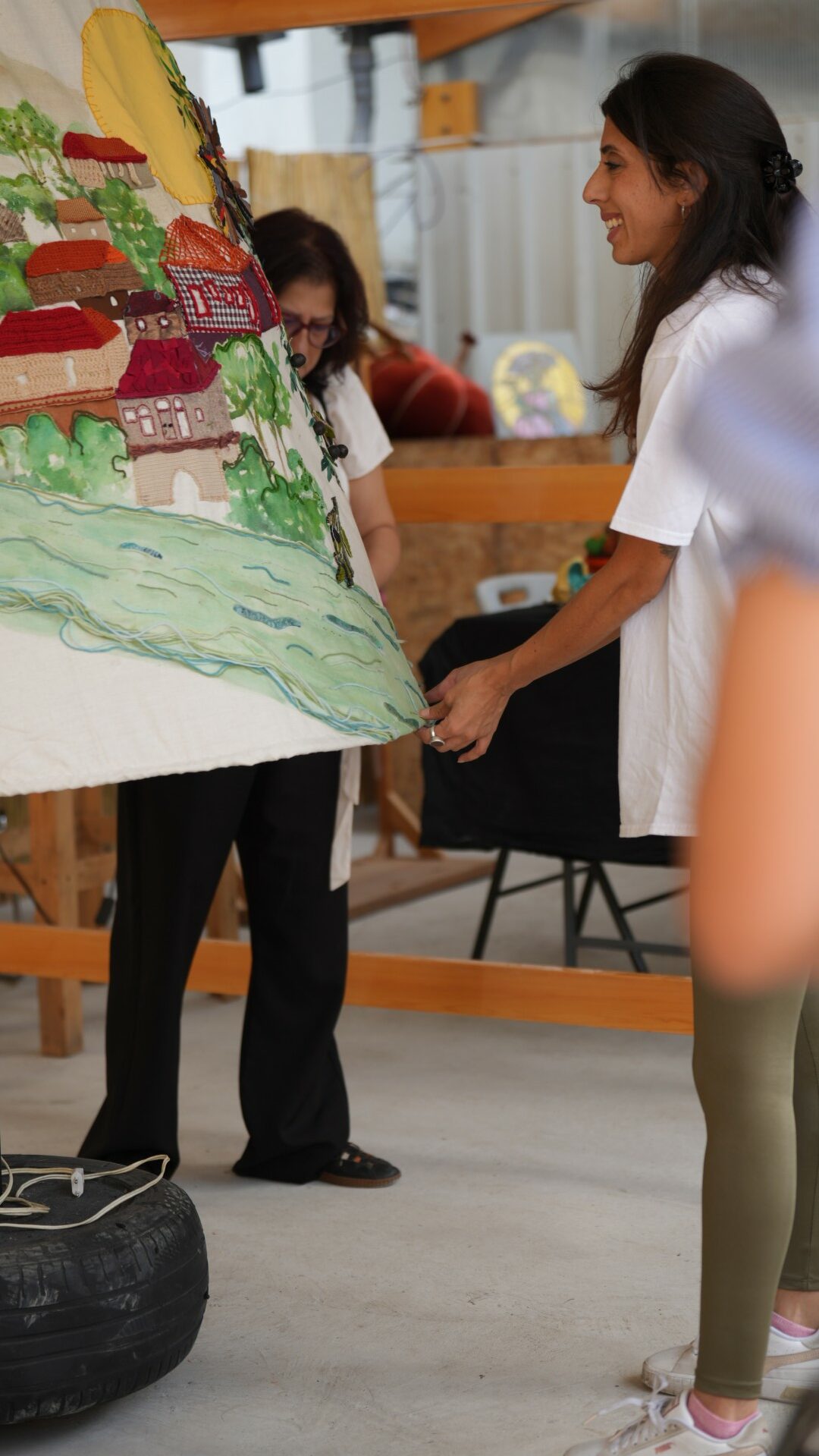
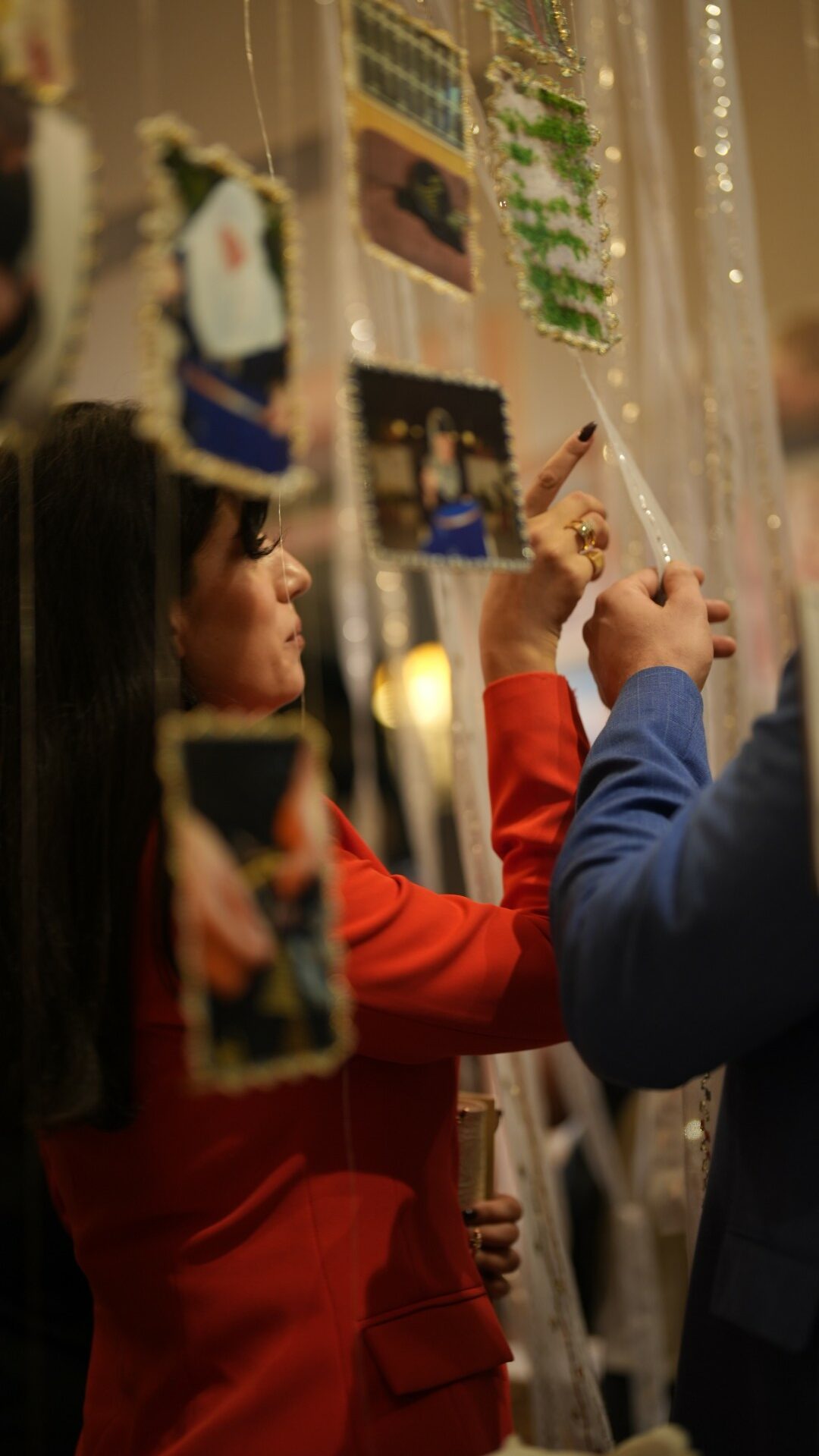
The Path She Chose, a multimedia textile exhibition, brought together 24 women who discovered or pursued their creative calling later in life, giving them a platform to share their stories.
Luminous Threads explored Tarq, an endangered gold and silver embroidery tradition from Baalbek, documenting the knowledge of artisans and working to preserve an important part of Lebanon’s cultural heritage.
Meanwhile, The Southern Star brought together six women displaced by conflict, who transformed memories of the land they had lost into a collective textile artwork, with plans for the piece to travel to Bahrain.
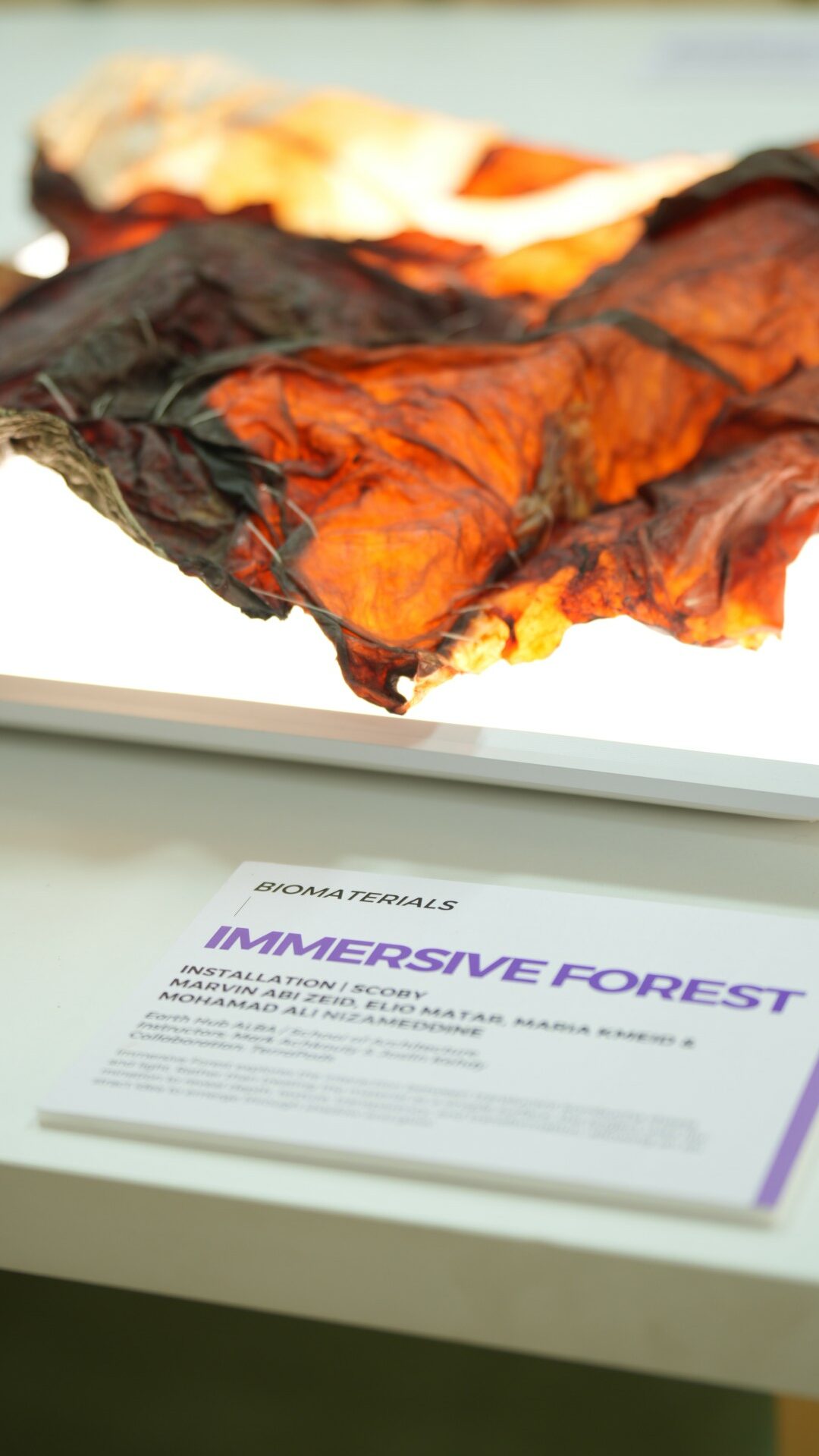
Another initiative, Second Form, challenged 16 architecture students to rethink discarded materials through design, with plans to expand the project to Dubai and Europe.
These initiatives reflect Trofast’s broader understanding of what creative leadership can accomplish. They are not simply exhibitions designed to attract an audience, but opportunities to generate new skills, relationships and possibilities beyond the duration of an event.
Through Creative Campus, students and emerging creatives are invited to participate in the development of projects, gaining direct experience in production, collaboration and cultural programming.
As Trofast puts it, “In giving others a platform, they gain one of their own.”
A Regional Identity Built on Difference
While TheMENAEdit marks an important milestone, Trofast is already looking beyond Cairo.
The project is envisioned as a travelling initiative, with future editions across the GCC and potentially further afield. Each iteration will introduce new participants, challenges and creative perspectives, while maintaining connections with the community established through earlier editions.
There are also plans to explore mentorship opportunities that would allow participants from the inaugural exhibition to guide future collaborators.
The ultimate ambition, however, goes beyond the expansion of a single platform.
Trofast wants to challenge the way the region’s creative industries operate, encouraging designers and artists to move beyond isolated national scenes and build an ecosystem in which ideas, opportunities and knowledge circulate more freely.
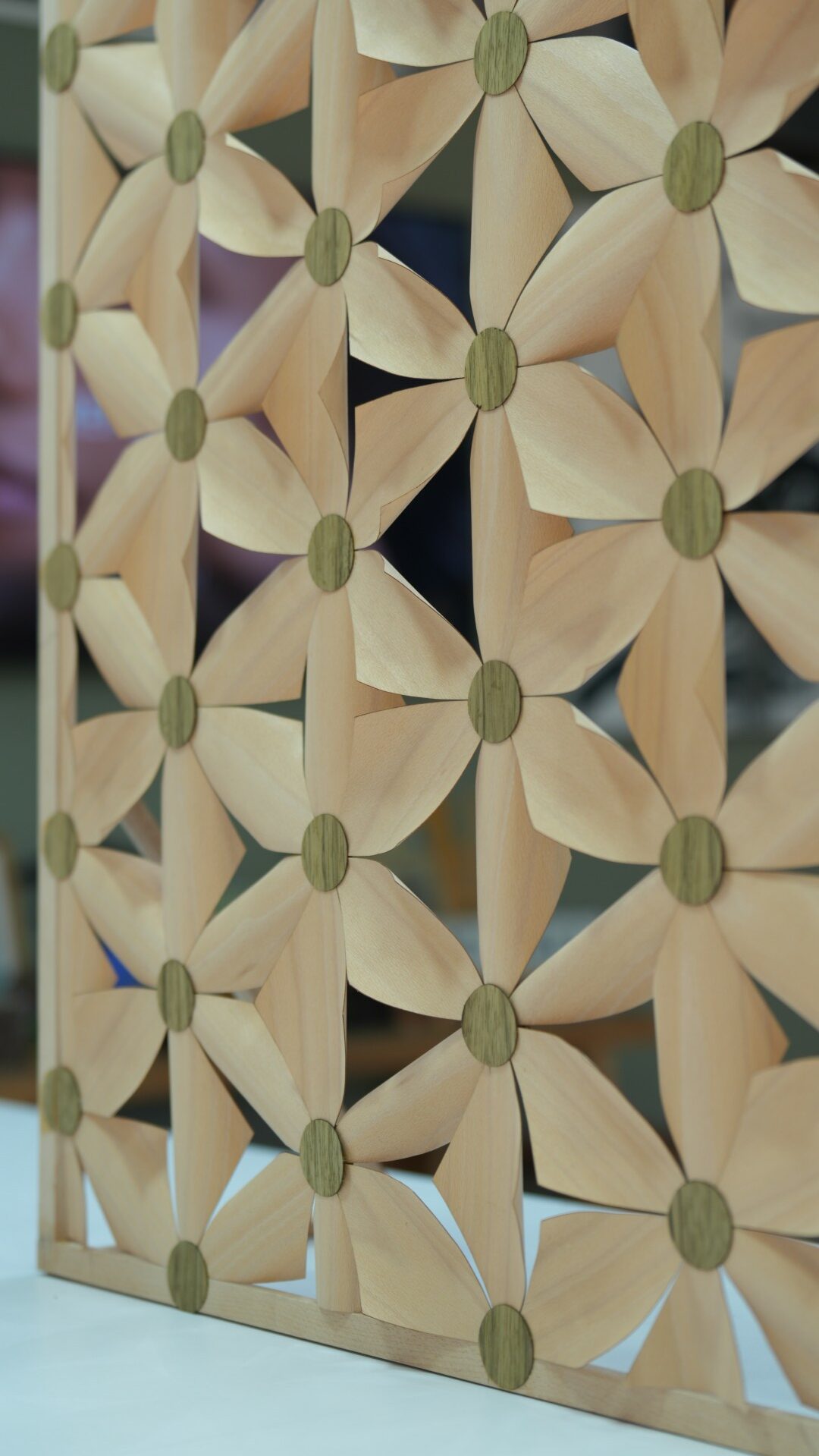
She is equally conscious that regional collaboration should not mean creating a single aesthetic or a uniform cultural identity.
“I don’t believe in one single regional identity. Our diversity is our strength.”
Instead, she envisions a creative landscape where practitioners from different countries know one another, work together and collectively strengthen the region’s position within the international design conversation.
“If we can do that, the world will stop seeing MENA design as a trend and start seeing it as a serious, lasting force, one that writes its own path.”
It is a particularly relevant ambition at a time when regional creative industries are attracting growing international attention. For Trofast, visibility alone is no longer enough. The challenge is to build something sustainable, rooted in knowledge exchange, genuine participation and long-term opportunity.
Her own understanding of leadership has evolved alongside that vision, speaking of the experience she says, “It has taught me that leadership is less about having all the answers and more about creating the conditions for other people to shine.”
As TheMENAEdit prepares to open in Cairo, its seven objects may be what visitors encounter first. But the project’s greater significance lies in the relationships behind them, the conversations that brought them into existence and the possibility that those connections will continue long after the exhibition closes.
For Trofast, creativity has always been about more than making beautiful things. It is about bringing people together, creating space for new voices and allowing shared ideas to grow into something bigger than any individual.
And perhaps that is the most compelling message of TheMENAEdit: the future of design in the Middle East and North Africa will not be shaped by one city, one discipline or one creative voice, but by the willingness of many to build something together.
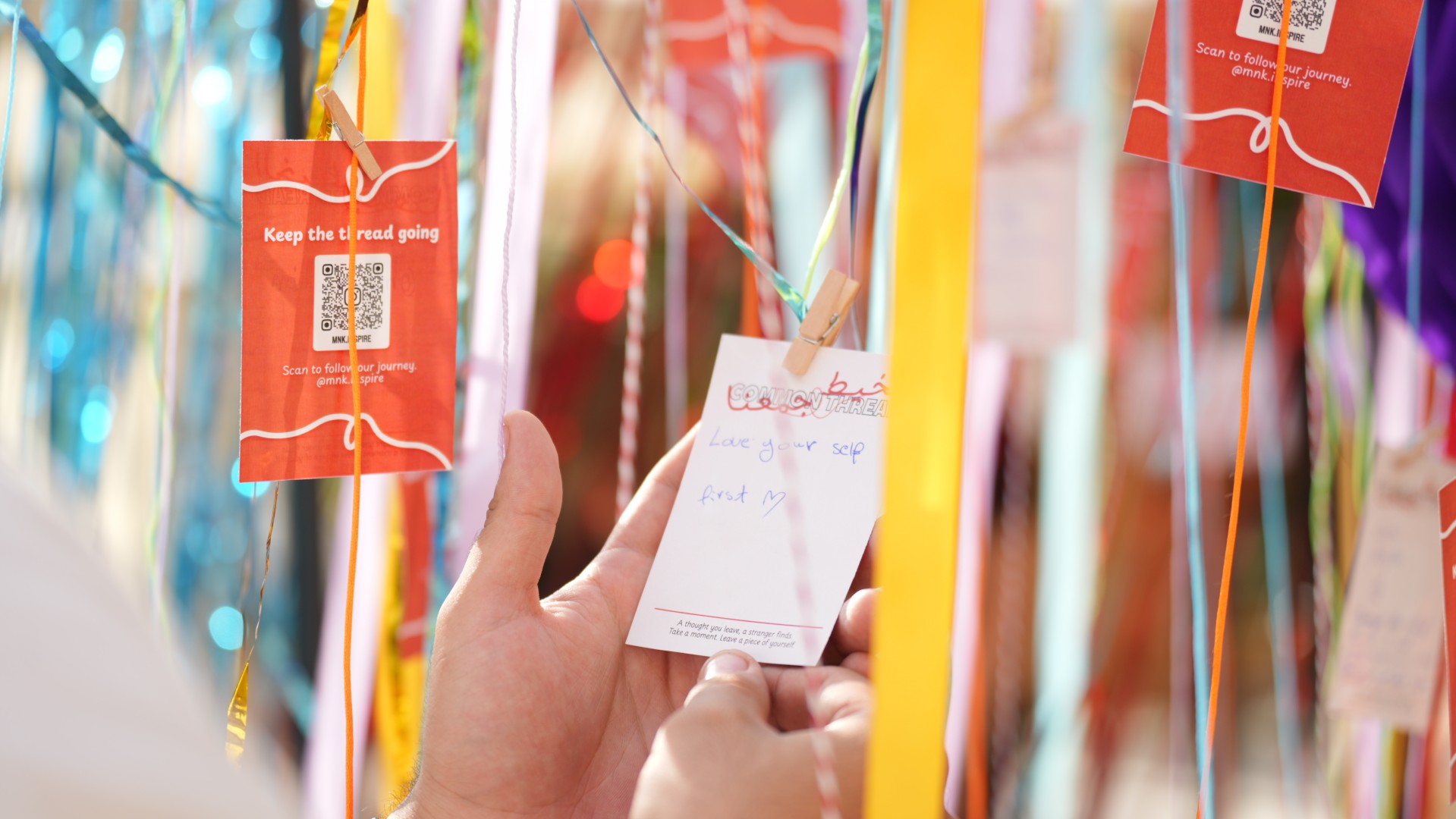
As Trofast reflects, “After so long apart, creativity may be what finally brings us back to one another.”
For more stories of art and culture from across the region, visit our dedicated archives and follow us on Instagram.