Some icons survive by remaining unchanged. Others stay relevant because they know how to evolve.
For its new Royal Oak Joaillerie collection, Audemars Piguet takes the instantly recognisable architecture of the Royal Oak and removes time from the equation altogether, transforming its codes into a collection of jewellery that feels graphic, tactile and decidedly contemporary.
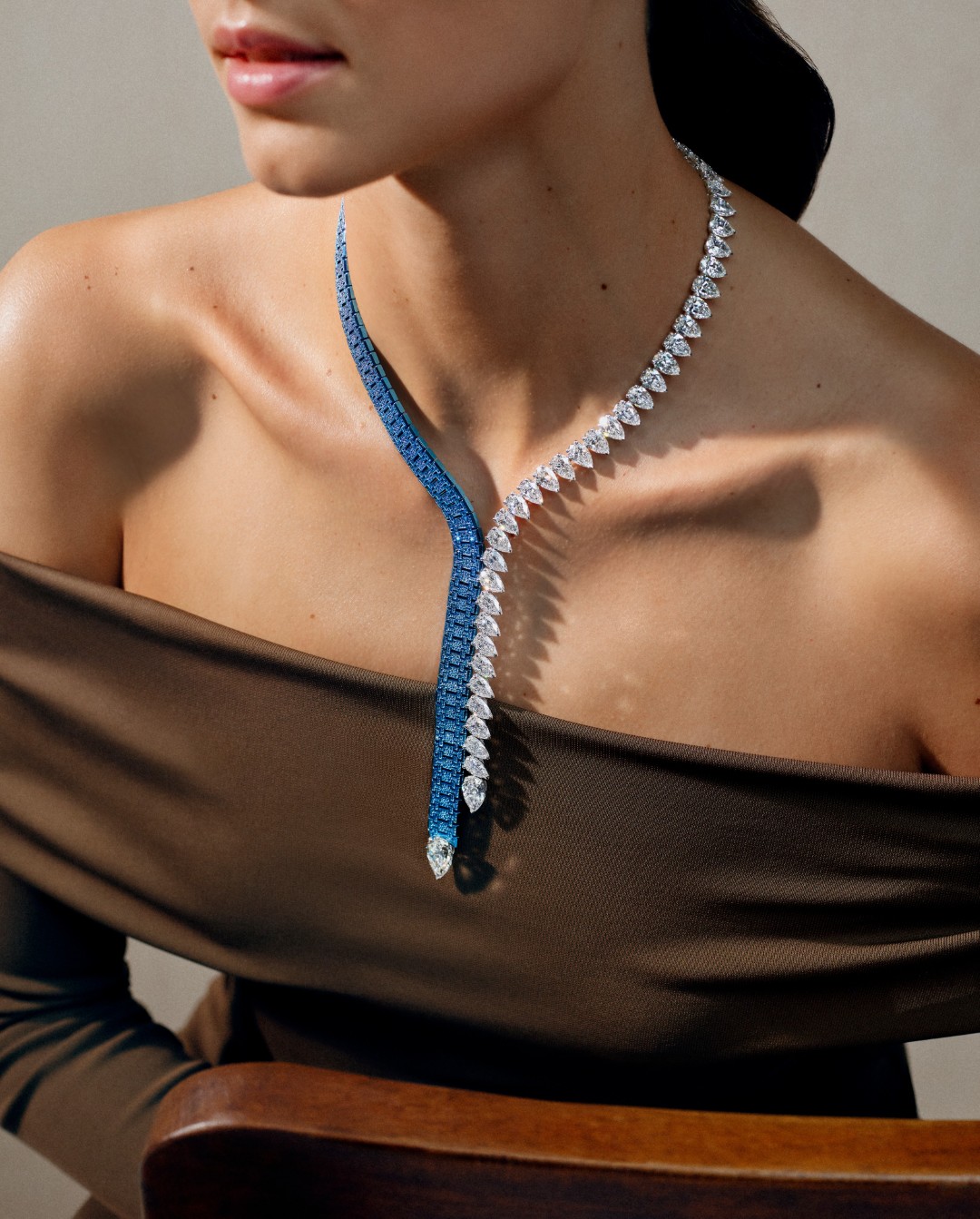
First introduced in 1972, the Royal Oak has long been defined by its strong geometry and distinctive integrated bracelet. Here, that familiar visual language becomes the foundation for cuffs, necklaces and earrings, with proportions exaggerated, surfaces reworked and gemstones introduced as part of a broader exploration of colour, light and texture.
The collection also marks a natural extension of Audemars Piguet’s history. Jewellery has existed alongside the Manufacture’s watchmaking for well over a century, from early pendant, brooch and ring watches to collaborations with jewellers including Tiffany, Cartier, Oscar Heyman and Bvlgari. An in-house jewellery workshop established in the 1980s further expanded that vocabulary.
This time, however, the Royal Oak itself becomes the jewel.
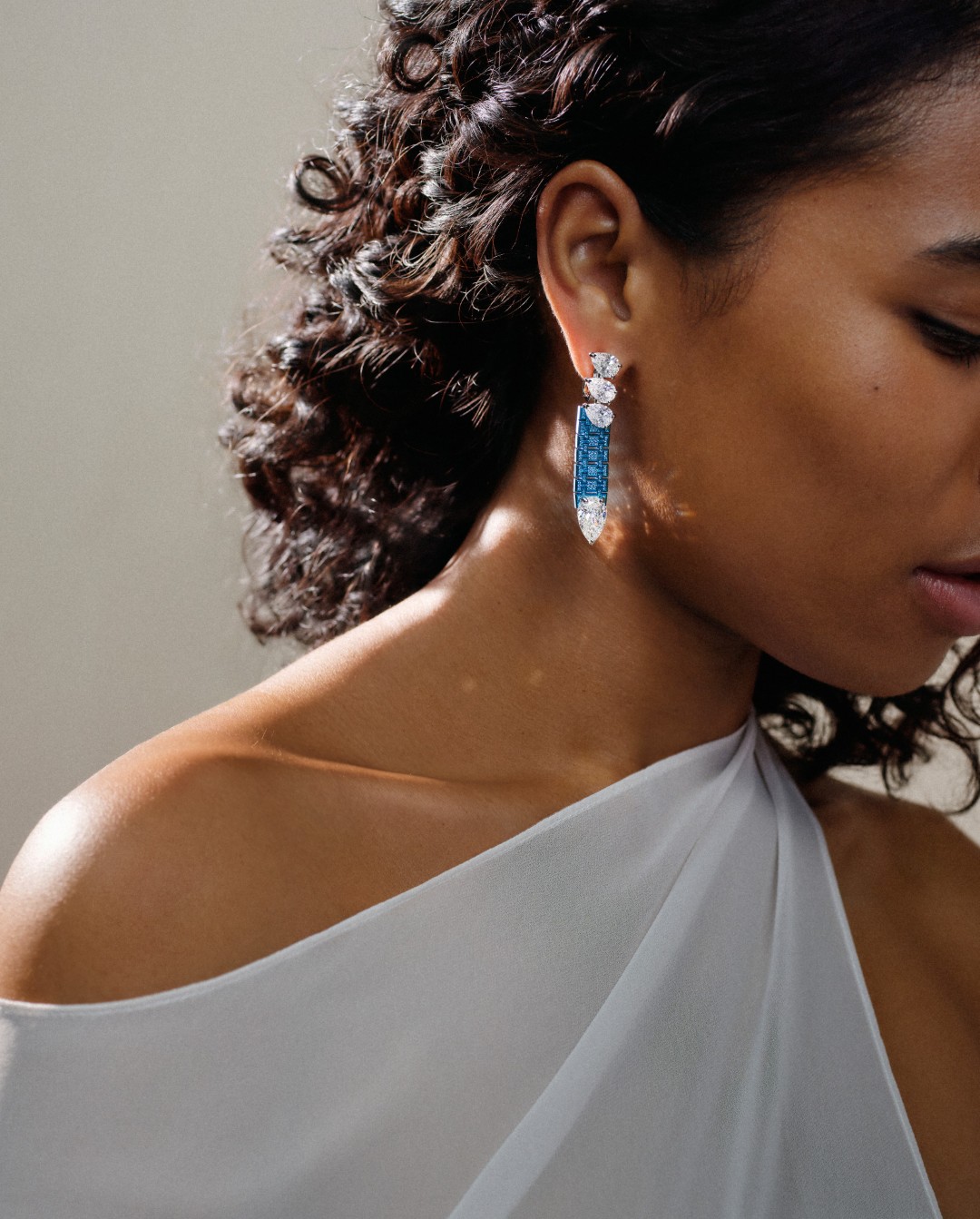
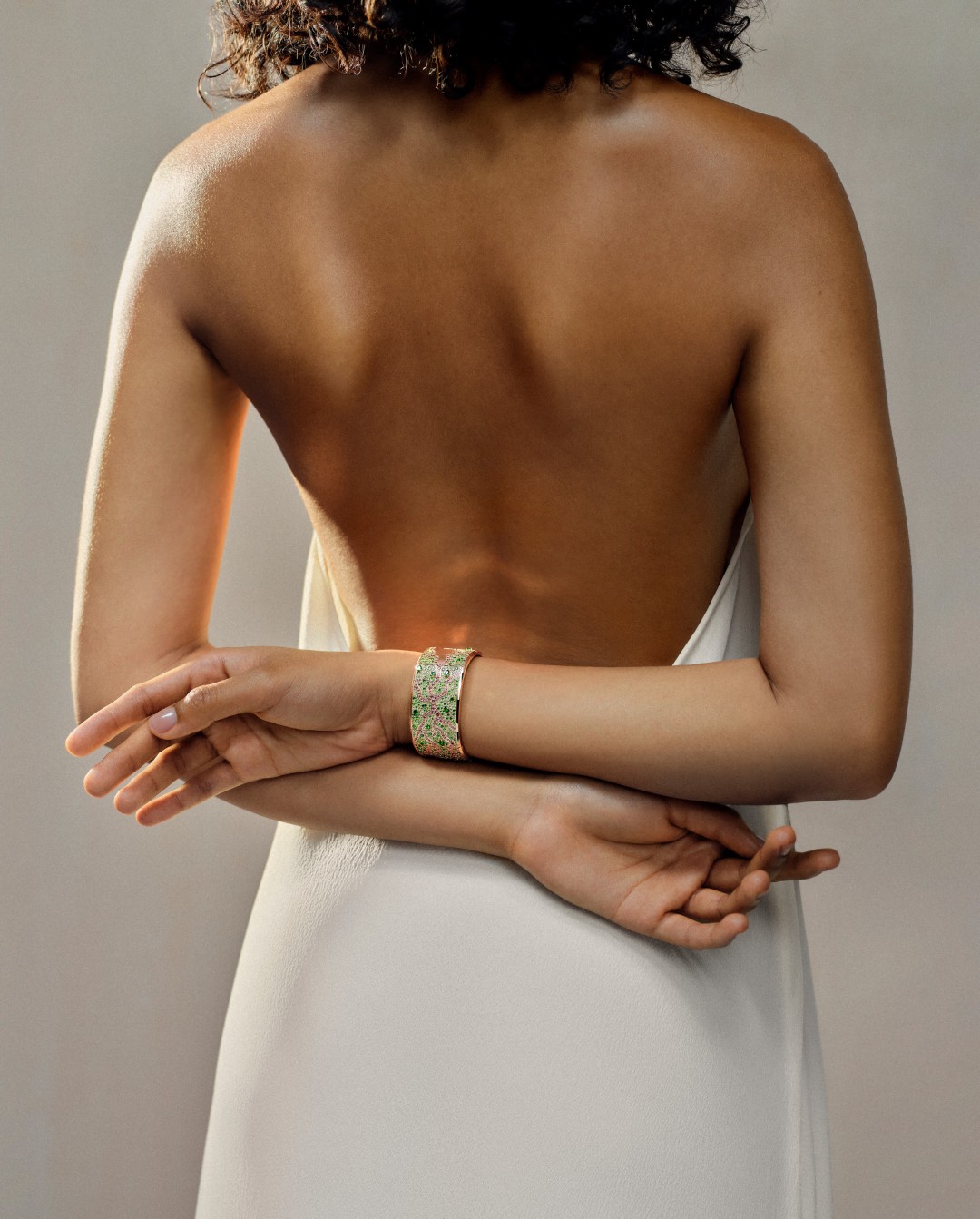
In Dream of Joux, the landscape surrounding Audemars Piguet’s home in Switzerland’s Vallée de Joux provides the emotional starting point. Frozen lakes, flowers and night skies are translated through gemstones and complex settings, giving the Royal Oak’s structured geometry an unexpected softness. The one-of-a-kind Blue Moon cuff, for example, combines white gold with diamonds, deep blue sapphires and Swiss and London blue topazes, finished with the collection’s signature octagonal clasp.

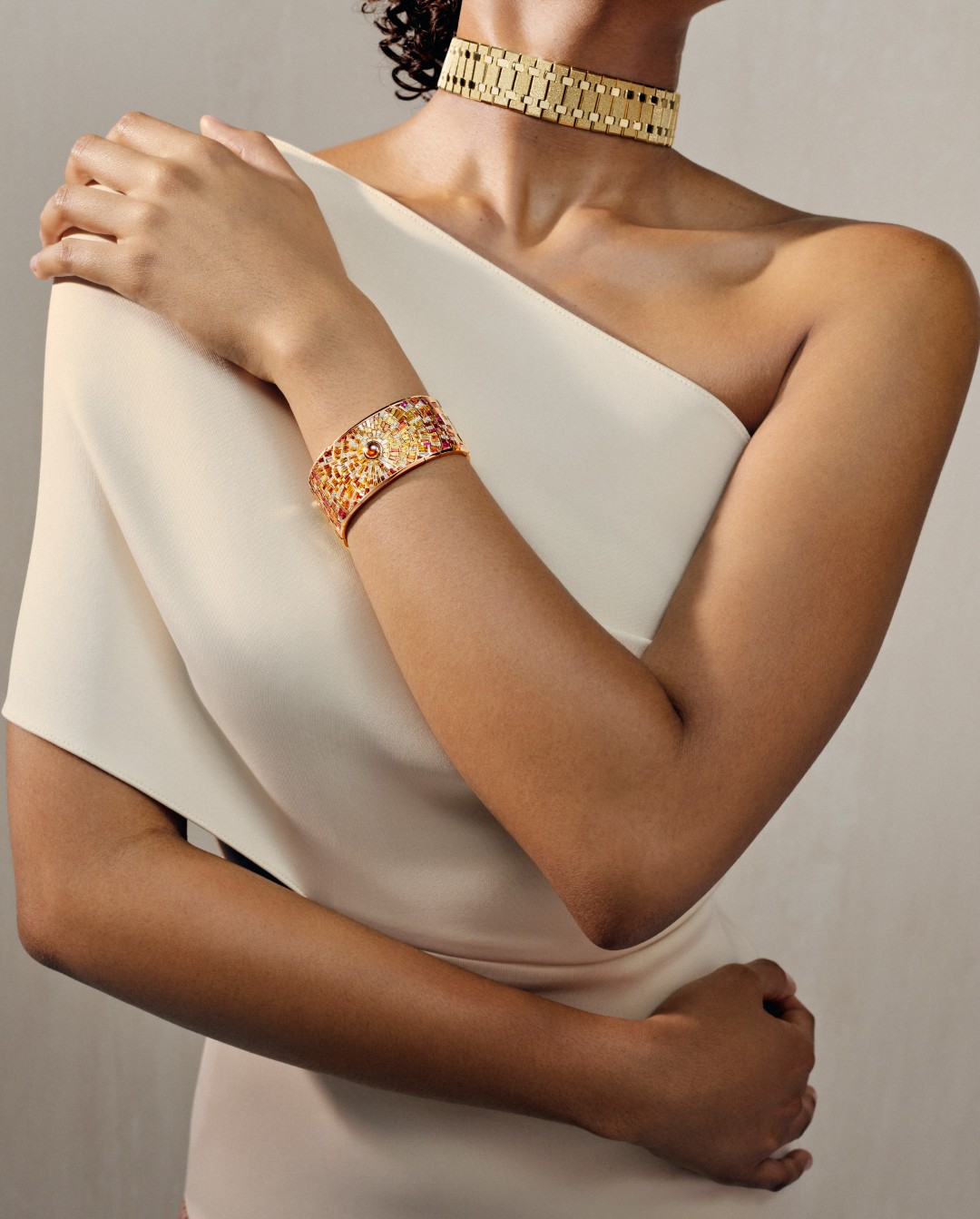
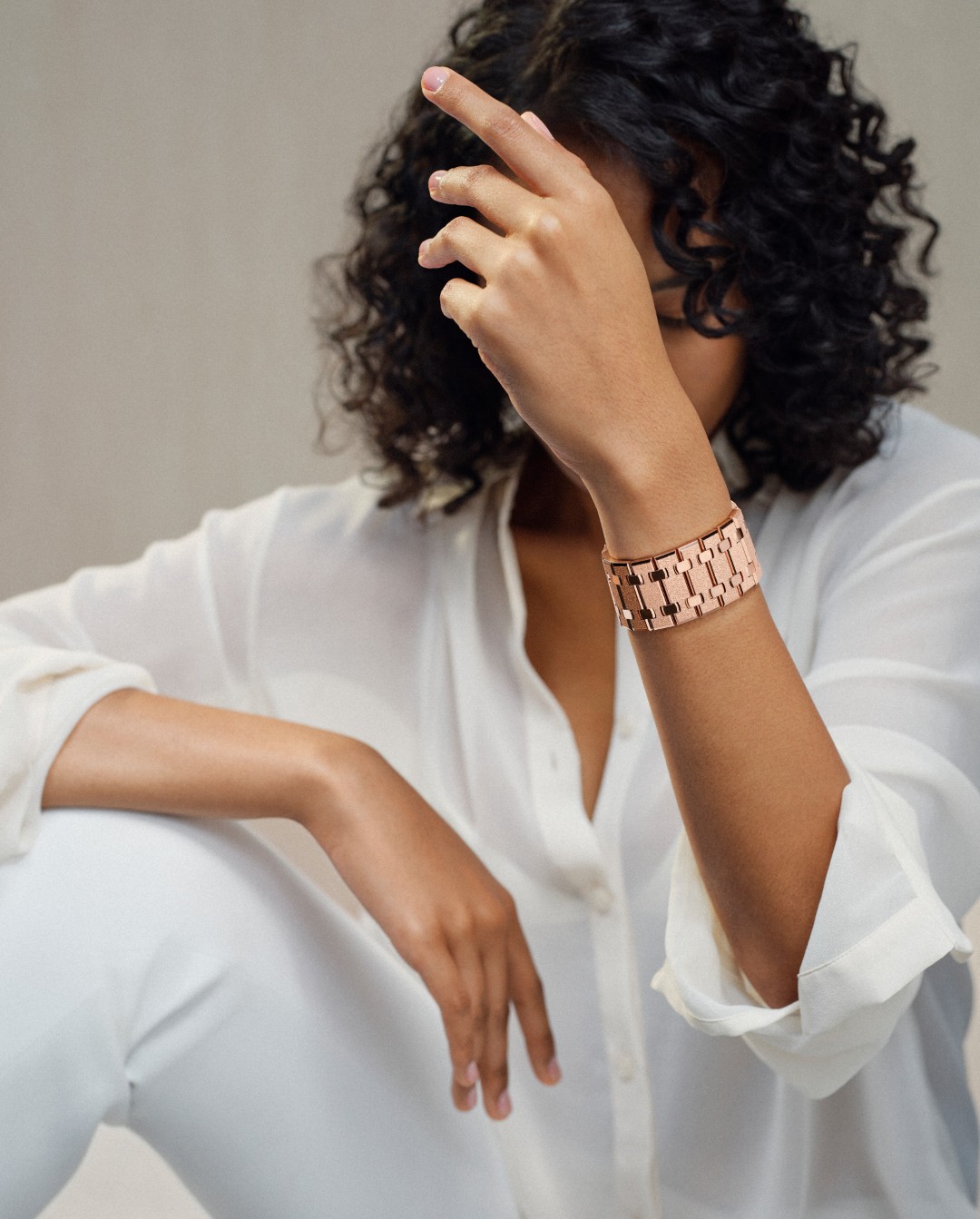
Elsewhere, the Frosted Gold pieces shift the emphasis from colour to surface. Developed through Audemars Piguet’s ongoing collaboration with jewellery designer Carolina Bucci, the finish uses an ancient Florentine technique to create a fine, diamond-dust-like shimmer across white, yellow and pink gold. The effect appears across sculptural chokers and cuffs including Spring Frost, Summer Haze and Autumn Mist.
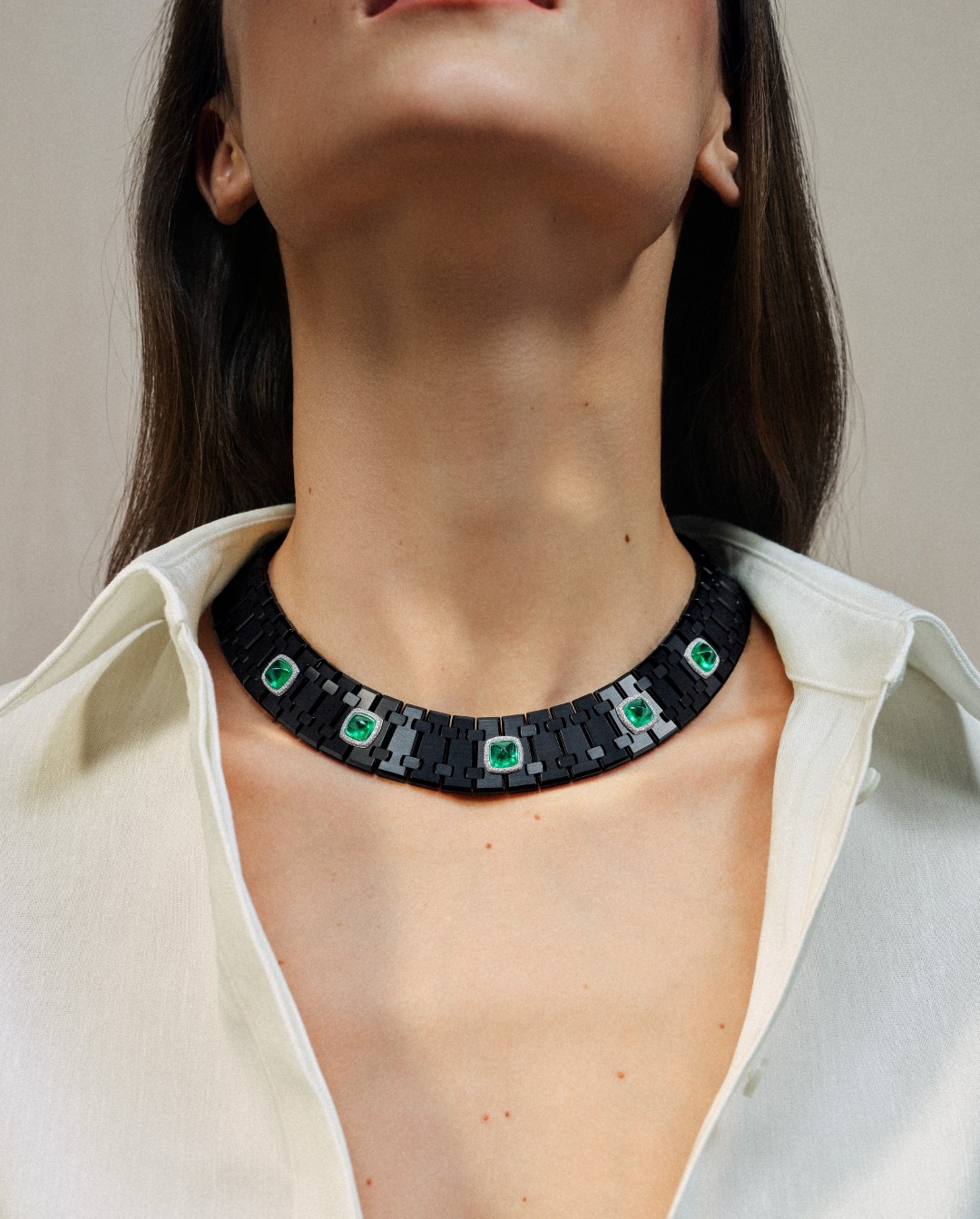
Then comes Risoud Eclipse, perhaps the collection’s most dramatic proposition. Inspired by the Risoud Forest and the Vallée de Joux’s relationship with celestial observation, black titanium is contrasted with emeralds and diamonds, creating a darker, sharper interpretation of the collection’s play with light.
Together, the pieces demonstrate how far a familiar design code can travel without losing its identity. The Royal Oak’s geometry remains immediately visible, but it is no longer restricted by the conventions of the wristwatch. Scaled up, gem-set and reshaped around the body, it moves closer to fashion, sculpture and object design.
“A gateway to the past and the future, the Royal Oak Joaillerie collection embodies Audemars Piguet’s free spirit,” says Audemars Piguet CEO Ilaria Resta, describing jewellery as a creative territory that allows the Manufacture to revisit its codes and expand its approach to expression.
That freedom is ultimately what makes the collection interesting. Rather than simply decorating an existing icon, Audemars Piguet has pulled apart its visual language and asked what else it can become.

The answer is jewellery that is recognisably Royal Oak, but with a completely different attitude: more expressive, more sensual and designed to occupy space well beyond the watch world.
For more stories of the world’s finest jewels, visit our dedicated fashion pages and follow us on Instagram.