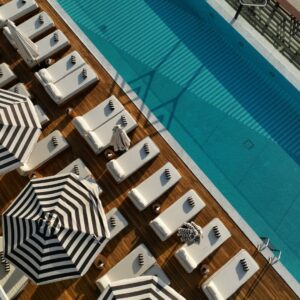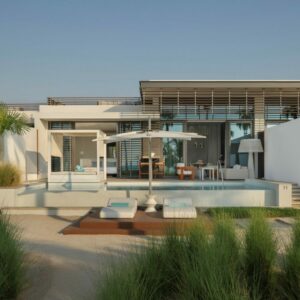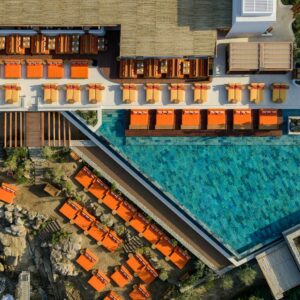
A new kind of nightlife is taking shape right in the sweet spot between a beach club and a dark room. Ibiza used to own this space, but a distinct Mediterranean pulse is rising much closer to home, from Beirut to Egypt’s North Coast.
Here, hospitality and nightlife bleed into one another. Futomama has long lived by that rule in Beirut. Tucked away behind a low-key Japanese street-food counter, this guest-list-only spot earned its reputation not through massive production or headliners, but through something money can’t buy: real intimacy. The crowd was always the main event.
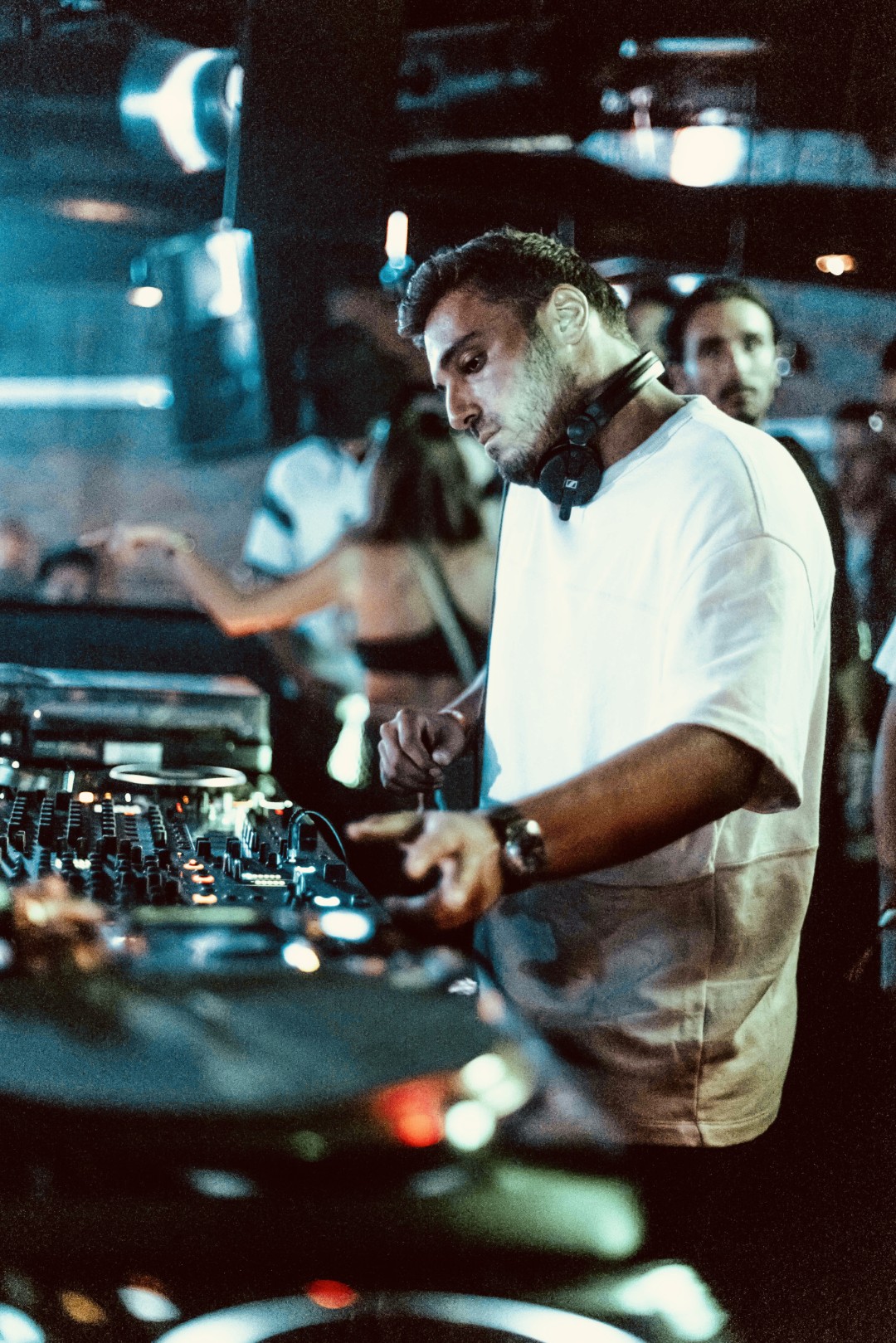
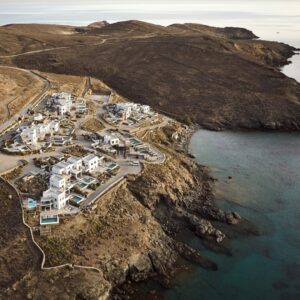
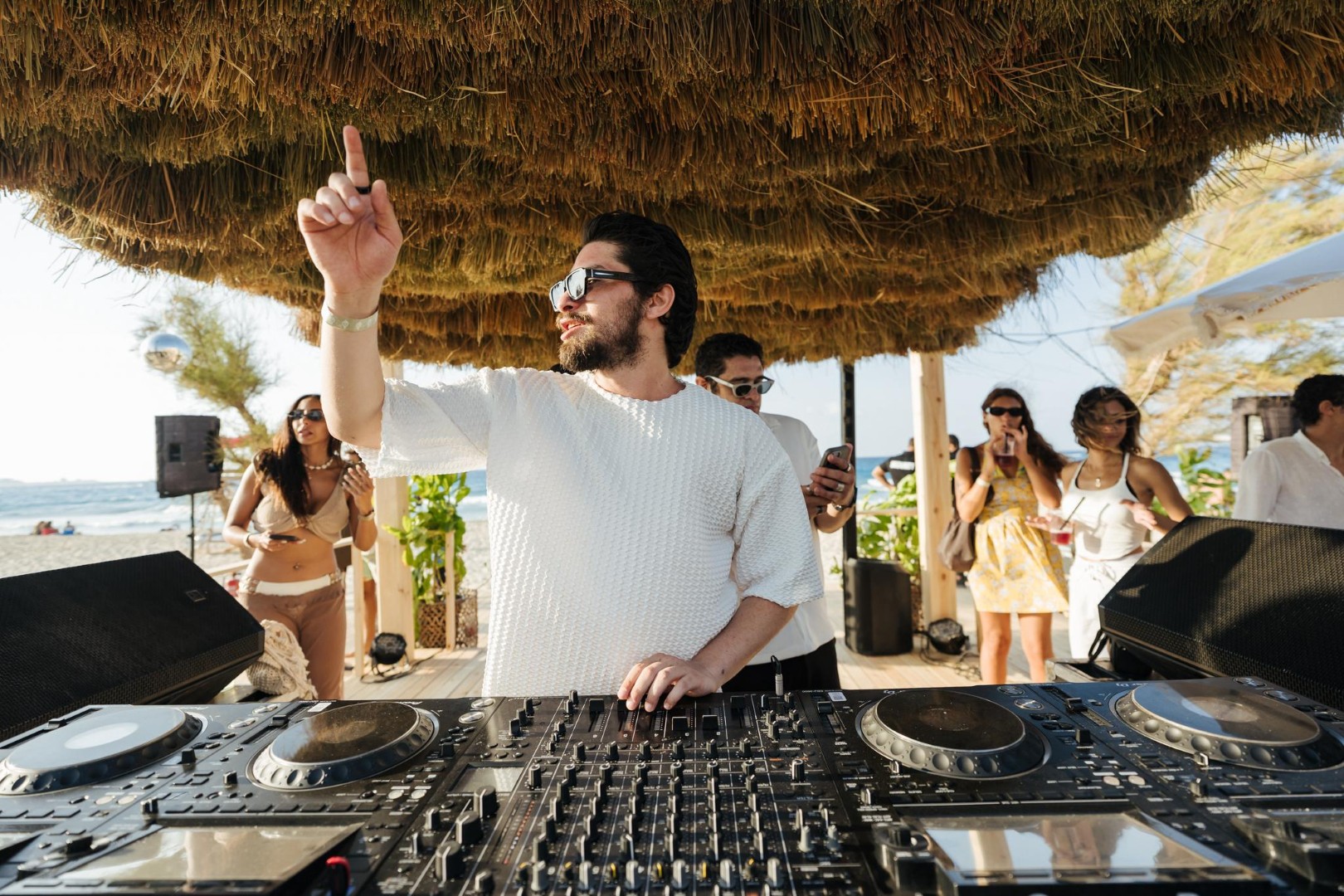
Last Saturday at Mariolino Beach House, Ras El Hekma, dining tables filled with shared plates and spritzes gradually gave way to a dance floor. As the sun dipped below the Mediterranean, guests lingered over lazy sunset meals before naturally spilling onto the dance floor, as Beirut’s cult nightlife concept made its Egyptian debut. When they brought their first-ever showcase outside Lebanon, YUNG had to see whether Beirut’s approach to nightlife could travel.
Nightlife is changing gears. All over the world, the heavy focus on big-name headliners is fading, making room for a more holistic experience where the location, the hospitality, the crowd, and the vibe matter just as much as whoever is playing. Spaces leaning into this trend are also doubling down on curation; tighter guest lists and thoughtful design. It’s about finding your place in a specific vibe, even if it’s just for one night.
It’s a far cry from the mega beach parties and festival-sized crowds that used to dominate the summer. These days, people aren’t looking for the biggest party in town; they’re hunting for the right room; or the right stretch of sand. Destination parties and smaller events aren’t new. What’s new is the growing appetite for them. More and more, people are travelling for the entire experience rather than a single name on the line-up. Around the world, audiences are gravitating more and more toward experiences where hospitality, design, food, music, and community are as much a draw as the artists themselves.
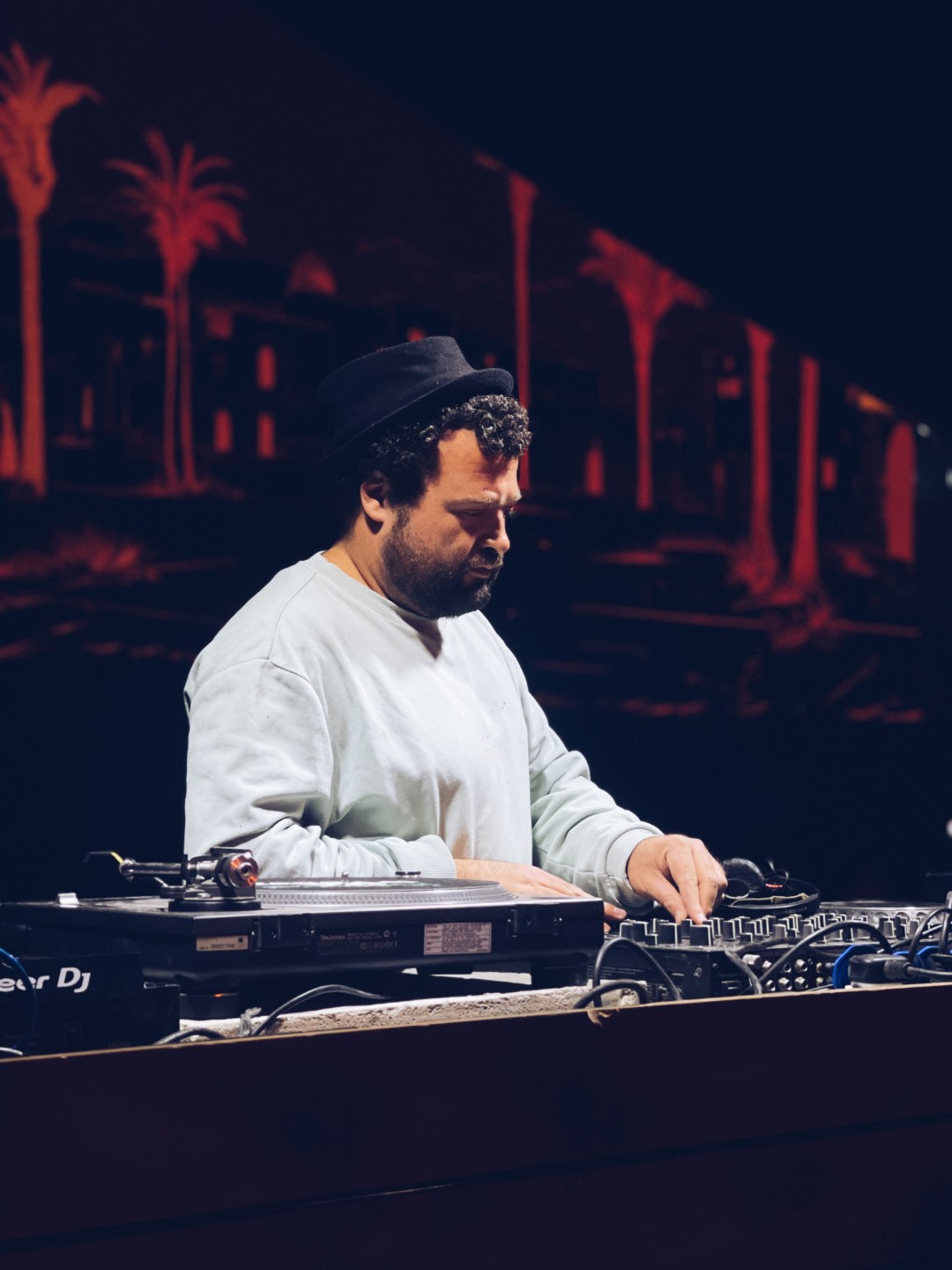
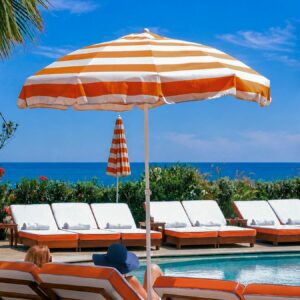
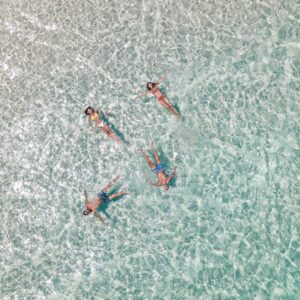
Futomama caught that exact shift in real time. The party didn’t kick off when the first track dropped. It started hours before, with people lounging on sunbeds, splitting their time between the sea and the pool, and settling into long, easy lunches cooked up by restaurateur Mario Jr. Haddad. There was no clear divide between dinner and dancing, only a slow slide where conversations melted into cocktails, cocktails turned into DJ sets, and a beach house turned into a dance floor.
Warm amber lights melted into crimson reds across the beach house, while a mirrored disco ball hanging under the thatched roof threw pinpricks of light over the wooden beams, palm leaves, and the crowd. Every now and then, wisps of smoke drifted through, softly blurring the edges of the room before dissolving into the open air. The production leaned right into the venue, highlighting all the natural textures rather than hiding them.
The music, much like the evening itself, was designed to evolve. Starting out with lazy, groove-heavy tracks by Omar Azaar, and slowly sliding into deeper, hypnotic rhythms, the line-up matched the venue’s slow pulse without rushing anyone from one hour to the next. Local favourites Aly Goede and Misty bridged the gap from afternoon to dark, before French producer and DC10 regular Janeret wrapped things up with the hypnotic, minimal sound that made Futomama famous back in Beirut.
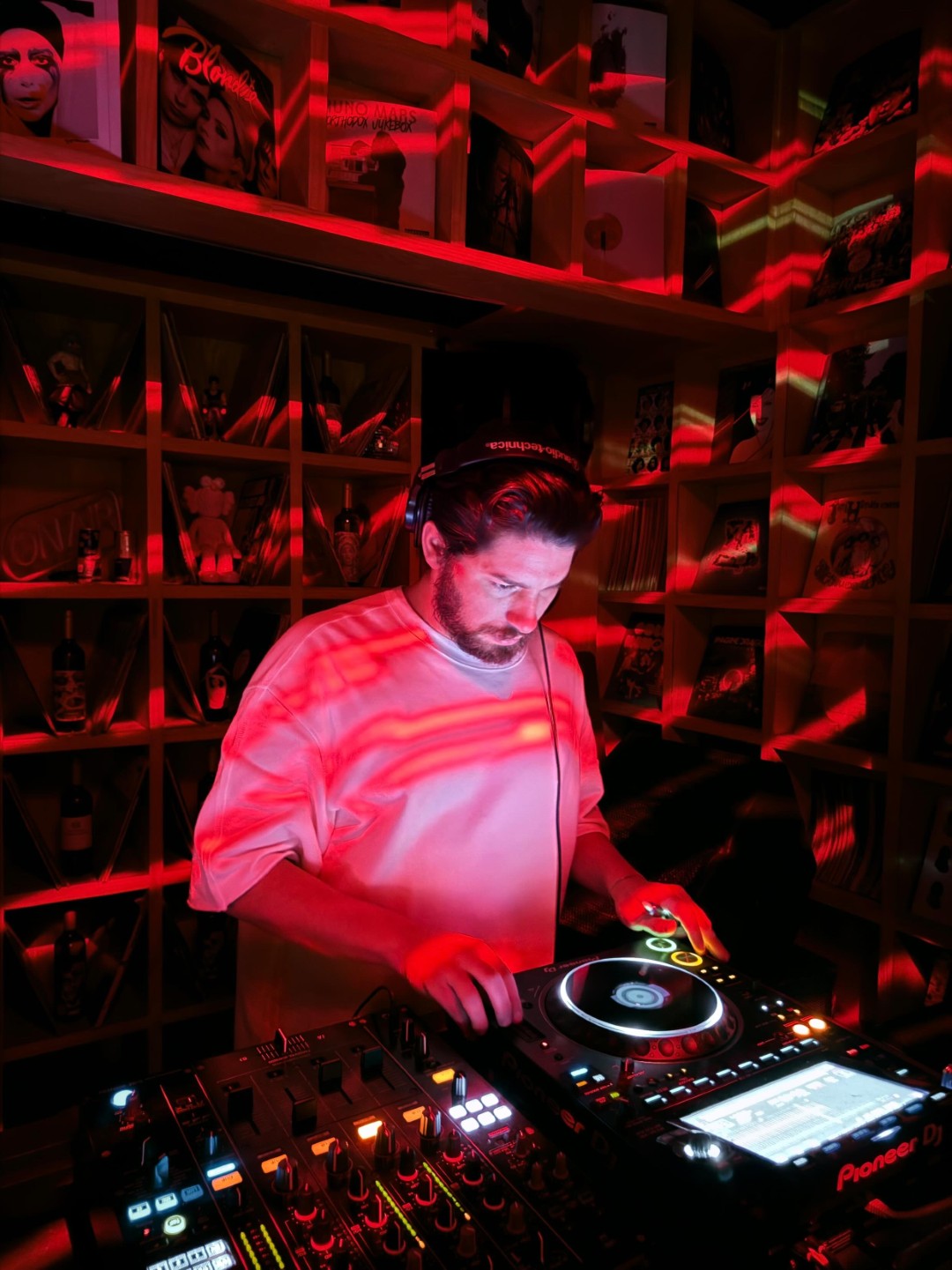
Nothing about the evening encouraged staying in one place; no rigid “it” spot to pose at. The night just flowed without a fixed anchor. People drifted easily between the dance floor, the sand, the bar, and backstage, following the moment instead of being chained to a single table. The whole place felt open and loose, built for wandering.
That freedom drifted right into the crowd. People actually talked, danced, and bounced between groups, ebbing and flowing throughout the space without hiding behind phones or sticking strictly to their own circles. Strangers meshed into one unified crowd, turning a room full of guests into a real community in a way money can’t buy.
What made the collaboration click so easily was that neither Futomama nor Mariolino forced guests to choose between chilling out and going out. Brought over to the North Coast, that formula didn’t feel forced at all; it just slipped right into the slow pace of a beach house while keeping the tight, close-knit feel of the original. The music brought everyone together, but the freedom to move, mingle, and just exist in the space is what gave the night its soul.
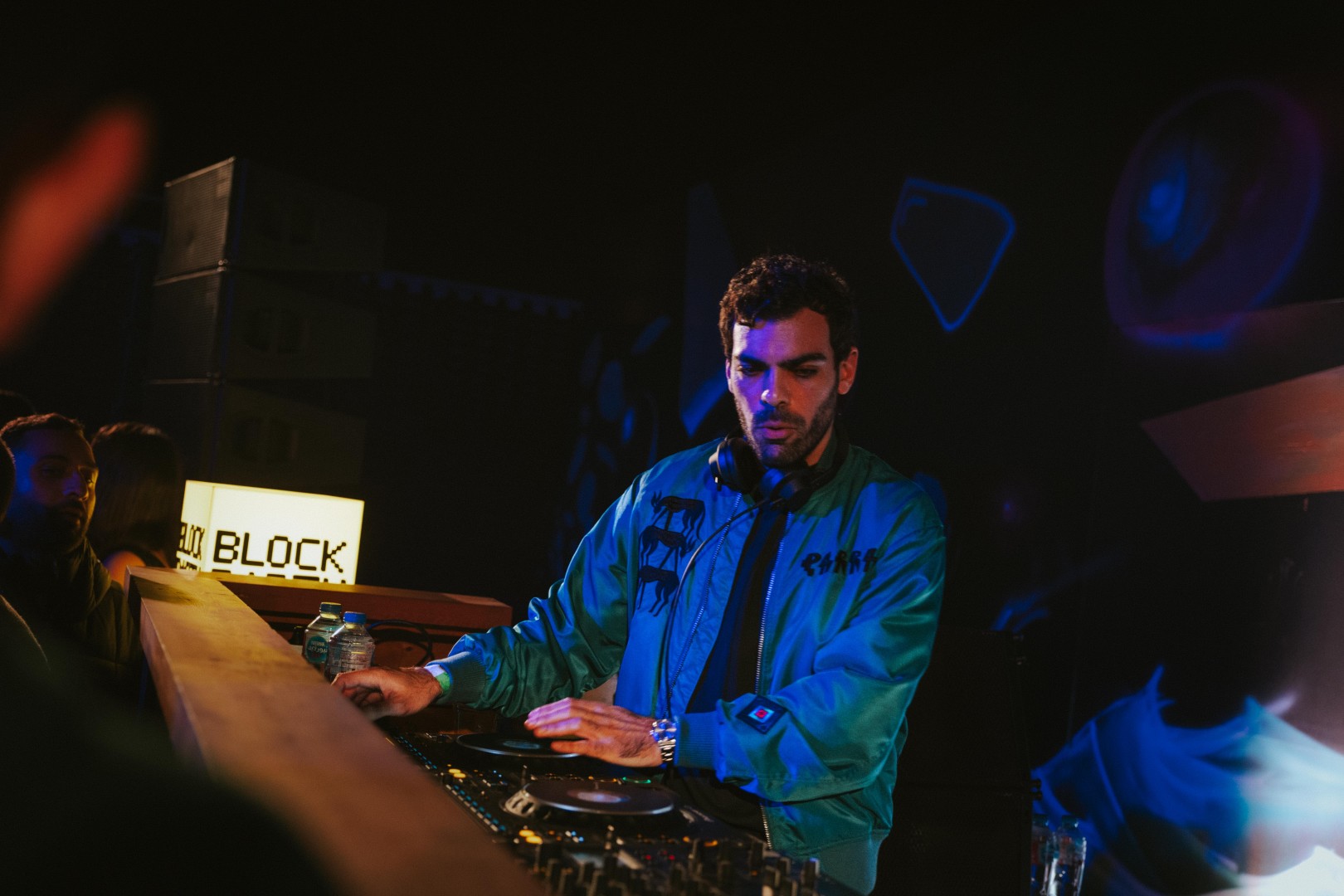
That smooth slide has always been at the core of Futomama. Back in Beirut, they built their name on nights that take their sweet time, where the vibe is shaped just as much by the room as the artists on stage. They design nights where people actually sink into the setting, the conversations, and the collective energy of the crowd.
Over at Mariolino, that mind-set found a surprisingly natural home. The beach house’s slower pace, tight scale, and focus on genuine hospitality matched Futomama’s own playbook, making the whole thing feel like two brands on the exact same wavelength. A day of swimming, long lunches, and sunset views naturally melted into an evening of dancing, without any awkward shift where one phase ended and the other started. The music was just another layer of good hospitality.
For more stories of the region’s finest entertainment spots, visit our dedicated pages and follow us on Instagram.