Sixty-one historic houses. Five public installations. A seed bank growing in Doha. Design Doha, you have our attention! The biennial opens on today for its second edition, and this time Fereej Al Asmakh, one of the city’s oldest neighbourhoods, takes centre stage. Imagine moving through courtyard houses and narrow sikkas while makers work with clay, timber, thread and metal. Already, the prospect of wandering those lanes sounds like a very good plan.
Fereej Al Asmakh sits between Souq Waqif, Al Najada and Msheireb, stretching across roughly 326,000 square metres. Its heritage houses become working spaces for weaving, ceramics, woodworking, metalwork, textiles and culinary crafts. All 61 houses are part of a neighbourhood whose architecture gets to join the conversation. What a setting for a design biennial.
Qatar Museums established Design Doha in 2024 under Chairperson Sheikha Al Mayassa bint Hamad bin Khalifa Al Thani. Director Fahad Al Obaidly and Artistic Director Glenn Adamson now bring together designers from 26 countries across the MENASA region and its diasporas. More than 15 exhibitions span 16 disciplines, from architecture and furniture to urbanism, UX/UI, social design and sound. The inaugural edition gathered more than 300 designers and studios across 24 exhibitions in Msheireb Downtown Doha. This second outing stretches the conversation further.
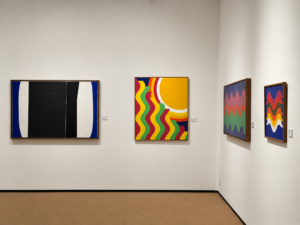
Start with Arab Design Now 2026. Palestinian architect and Bahrain-based curator Noura Al-Sayeh assembles 81 designers, 78 new commissions and 16 new short films across Msheireb Downtown Doha and Fereej Al Asmakh. Its themes move from narration and ornamentation to land, production, technology, community and migration. Best of all, visitors meet the artisans and makers behind the work alongside its designers. Kaph Books publishes a companion catalogue.
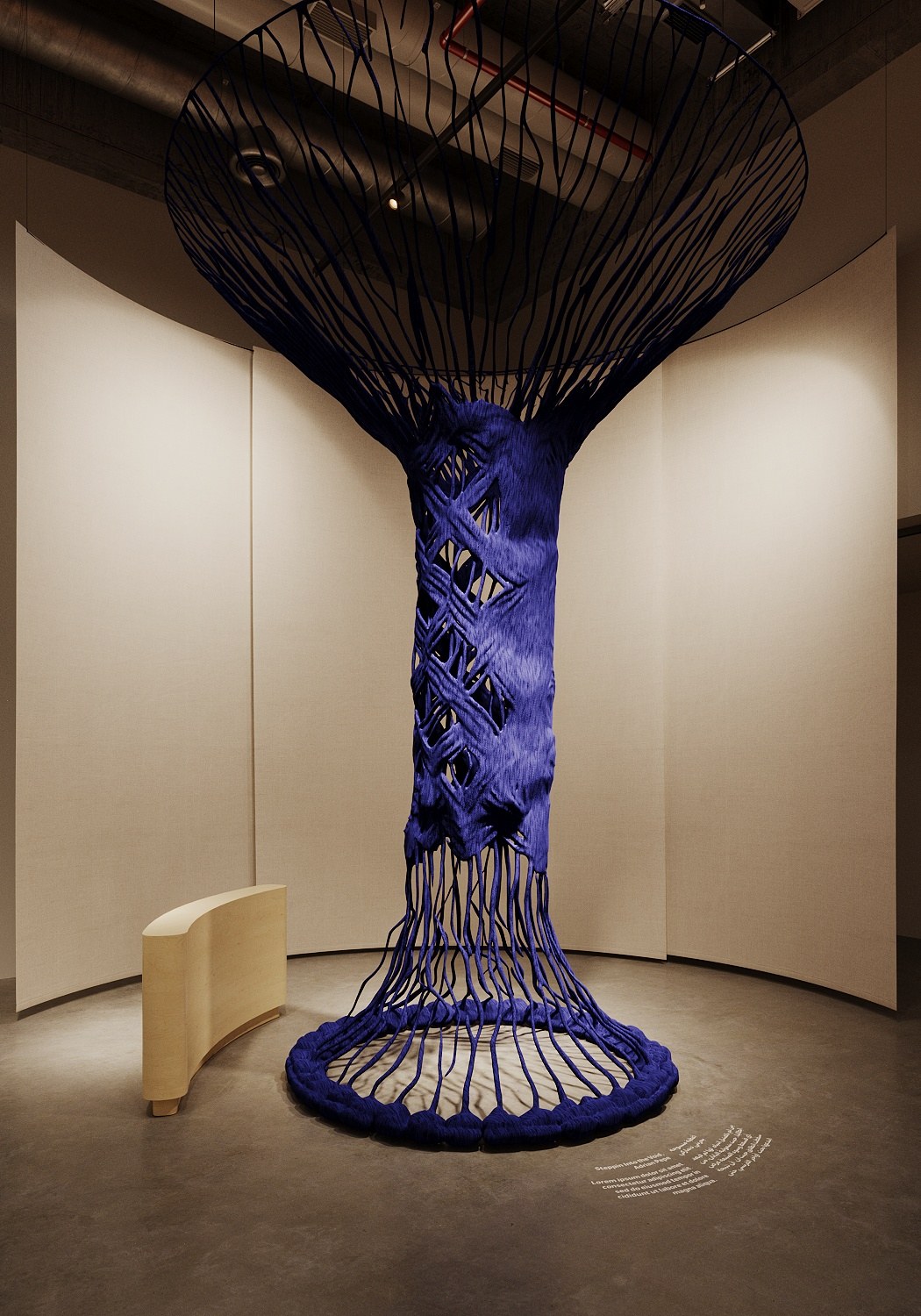
Then follow the threads. George Tadros curates Turquoise Mountain’s Aslan’s Love, drawing on the work of Jalal Aslan, a third-generation Nabulsi tile artisan, and Palestinian craftspeople, including a Doha-based collective of 70 women and young people sustaining tatreez embroidery. In Fernando Laposse’s The Sower, Mario Ballesteros curates an exploration of pearls, silk and cochineal for the Mexico-Qatar Year of Culture 2026. And a living seed bank takes root in Qatar. A seed bank! Sharjah’s Irthi Contemporary Crafts Council contributes six collections through Design Labs II, while Saudi Modern Initiative brings Post-Oil 2026. Also look for Iwan Maktabi’s From Fable to Fiber: The Kalila wa Dimna Triptych, Doha Film Institute’s Atlas of Cinematic Affinities and Al Sadu Society’s The Muqarnas of Sadu.
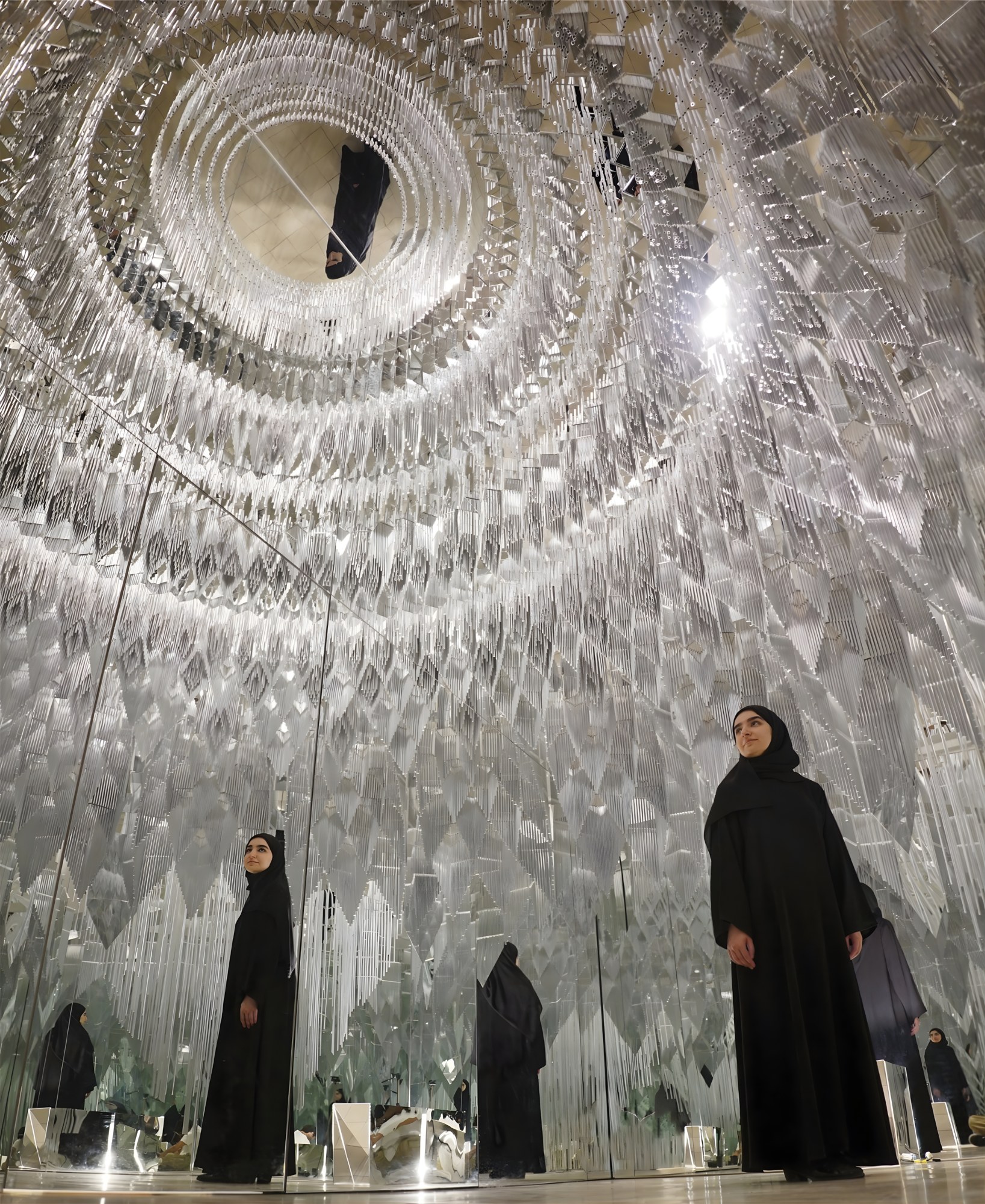
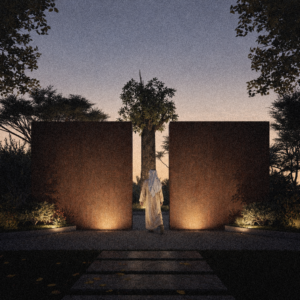
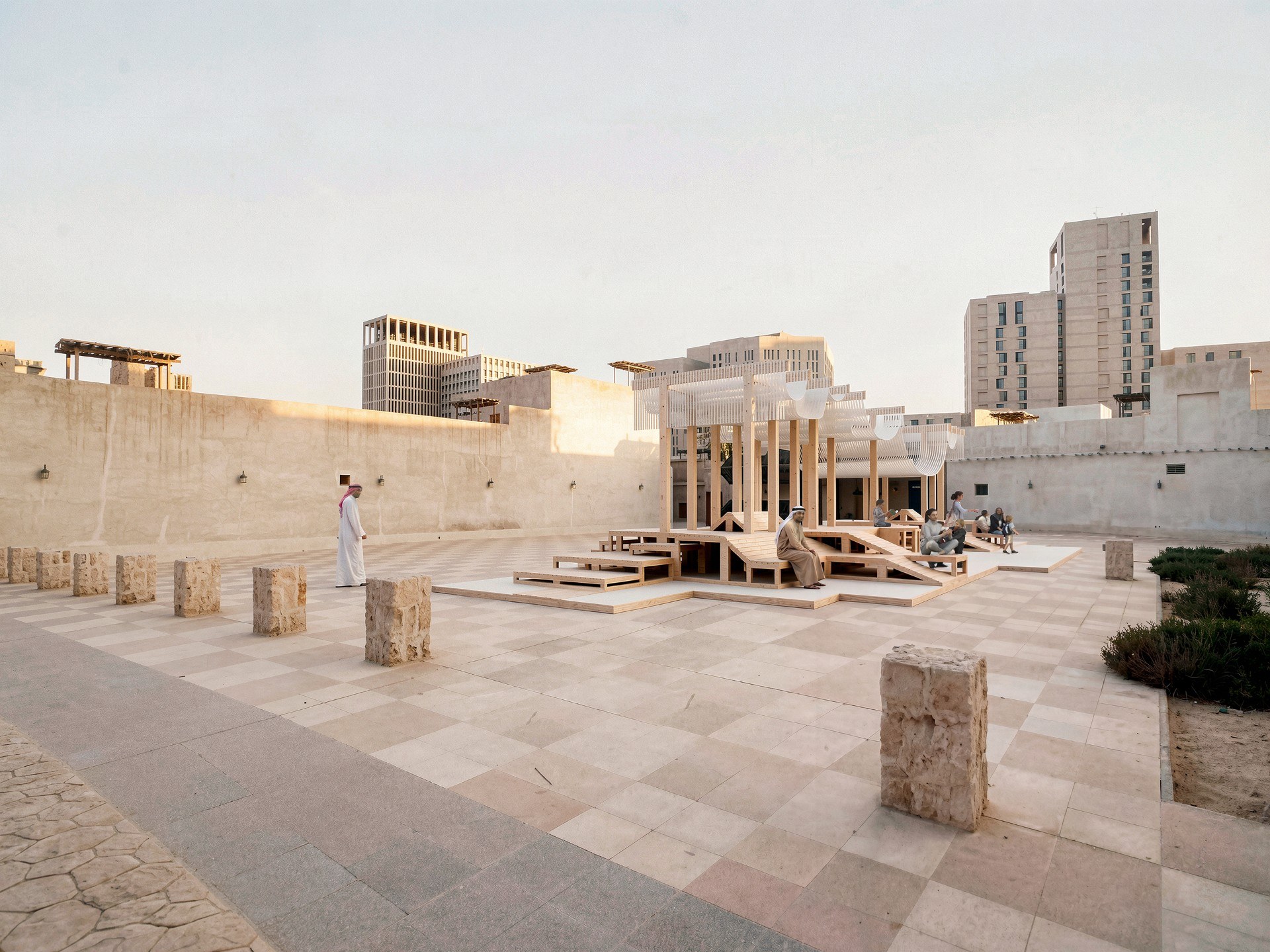
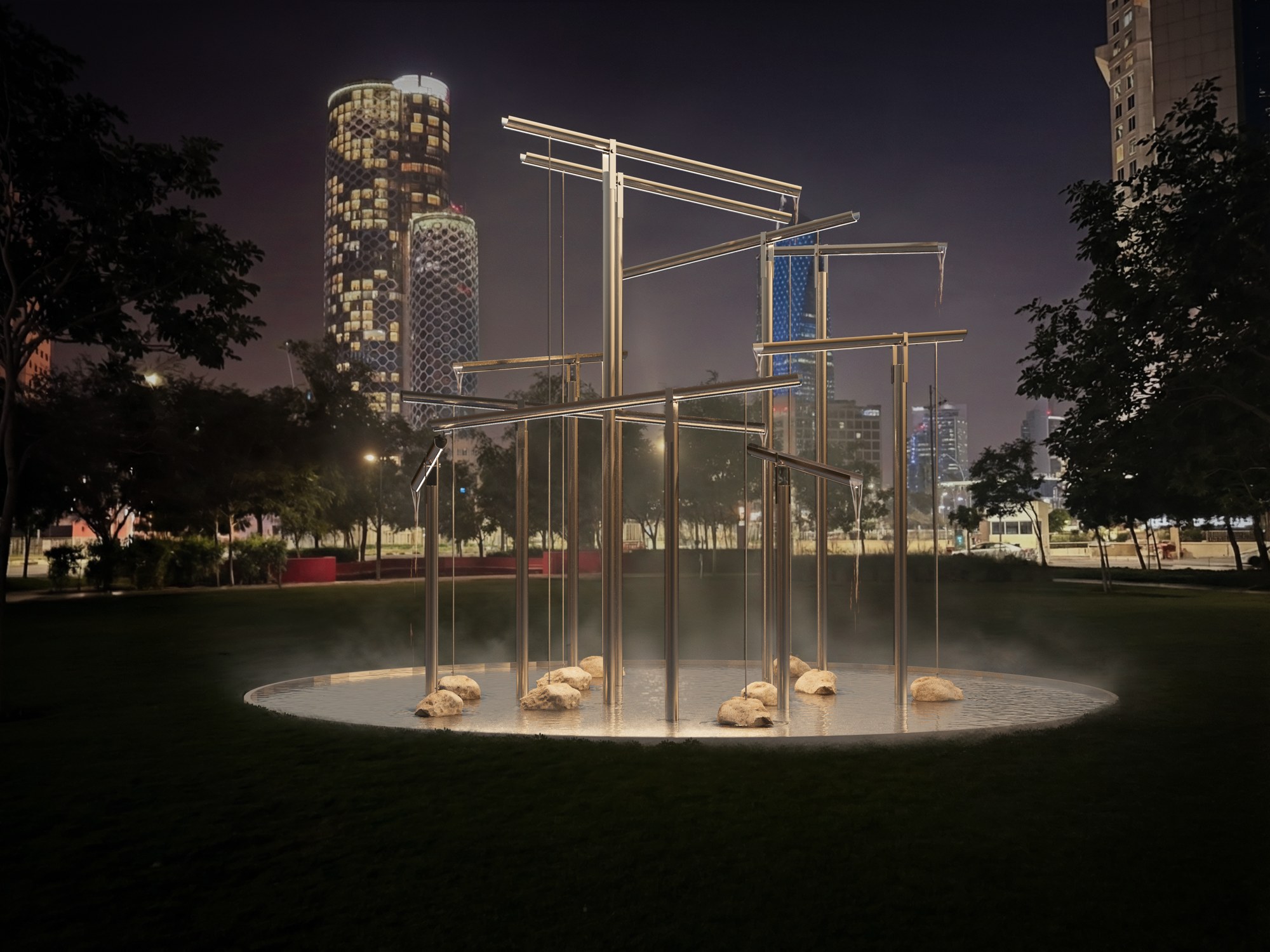
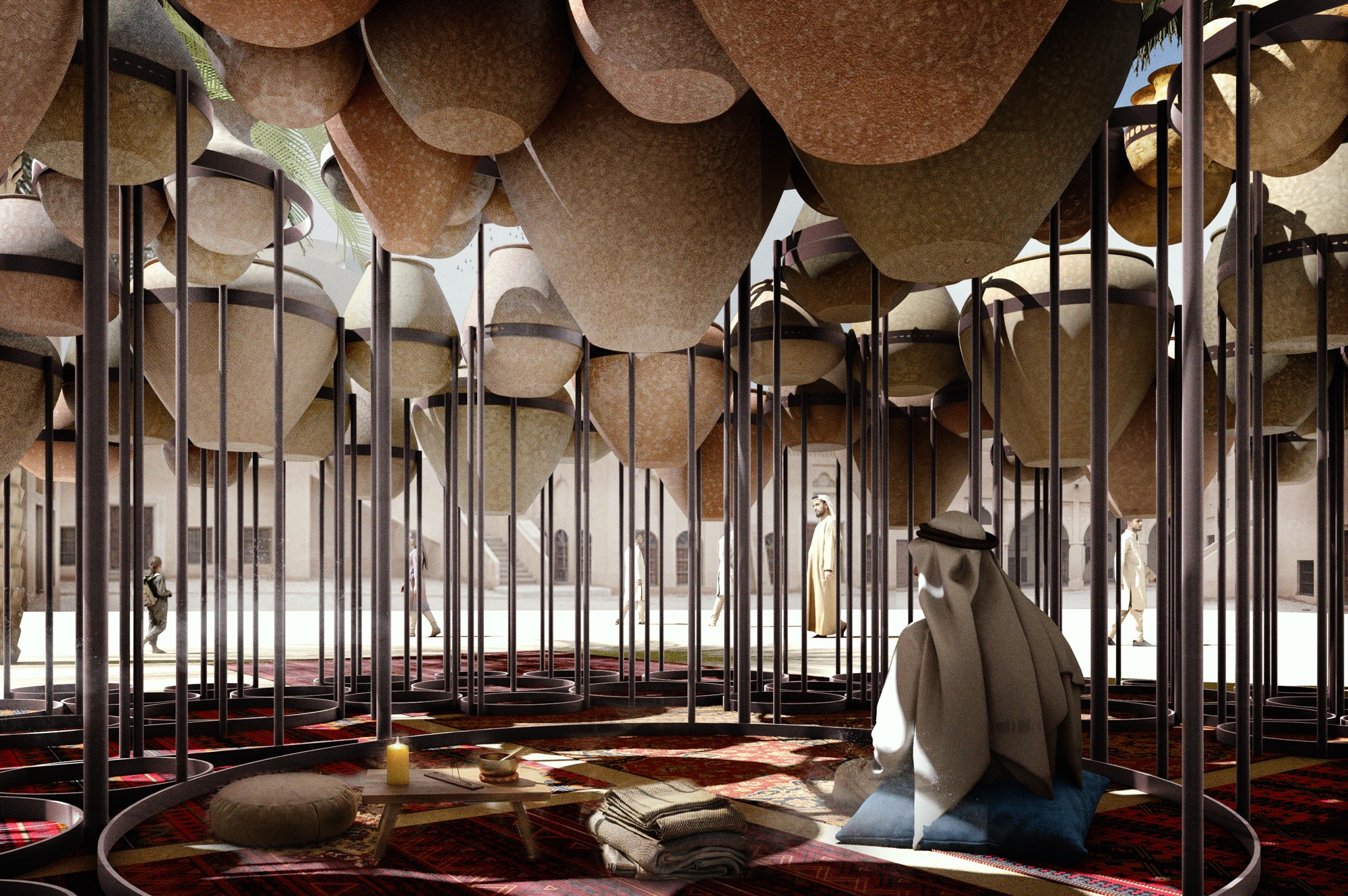
The public commissions take the ideas across Doha. Javier Peña Ibáñez curates the programme, powered by Ashghal. It attracted more than 320 applications from 32 countries and narrowed the field to 10 finalists. Five installations make the cut. Studio by Three channels the ancient falaj water system through stainless steel in Falajscape. Lebanon’s Platau turns the dhow into a wooden evocation of Doha’s reclaimed shoreline with Shoreline. New South’s Meriem Chabani sends cooling mist through ceramic spheres in Salsabil. Haitam Daoudi and Óscar Cruz hang a canopy of terracotta pots for Cooling Pots. Abdalla Almulla builds Palm Construct from palm, a nod to Qatari shelters that used every part of the tree. Suddenly, a walk across Doha has five excellent reasons to turn into a detour.
And the Design Doha Prize? Four winners in Craft, Product Design, Furniture Design and Emerging Talent each take QAR 200,000. They also receive two weeks of mentorship at Vitra Campus, a year of free studio space at Liwan Design Studios and Labs and retail access through Liberty London. India Mahdavi heads the 24-member jury, Sheikha Al Mayassa chairs it, and Rossana Orlandi, Lina Ghotmeh and Hervé Lemoine join its members. Finalists include Bokja Collective, Samer Selbak, Carl Gerges Architects and Hozan Zangana Studio. Winners emerge on 7 November.
Art for Tomorrow and Tasmeem Doha by VCUarts Qatar develop Design Talks, running 5-8 November under Redesigning Dialogue. Opening days run until 7 November; the biennial continues until 31 January 2027. Msheireb Metro station is within walking distance. Make room in your diary. And perhaps your suitcase for ideas.
For more stories of art and culture from across the region and the diaspora, visit our dedicated arts and culture archives and follow us on Instagram.