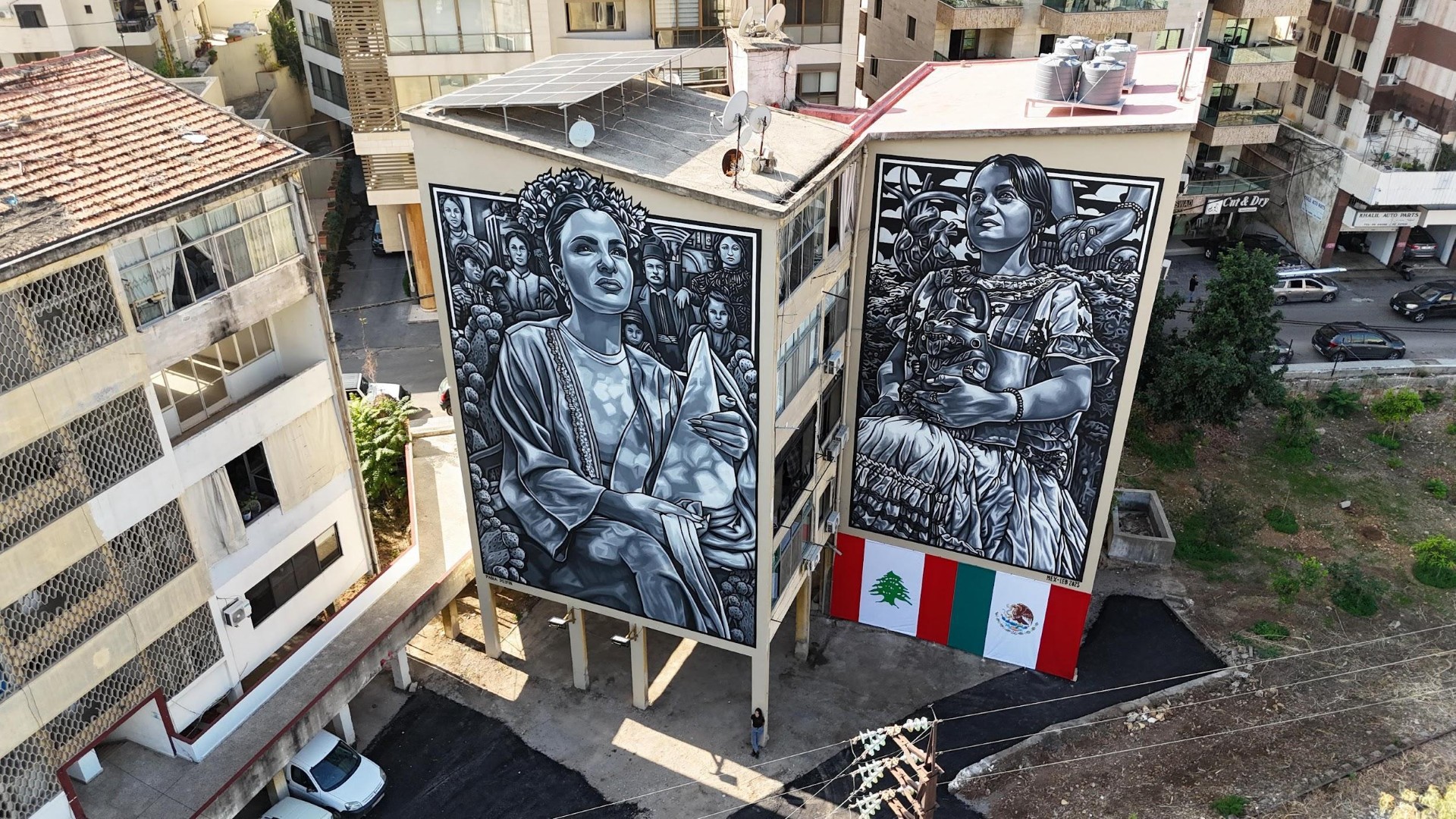
Paola Delfín did not arrive in Lebanon expecting it to become home. She came by chance, encountered its beauty and complexity, and made the conscious decision to stay. In the process, the Mexican muralist found a country that did more than inspire new work. It reshaped her sense of identity, belonging and the purpose of art itself.
Known for monumental murals that combine delicate human figures with organic forms, Delfín creates work that initially appears quiet. Spend more time with it, however, and deeper emotions begin to surface. Her paintings explore memory, presence, trust and the fragile desire to belong, carrying the artist’s own emotional experiences while leaving space for viewers to recognise themselves.
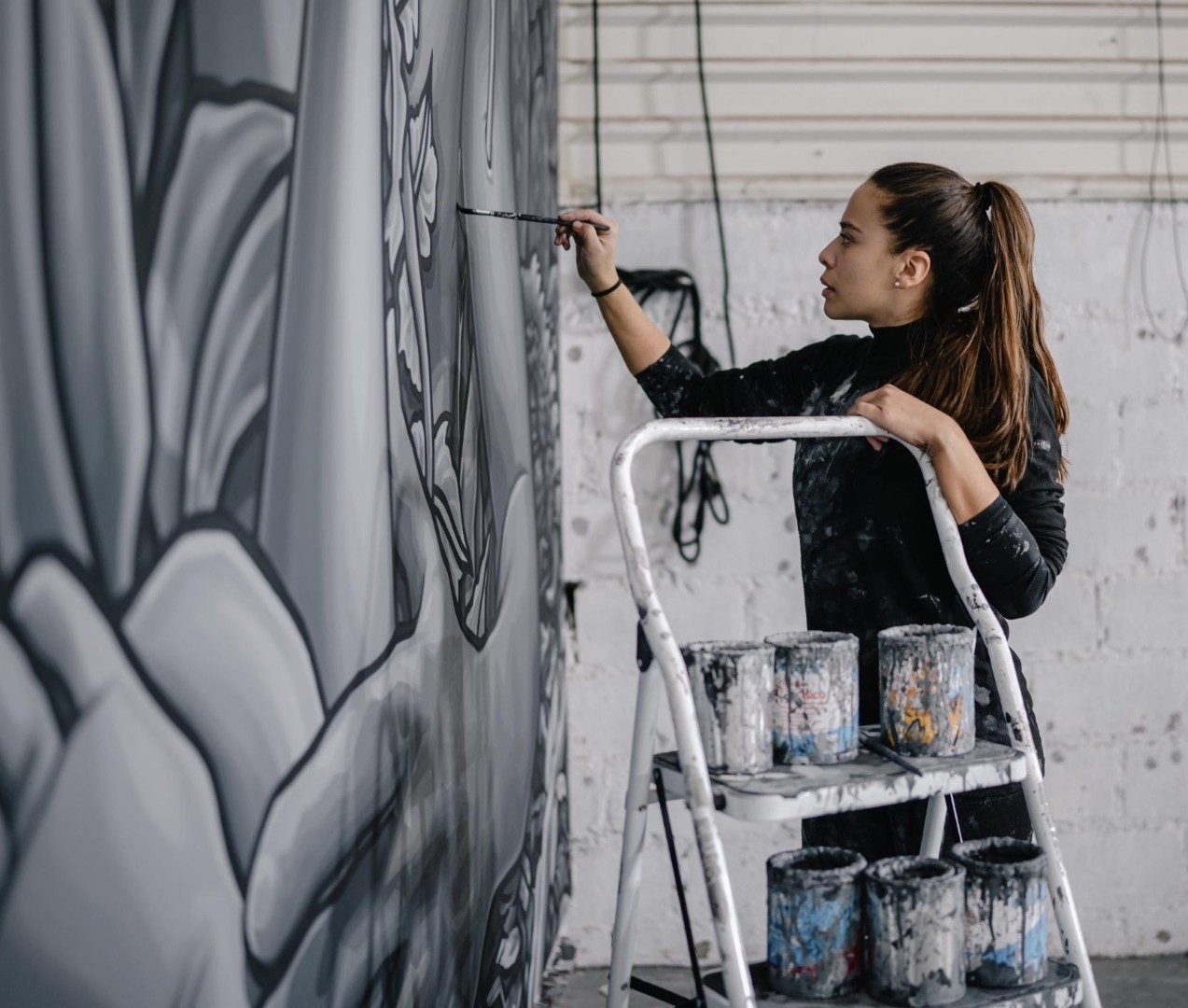
“I always try to convey a message of belonging, presence, memory and trust,” she says.
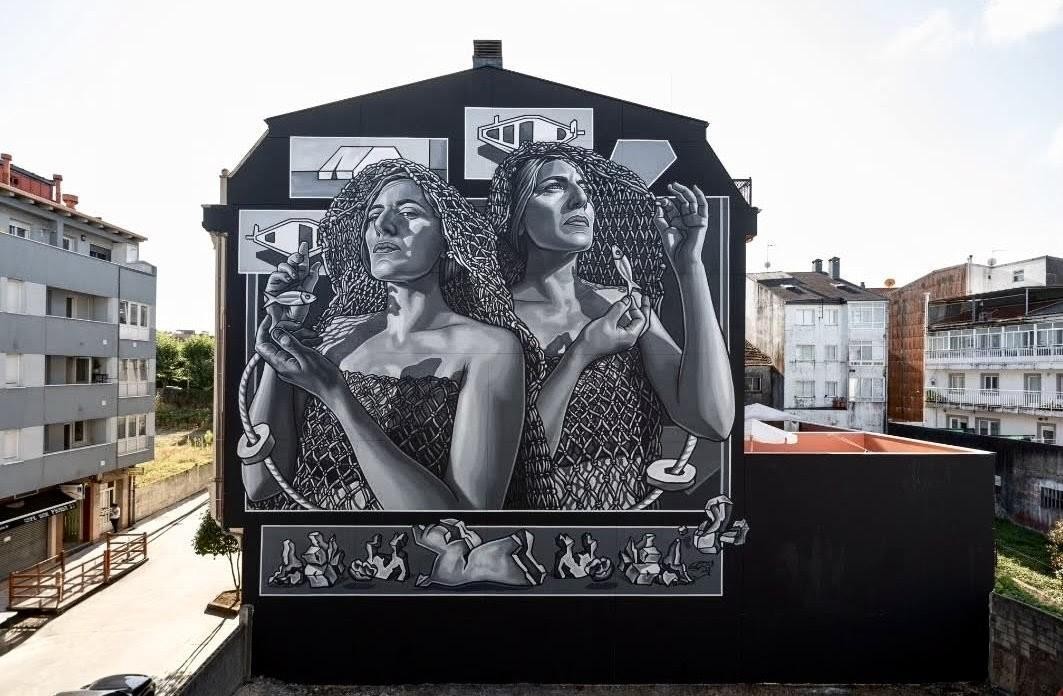
Women frequently stand at the centre of Delfín’s murals. They are not imagined characters or anonymous symbols, but people she encounters while working in different locations. Each woman is connected to the story of the mural and becomes a vessel for the many voices surrounding it.
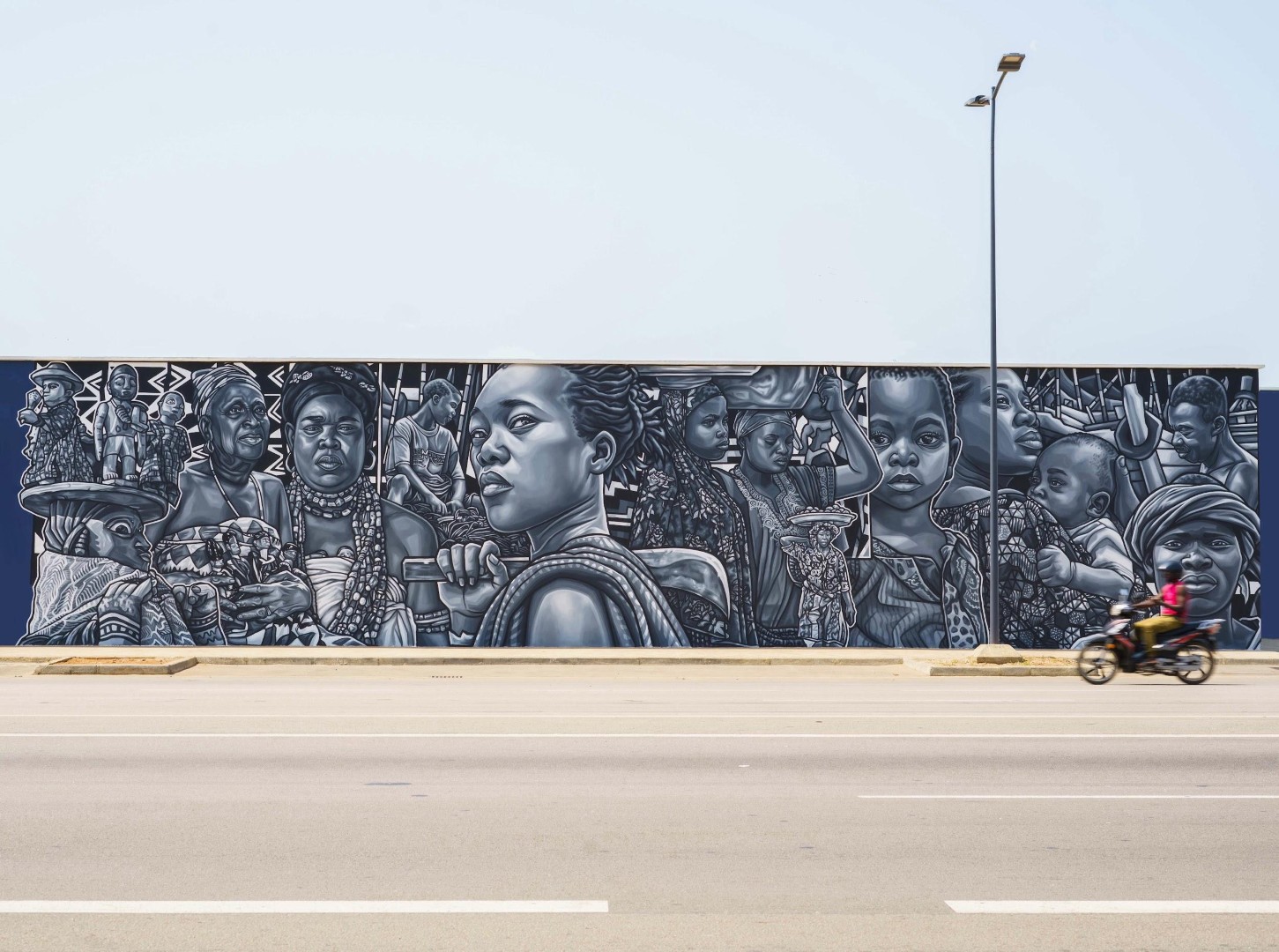
For Delfín, the female figure offers the most genuine way to communicate. While every subject carries an individual history, each also represents something larger. In their expressions, gestures and bodies, Delfín sees parts of herself and the shared experiences that connect people across cultures.
Her understanding of public art is deeply connected to Mexico’s muralist tradition. Artists such as Diego Rivera, José Clemente Orozco and David Alfaro Siqueiros demonstrated that a wall could be more than decoration. It could educate, preserve collective memory, confront injustice and help shape a national identity.
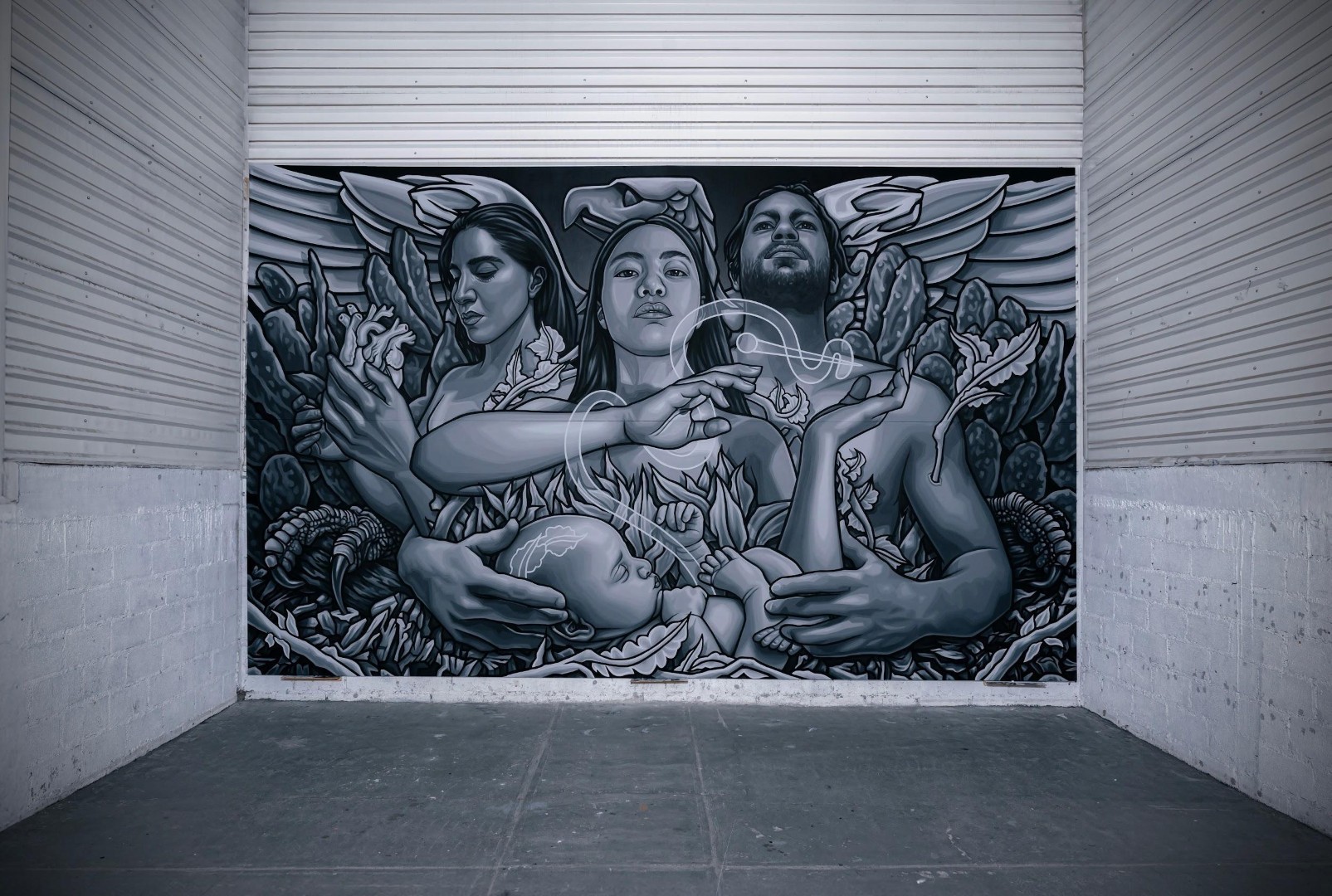
Growing up surrounded by this visual history eventually changed the way Delfín approached her own practice. What may have begun as a form of personal expression developed into a responsibility to listen to communities and understand the spaces entrusted to her.
“Each painting is a big commitment for me,” she explains, recognising that a public wall belongs not only to the artist, but to everyone who passes it, lives beside it or sees part of their own history reflected upon it.
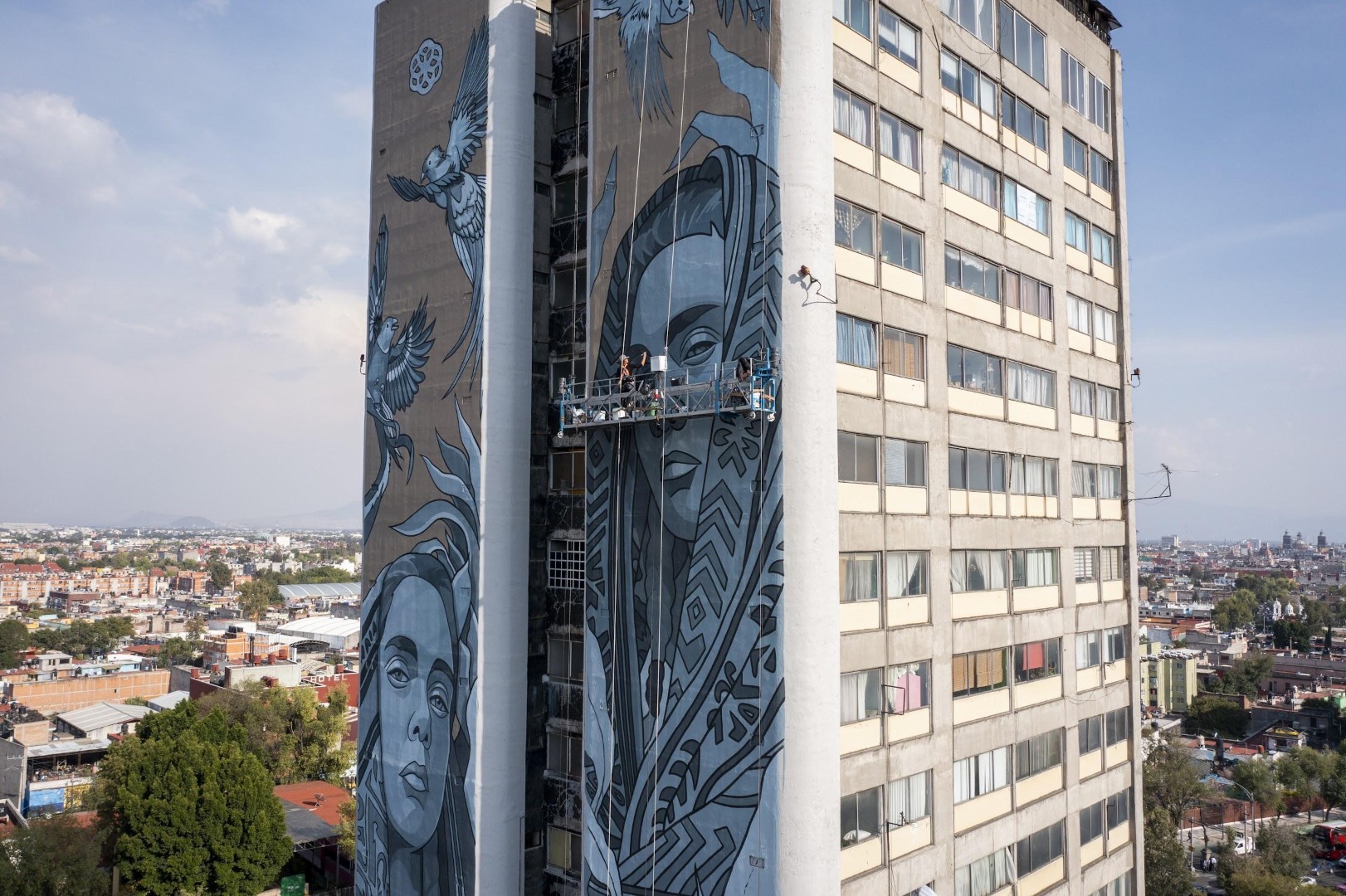
This responsibility becomes especially important when she works in a new city. Rather than simply imposing her established visual language on a place, Delfín tries to slow down, observe and build a genuine connection with its people. In a world that celebrates constant novelty and quantity, she believes that understanding requires presence.
Lebanon offered the artist a familiar kind of contradiction. Like Mexico, it carries beauty and tension, intimacy and chaos, softness and strength. Its family structures, emotional intensity, colour and relationship with public space reminded her of Latin America, even while the country maintained its own distinctive character.
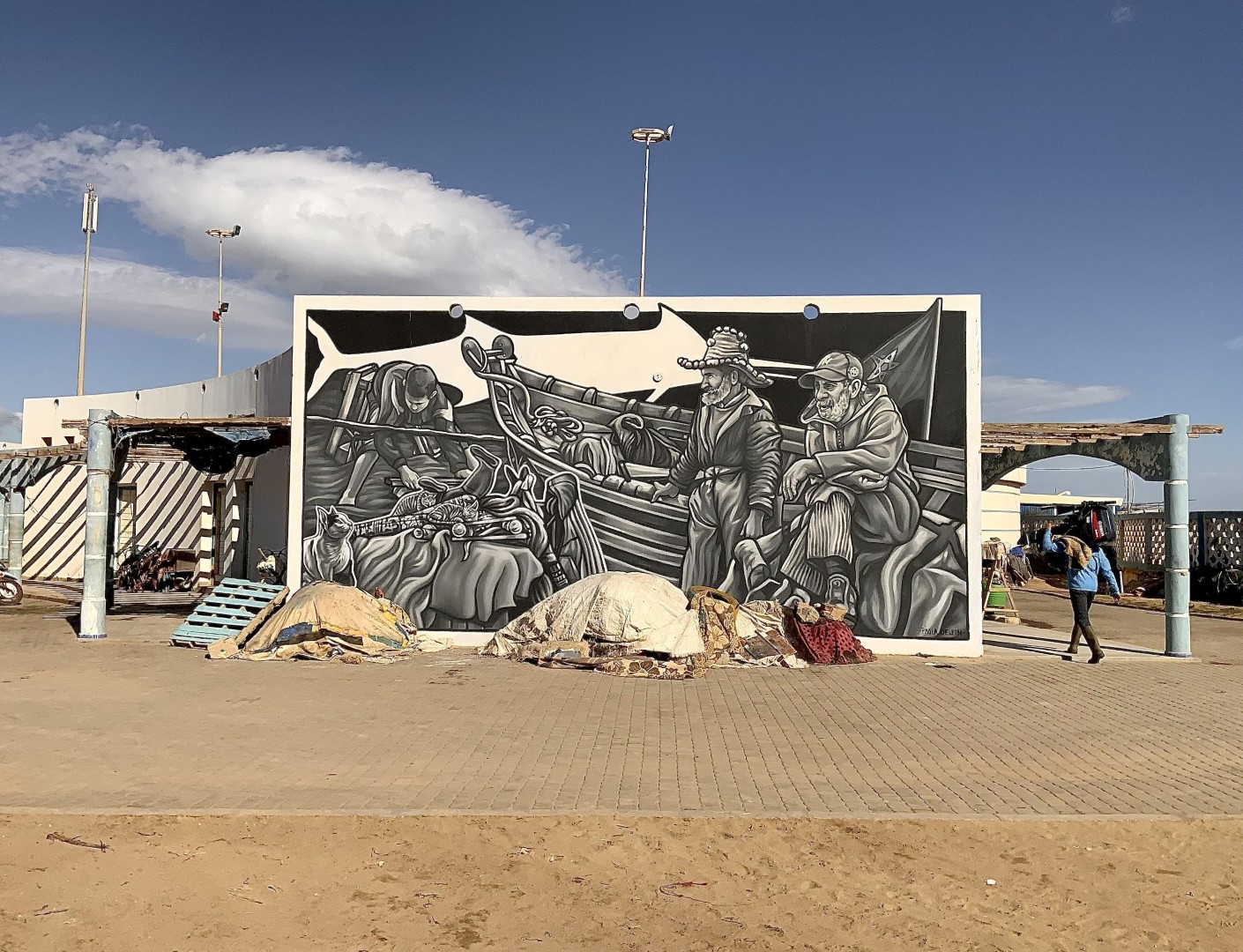
For Delfín, Lebanon is geographically small but immense in its depth. She describes it as a place where the complexity of being human is experienced directly. It can be welcoming and difficult, beautiful and painful, sometimes within the same moment.
Living in the country taught her to adapt without becoming emotionally detached. It encouraged her to search for softness in situations that could easily make a person hard, while redefining strength as something more honest than constant resilience.
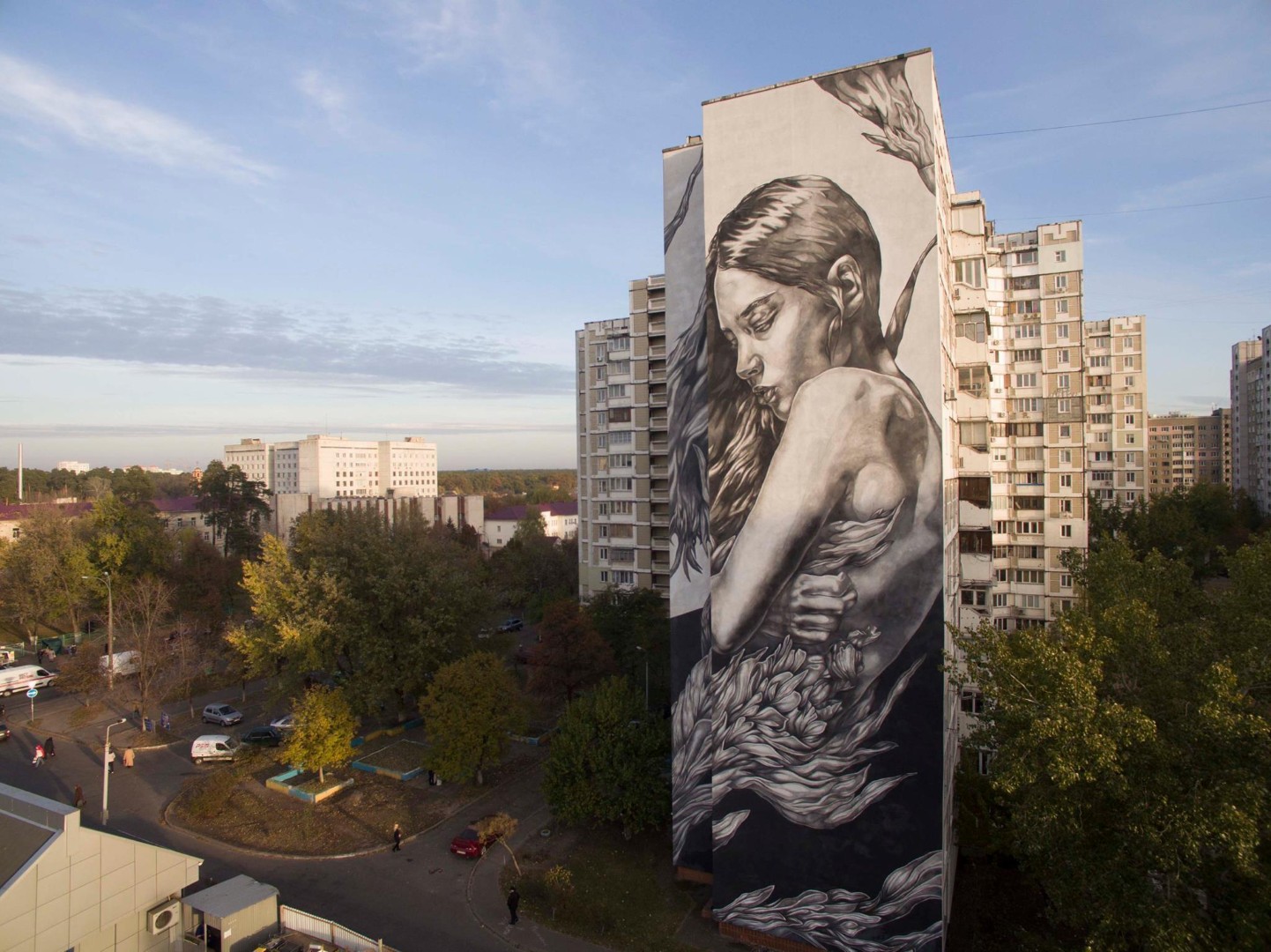
Strength, in Delfín’s understanding, can include moments of exhaustion or brokenness. It is not about romanticising hardship, but about continuing to choose life despite it.
Her connection to Lebanon was not immediate or uncomplicated. There were moments when she felt deeply connected and others when she struggled to belong in a place that was not originally her home. Yet she continued to build a life in the country, drawn to its culture, its people and the lessons it offered her.
“I wanted to create a life here,” she says. “This is a country that has given me beauty and some hard lessons that made me grow.”
Lebanon has not simply influenced the appearance of Delfín’s work. It has altered its direction and changed the artist herself. Even should she eventually leave, she believes she would depart as a different version of the person who first arrived.
Mexico remains in her heart and mind, while Lebanon has become another emotional home. The future may involve one country, both countries or entirely new places. What matters most is continuing to create a life and a practice grounded in presence.
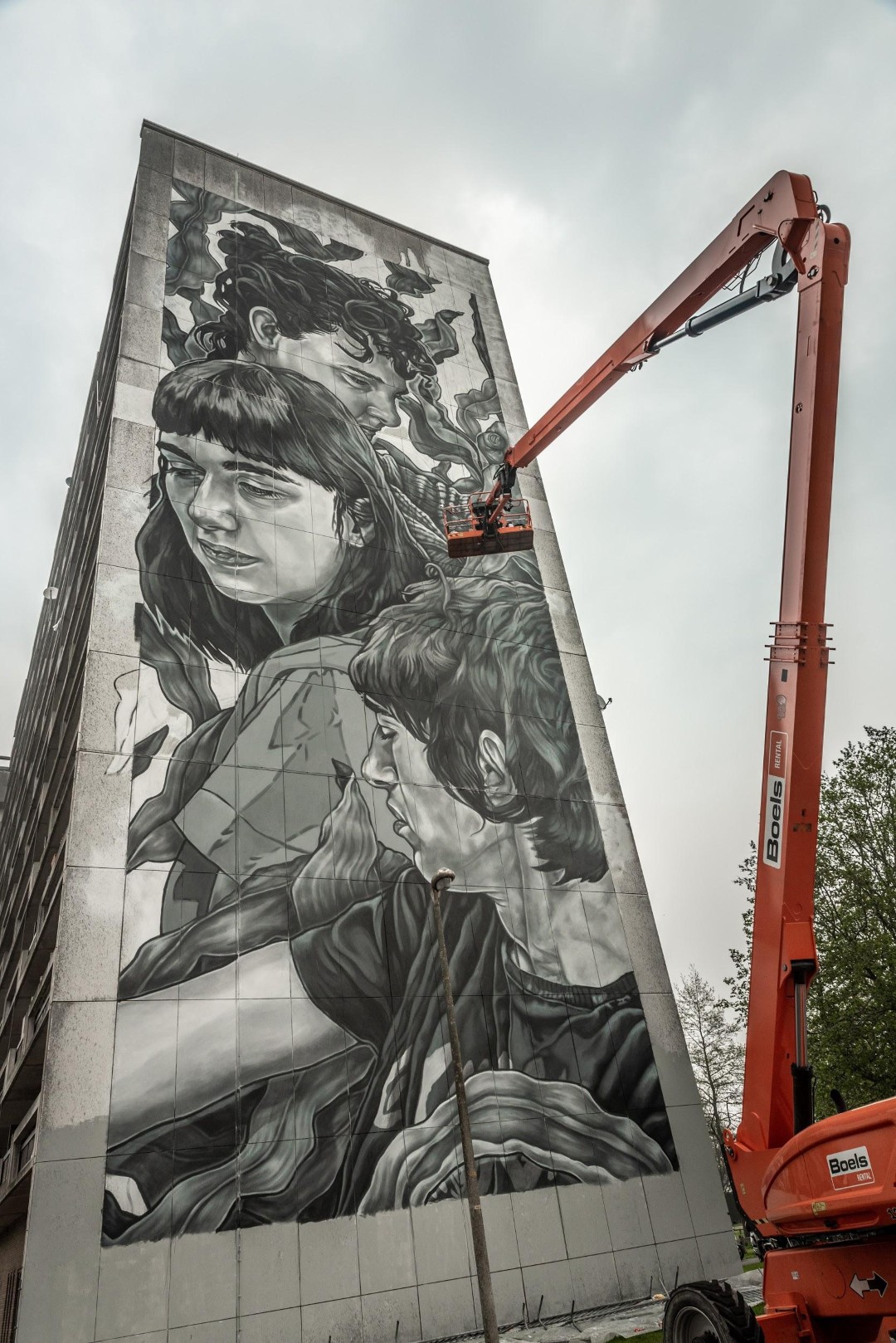
For Delfín, belonging is no longer necessarily attached to a single location. It can be something built slowly between people, memories and walls, carried from one place to another through the images we leave behind.
For more stories of art and culture, visit our dedicated archives and follow us on Instagram.