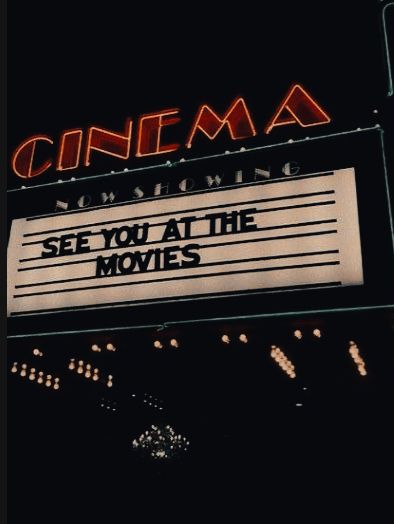
For a generation raised on streaming, scrolling and the infinite availability of almost everything, Gen Z’s attachment to cinema feels, at first, almost counterintuitive. Why leave the house, book a ticket, sit in a room full of strangers and surrender two hours to a single screen, when the same film, or something close enough, will eventually appear on a platform you already pay for?
And yet, that is exactly the point. The cinema has become desirable again because it asks for something the internet rarely does: presence. A fixed time. A shared room. A screen large enough to make distraction feel embarrassing. In an age of fragmented attention, the act of sitting in the dark with strangers has started to feel almost luxurious.
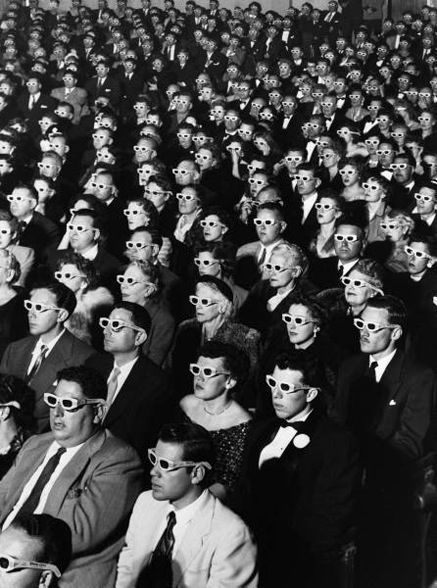
The figures tell a story that the industry has been eager to hear. According to Fandango’s 2026 Moviegoing Trends & Insights Study, 87% of Gen Z respondents had seen at least one film in a cinema in the previous year, ahead of Millennials, Gen X and Baby Boomers. Cinema United’s 2025 theatrical exhibition report also pointed to a rise in Gen Z moviegoing frequency, with the number of habitual moviegoers growing between 2024 and 2025. For an industry that has spent years fearing the death of the theatrical experience, the youngest adult audience is proving far less disloyal than expected.
Part of the appeal is practical. Cinema is one of the few remaining nights out that can still feel relatively accessible. Compared with restaurants, concerts, clubs or travel, a film ticket offers atmosphere at a lower price point, particularly through student tickets, under-25 schemes and monthly memberships. For Gen Z, cinema has become a kind of third space: outside home, work or university, but still structured, social and low-pressure. You can go on a date, with friends, alone, dressed up, dressed down, in silence, in costume, in tears. It is flexible enough to absorb the mood of the moment.
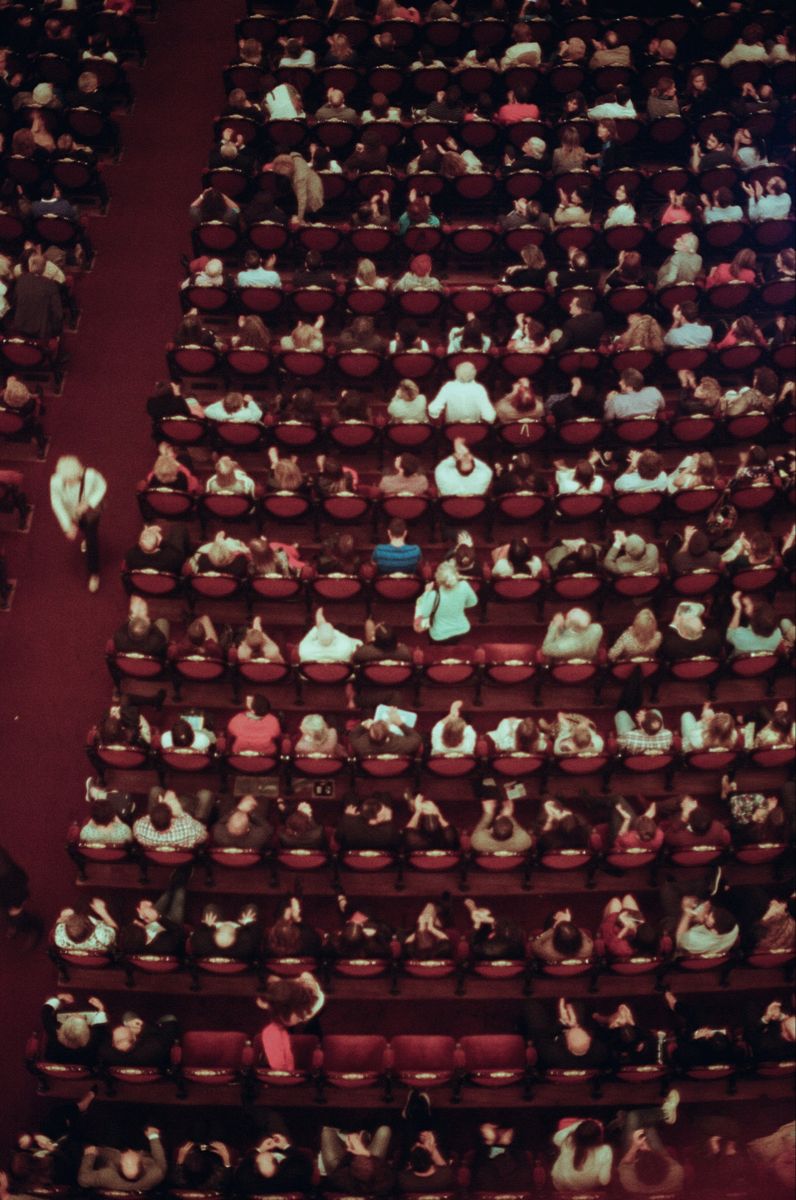
The more interesting shift, though, is cultural. Gen Z has not revived cinema by stepping away from the internet. It has revived it through the internet. TikTok, Instagram and Letterboxd have turned filmgoing into a living conversation. A film now begins long before the opening credits: in cast interviews, fan edits, red carpet clips, meme formats, recommendation lists and outfit videos. By the time a release reaches cinemas, it has often already become part of a social ecosystem. Seeing it in the opening week is no longer simply about watching the film. It is about entering the conversation while it is still warm.
Letterboxd has been central to this new form of cinephilia. The platform, which allows users to log, rate, review and rank films, has made taste visible in a way that feels native to younger audiences. A favourite film list now works almost like a wardrobe, a bookshelf or a bedroom wall: a public arrangement of references. To love cinema today is not only to watch; it is to curate, compare, confess, exaggerate, joke and occasionally acheive devastating superiority over someone else’s five-star rating.
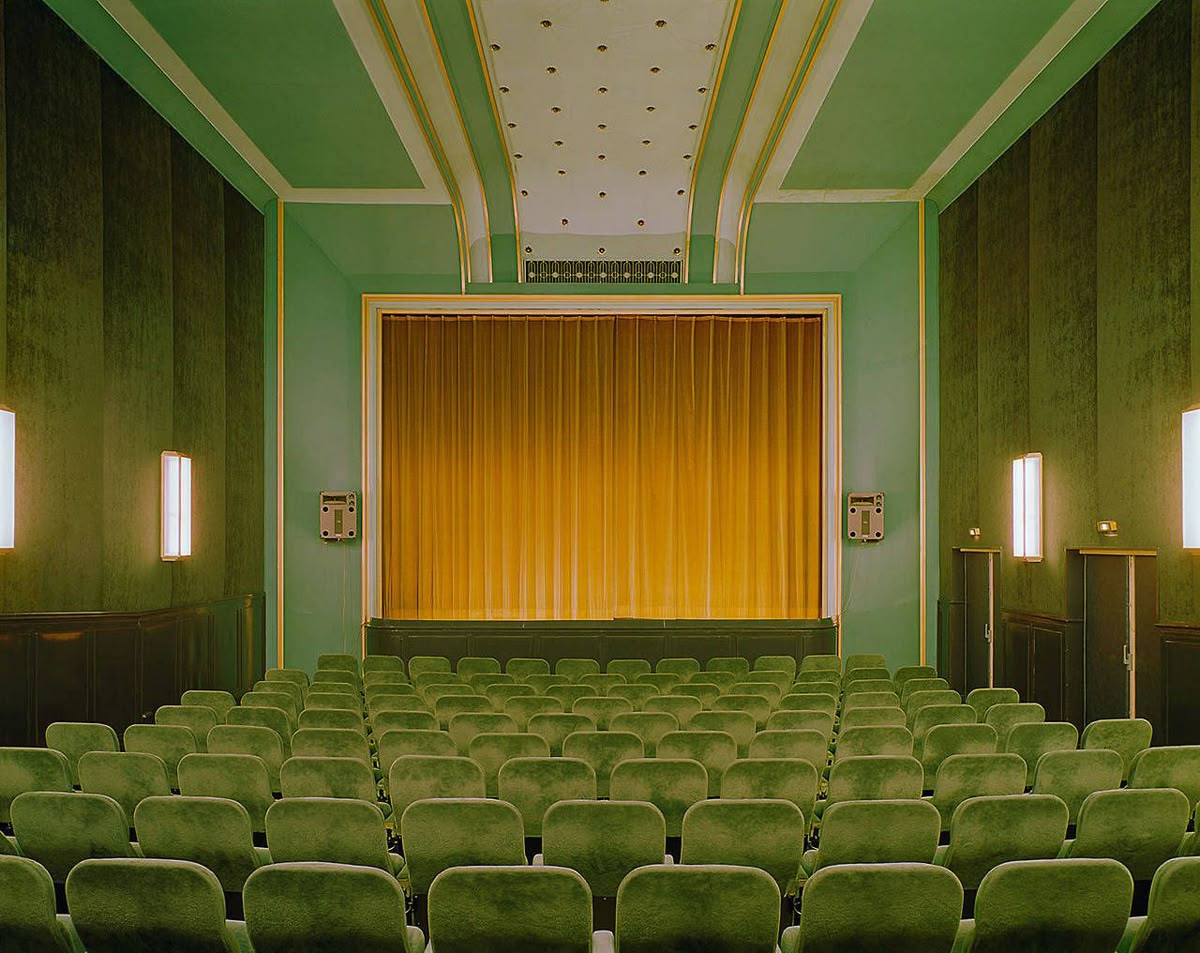
This is also why repertory cinema has found such a receptive new audience. Across arthouse venues and independent cinemas, younger viewers are showing up for 35mm screenings, cult horror, anime, director retrospectives, anniversary re-releases and restored classics. Films that once belonged to film-school syllabuses or late-night television now circulate through TikTok edits and Letterboxd lists with the urgency of new releases. A Wong Kar-wai screening, a Hitchcock double bill or a midnight showing of a beloved horror film can feel as socially current as the latest franchise opening.
There is taste in it, of course. Gen Z has a particular talent for turning cultural knowledge into aesthetic shorthand. The ticket stub, the cinema bathroom selfie, the post-film drink, the Letterboxd one-liner, the group chat verdict, all of it extends the experience beyond the auditorium. Cinema has become content, but in a way that still depends on having gone somewhere and done something. That distinction matters. The image may end up online, but the value begins offline.
Fashion has understood this instinct for some time. The recent success of films that turned their releases into full visual worlds, from Barbie pink to the gothic glamour of blockbuster press tours, showed how powerfully cinema can still shape how people dress, gather and identify themselves. A film is no longer competing only with other films. It competes with nightlife, restaurants, exhibitions, playlists, shopping, social media and everything else that promises a mood. The films that succeed theatrically often offer more than a plot. They offer an atmosphere people want to enter.
What Gen Z seems to understand is that the cinema’s old limitations have become its new seduction. You cannot pause it. You cannot scroll while watching without becoming a public nuisance. You cannot half-watch it while answering emails. The format demands commitment, and that commitment gives the experience its charge.
For years, the assumption was that younger audiences would abandon the cinema because they had too many screens at home. Instead, they have made the big screen feel specific again. Streaming made films available. Social media made them conversational. Letterboxd made them part of identity. The cinema made them feel alive in a room.
Gen Z did not save cinema out of duty. They made it fashionable because it gives them something the algorithm cannot quite reproduce: a place to be, a reason to gather, and a story that begins before the film and continues long after the credits.
For more stories of art and culture, visit our dedicated archives and follow us on Instagram.