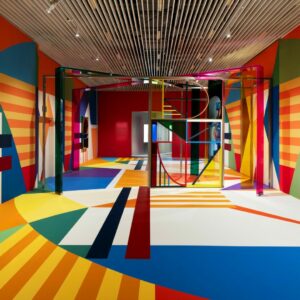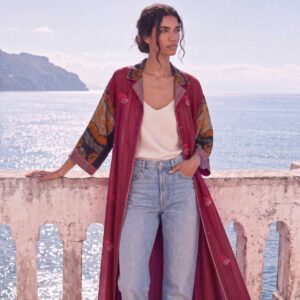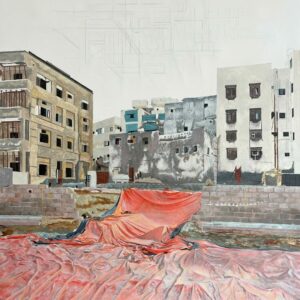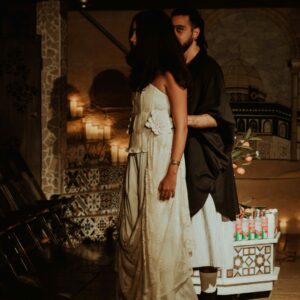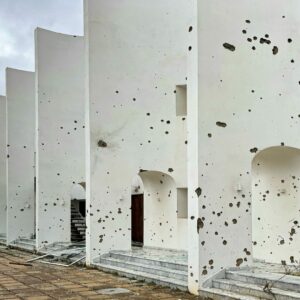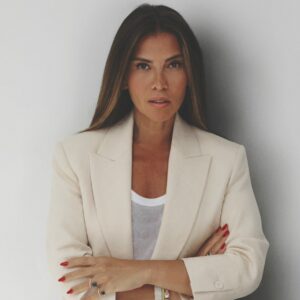
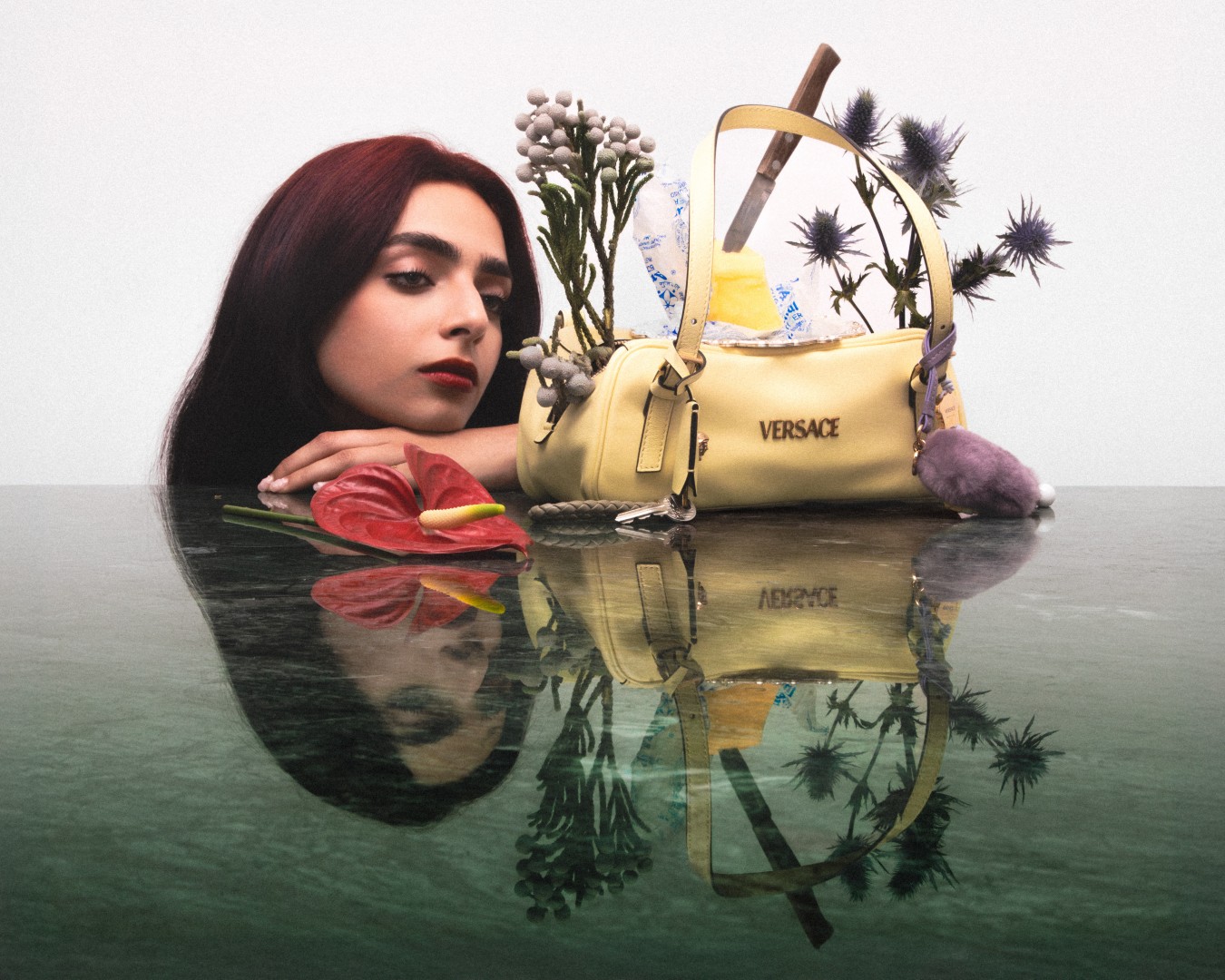
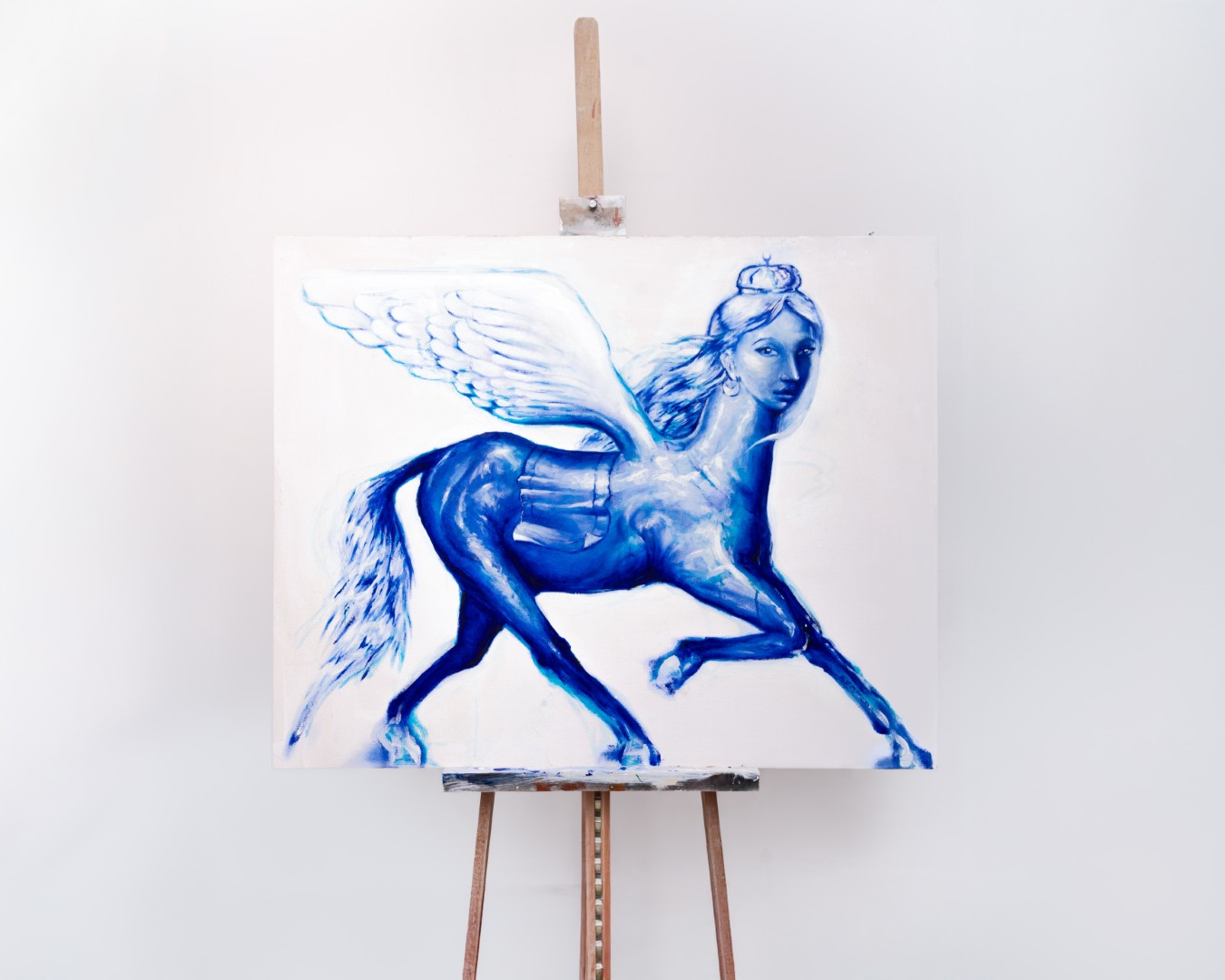
Omar Sha3 approaches image-making as a slow form of observation. The Palestinian artist moves across photography, painting, and design to create scenes that feel both imagined and deeply familiar. His work is saturated with colour, softness, and subtle humour, often built from intimate details, personal objects, and landscapes that carry emotional weight. Drawing from Levantine environments, family memory, and a painter’s sensibility, Sha3 constructs images rather than simply capturing them. Each frame is carefully composed, allowing reality to shift gently into something more poetic. His practice is driven by a desire to preserve what is fragile, moments, places, feelings, before they fade.
What’s your earliest memory of photography?
I first picked up a camera to understand light and perspective, mainly to improve my painting. Photography quickly became a way of training my eye, teaching me how small shifts in distance, framing, or light could completely change the emotional weight of a scene. That early curiosity still shapes how I see the world today, as something fluid, intimate, and constantly redefined by where you choose to stand.
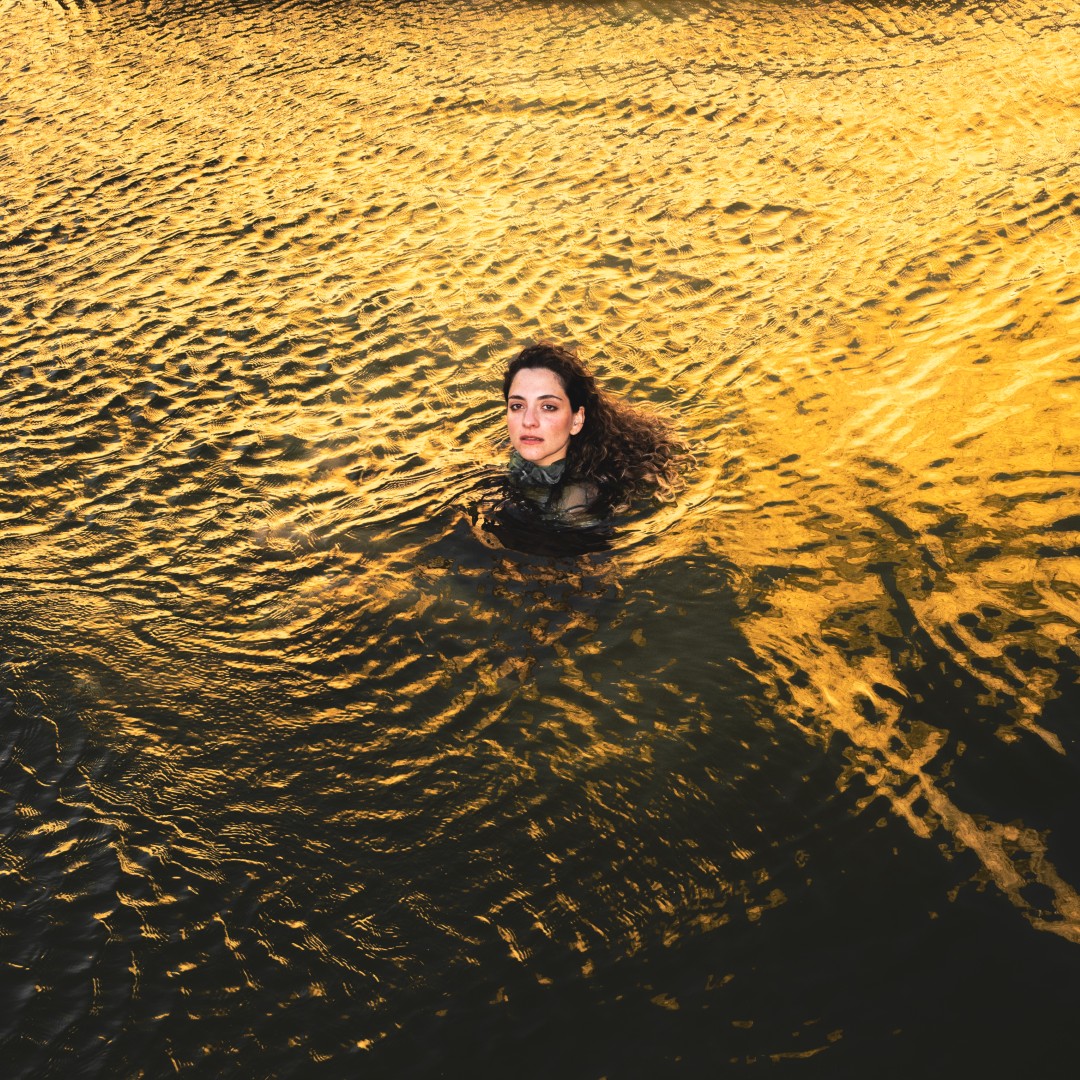
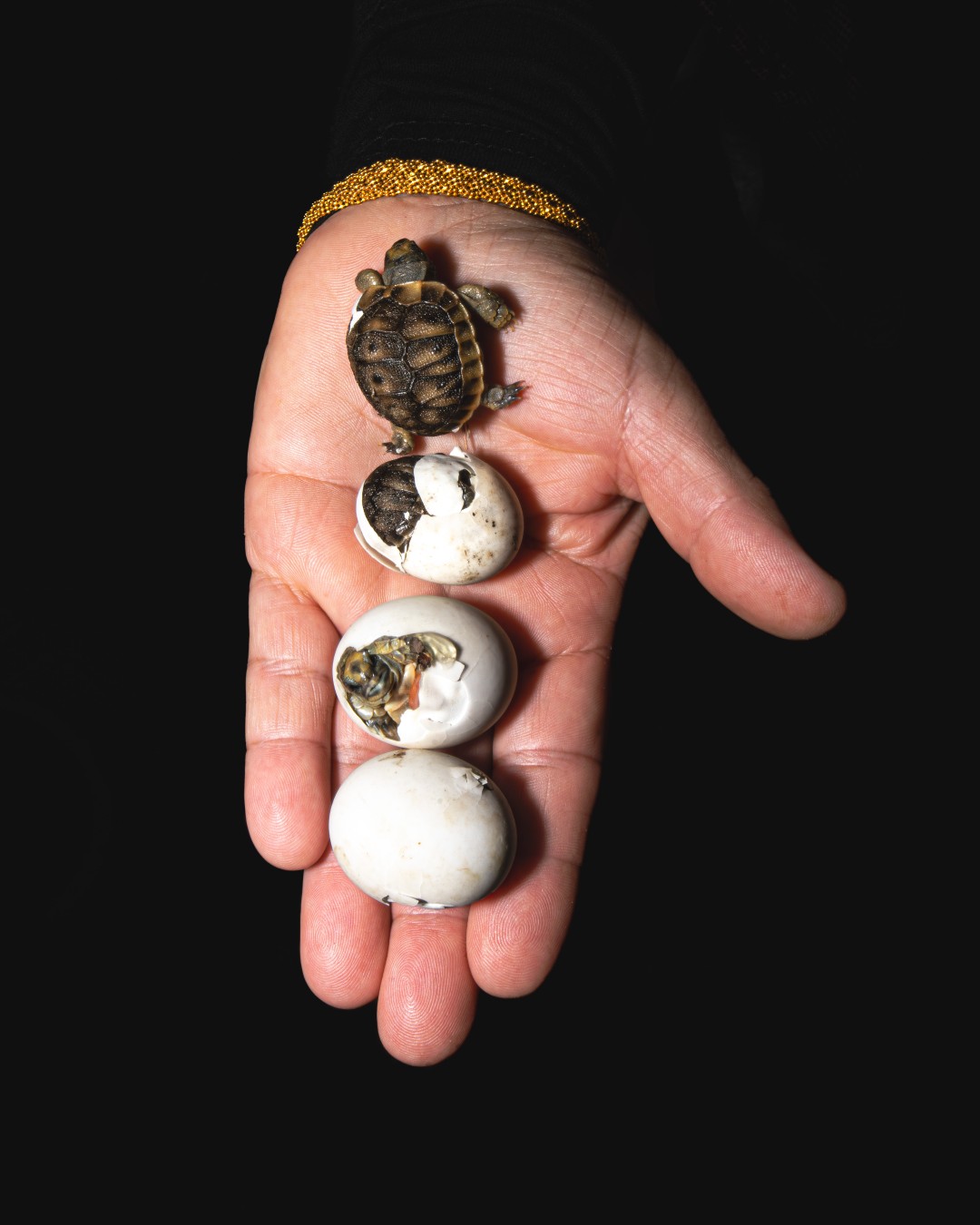
Your work often features bold colours, props, and striking compositions. How do you decide which elements will bring a scene to life?
I usually try to collect intimate elements that remind me of a memory, like a small ceramic duck or an object that helps me imagine something about the future. I keep these elements close, sometimes even traveling with them, and wait for the moment when they naturally belong in an image.
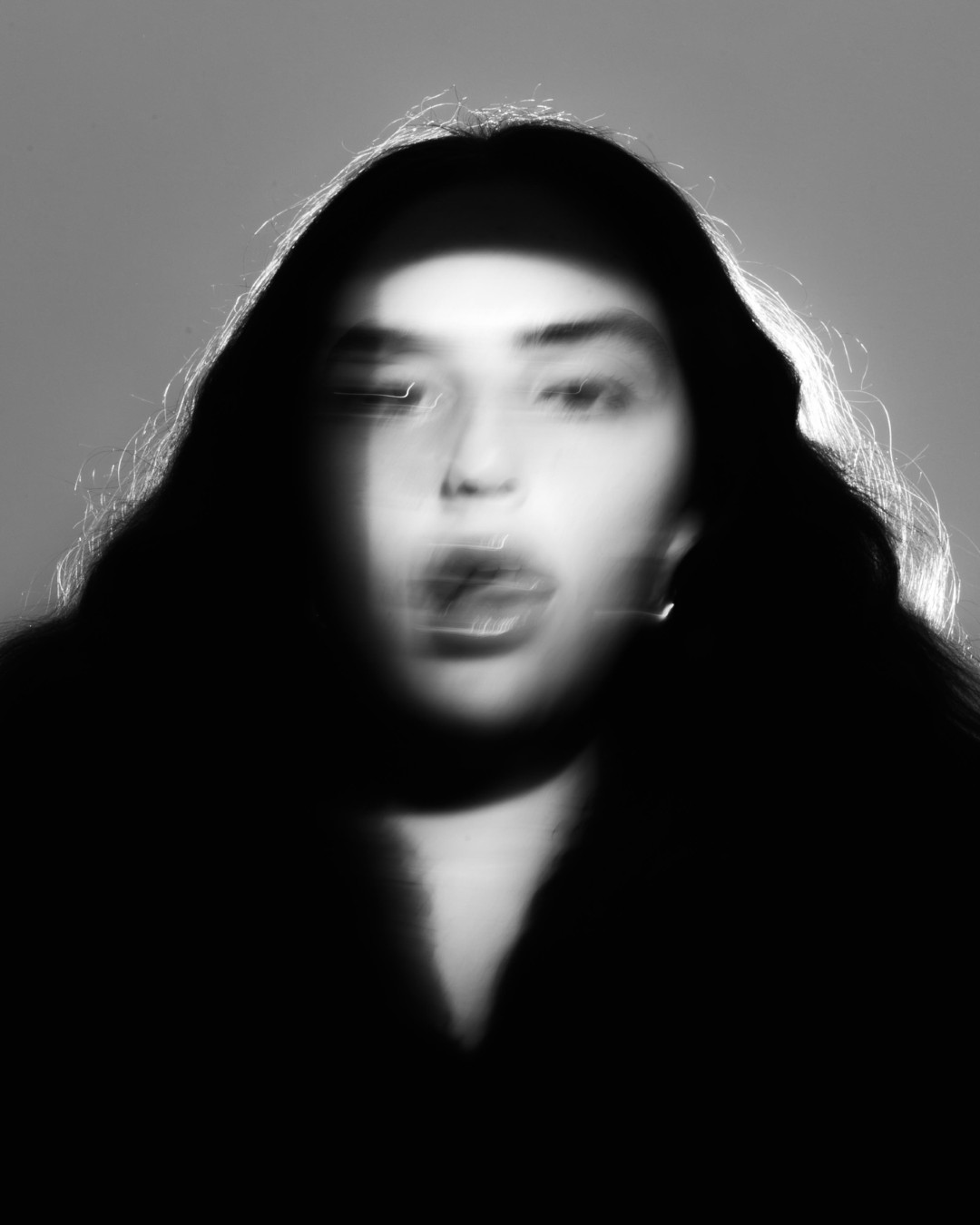
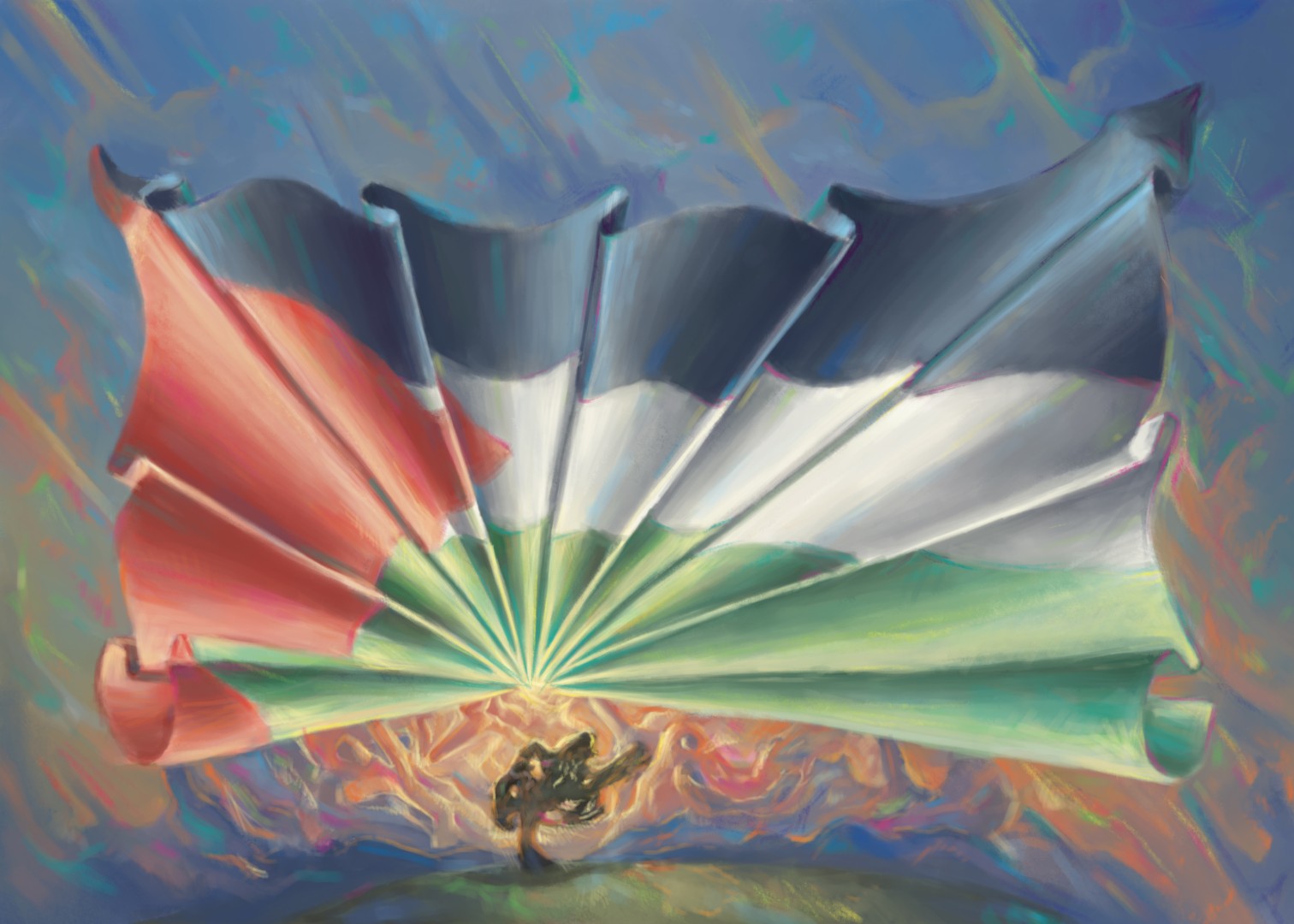
Many of your images capture the otherworldly beauty of SWANA landscapes. What draws you to these locations?
Our region is beautiful, intimate, and tender. I feel an urgency to capture these places as they exist now, as a form of care and documentation, before development or neglect alters their character.
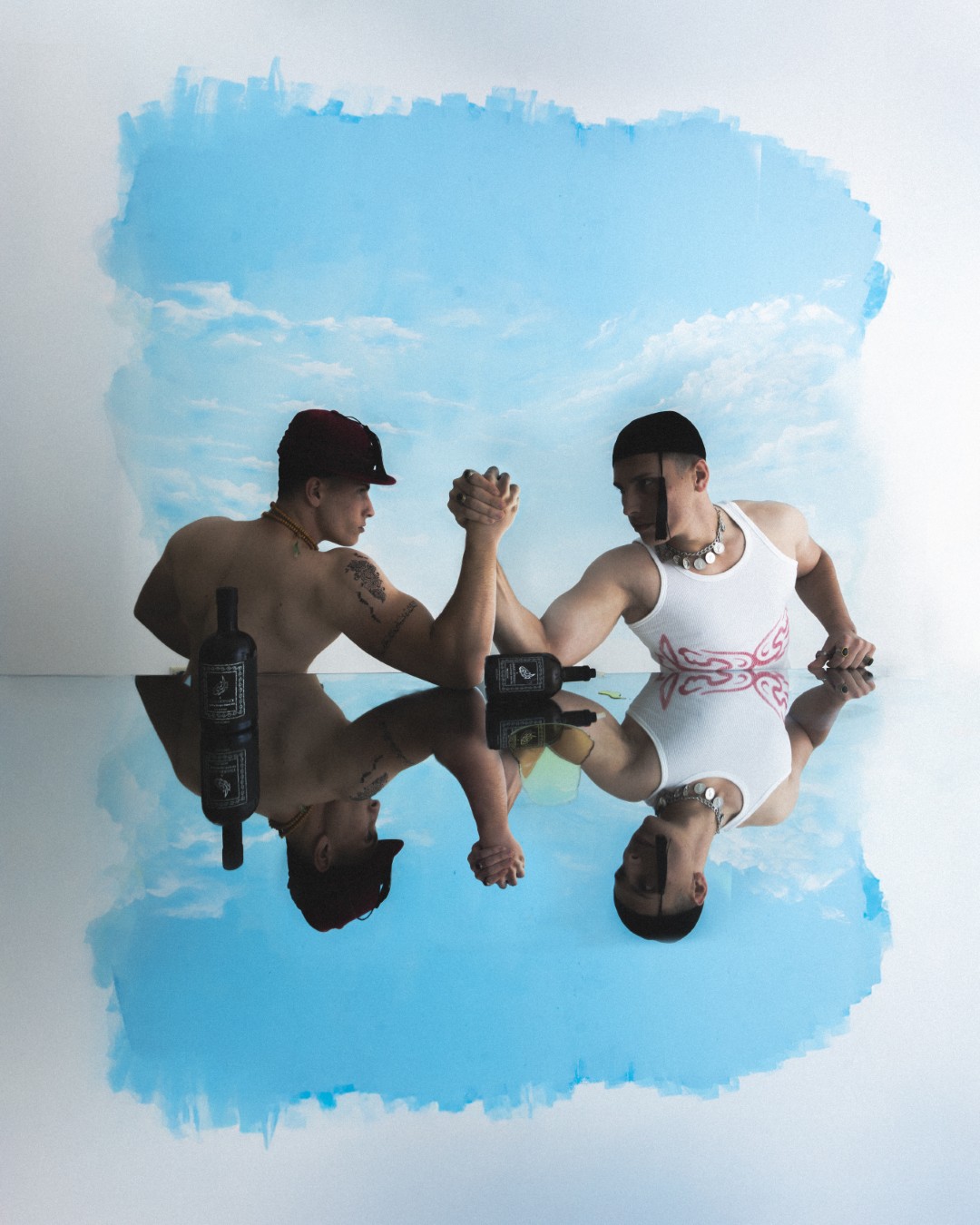
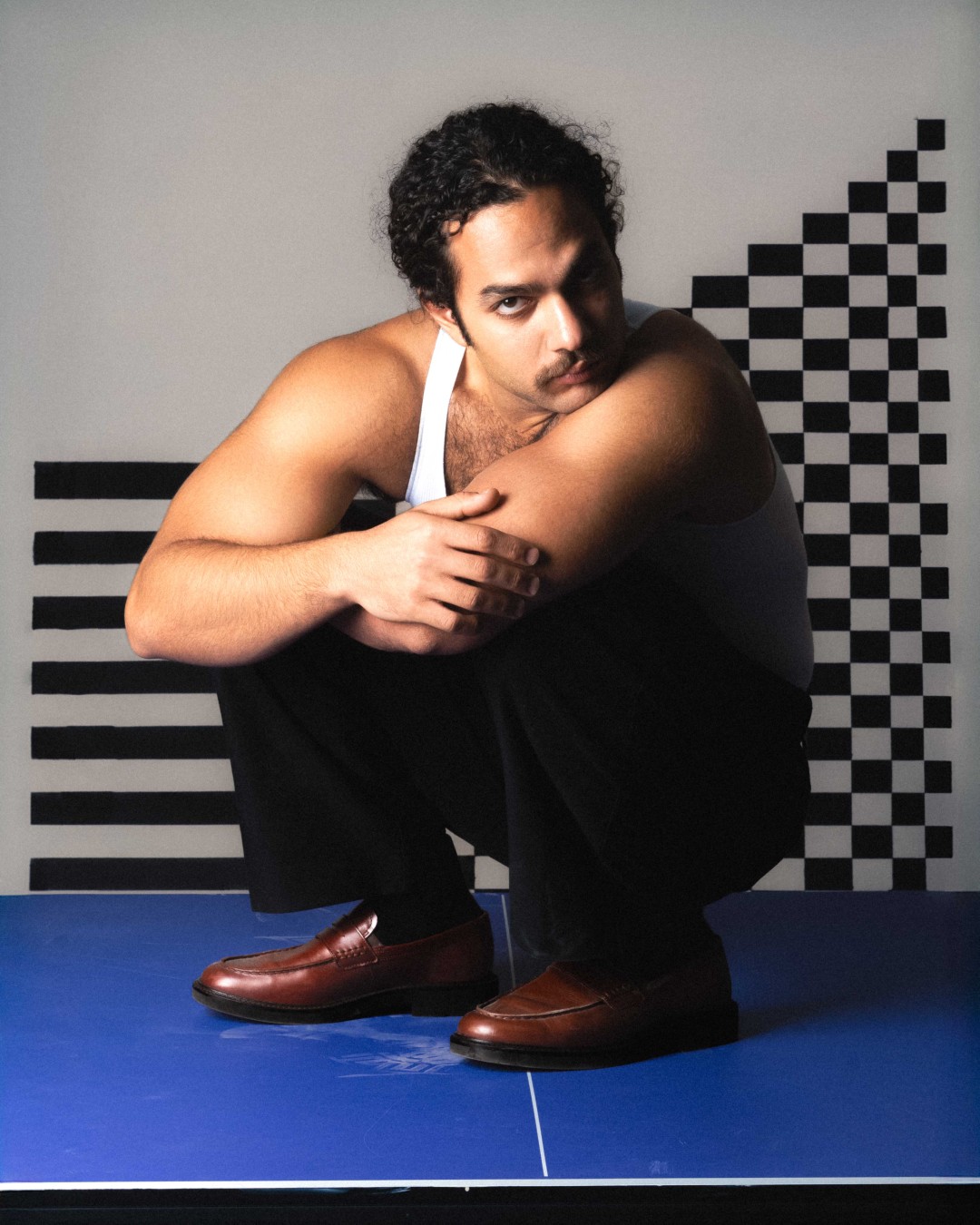
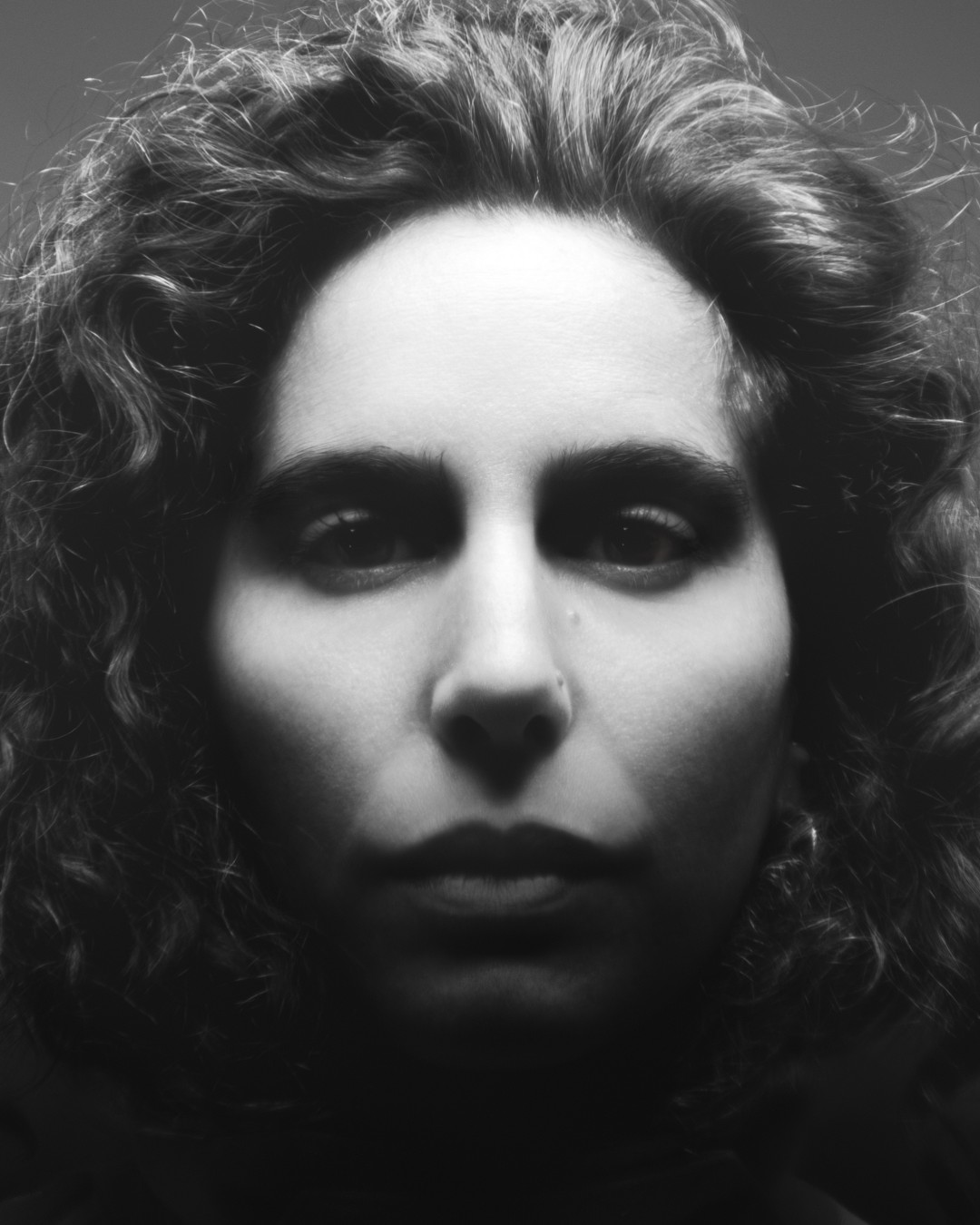
Portraits play a central role in your practice. How do you approach capturing the personality, mood, or spirit of your subjects?
Most of the people I photograph are close friends. I focus on building genuine trust and spending time together before the camera comes out.
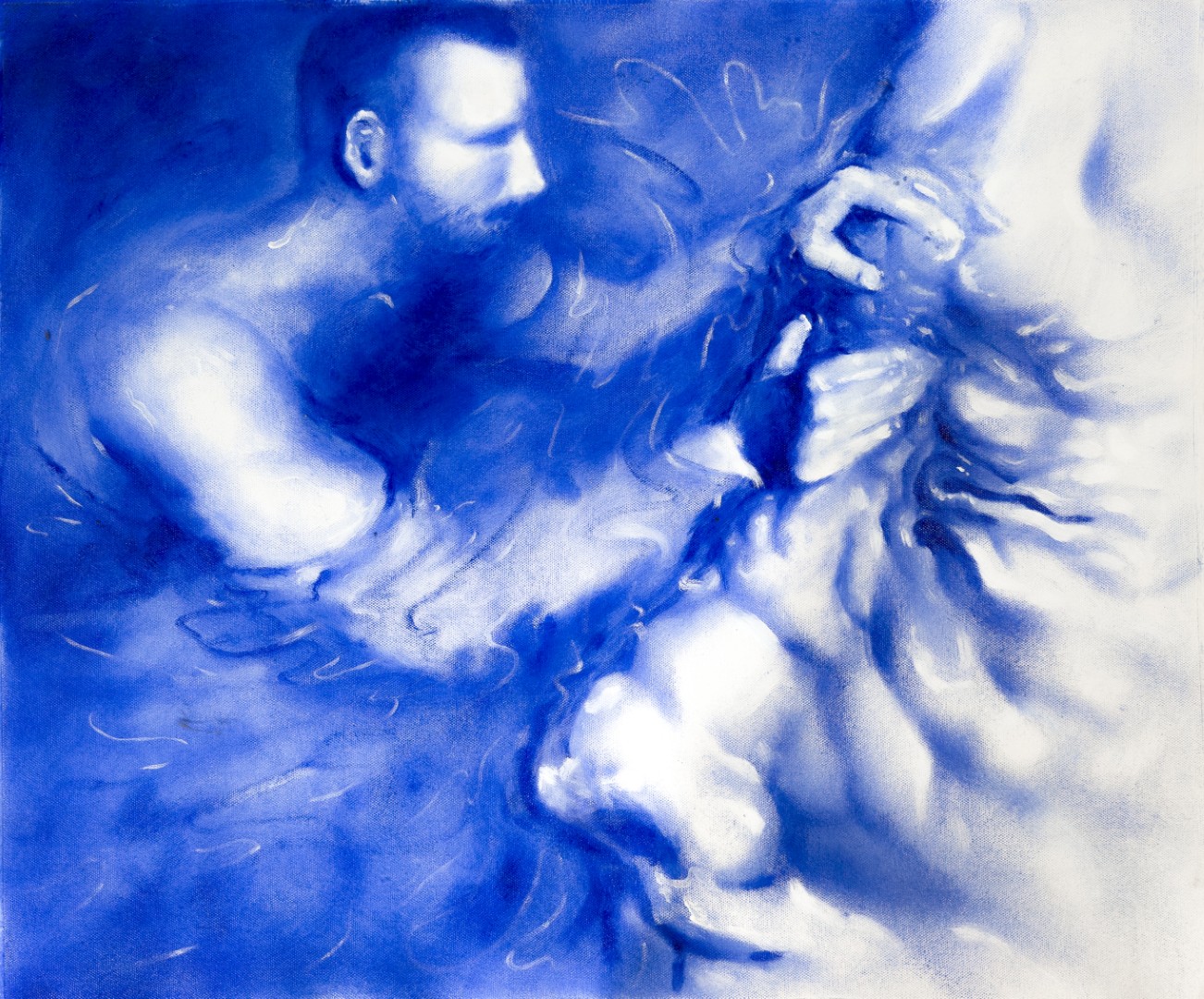
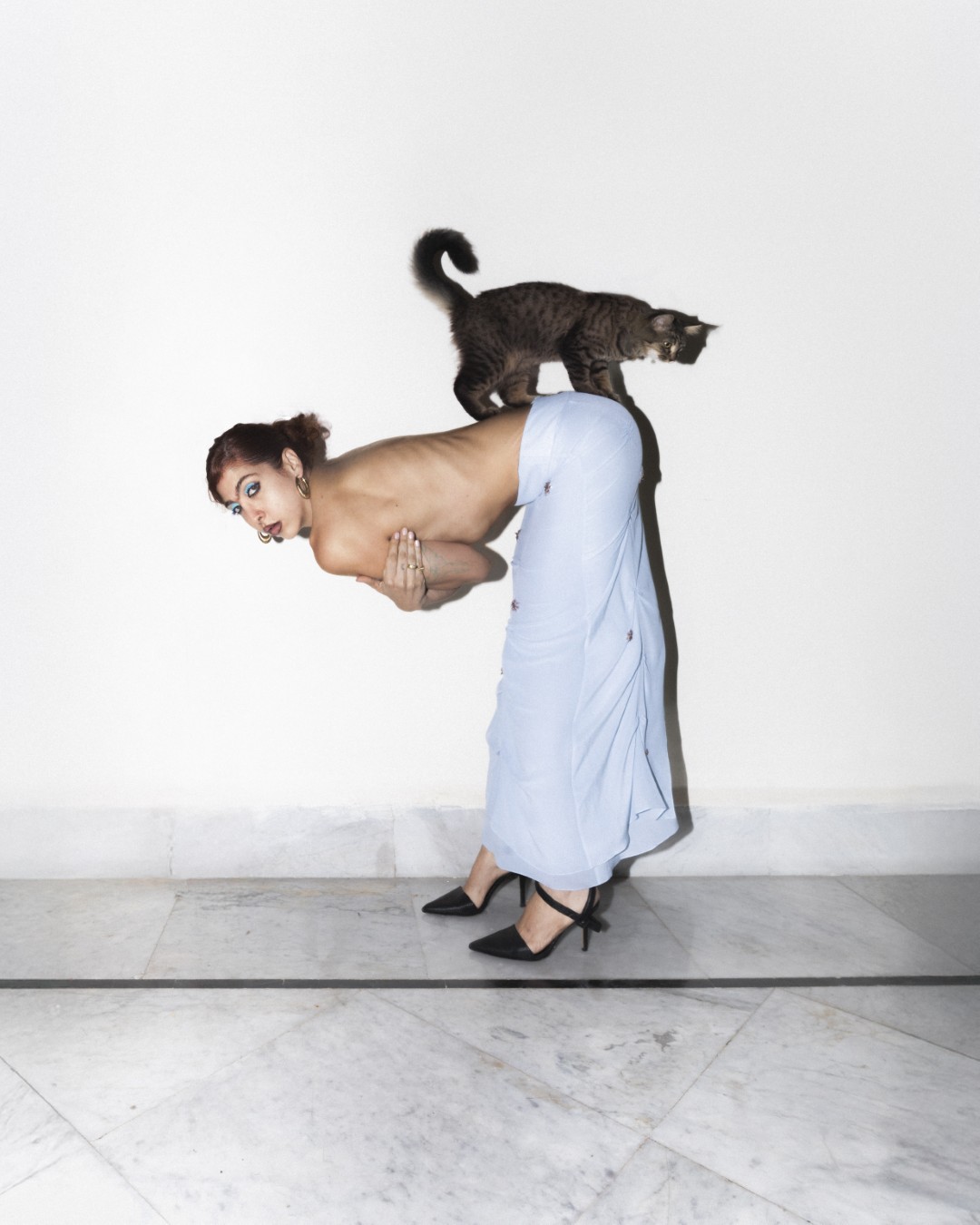
Colour and whimsy are central to your imagery. How do you balance playful, vibrant aesthetics with deeper emotional or cultural resonance?
Playfulness is often my entry point, but it is never superficial. Bold colour and gentle humour invite people in, while deeper emotional and cultural layers sit quietly beneath the surface. Whimsy becomes a soft way of speaking about memory, intimacy, and place without becoming heavy-handed.
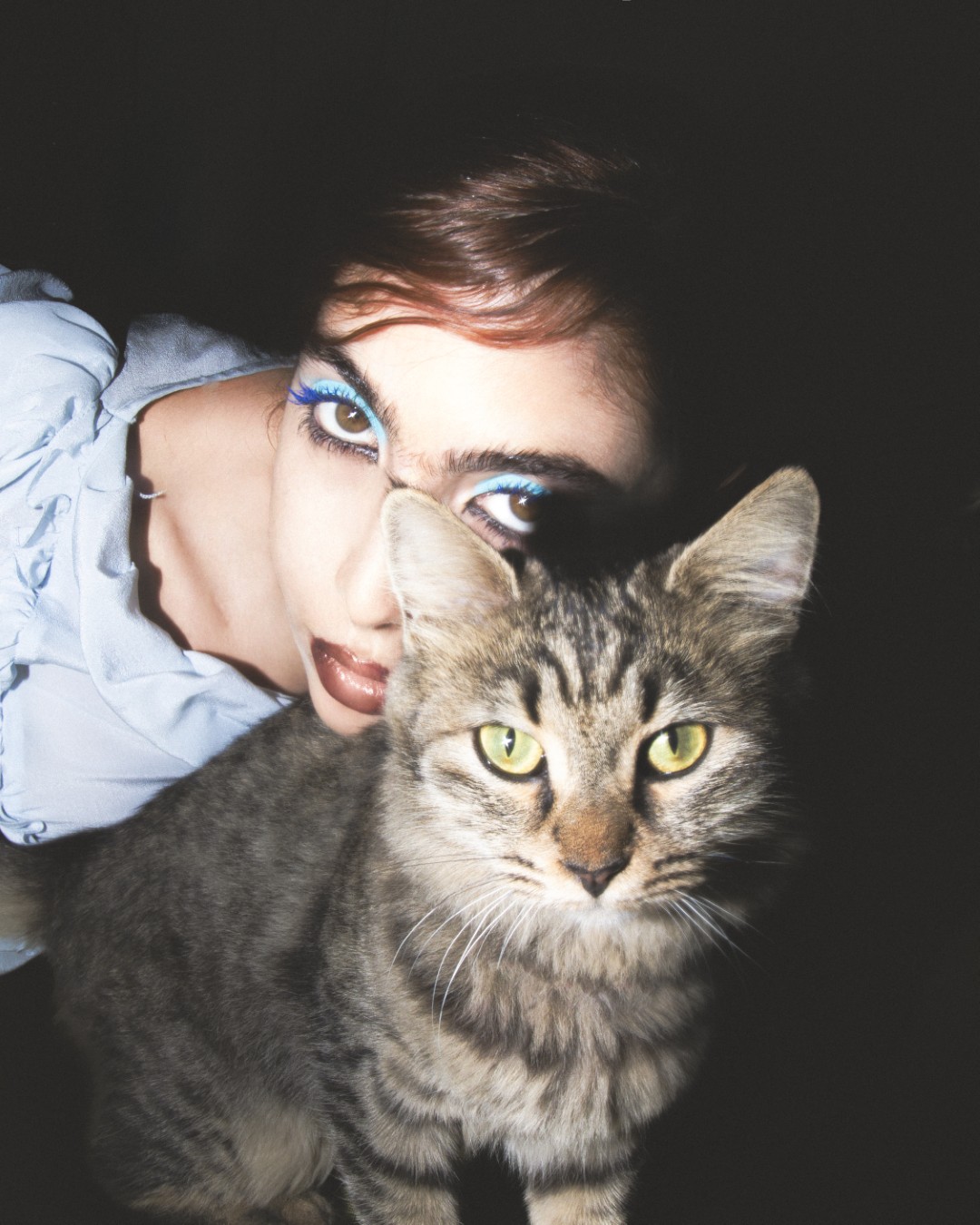
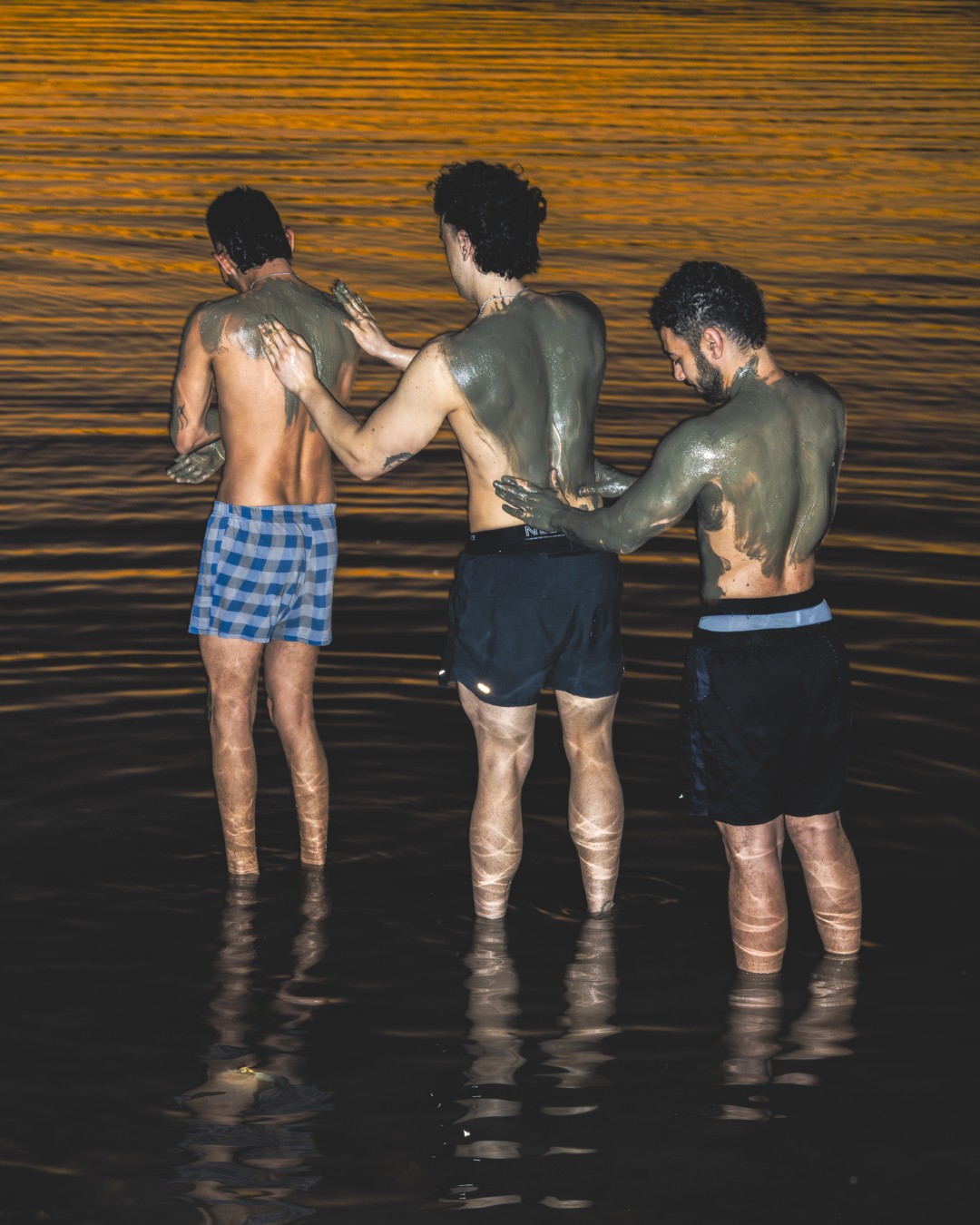
Your work has a surreal, painterly quality. How do you blend photography with this almost gallery-like aesthetic?
Coming from a painting background strongly shapes how I approach photography. I’m less interested in capturing a moment quickly and more drawn to constructing an image slowly, with intention. By treating the photograph as an object rather than a record, I allow space for mood, texture, and stillness, qualities that feel closer to how a painting is encountered.
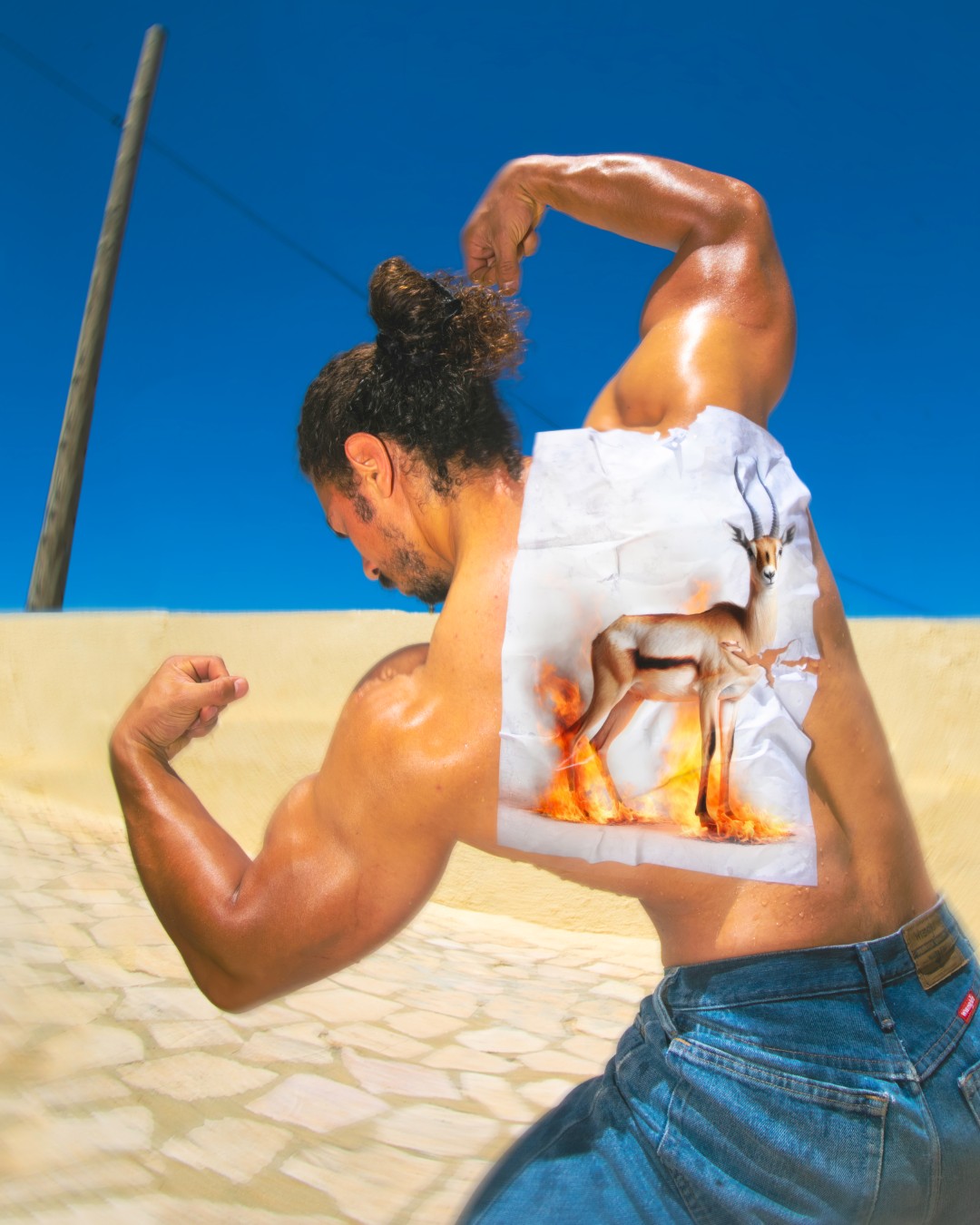
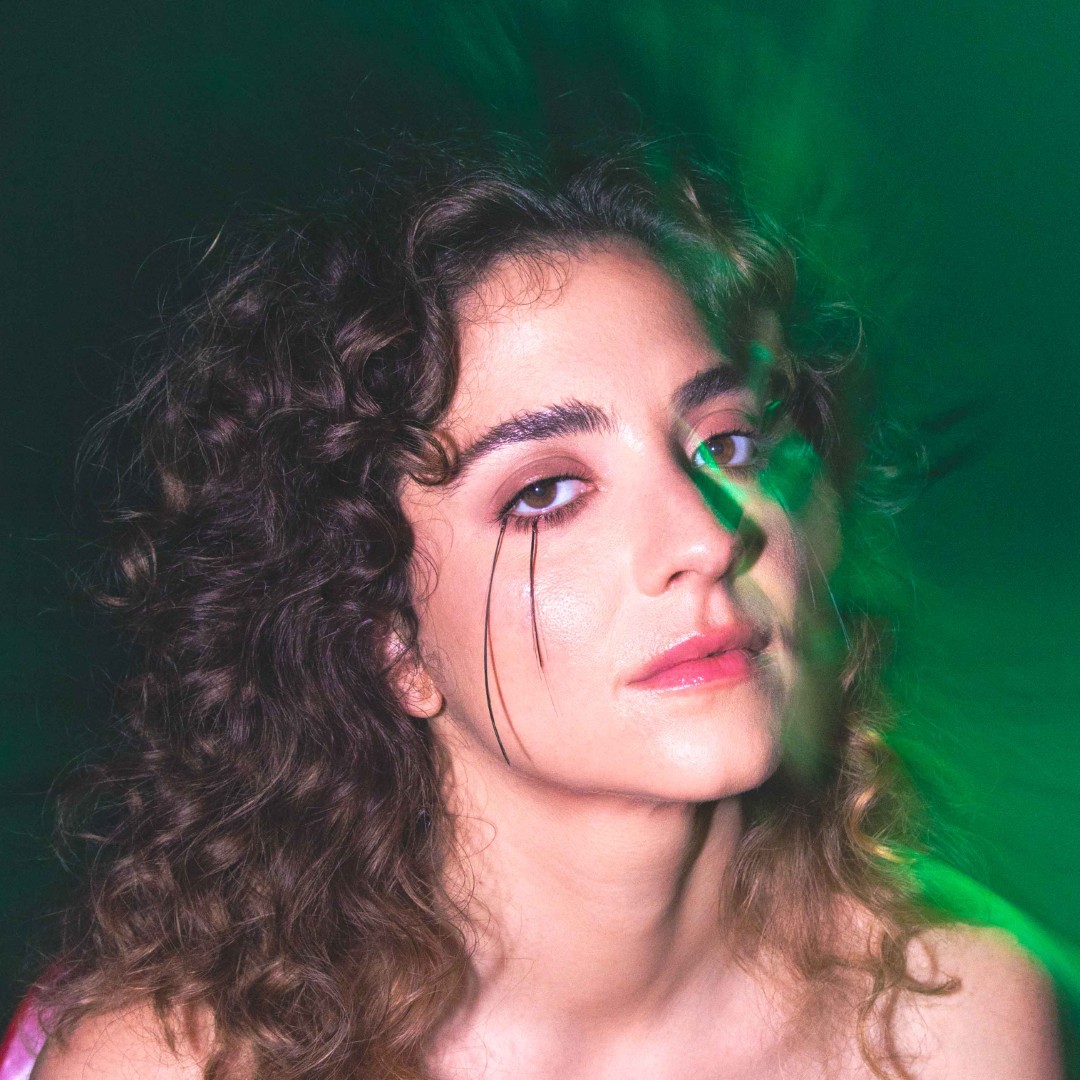
How does your process balance reality and imagination?
For me, there isn’t a clear separation between reality and imagination. Everything I photograph already exists in front of me, the people and the environments. The imaginative part comes from how I frame it, what I choose to include, and what I leave out. By slightly shifting perspective or context, reality reveals something quieter and more poetic without needing to invent anything new.
What do you hope viewers feel or take away from your work?
I hope viewers feel lighter when encountering the work, encouraged to smile, slow down, and enjoy discovering small Easter eggs hidden within the piece, moments that reward attention.
For more stories of art and culture from across the region, visit our dedicated archives and follow us on Instagram.